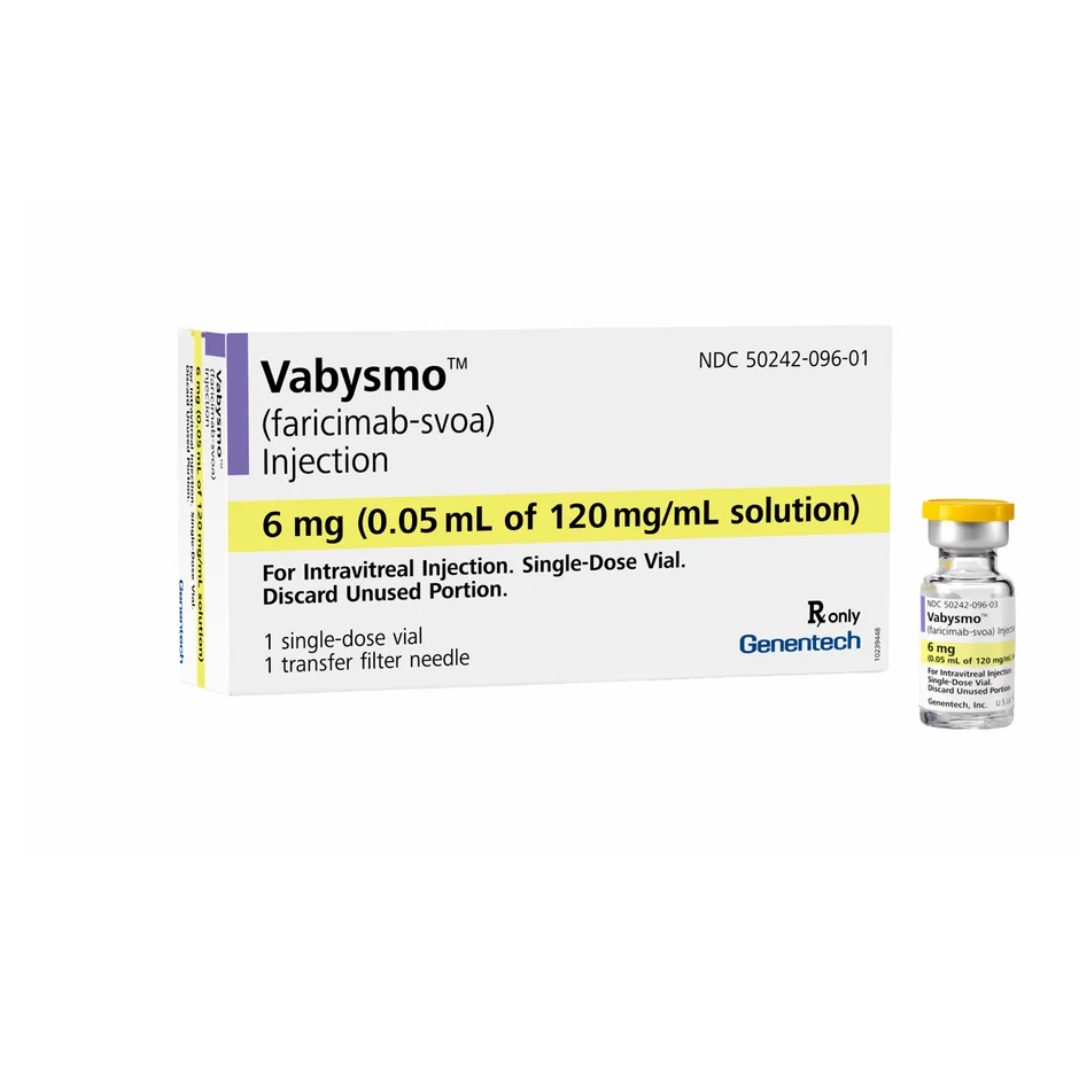
Vabysmo injection 6 MG
Vabysmo 6mg ((0.05) mL) is a prescription intravitreal injection containing faricimab-svoa, designed for adults to treat wet age-related macular degeneration (nAMD), diabetic macular edema (DME), and retinal vein occlusion (RVO). It is the first bispecific antibody for the eye, targeting both VEGF and Ang-2 pathways to reduce vessel leakage, swelling, and improve vision. Key Details for Vabysmo 6mg: Mechanism: It works by blocking vascular endothelial growth factor (VEGF) and angiopoietin-2 (Ang-2), which cause leakage and abnormal blood vessel growth.Dosage: The recommended dose is 6 mg ((0.05) mL) administered by a qualified physician via intravitreal injection, typically monthly for the first 4 doses, followed by extended intervals of up to every 4 months (16 weeks).Administration: It is injected directly into the eye (intravitreal) by an eye specialist.Side Effects: Common side effects include conjunctival hemorrhage (blood on the white of the eye), cataracts, eye floaters, eye pain, and increased eye pressure.
| Brand | vabysmo |
| Dosage | 0.05 ml |
| Prescription Needed | Yes |
| Composition | Faricimab Injection |
| Strength | 6 mg (0.05 mL of 120 mg/mL solution) |
| Form | VIAL |
| Pack Size | 1 x 1 |
| Packaging Type | vial |
| Packaging | 1vial |
Vabysmo injection 6 MG
Vabysmo 6mg ((0.05) mL) is a prescription intravitreal injection containing faricimab-svoa, designed for adults to treat wet age-related macular degeneration (nAMD), diabetic macular edema (DME), and retinal vein occlusion (RVO). It is the first bispecific antibody for the eye, targeting both VEGF and Ang-2 pathways to reduce vessel leakage, swelling, and improve vision. Key Details for Vabysmo 6mg: Mechanism: It works by blocking vascular endothelial growth factor (VEGF) and angiopoietin-2 (Ang-2), which cause leakage and abnormal blood vessel growth.Dosage: The recommended dose is 6 mg ((0.05) mL) administered by a qualified physician via intravitreal injection, typically monthly for the first 4 doses, followed by extended intervals of up to every 4 months (16 weeks).Administration: It is injected directly into the eye (intravitreal) by an eye specialist.Side Effects: Common side effects include conjunctival hemorrhage (blood on the white of the eye), cataracts, eye floaters, eye pain, and increased eye pressure.
Related Products
-
-
Empaone 10mg Tablet
-
Empaone 25mg Tablet
-
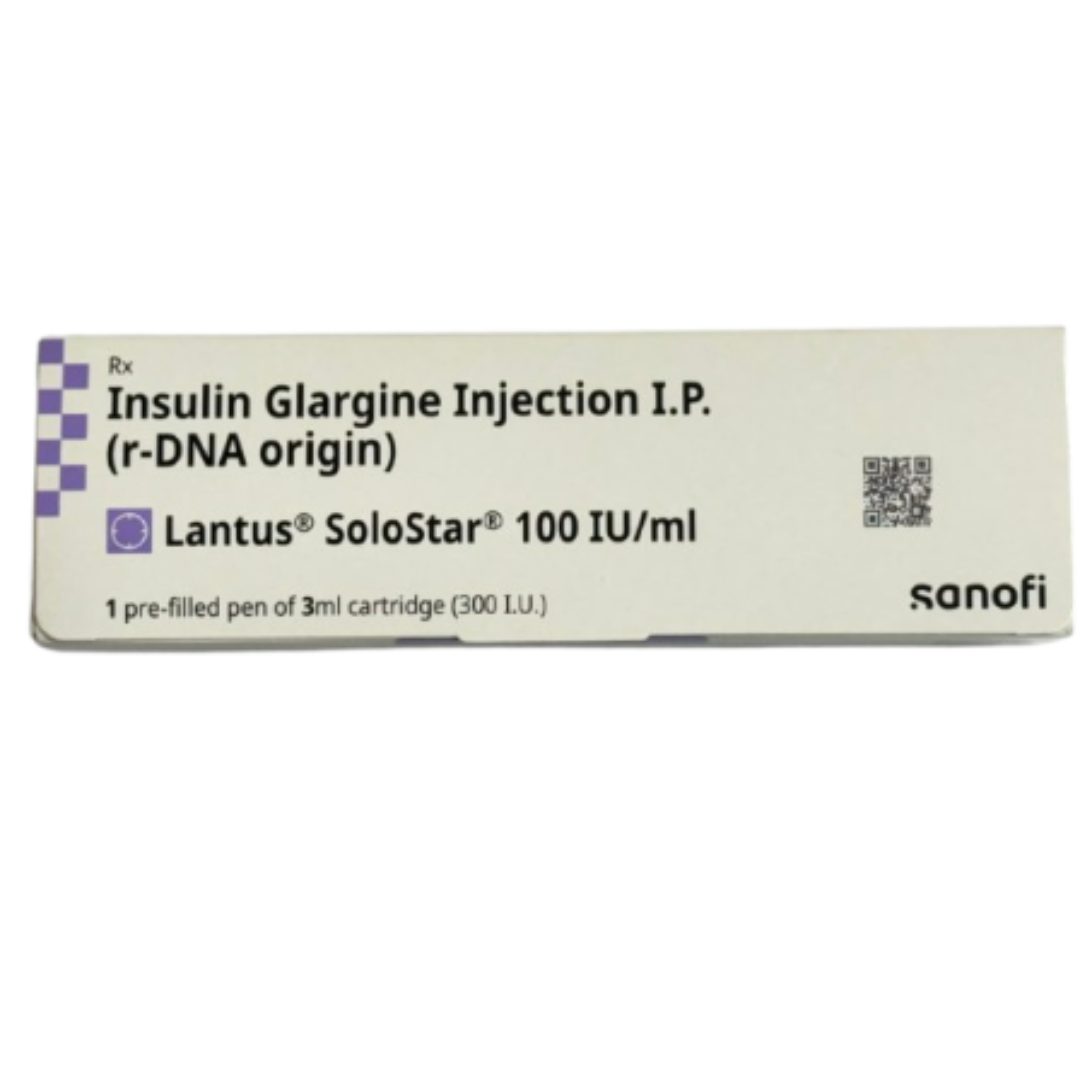
Lantus 100 IU/ml Injection
-
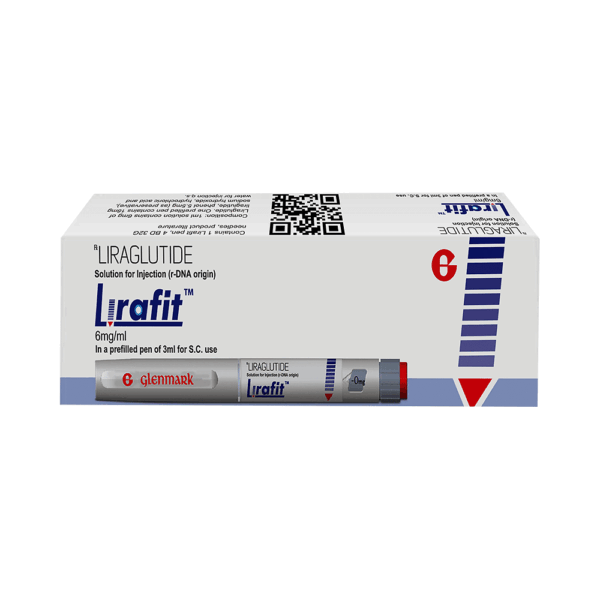
Lirafit 6mg injection
-
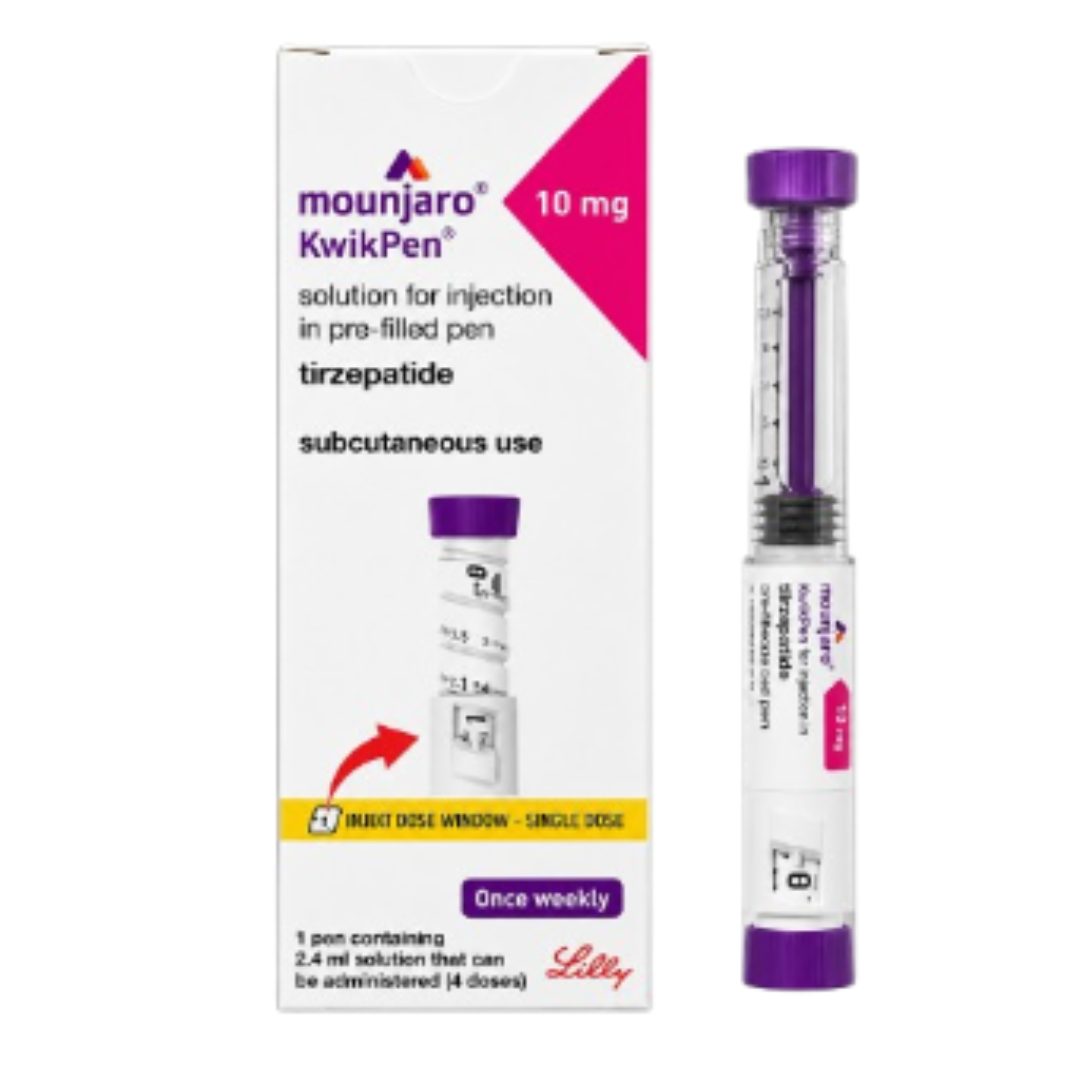
Mounjaro 10MG Injection
-
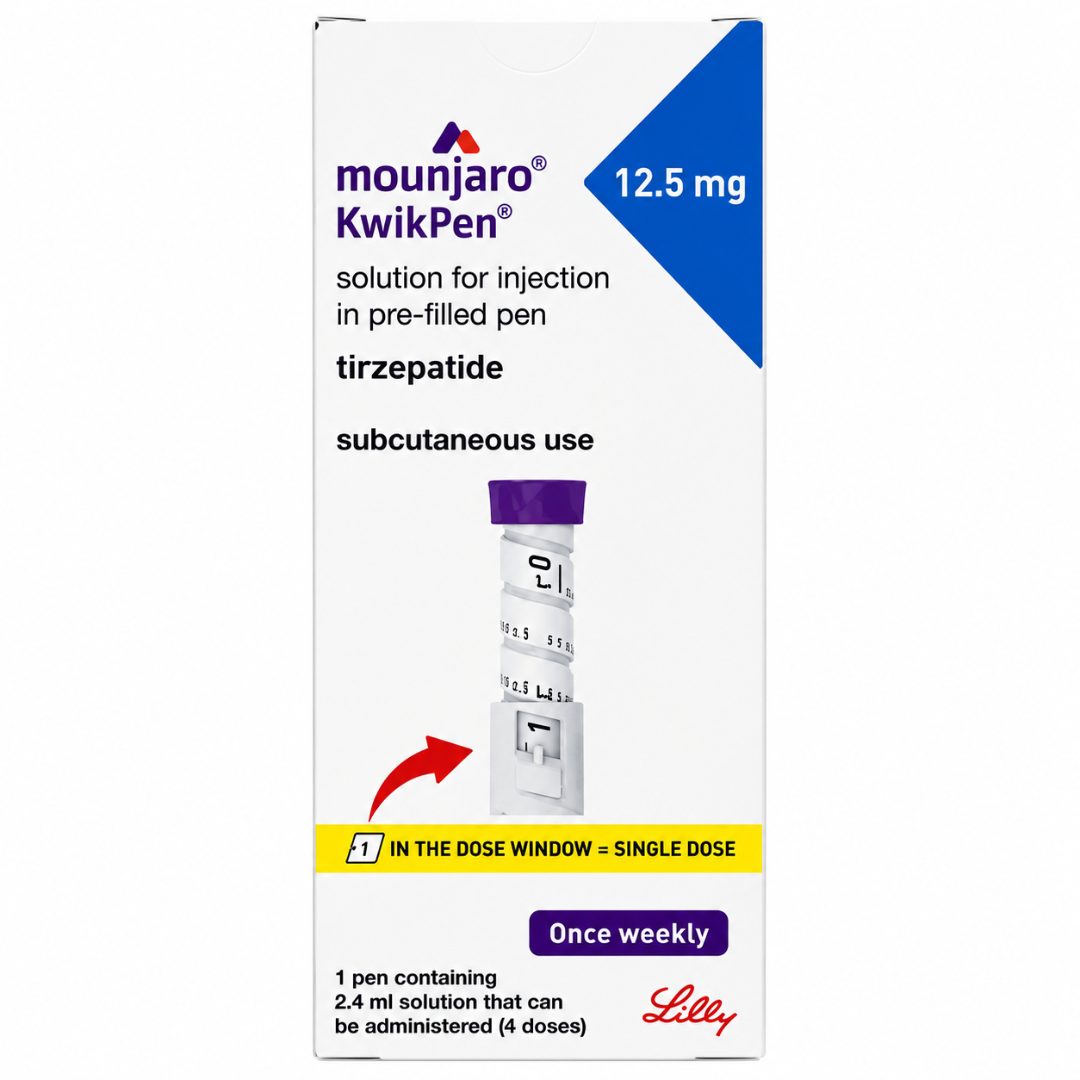
Mounjaro 12.5MG Injection
-
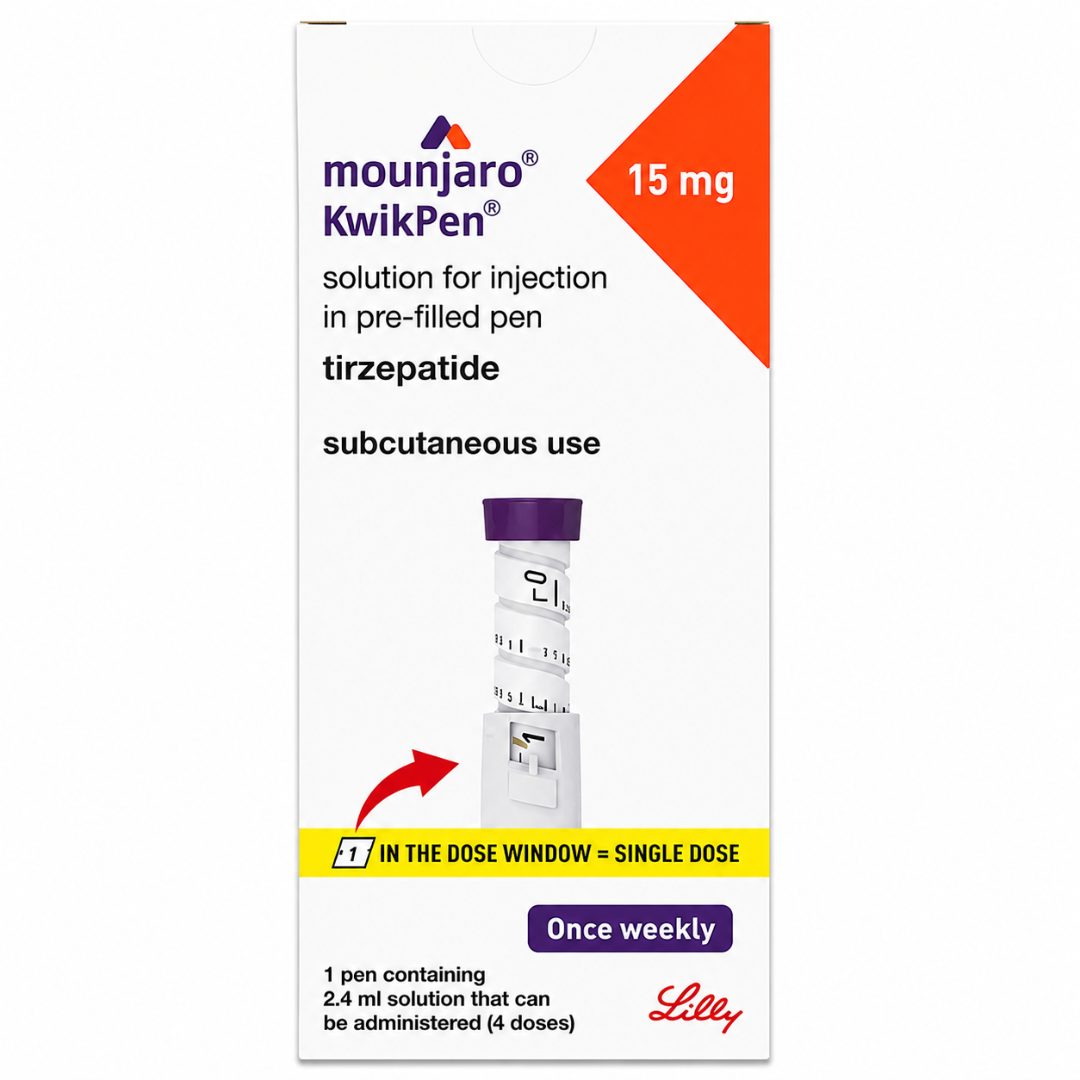
Mounjaro 15MG injection
-
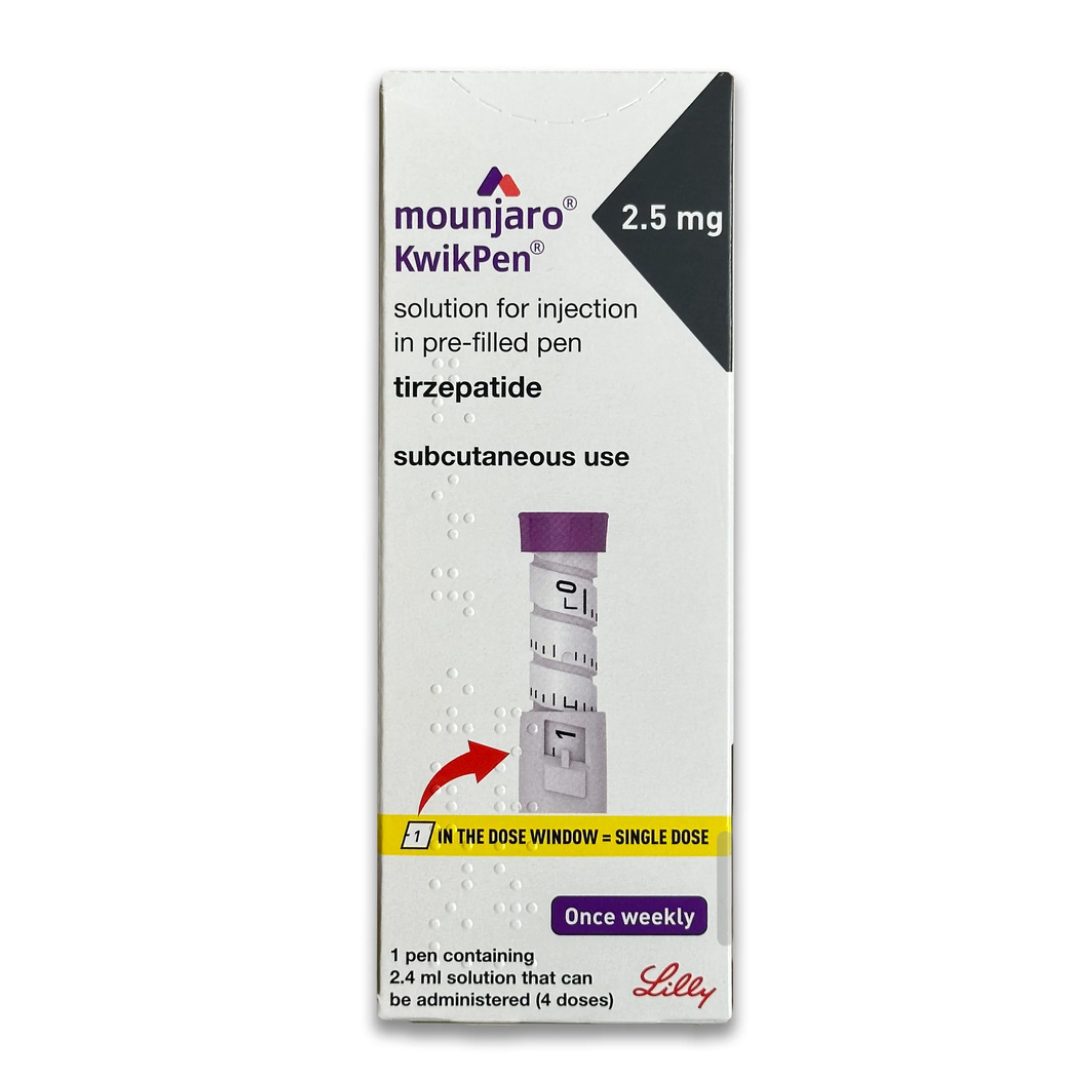
Mounjaro 2.5mg Injection
-
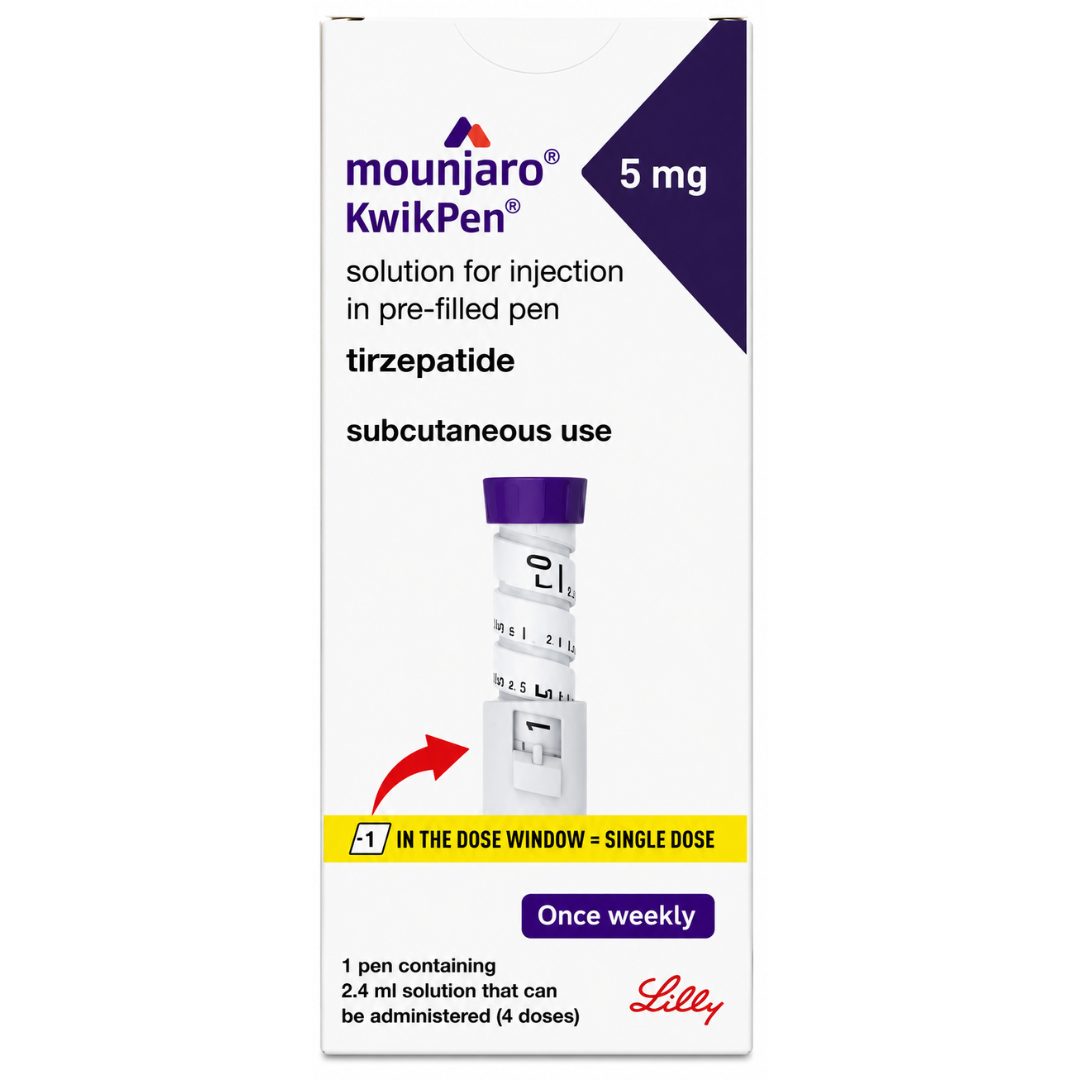
Mounjaro 5MG Injection
-
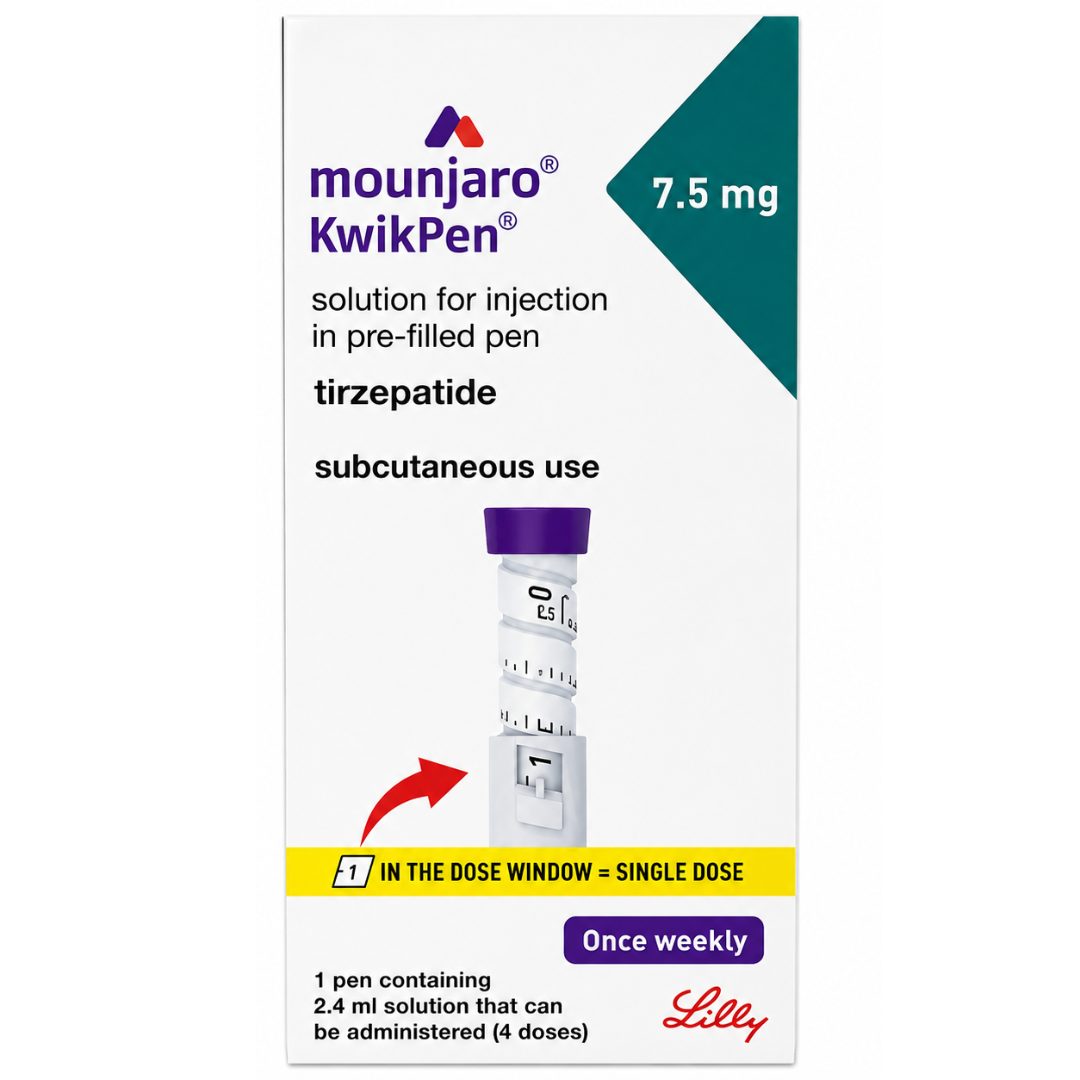
Mounjaro 7.5MG Injection
-
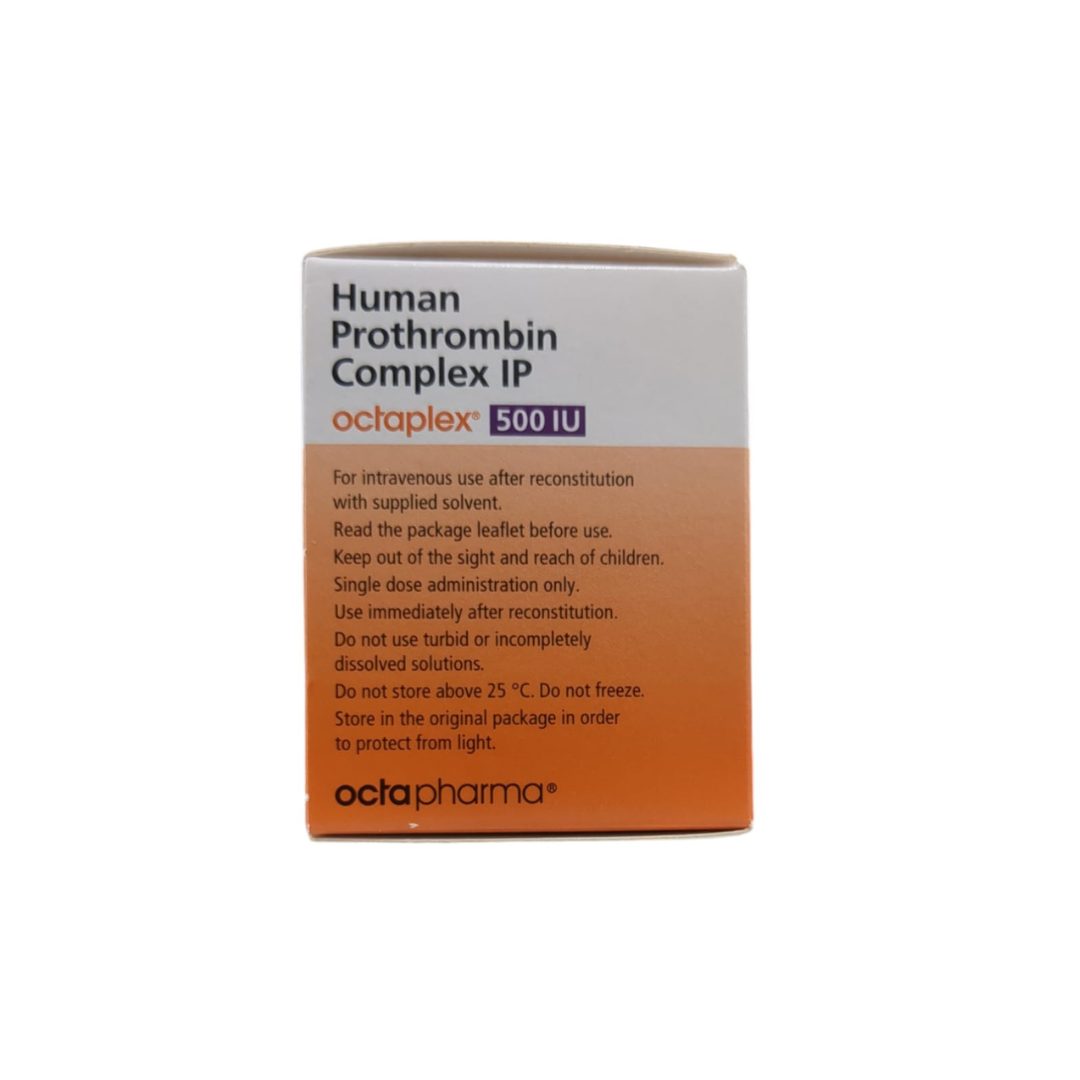
Octaplex 500IU
-
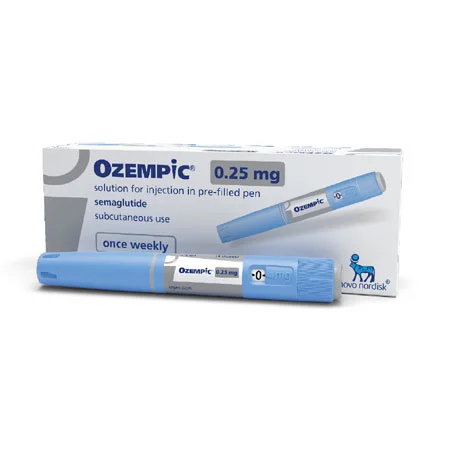
Ozempic 0.25mg Injection
-
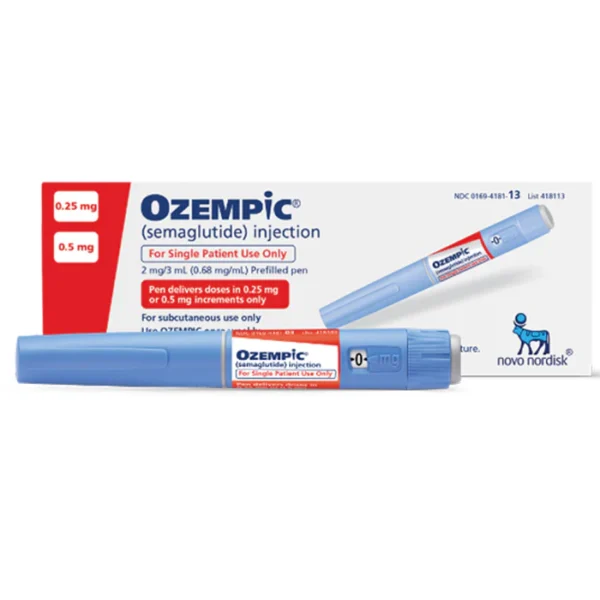
Ozempic 0.5mg Injection
-
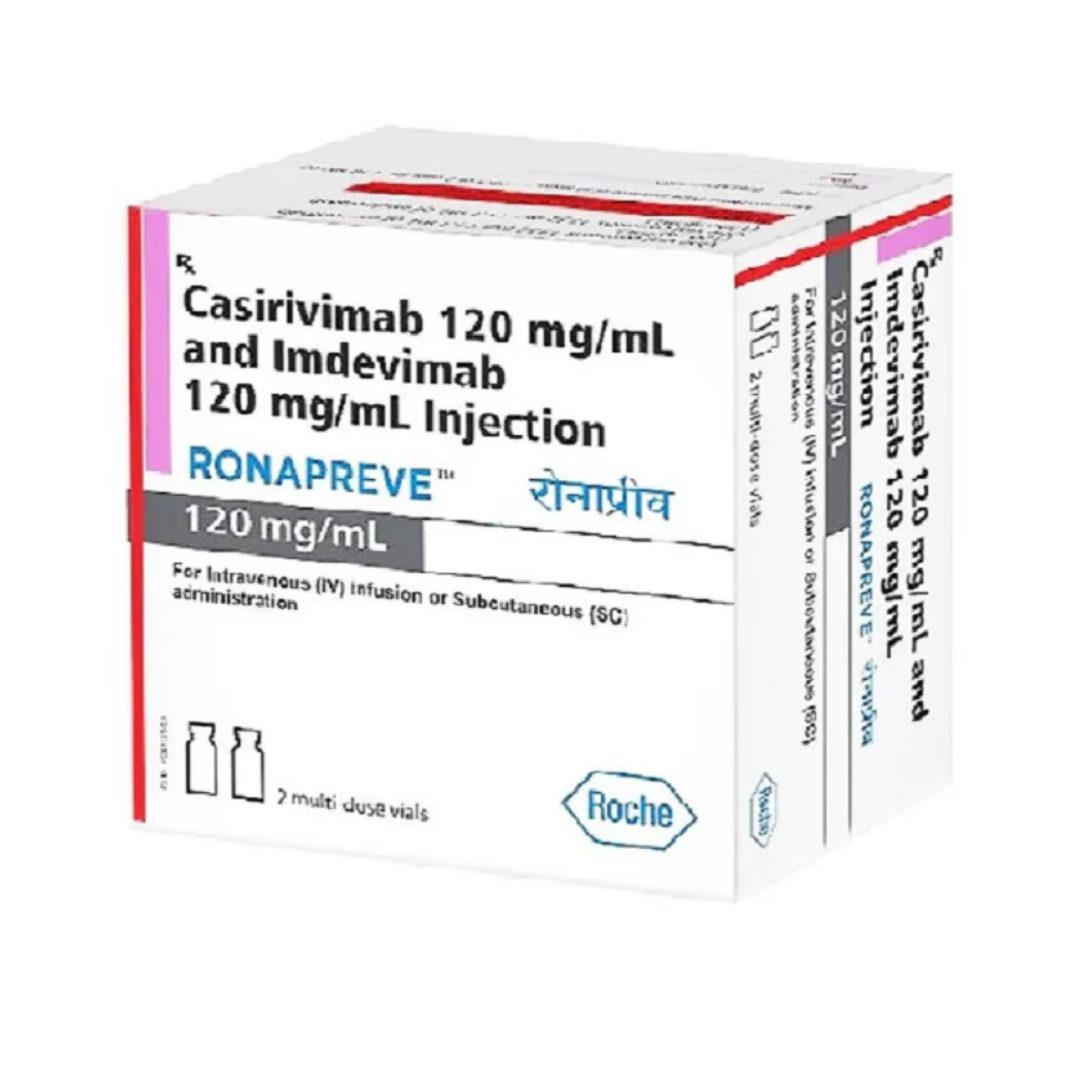
Ronapreve 120MG
-
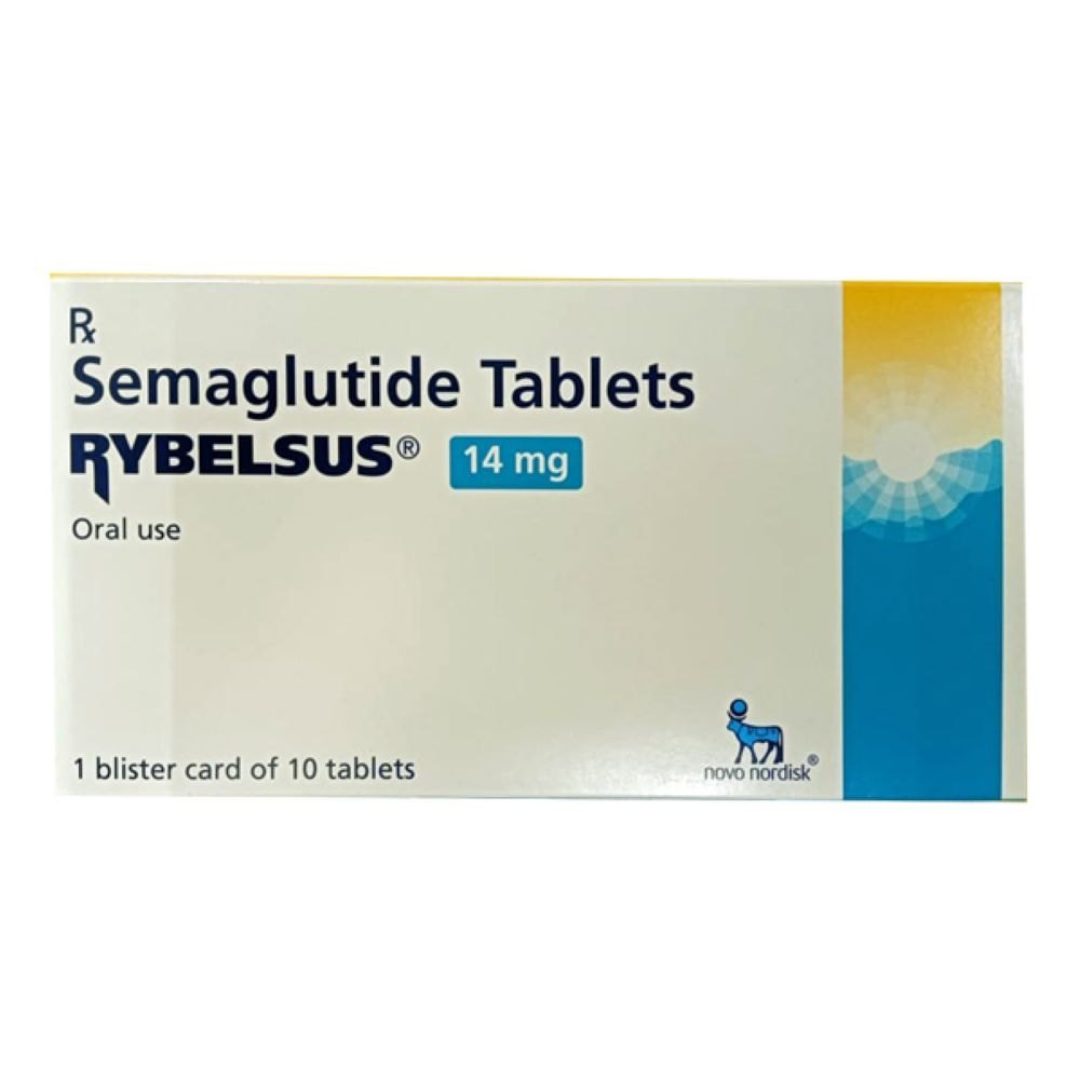
Rybelsus 14mg Tablets
-
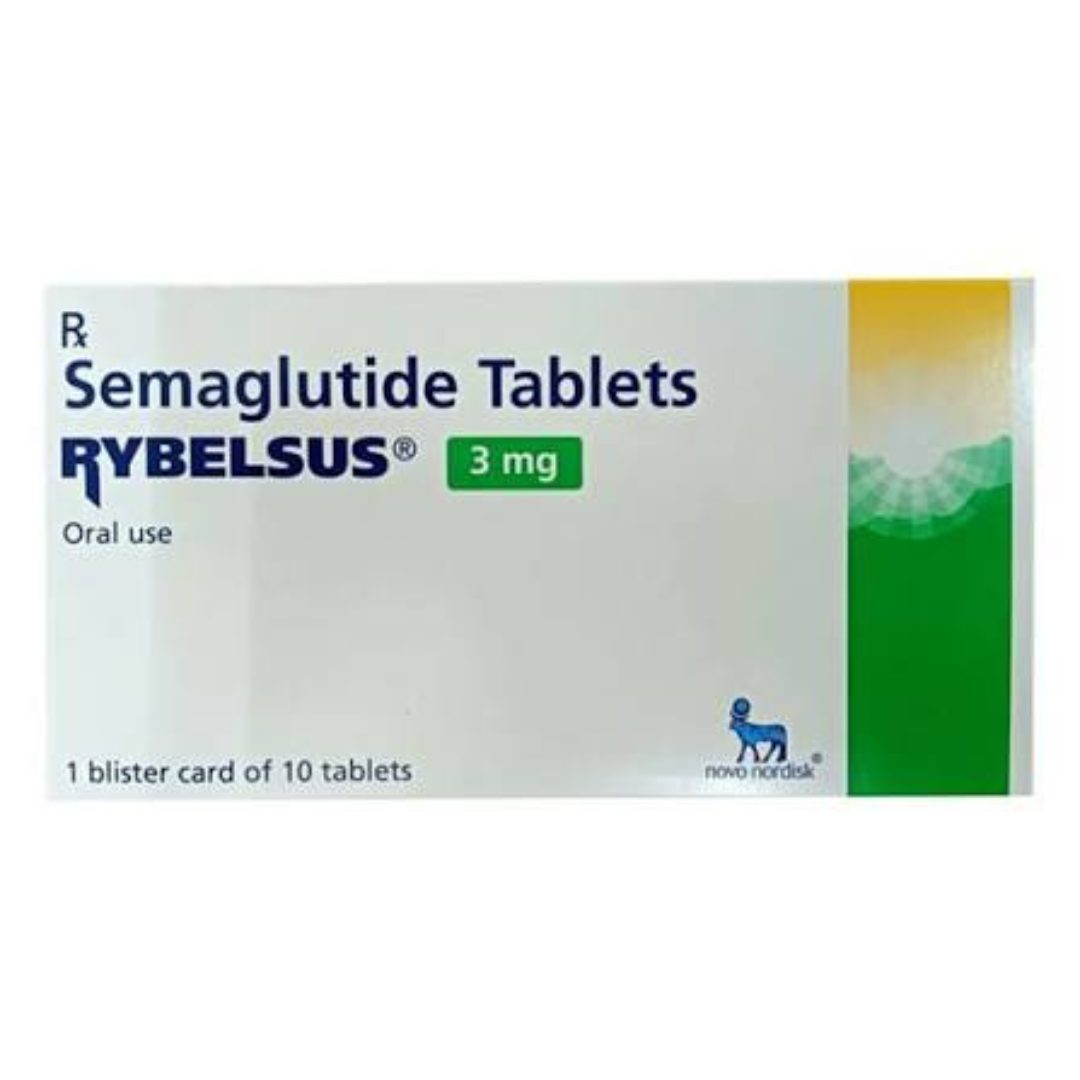
Rybelsus 3mg tablet
-
Rybelsus 7mg tablet
-
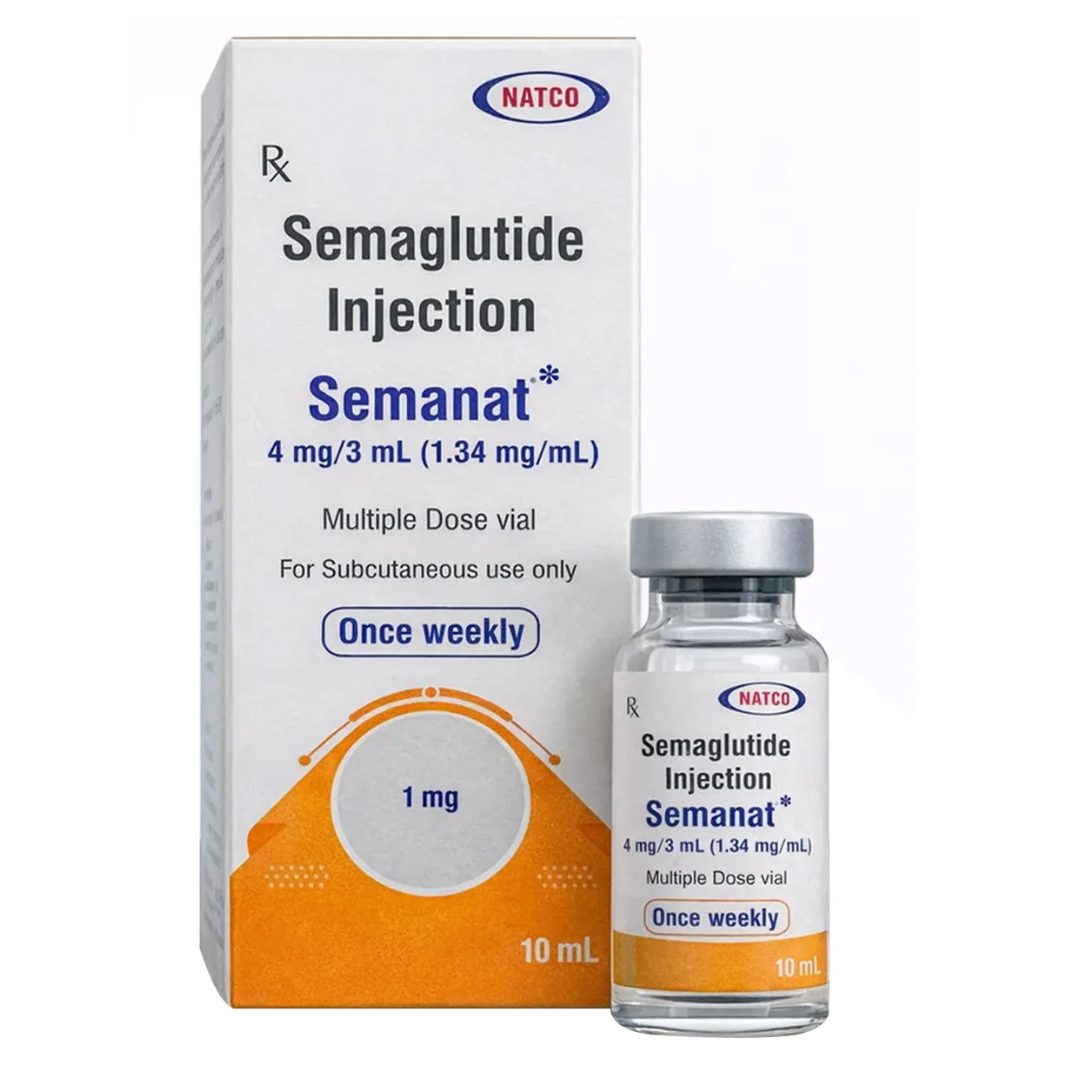
Semanat 1 mg Injection
-
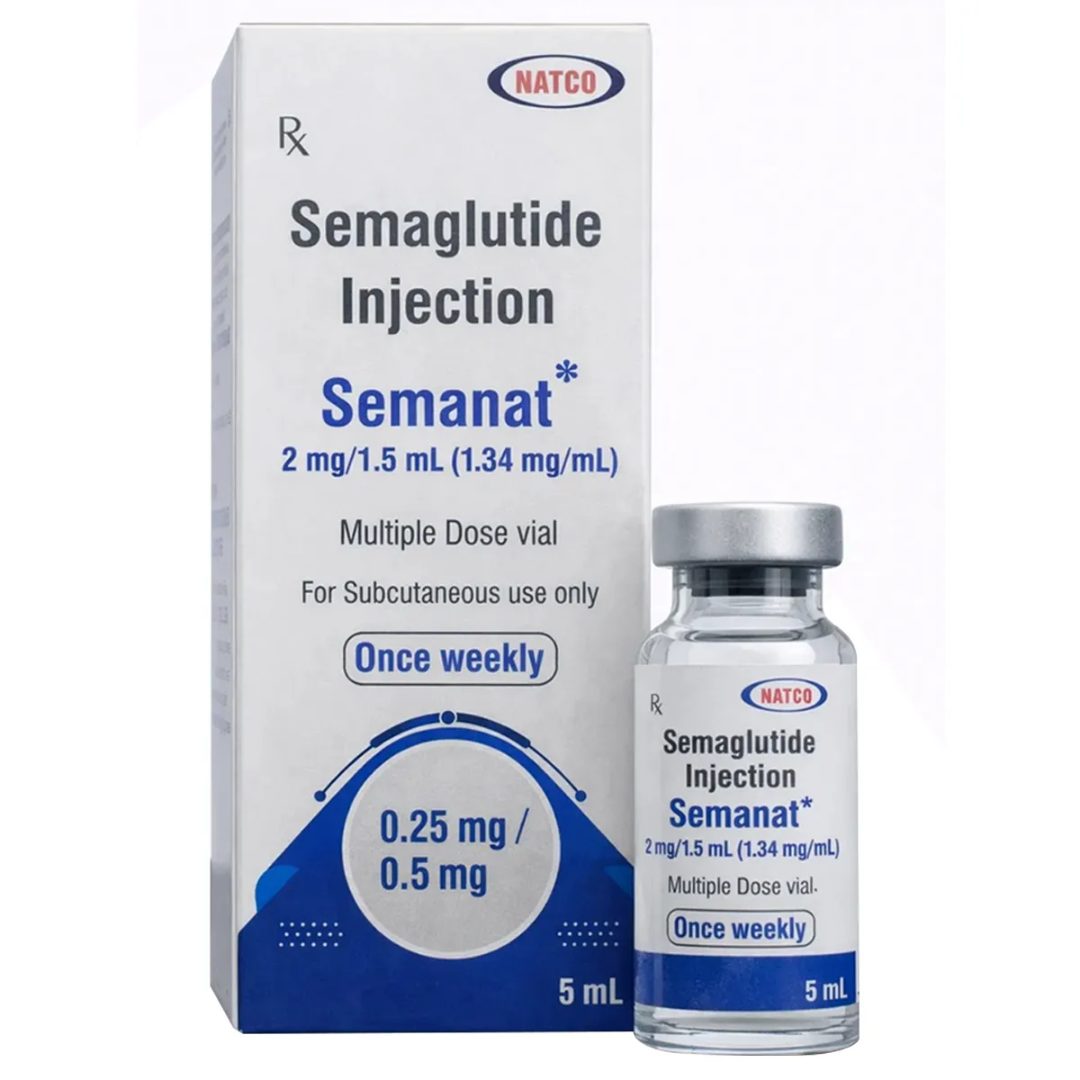
Semanat 2 mg Injection
-
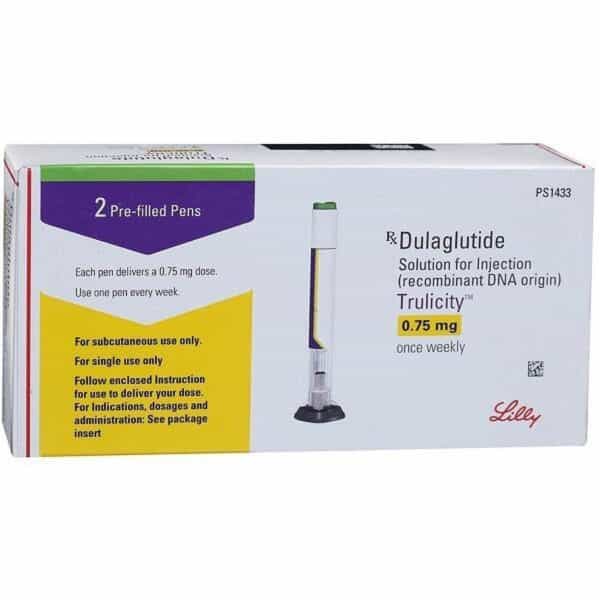
Trulicity 0.75mg Pen Injection
-
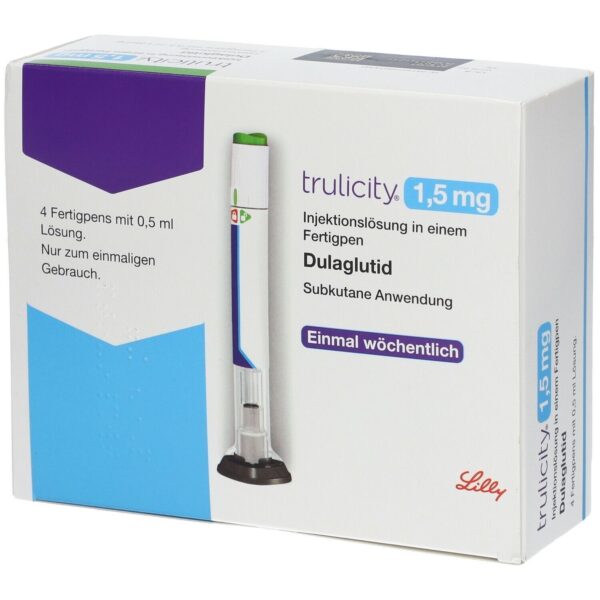
Trulicity 1.5mg Pen Injection
-
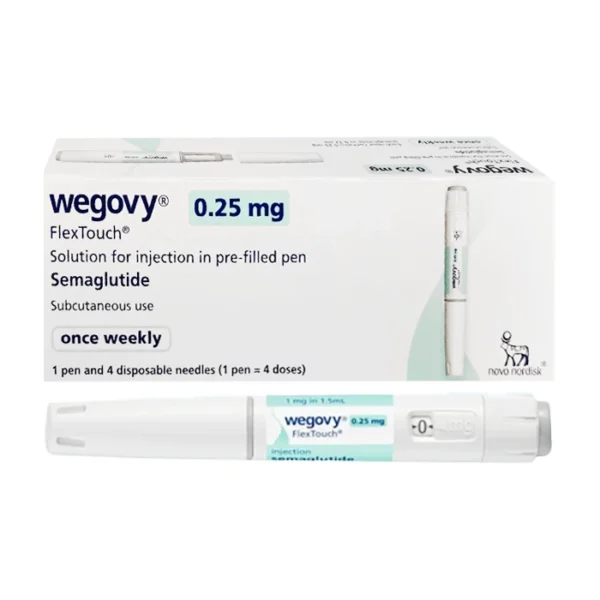
Wegovy 0.25mg FlexTouch
-
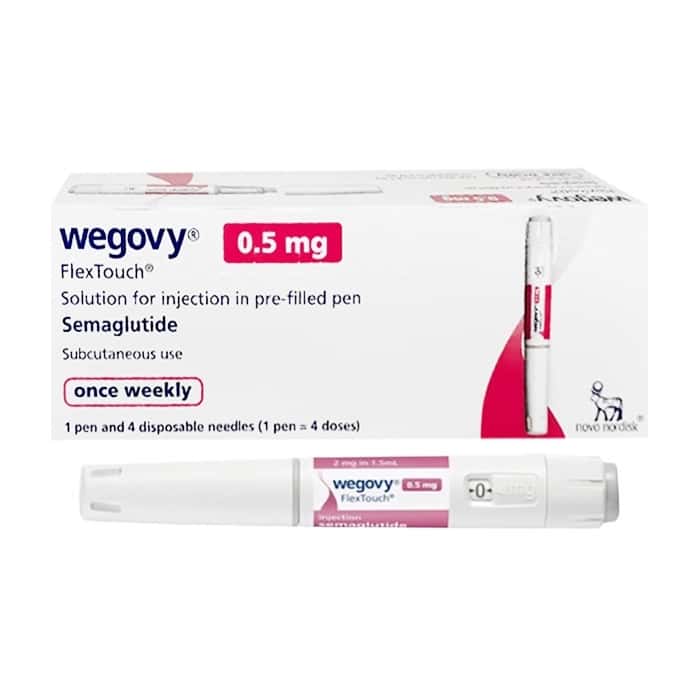
Wegovy 0.5mg FlexTouch
-
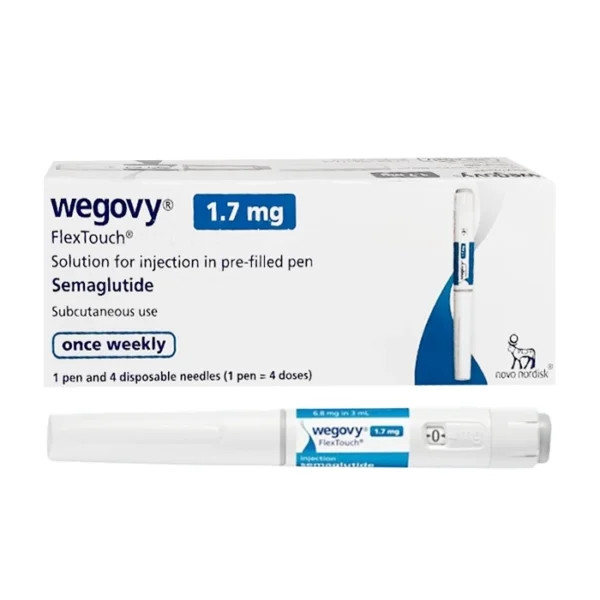
Wegovy 1.7mg FlexTouch
-
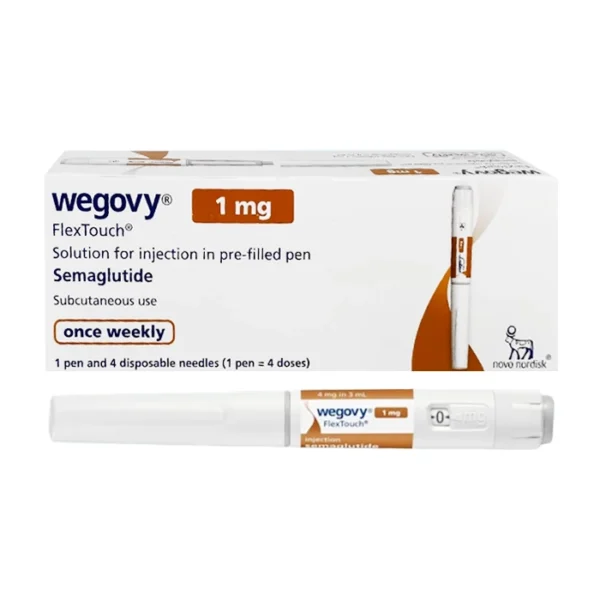
Wegovy 1mg FlexTouch
-
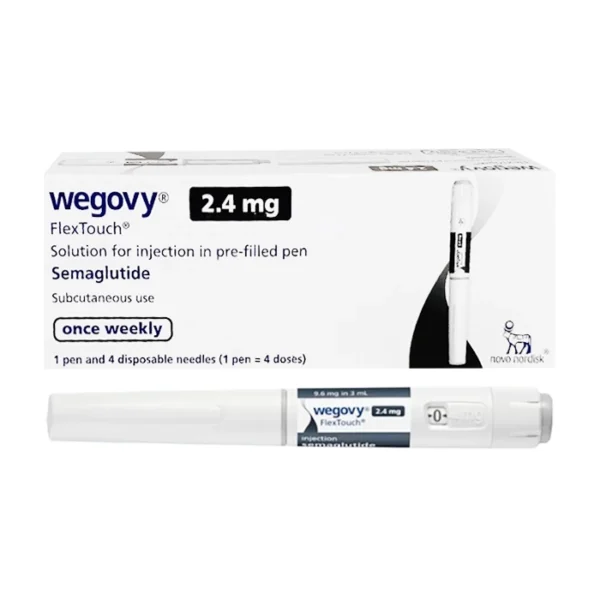
Wegovy 2.4mg FlexTouch