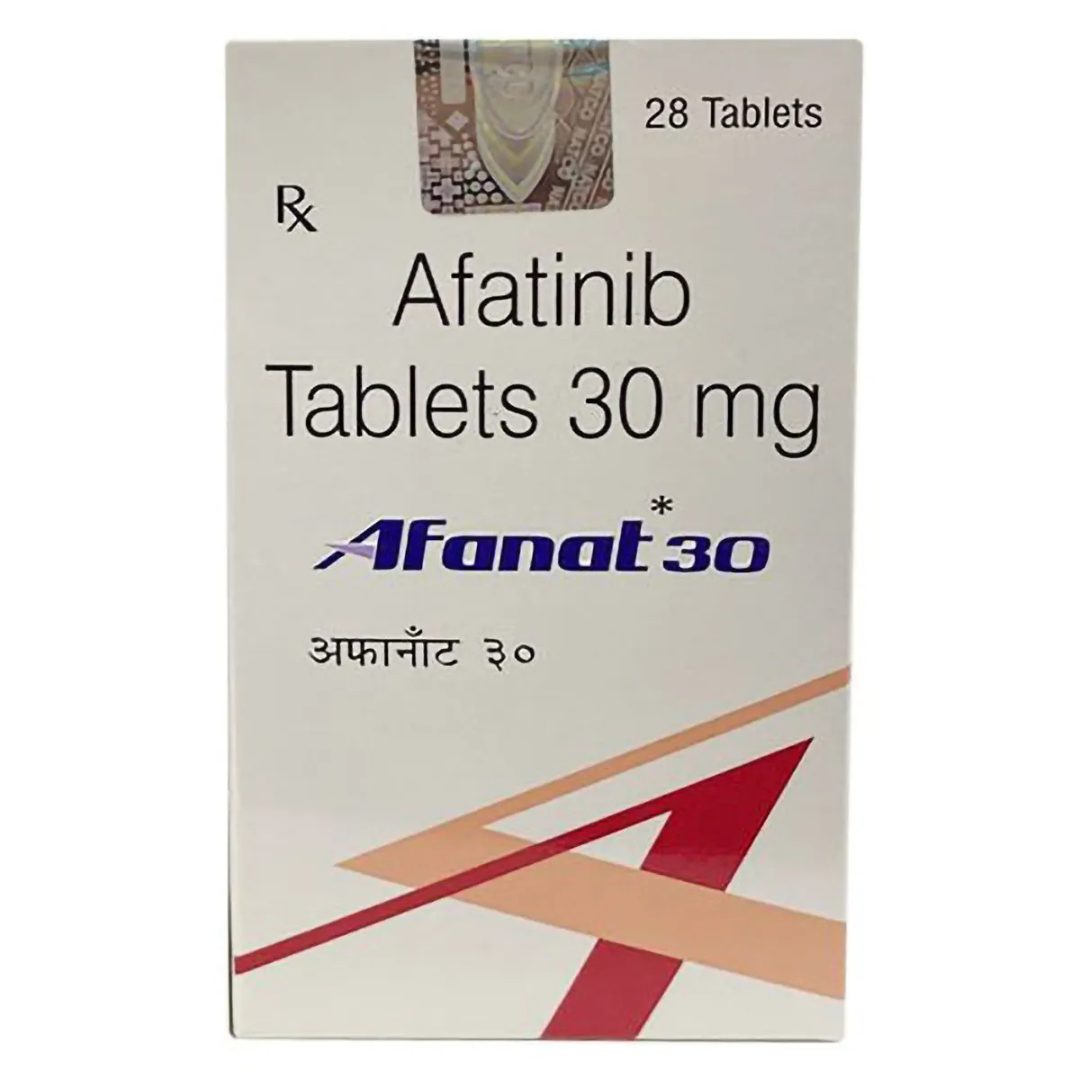
Afanat 30mg Tablets
Afanat 30mg Tablets Afanat 30 contains Afatinib, an orally administered, potent, selective, and irreversible ErbB family blocker. Afatinib covalently binds to and irreversibly blocks signaling from all homo- and heterodimers formed by the ErbB family receptors: EGFR (ErbB1), HER2 (ErbB2), ErbB3, and ErbB4. By covalently binding to the kinase domains of these receptors, Afatinib prevents receptor autophosphorylation and downstream signal transduction, leading to inhibition of tumor cell proliferation, survival, and invasive potential in ErbB-dependent tumors. Afanat 30 is indicated for the first-line treatment of patients with metastatic non-small cell lung cancer (NSCLC) whose tumors have non-resistant epidermal growth factor receptor (EGFR) mutations, as well as for patients with advanced squamous NSCLC progressing after platinum-based chemotherapy.
| Brand | Afanat |
| Storage Temperature | Store in a dry place, protected from light and moisture at a temperature not exceeding 30°C (86°F) |
| Prescription Needed | Yes |
| Composition | Afatinib |
| Strength | 30 mg |
| Form | Tablets |
| Pack Size | 28 Tablets |
| Packaging | Blister Strip |
| Country of Origin | Made In India |
| Manufacturer | NATCO Pharma Limited |
Afanat 30mg Tablets
Afanat 30mg Tablets Afanat 30 contains Afatinib, an orally administered, potent, selective, and irreversible ErbB family blocker. Afatinib covalently binds to and irreversibly blocks signaling from all homo- and heterodimers formed by the ErbB family receptors: EGFR (ErbB1), HER2 (ErbB2), ErbB3, and ErbB4. By covalently binding to the kinase domains of these receptors, Afatinib prevents receptor autophosphorylation and downstream signal transduction, leading to inhibition of tumor cell proliferation, survival, and invasive potential in ErbB-dependent tumors. Afanat 30 is indicated for the first-line treatment of patients with metastatic non-small cell lung cancer (NSCLC) whose tumors have non-resistant epidermal growth factor receptor (EGFR) mutations, as well as for patients with advanced squamous NSCLC progressing after platinum-based chemotherapy.
Related Products
-
-
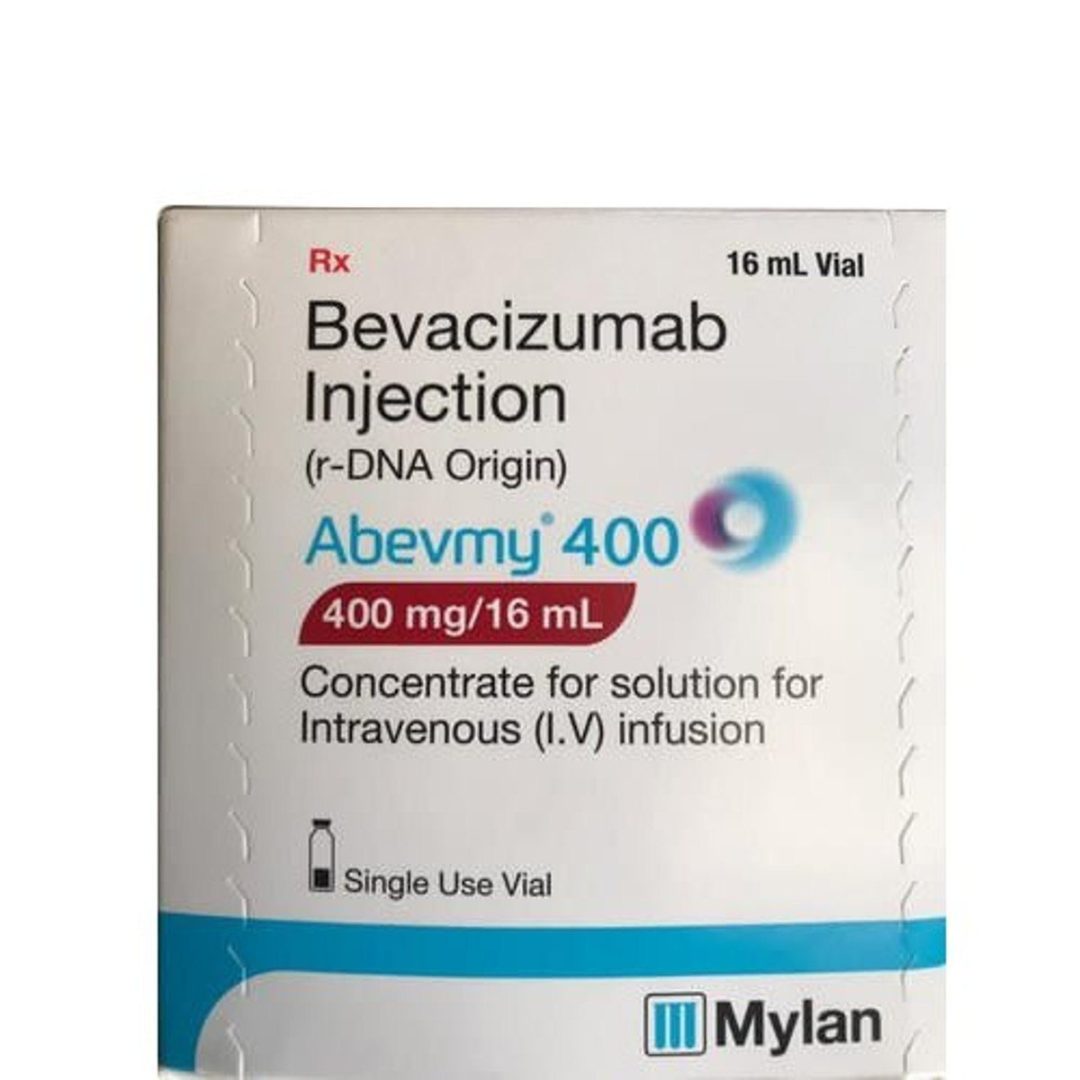
Abevmy 400 mg/16 mL Injection
-
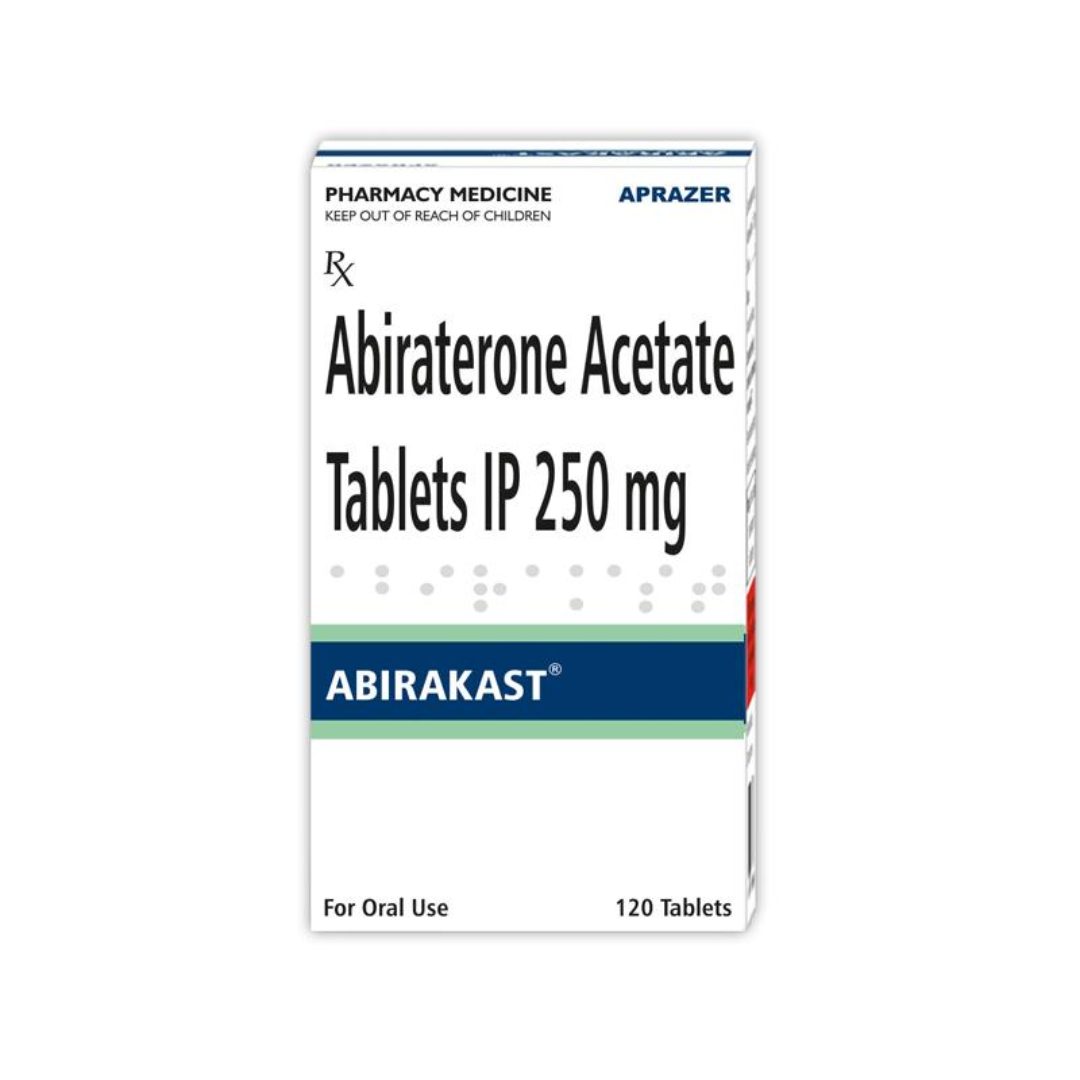
Abirakast 250 mg Tablets
-
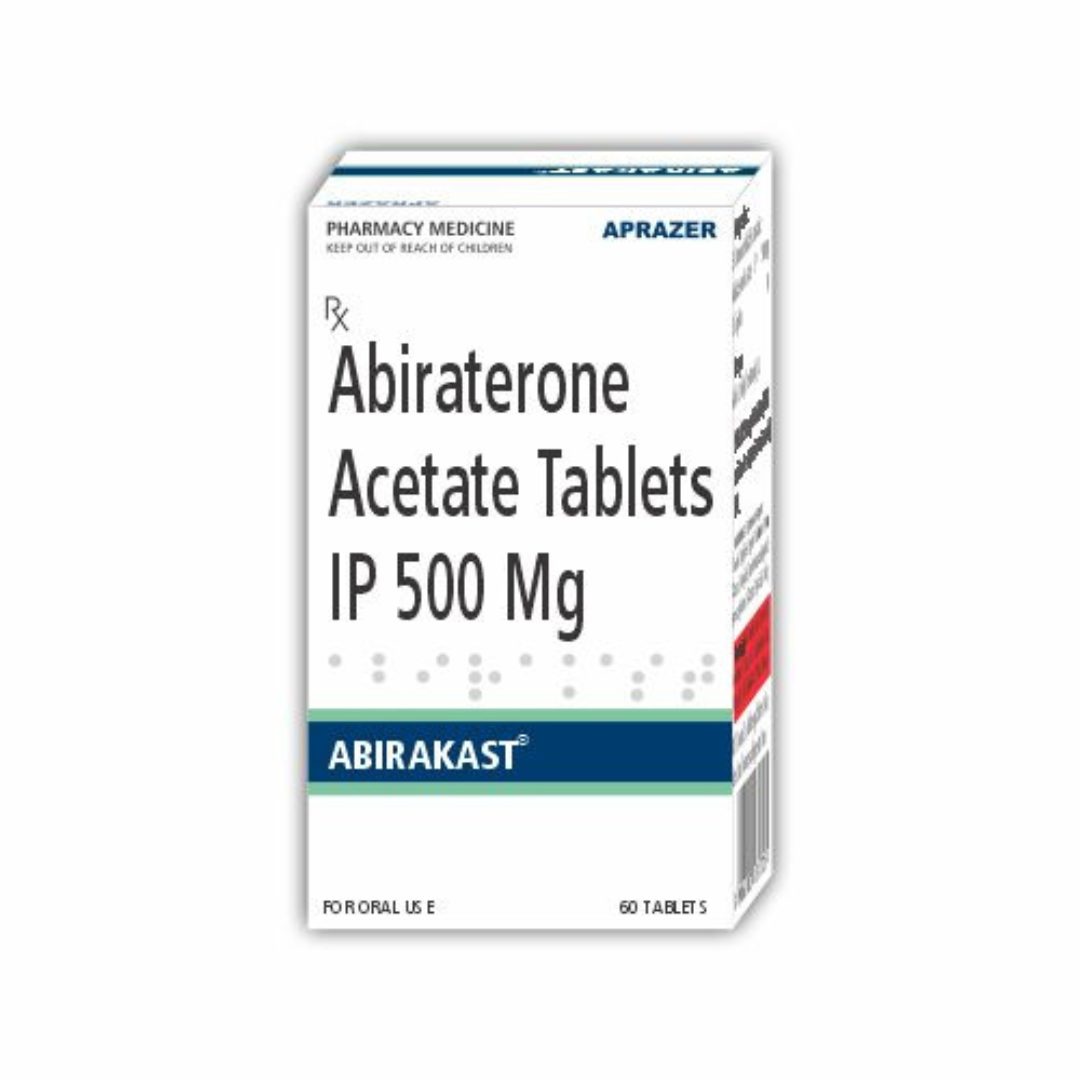
Abirakast 500 mg Tablets
-
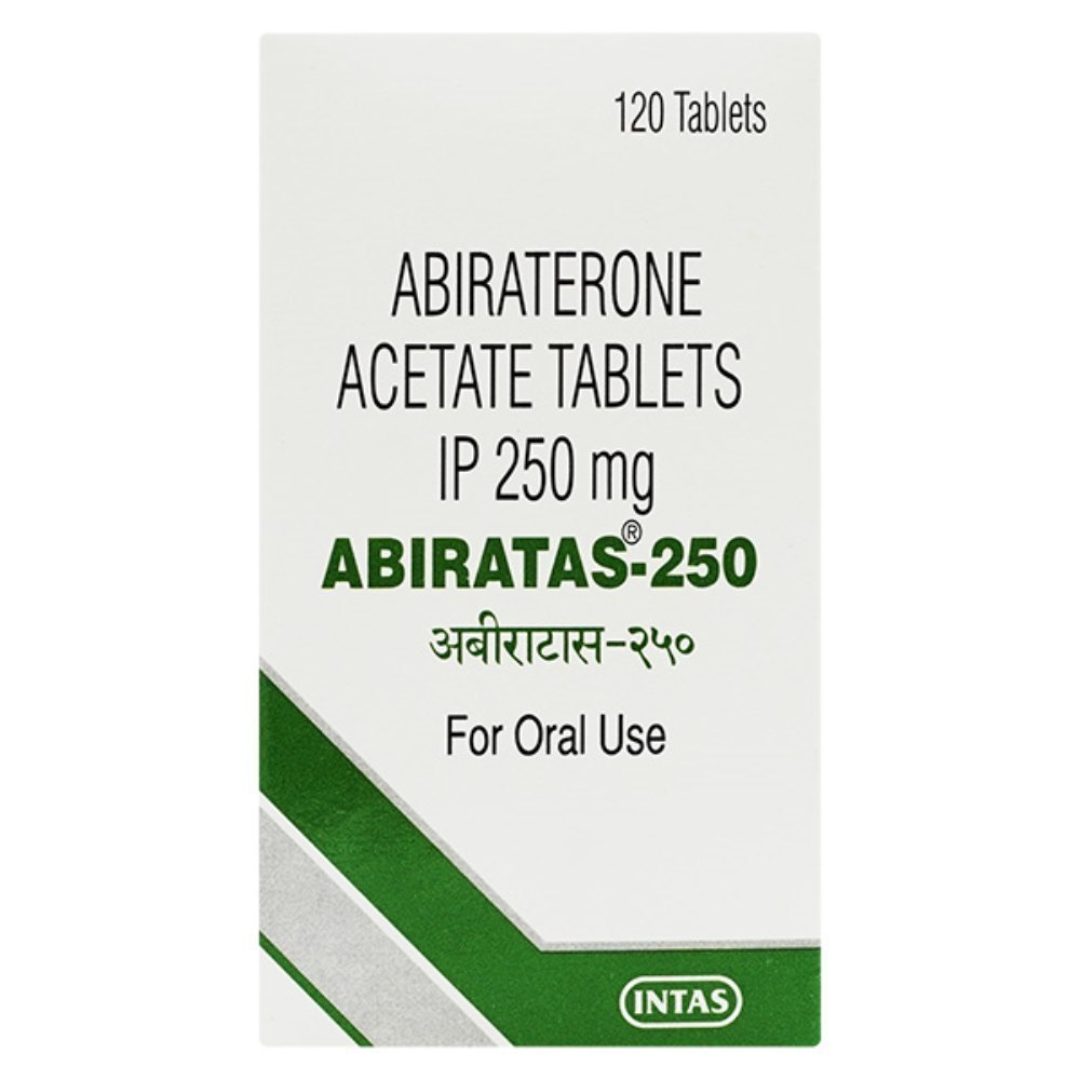
Abiratas 250 mg Tablets
-
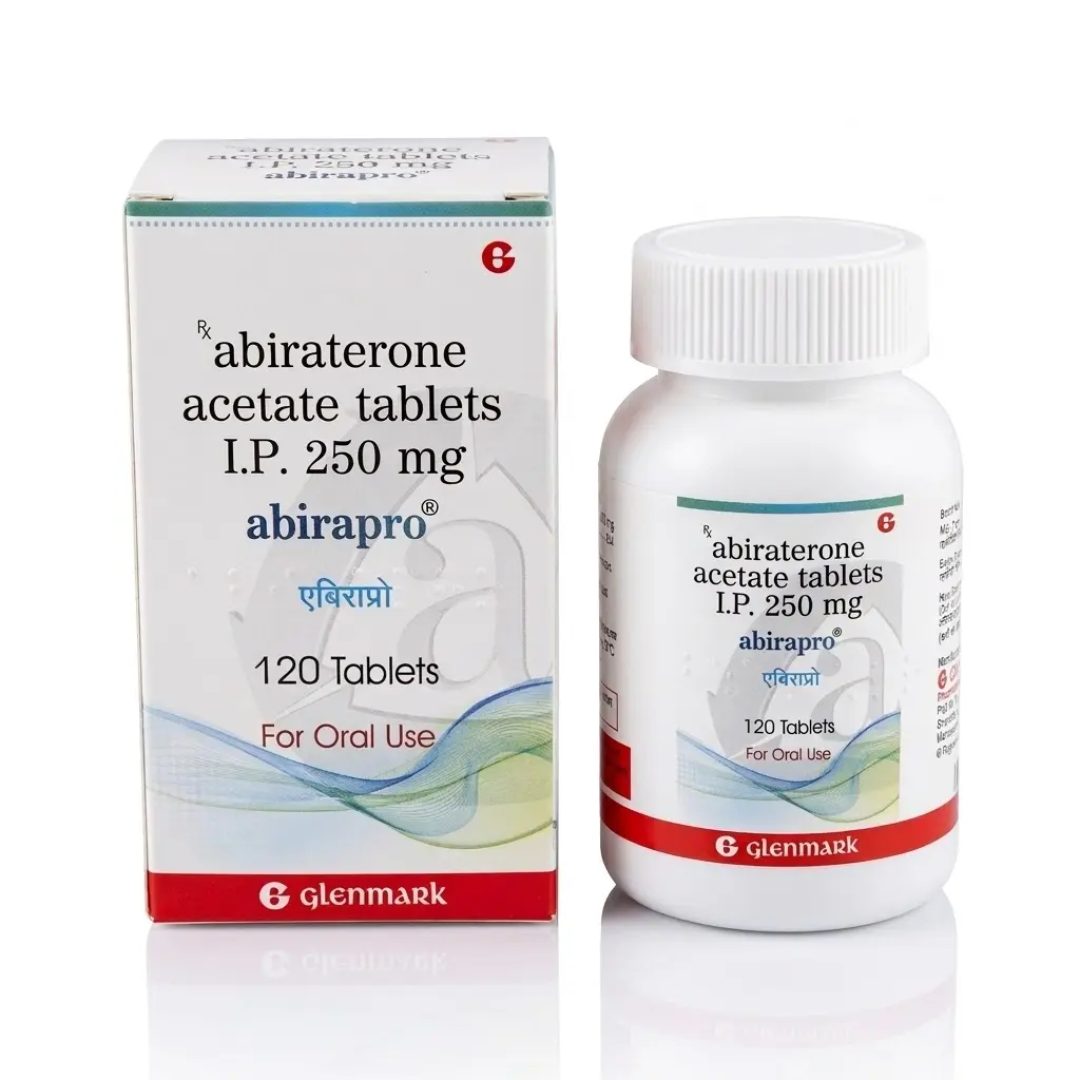
Abirapro 250 mg Tablets
-
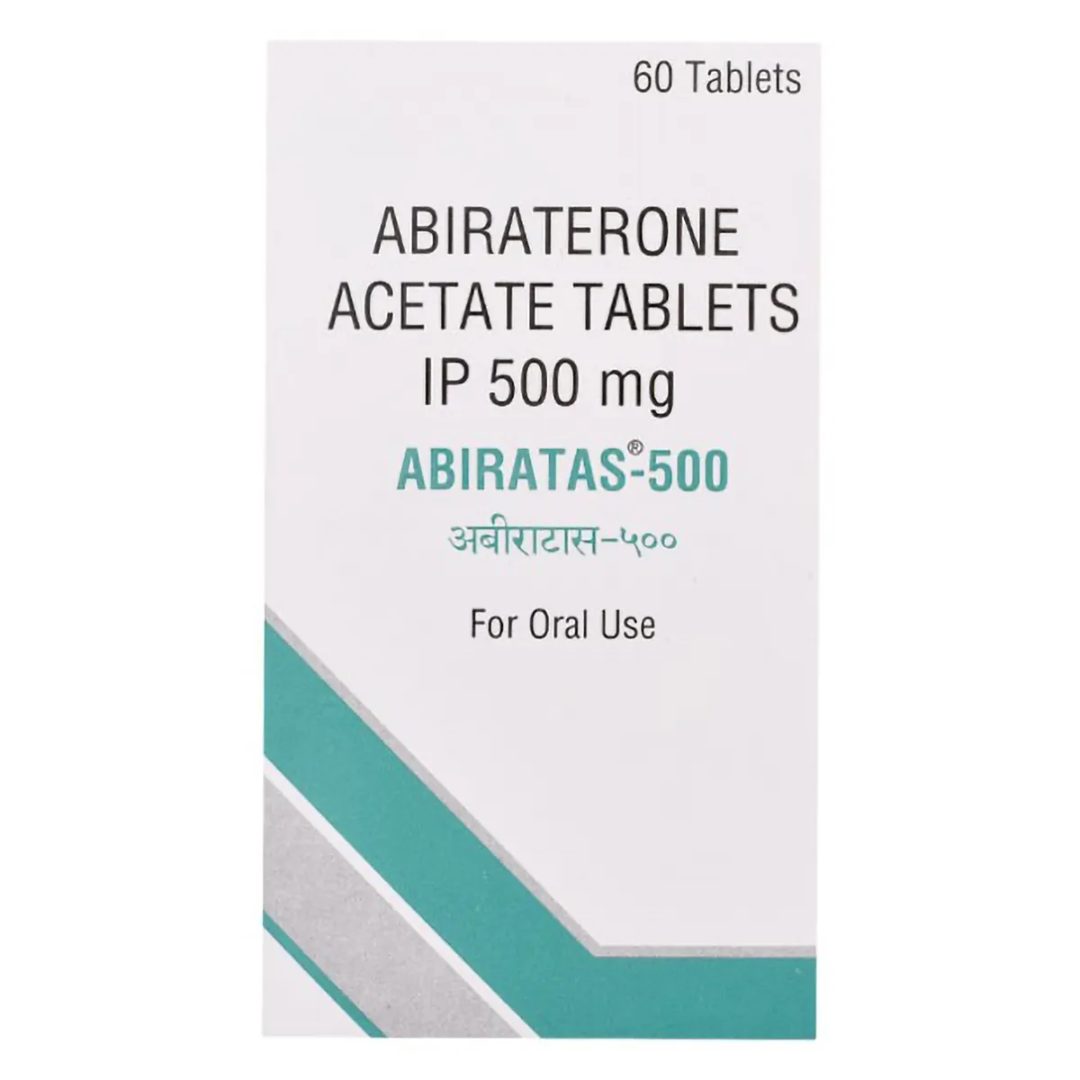
Abiratas 500 mg Tablets
-
Abiratred 500 mg Tablets
-
Abura 250mg Tablet
-
AburiRel 20 g/100 mL
-
Acabrunat 100 mg Capsules
-
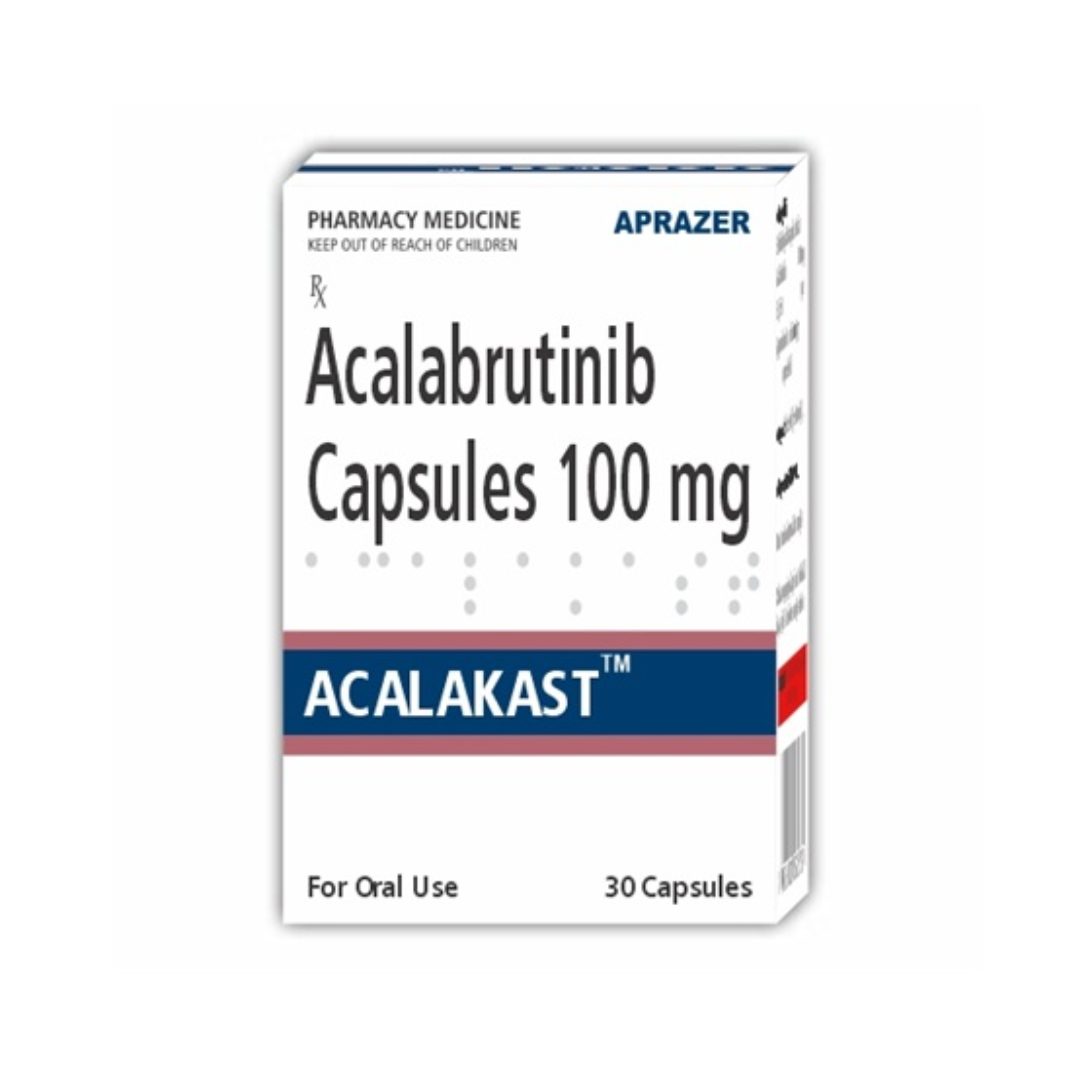
Acalakast 100 Capsules
-
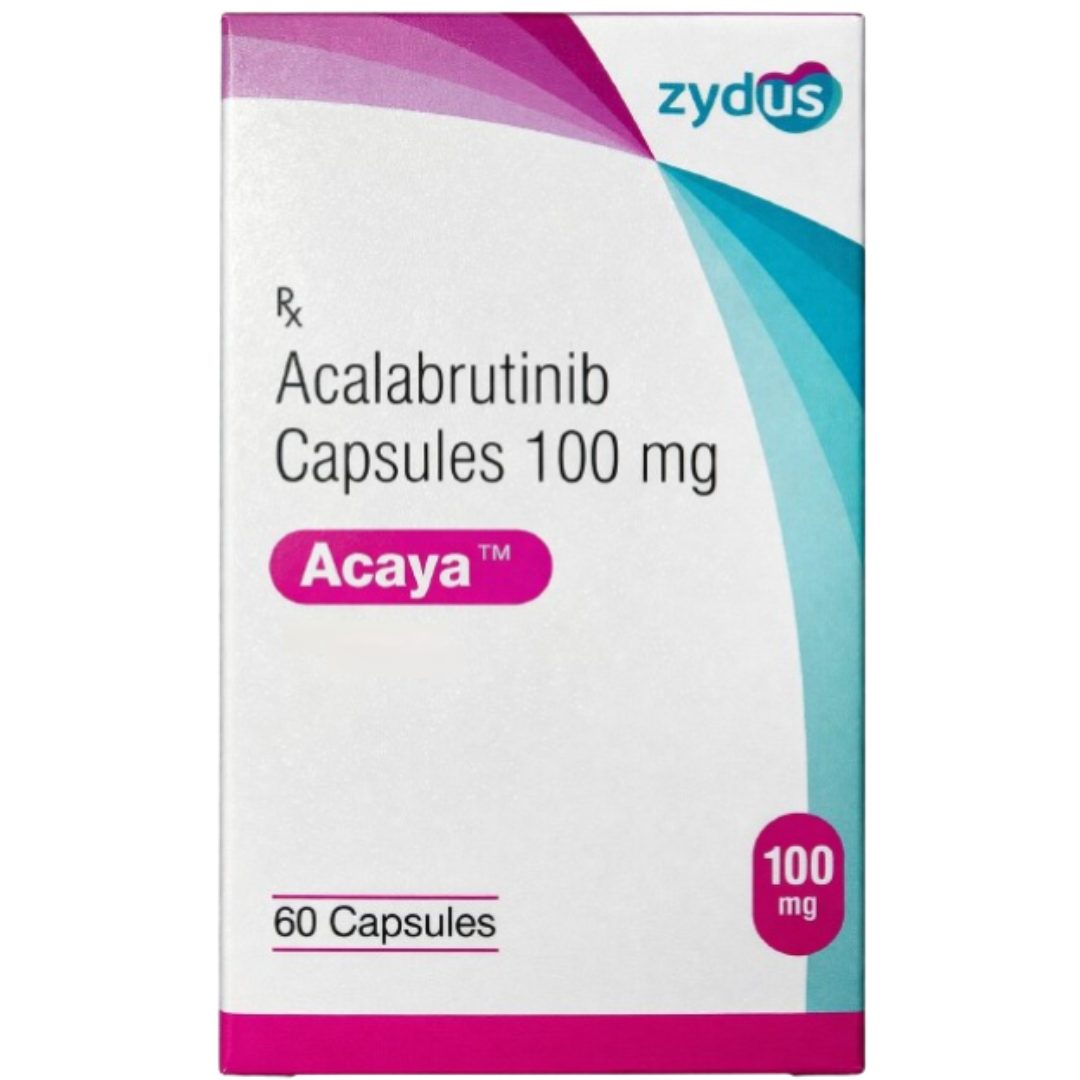
Acaya 100 Capsules
-
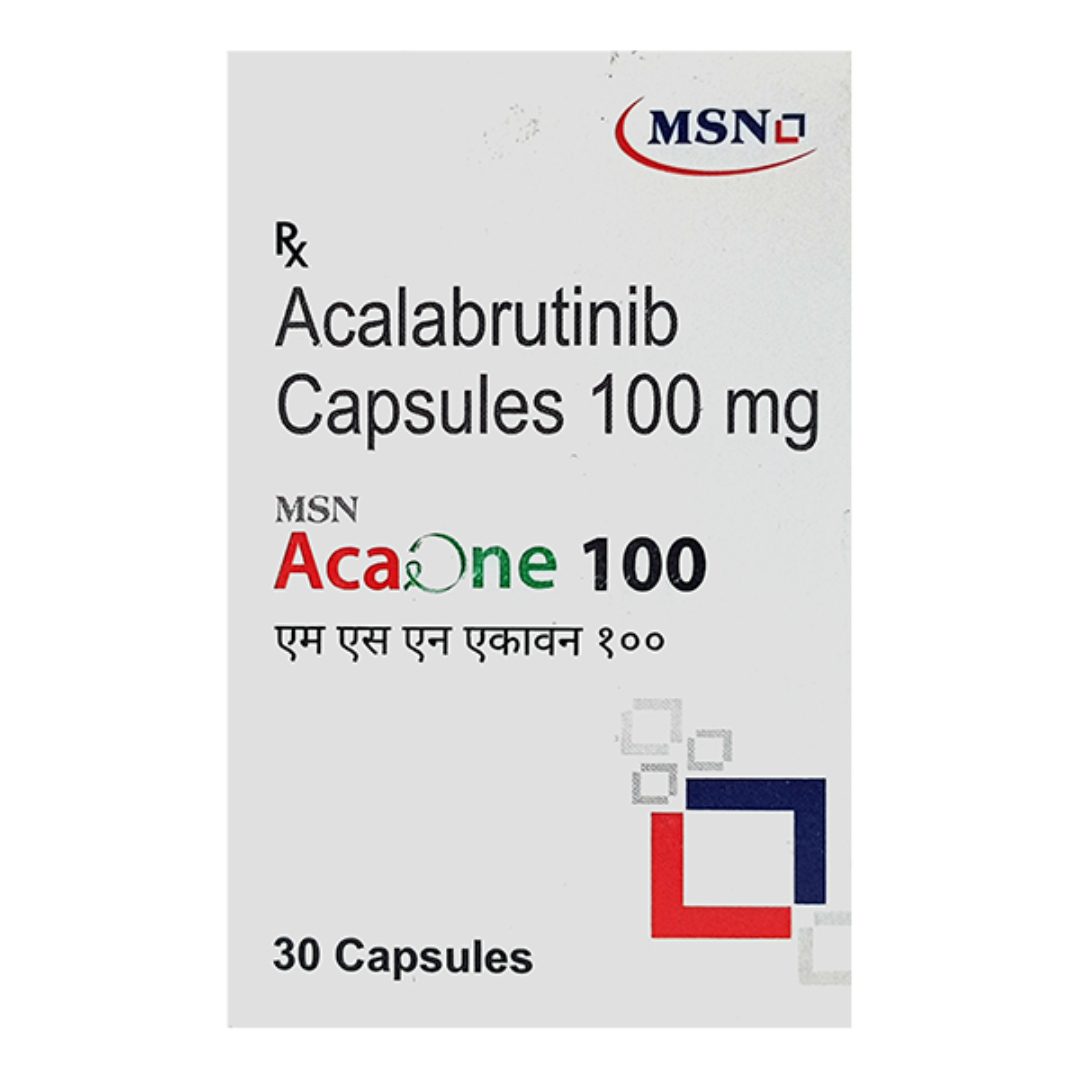
AcaOne 100 Capsules
-
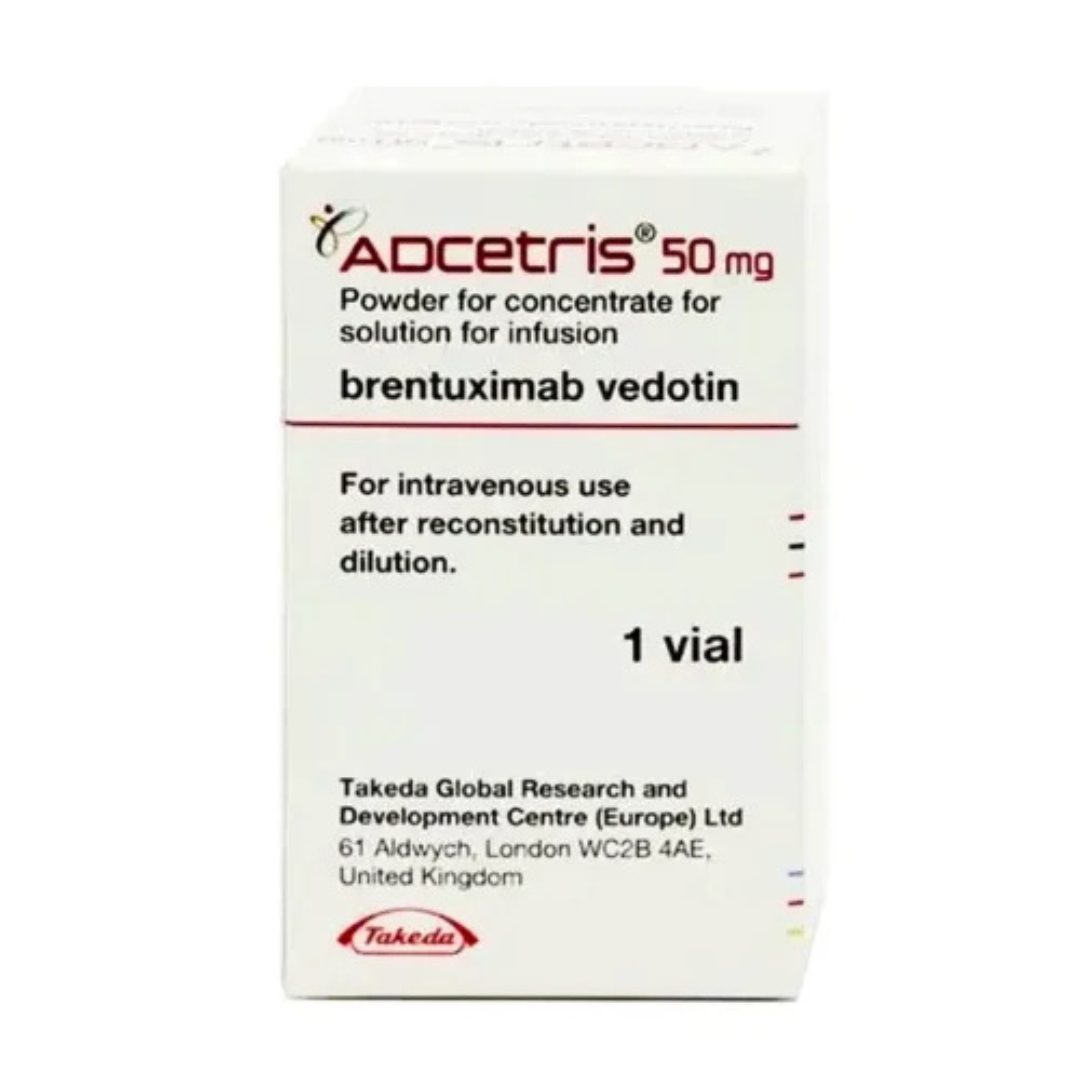
ADCETRIS 50 mg Injection
-
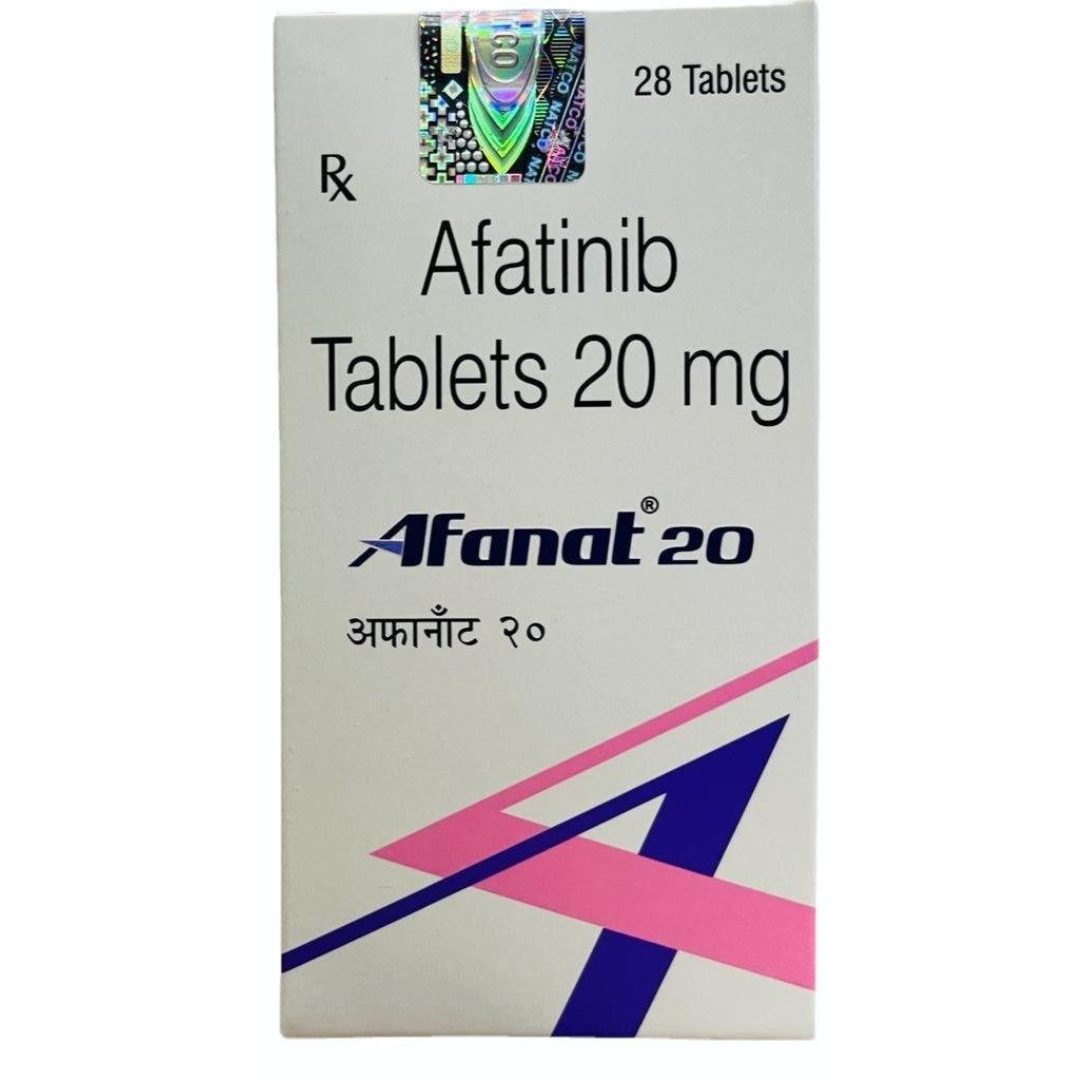
Afanat 20mg Tablets
-
ALBUCEL XP 20%
-
Albuprime 20% Solution – 100 mL
-
AlbuRel 10 g / 50 mL – Human Normal Albumin IP 20%
-
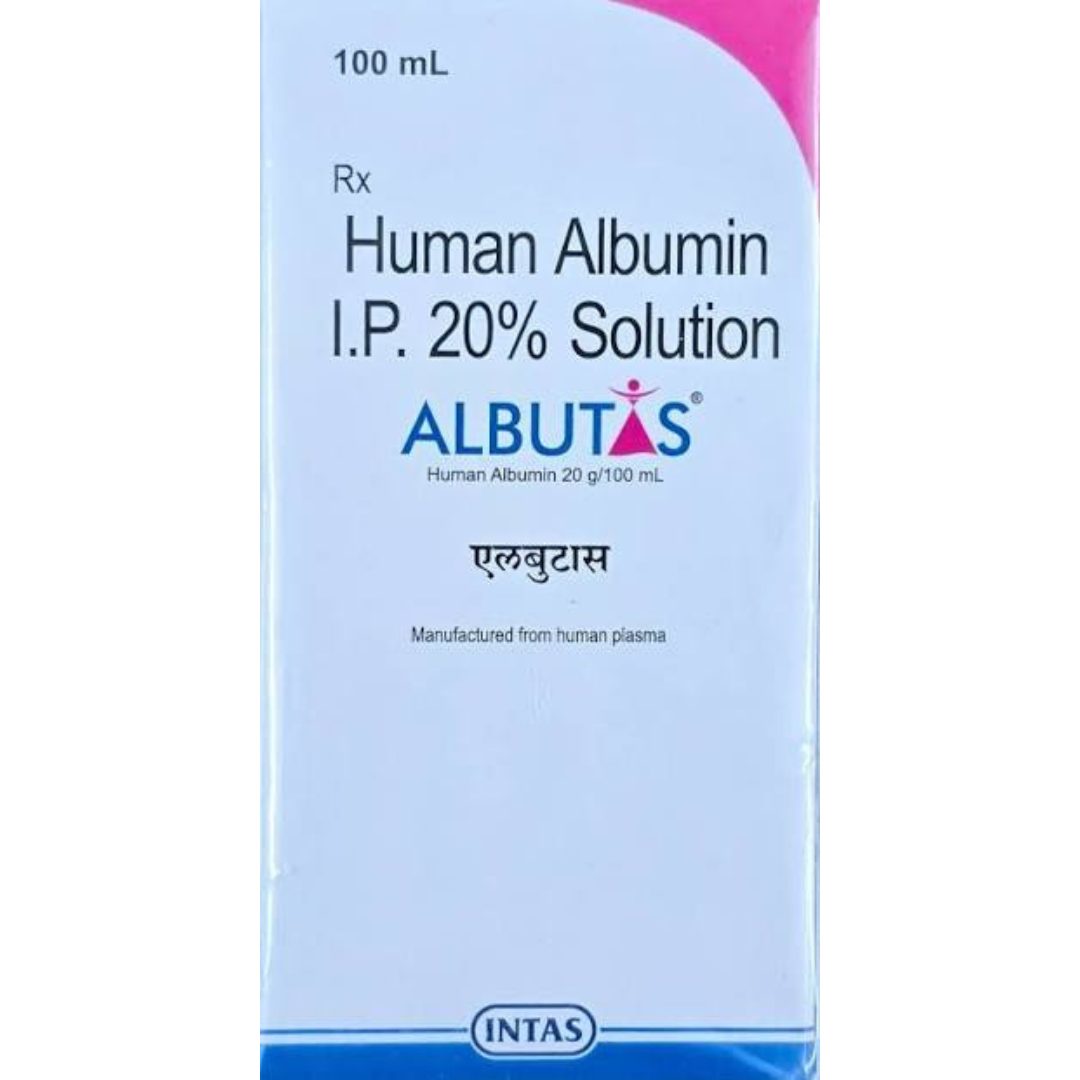
ALBUTAS 20% Injection
-
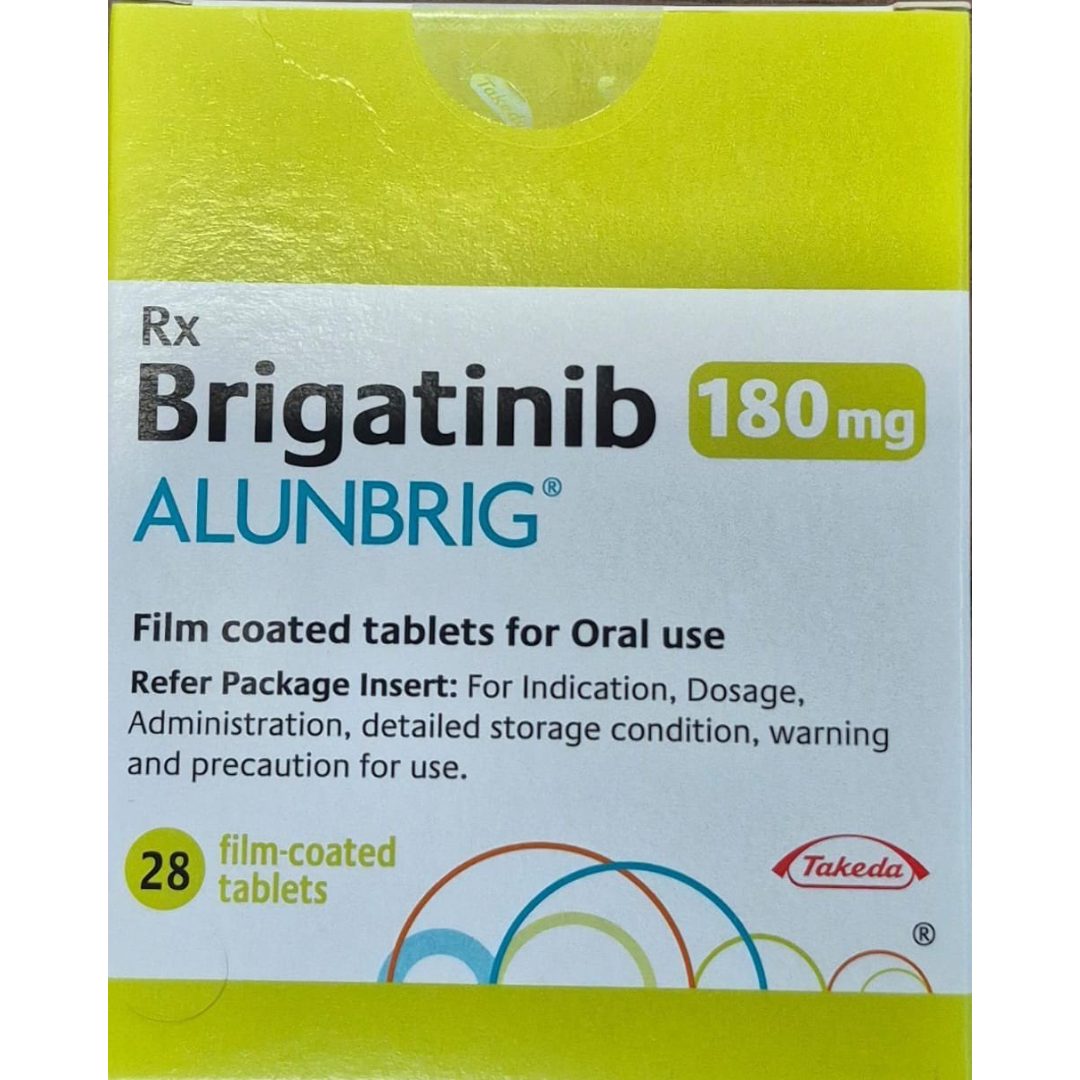
ALUNBRIG 180 mg Tablets
-
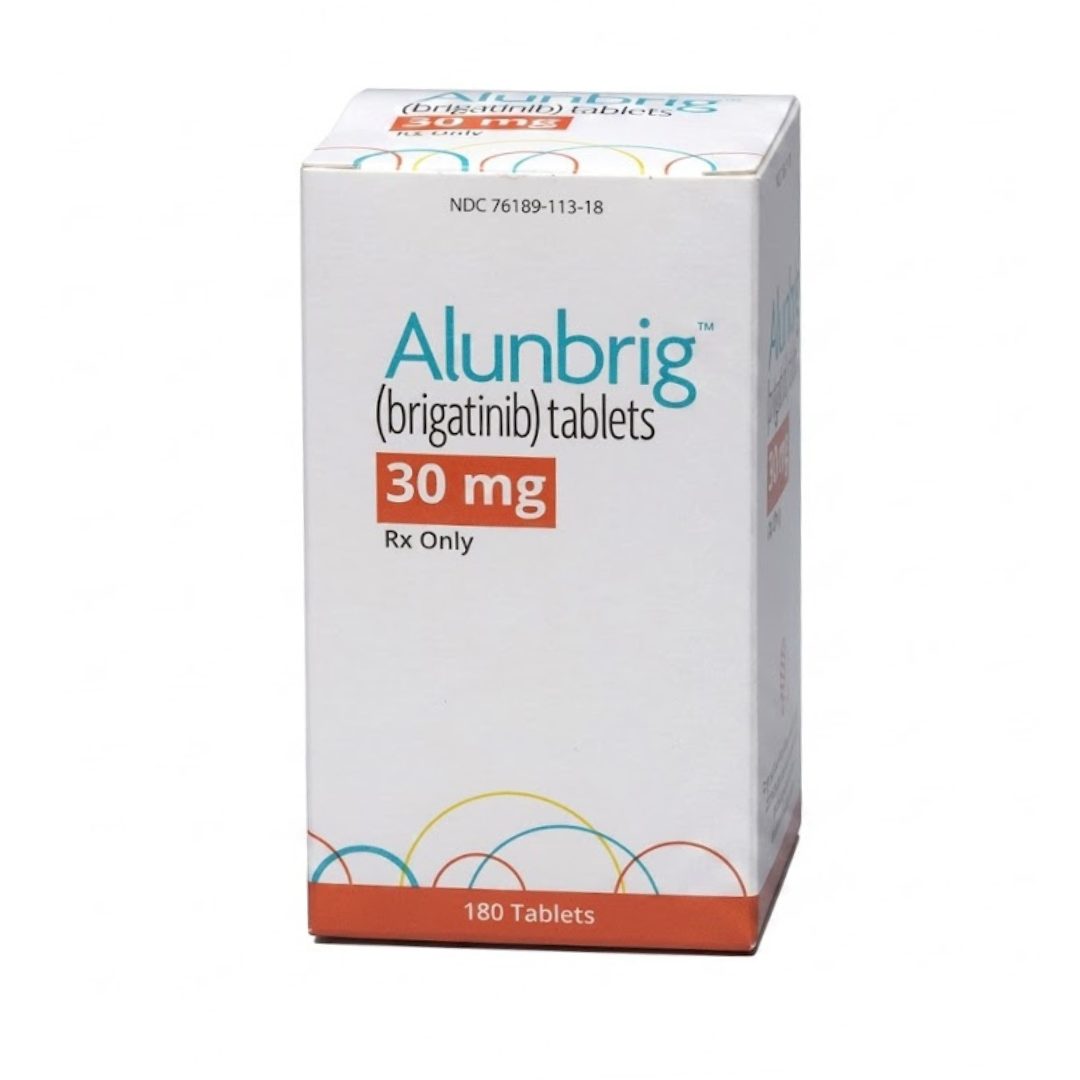
Alunbrig 30 mg tablets
-
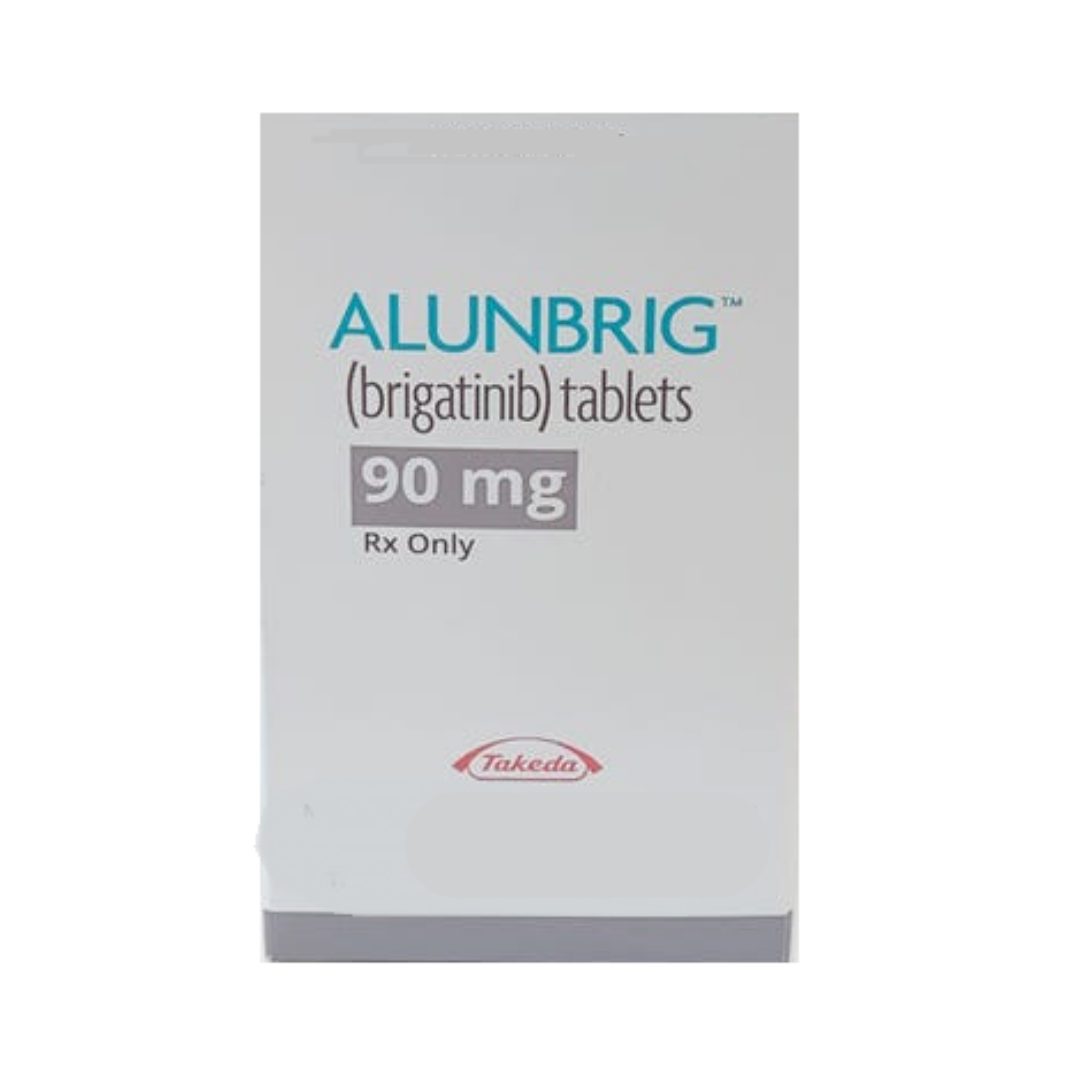
ALUNBRIG 90 mg Tablets
-
ANZAKAST Tablets
-
Apanat 60
-
APRAGEM Injection
-
Aquagest 50 Injection
-
Armotraz 1 mg Tablets
-
Avastin 100 mg Injection
-
Avastin 400 mg Injection
-
Azadine 100 Injection
-
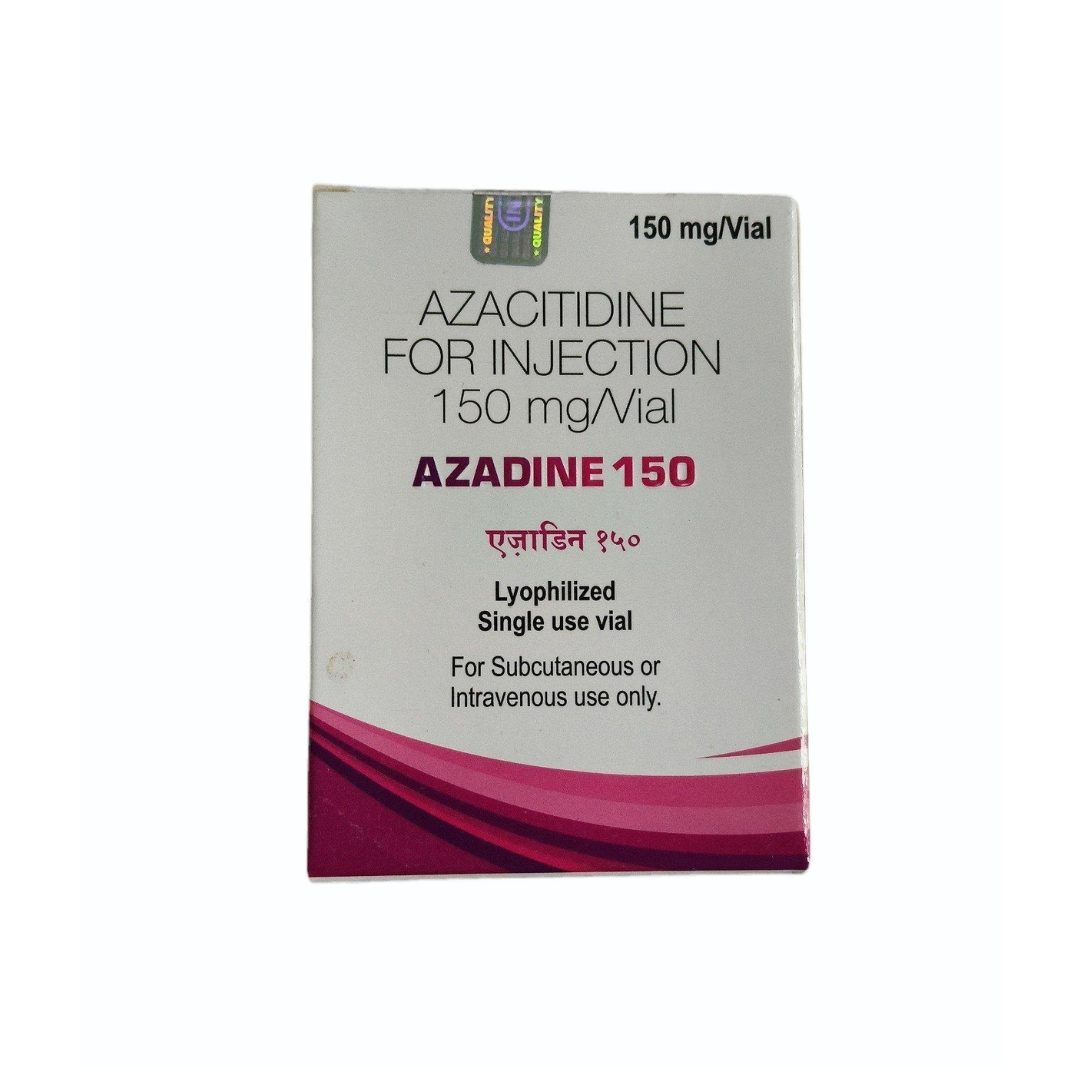
Azadine 150 Injection
-
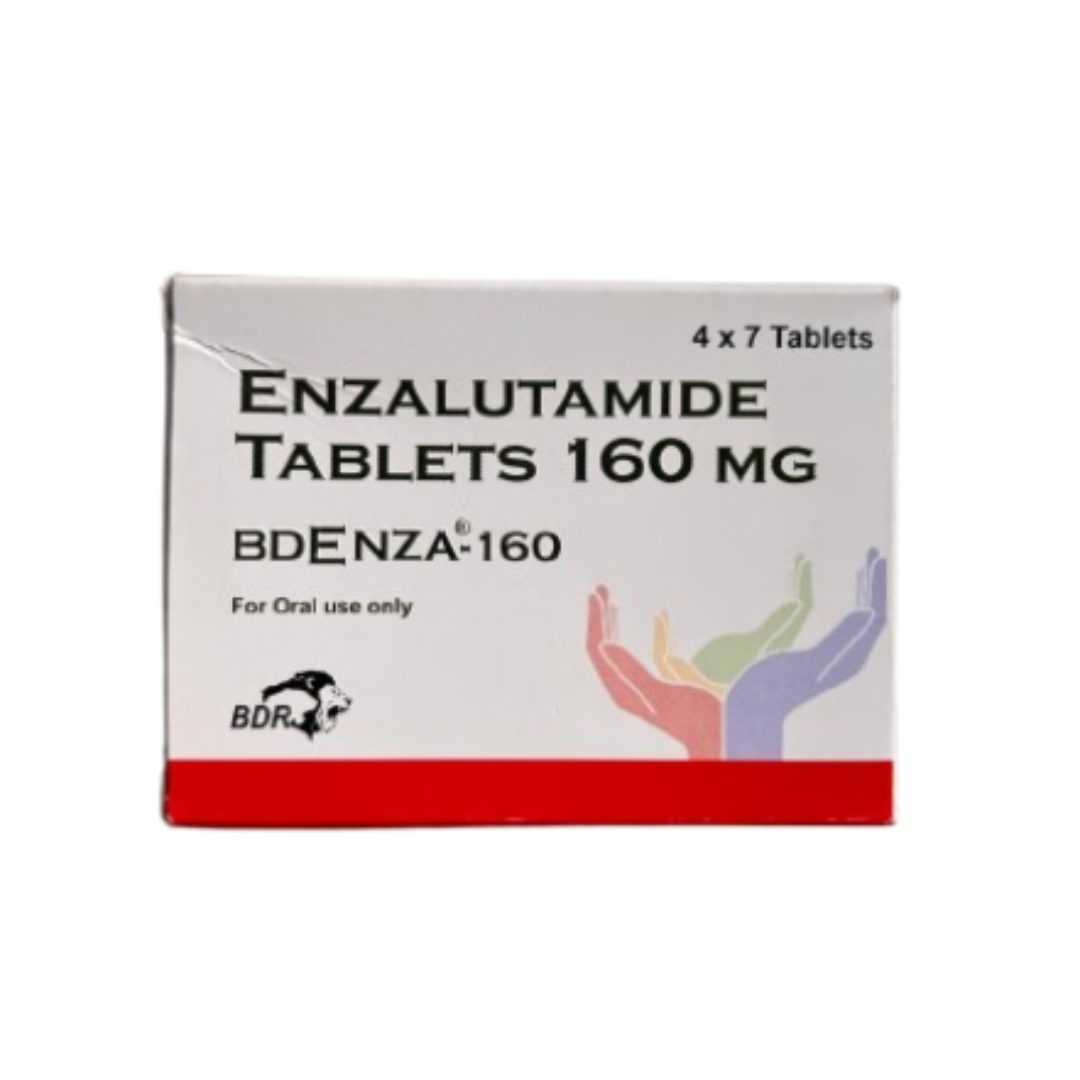
BDENZA 160 Tablets
-
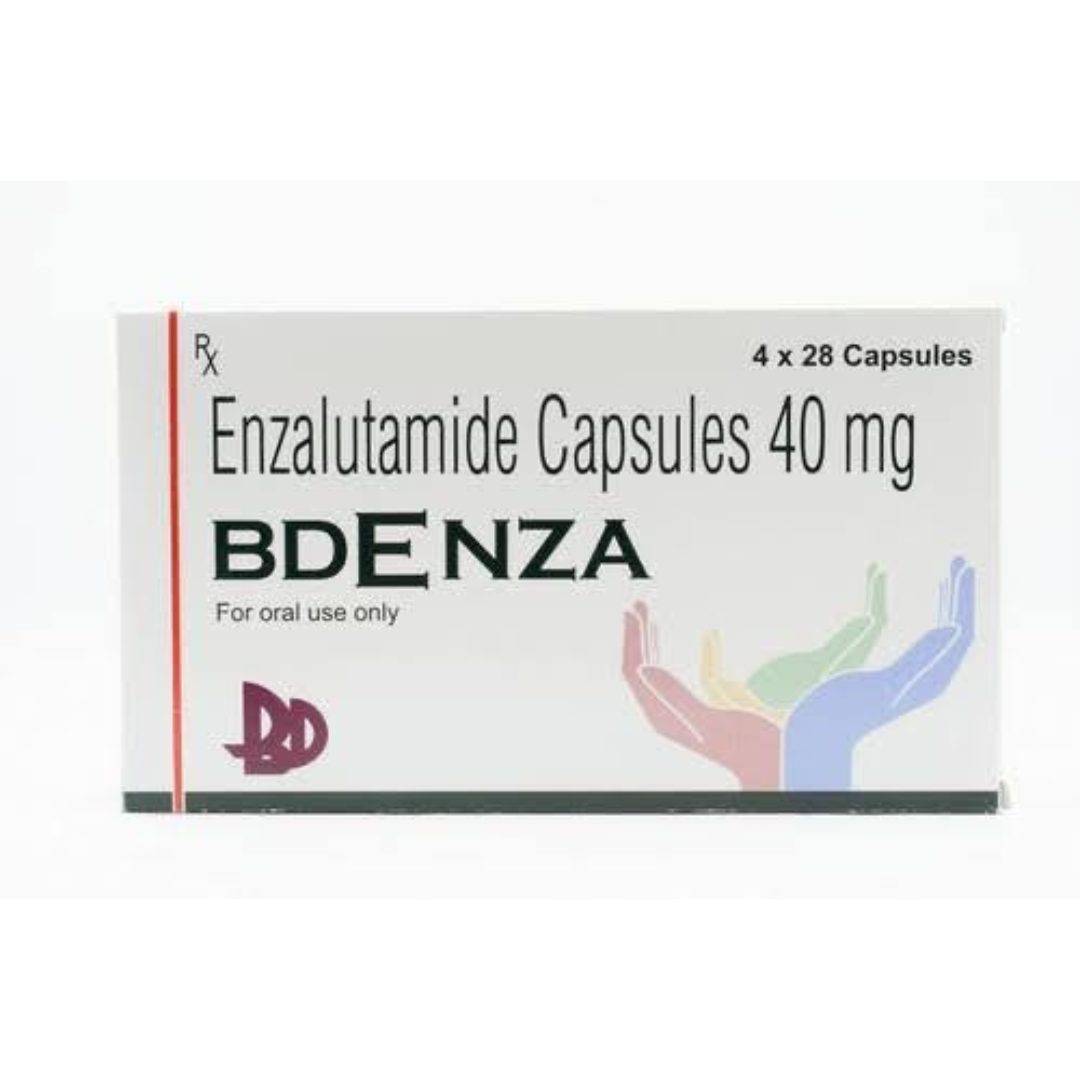
BDENZA 40 Capsules
-
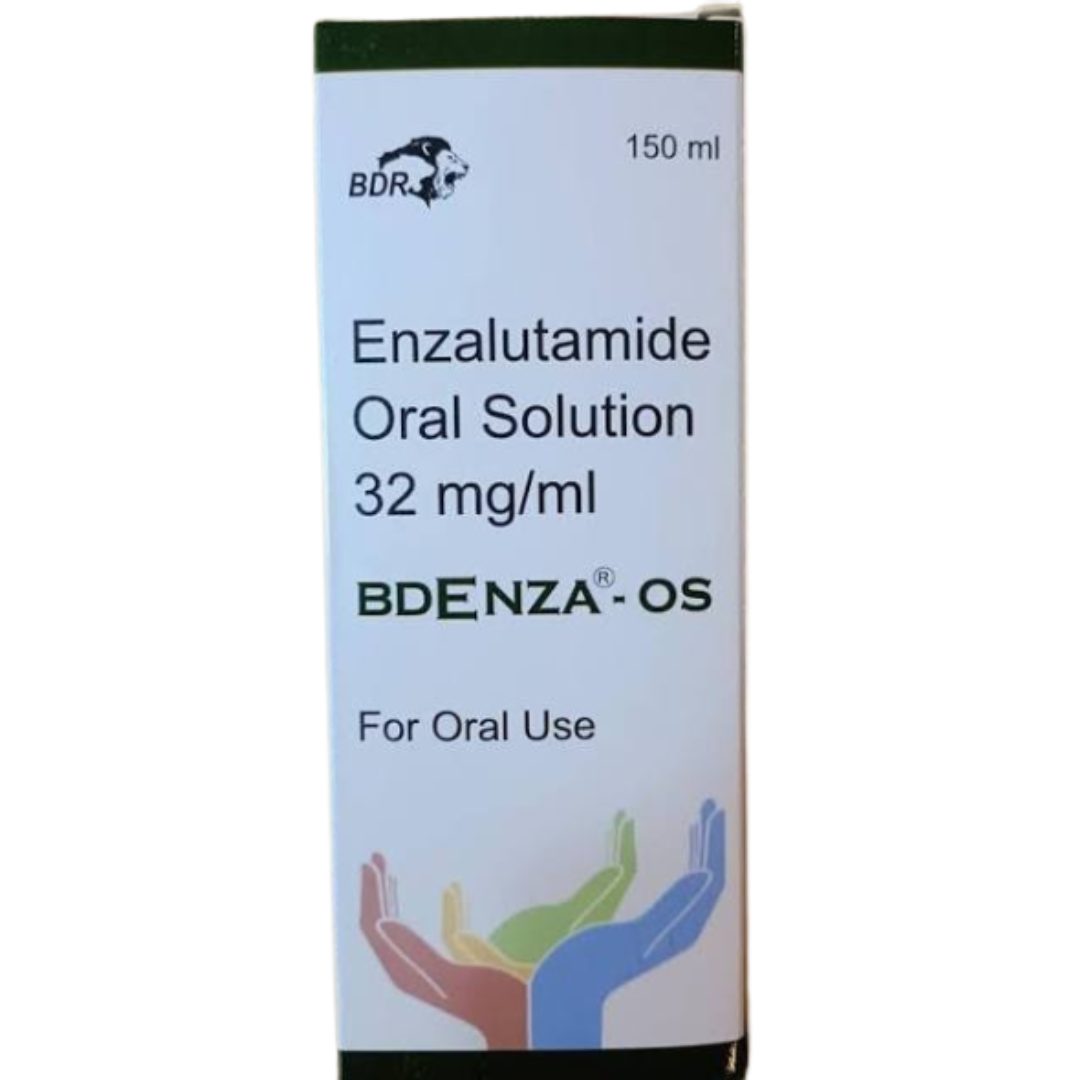
BDENZA-OS
-
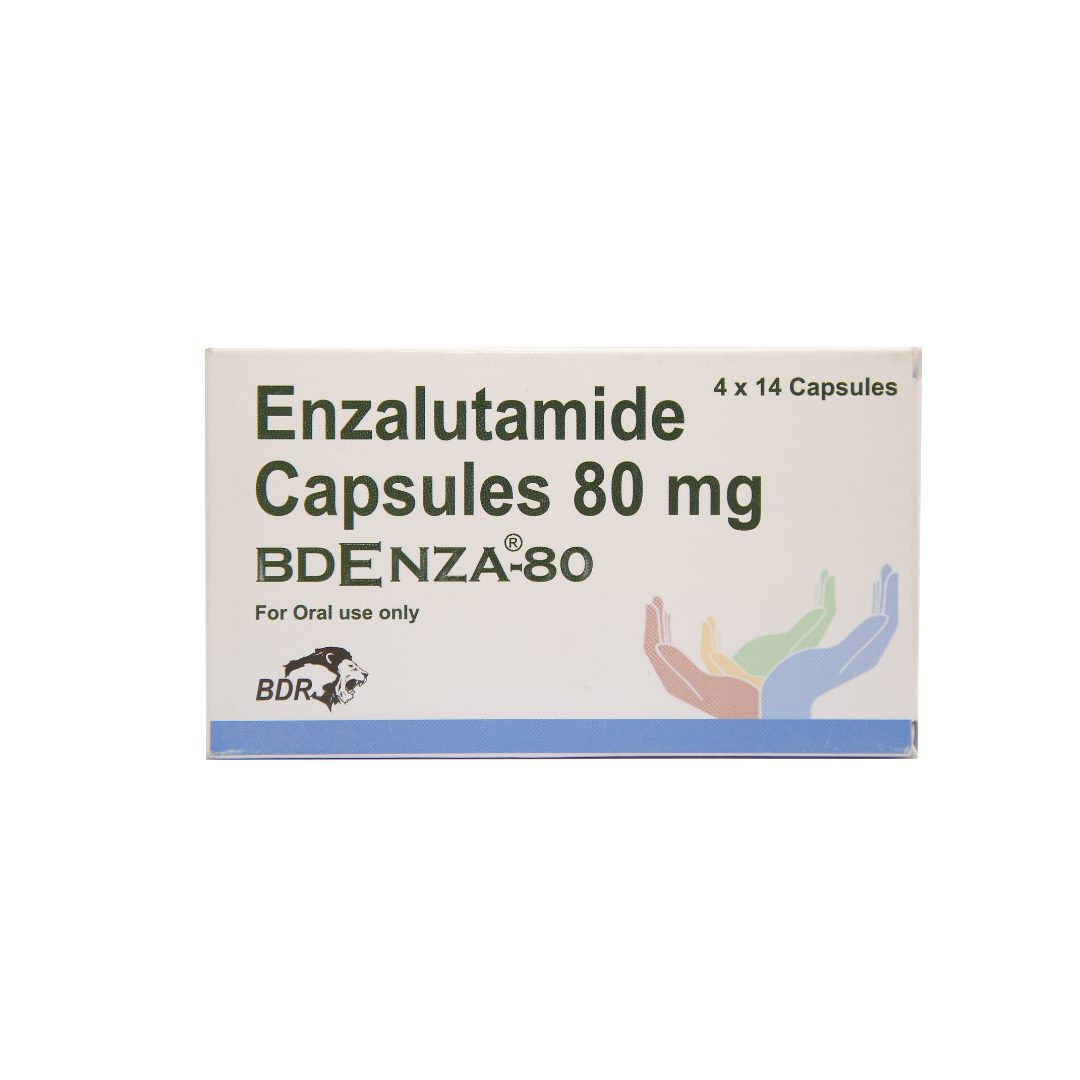
BDENZA 80 Capsules
-
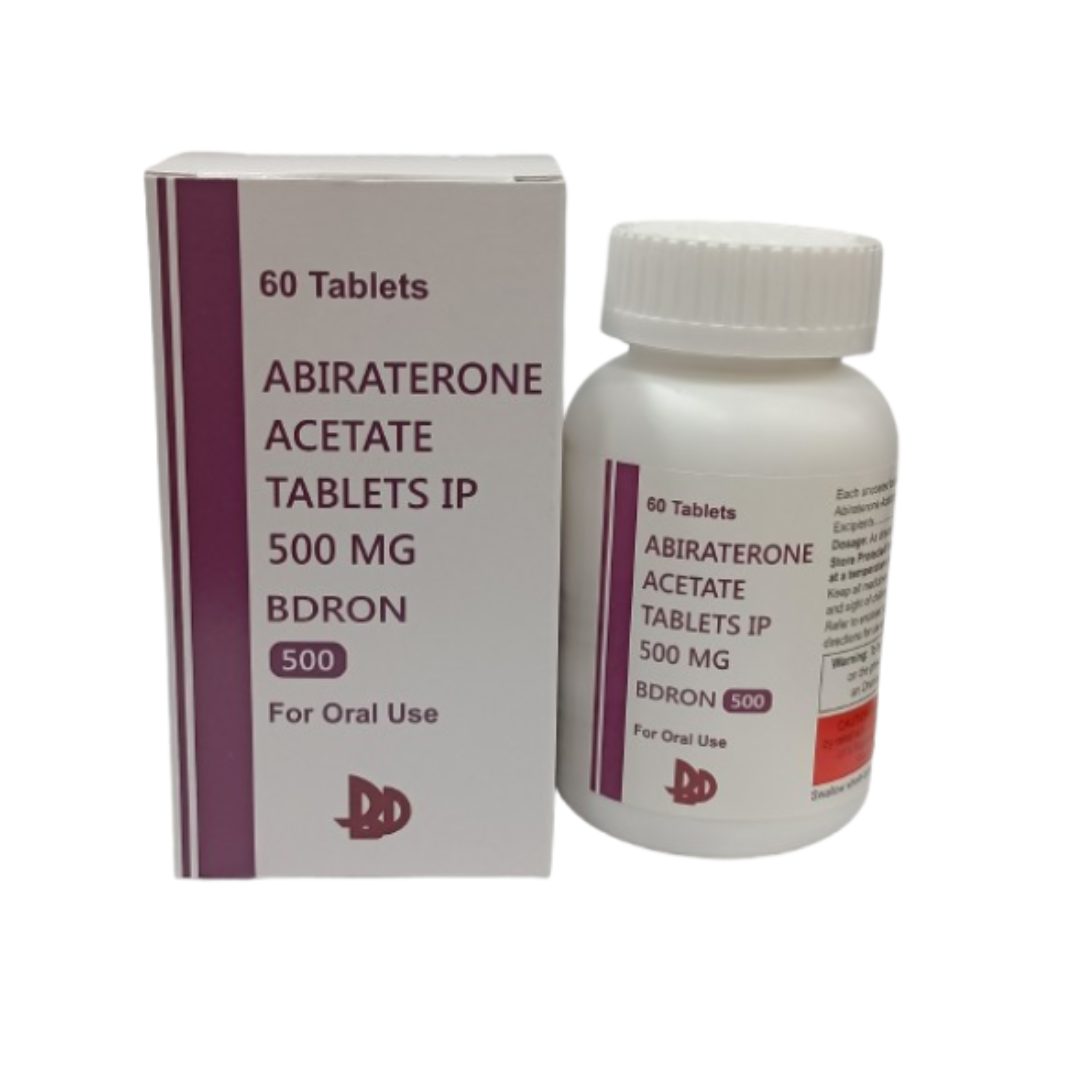
BDRON 500 MG Tablets
-
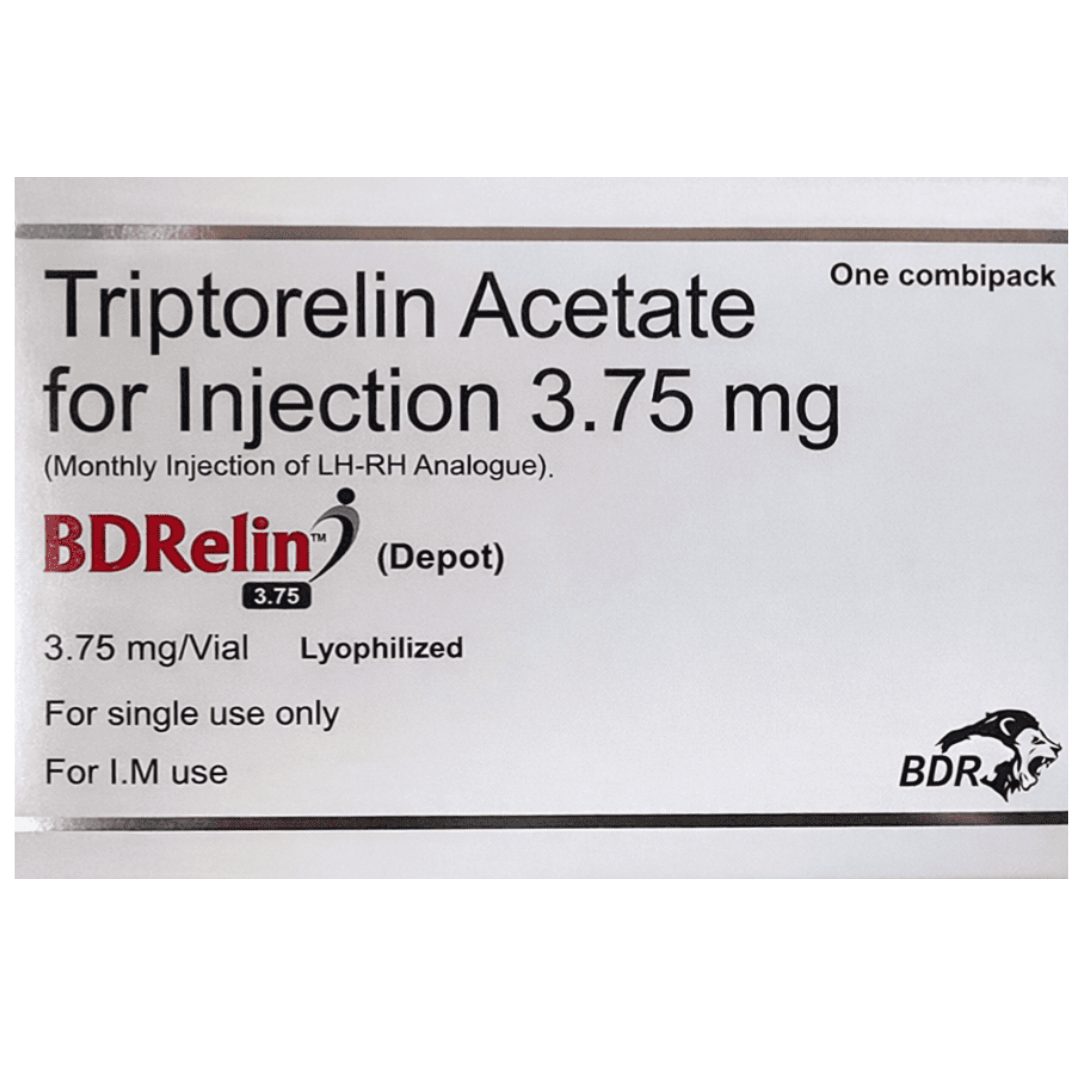
BDRelin Depot 3.75mg Injection
-
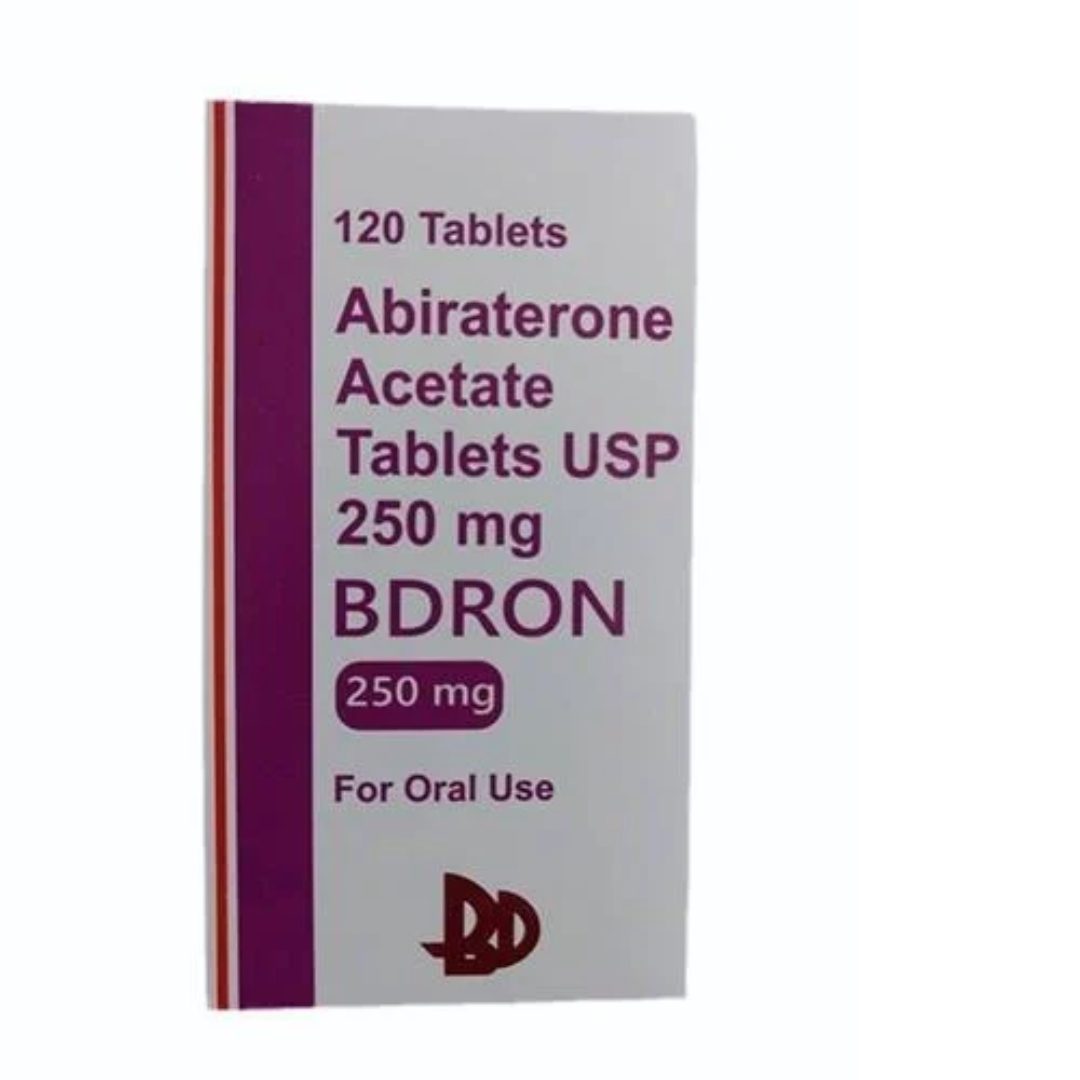
BDRON 250 mg Tablets
-
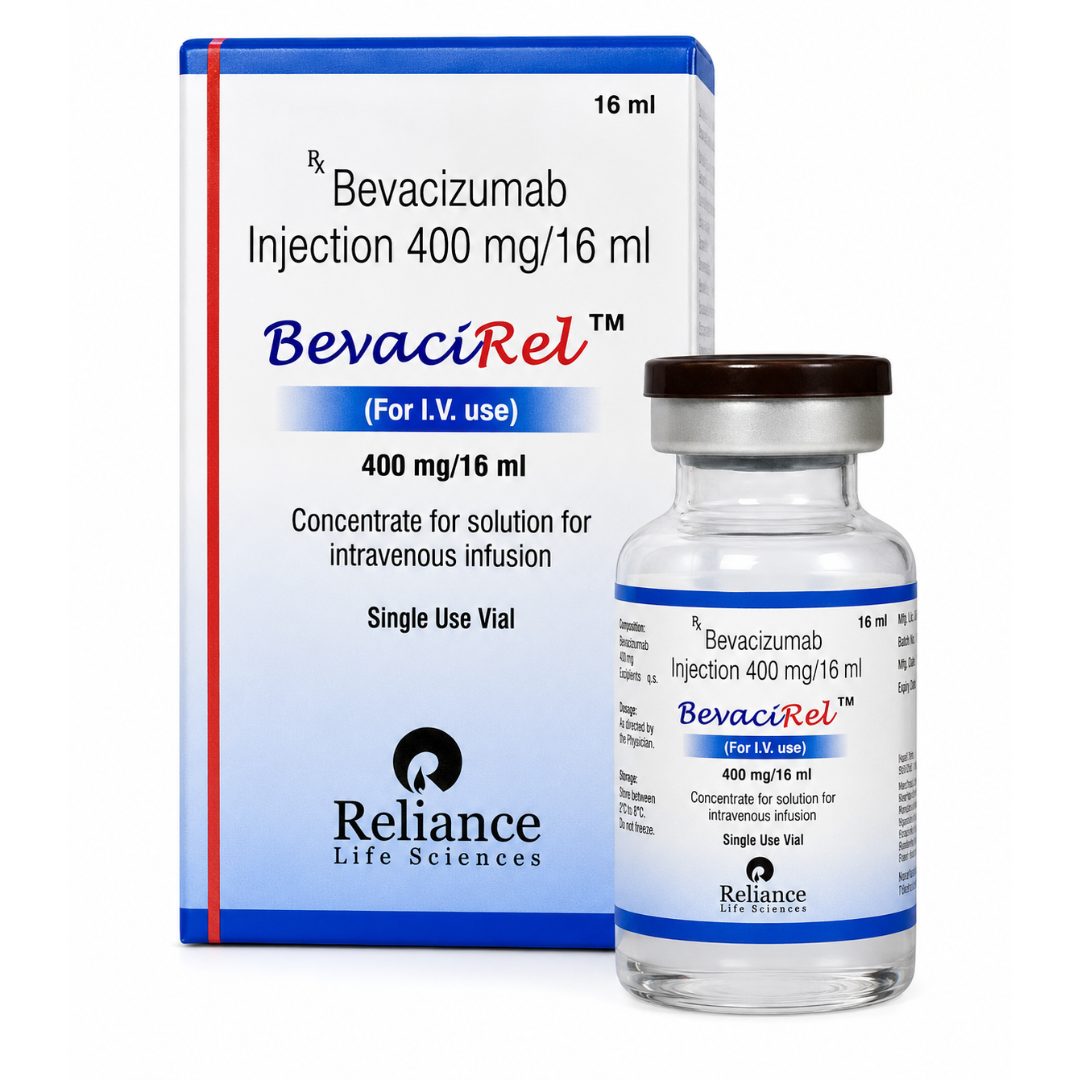
Bevacirel 400 mg Injection
-
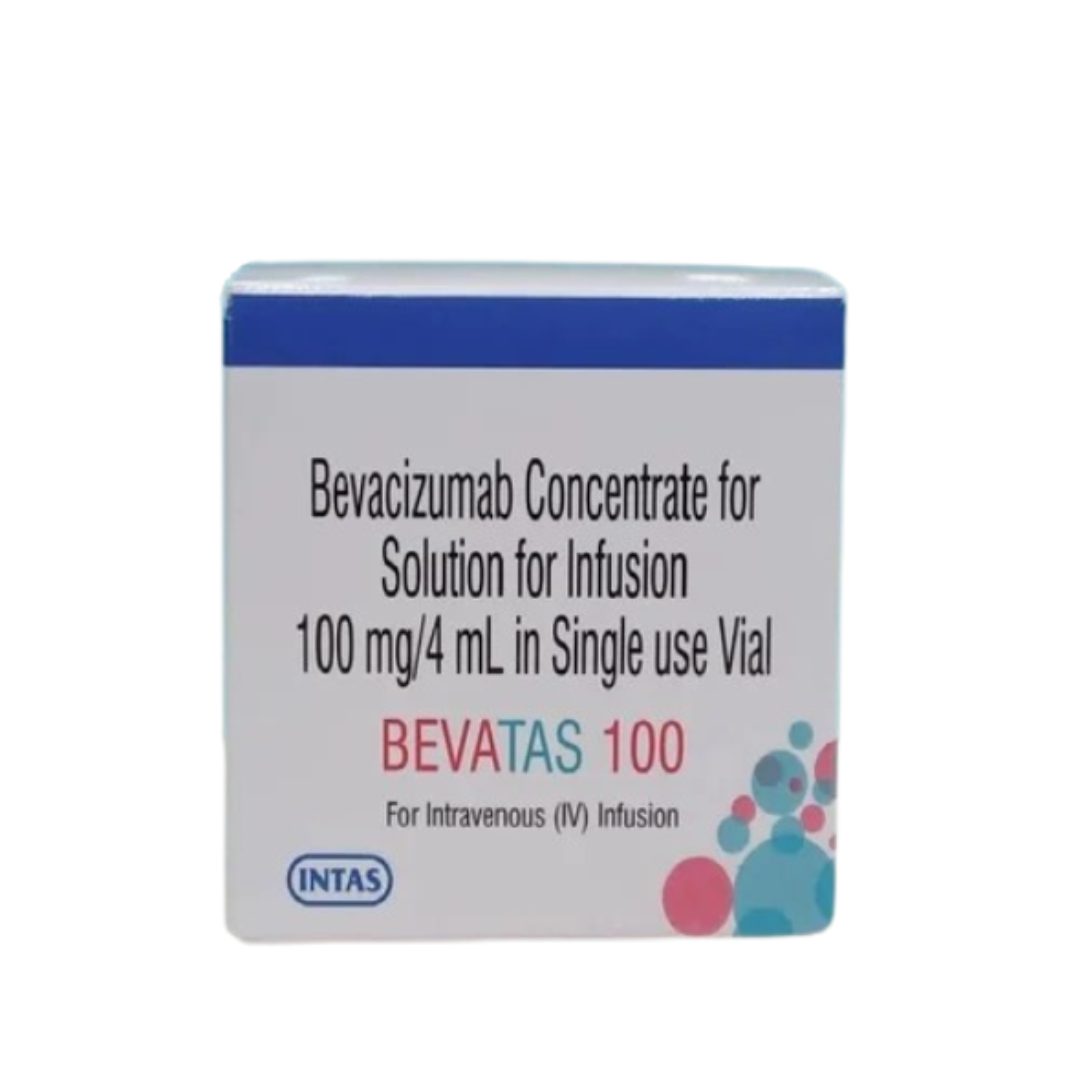
Bevatas 100 mg Injection
-
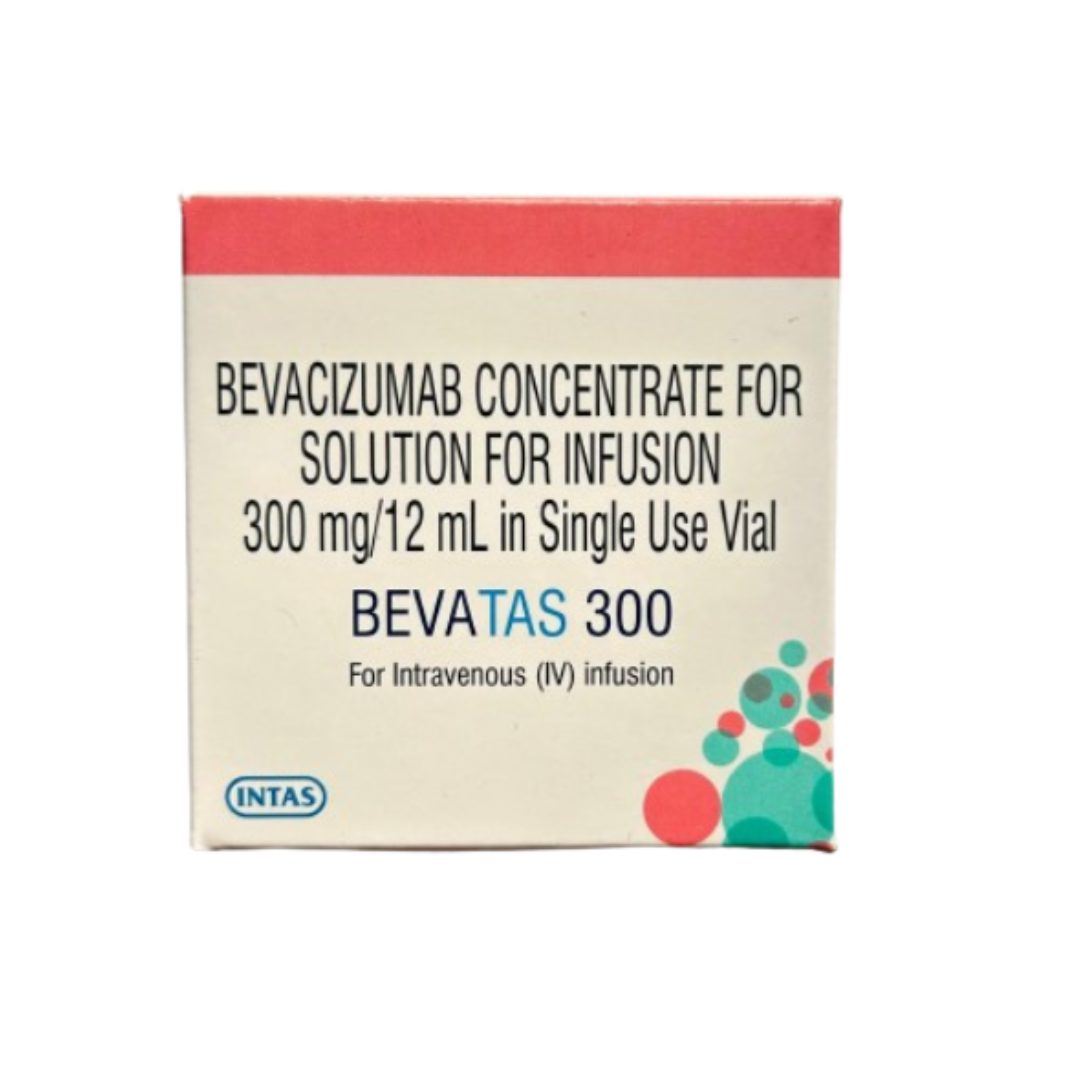
Bevatas 300 mg Injection
-
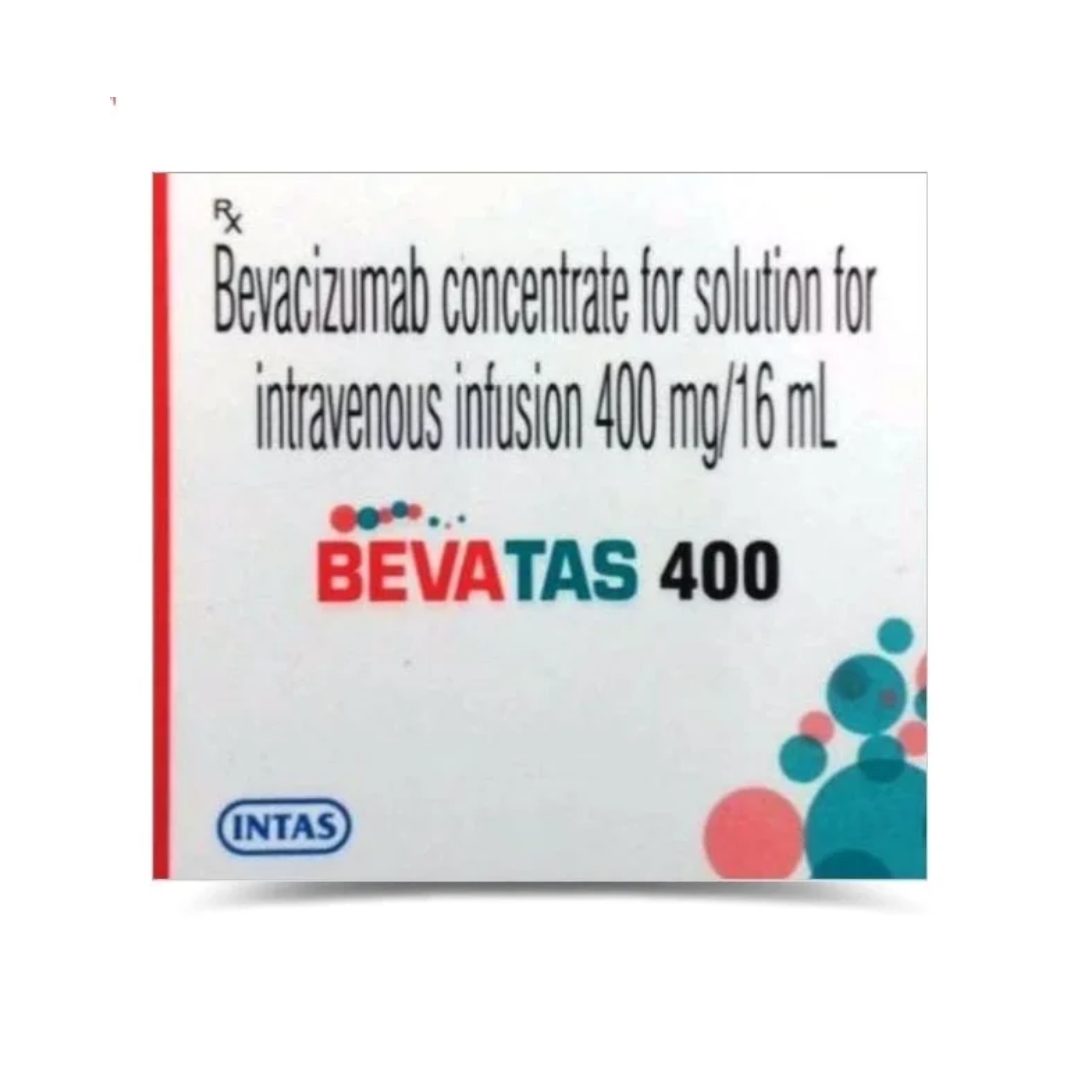
Bevatas 400 mg Injection
-
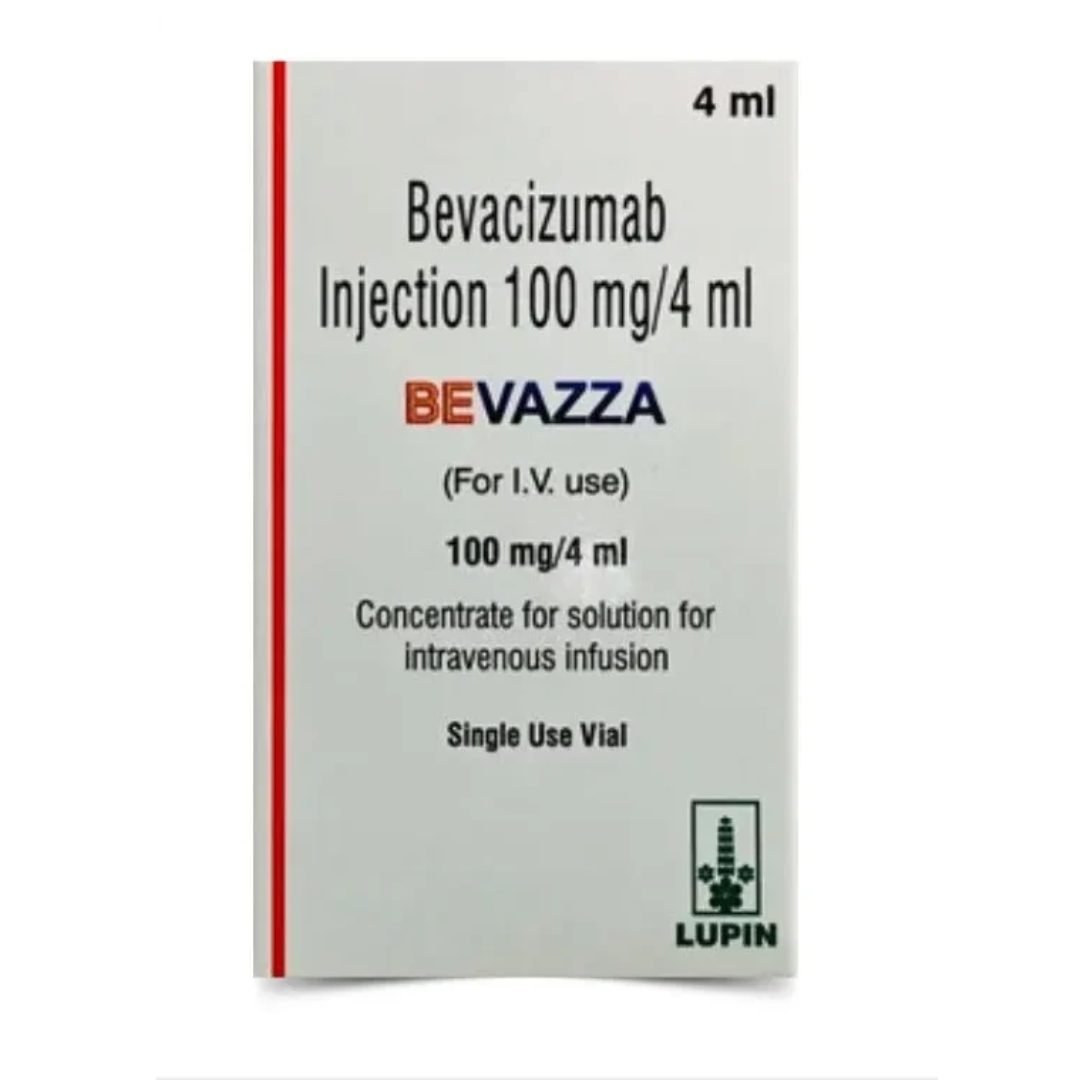
Bevazza 100 mg Injection
-
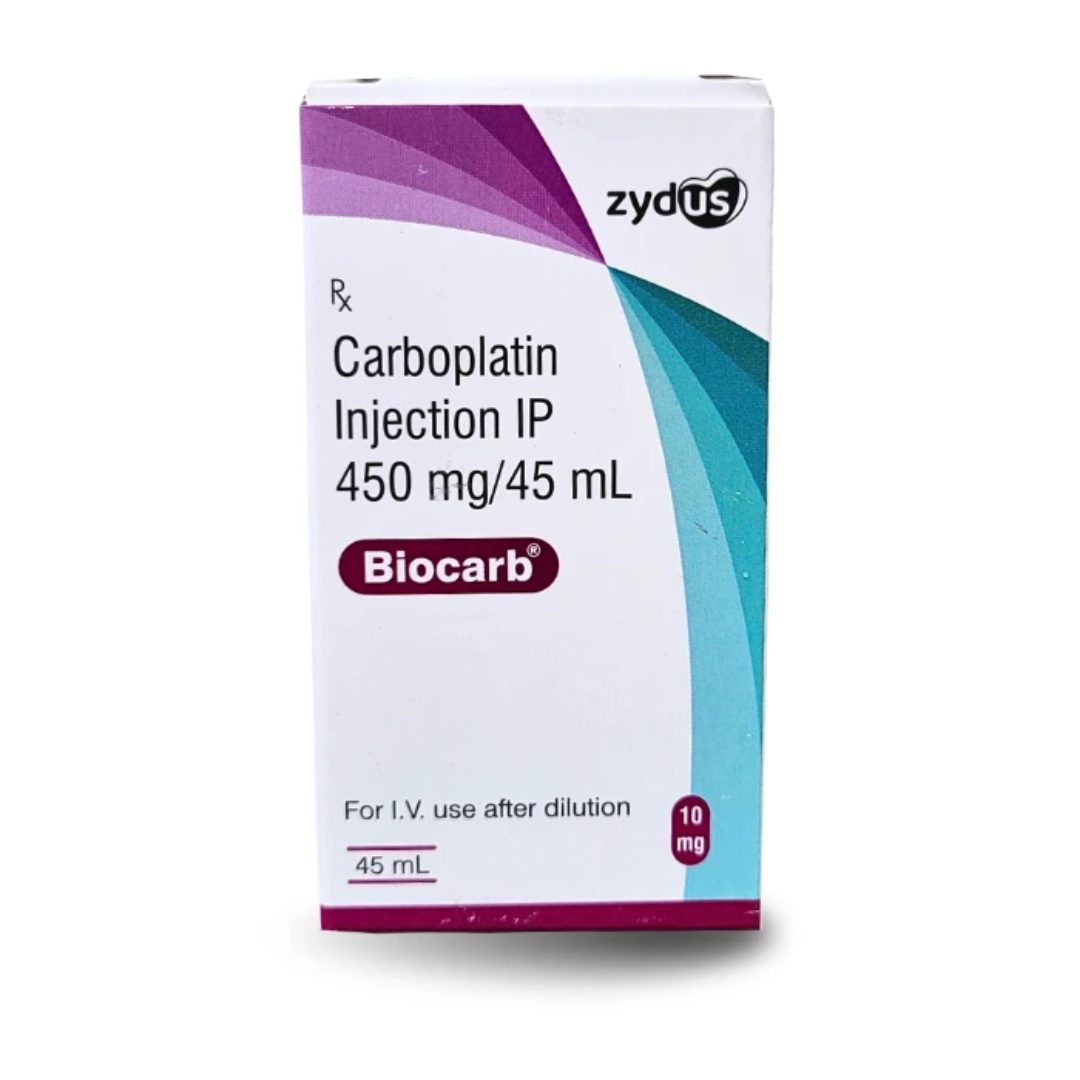
Biocarb 450 Injection
-
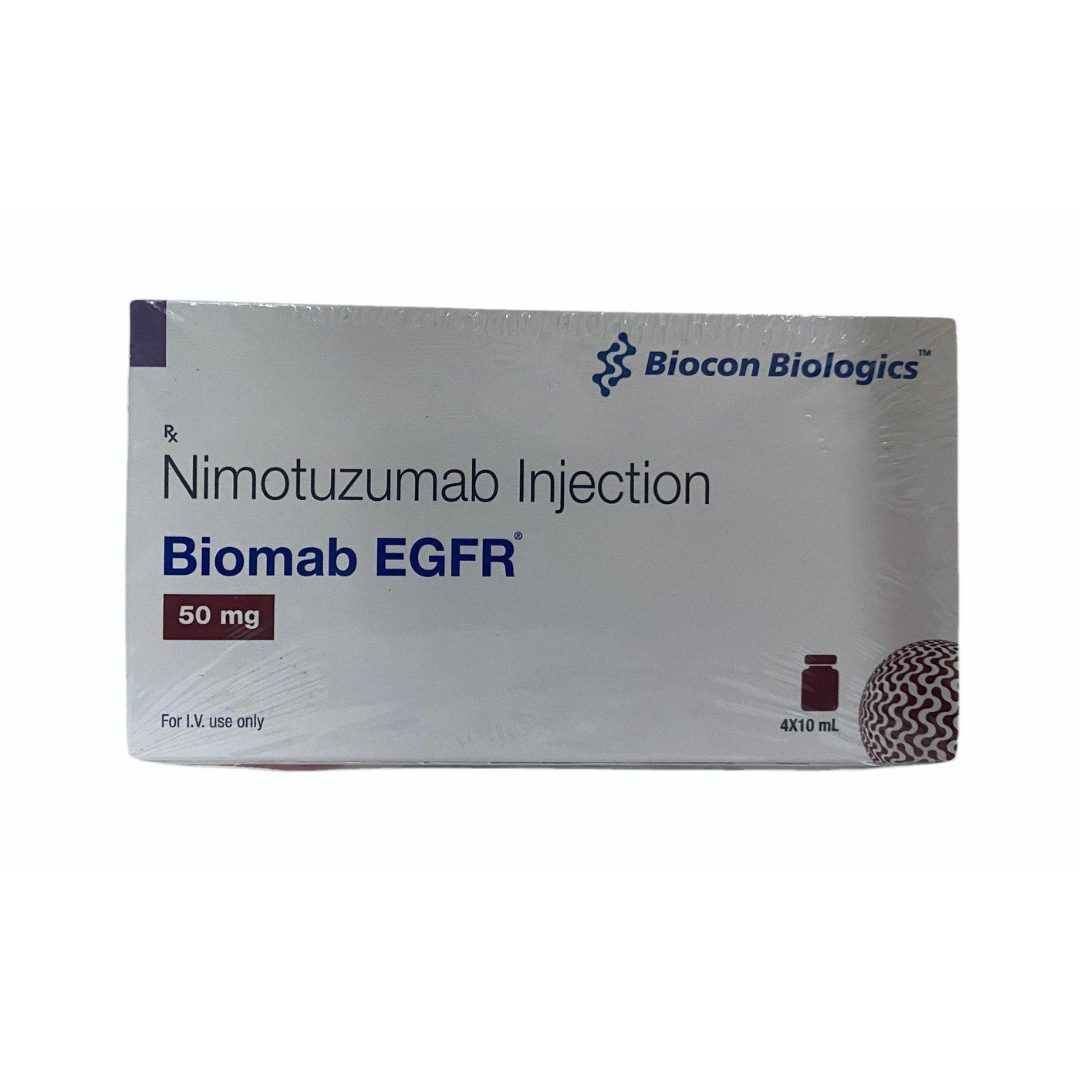
BIOMAB EGFR Injection
-
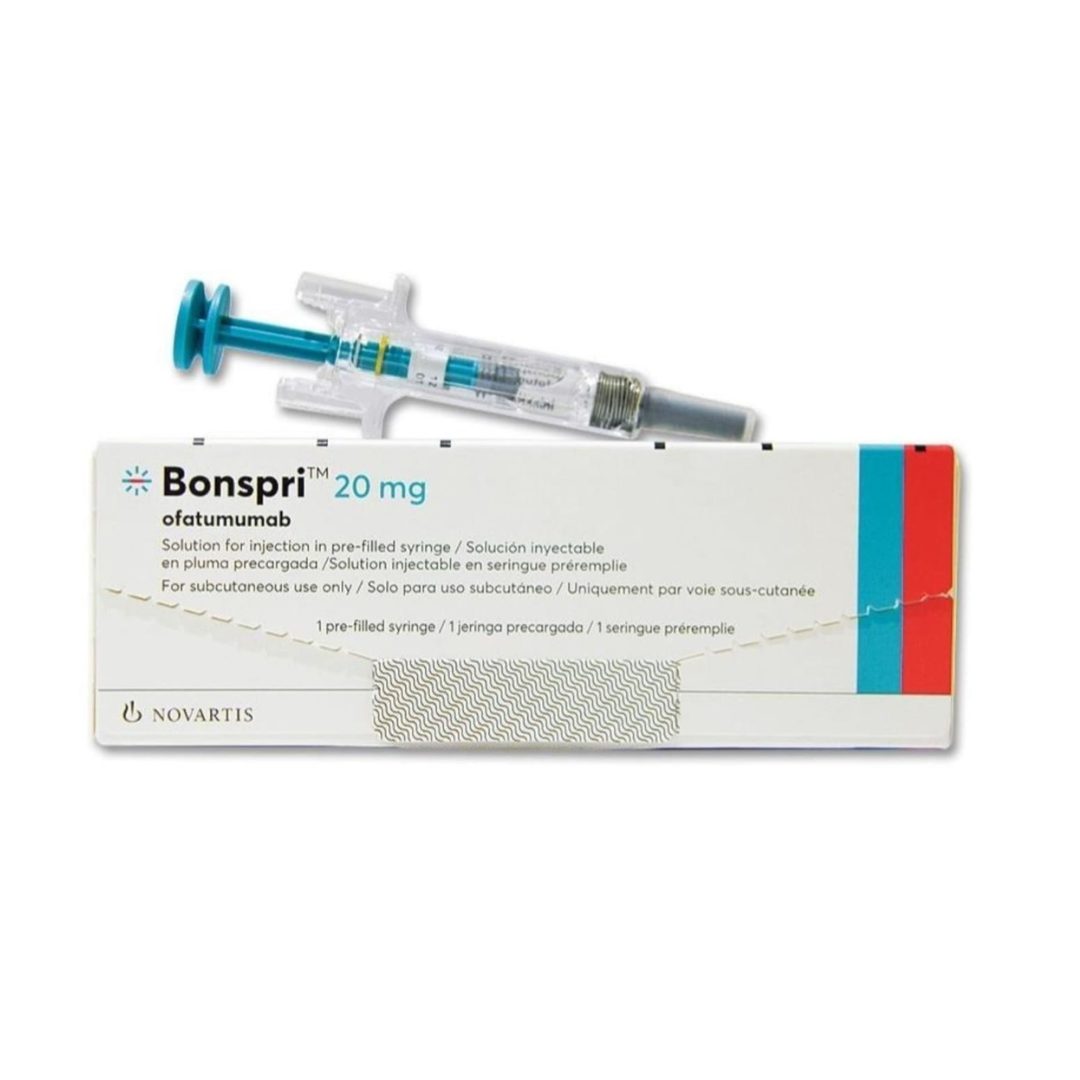
Bonspri 20mg Injection
-
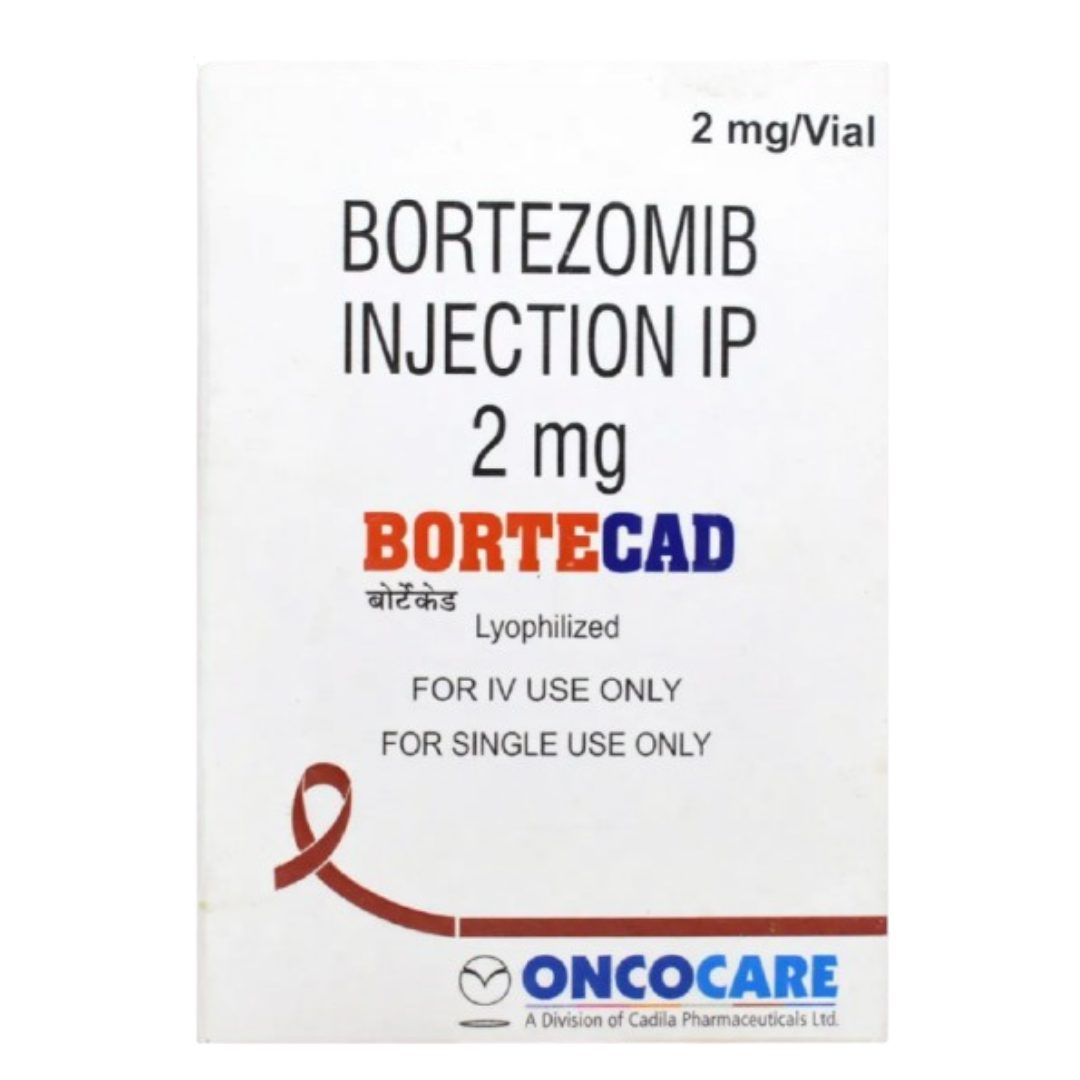
BORTECAD 2 mg Injection
-
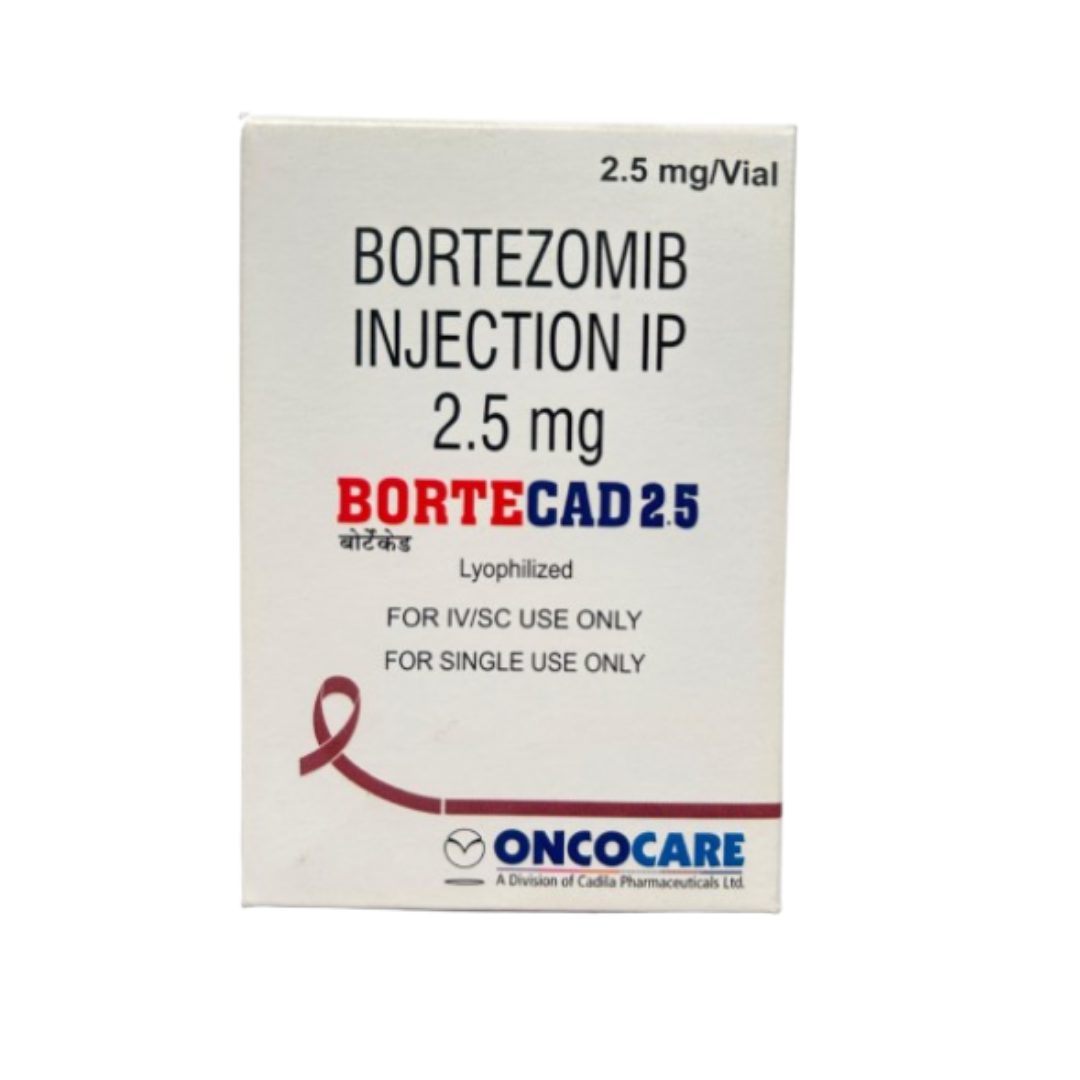
BORTECAD 2.5 Injection
-
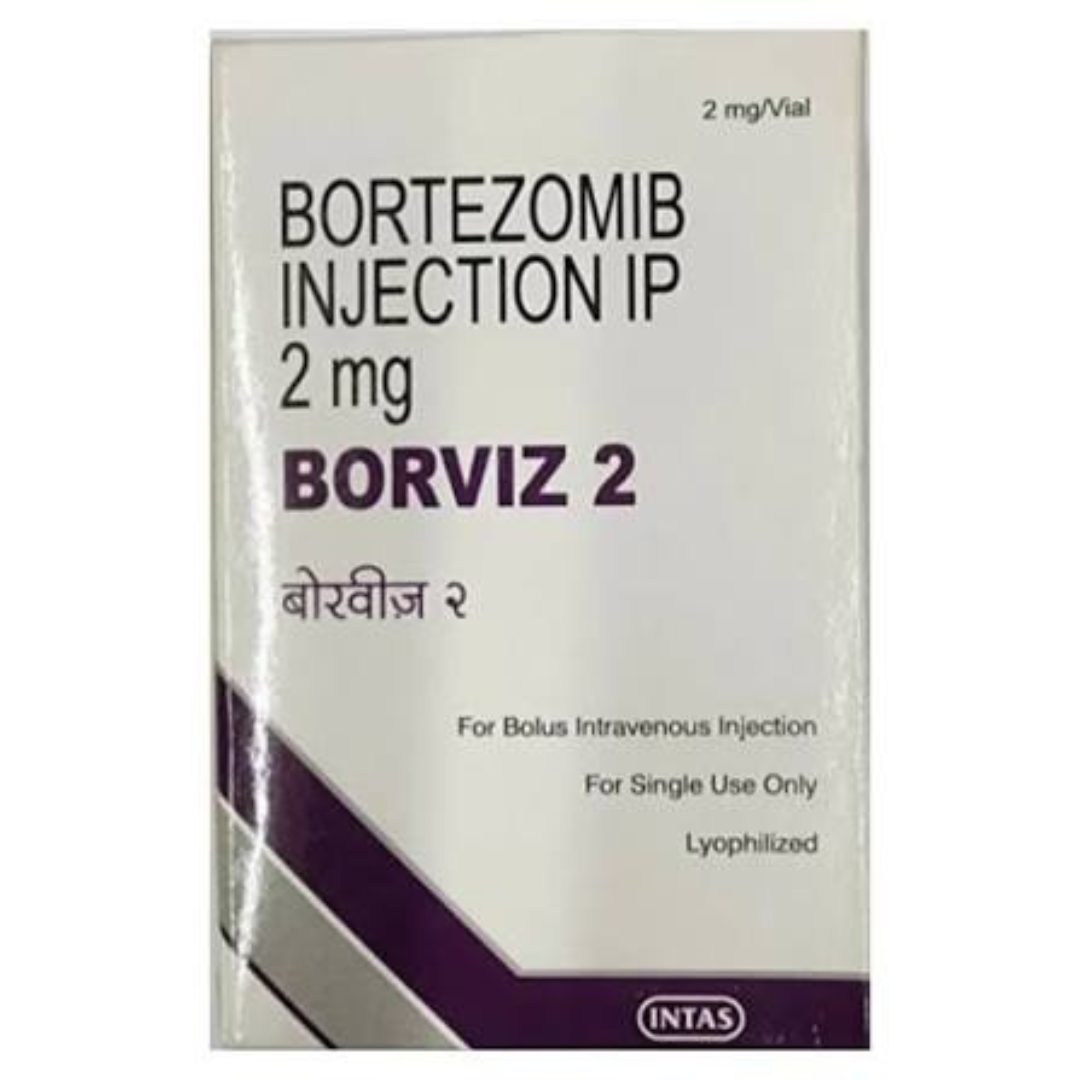
Borviz 2mg Injection
-
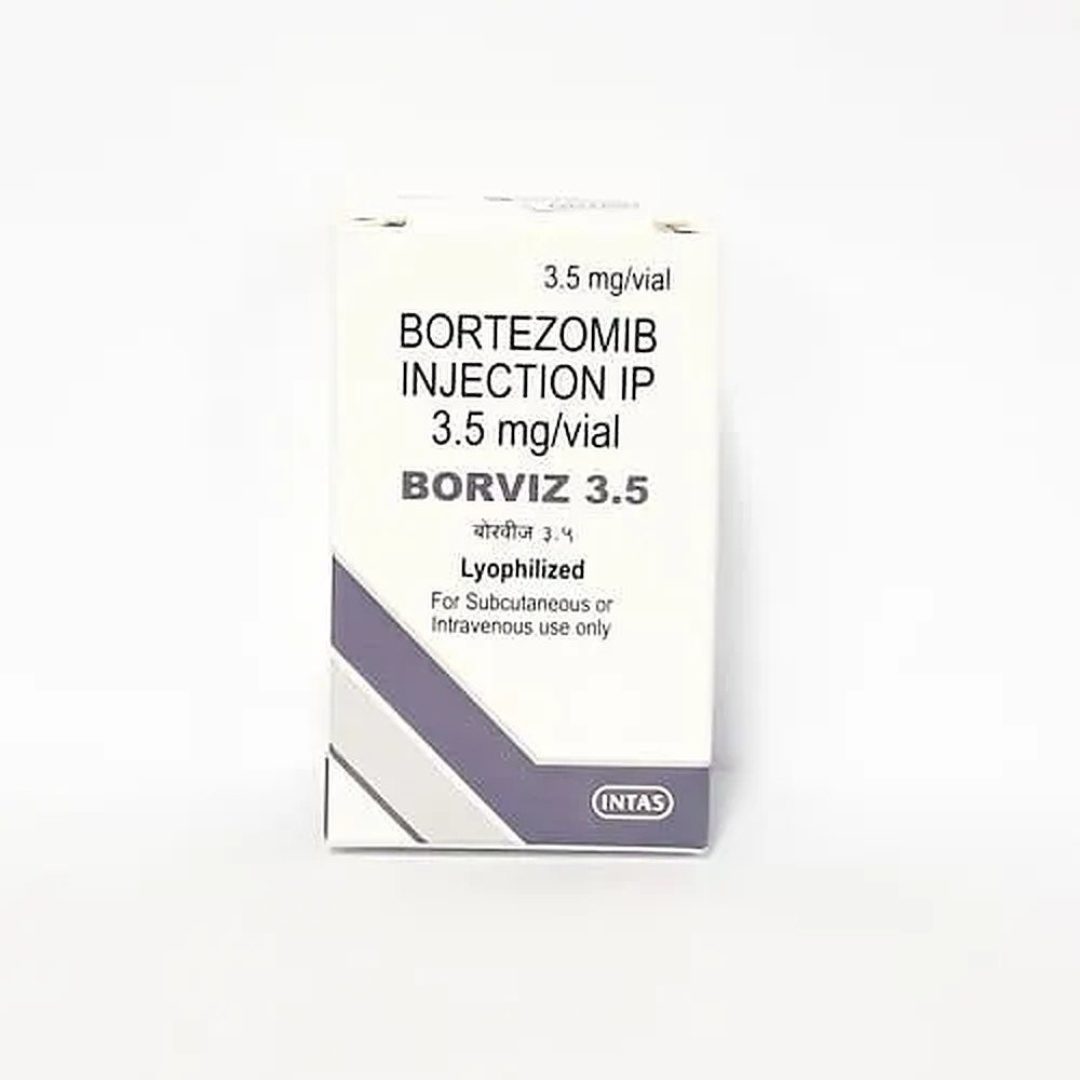
Borviz 3.5mg Injection
-
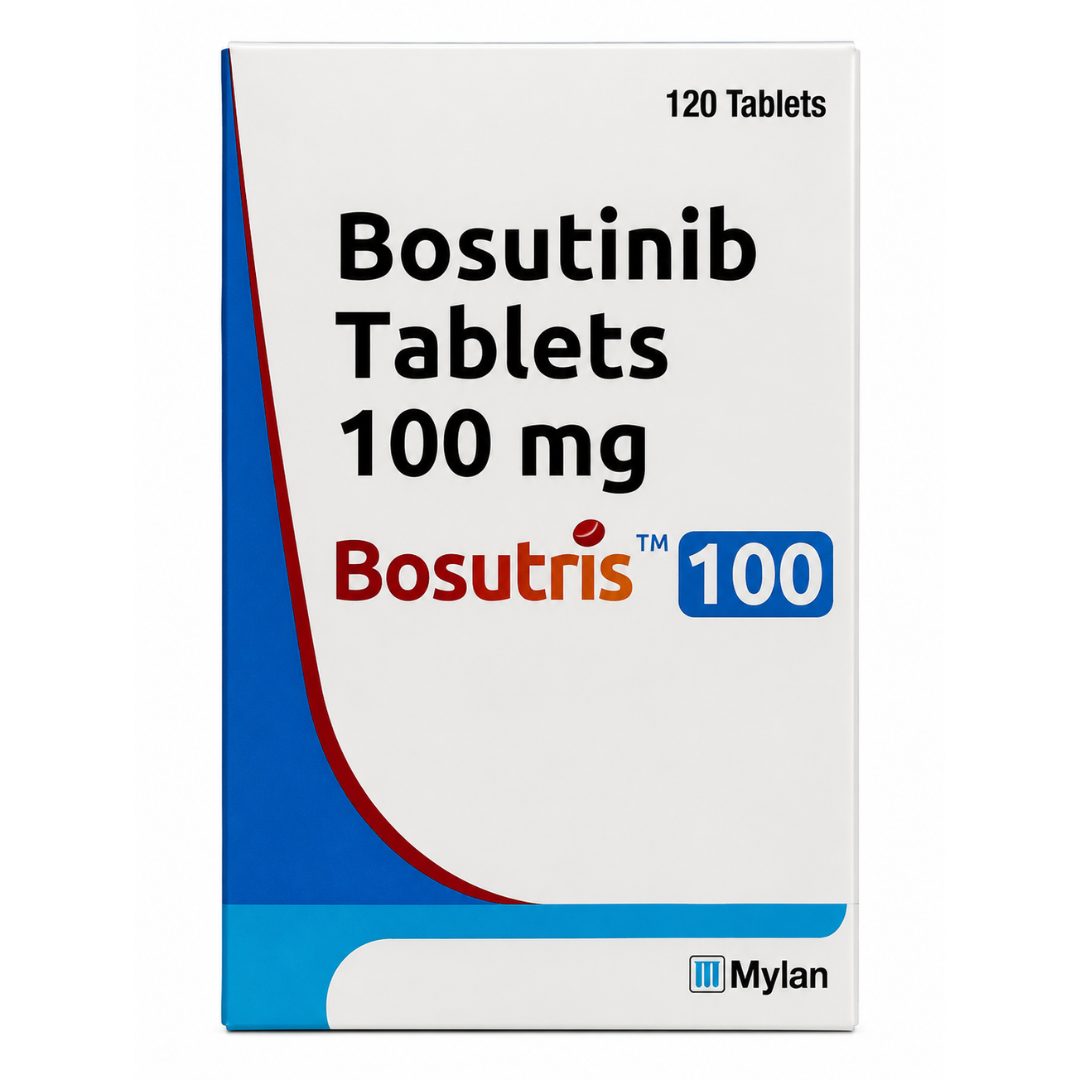
Bosutris 100 mg Tablets
-
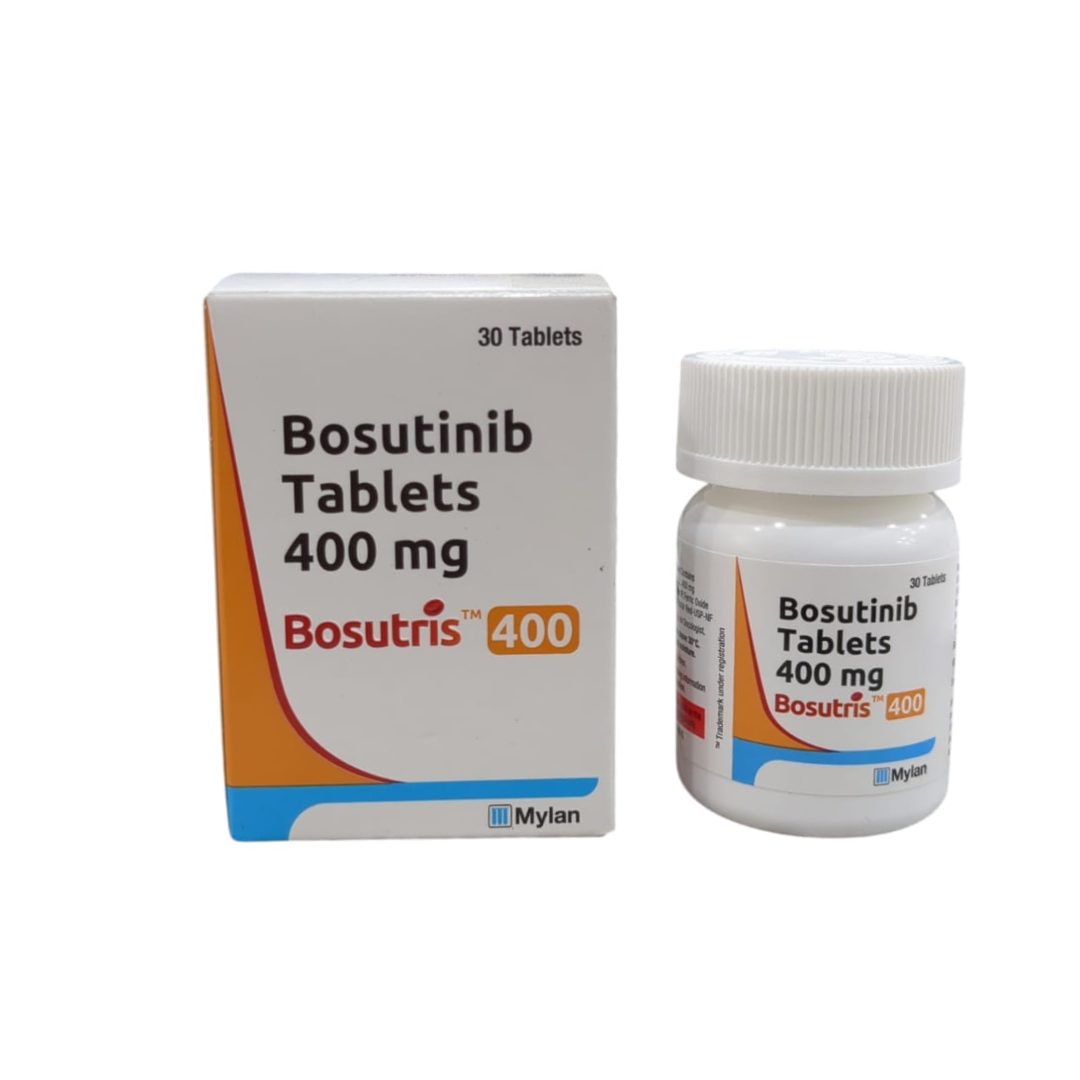
Bosutris 400 mg Tablets
-
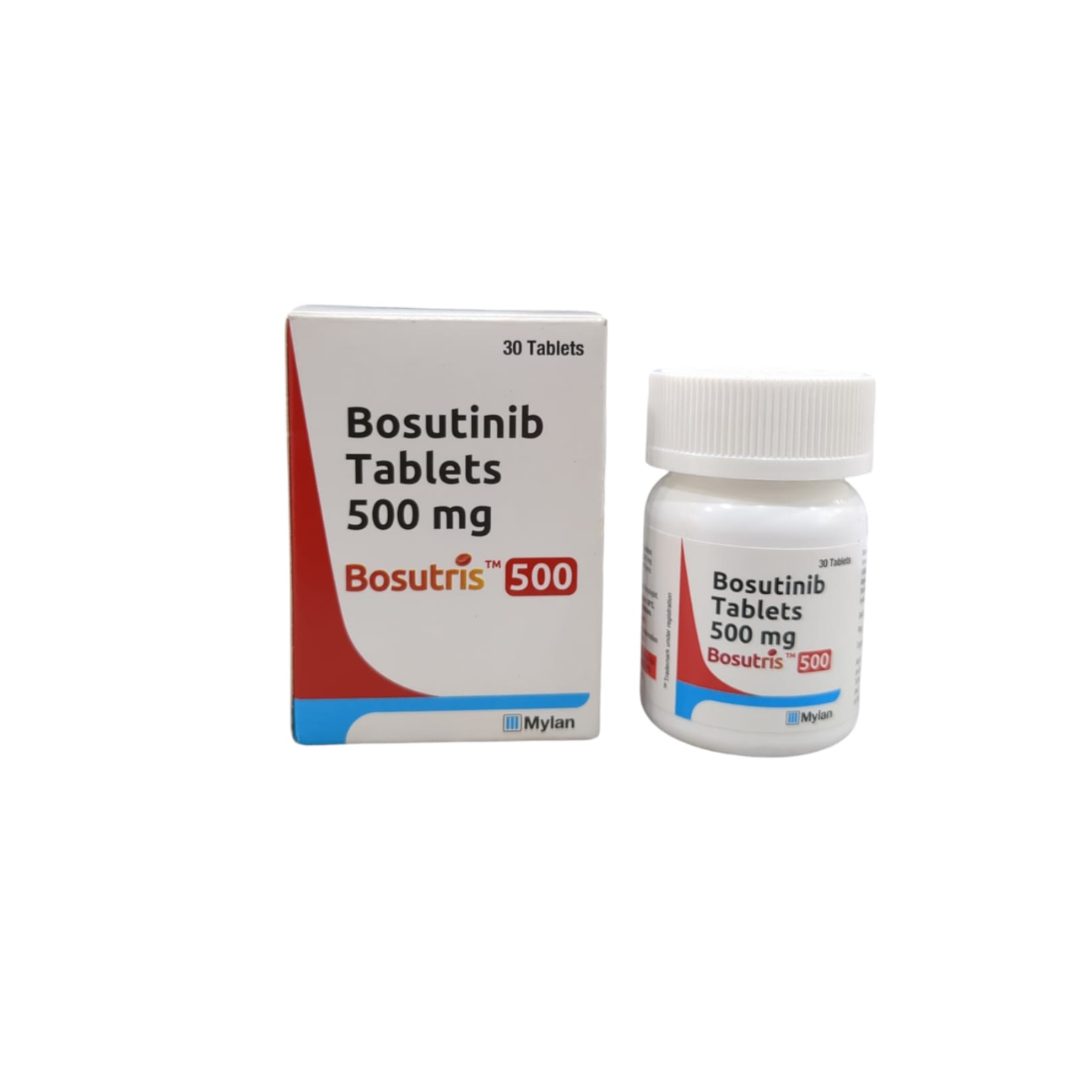
Bosutris 500 mg Tablets
-
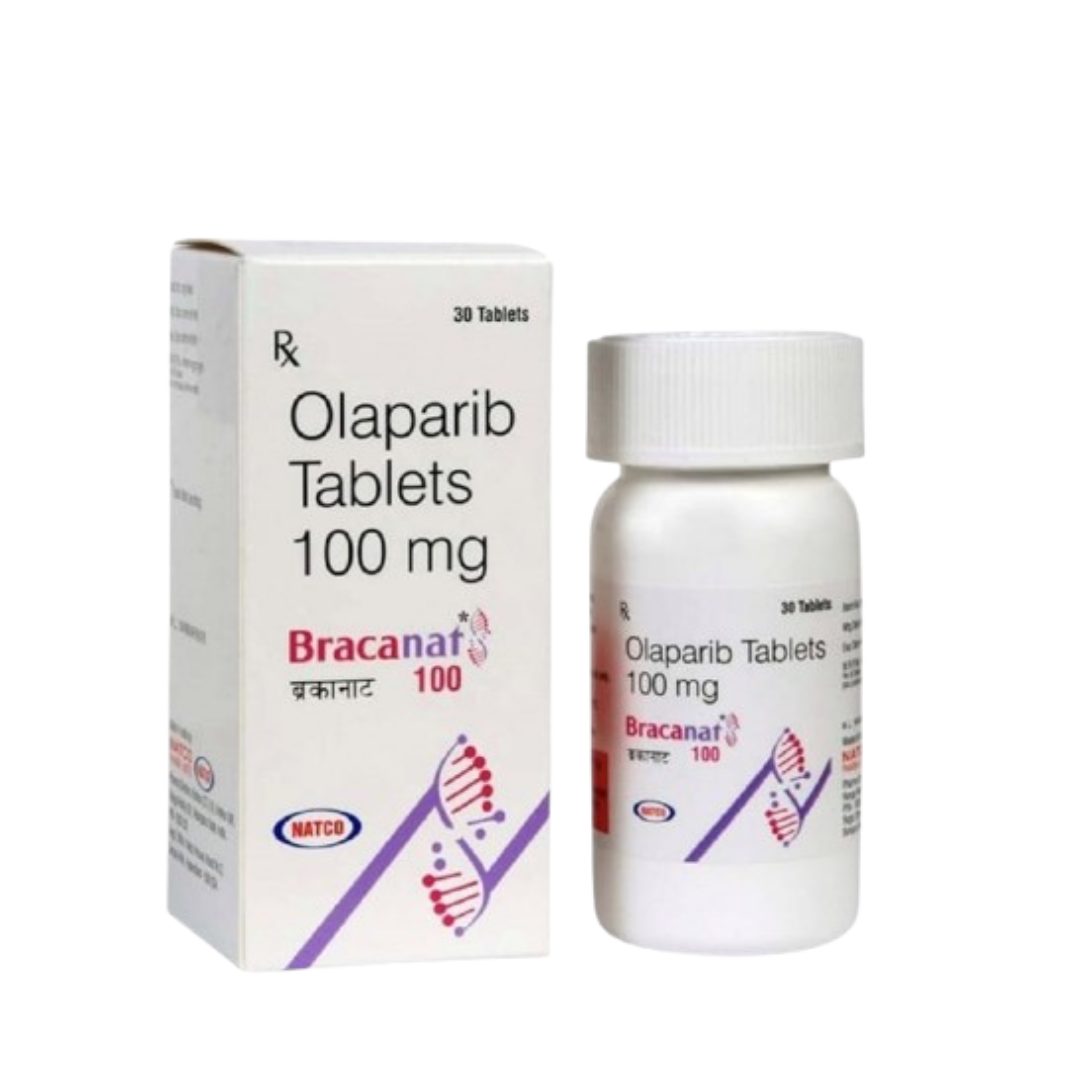
Bracanat 100 Tablets
-
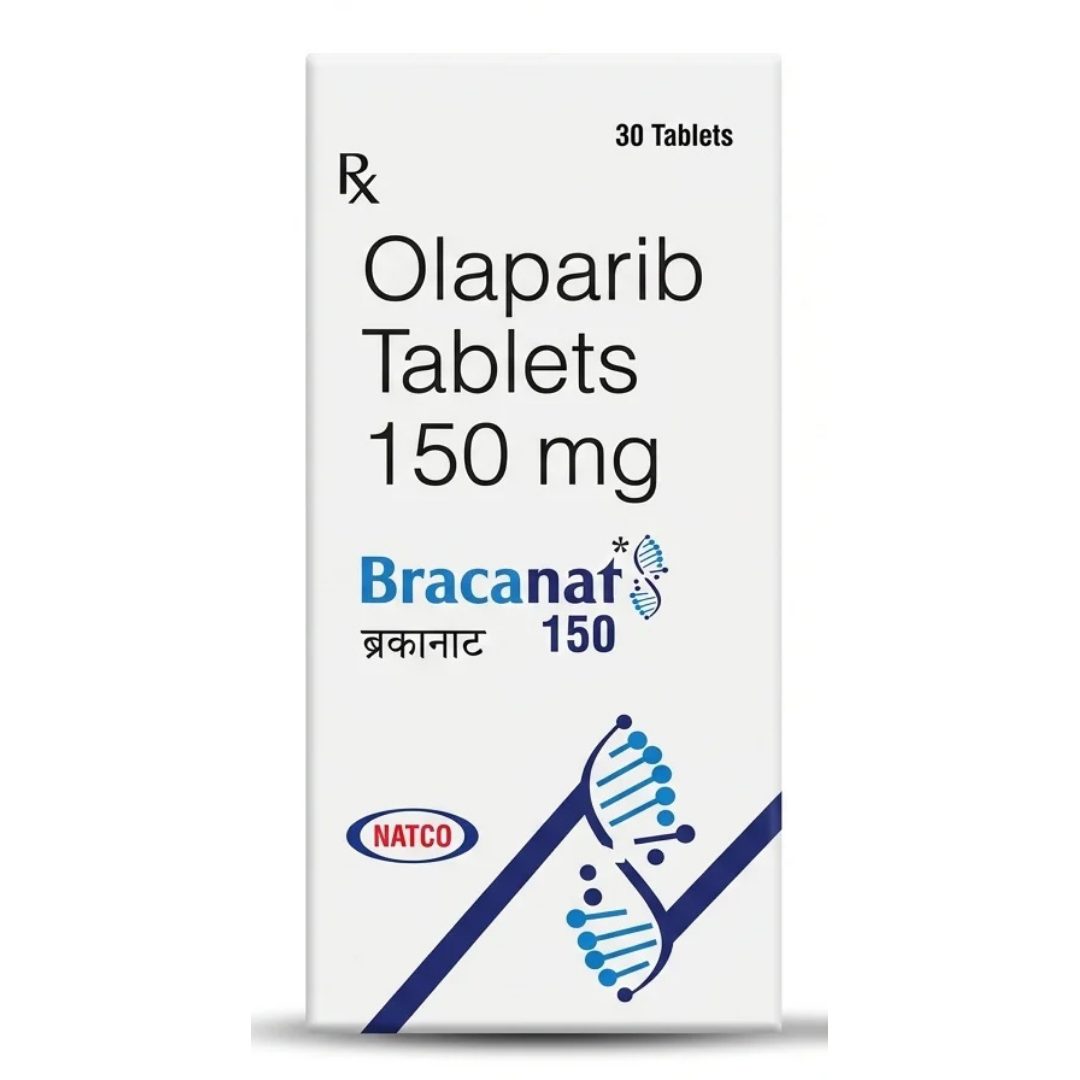
Bracanat 150 Tablets
-
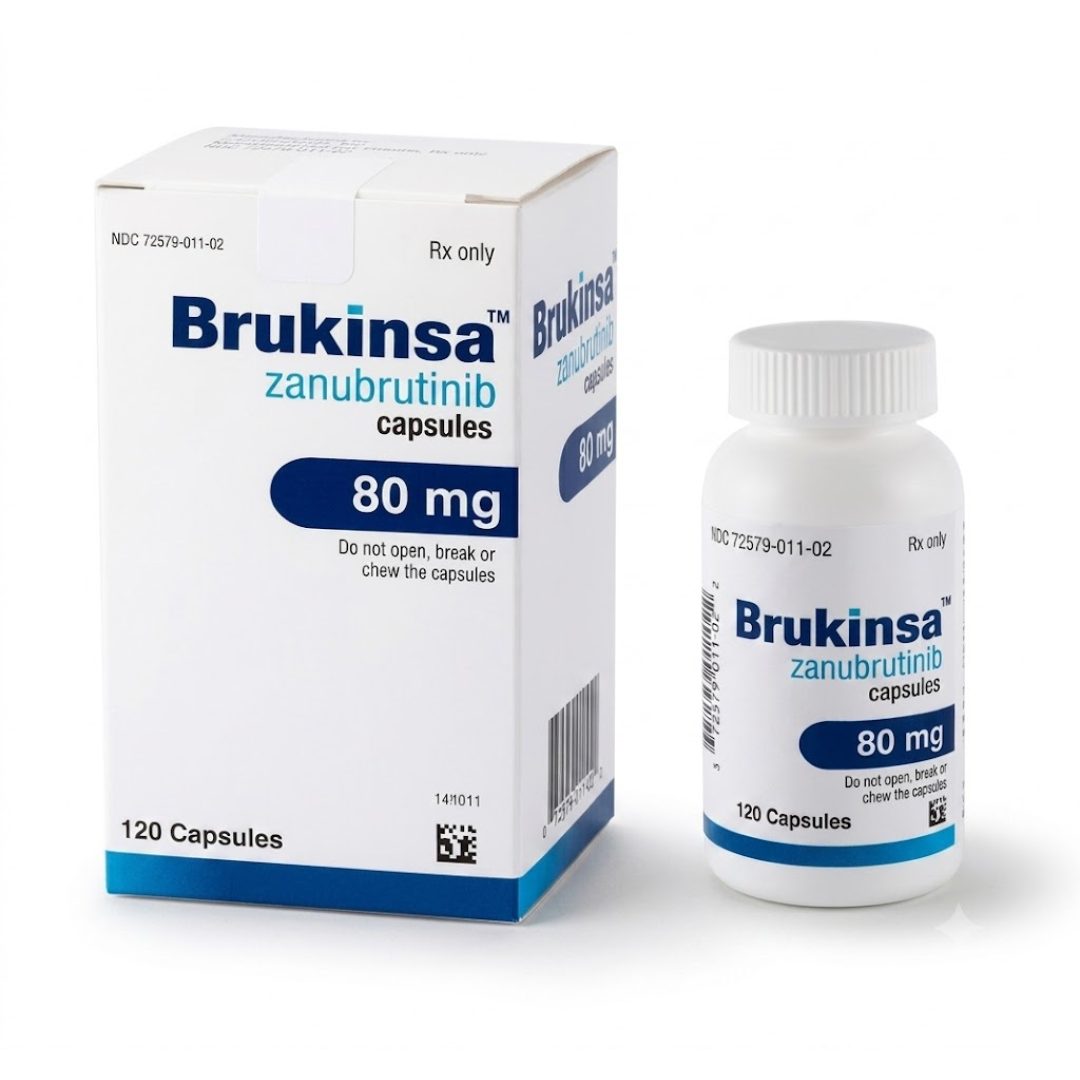
Brukinsa 80 mg
-
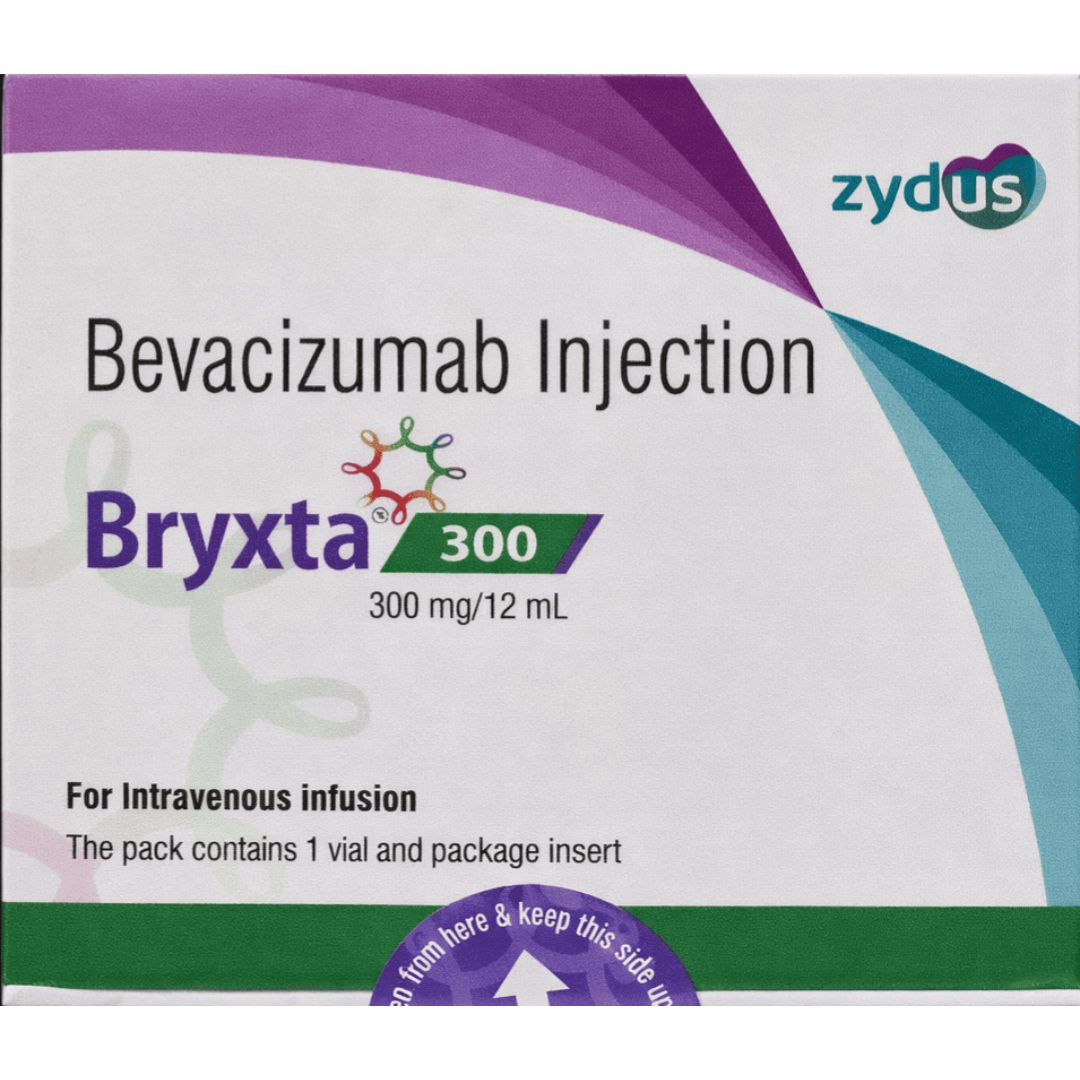
Bryxta 300 Injection
-
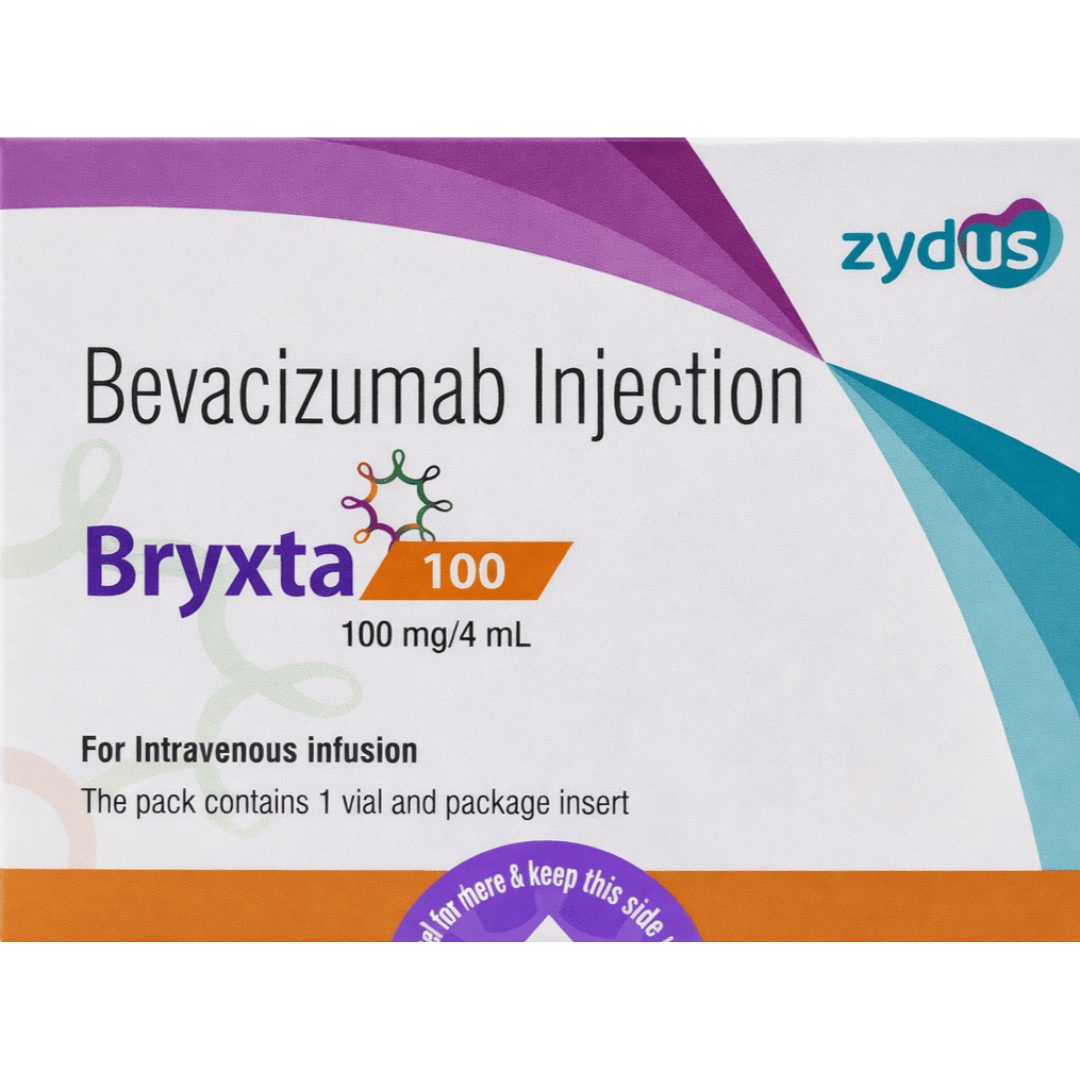
Bryxta 100 Injection
-
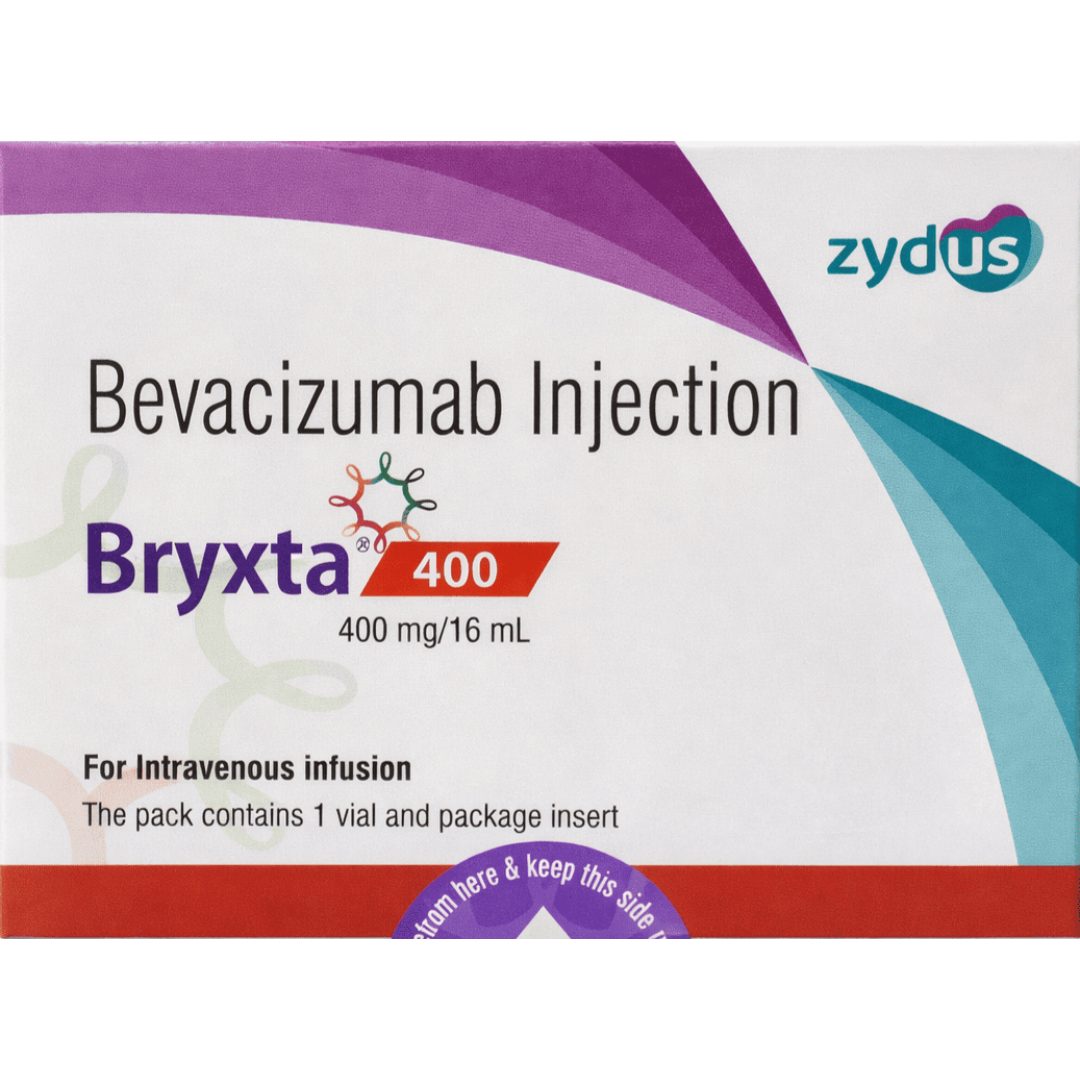
Bryxta 400 Injection
-
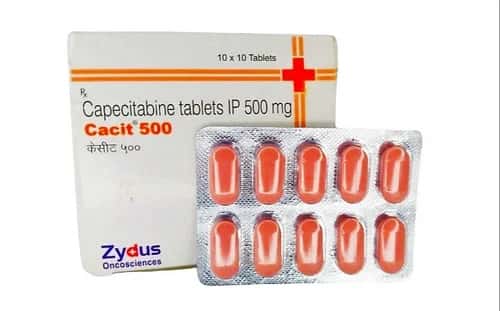
Cacit 500mg Tablet
-
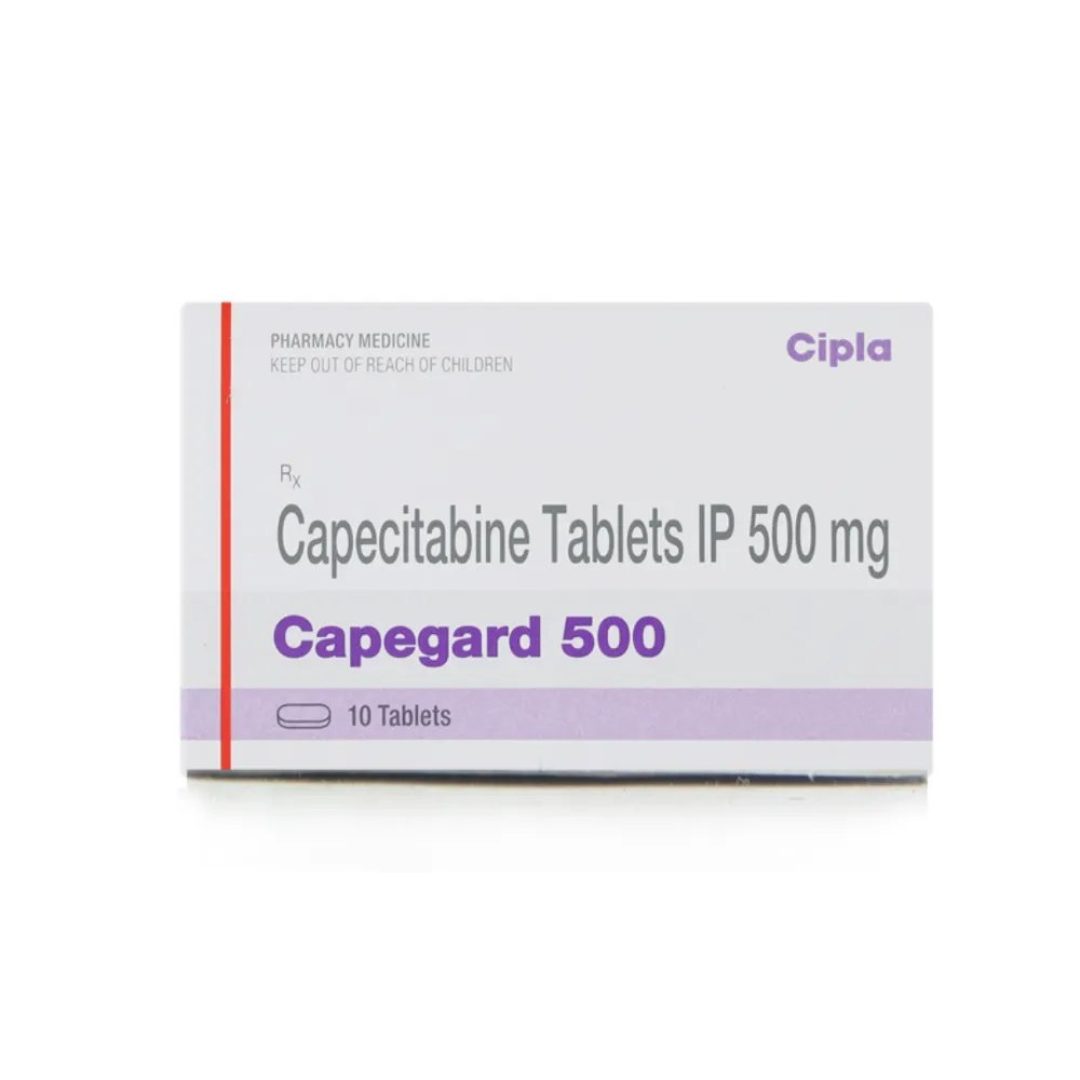
Capegard 500mg Tablets
-
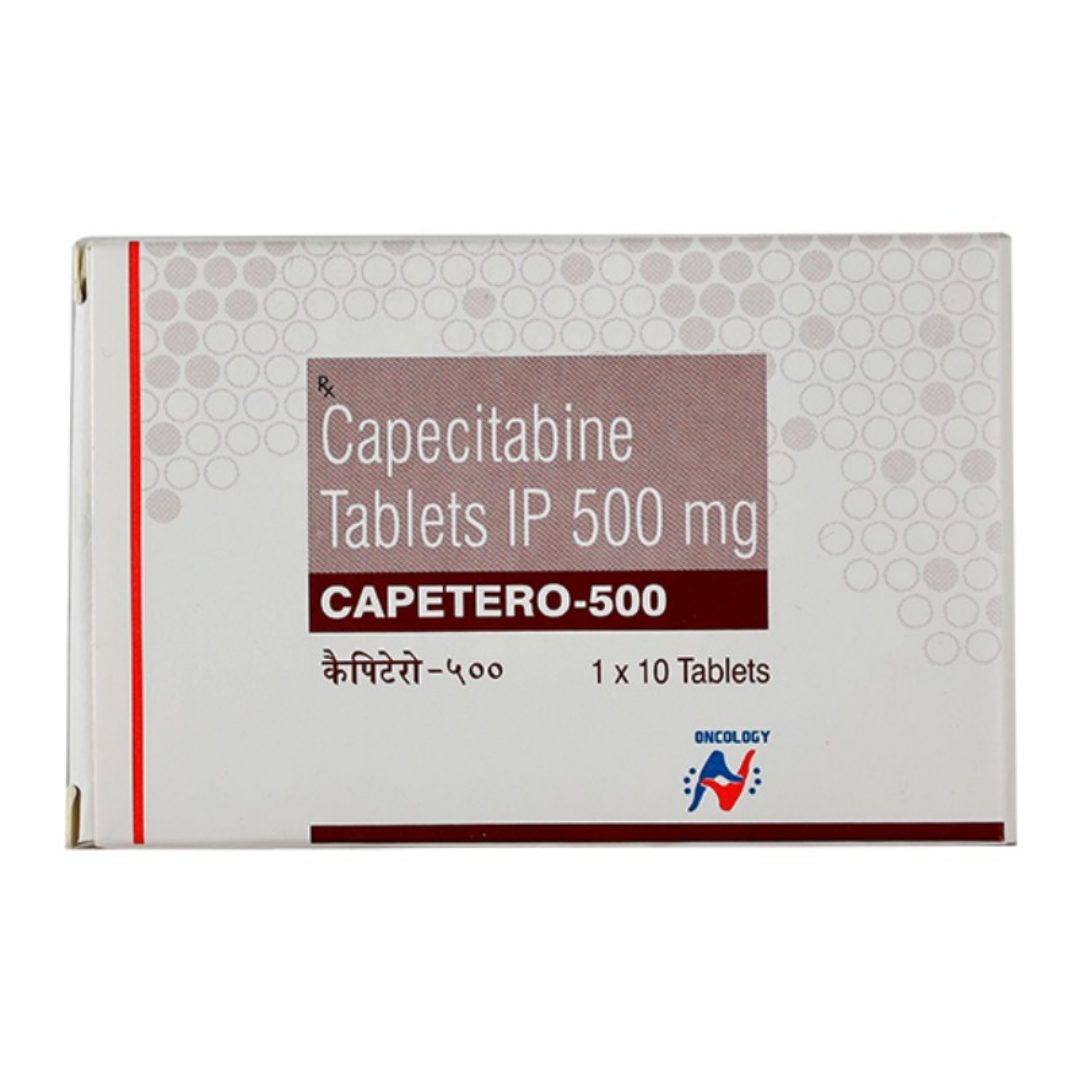
CAPETERO-500 Tablets
-
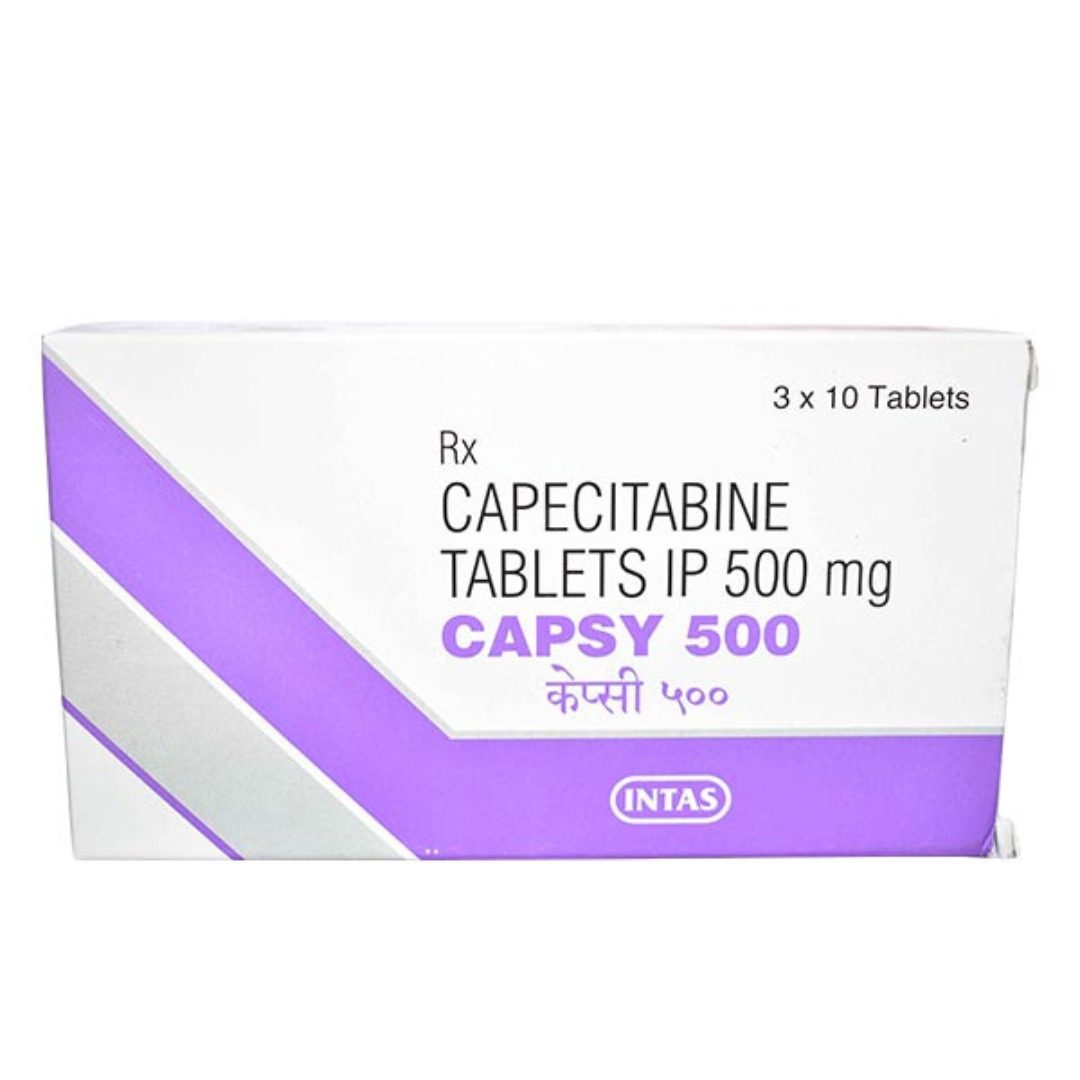
CAPSY 500 Tablets
-
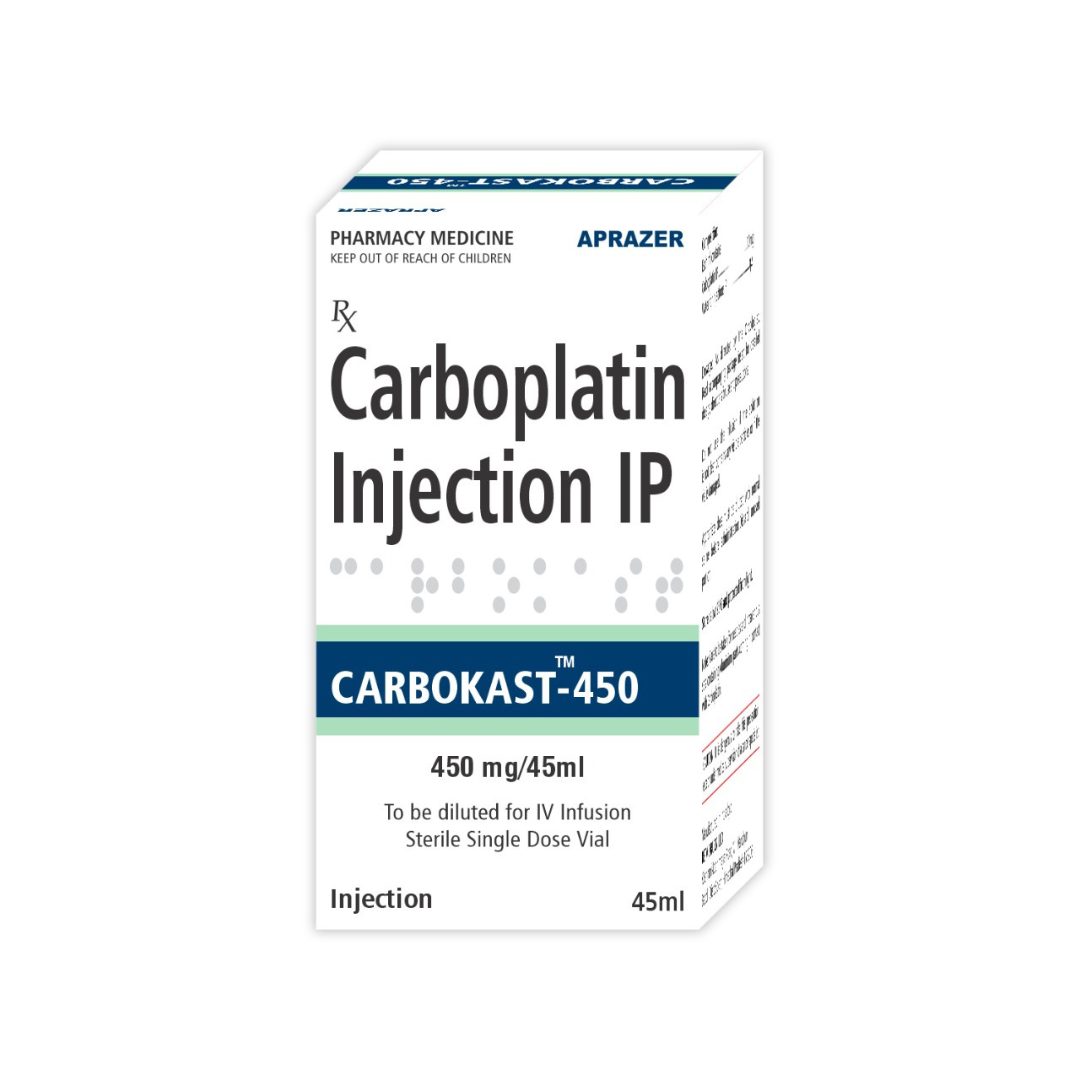
CARBOKAST-450 Injection
-
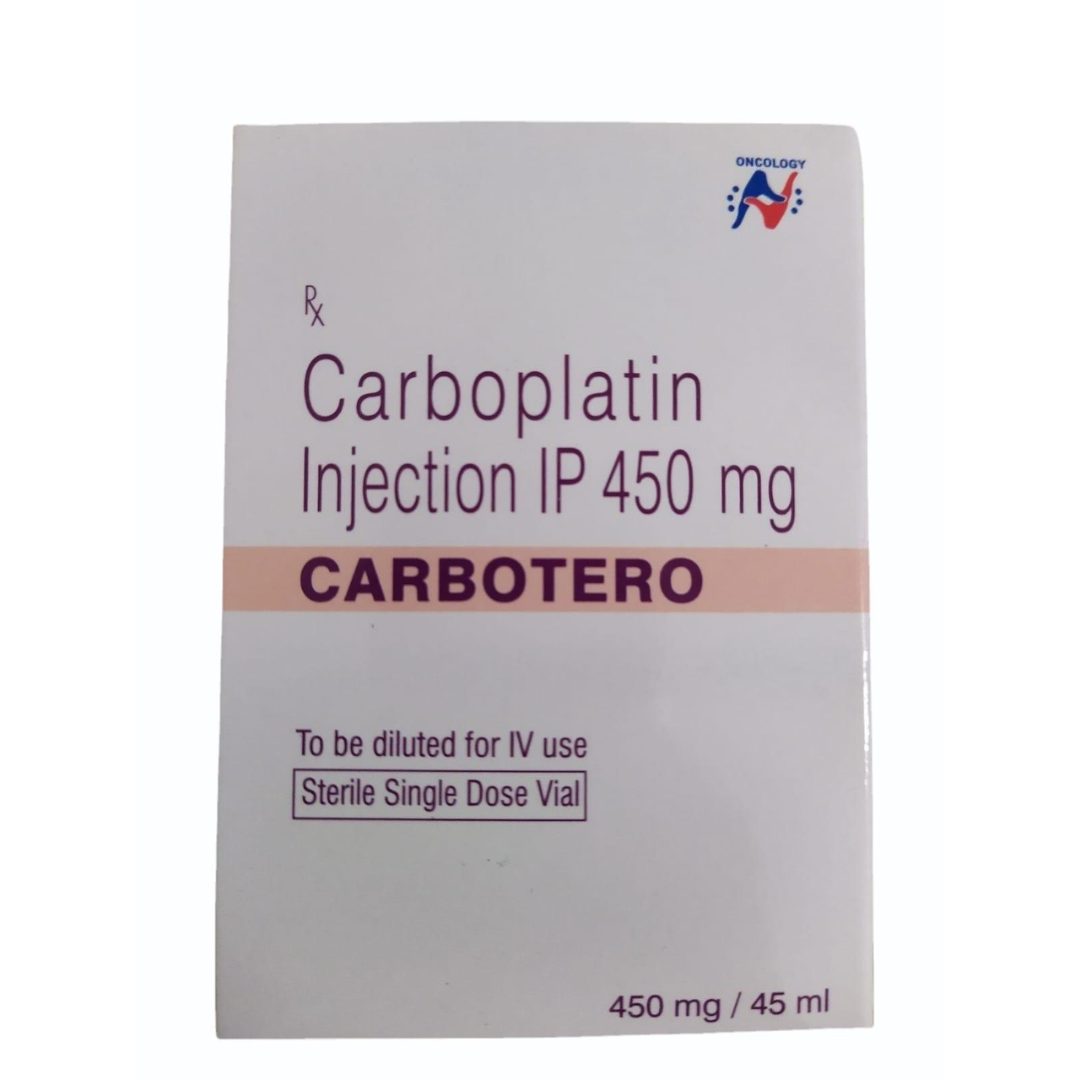
Carbotero 450
-
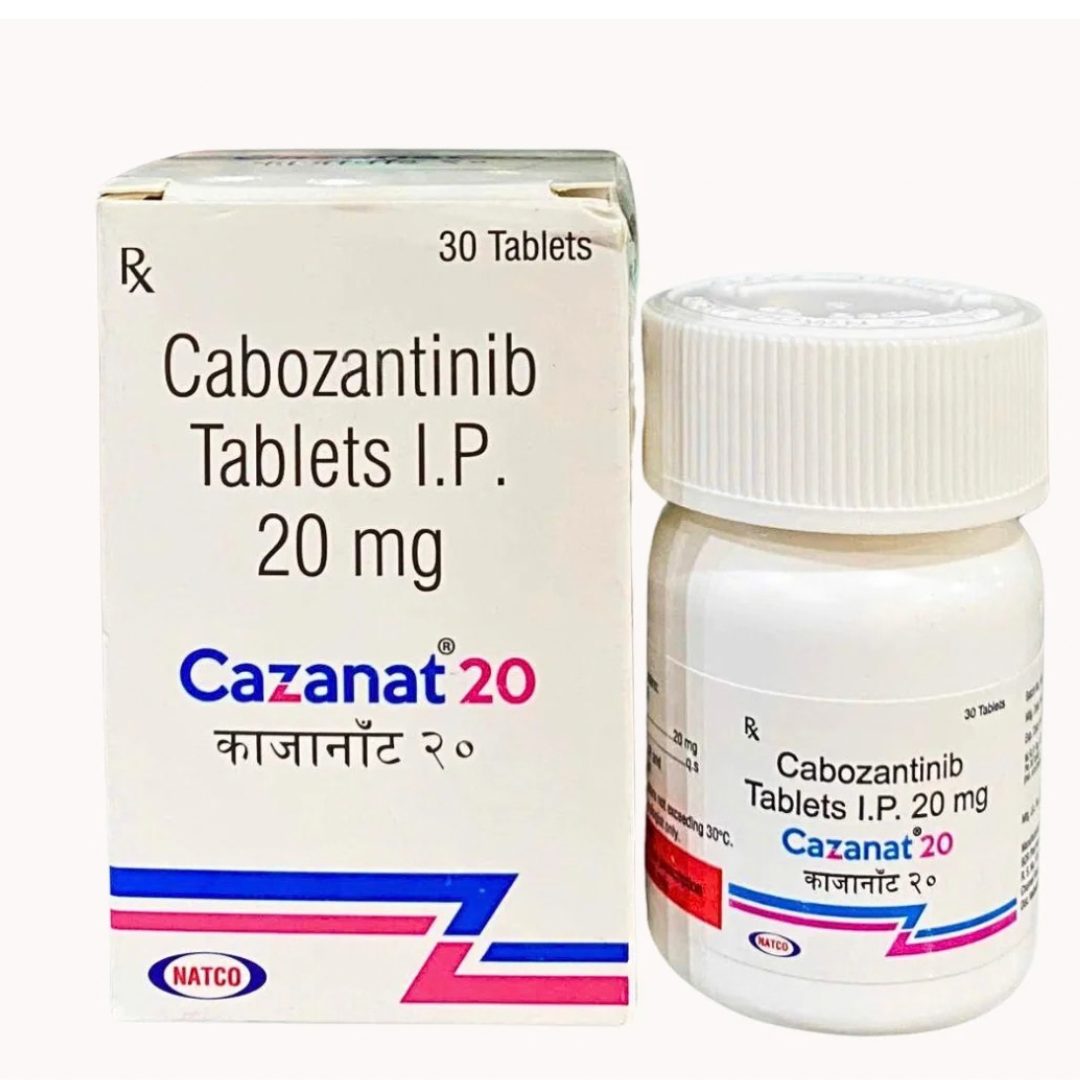
Cazanat 20mg Tablets
-
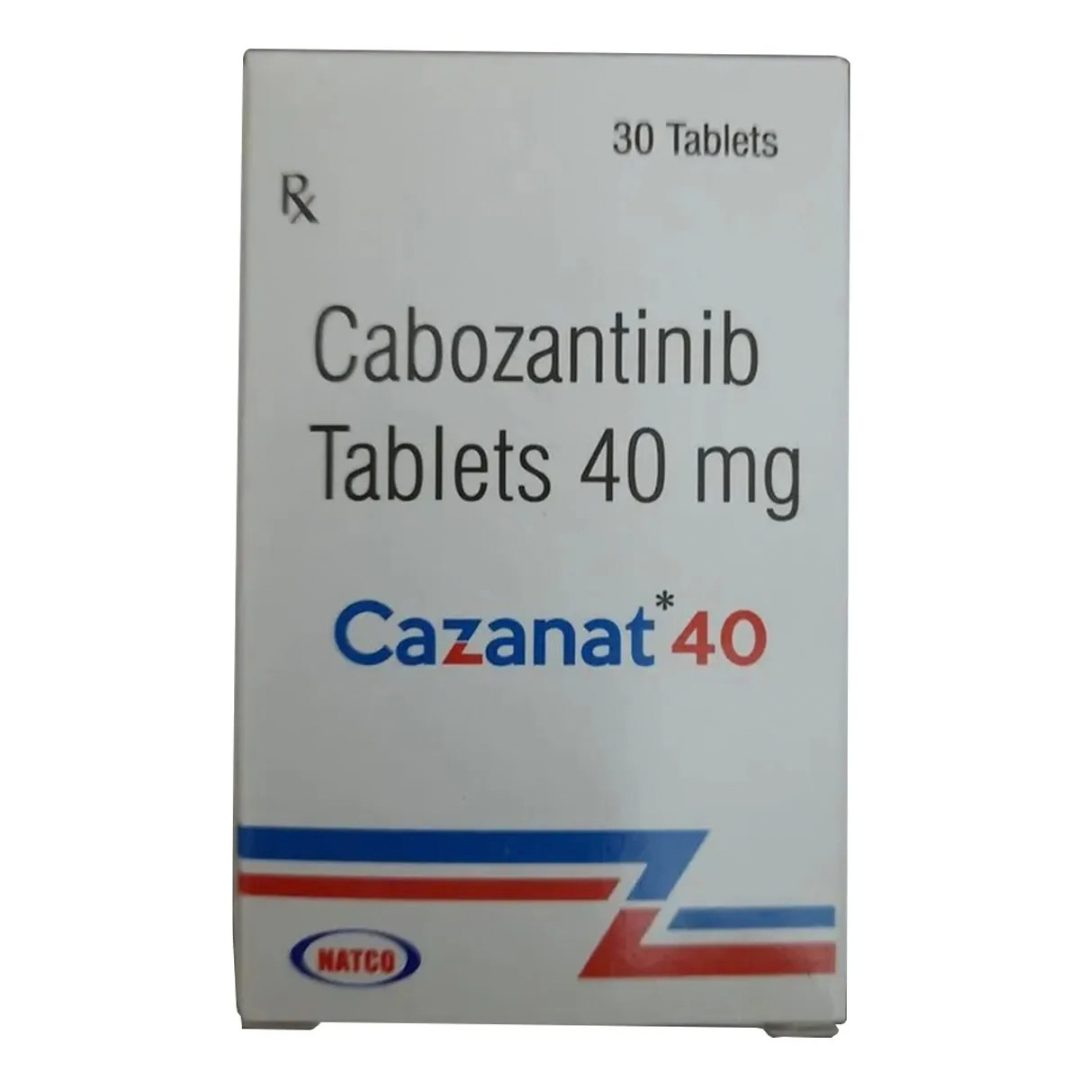
Cazanat 40mg Tablets
-
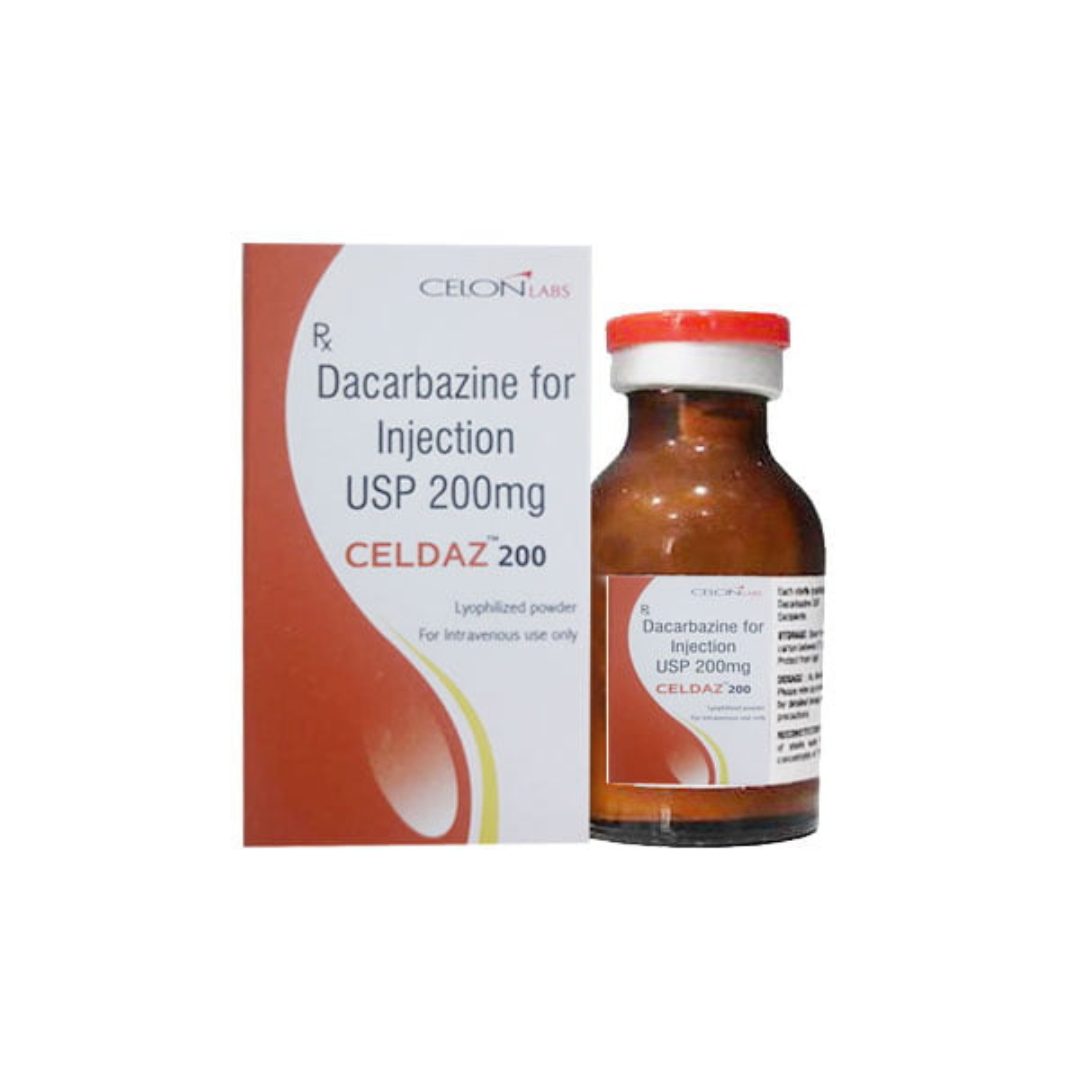
CELDAZ 200 Injection
-
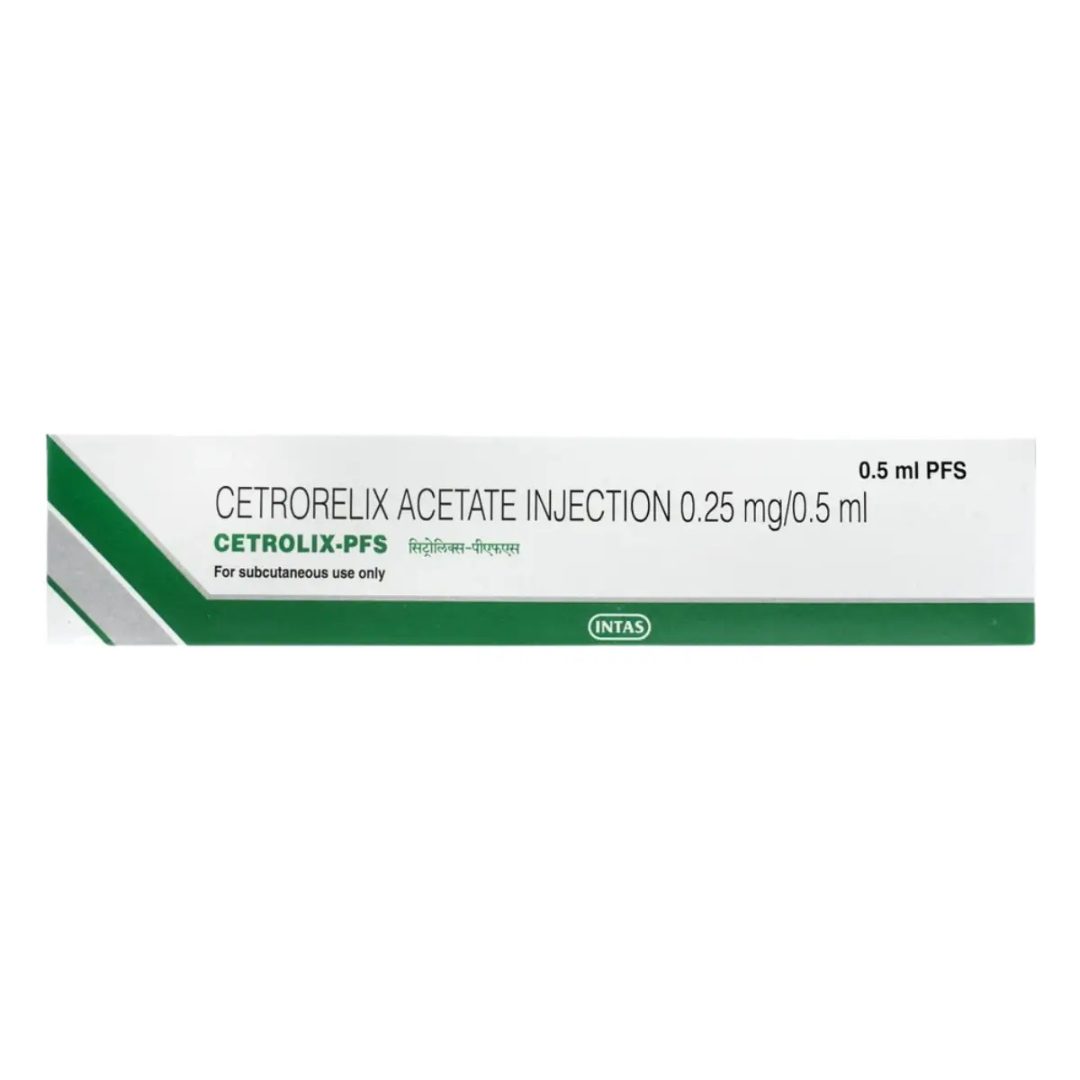
Cetrolix-PFS Injection
-
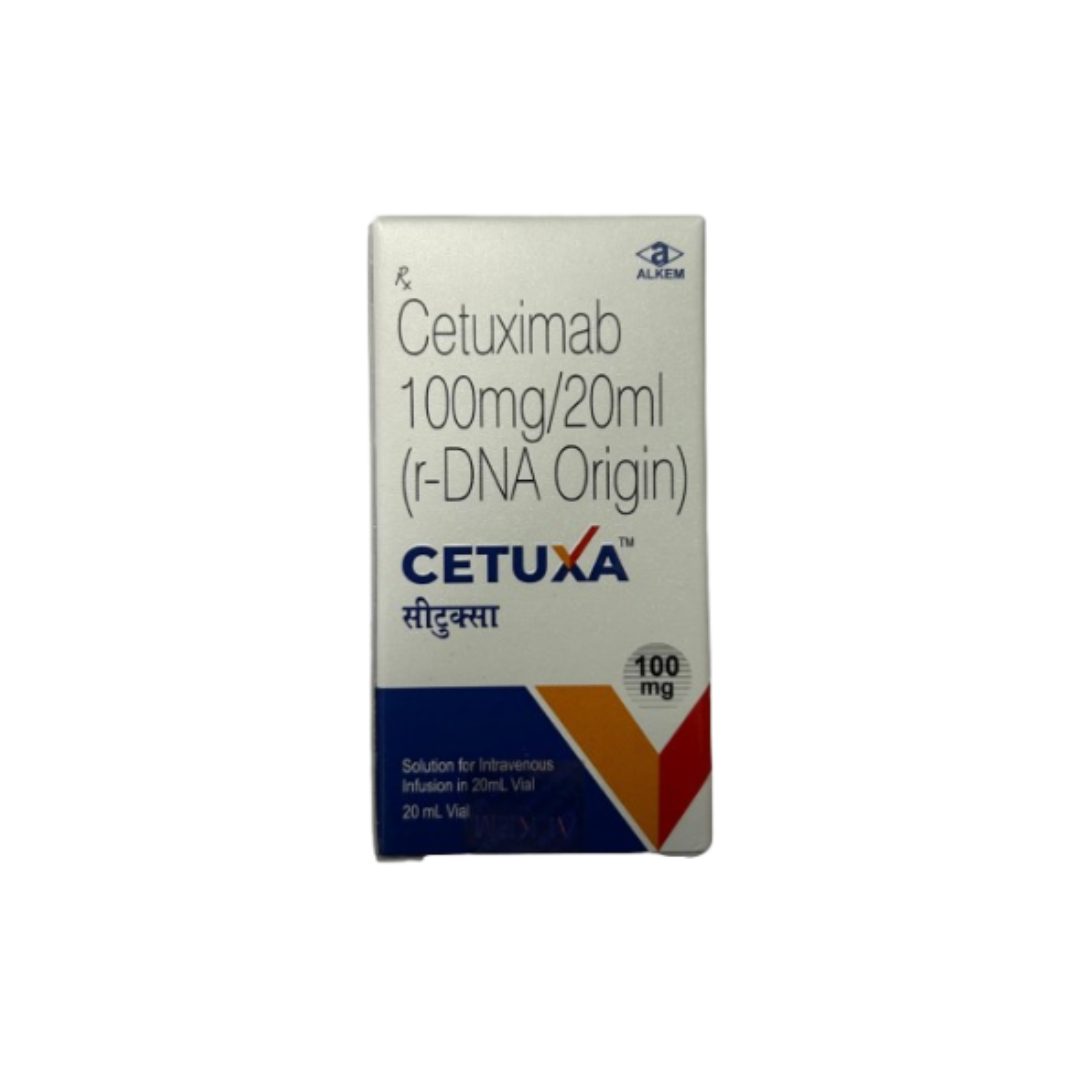
CETUXA Injection
-
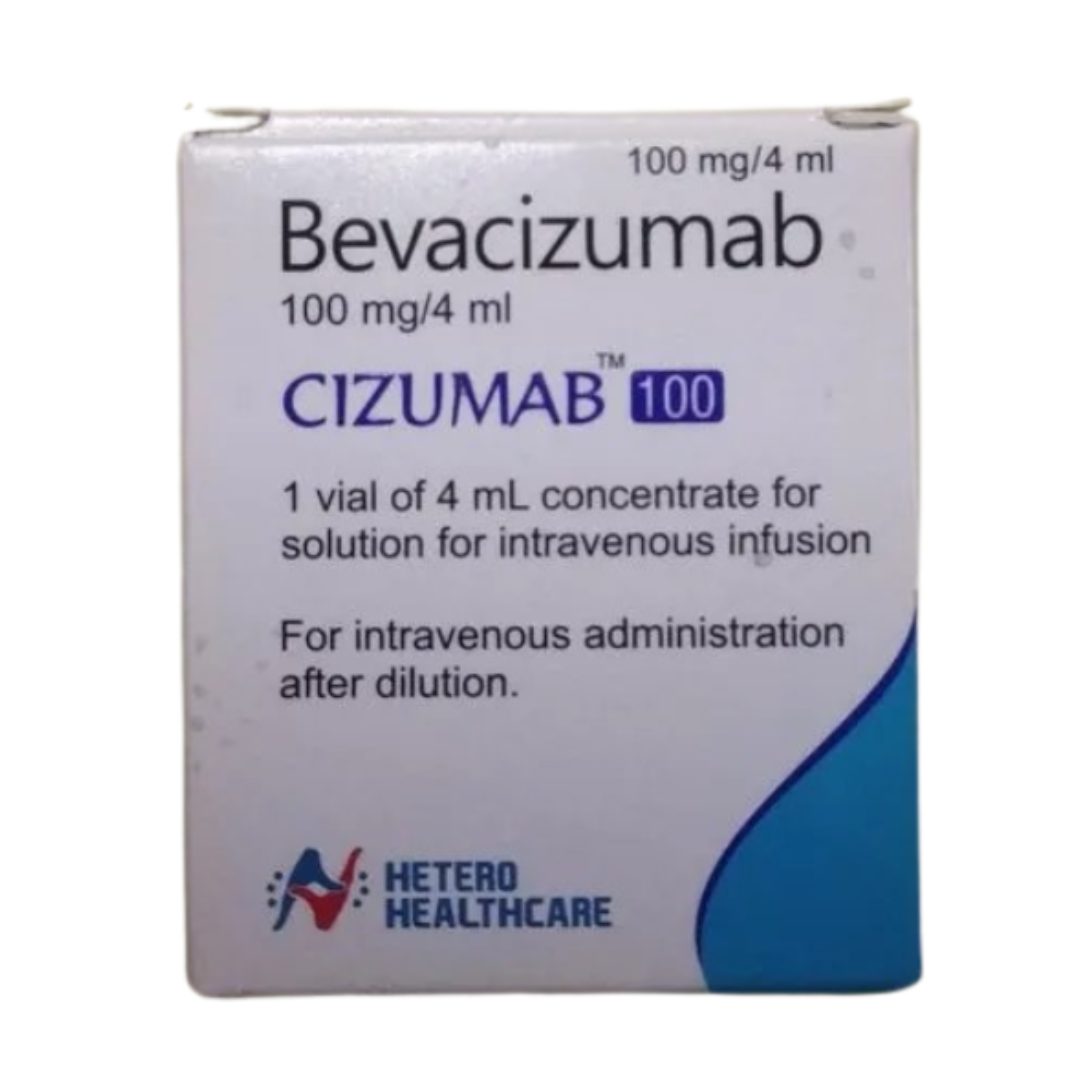
Cizumab 100 mg Injection
-
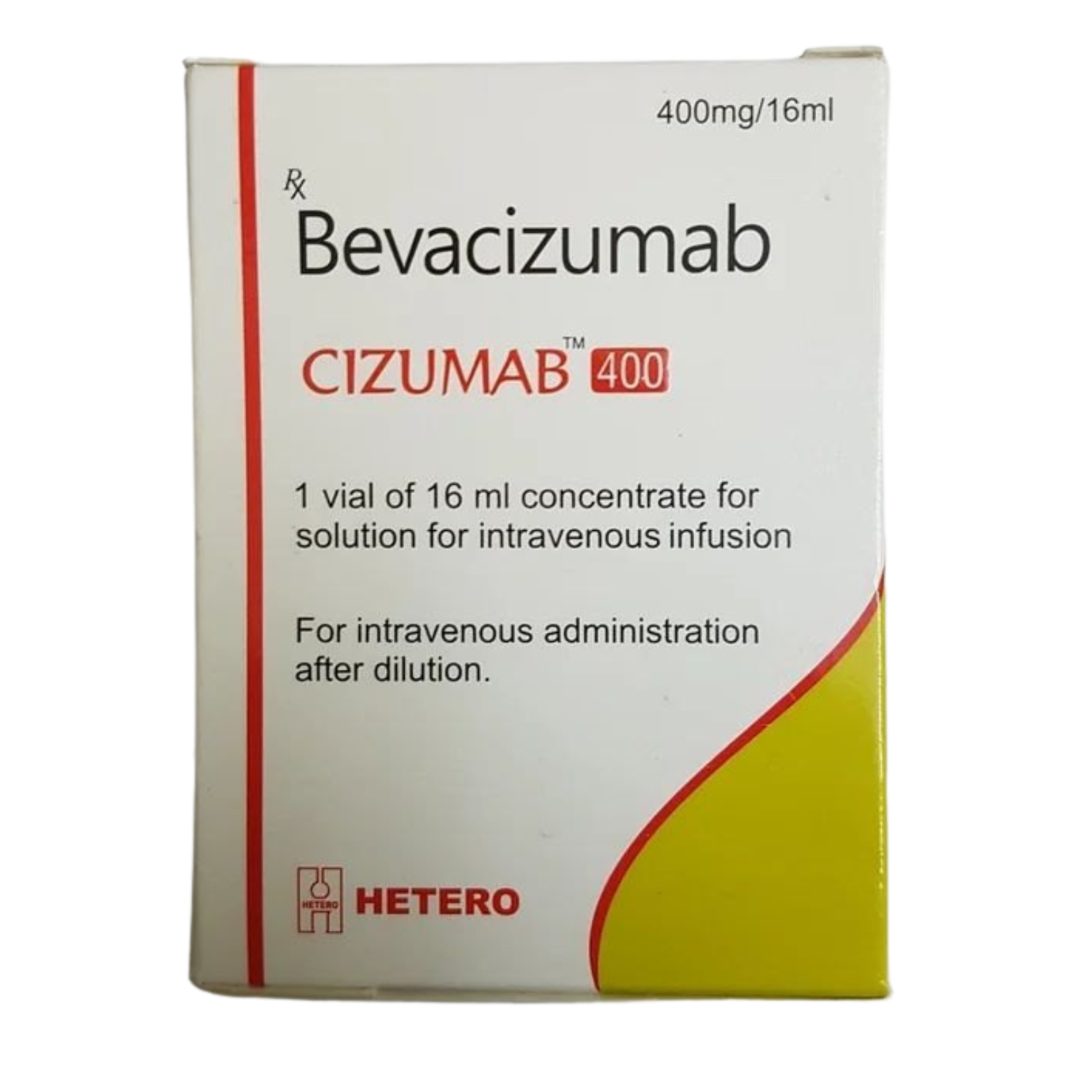
Cizumab 400 mg Injection
-
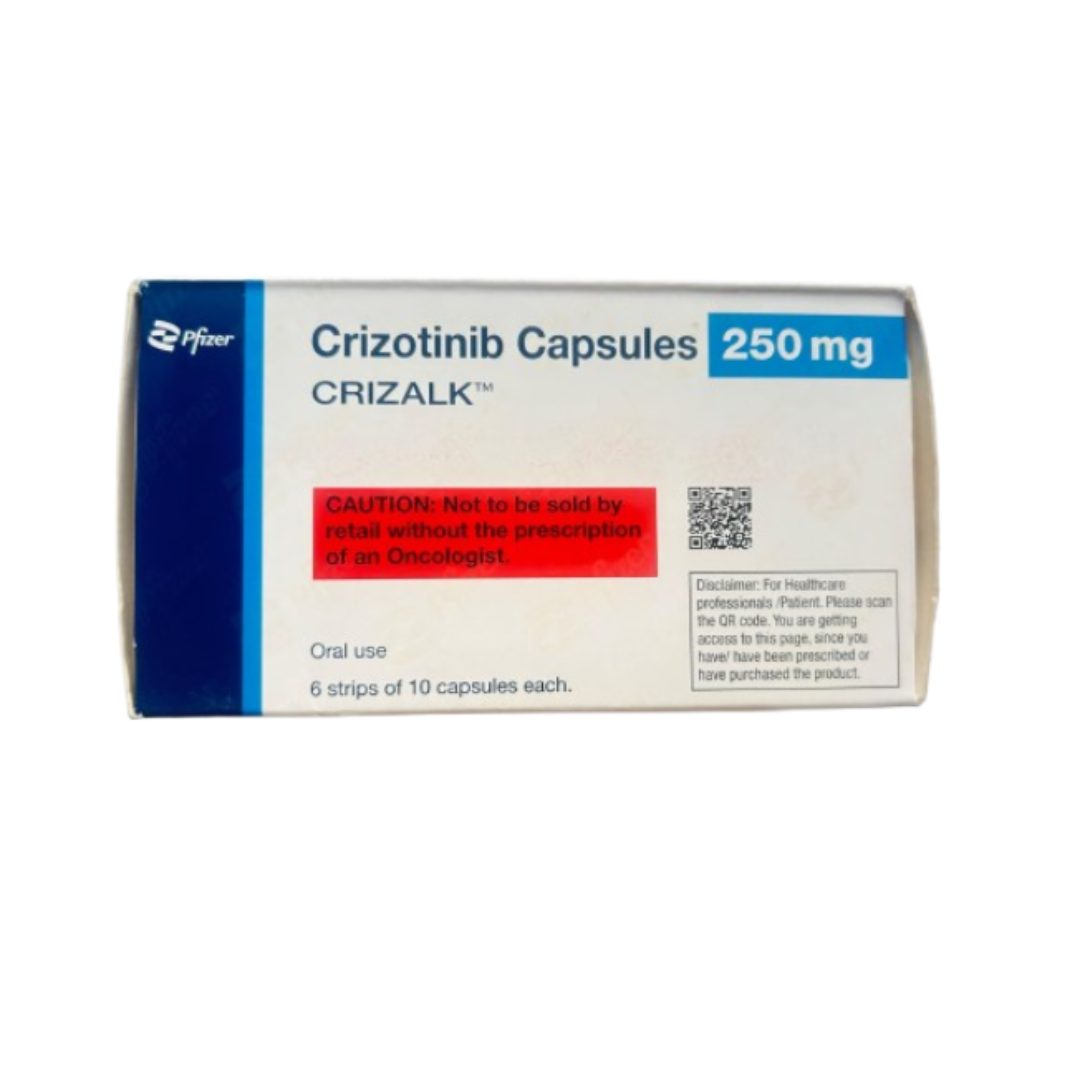
Crizalk 250 mg Capsule
-
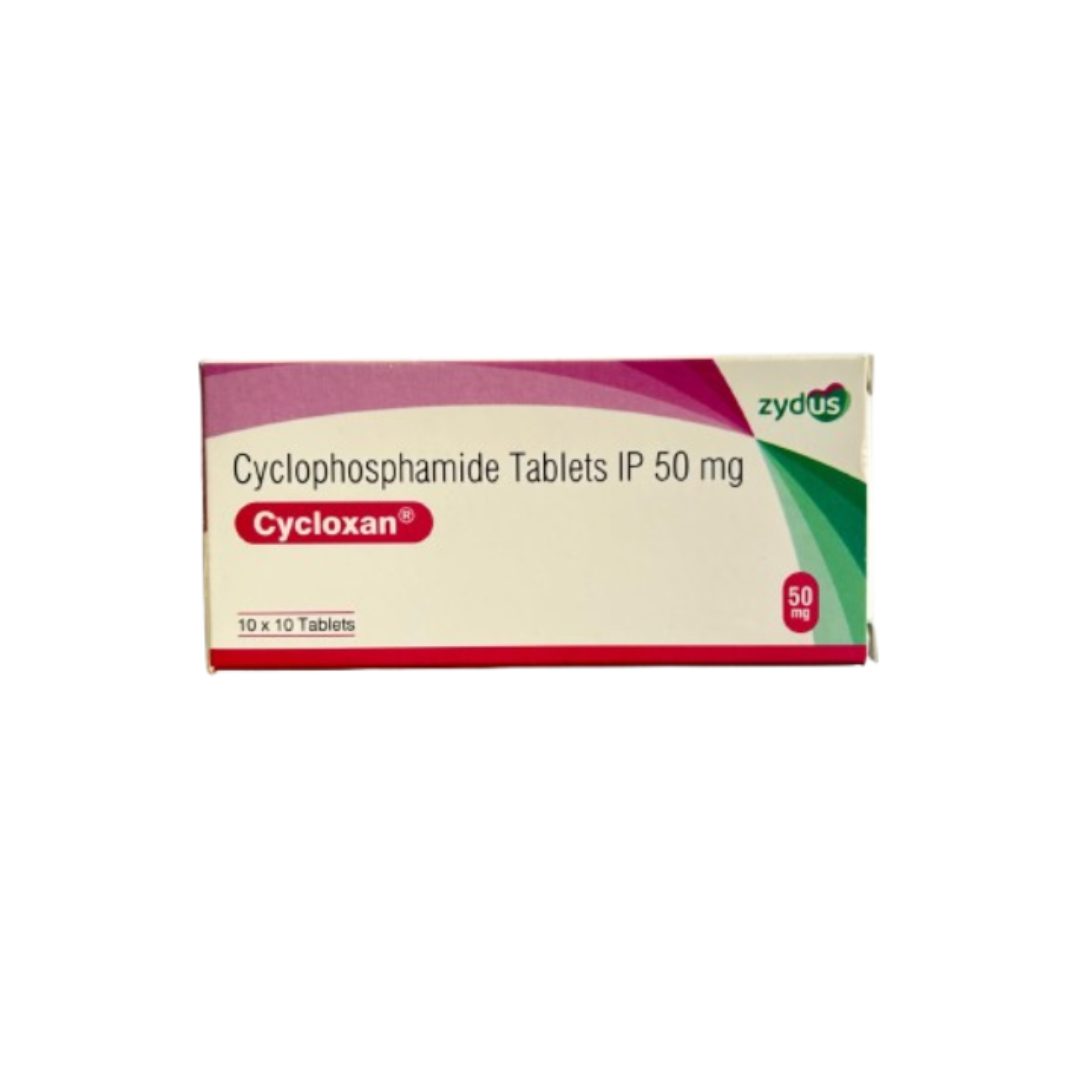
Cycloxan 50 Tablets
-
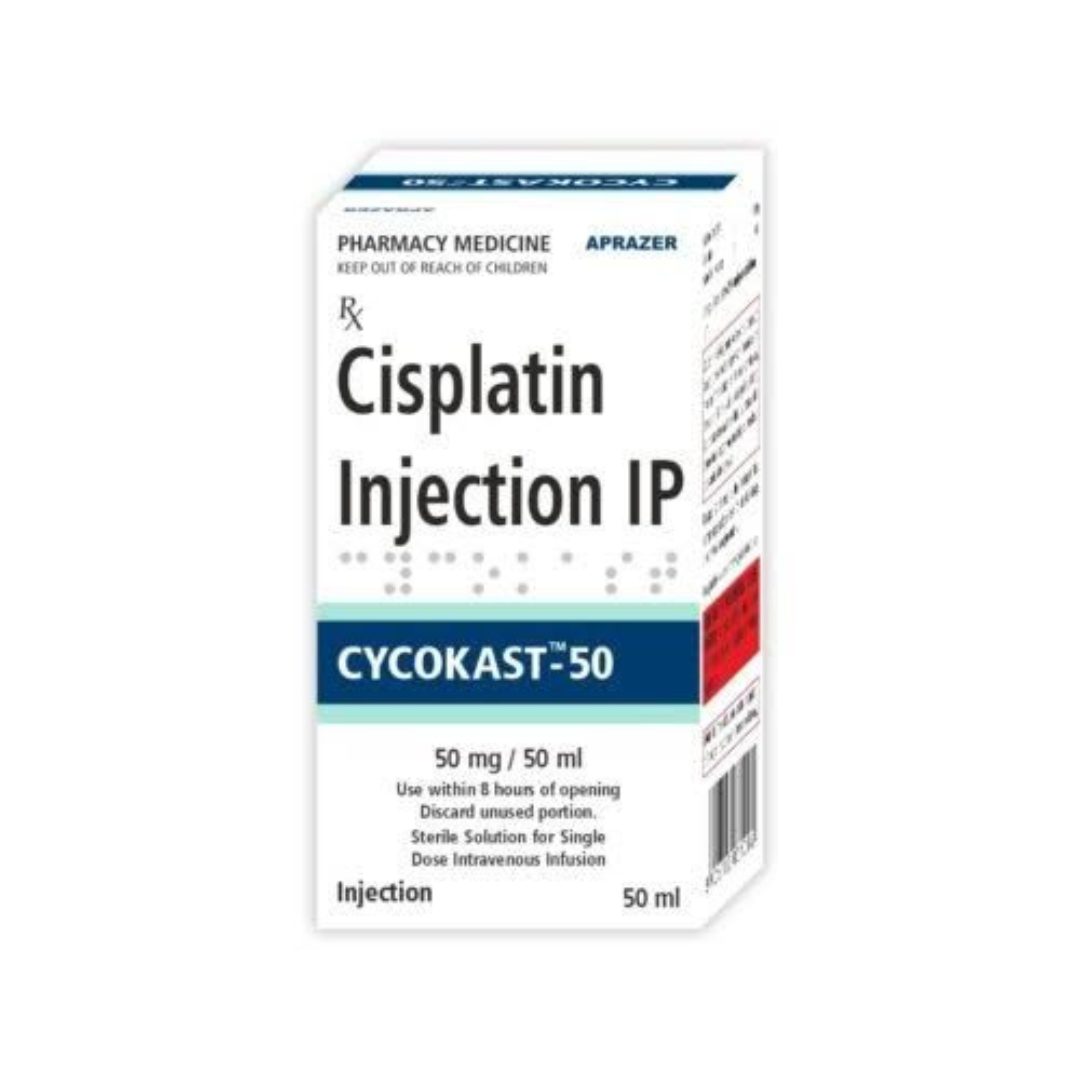
CYCOKAST-50 Injection
-
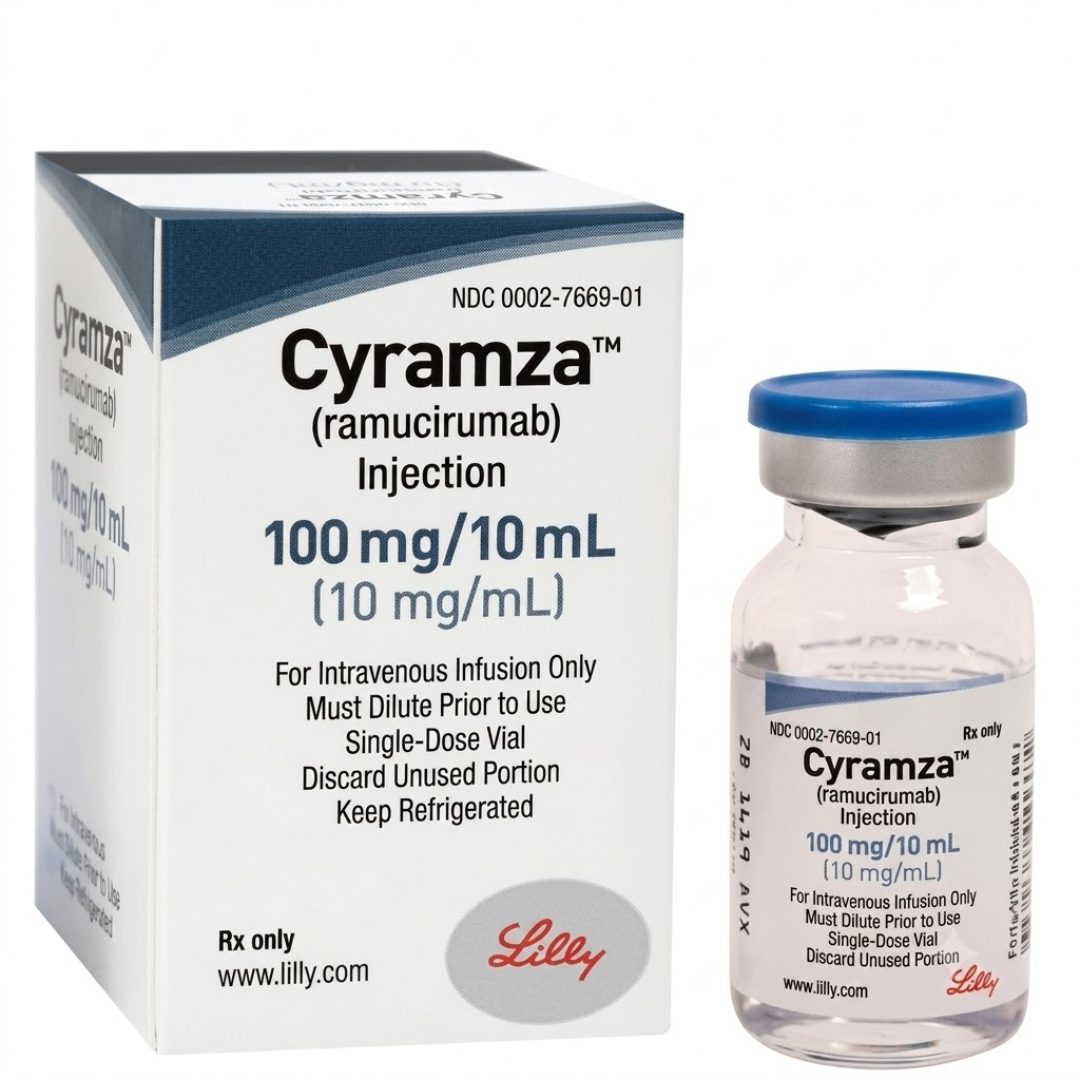
Cyramza 100 mg Injection
-
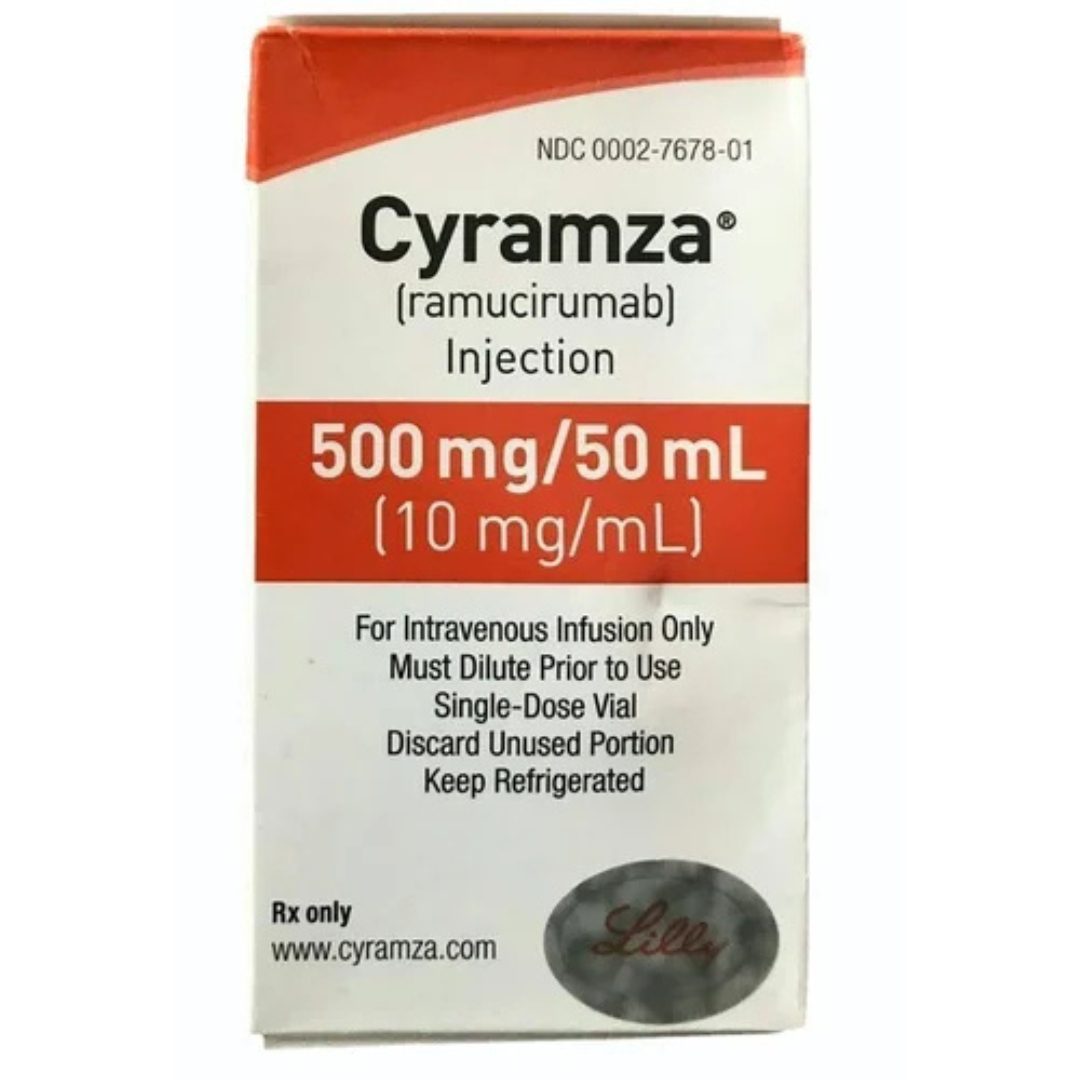
Cyramza 500 mg Injection
-
Darbepoetin alfa 25mcg
-

Darzalex 100MG
-

Darzalex 1800MG
-
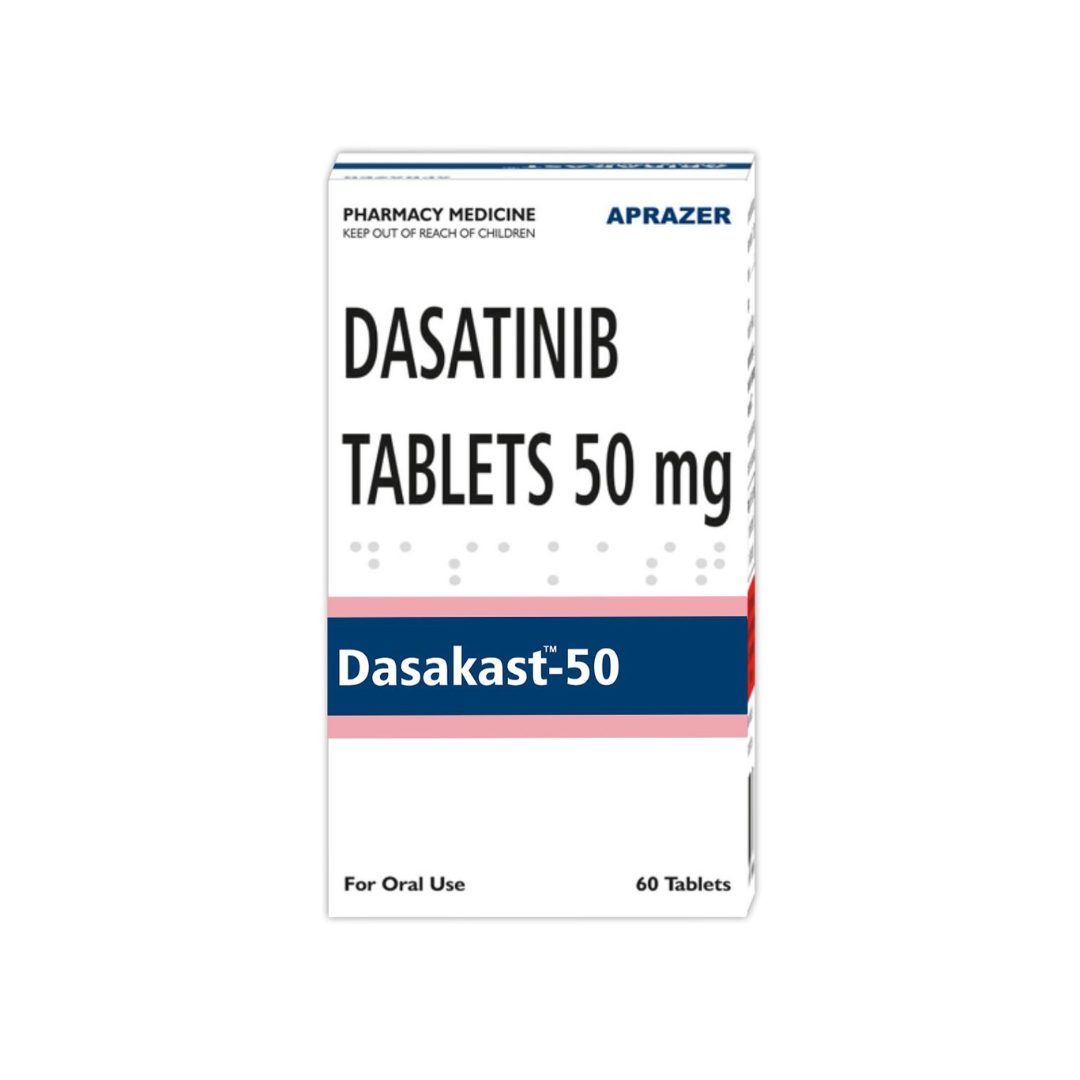
Dasakast 50 TABLETS
-

Darzalex 400MG
-
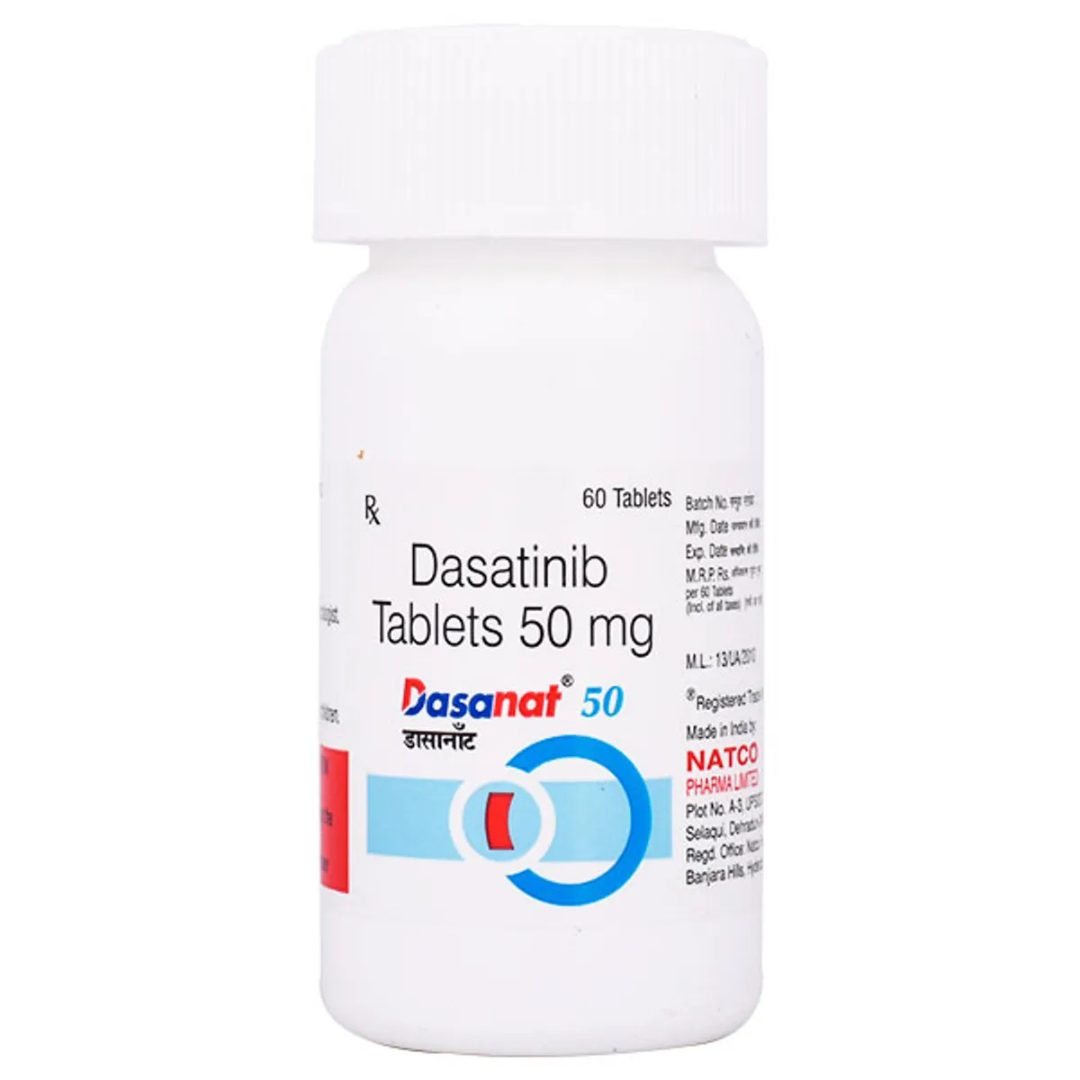
Dasanat 50mg Tablets
-
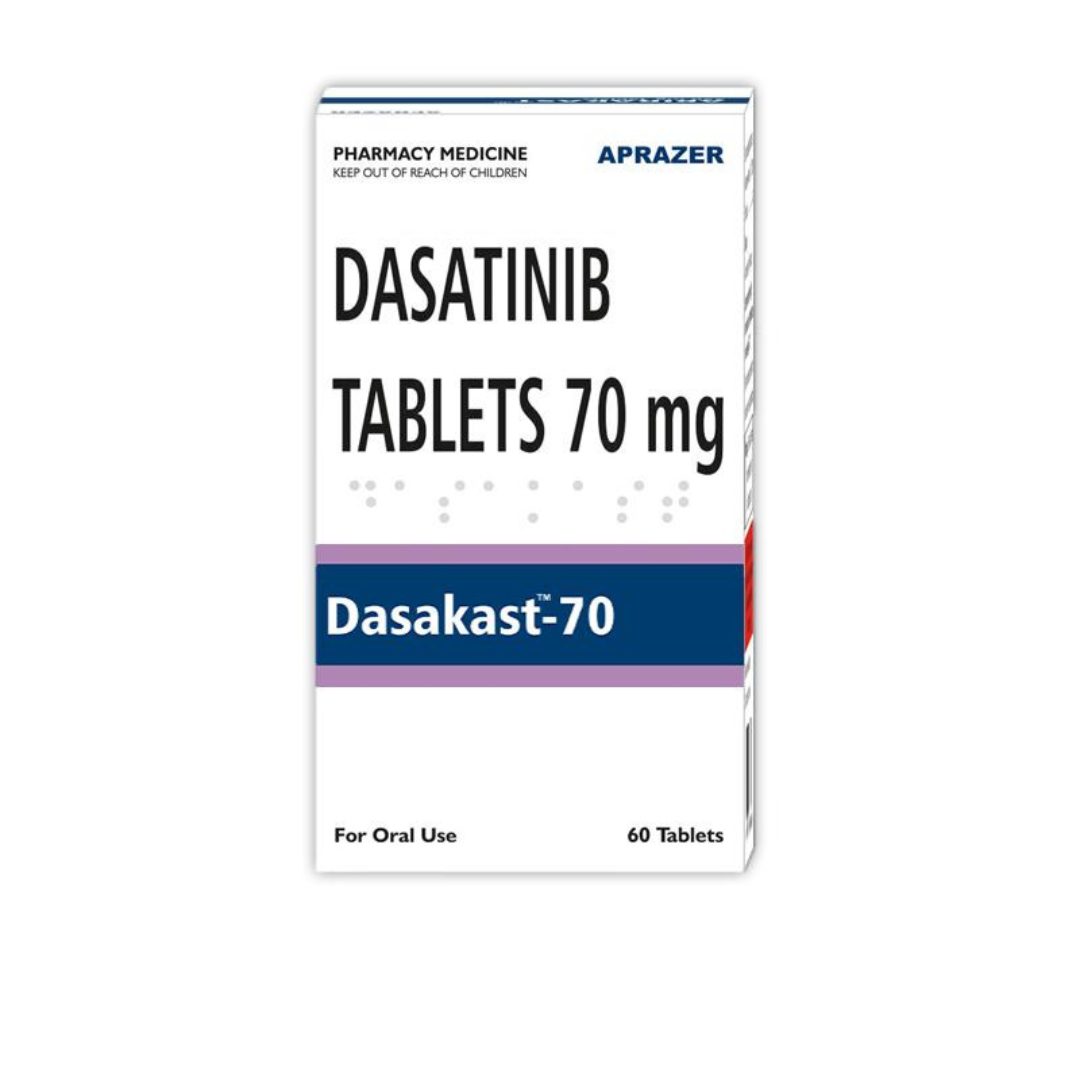
Dasakast 70 TABLETS
-
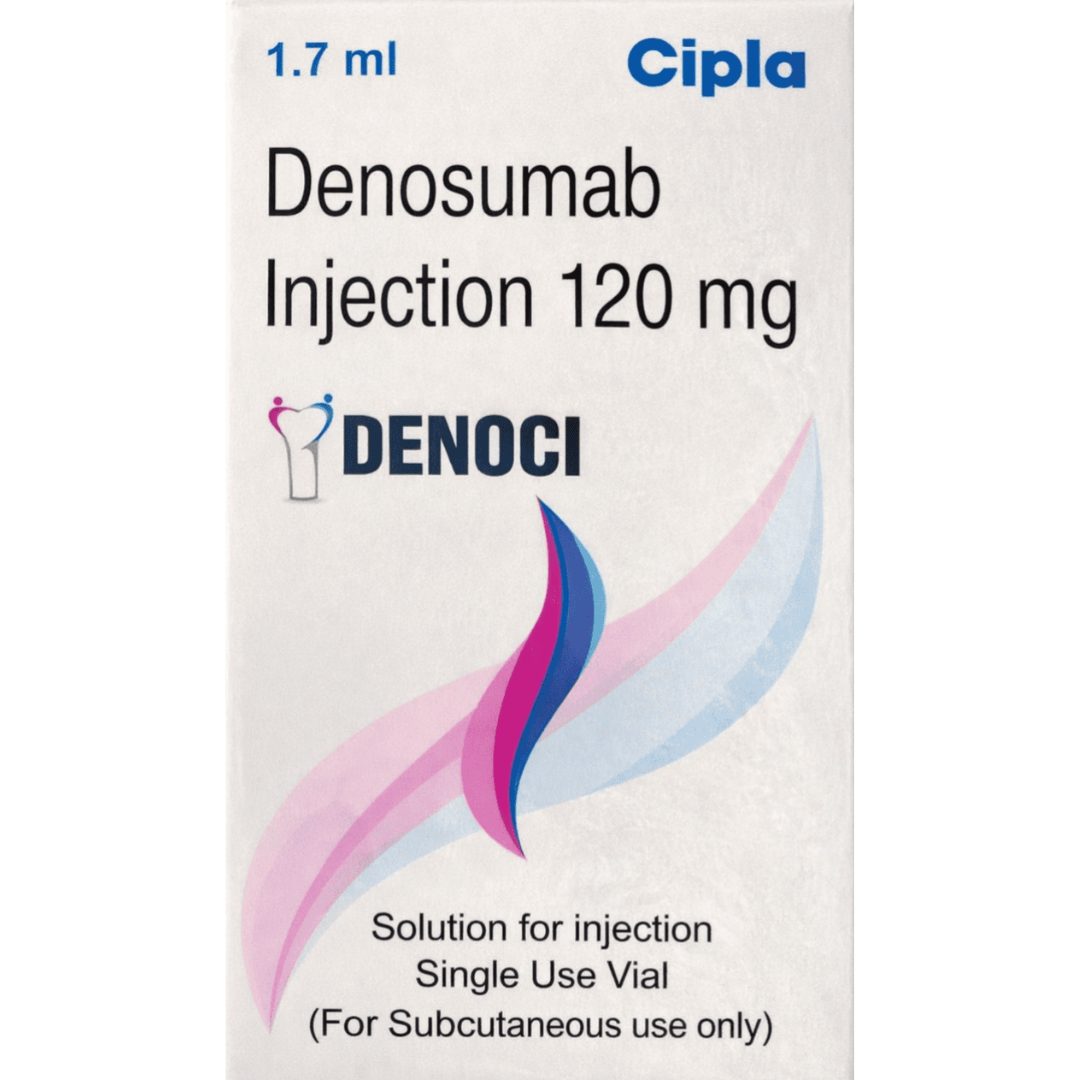
Denoci 120
-
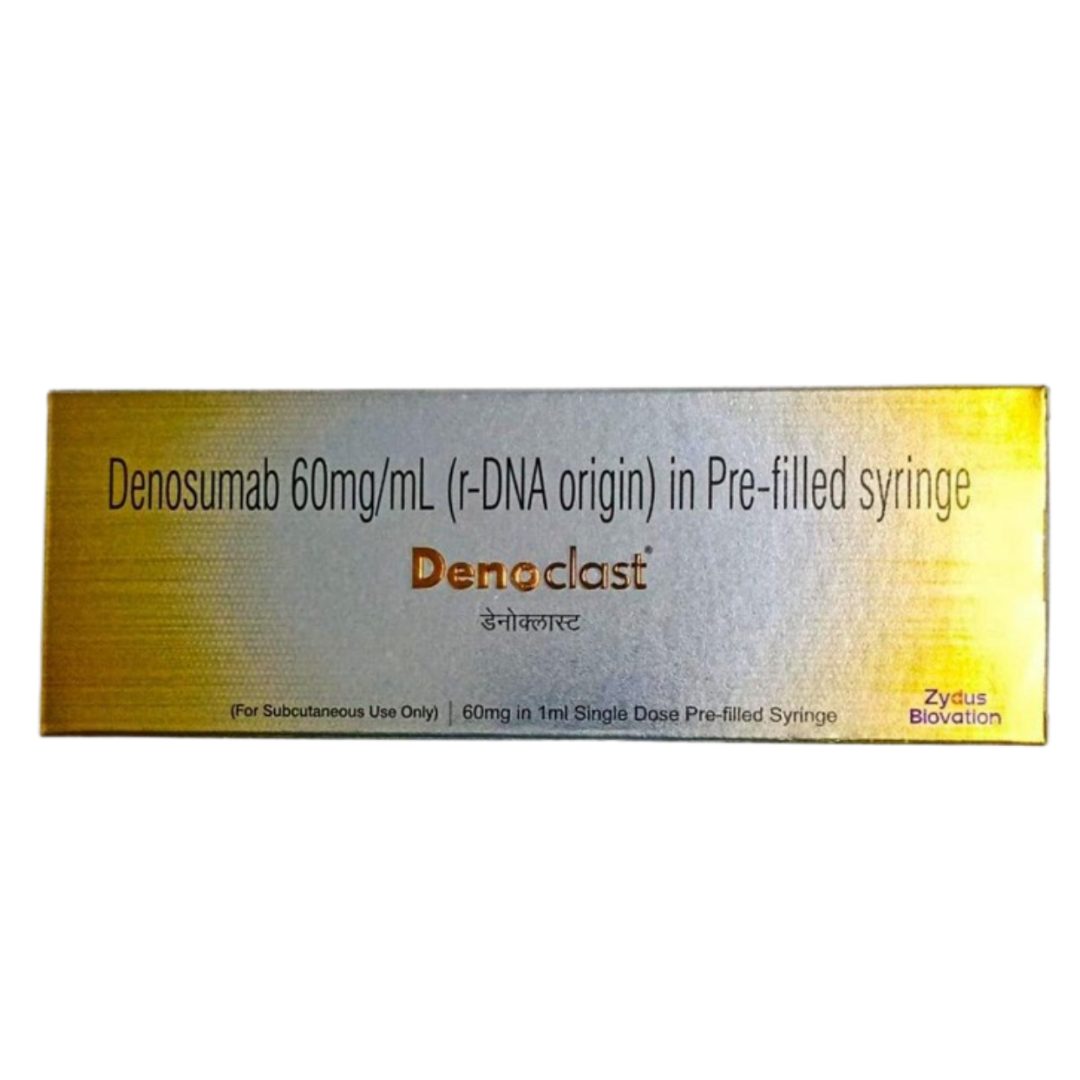
Denoclast Injection
-
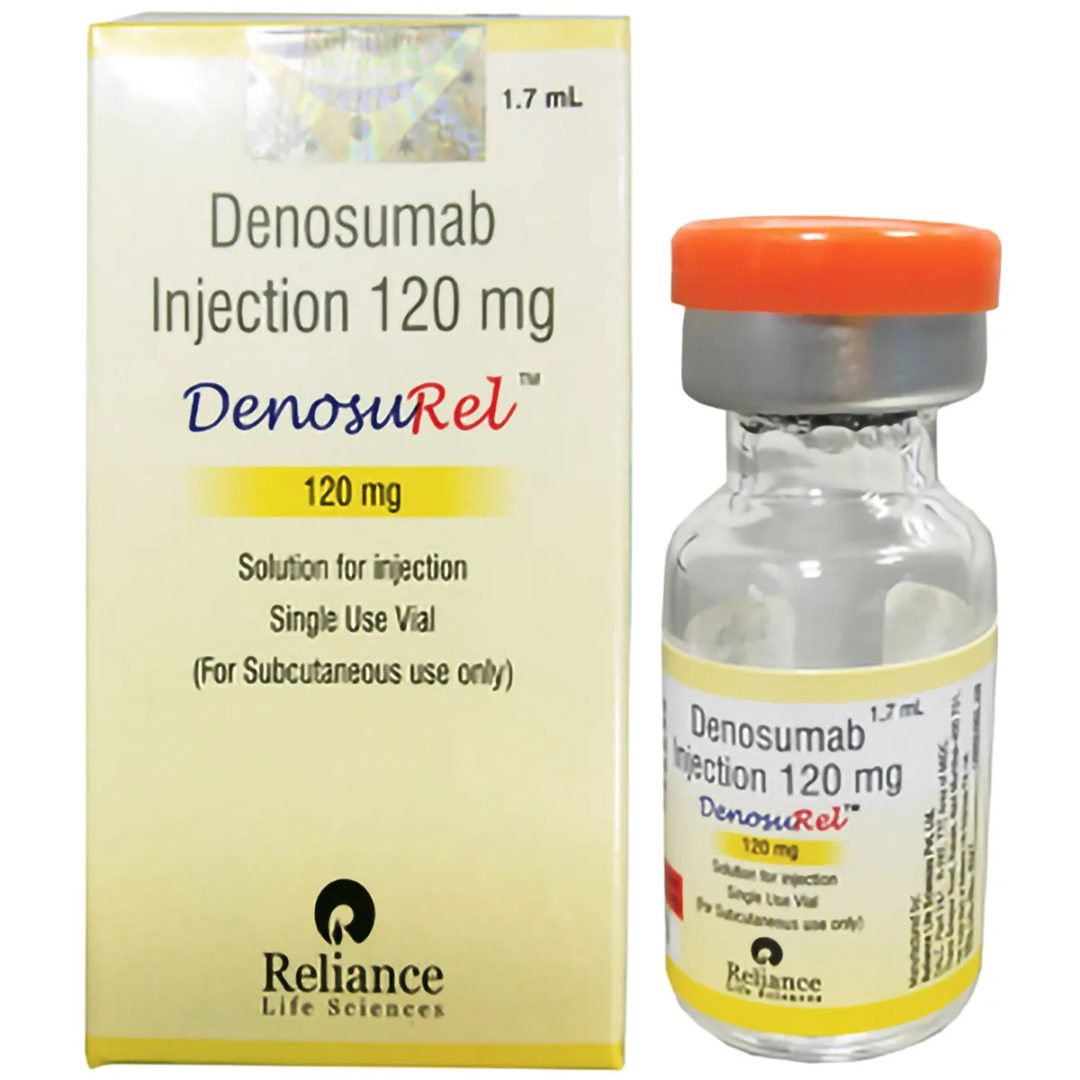
DenosuRel 120 mg Injection
-
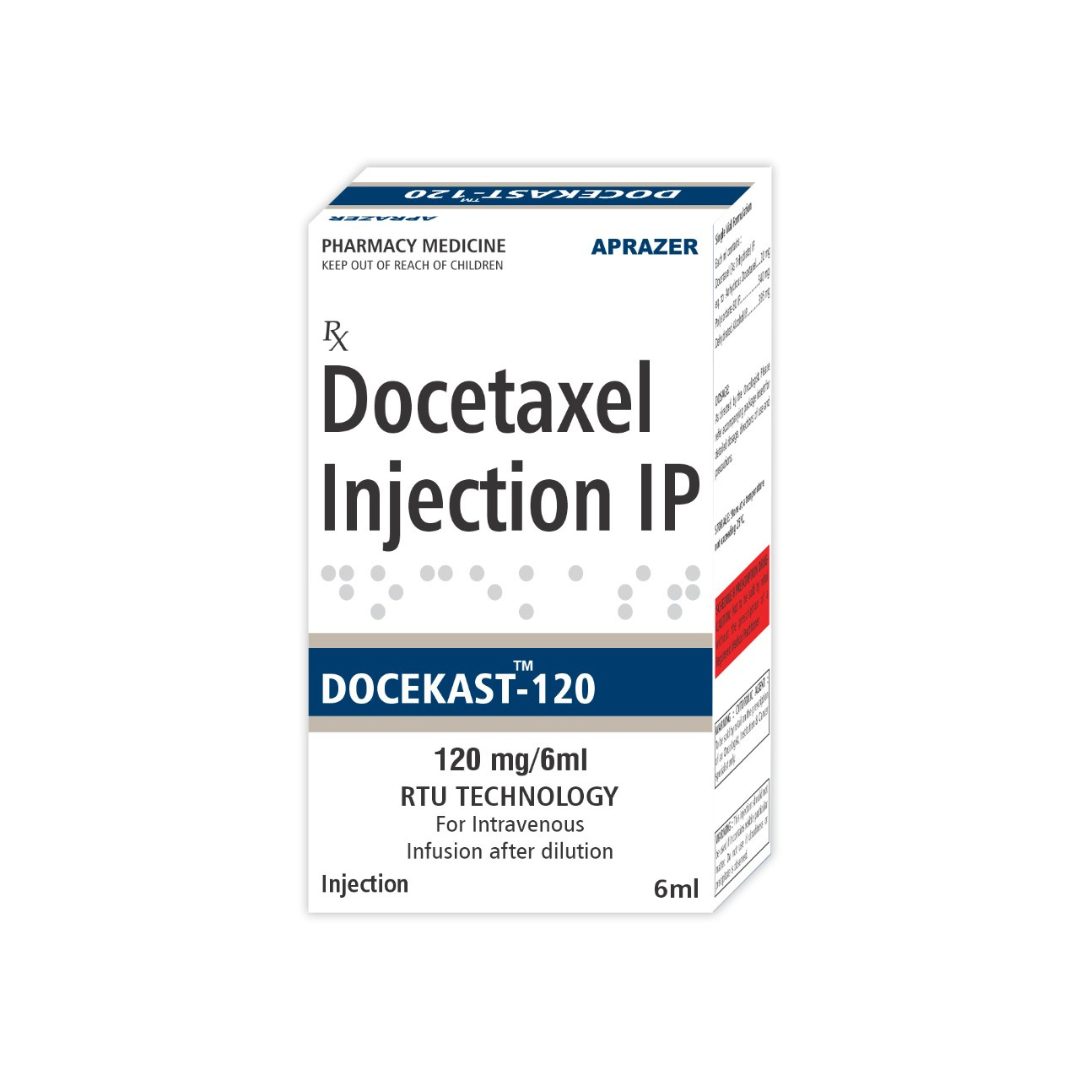
DOCEKAST-120 Injection
-
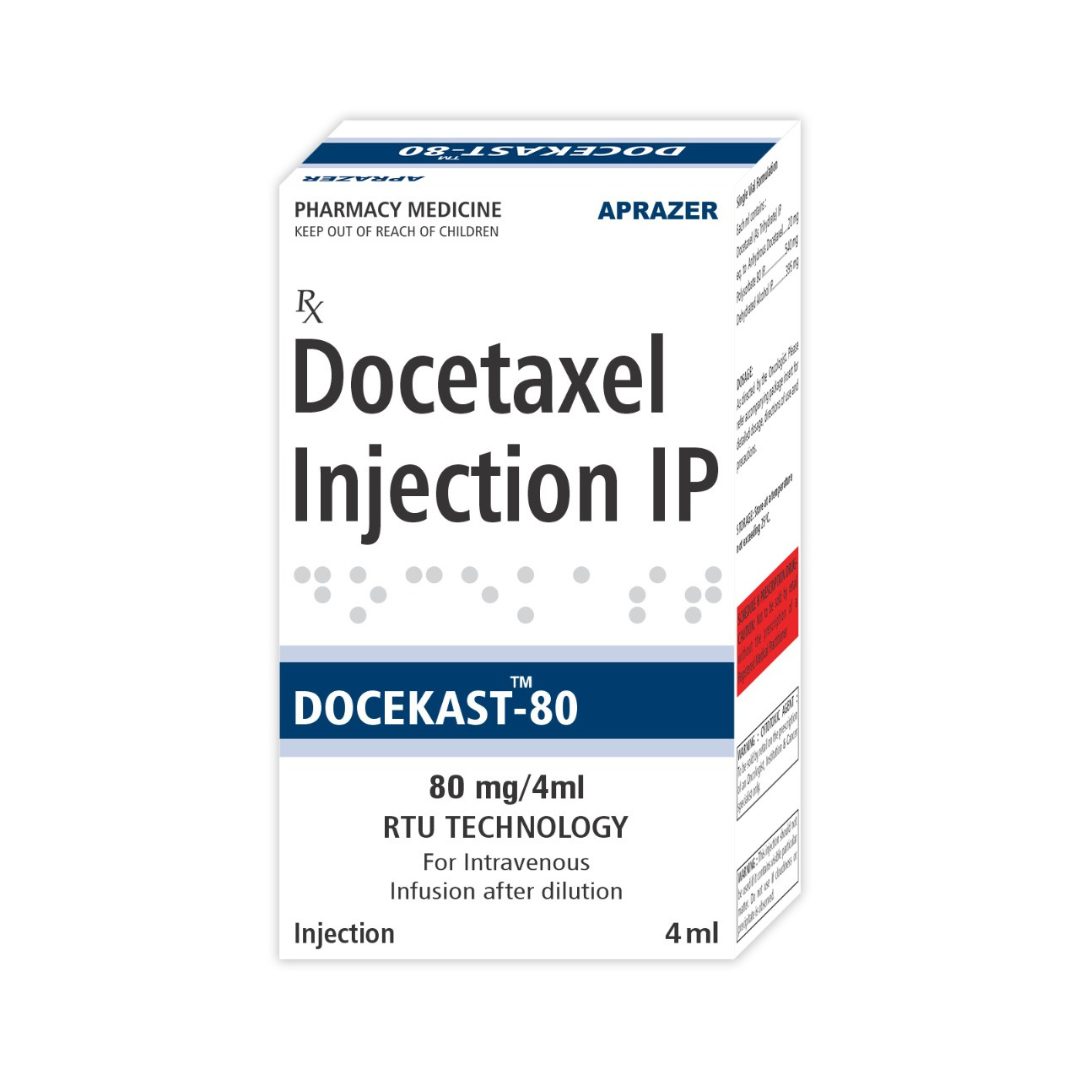
DOCEKAST-80 Injection
-
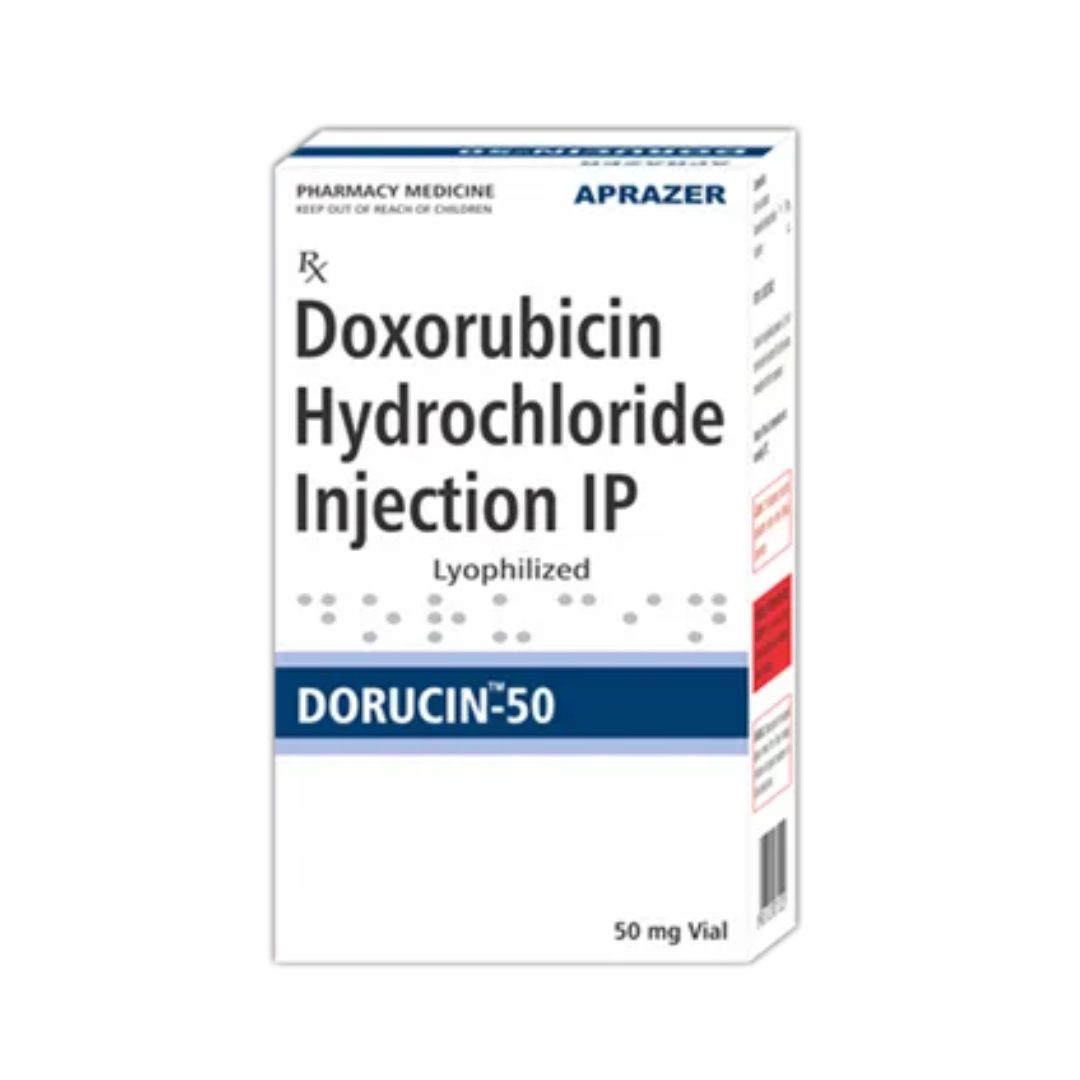
DORUCIN-50 Injection
-
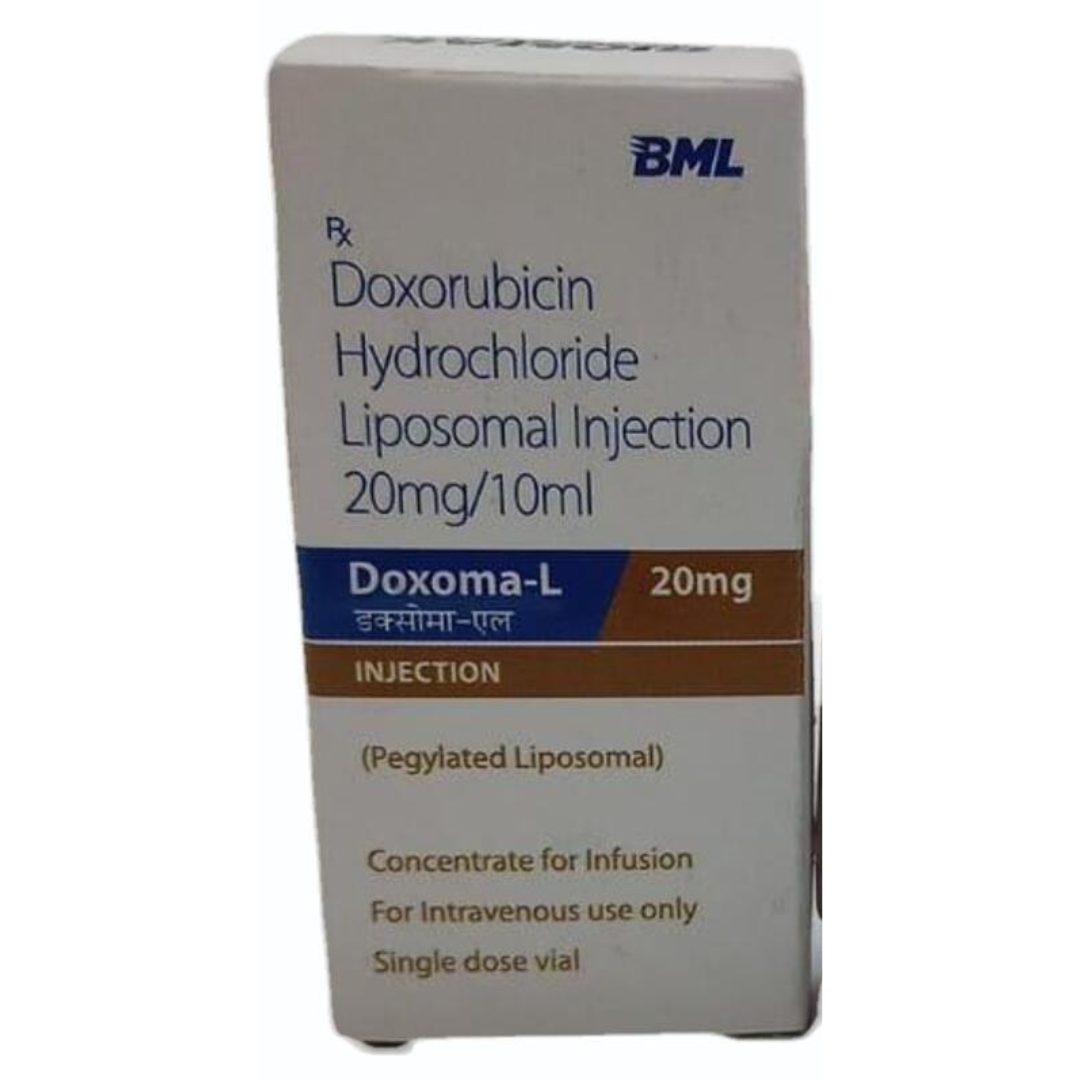
Doxoma-L 20mg Injection
-
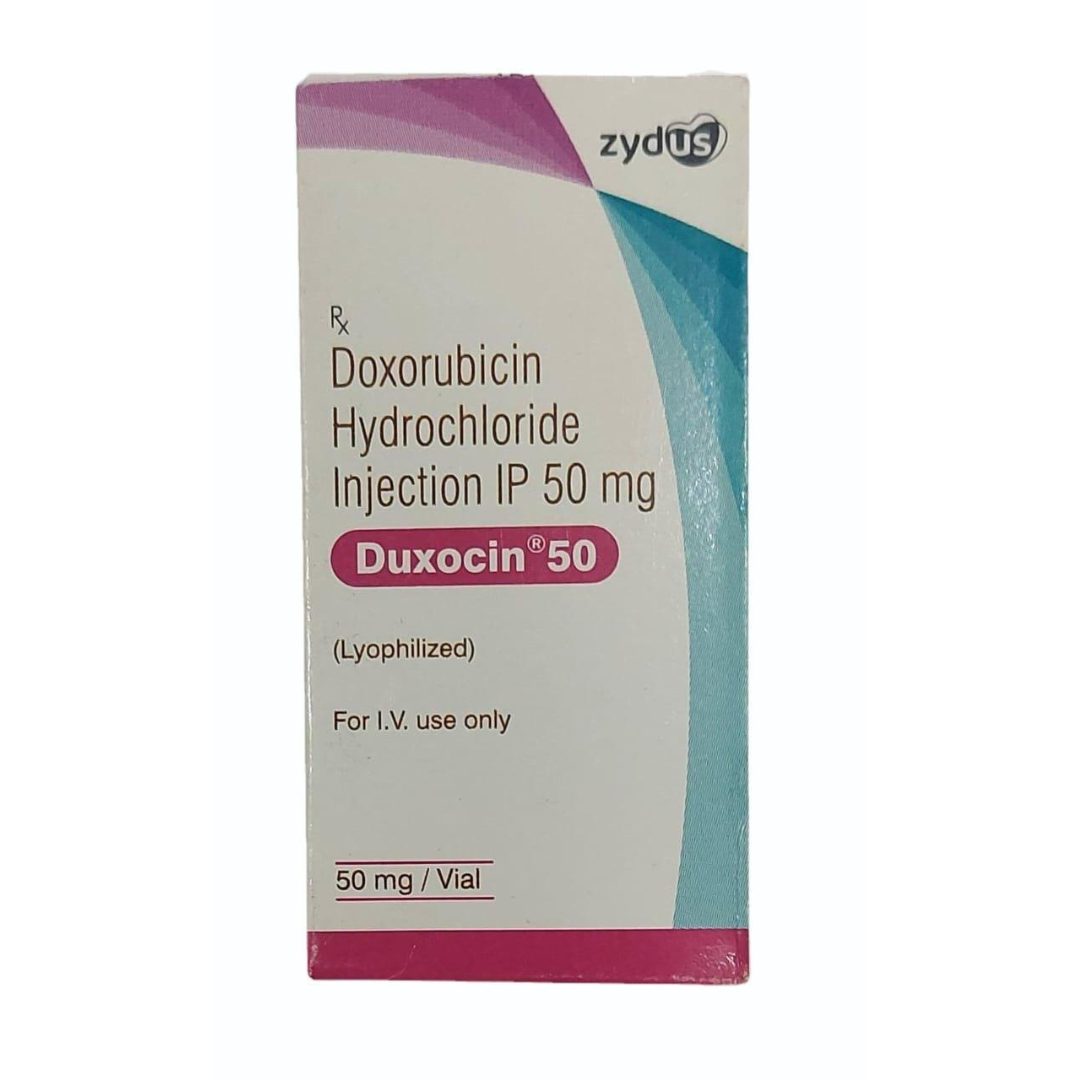
Duxocin 50 Injection
-
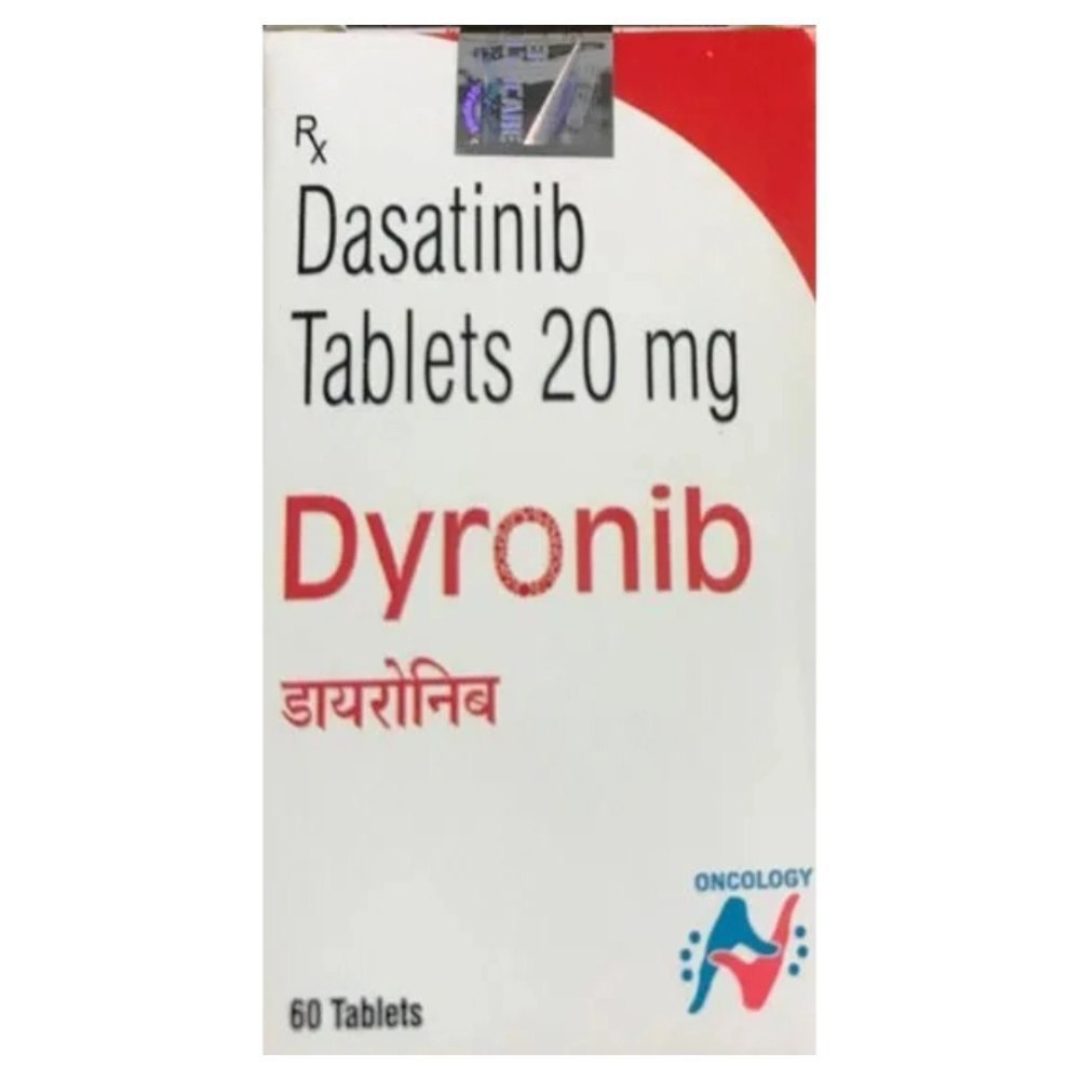
Dyronib 20 Tablets
-
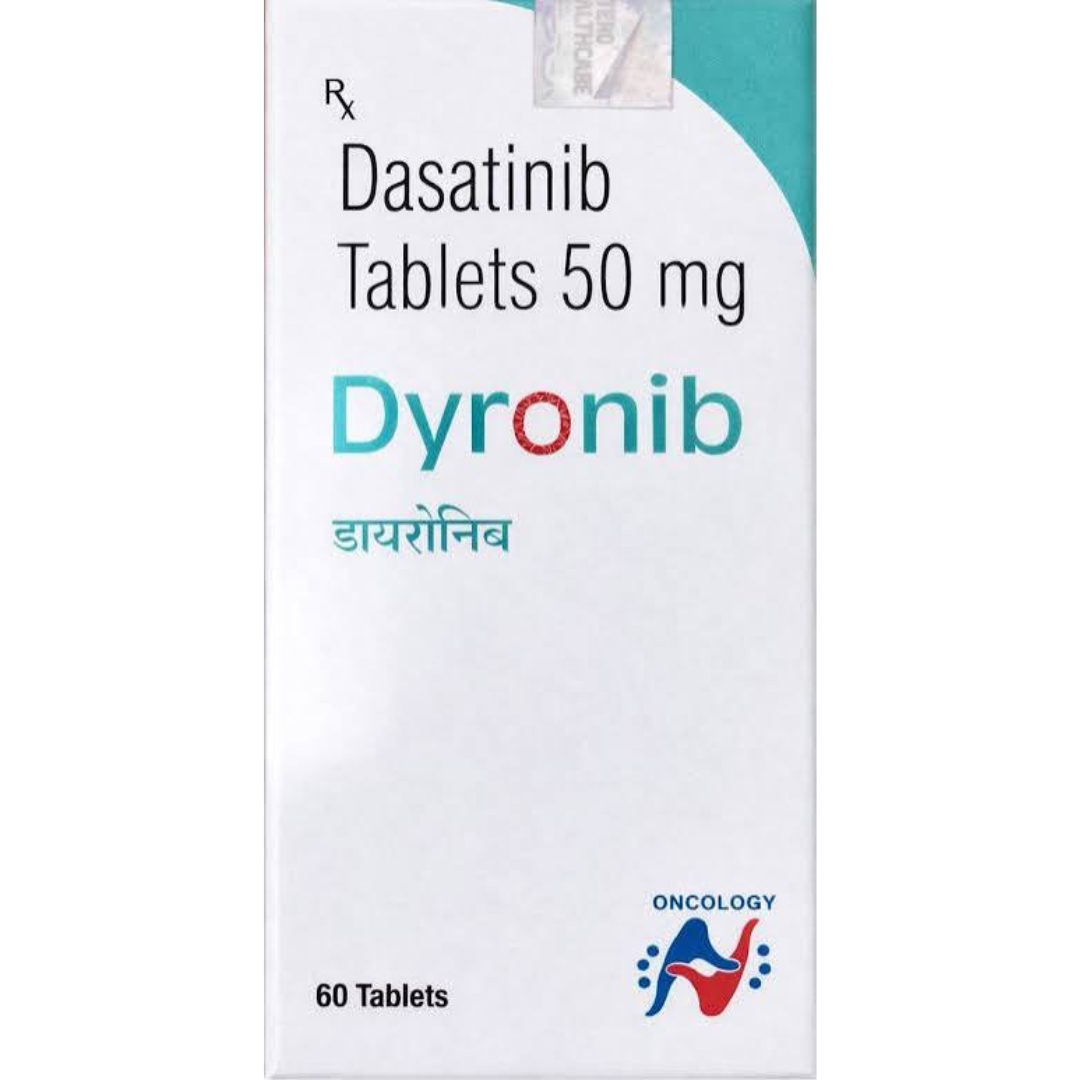
Dyronib 50 Tablets
-
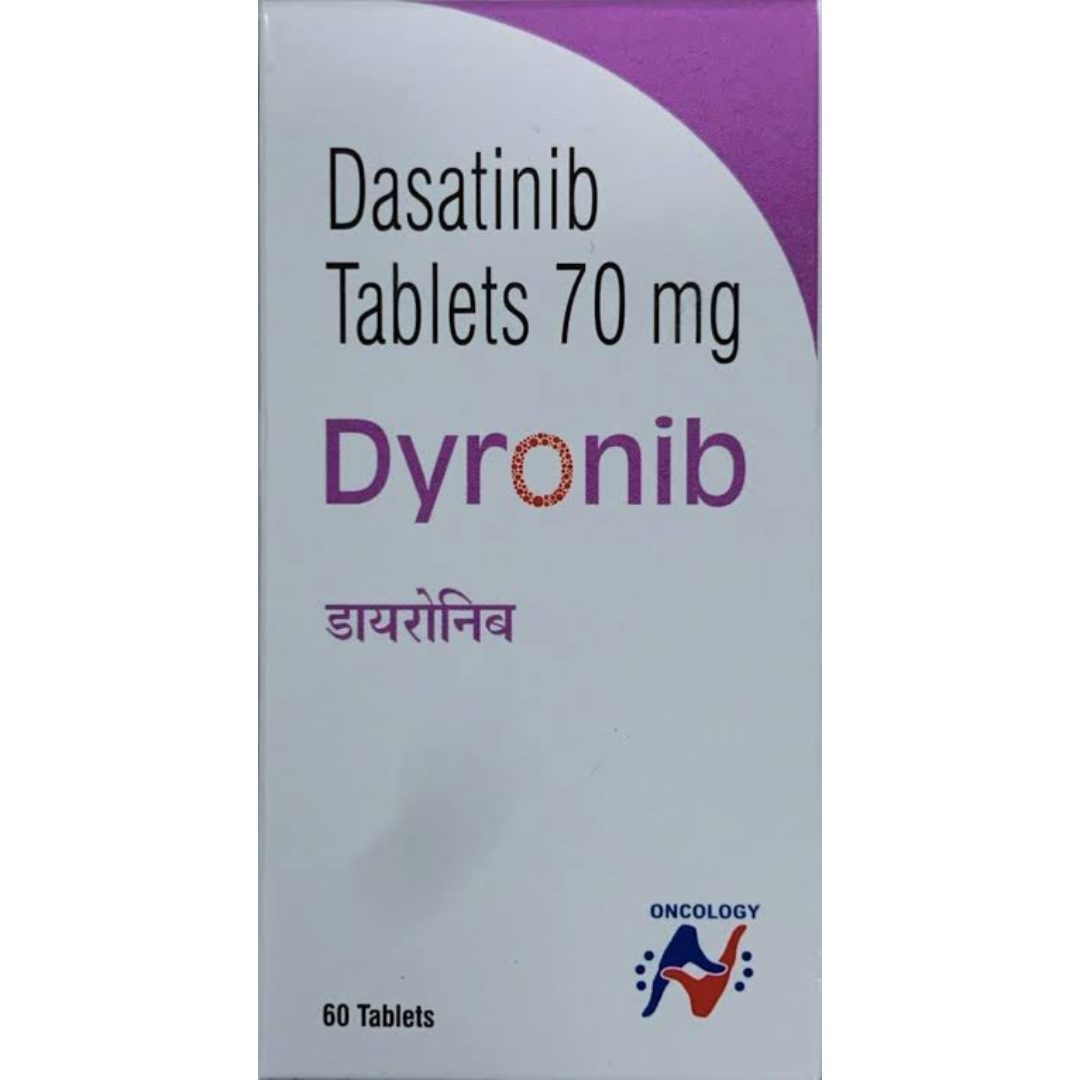
Dyronib 70 Tablets
-
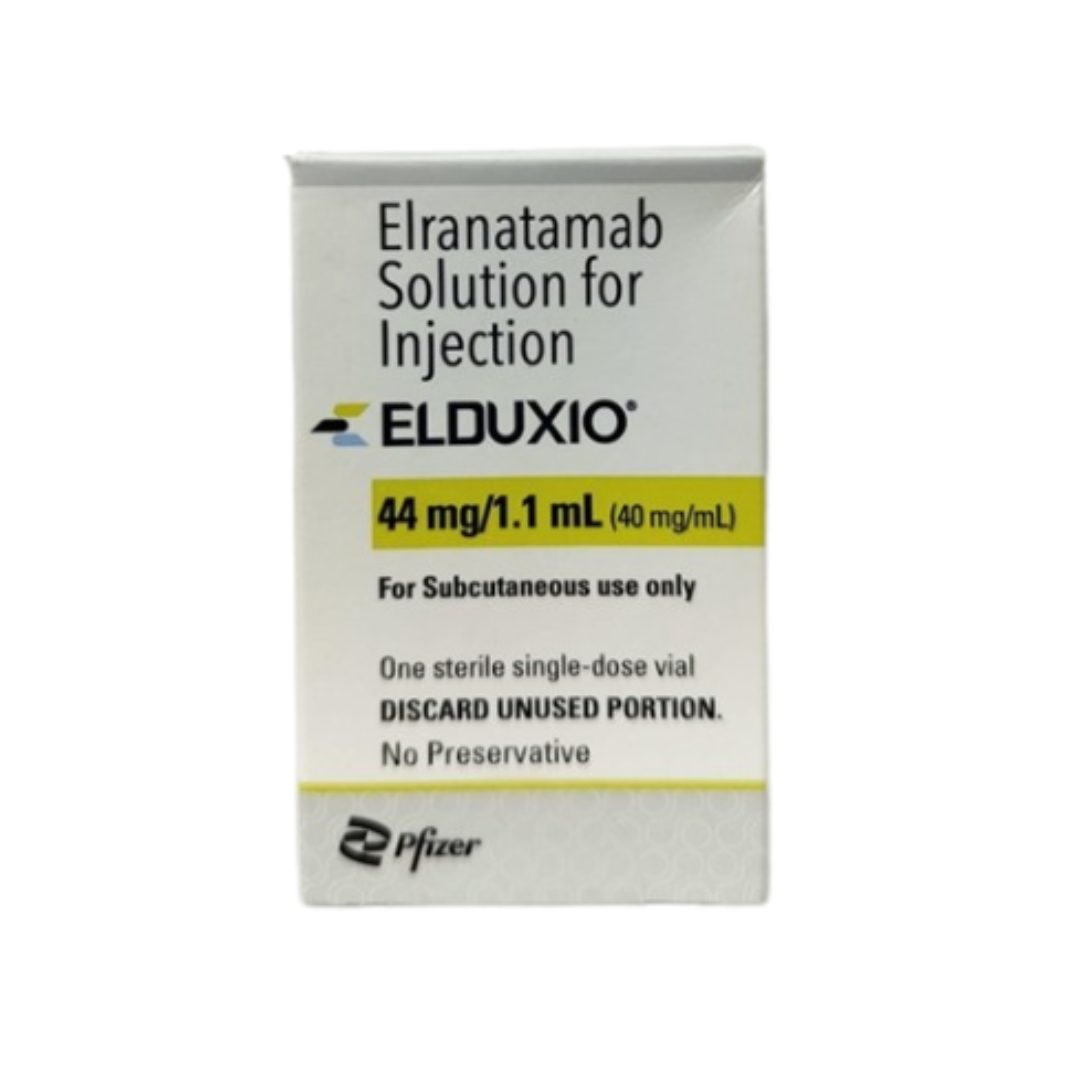
ELDUXIO 44 mg Injection
-
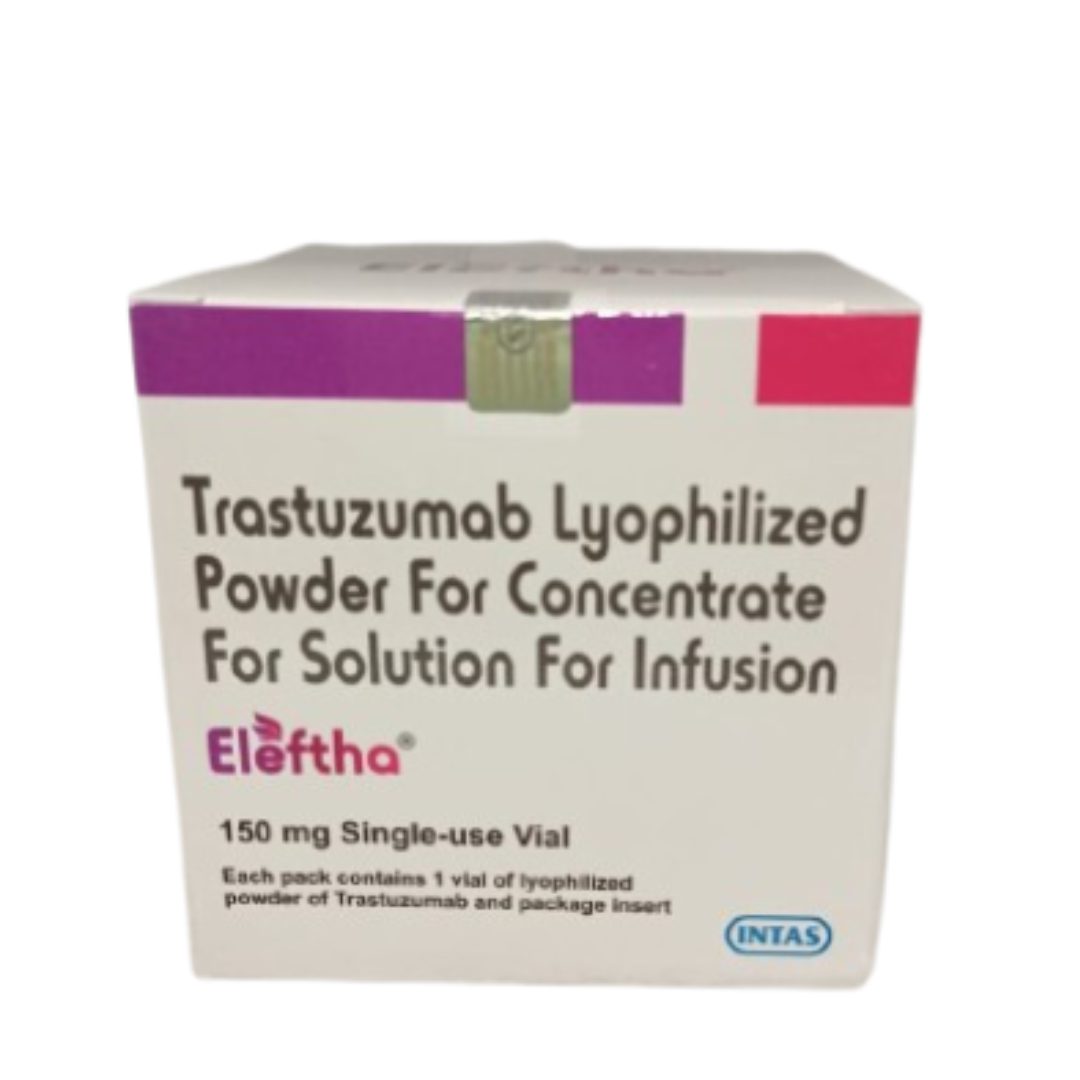
Eleftha 150 mg Injection
-
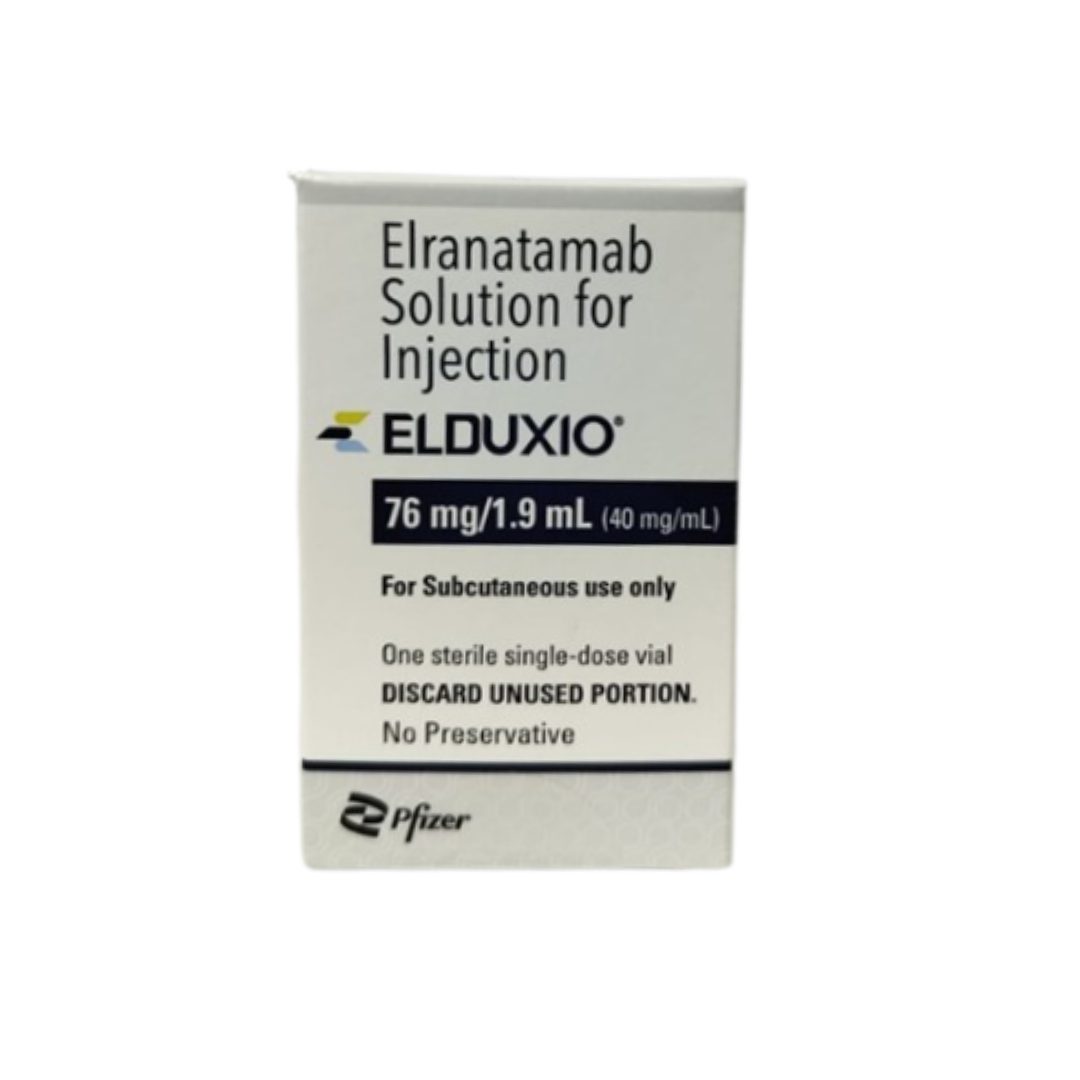
ELDUXIO 76 mg Injection
-
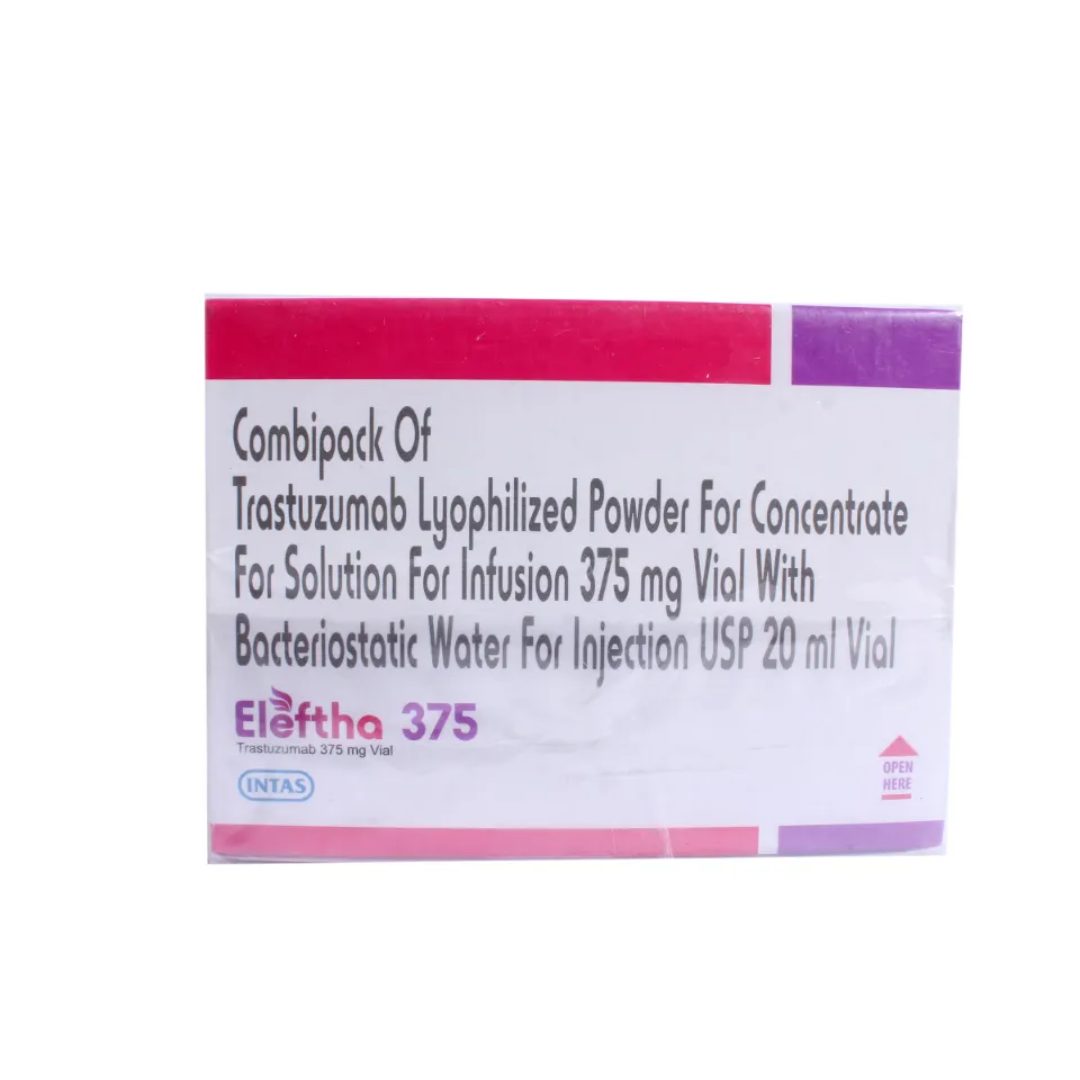
Eleftha 375 mg Injection
-
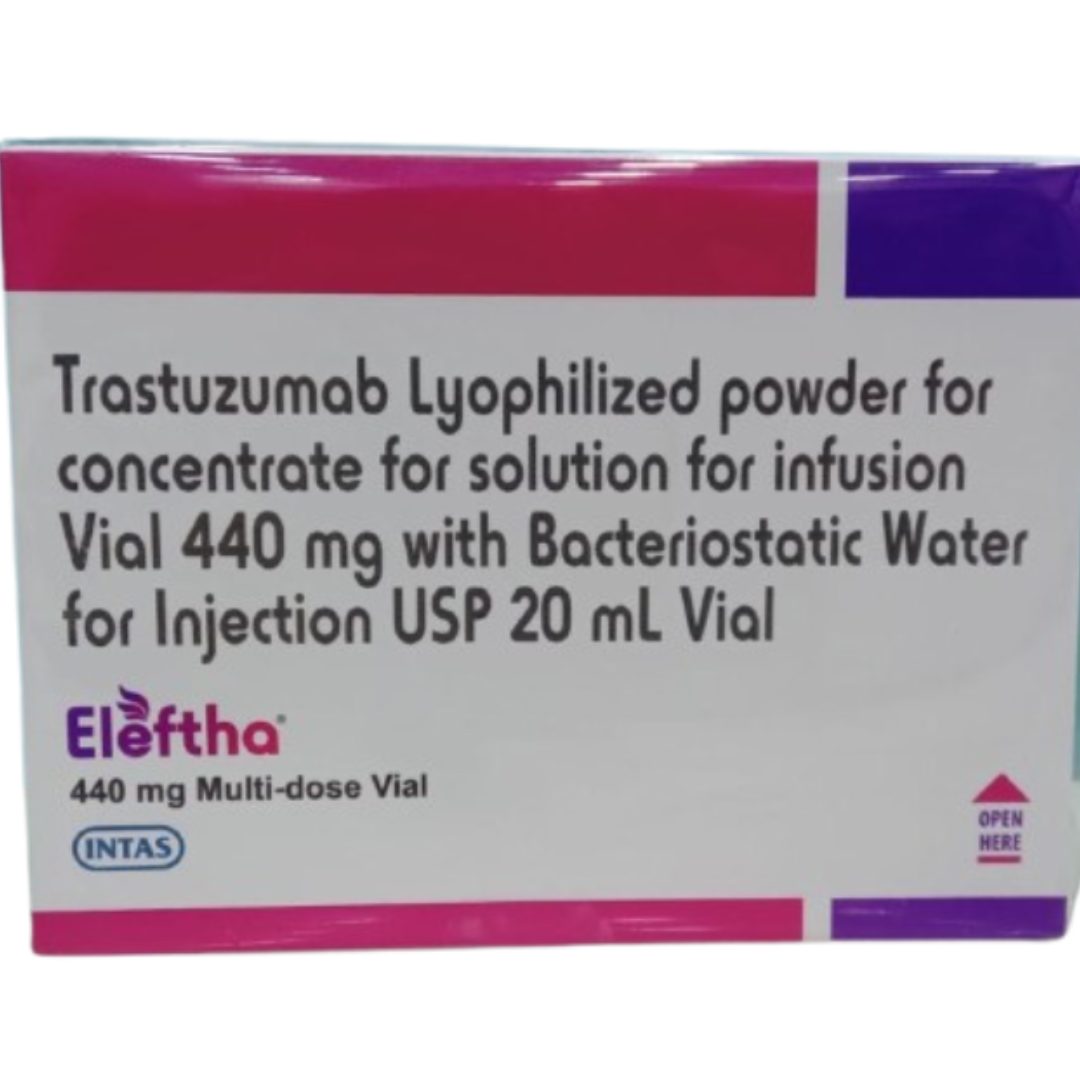
Eleftha 440 mg Injection
-
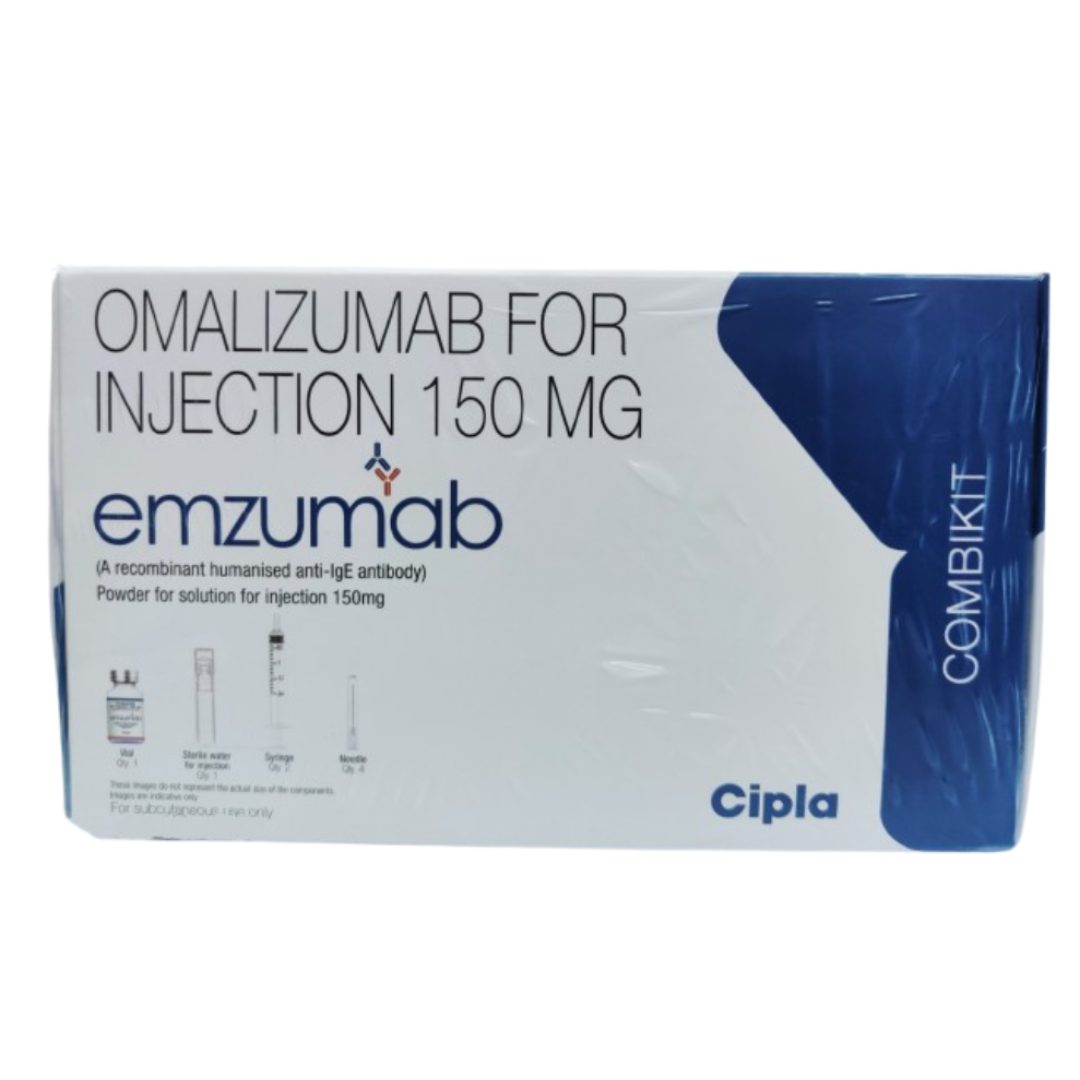
Emzumab 150 mg
-
Endace 160mg Tablets
-
Endace 40mg Tablets
-
Enfiera 100 Injection
-
Enfiera 500 Injection
-
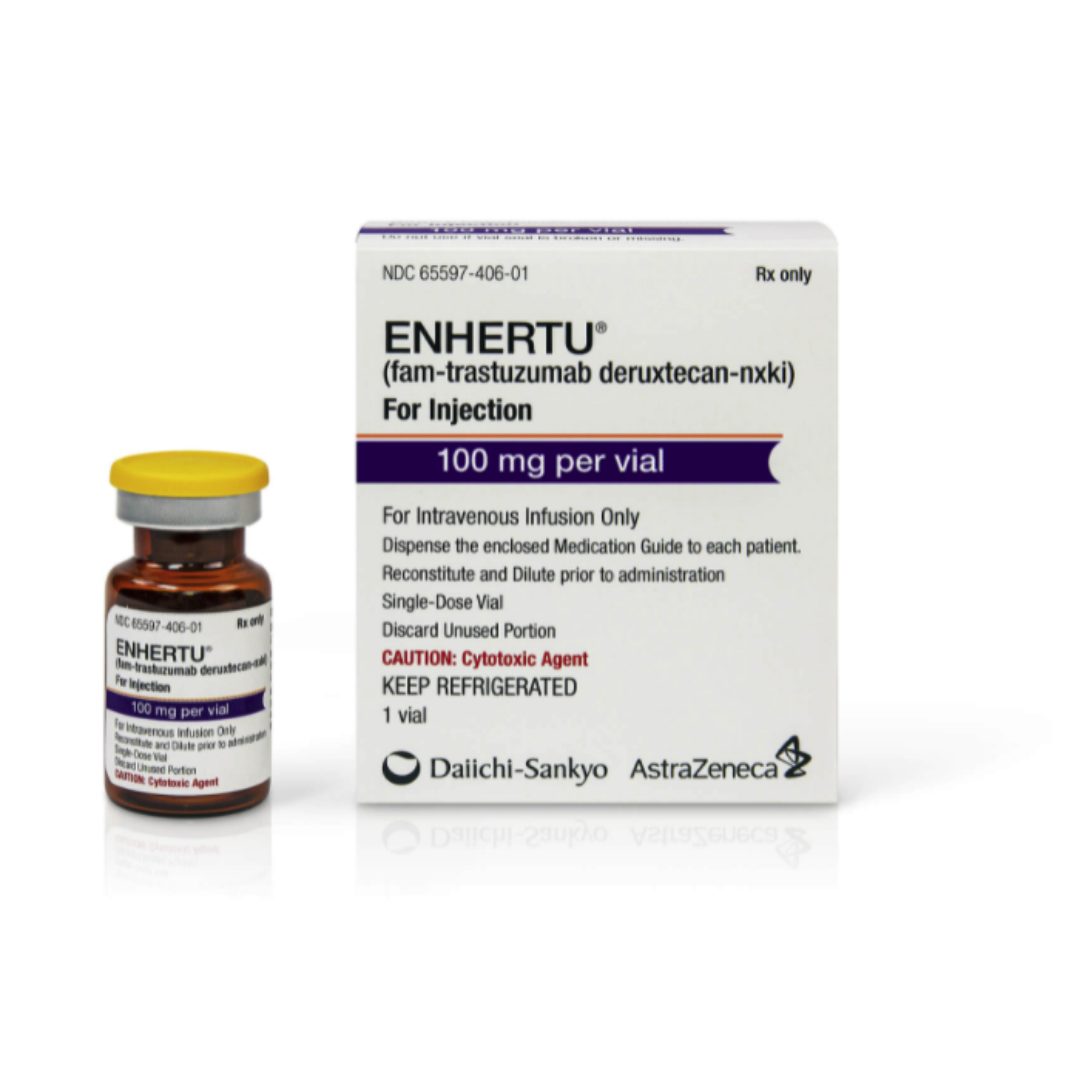
ENHERTU 100 mg Injection
-
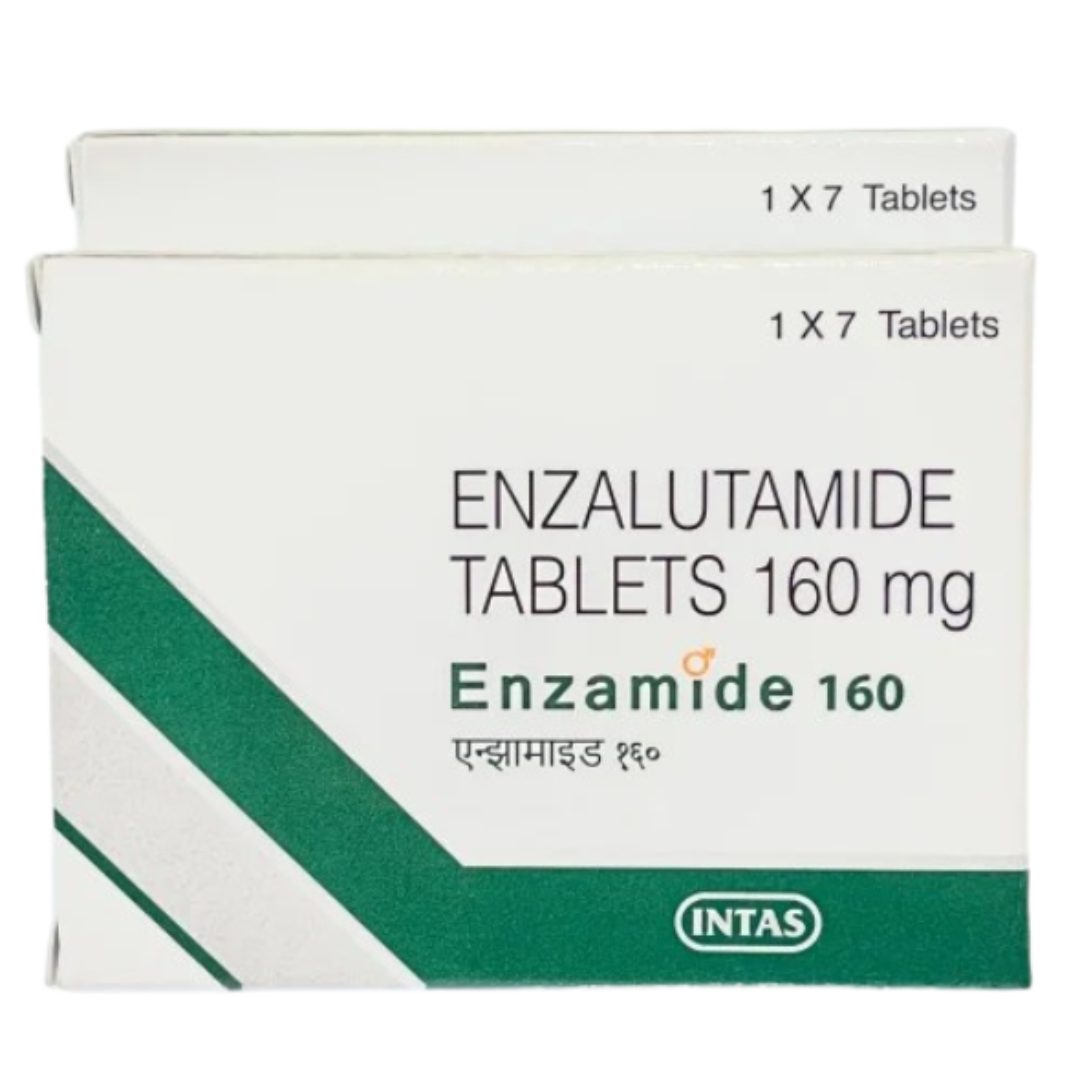
Enzamide 160 Tablets
-
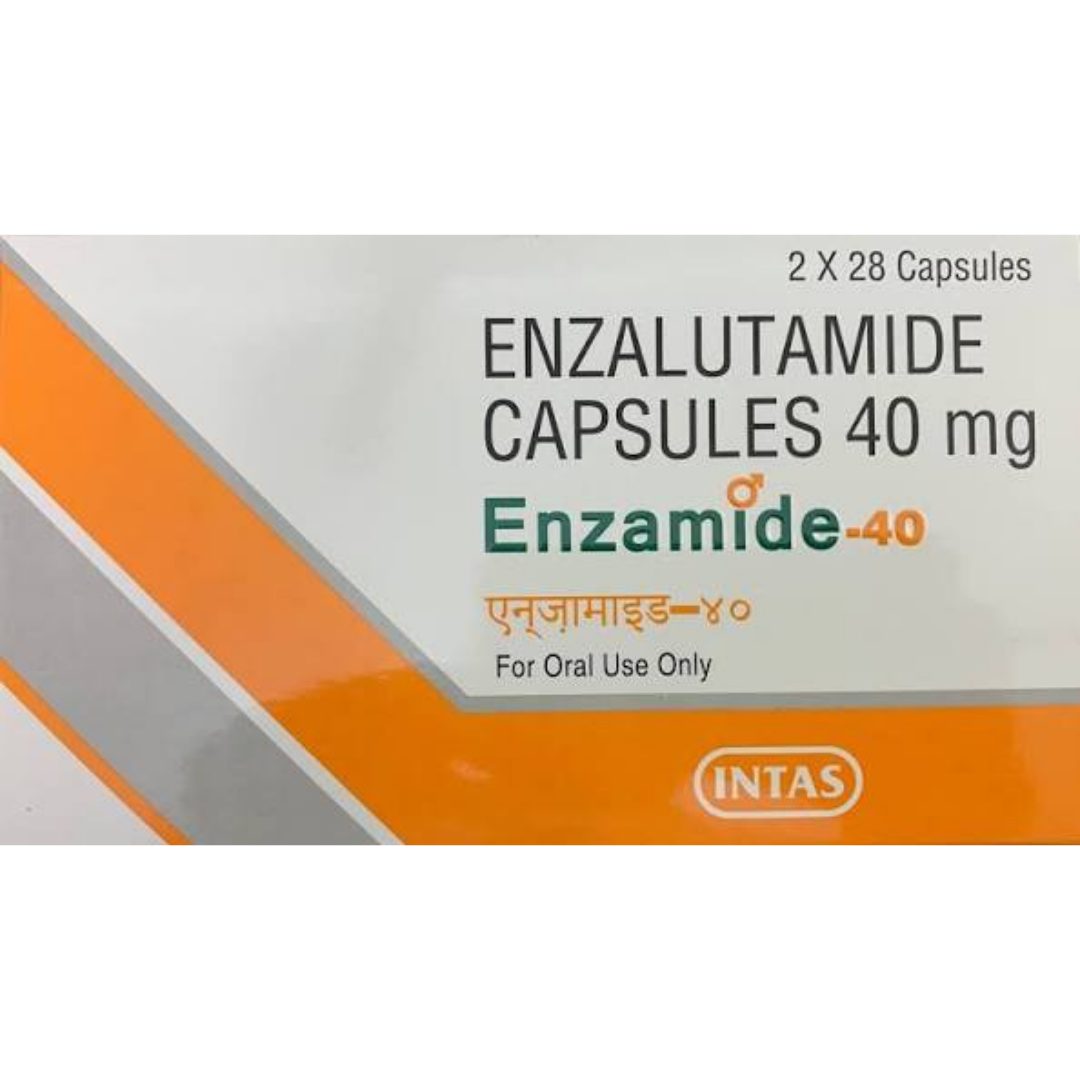
Enzamide 40 Capsules
-
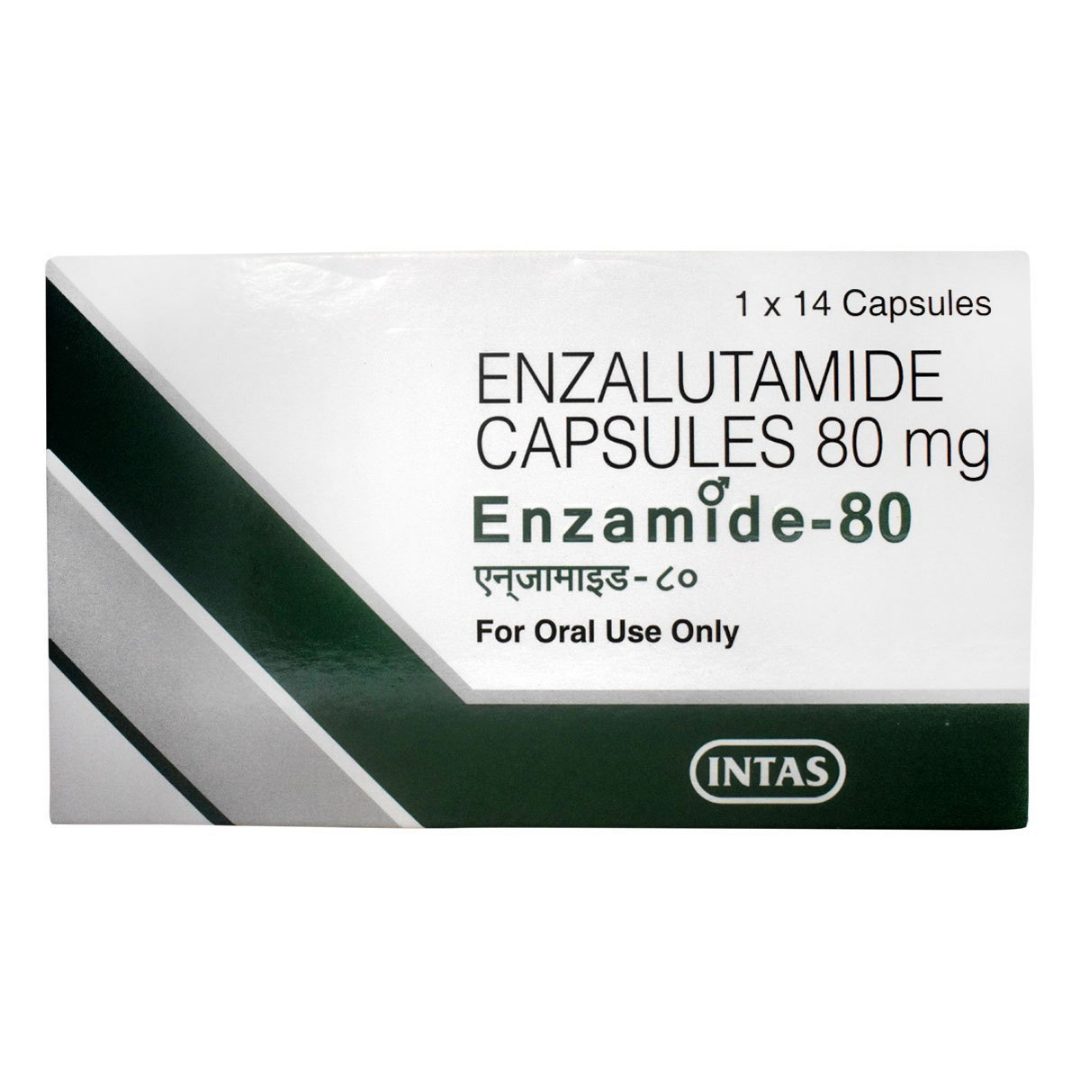
Enzamide 80 Capsules
-
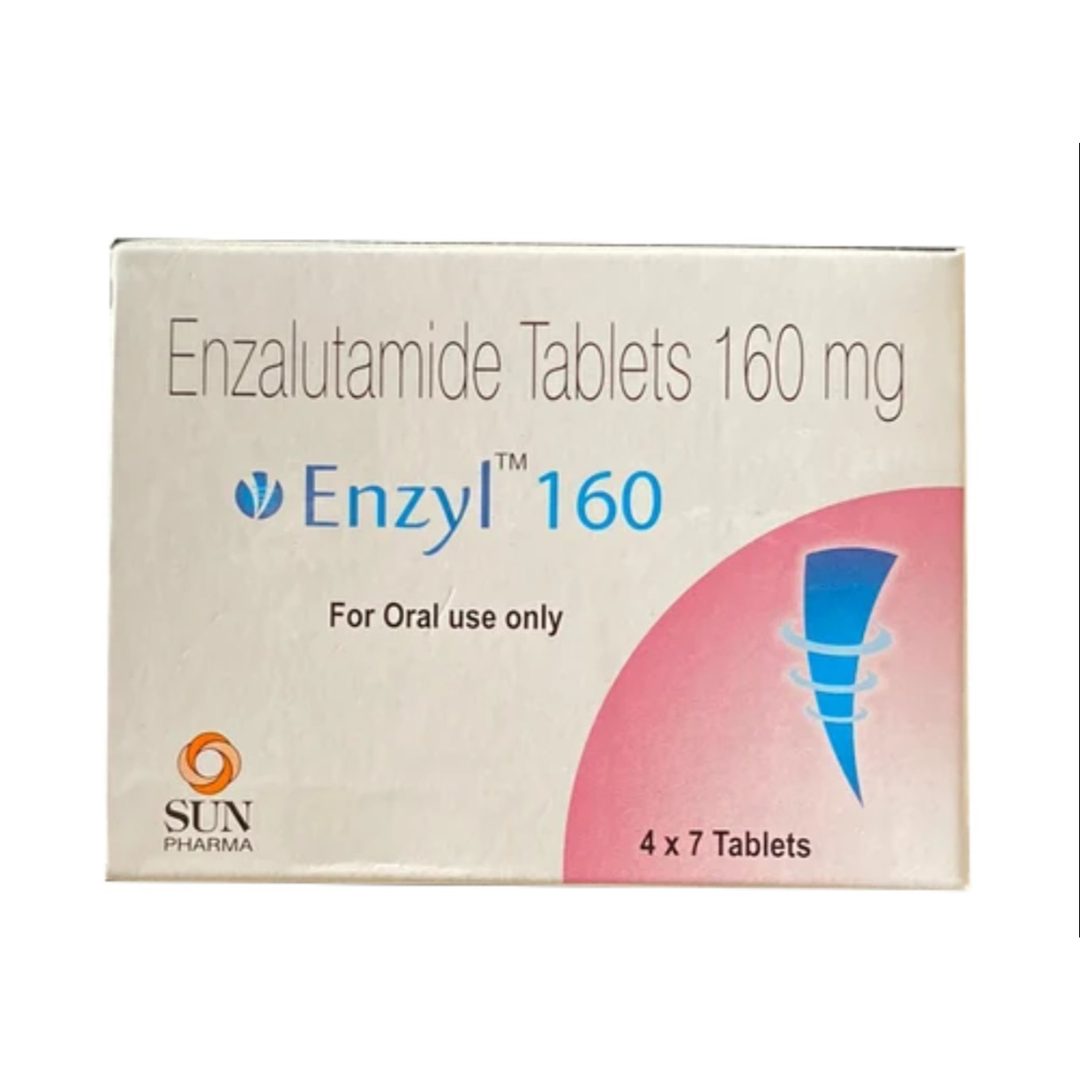
Enzyl 160 Tablets
-
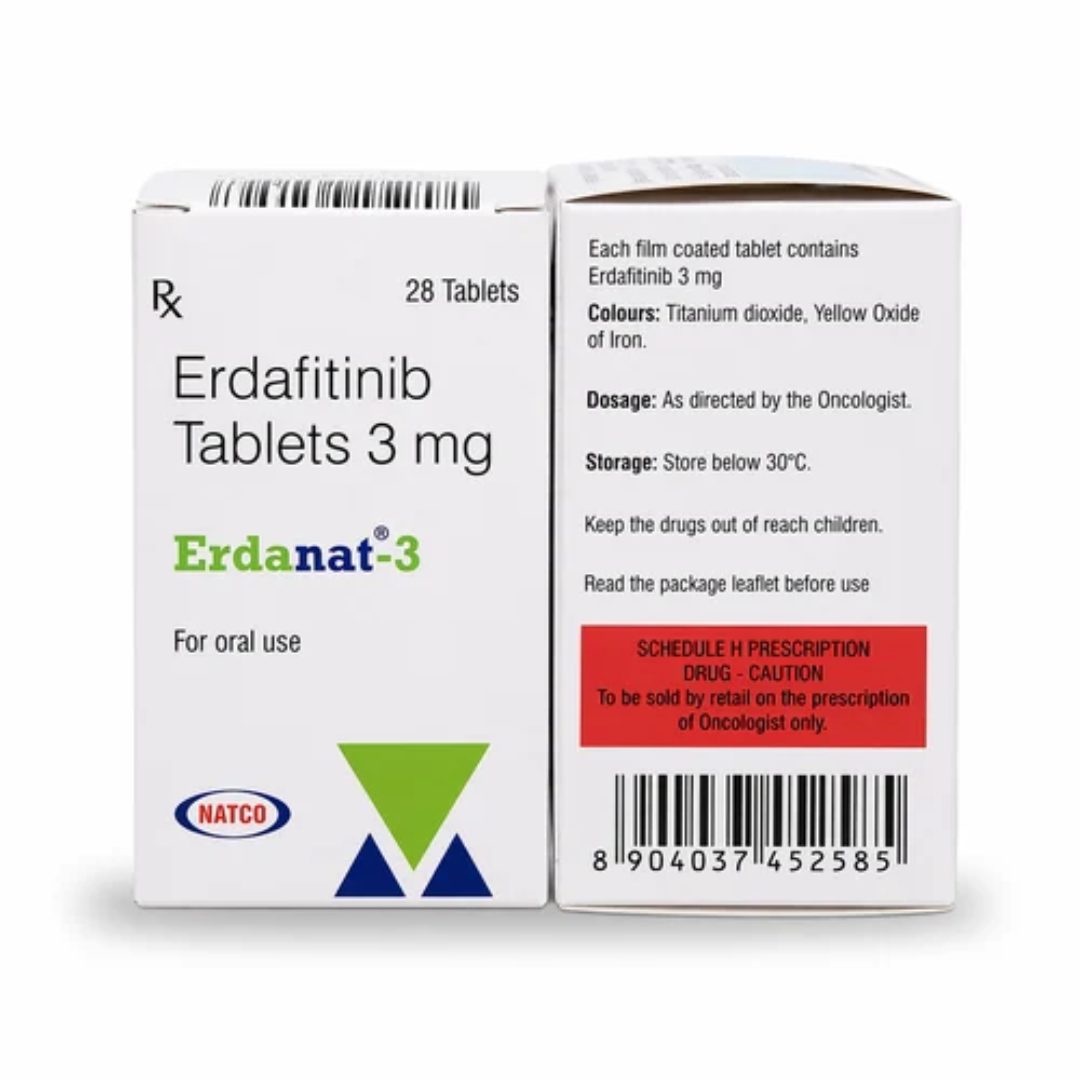
Erdanat 3 mg Tablets
-
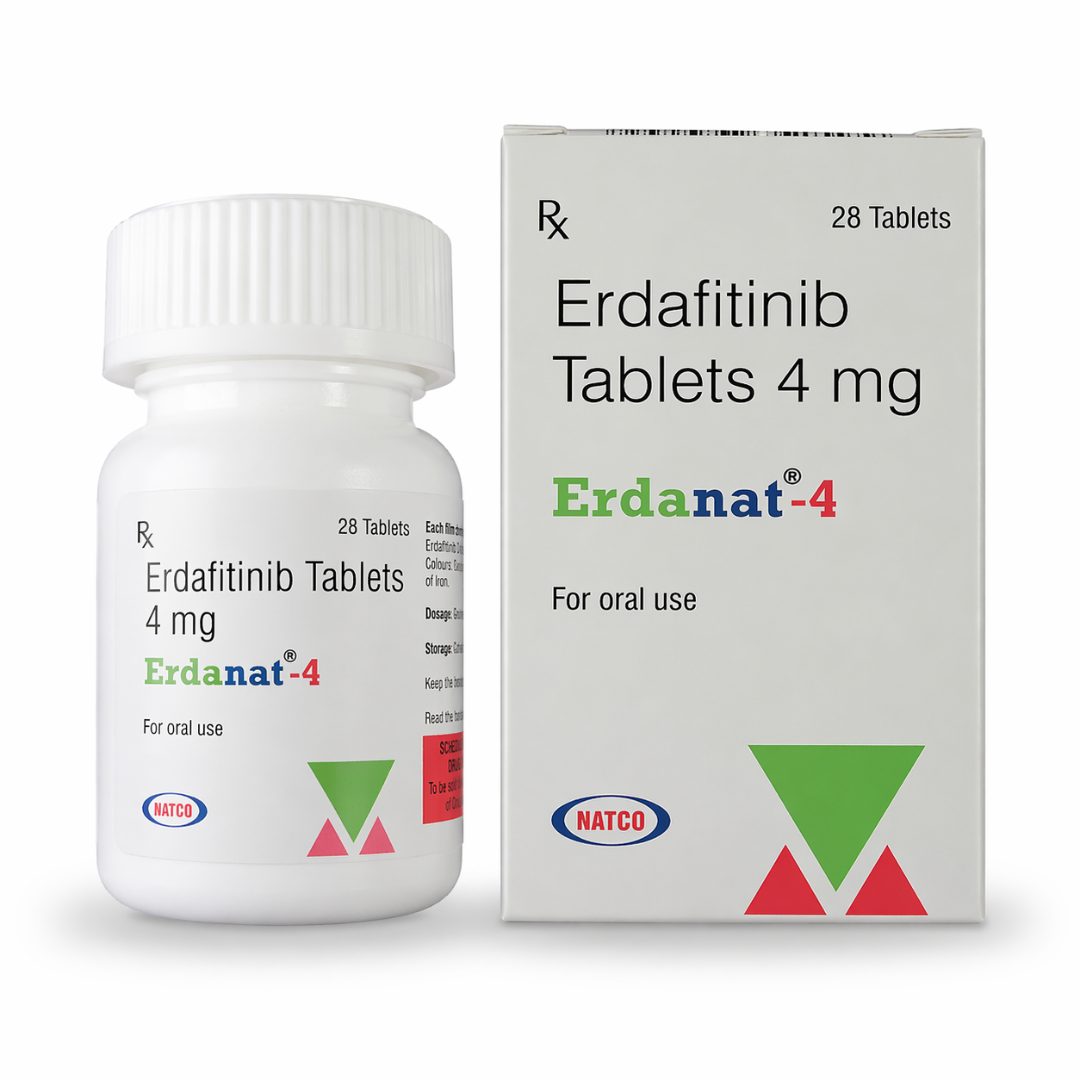
Erdanat 4 mg Tablets
-
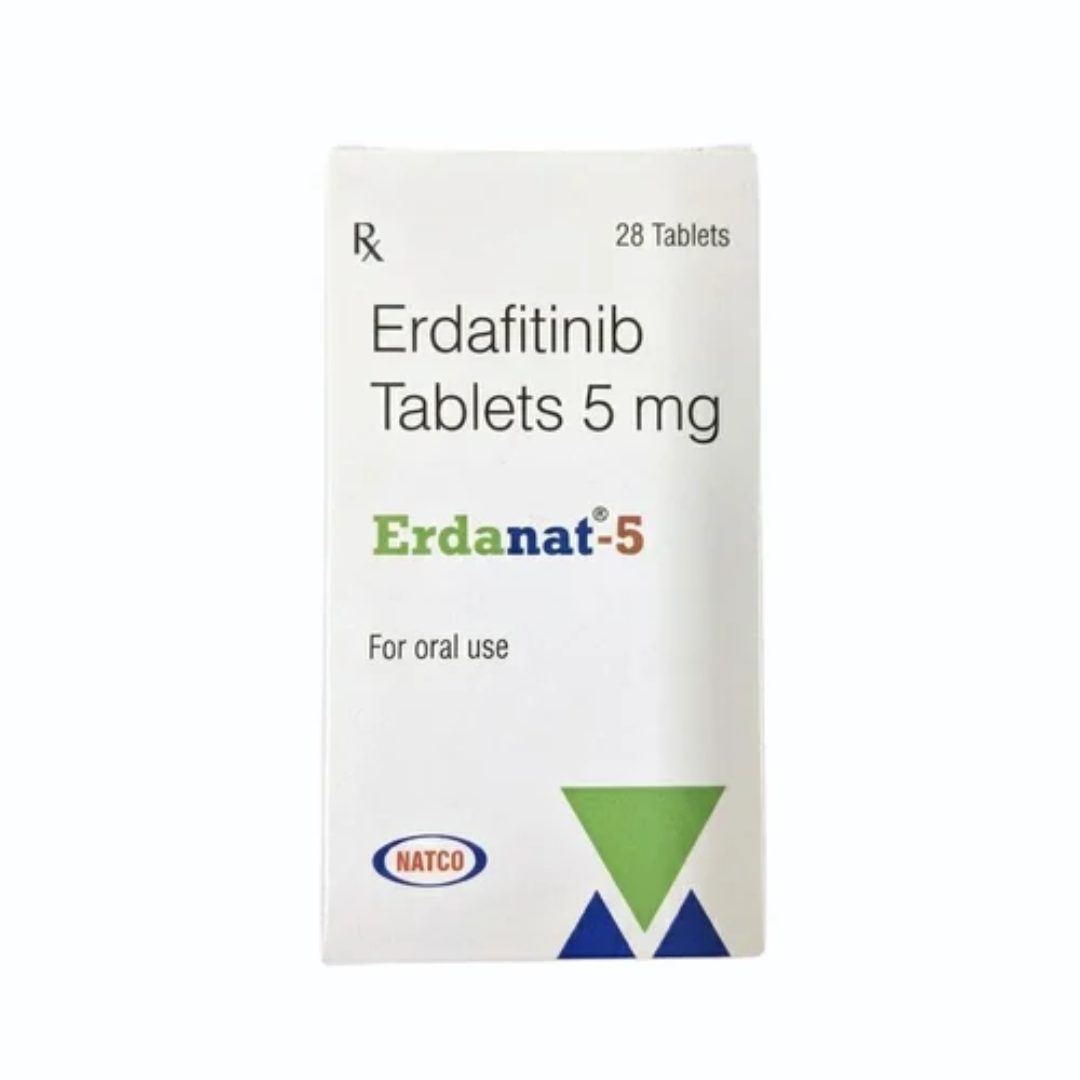
Erdanat 5 mg Tablets
-
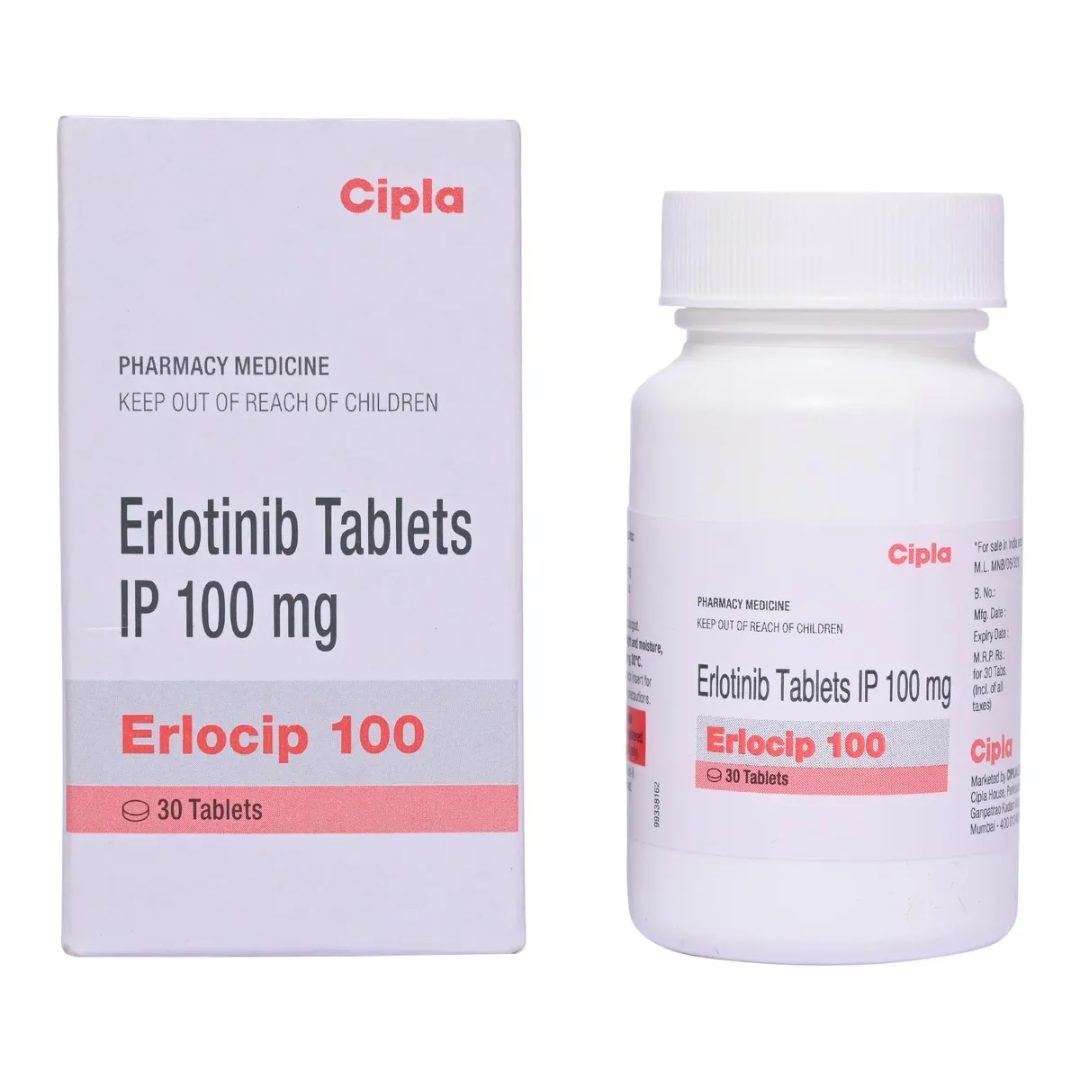
Erlocip 100
-
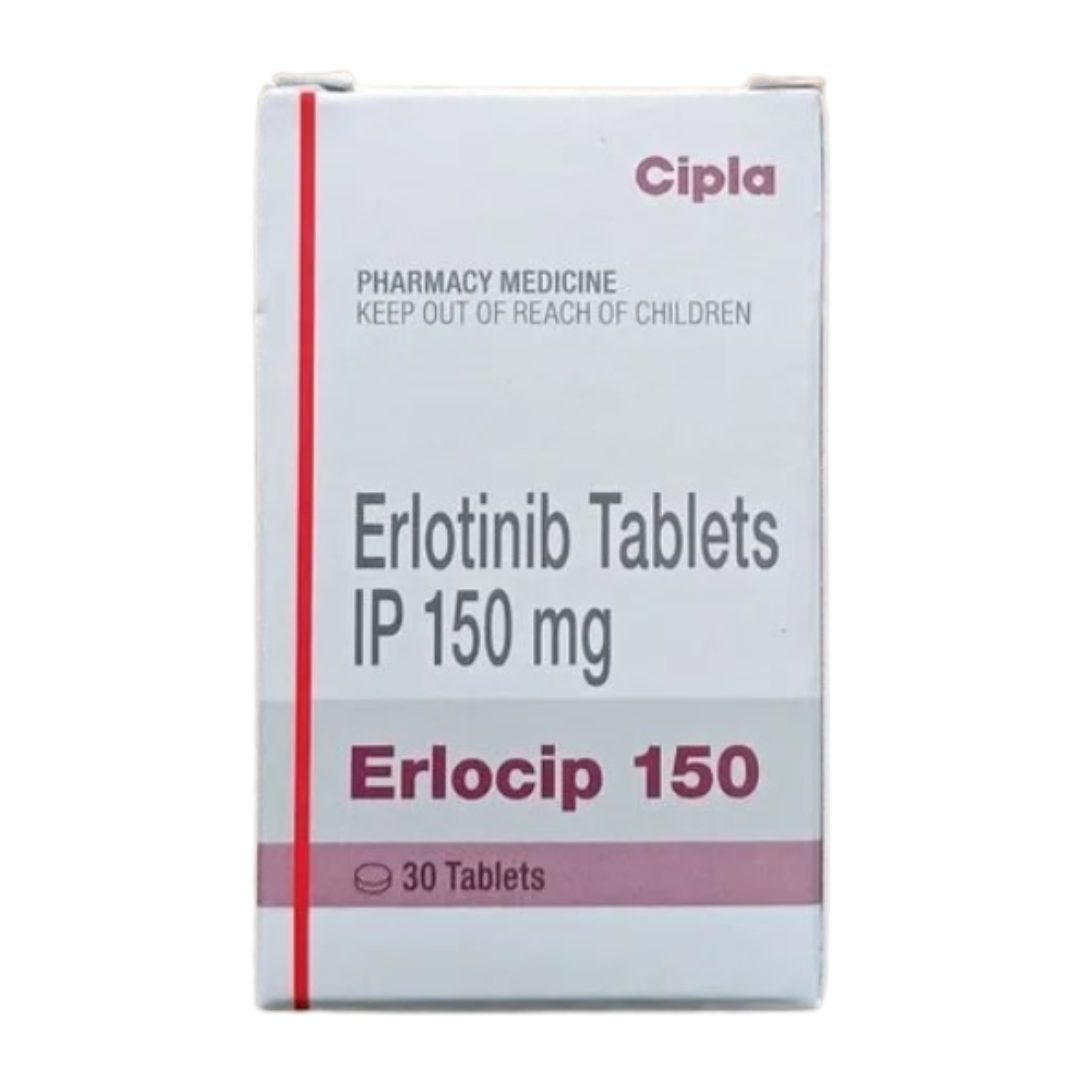
Erlocip 150
-
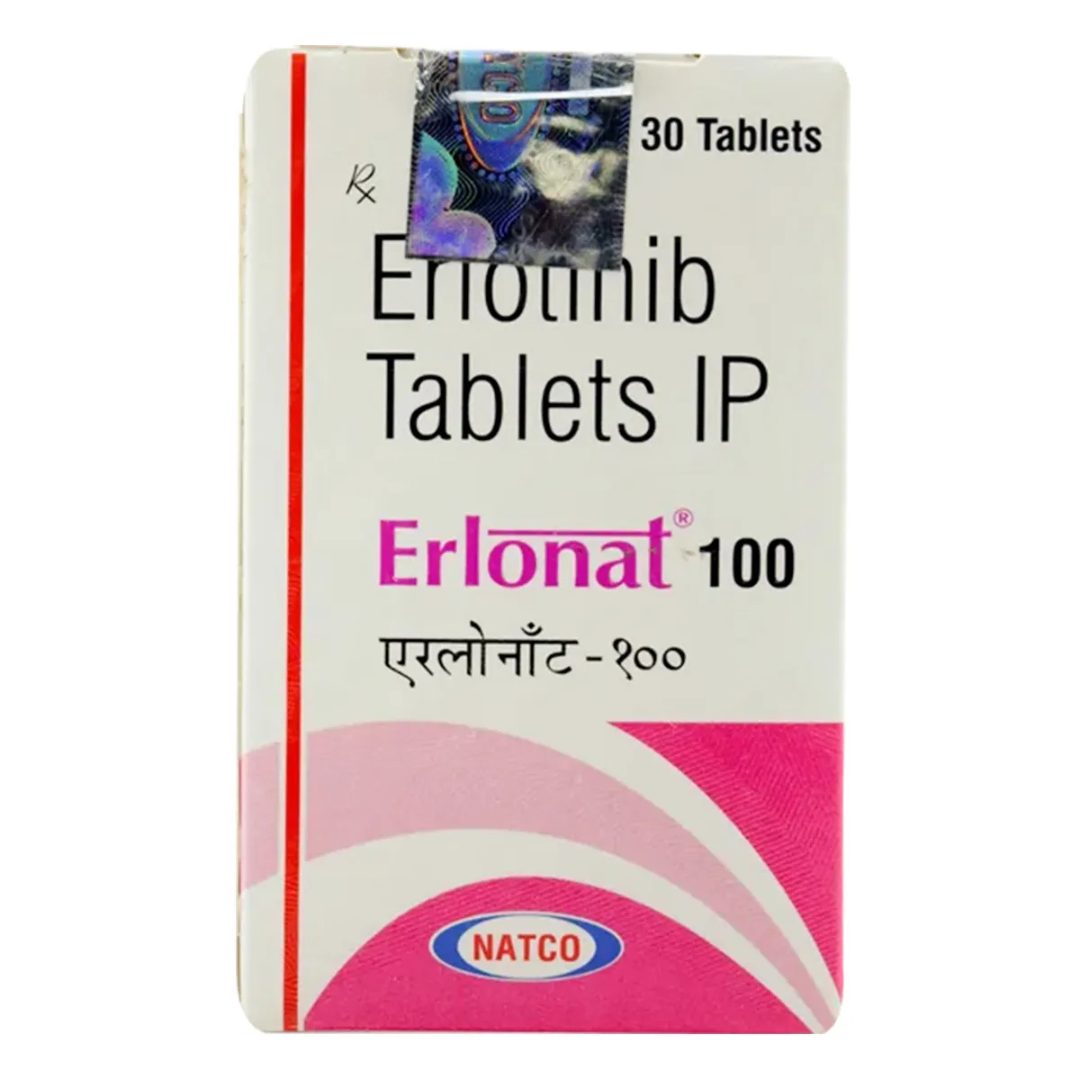
Erlonat 100mg Tablets
-
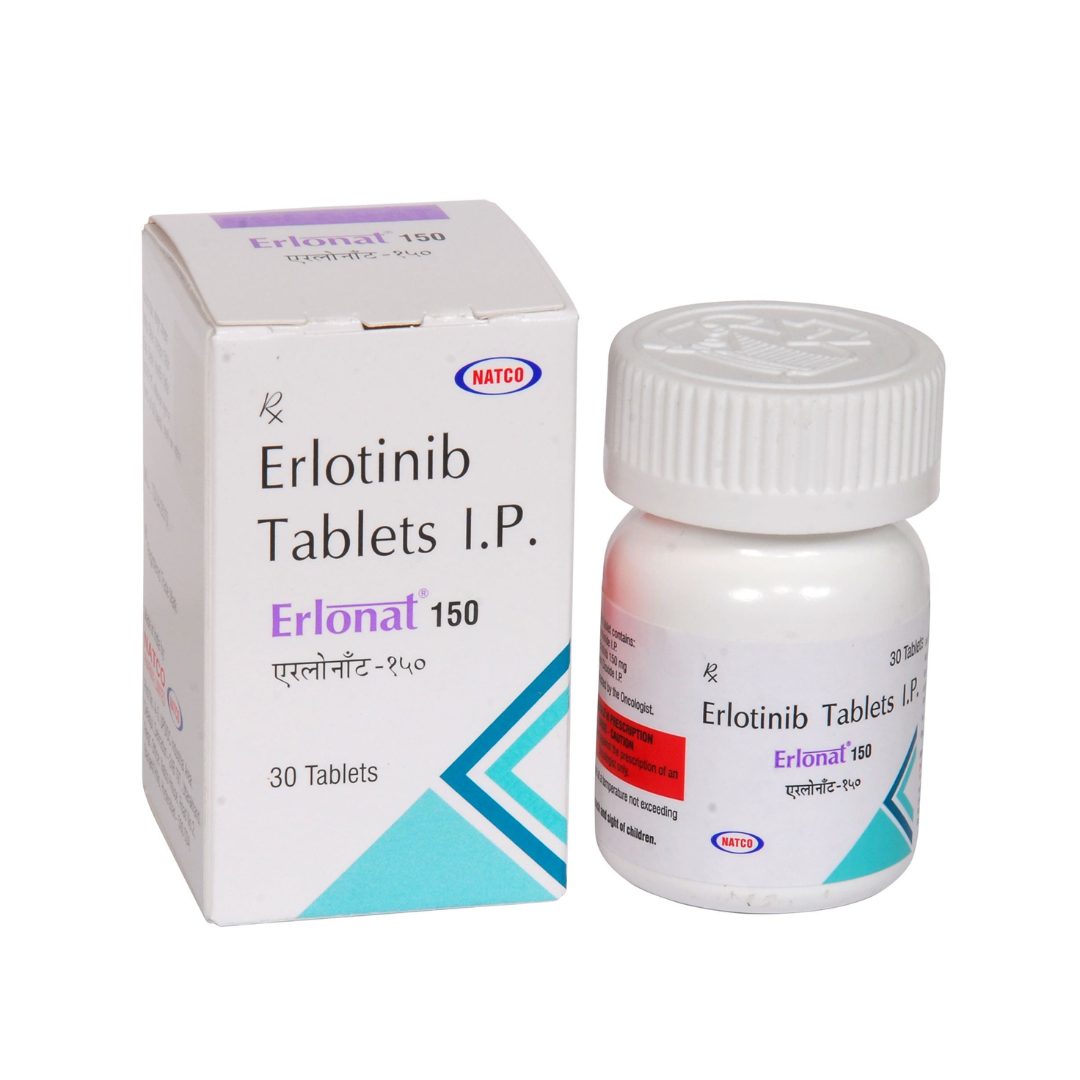
Erlonat 150
-
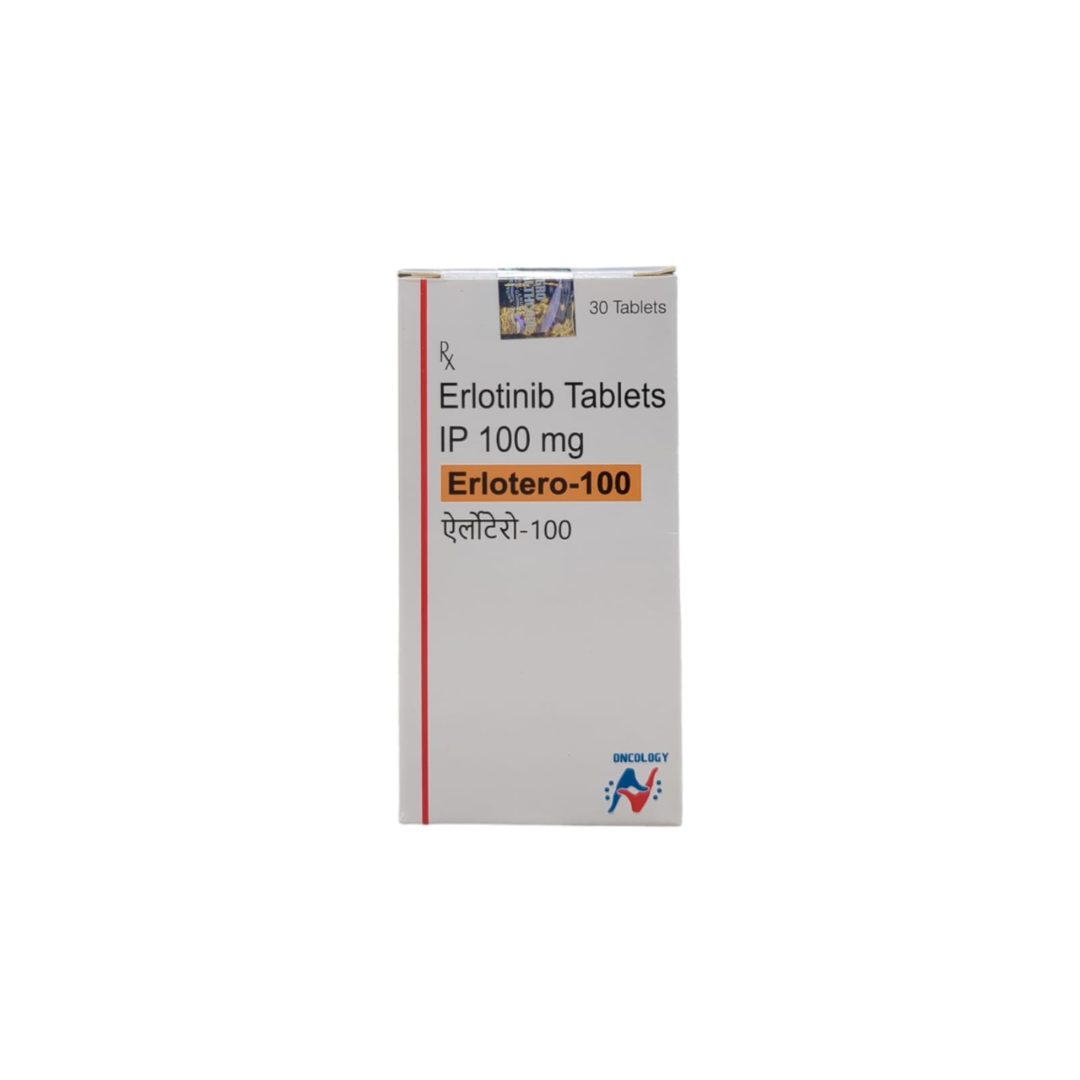
Erlotero 100
-
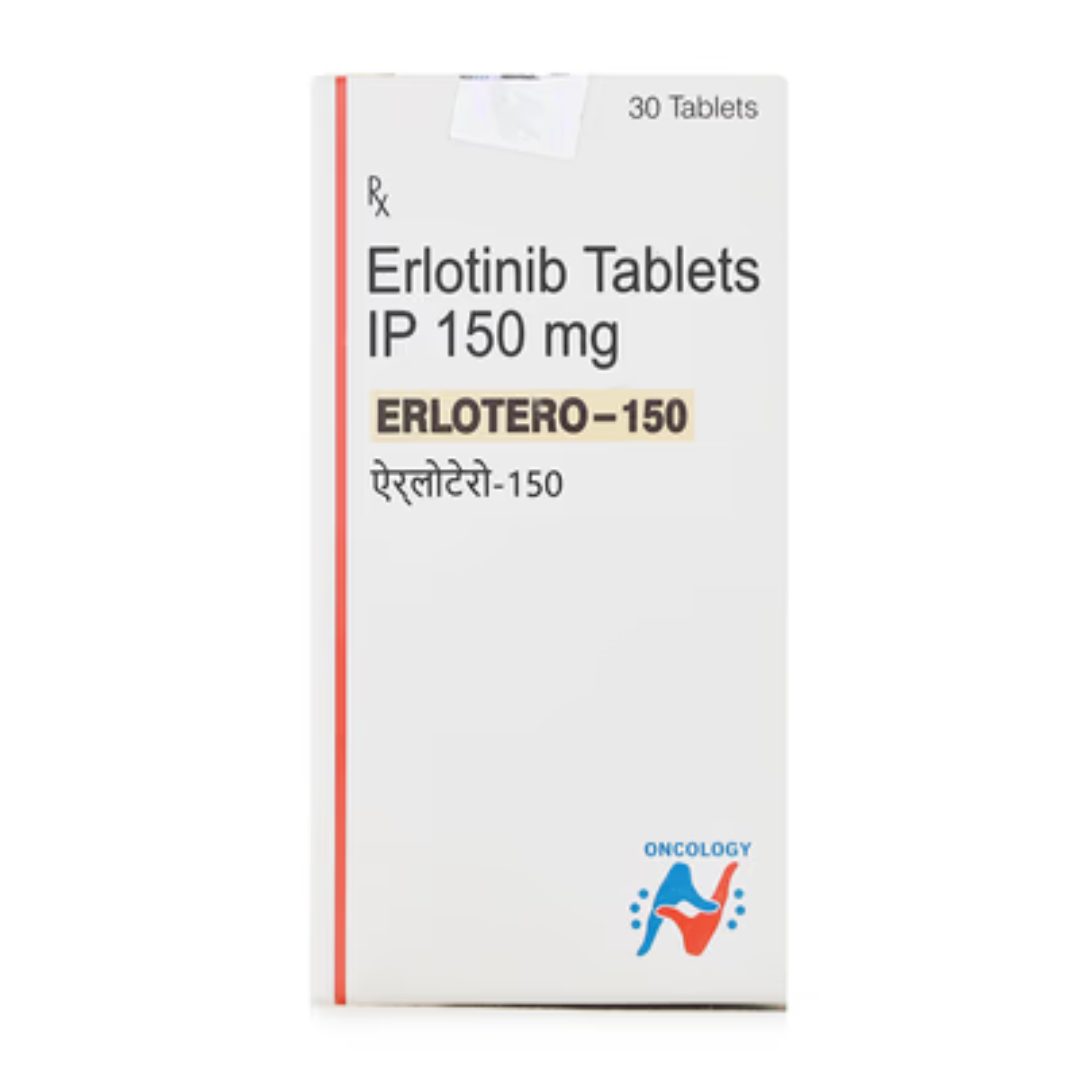
Erlotero 150
-
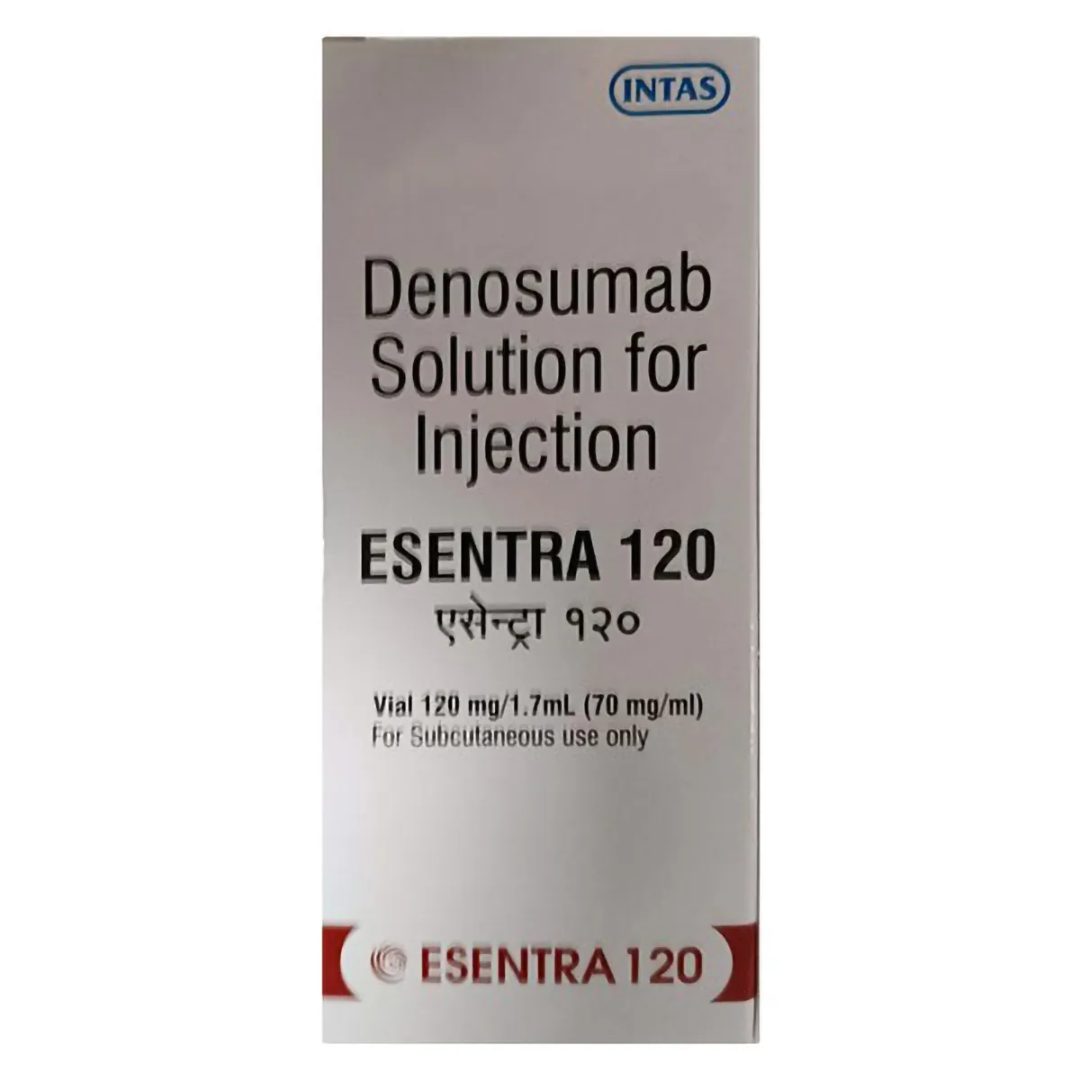
Esentra 120
-
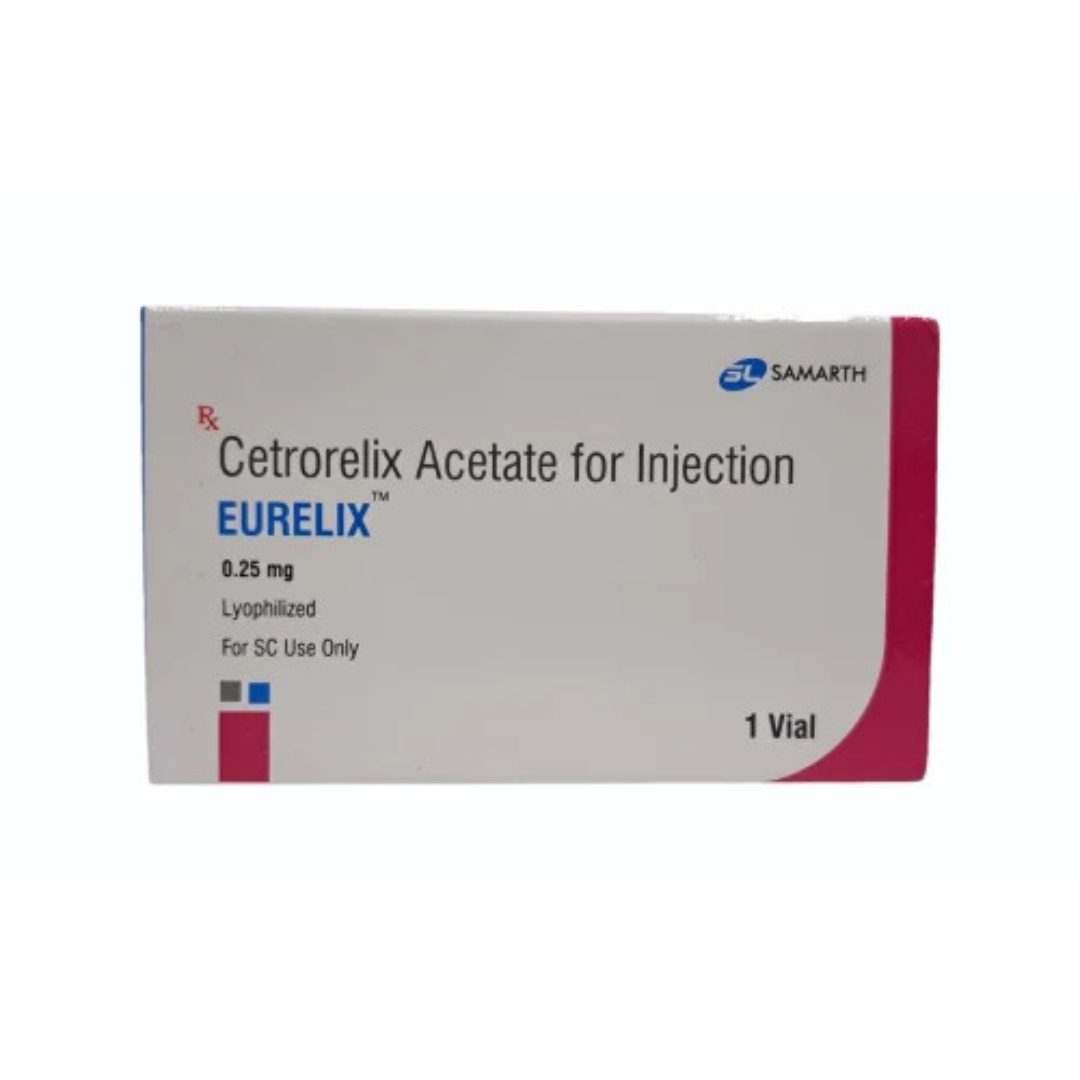
Eurelix Injection
-
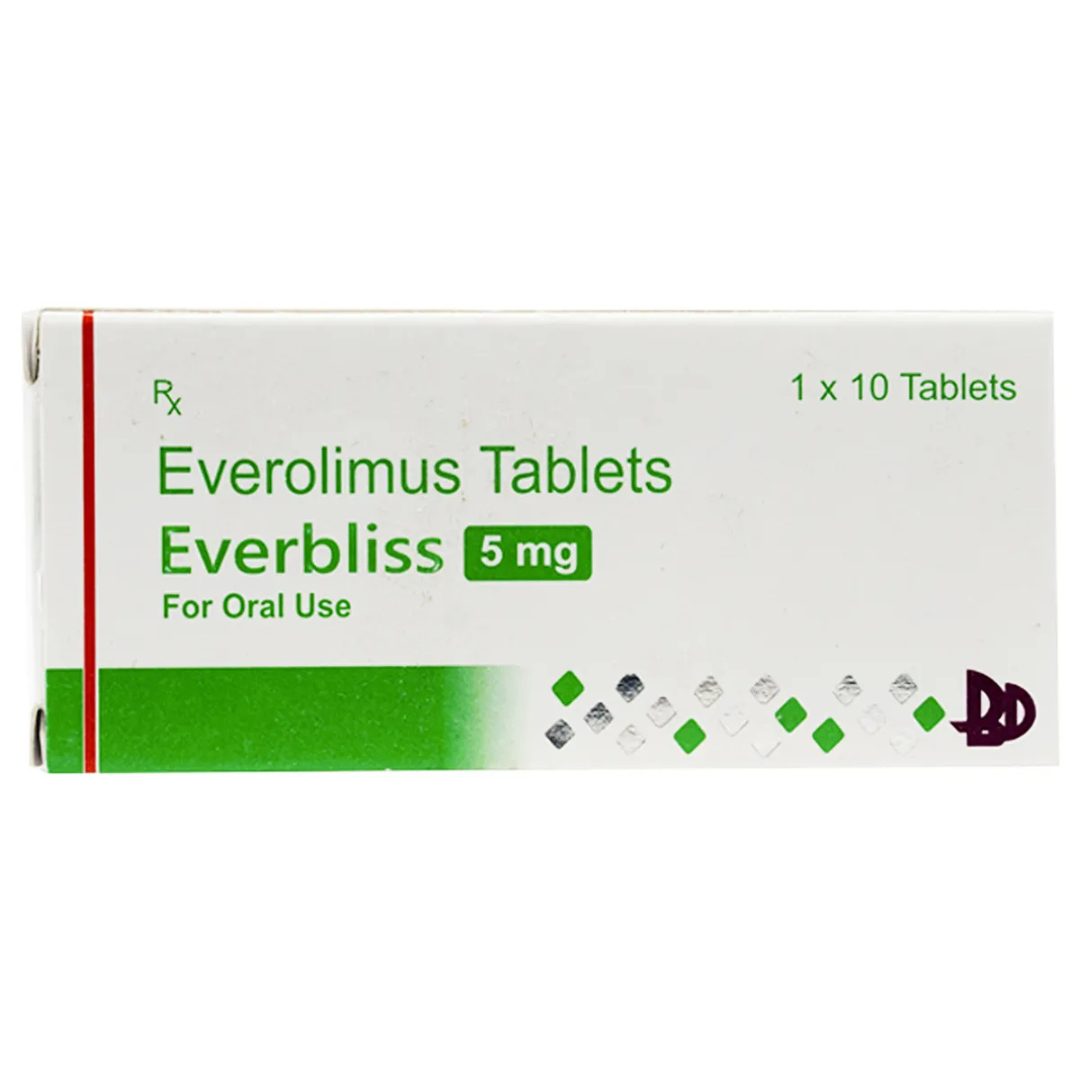
Everbliss 5 mg Tablets
-
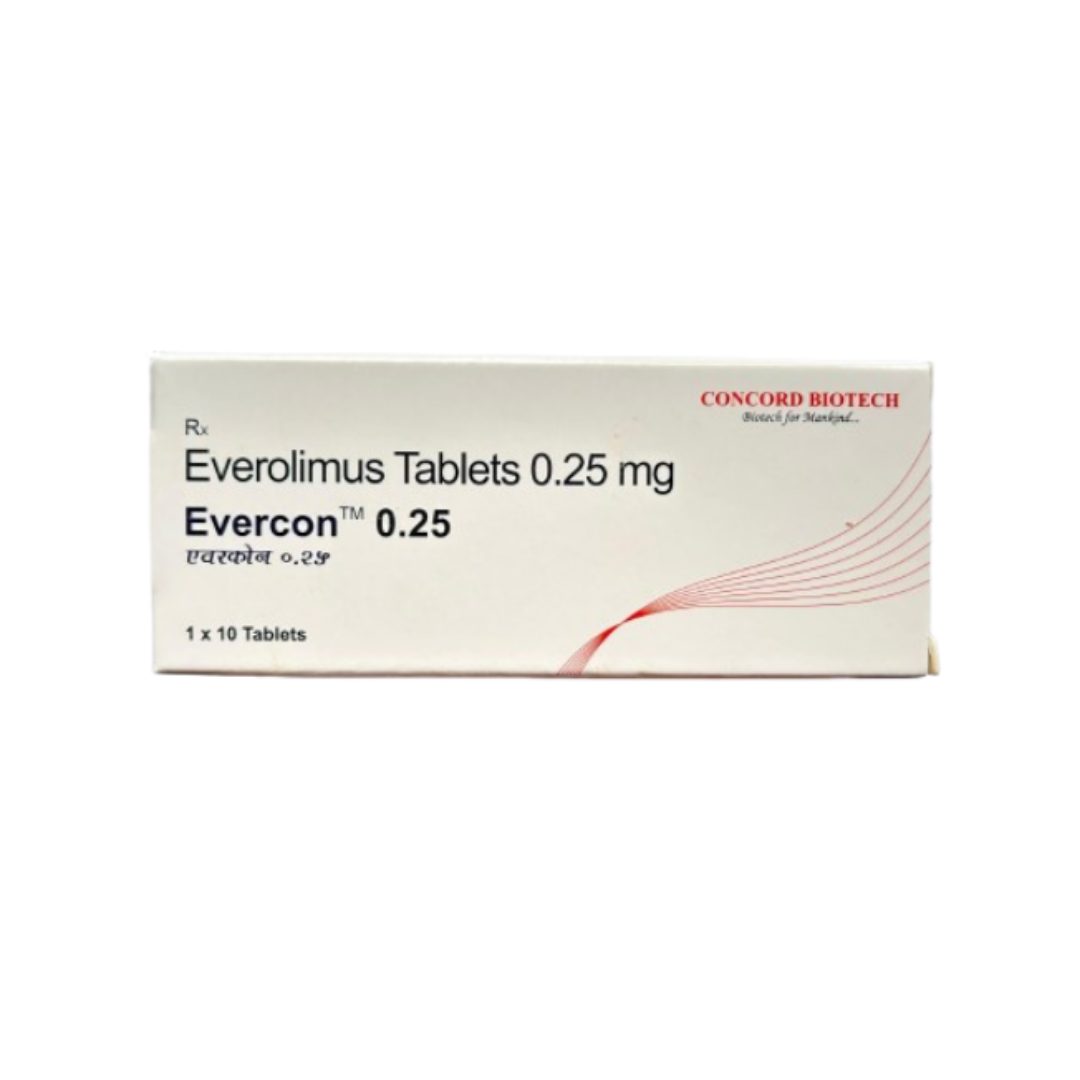
Evercon 0.25 Tablets
-
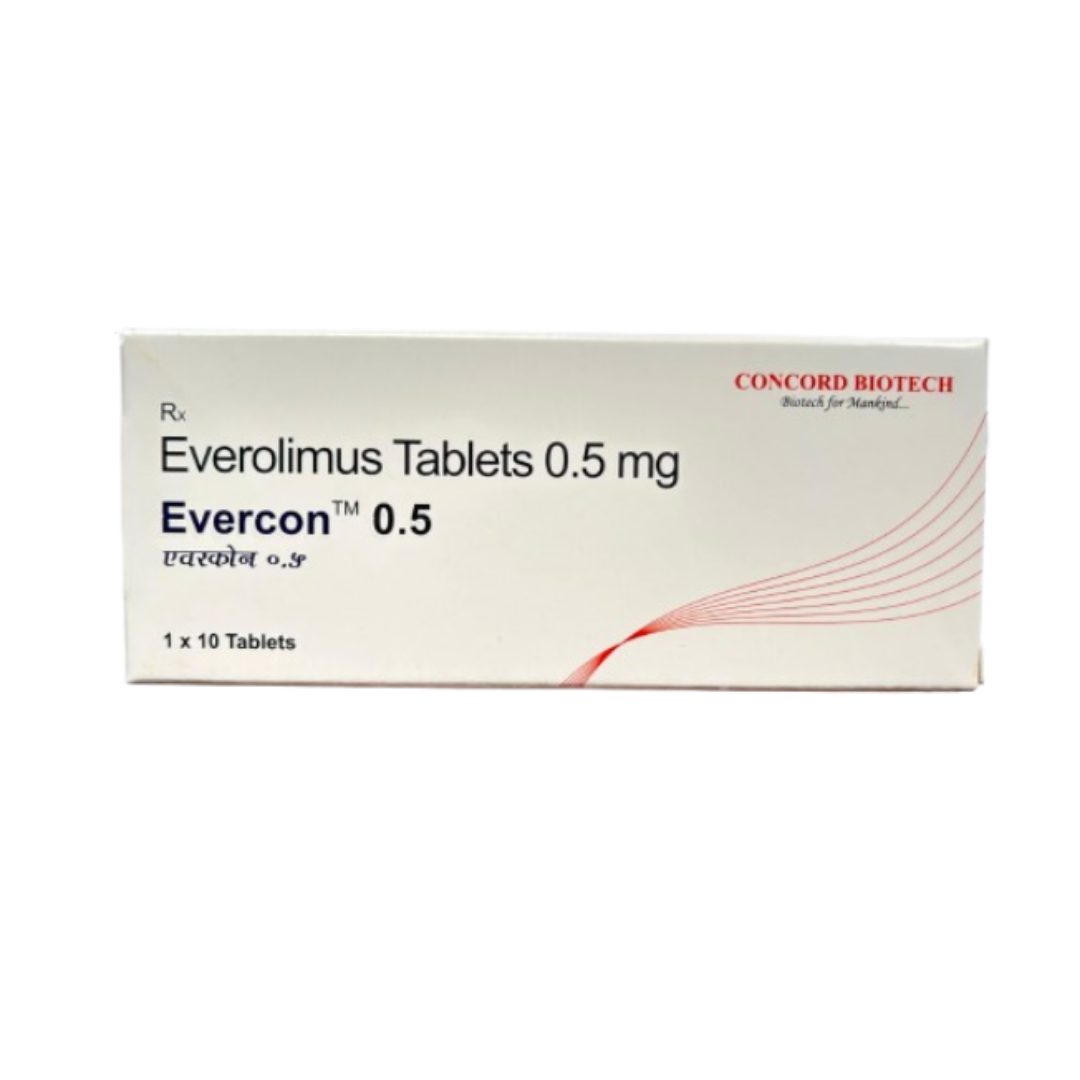
Evercon 0.5 Tablets
-
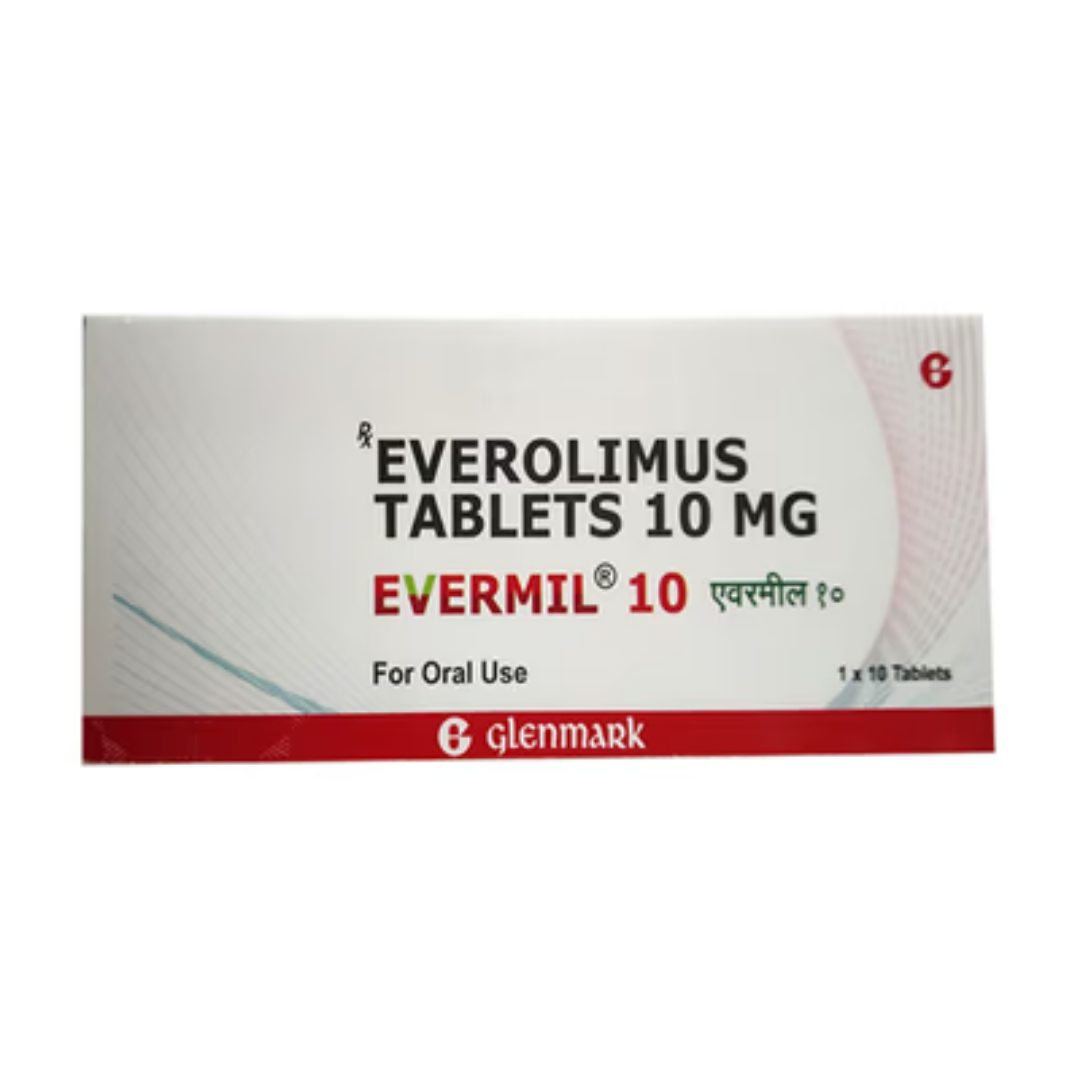
EVERMIL 10 Tablets
-
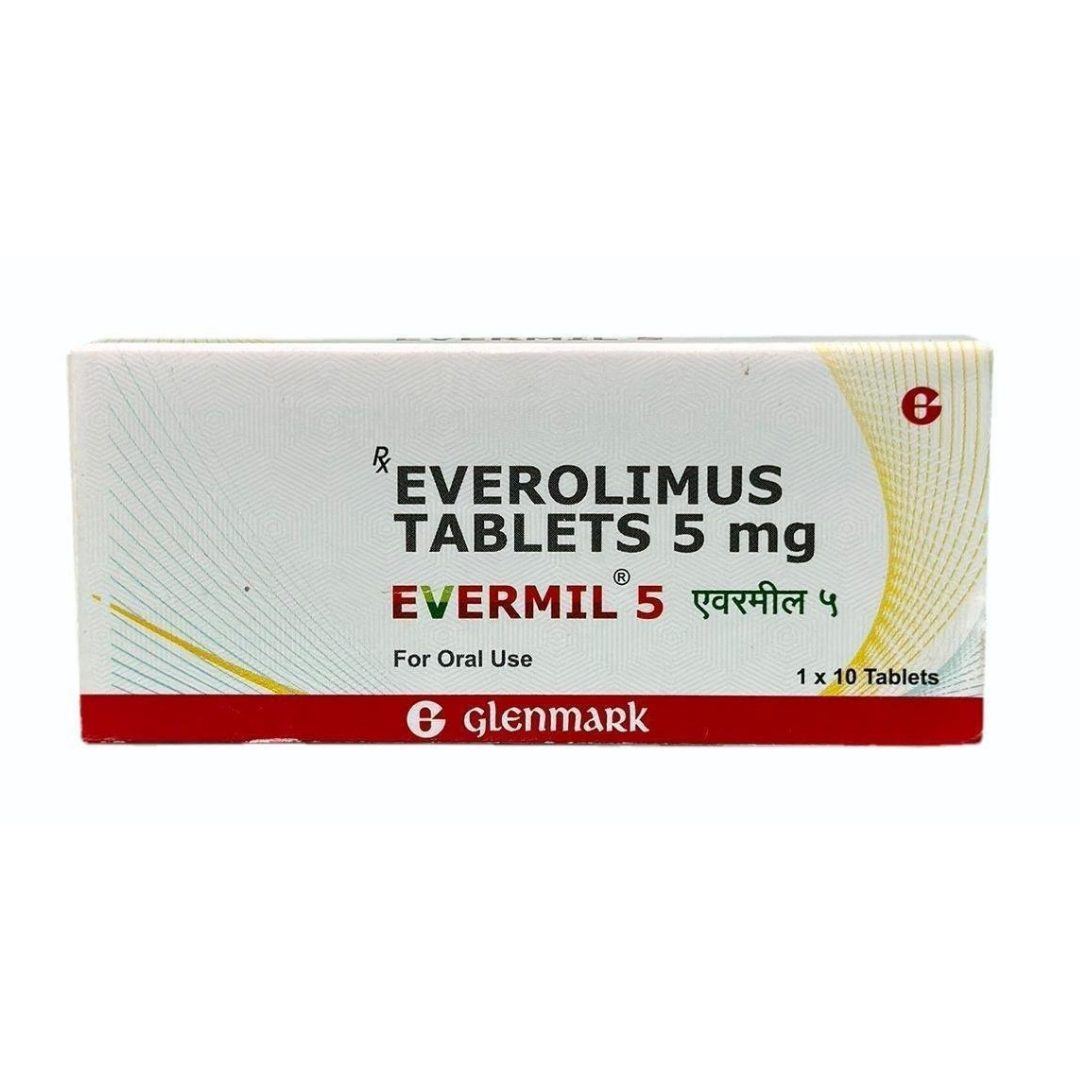
EVERMIL 5 Tablets
-
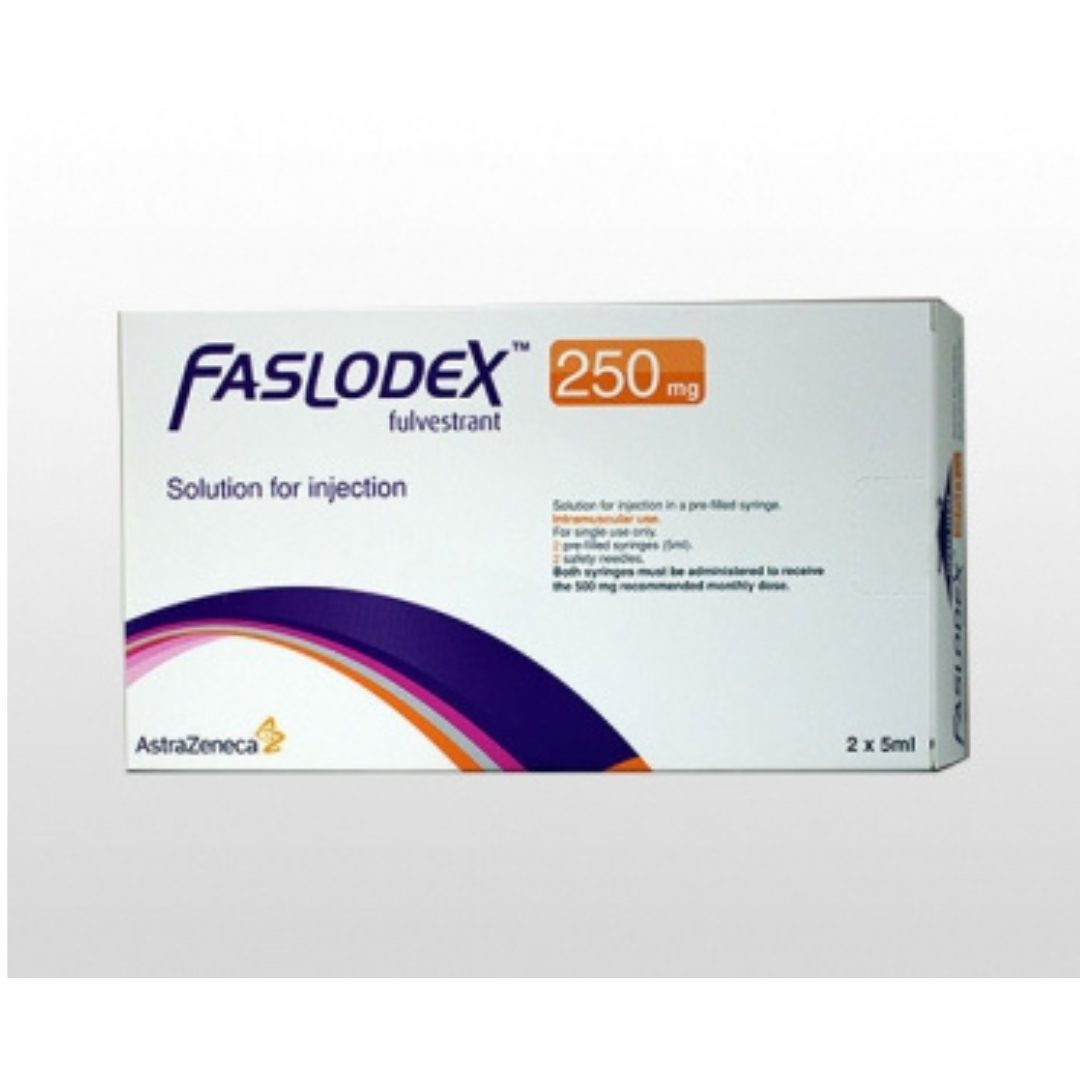
FASLODEX 250 mg Injection
-
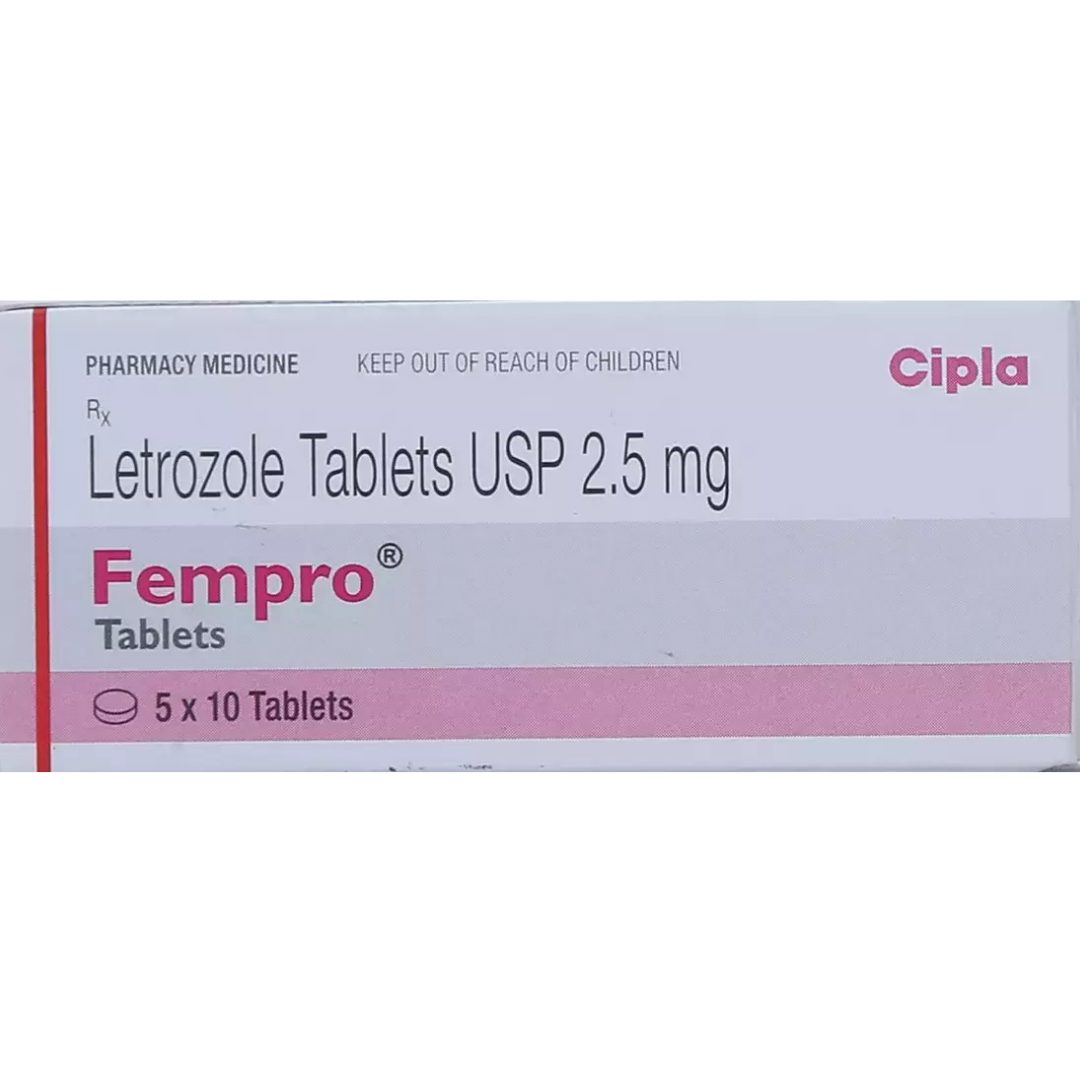
Fempro 2.5 mg Tablets
-
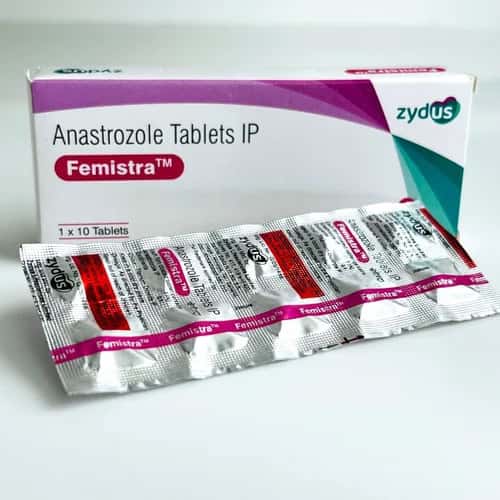
Femistra 1mg Tablet
-
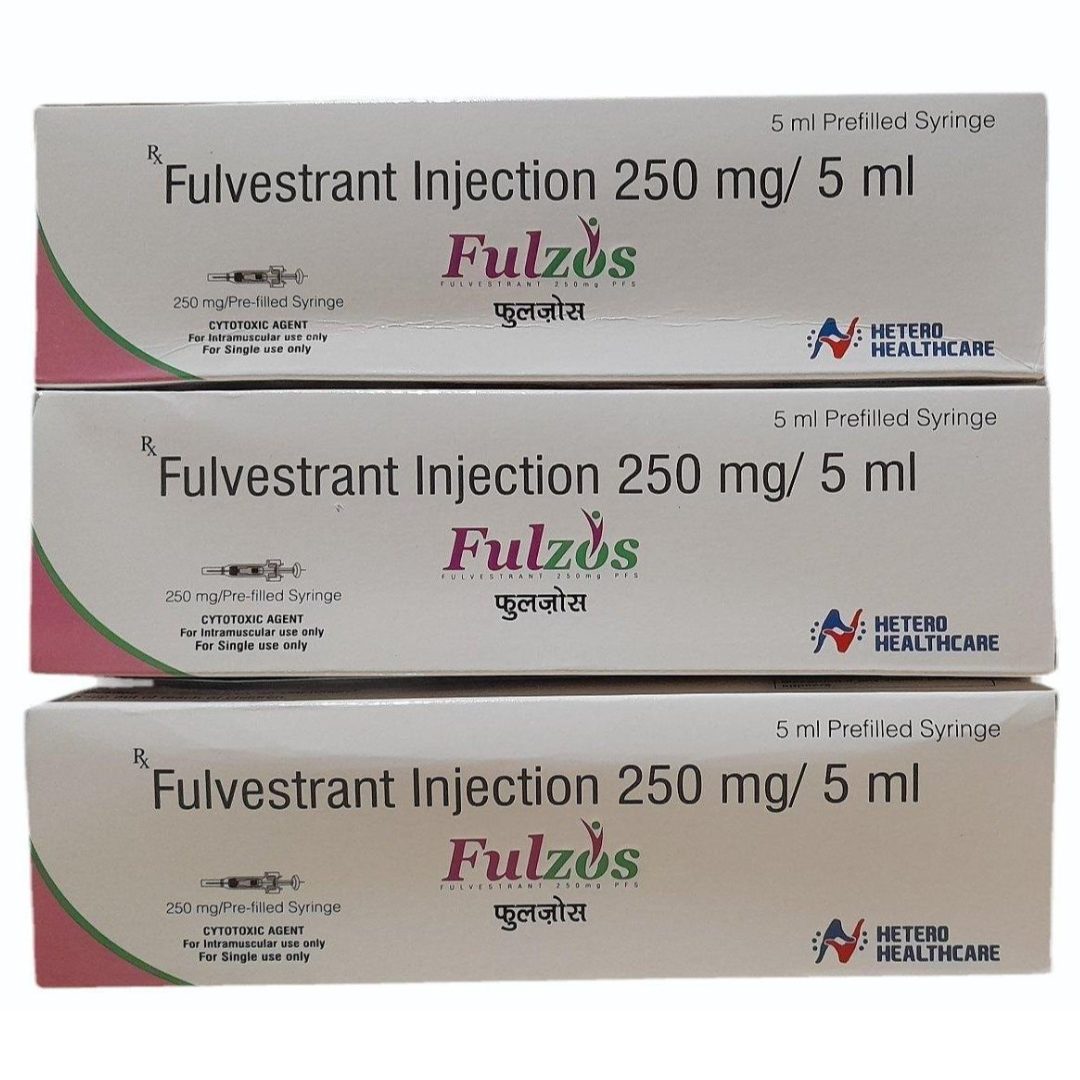
Fluzos 250mg Injection
-
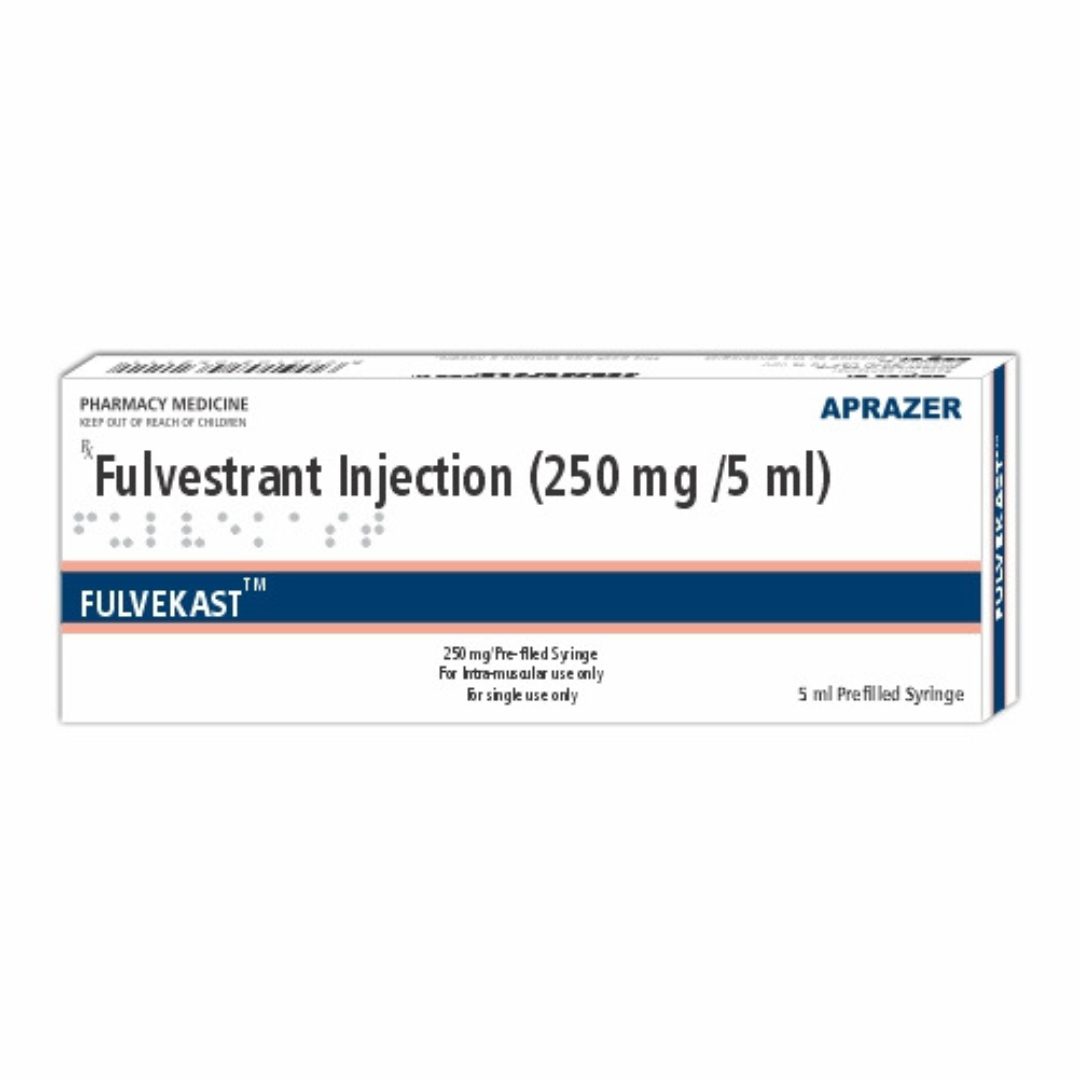
Fulvekast 250 mg/5 mL
-
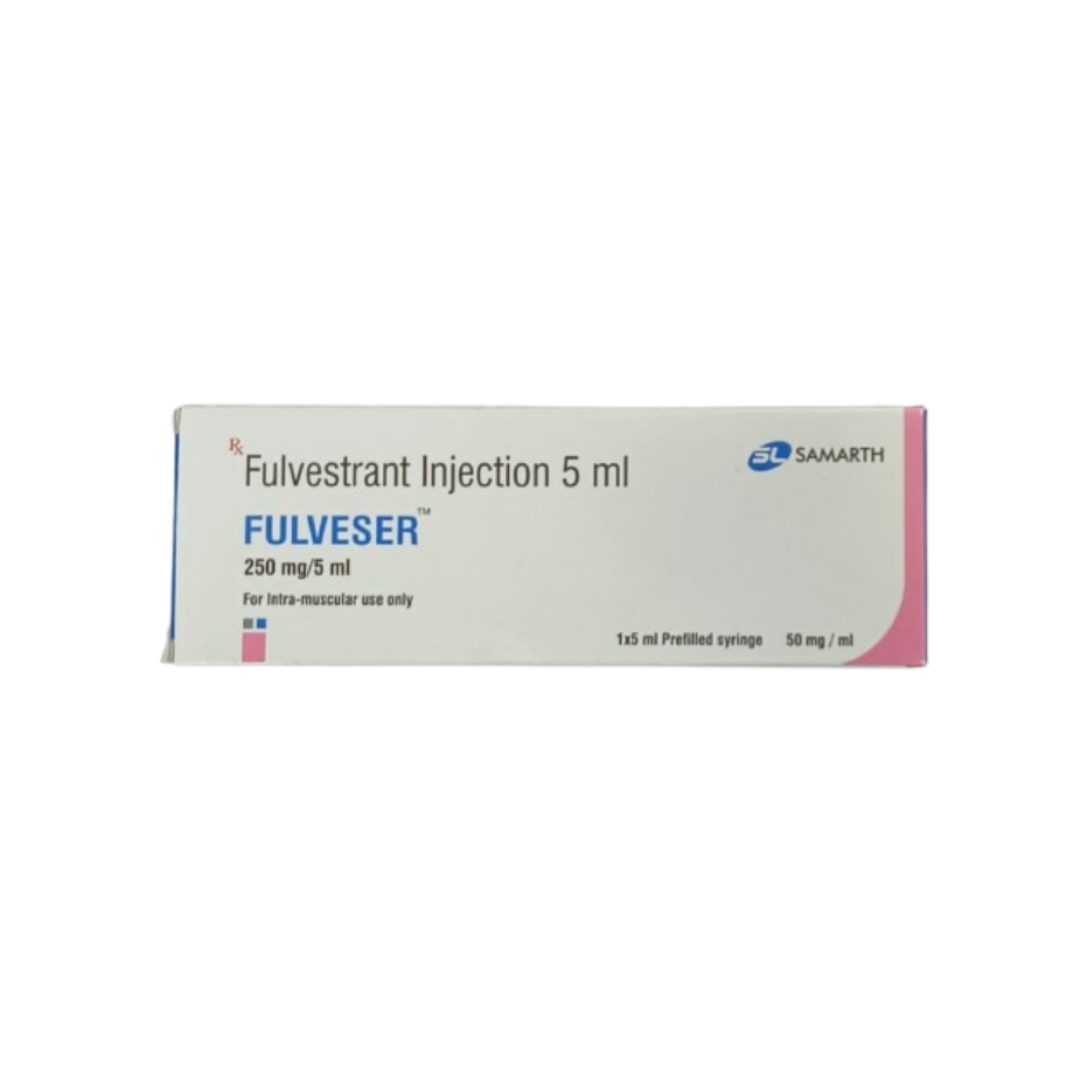
Fulveser 250 mg/5 mL
-
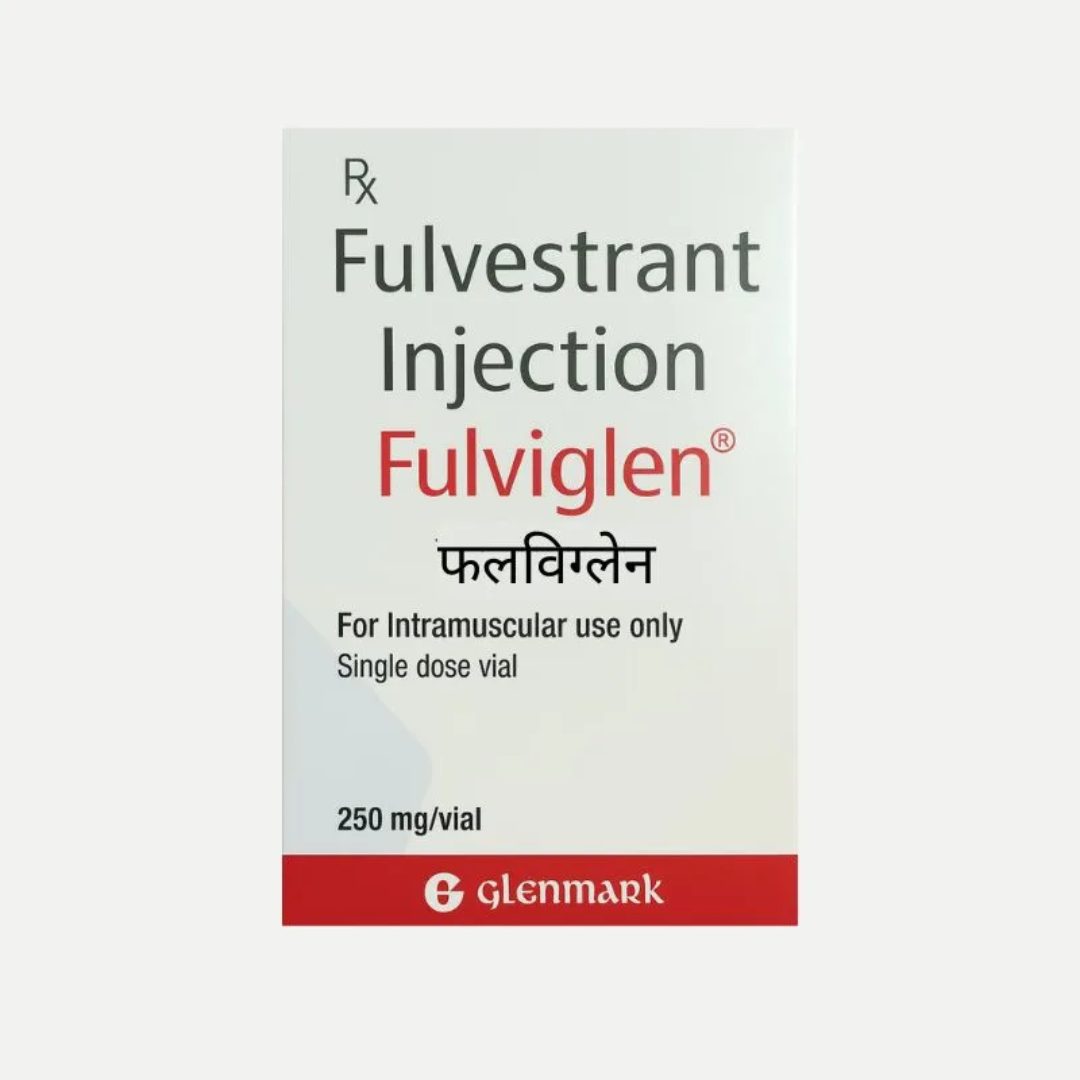
Fulviglen 250 mg/5 mL
-
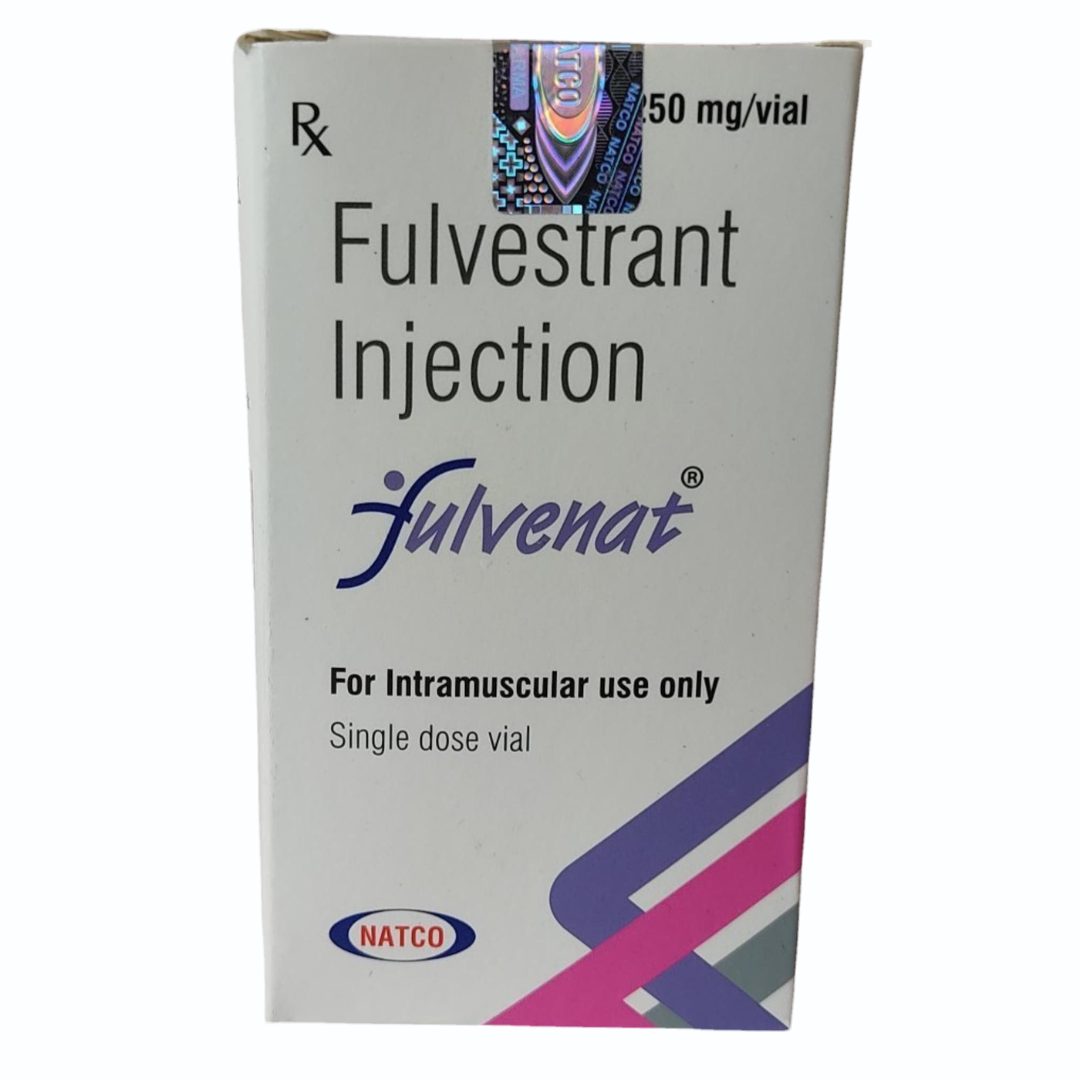
Fulvenat 250 mg/5 mL
-
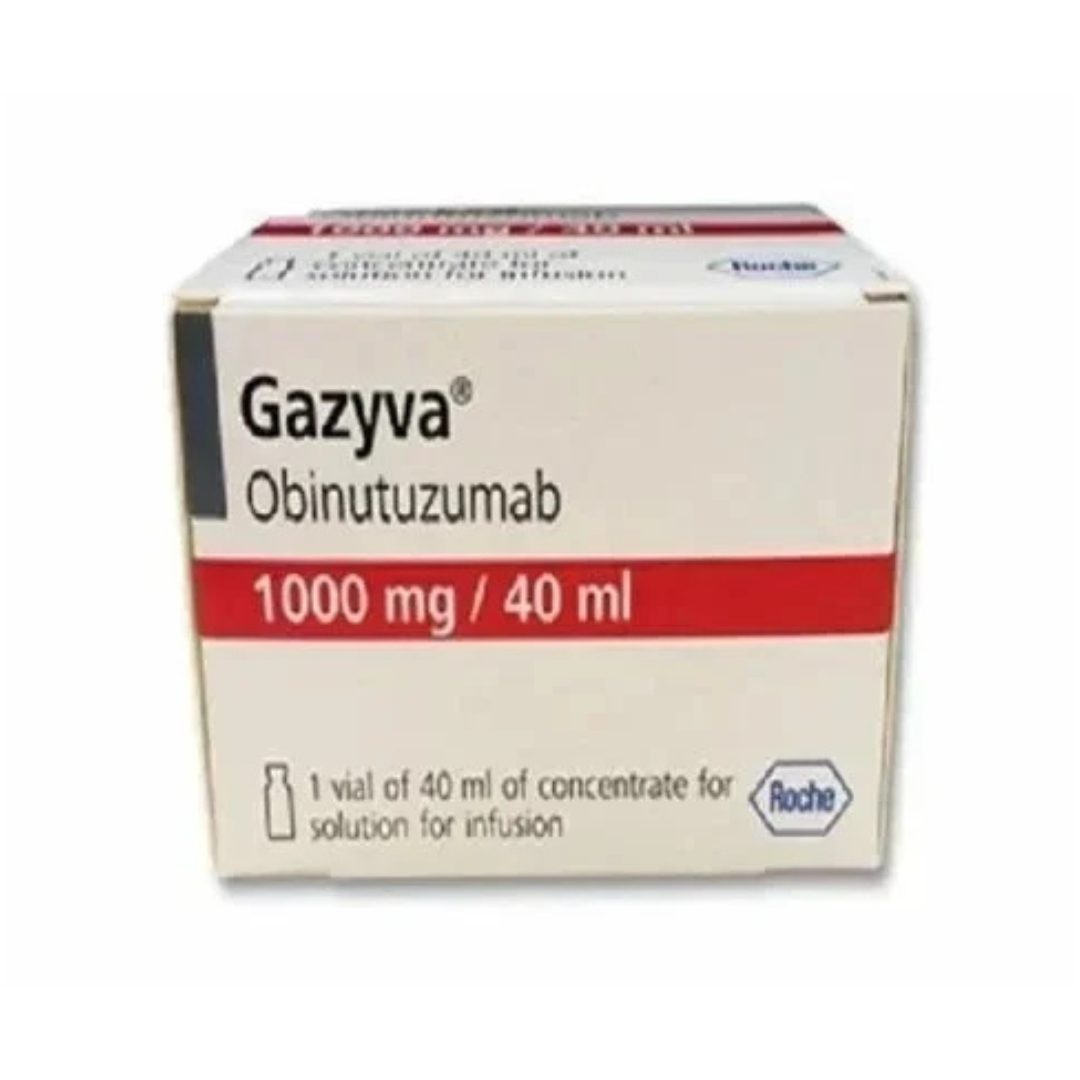
Gazyva 1000 mg
-
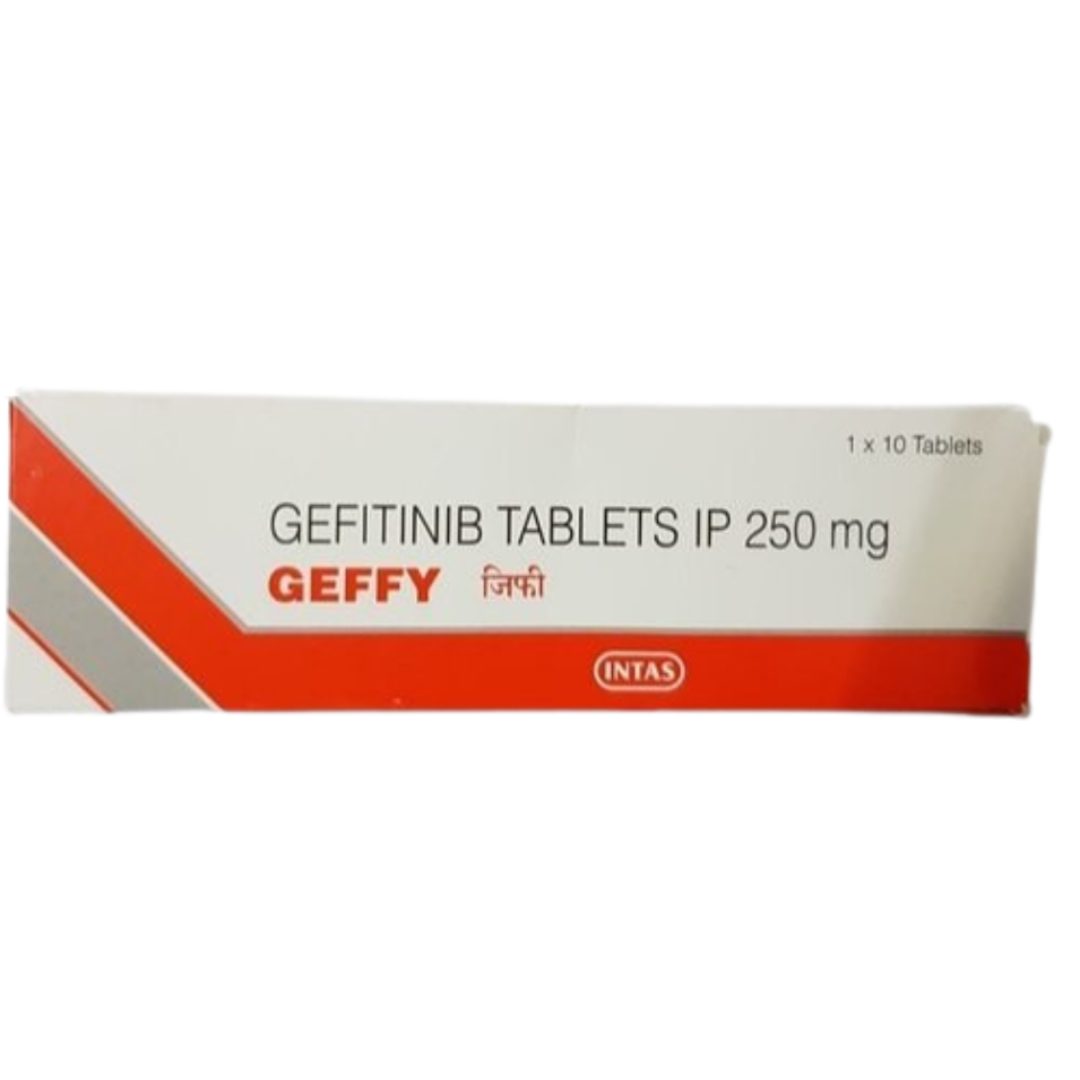
Geffy 250 Tablet
-
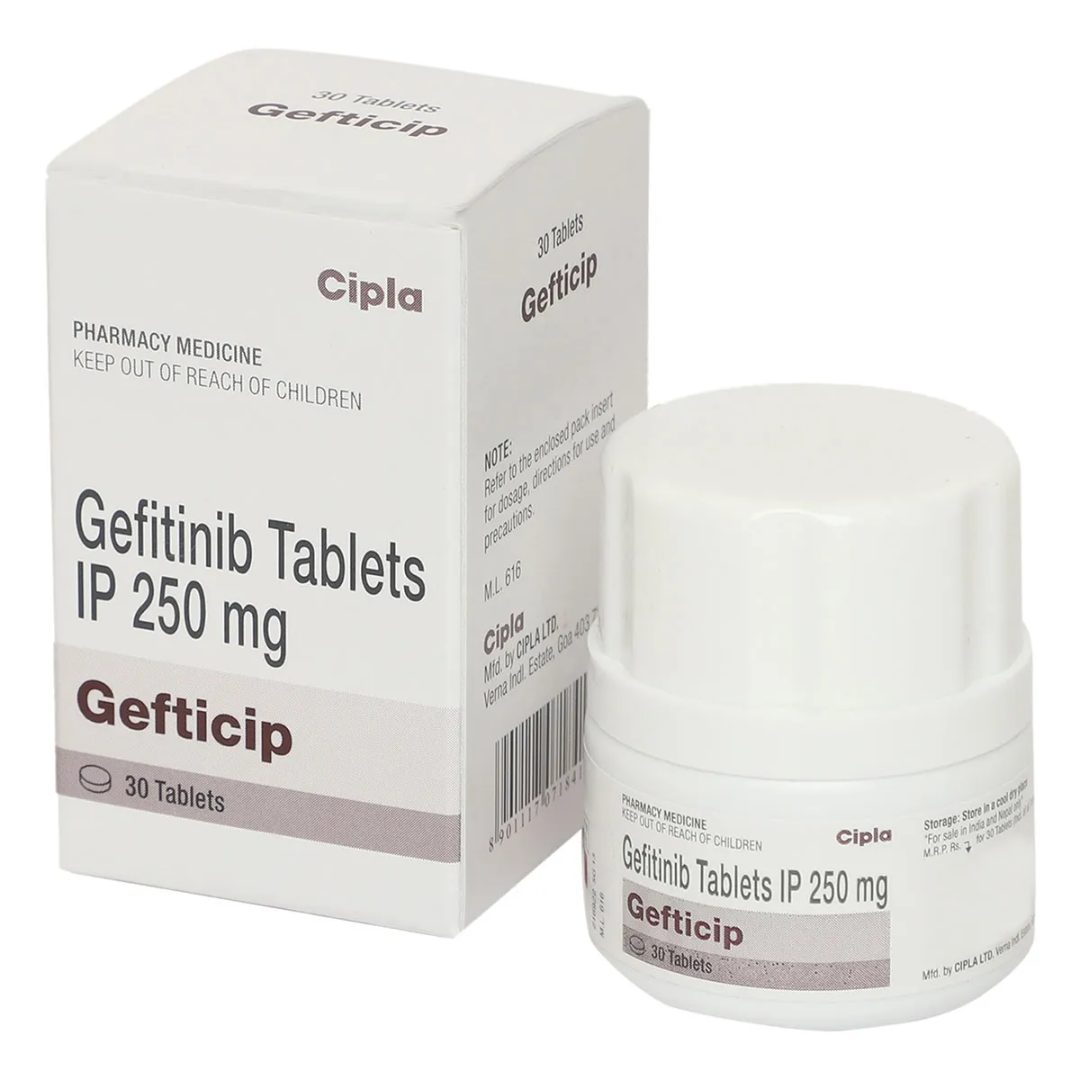
Gefiticip 250 mg Tablet
-
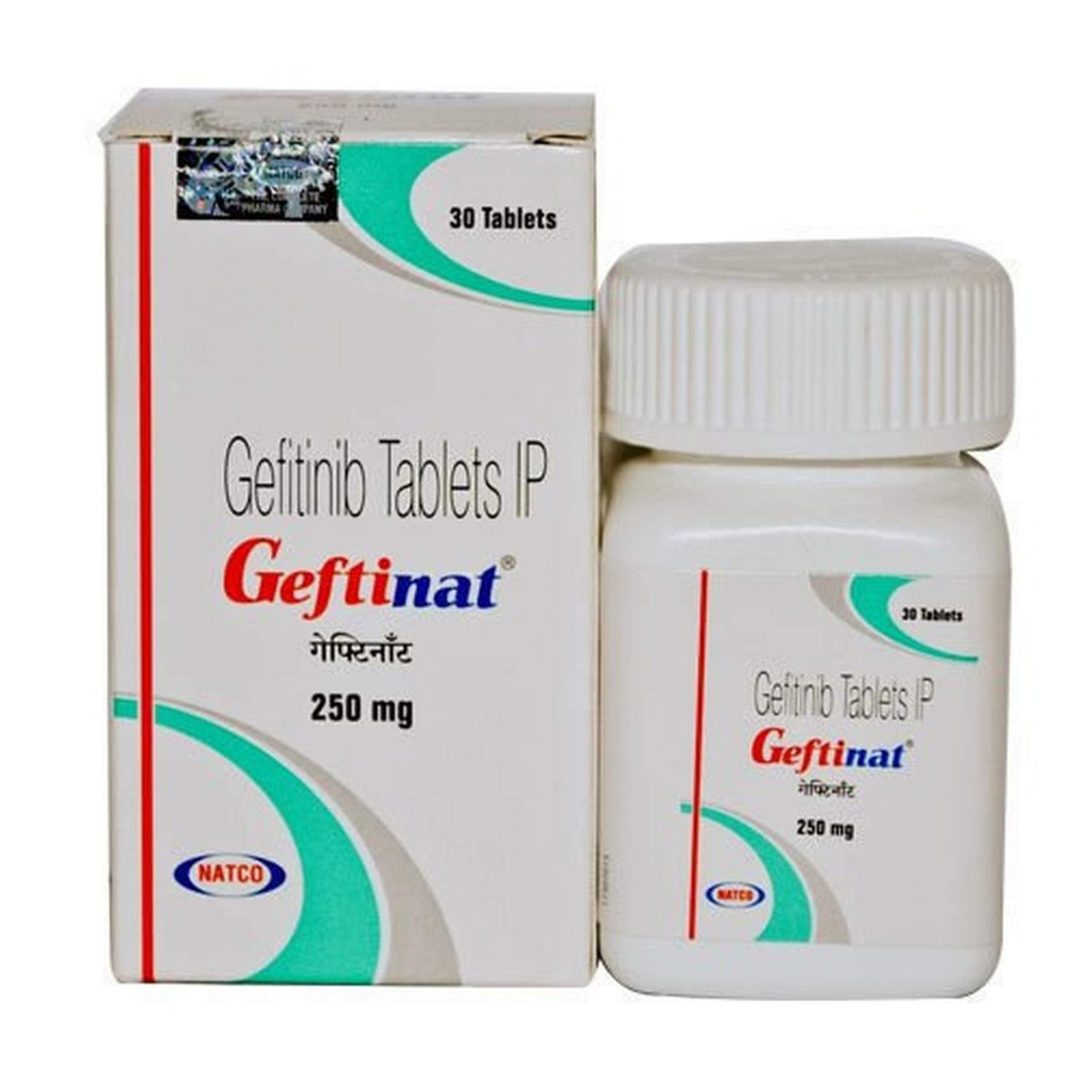
Geftinat 250mg Tablet
-
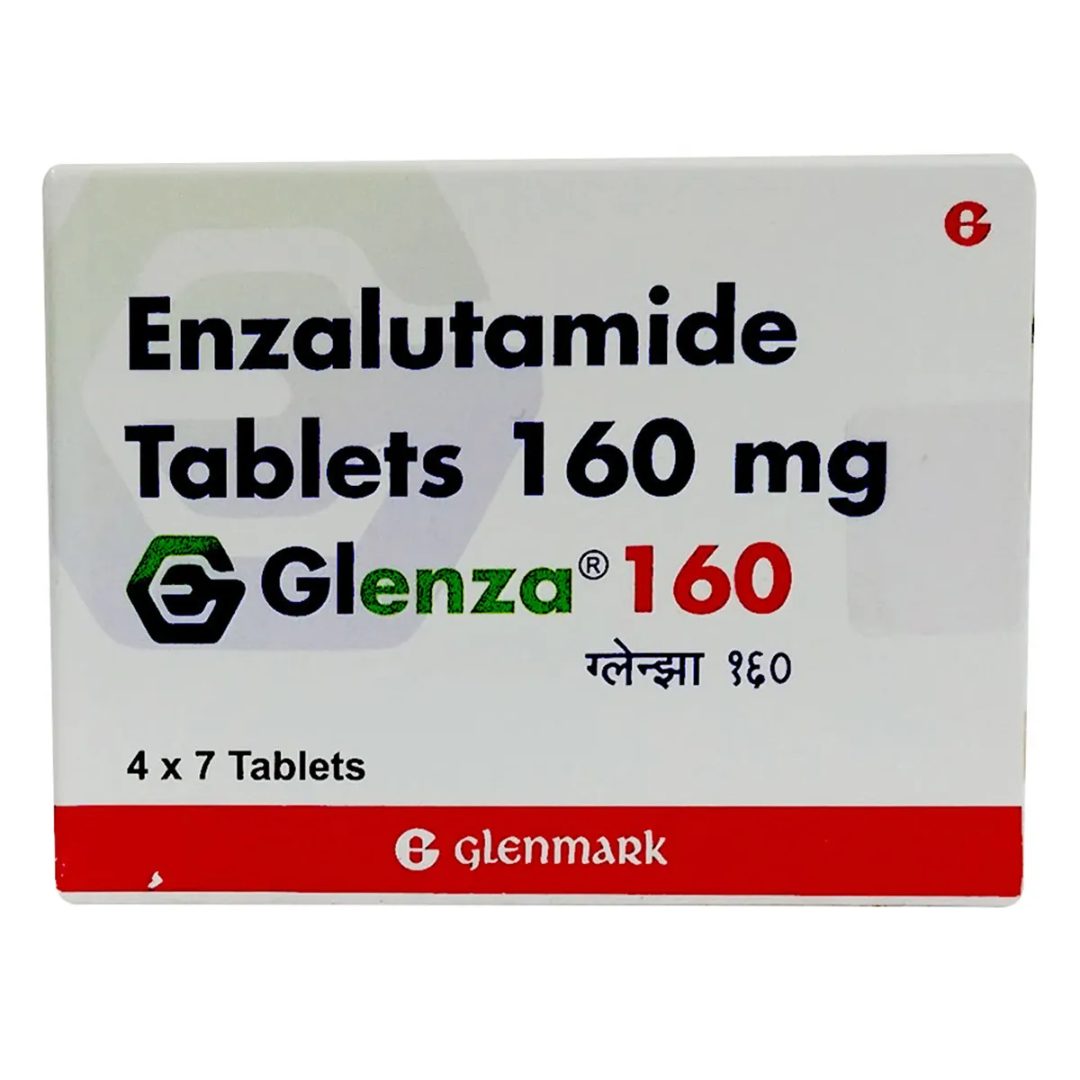
Glenza 160 Tablets
-
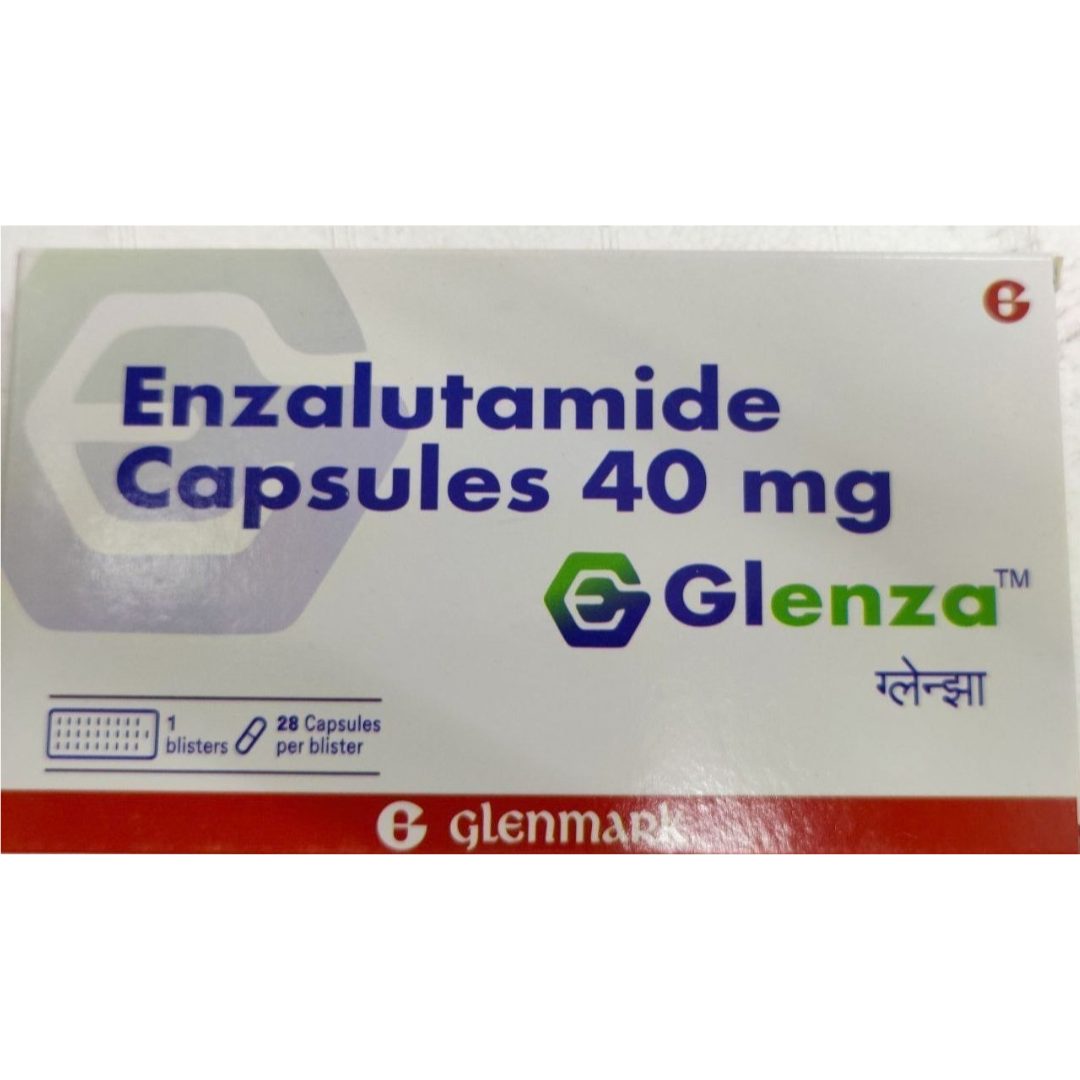
Glenza 40mg Capsules
-
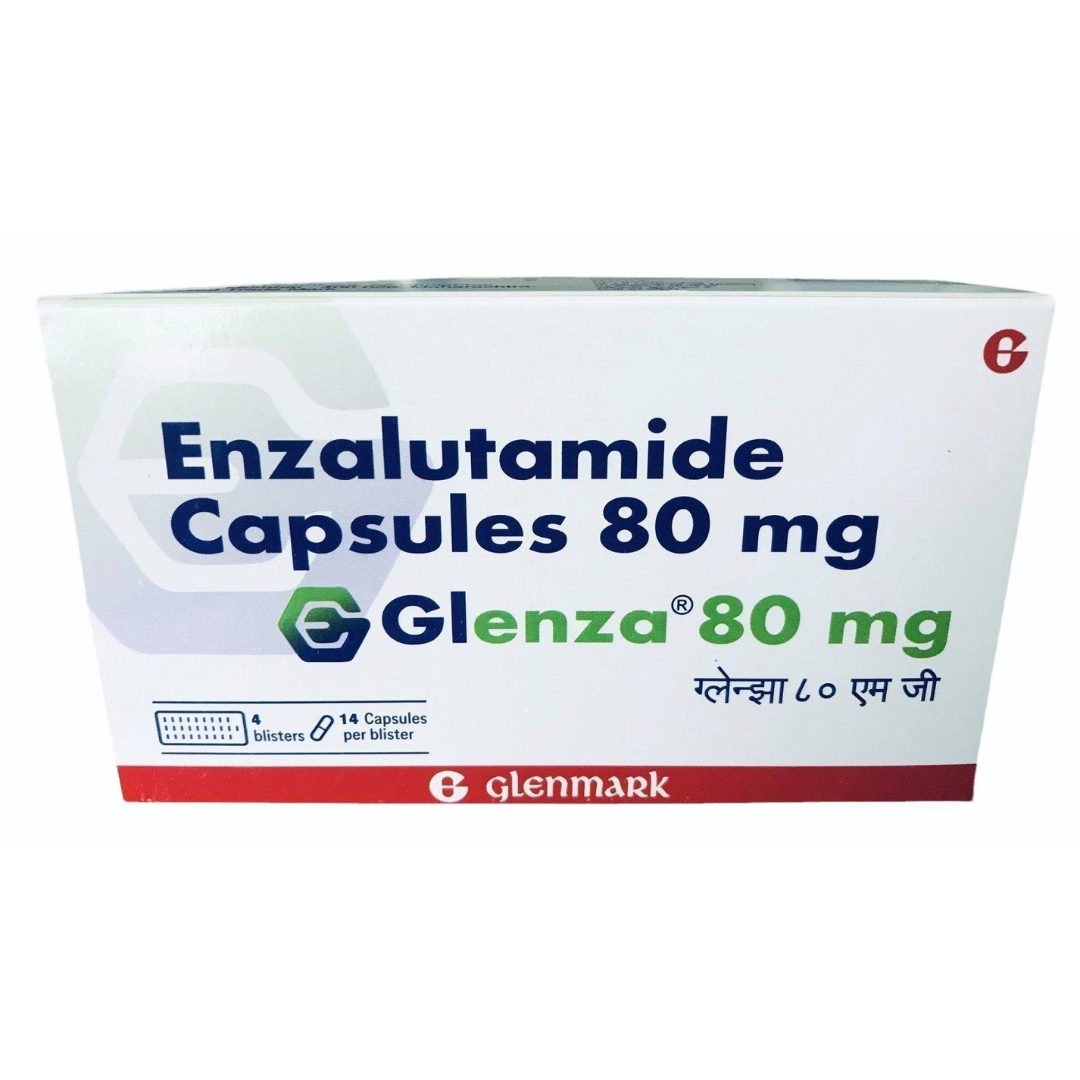
Glenza 80 mg
-
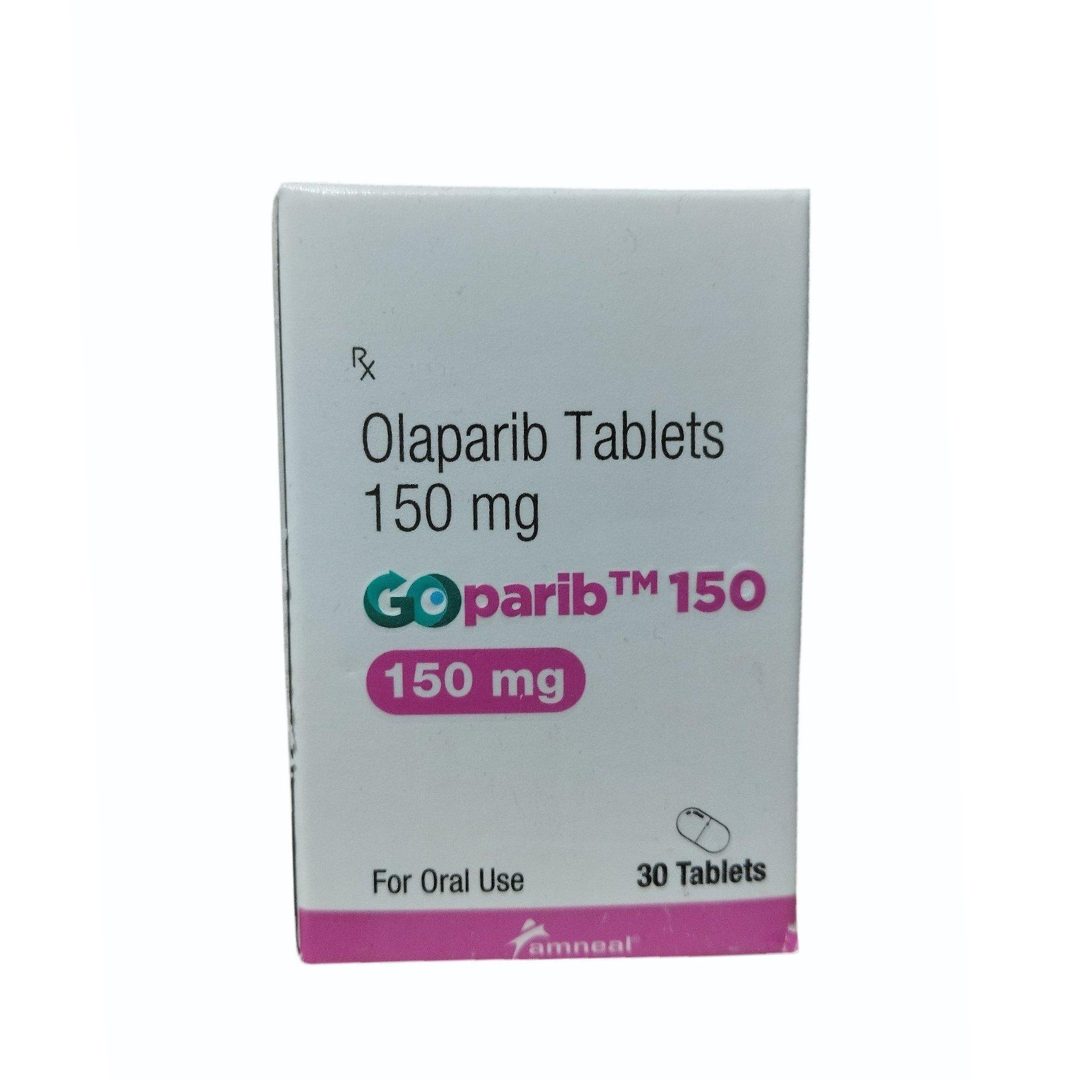
GOparib 150 Tablets
-
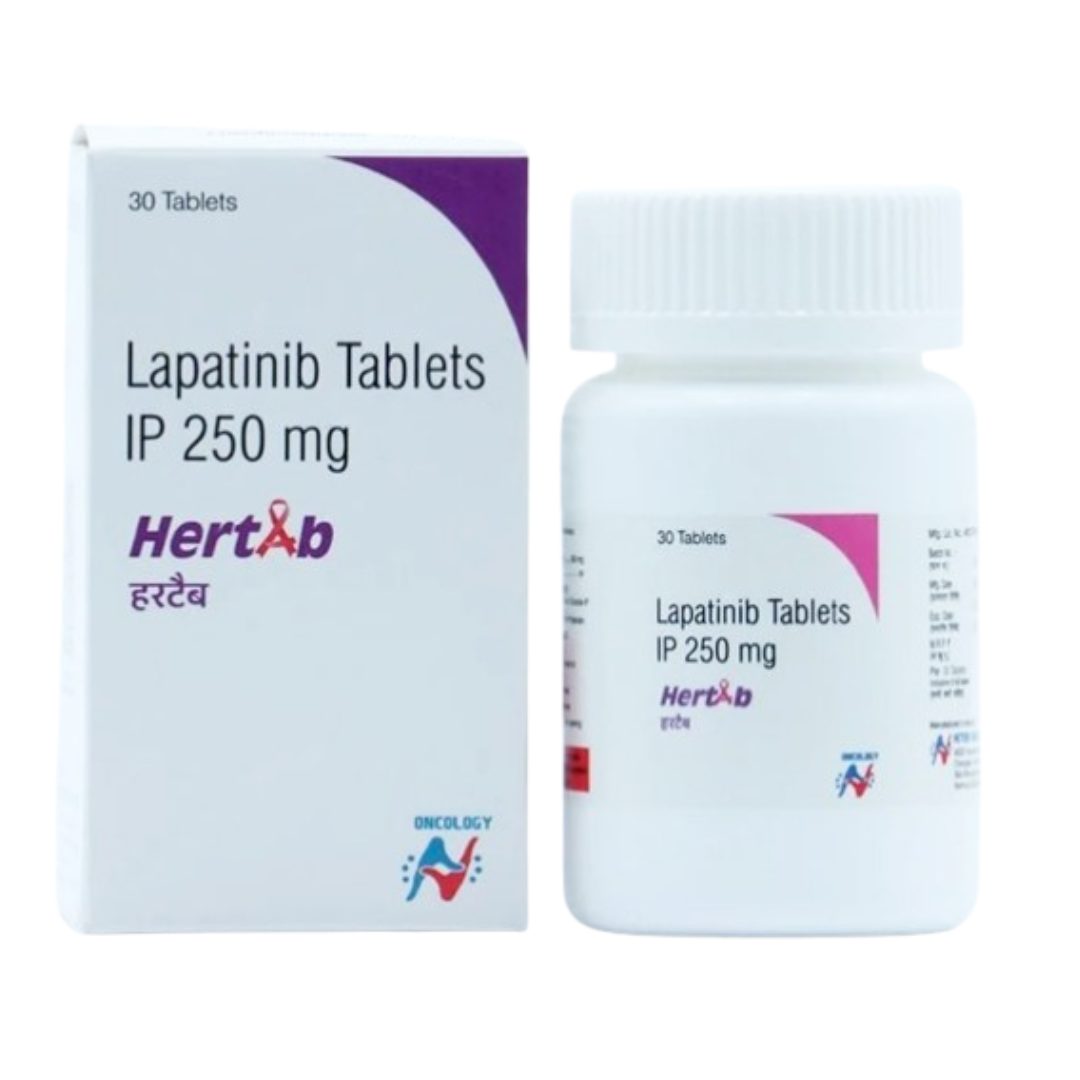
Hertab 250 mg Tablet
-
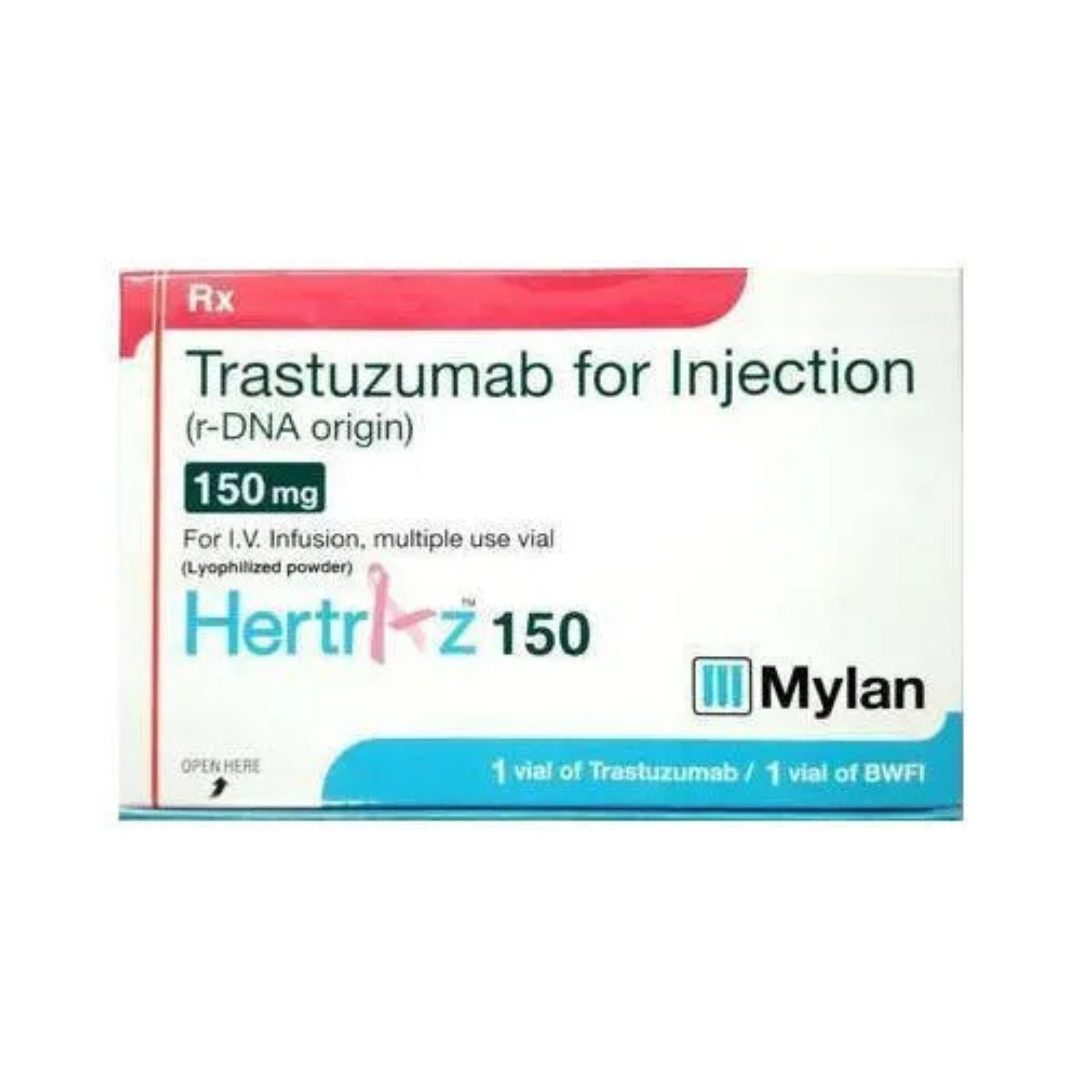
Hertraz 150
-
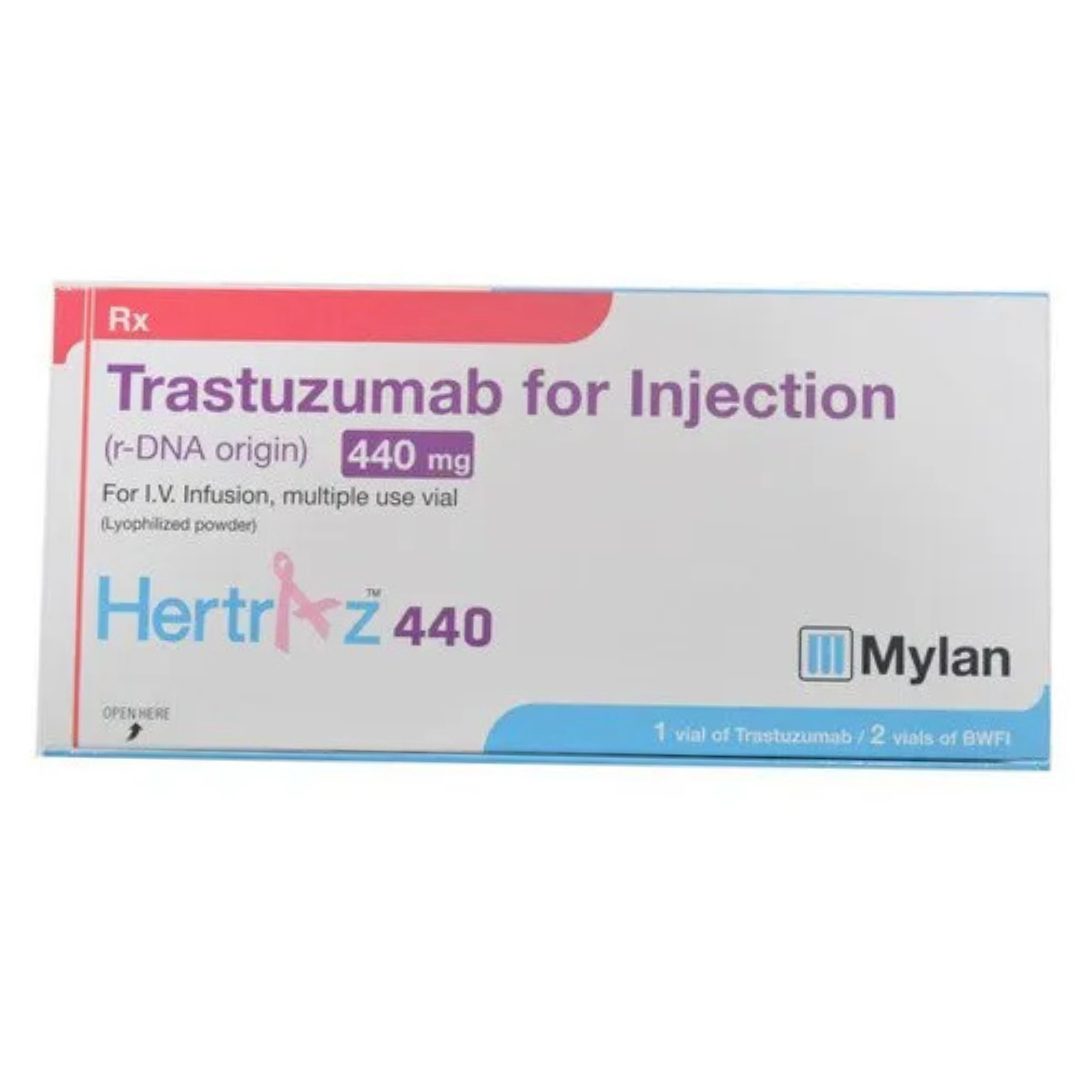
Hertraz 440
-
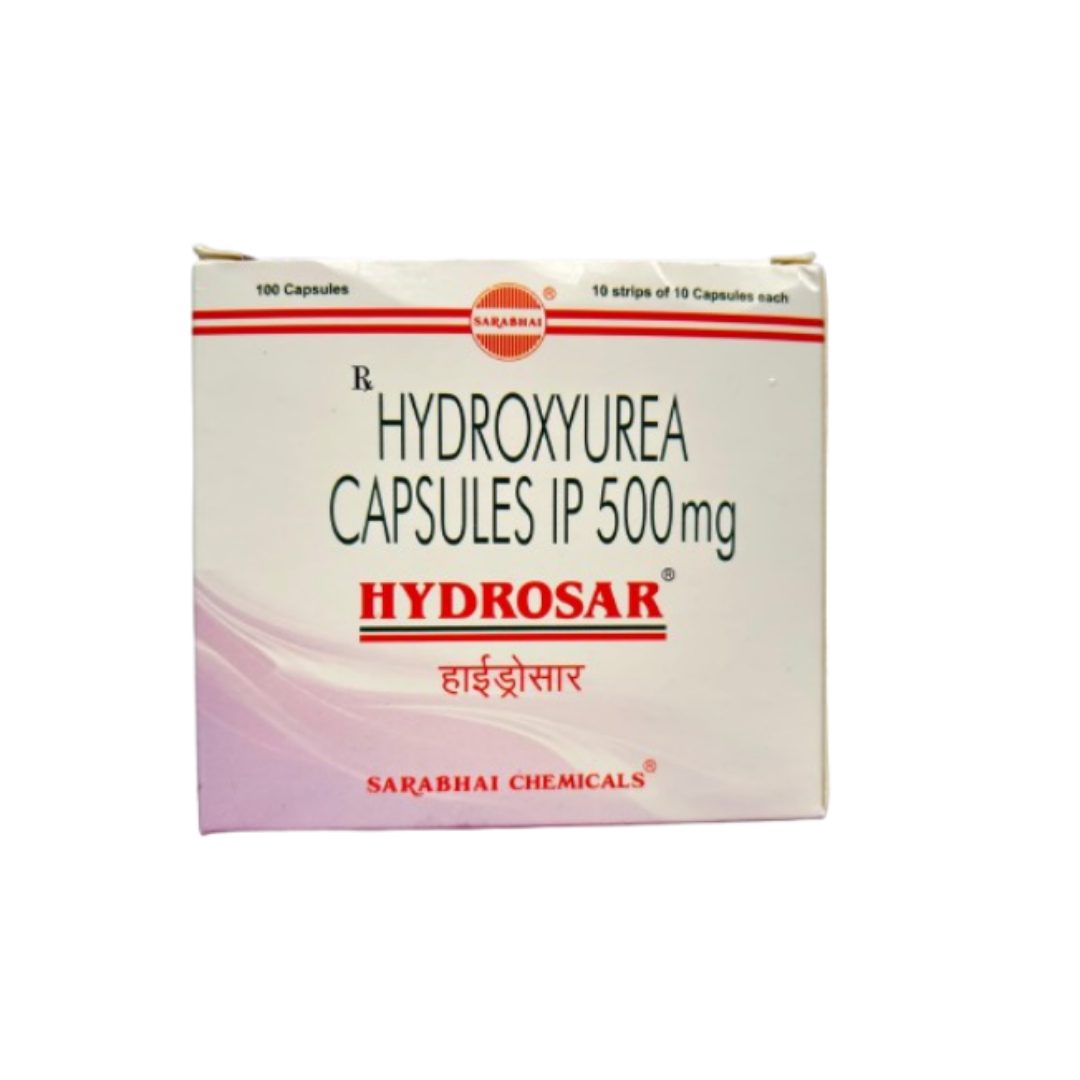
HYDROSAR Capsules
-
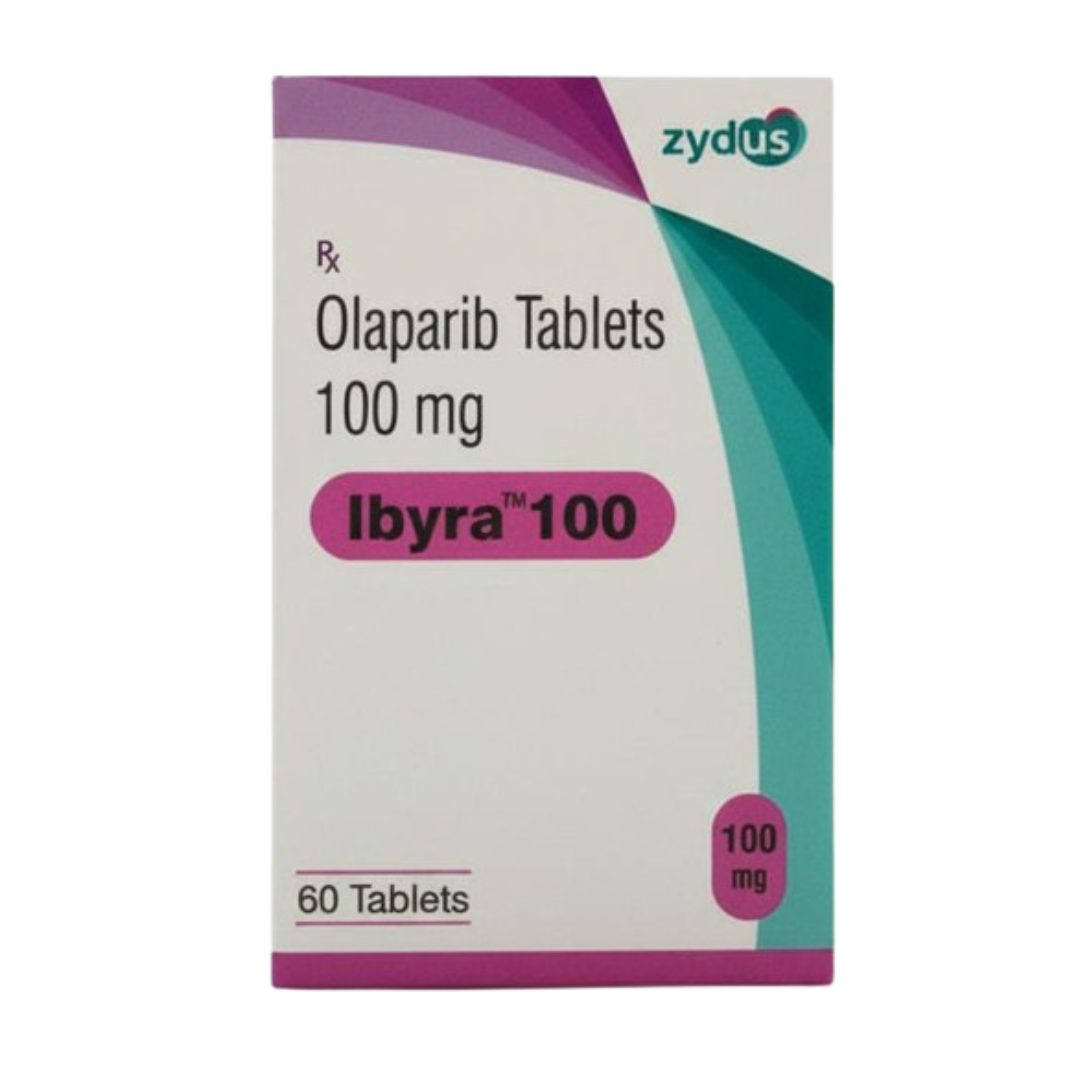
Ibyra 100 mg Tablets
-
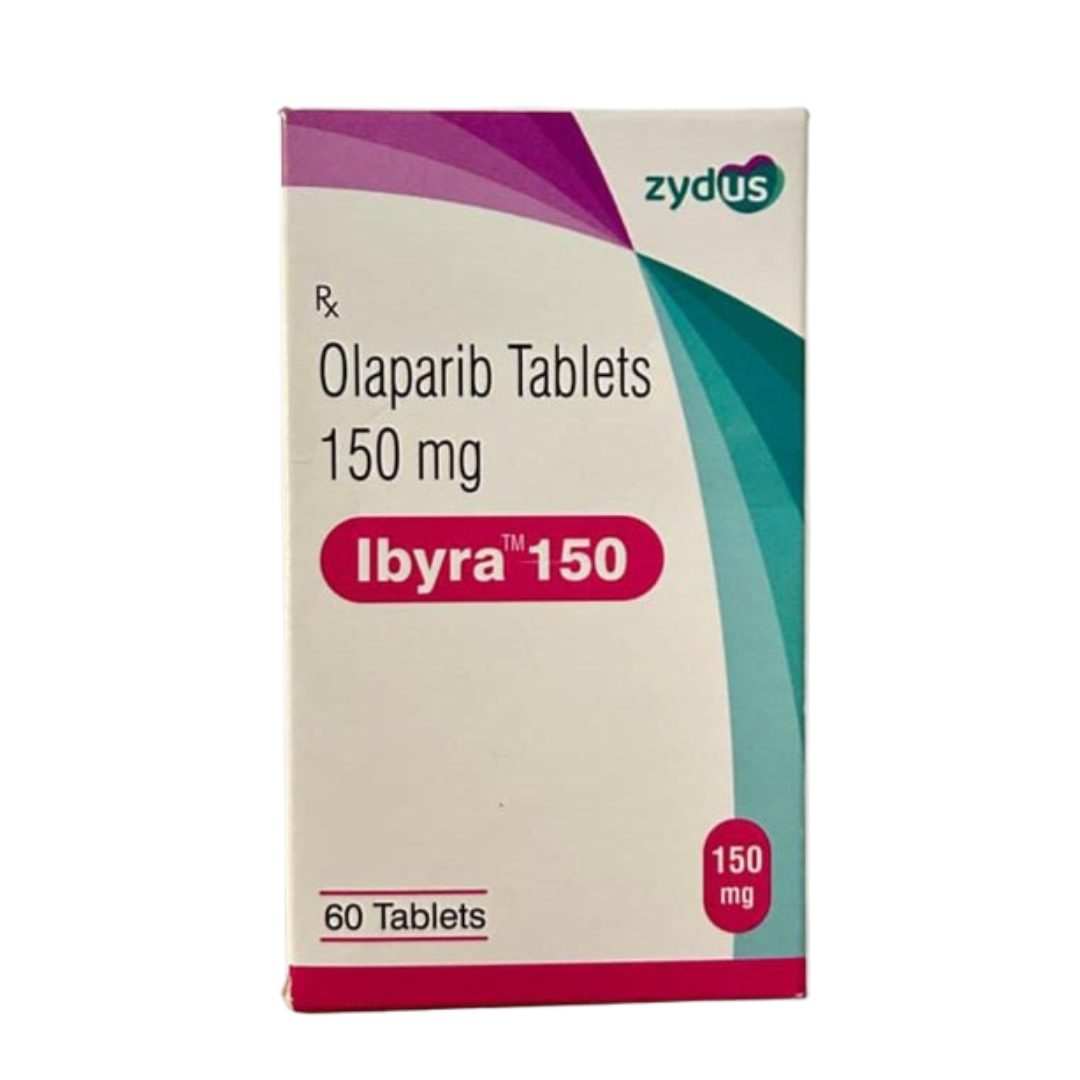
Ibyra 150 Tablets
-
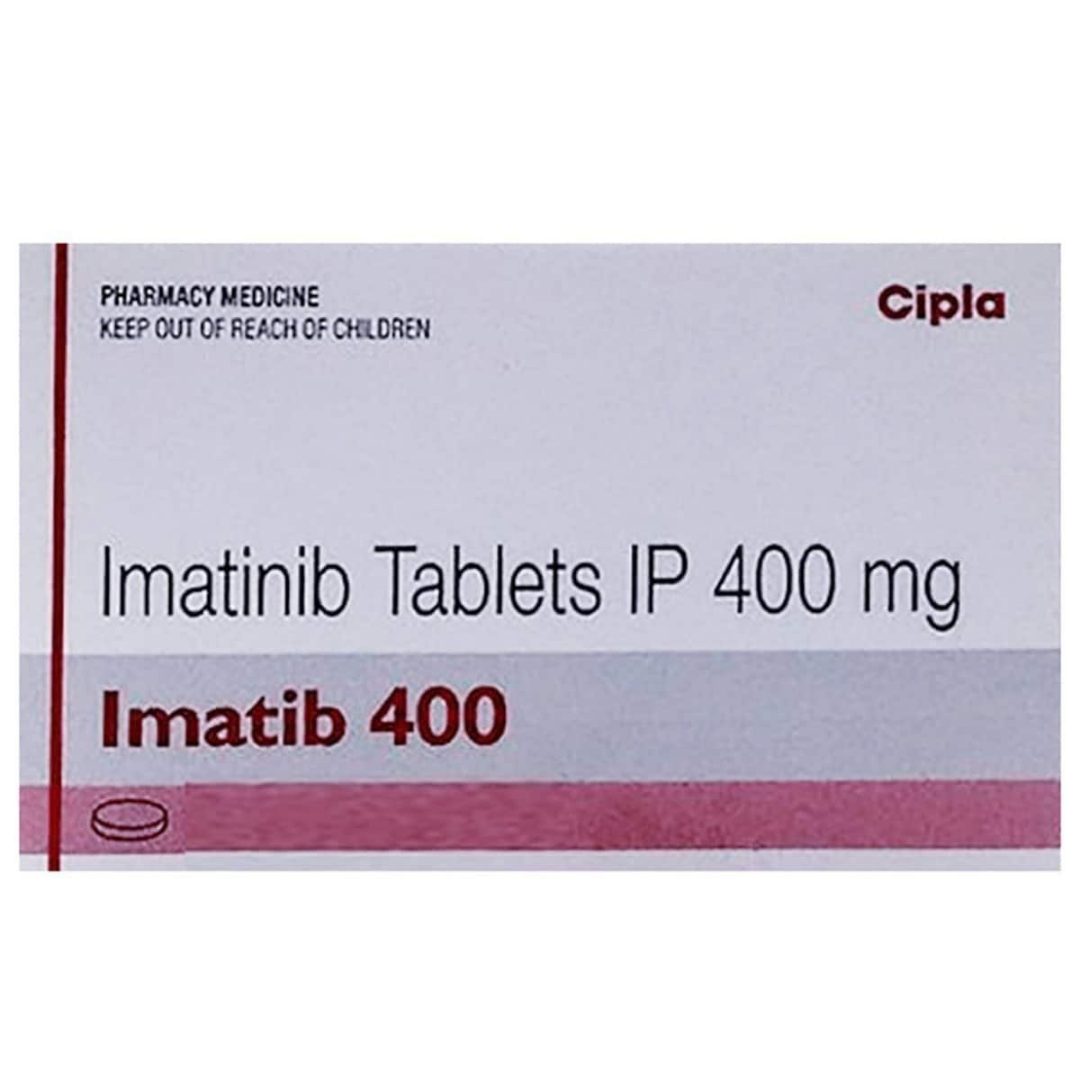
Imatib 400 Tablets
-
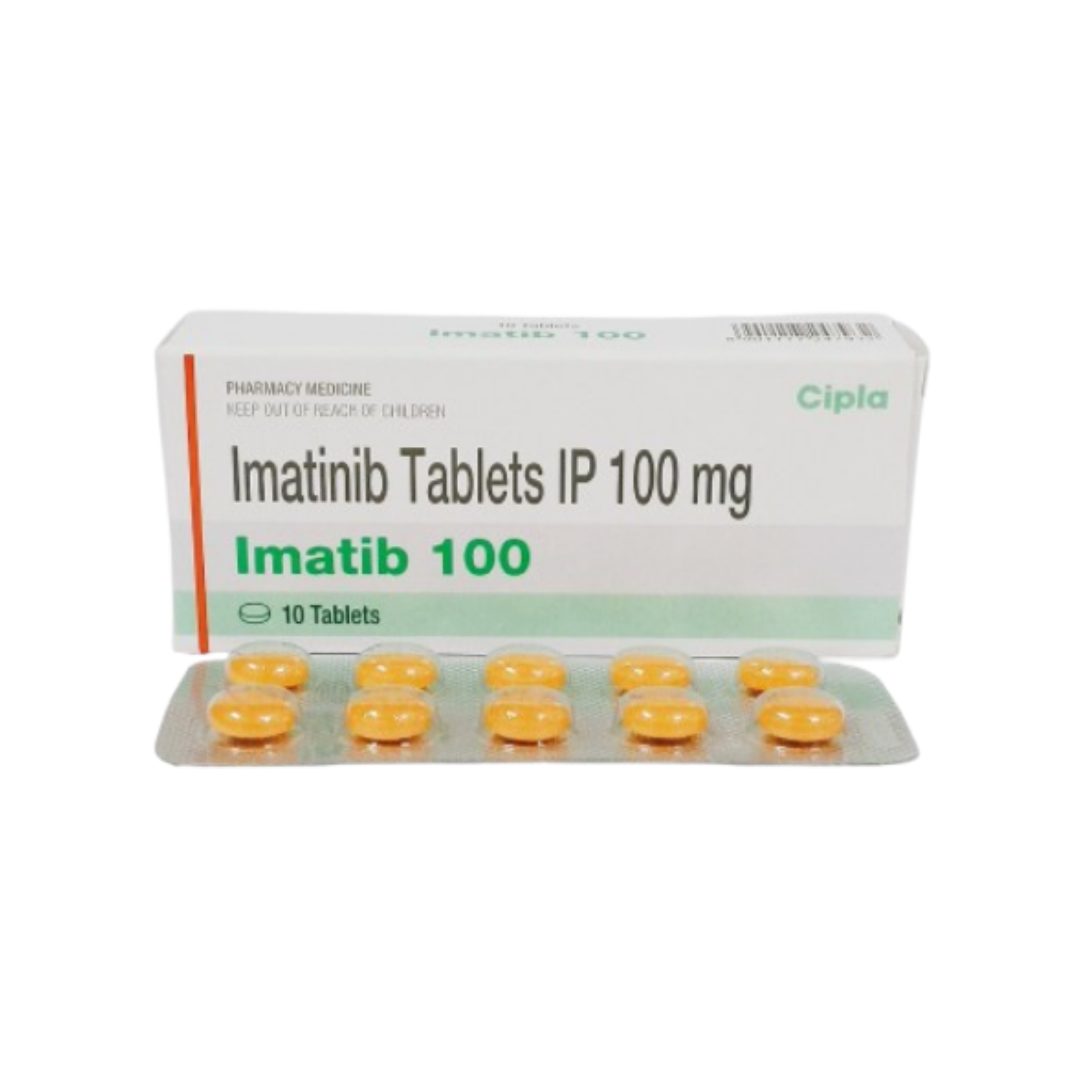
Imatib 100 Tablets
-
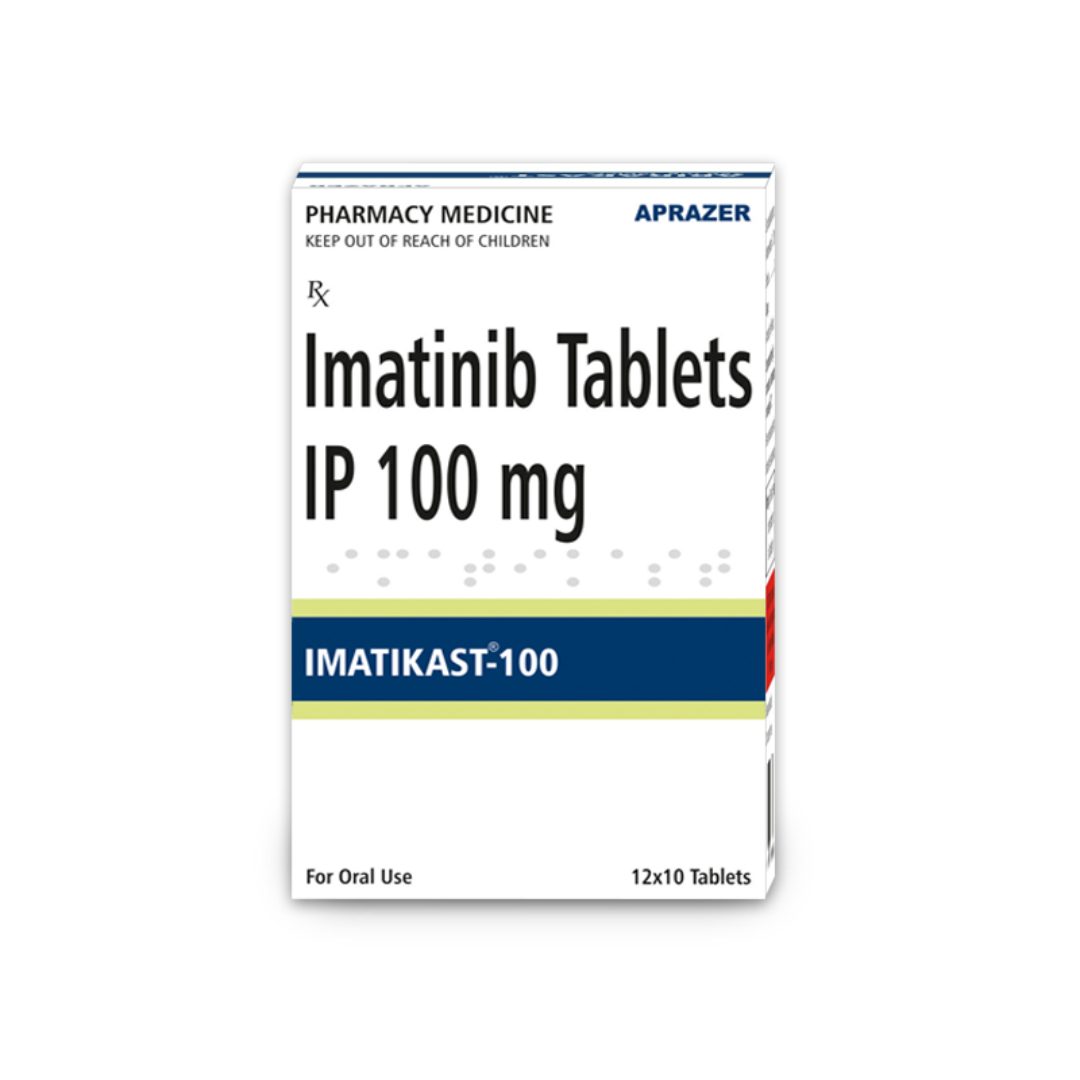
Imatikast 100 mg Tablets
-
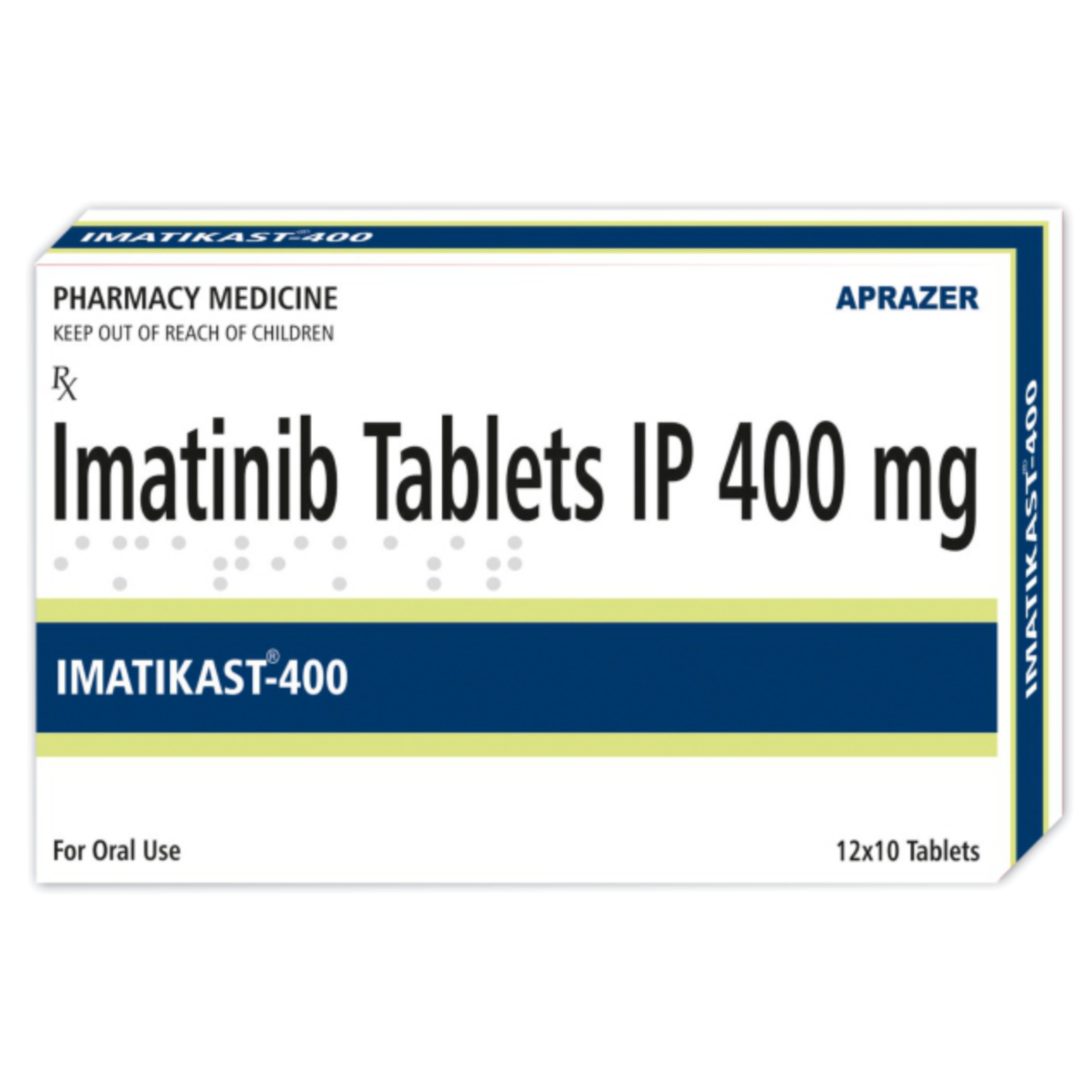
Imatikast 400 mg Tablets
-
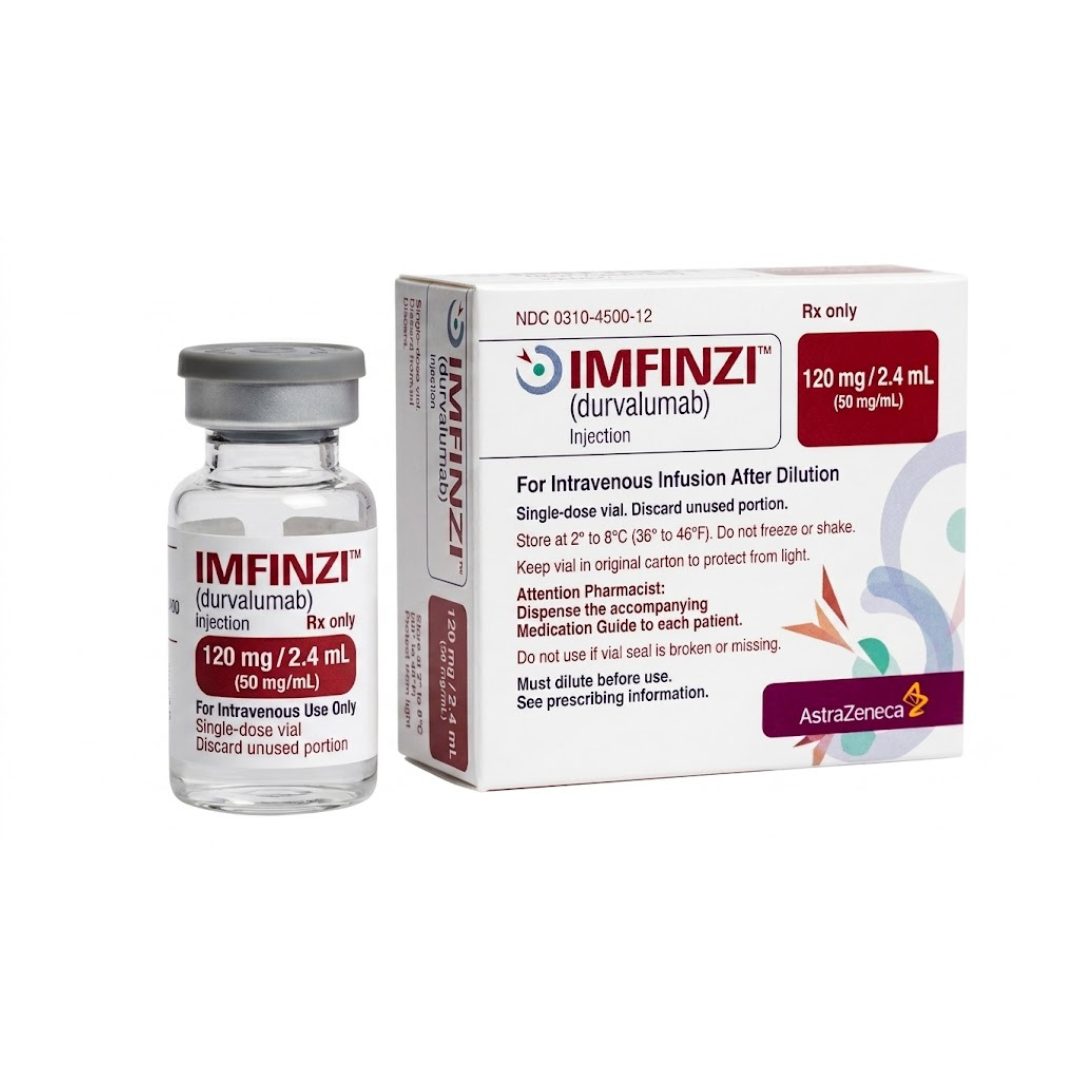
IMFINZI 120 mg injection
-
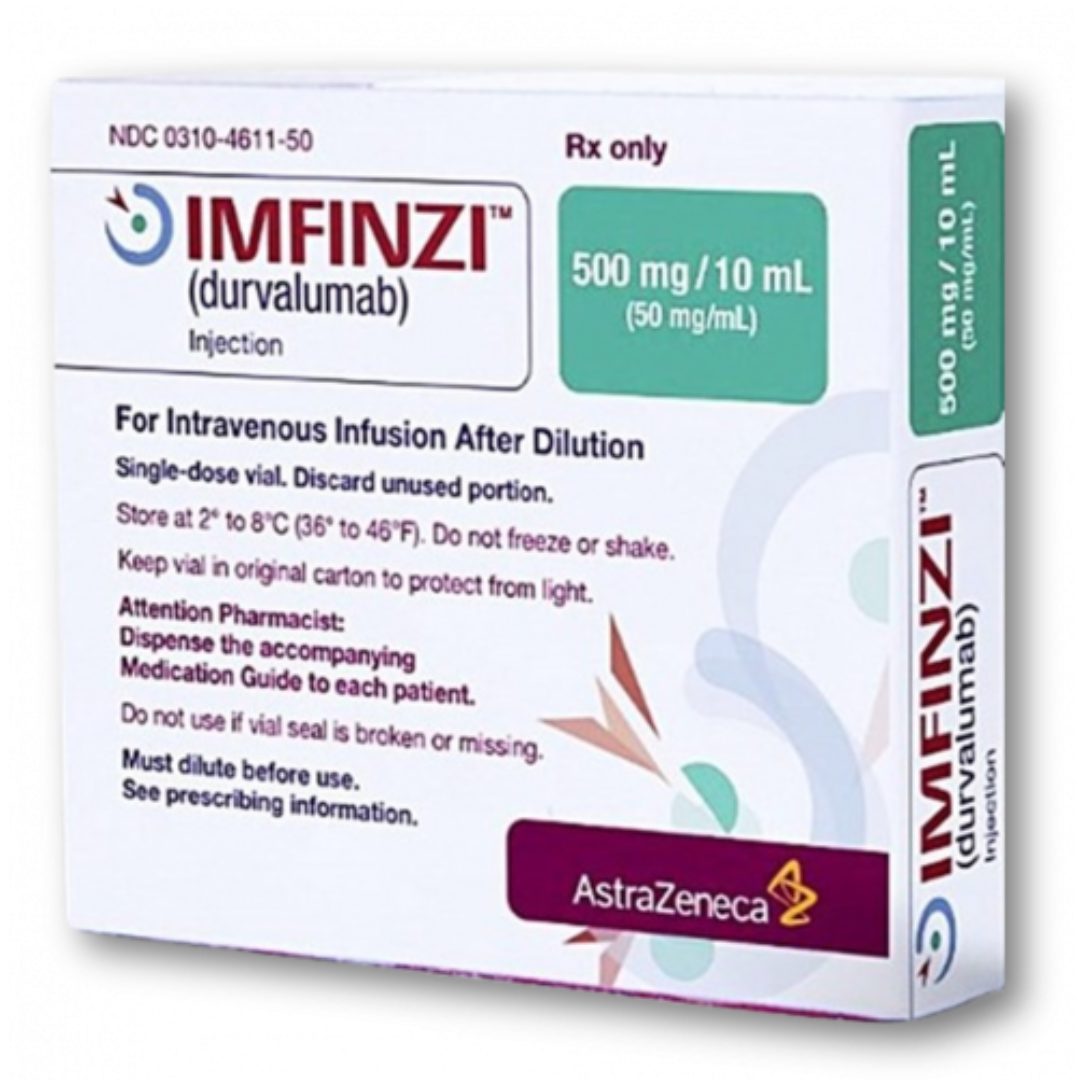
IMFINZI 500 mg Injection
-
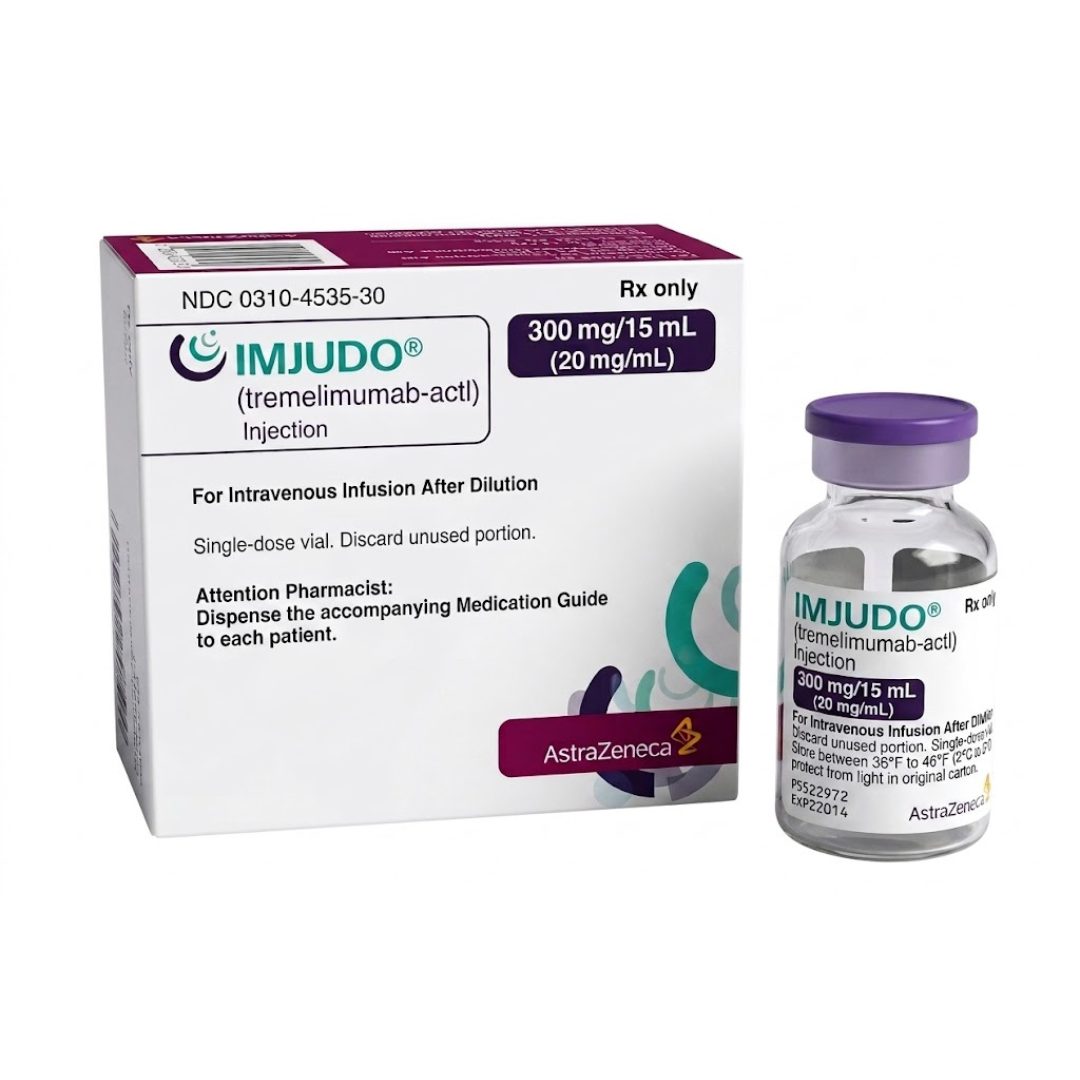
IMJUDO 300 mg
-
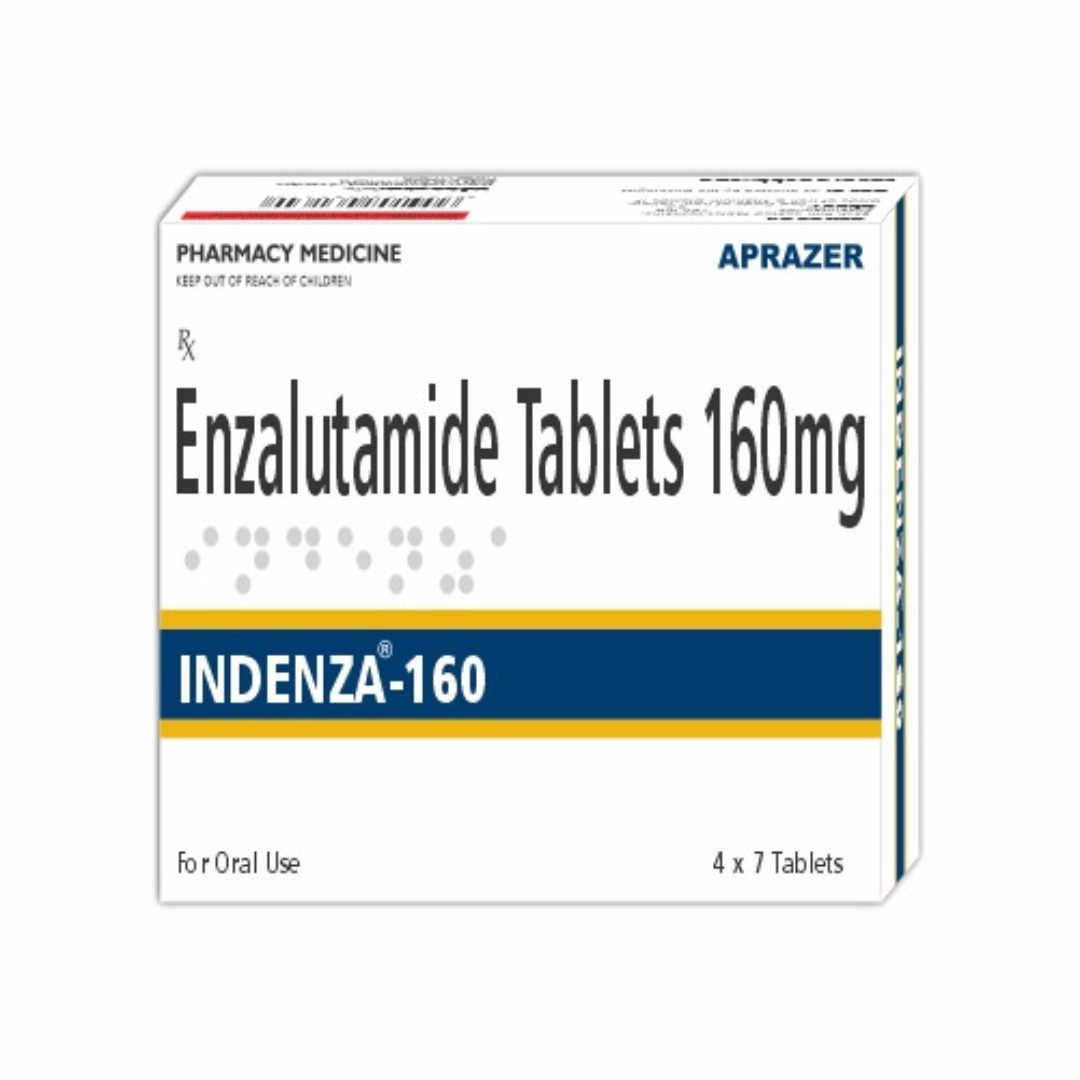
INDENZA-160 Tablets
-
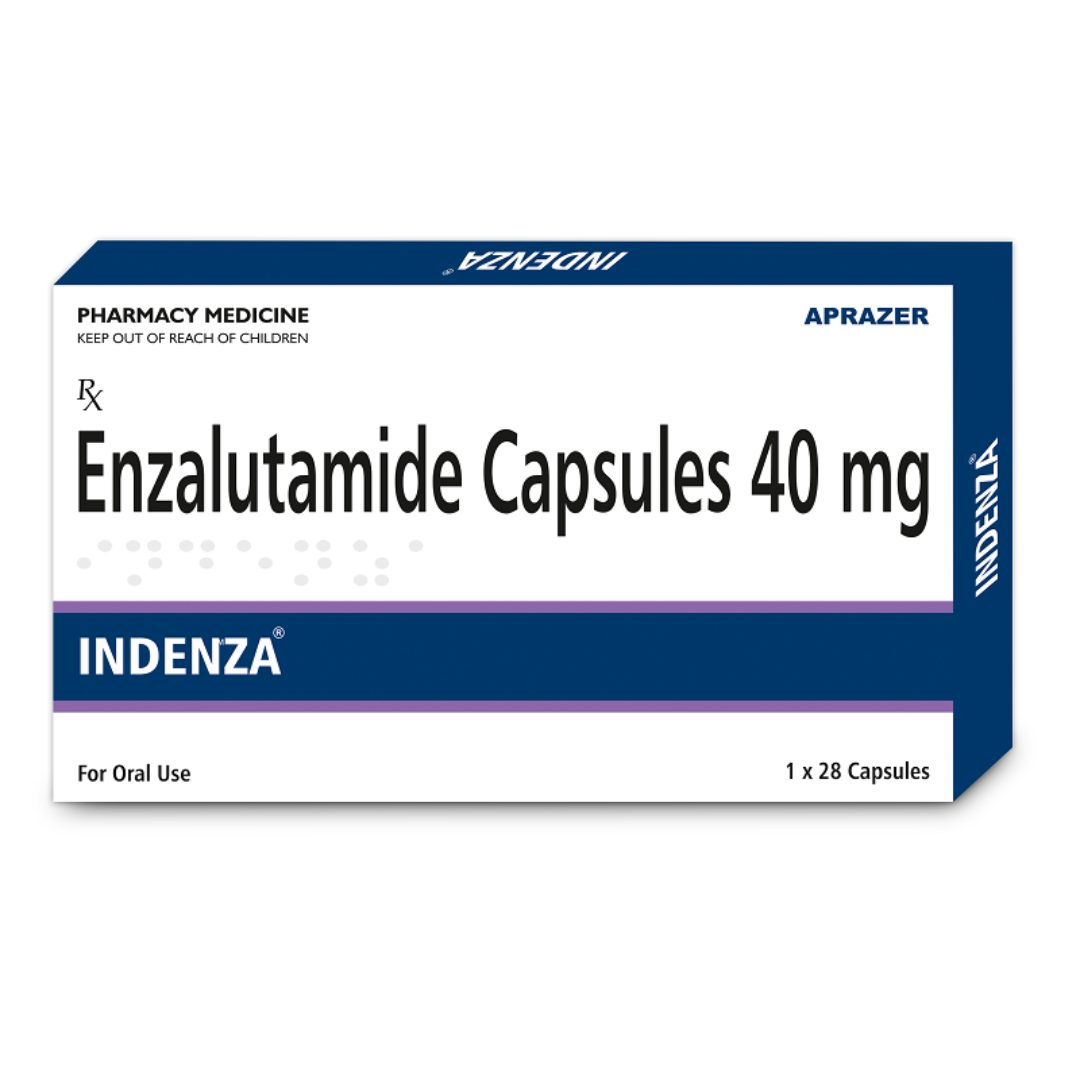
INDENZA 40 Capsules
-
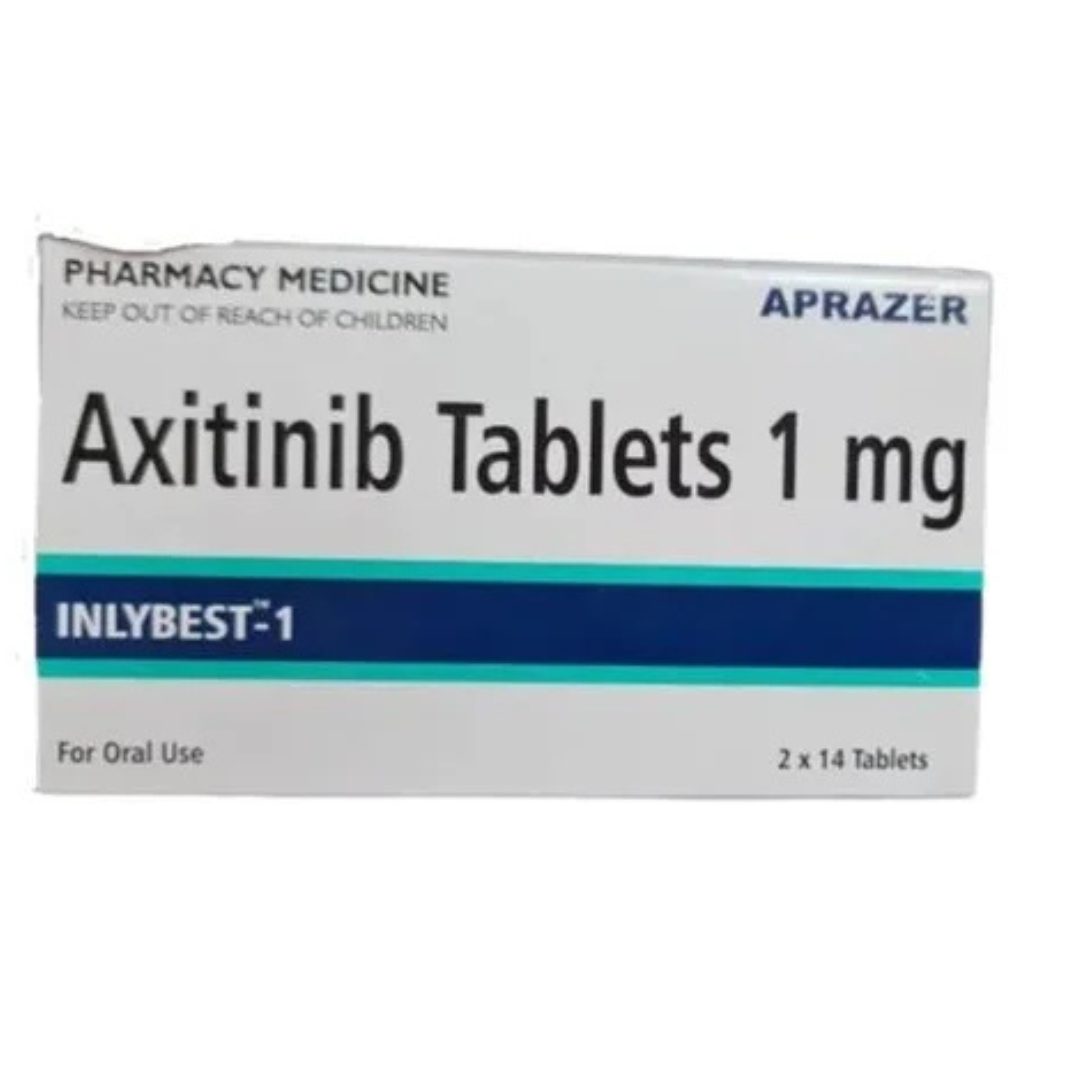
INLYBEST-1 Tablets
-
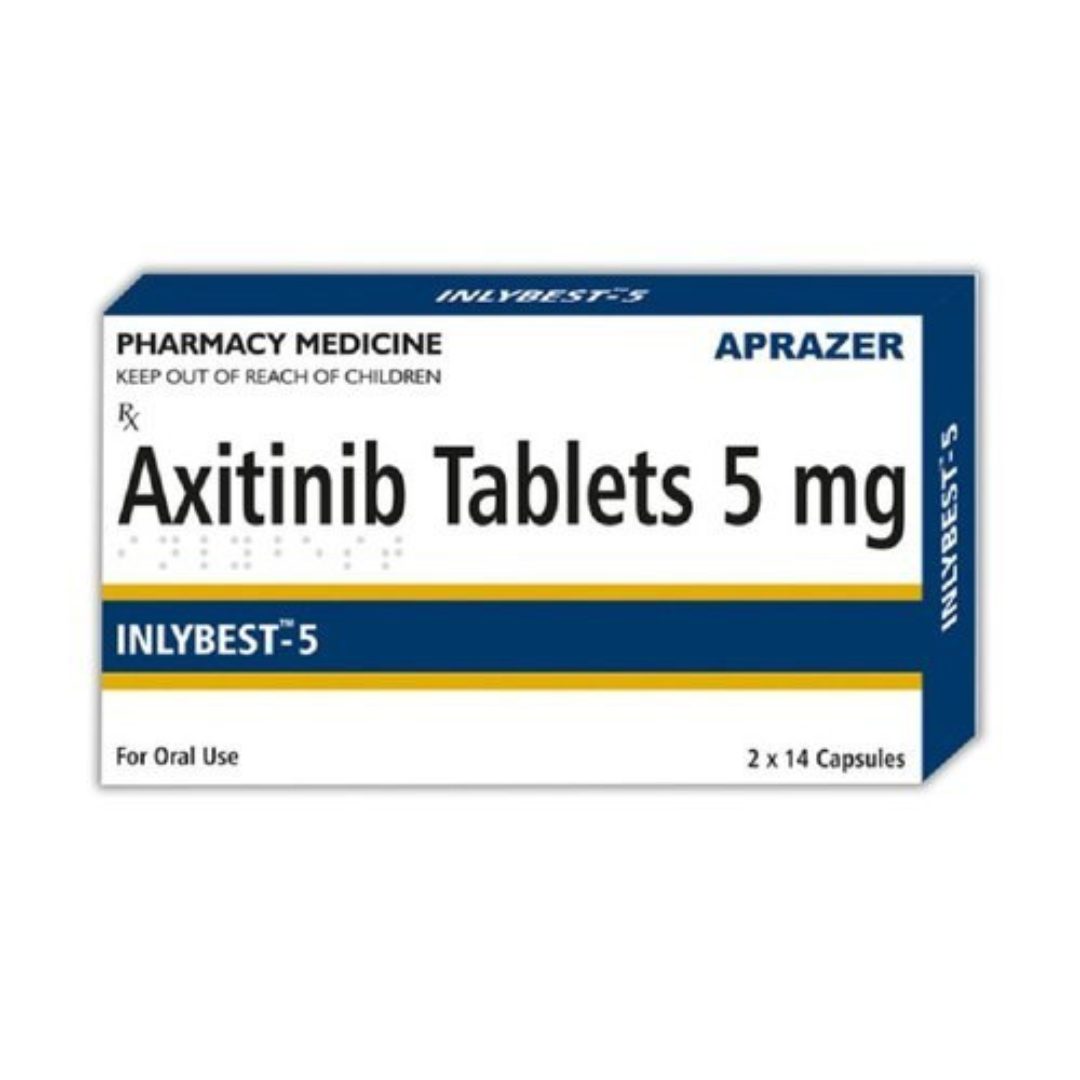
INLYBEST-5 Tablets
-
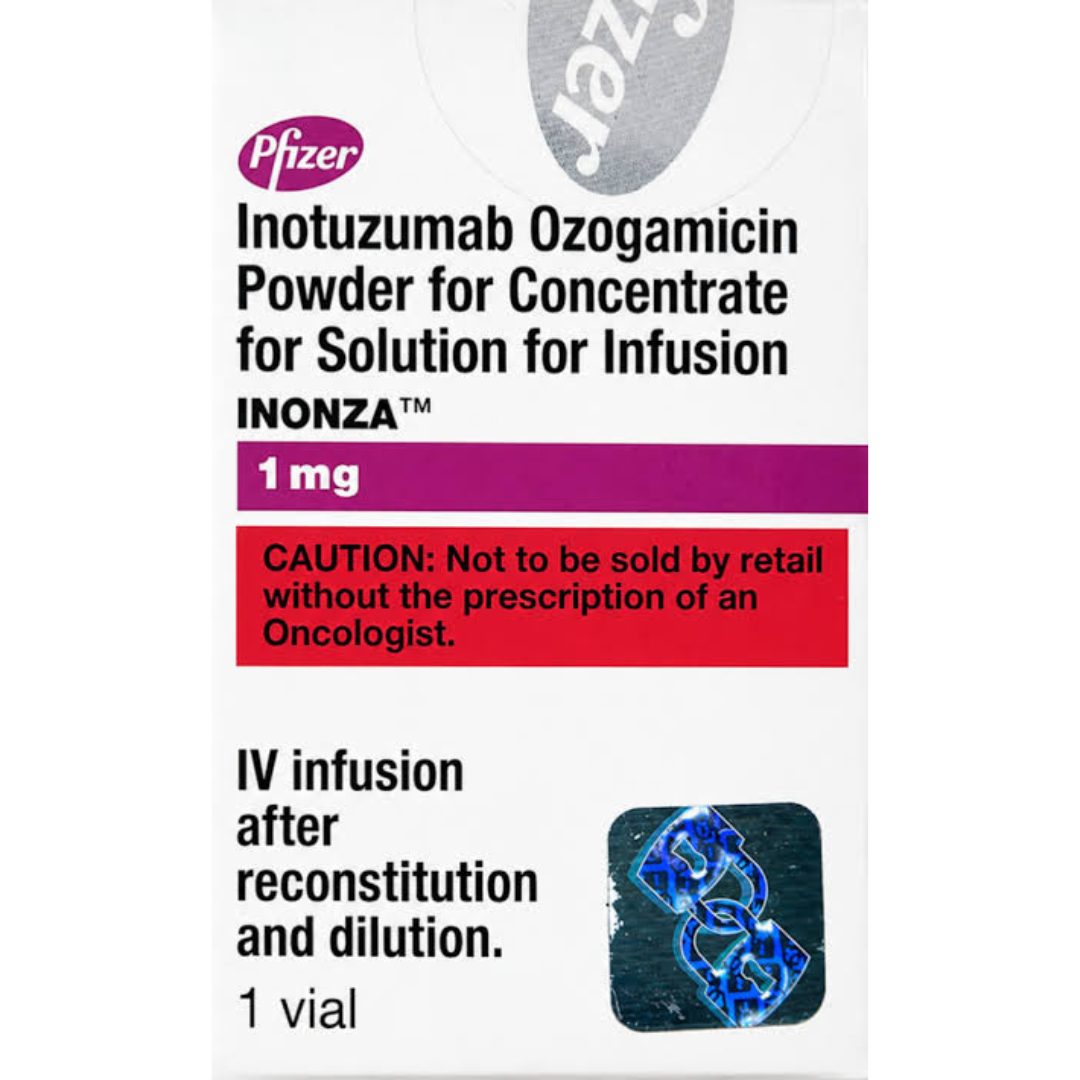
INONZA 1 mg
-
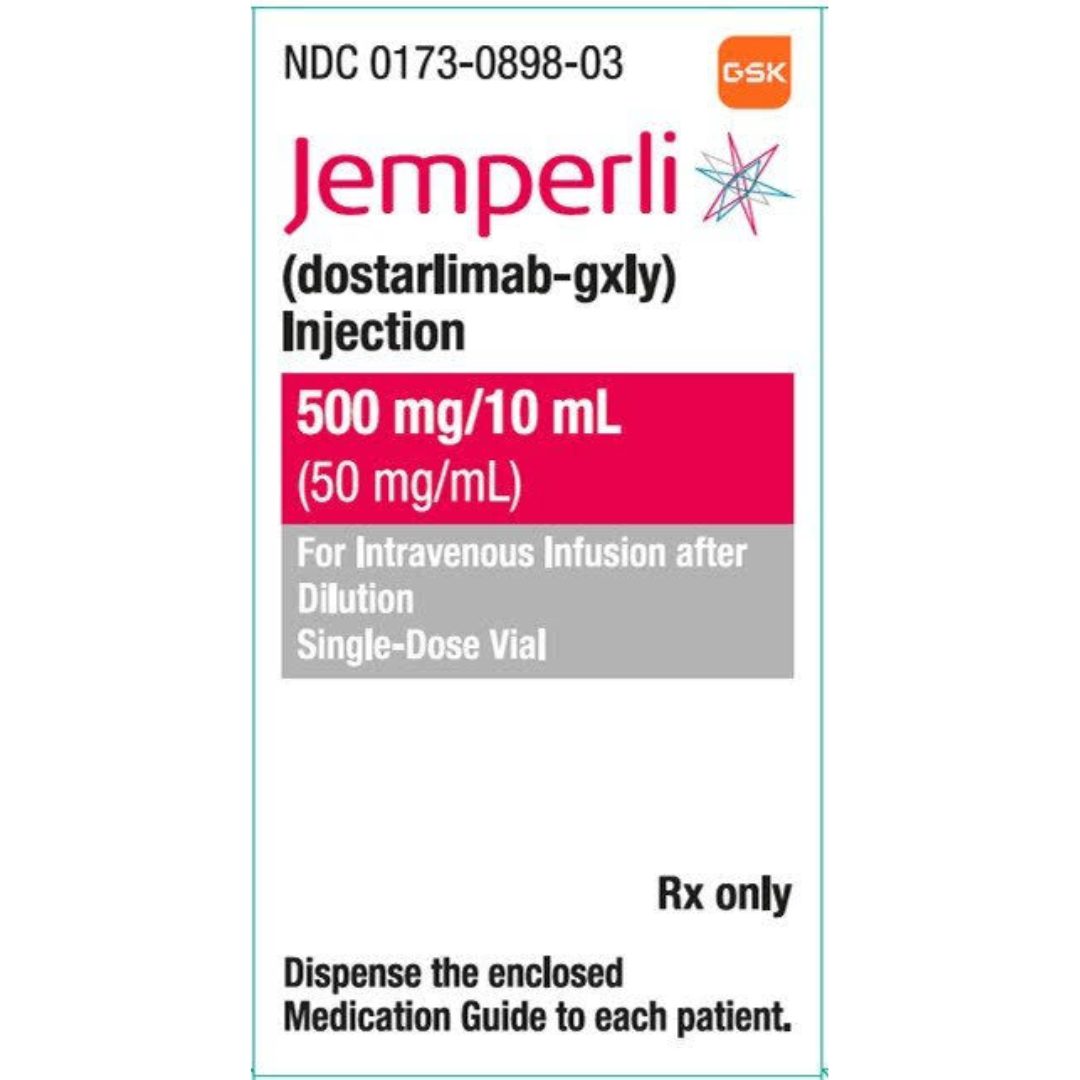
Jemperli 500 mg Injection
-
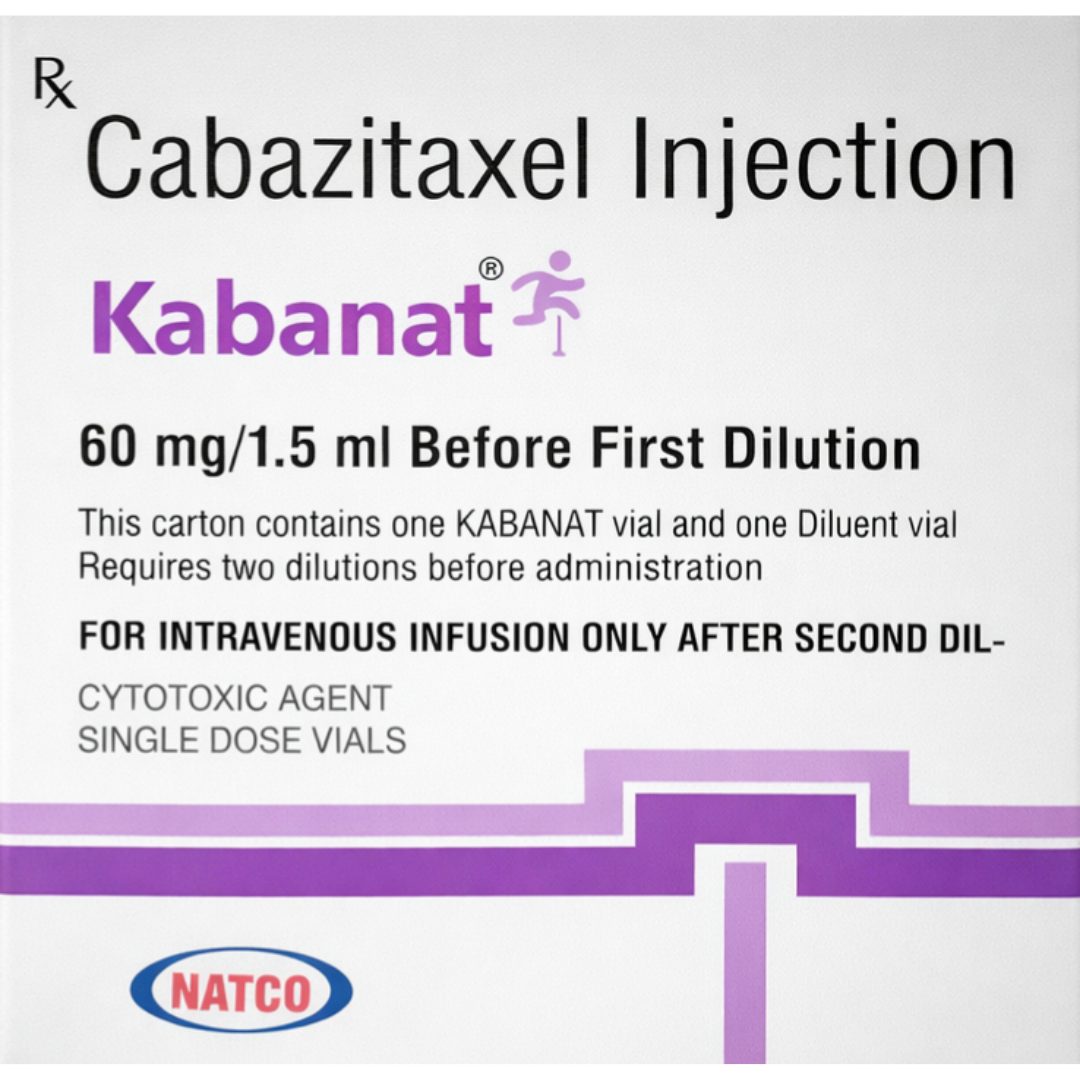
Kabanat 60 mg Injection
-
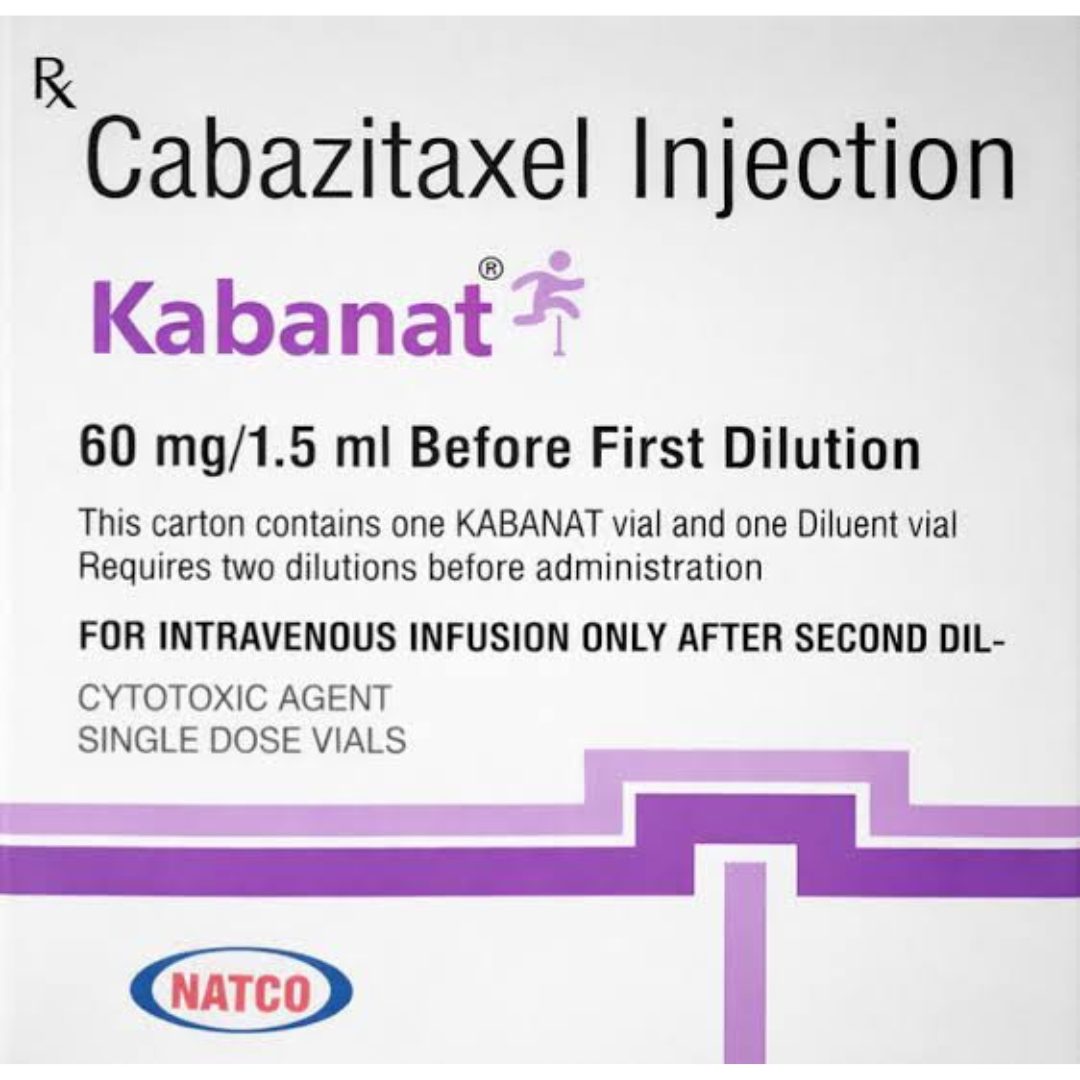
Kabanat 60mg Injection
-
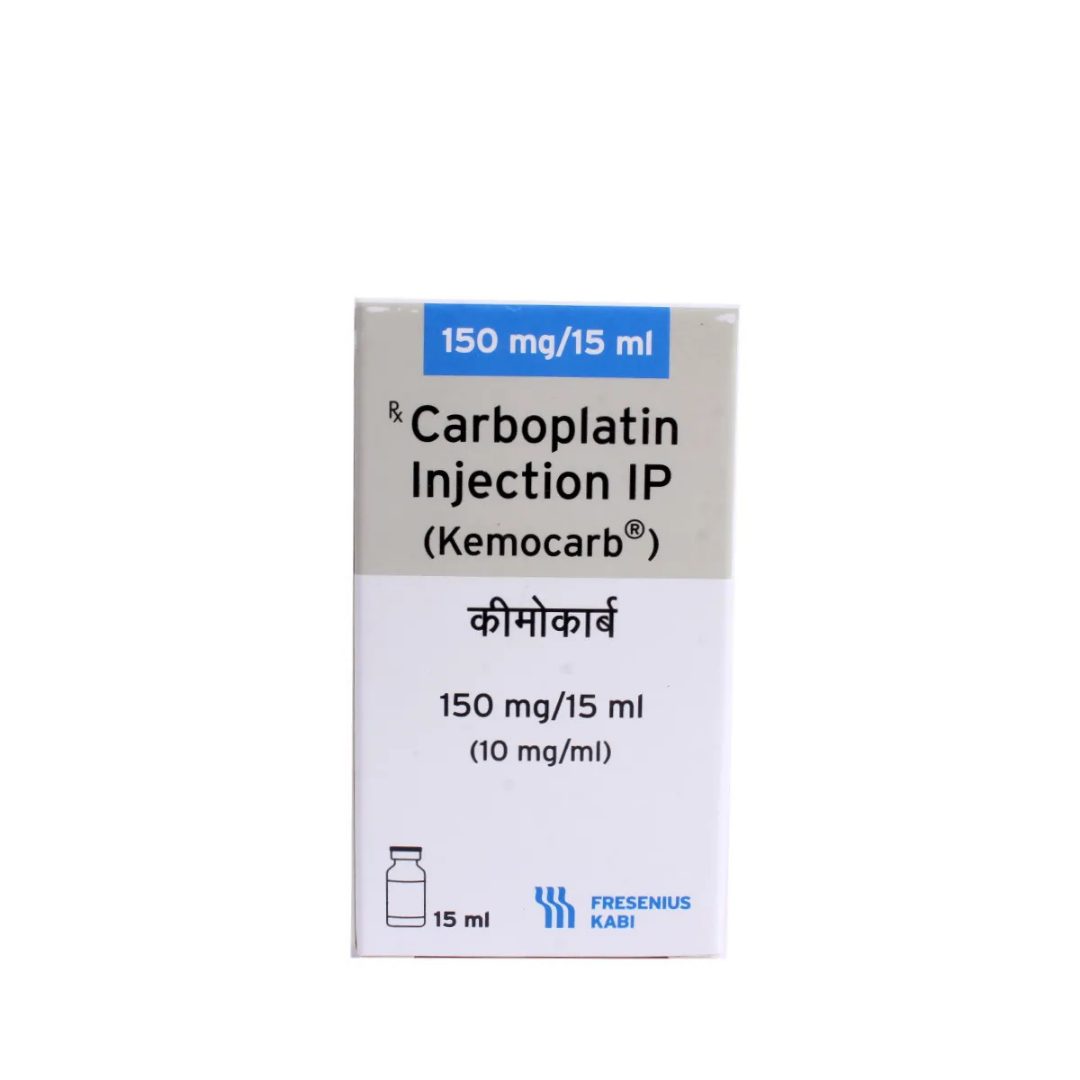
Kemocarb 150 mg injection
-
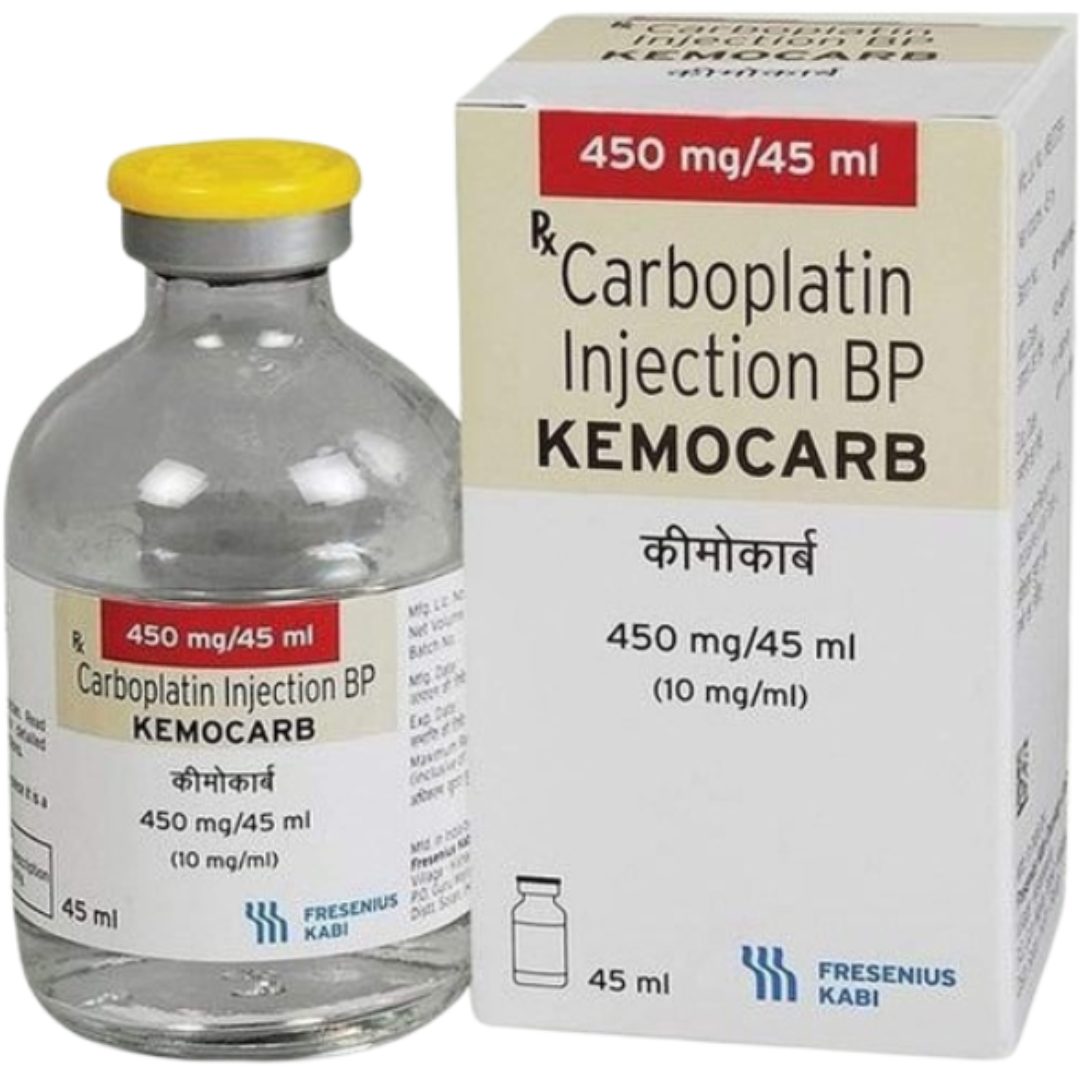
KEMOCARB 450 mg Injection
-

Keytruda 100MG
-
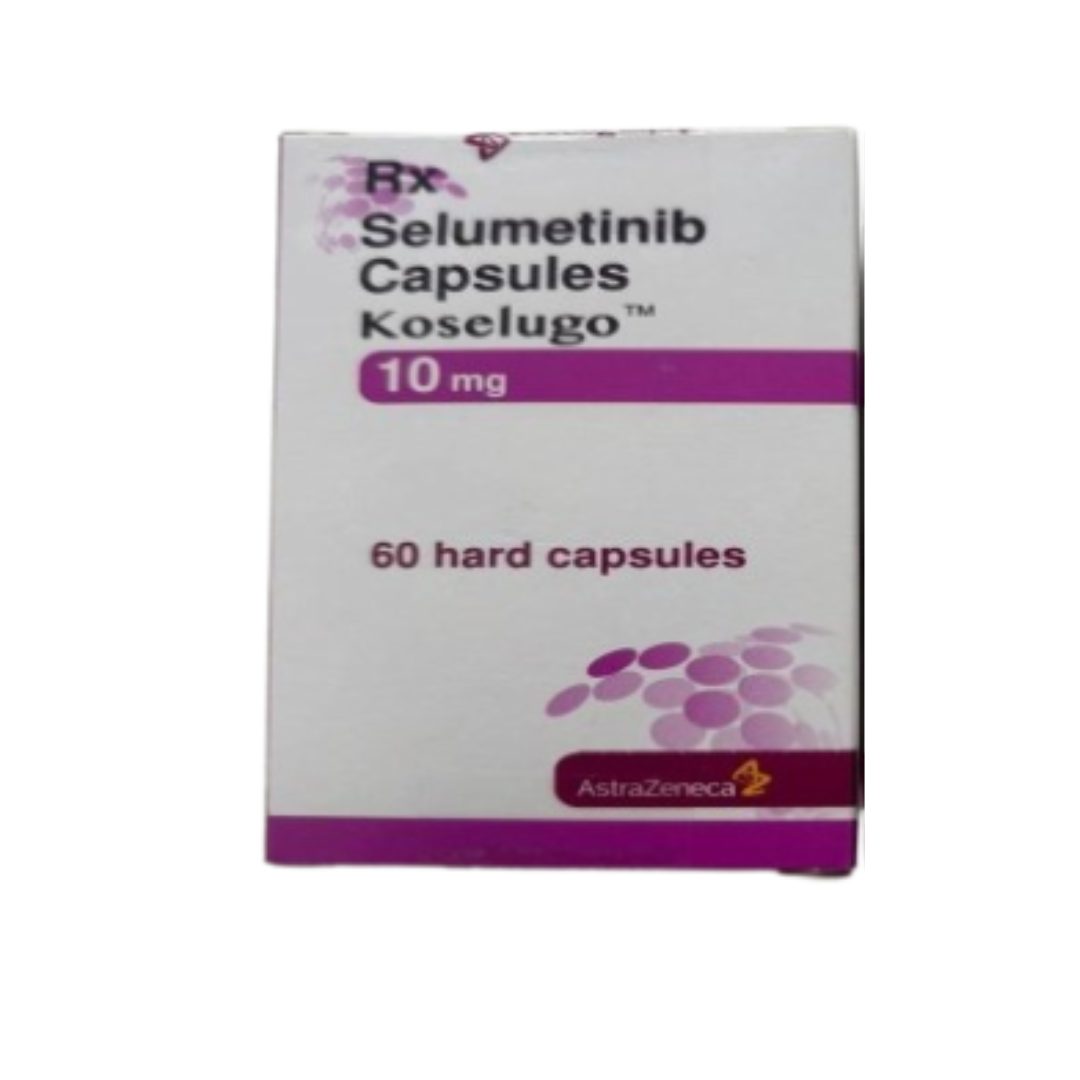
Koselugo 10 mg Capsules
-
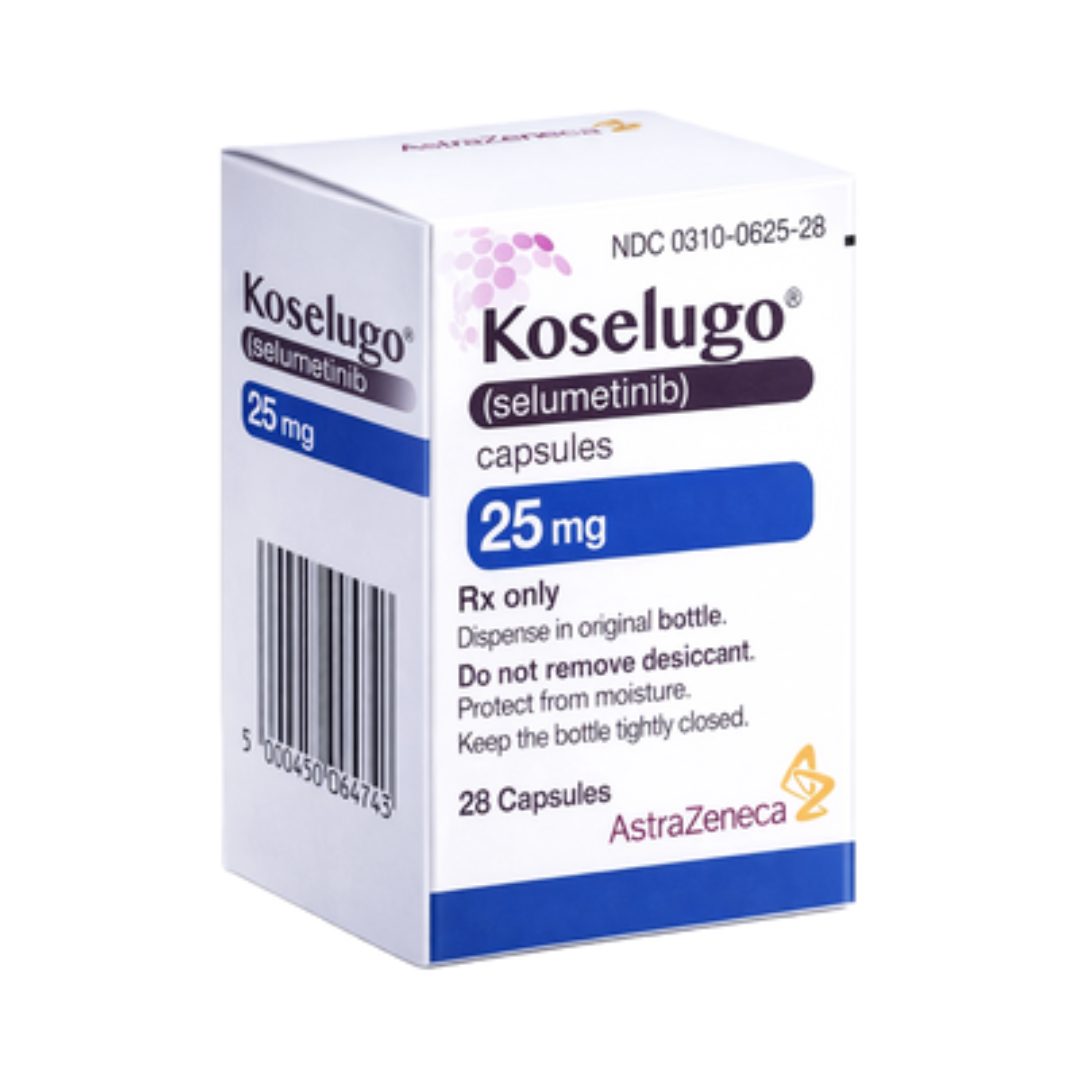
Koselugo 25mg Capsules
-
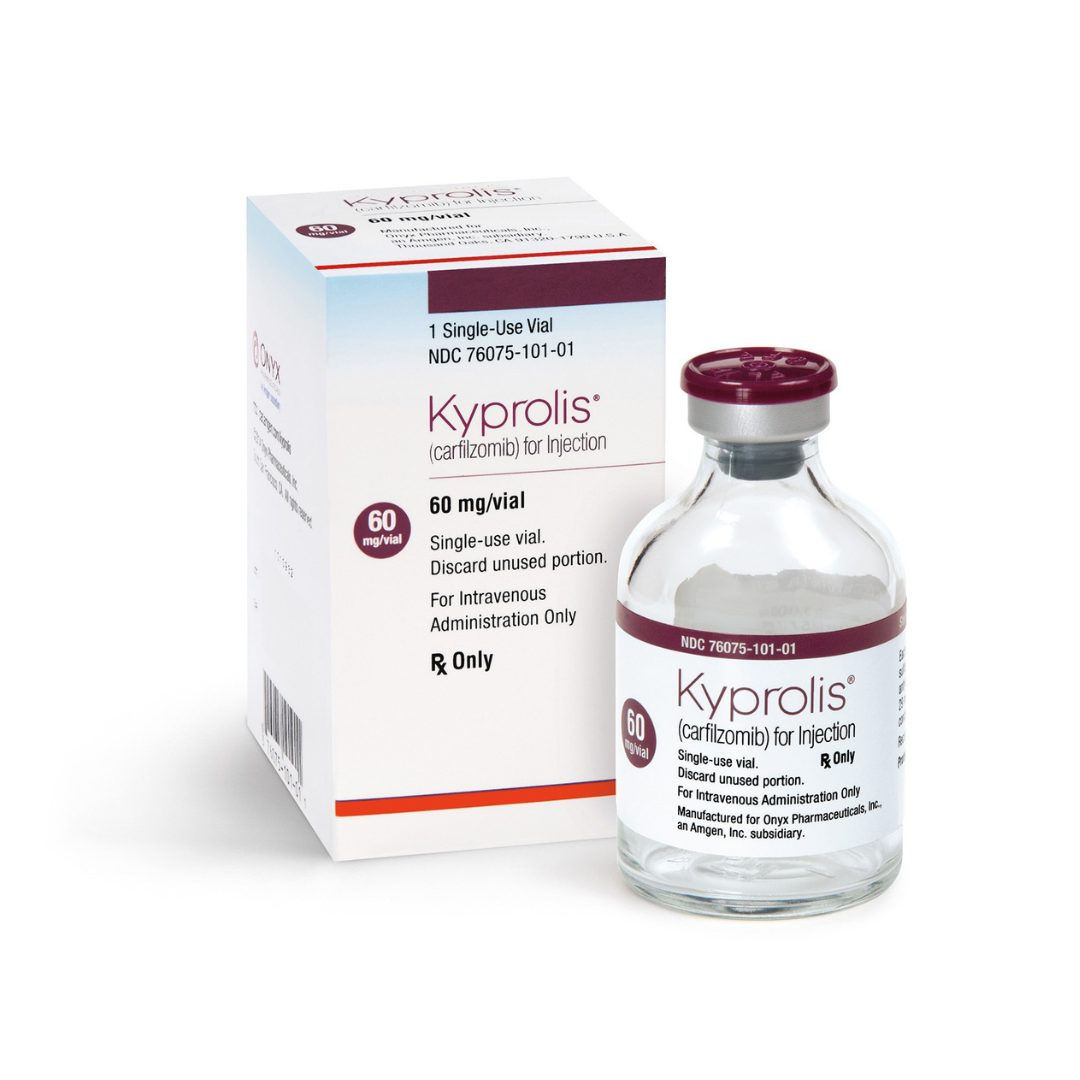
Kyprolis 60 mg Injection
-
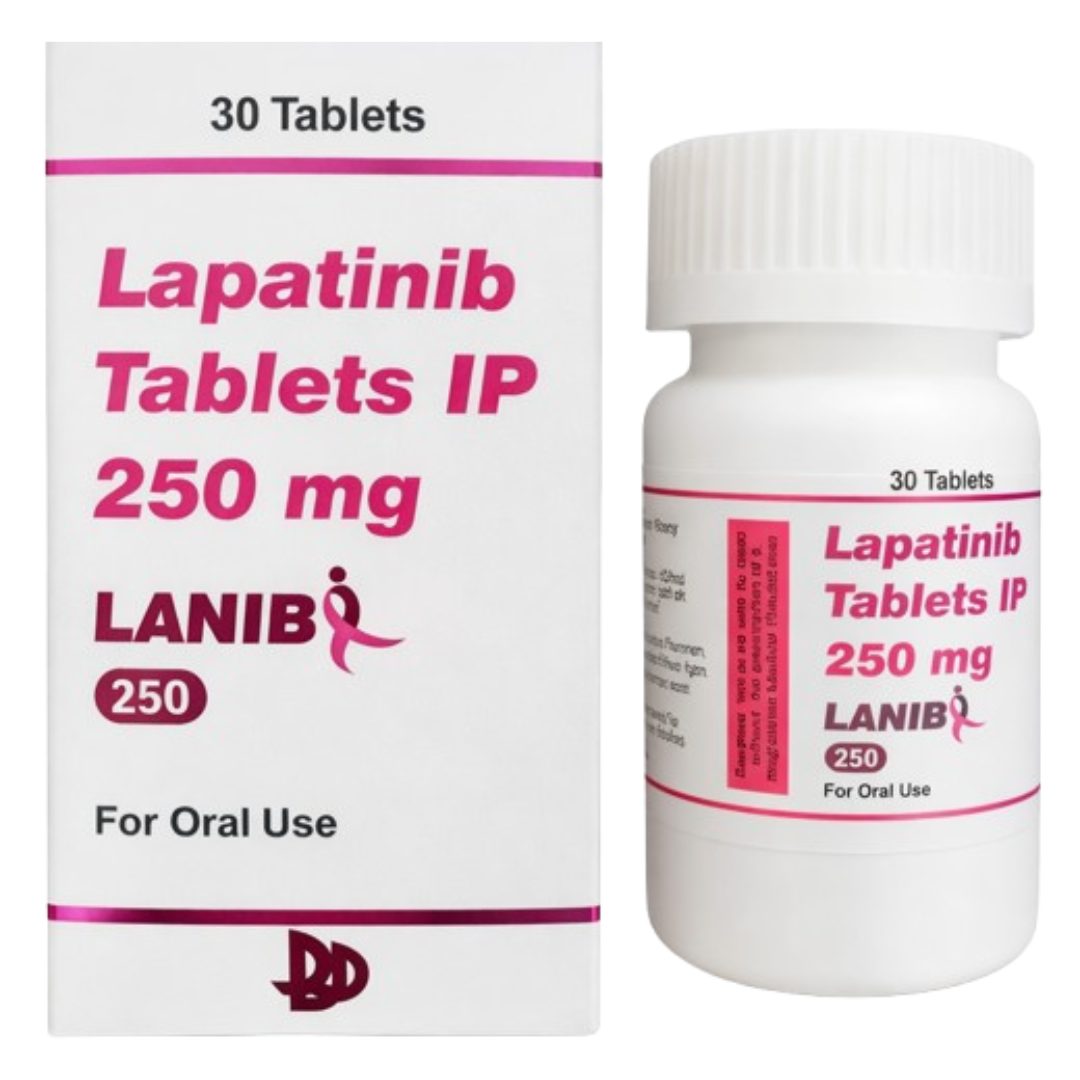
LANIB 250 Tablets
-
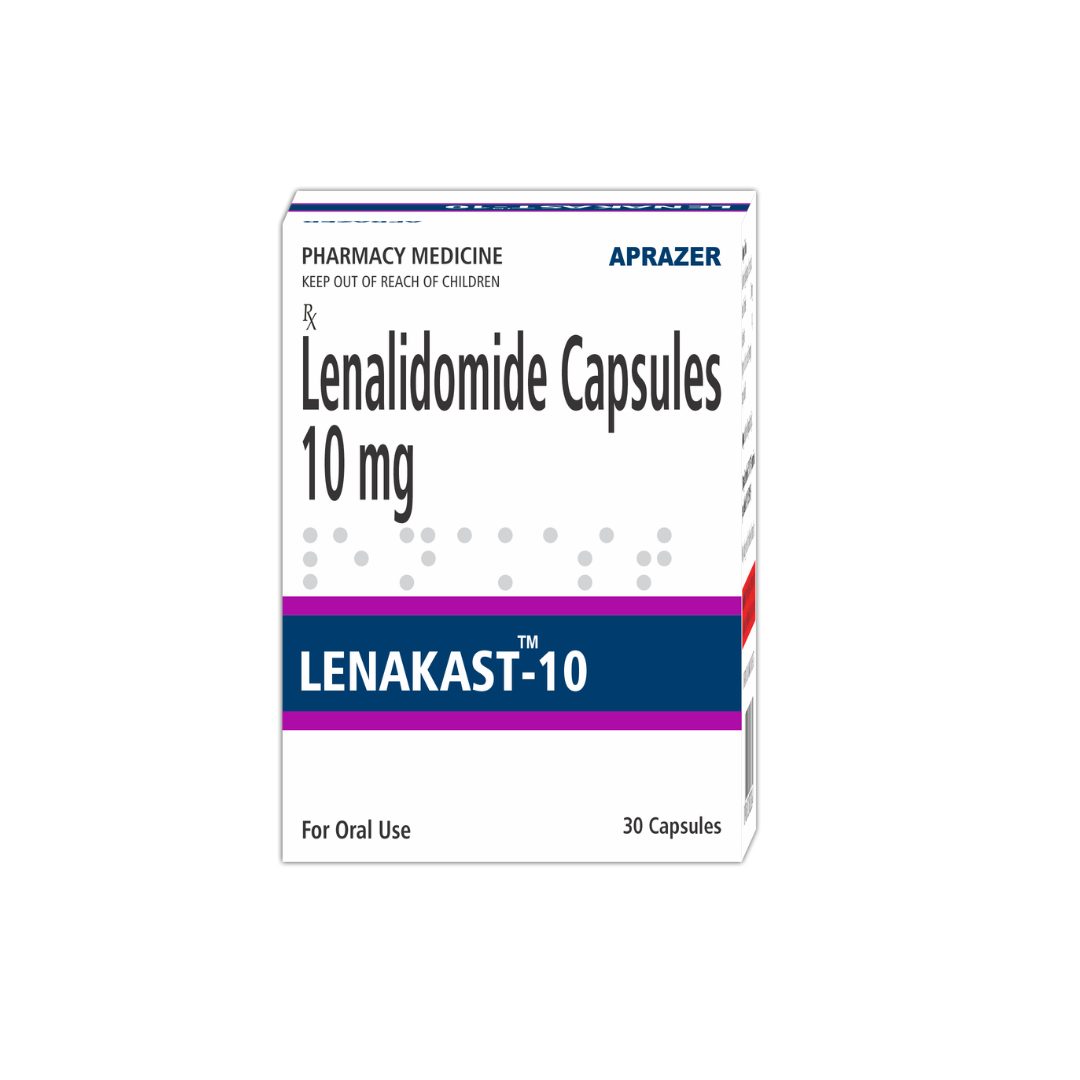
LENAKAST-10 Capsules
-
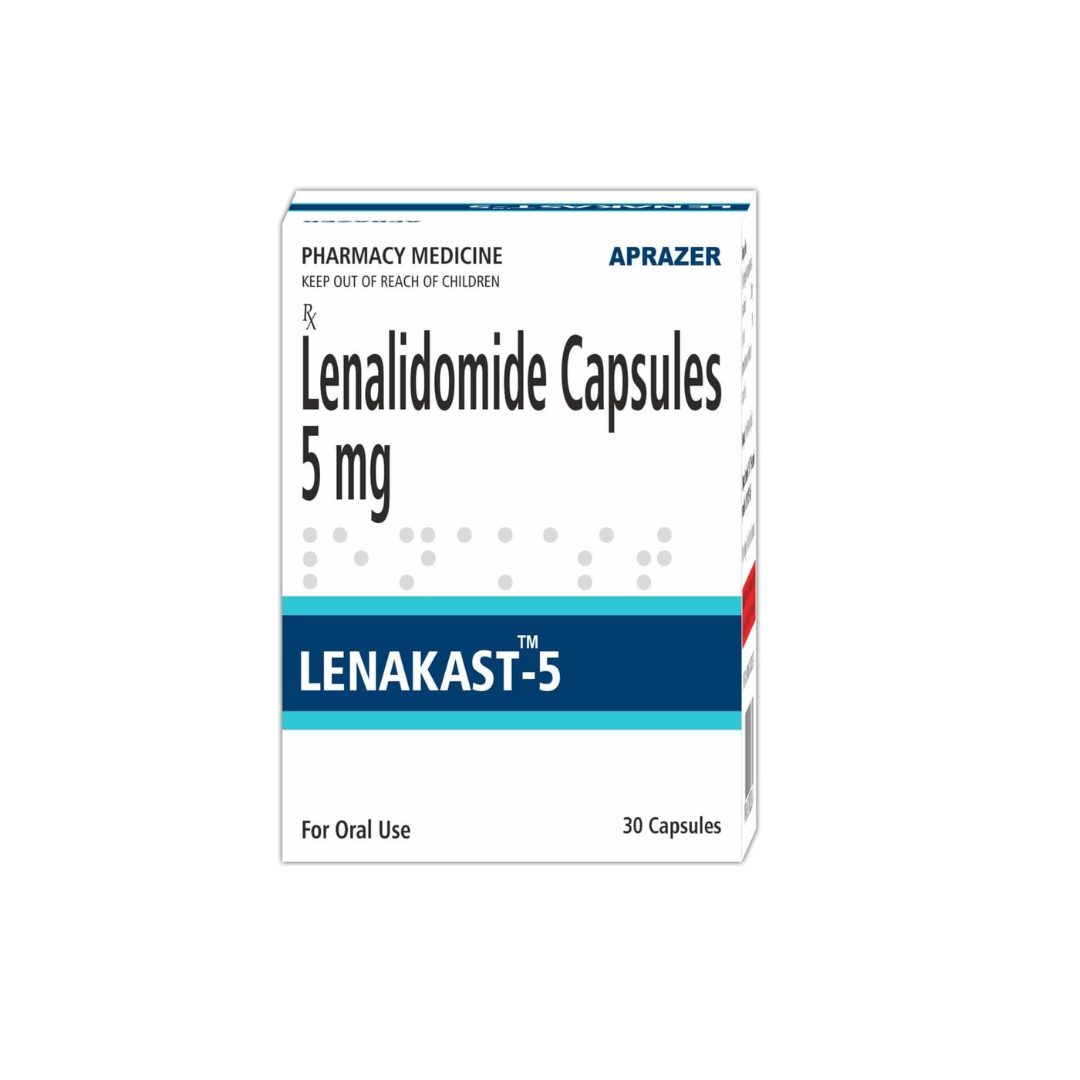
LENAKAST-5 Capsules
-
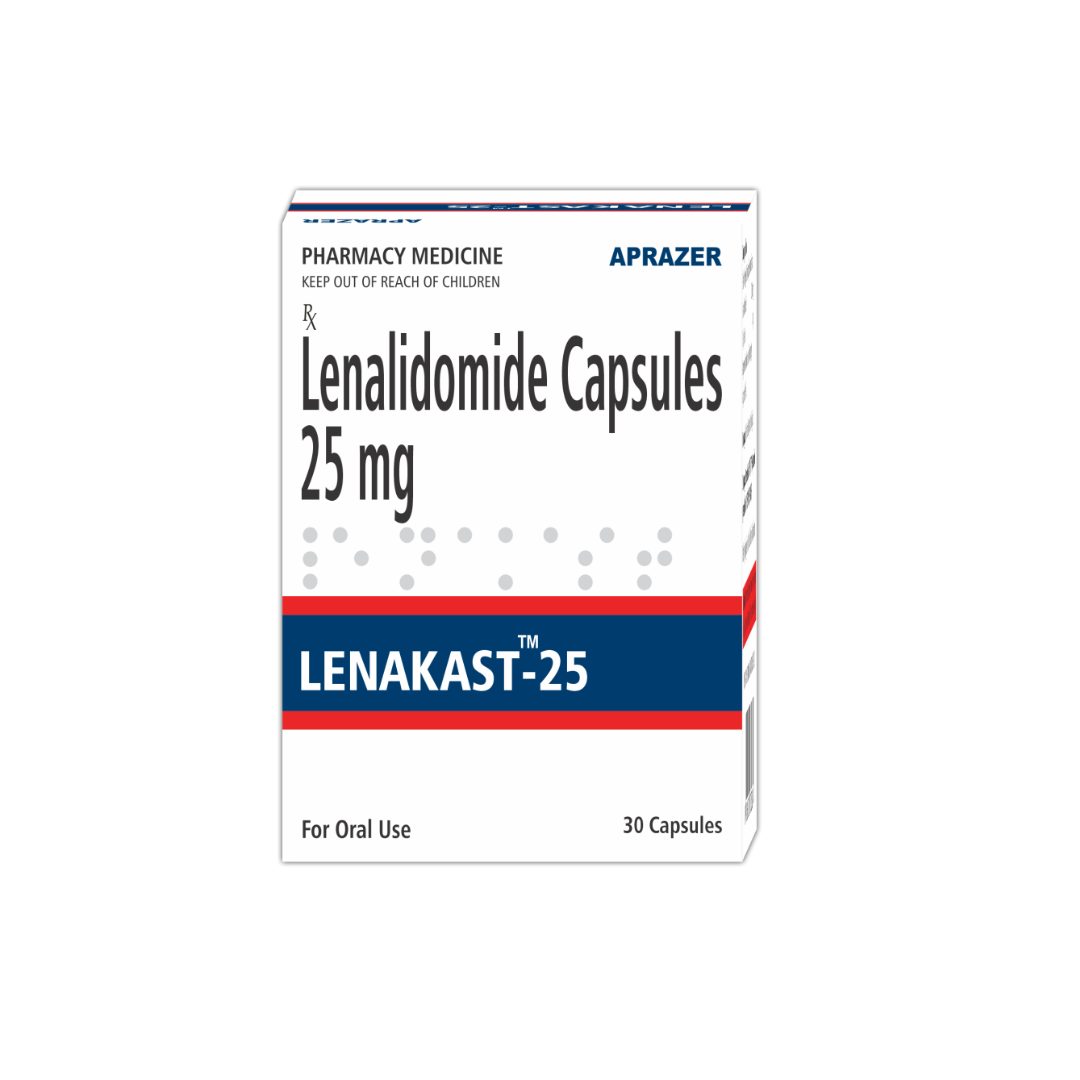
LENAKAST-25 Capsules
-
Lenangio 10 Capsule
-
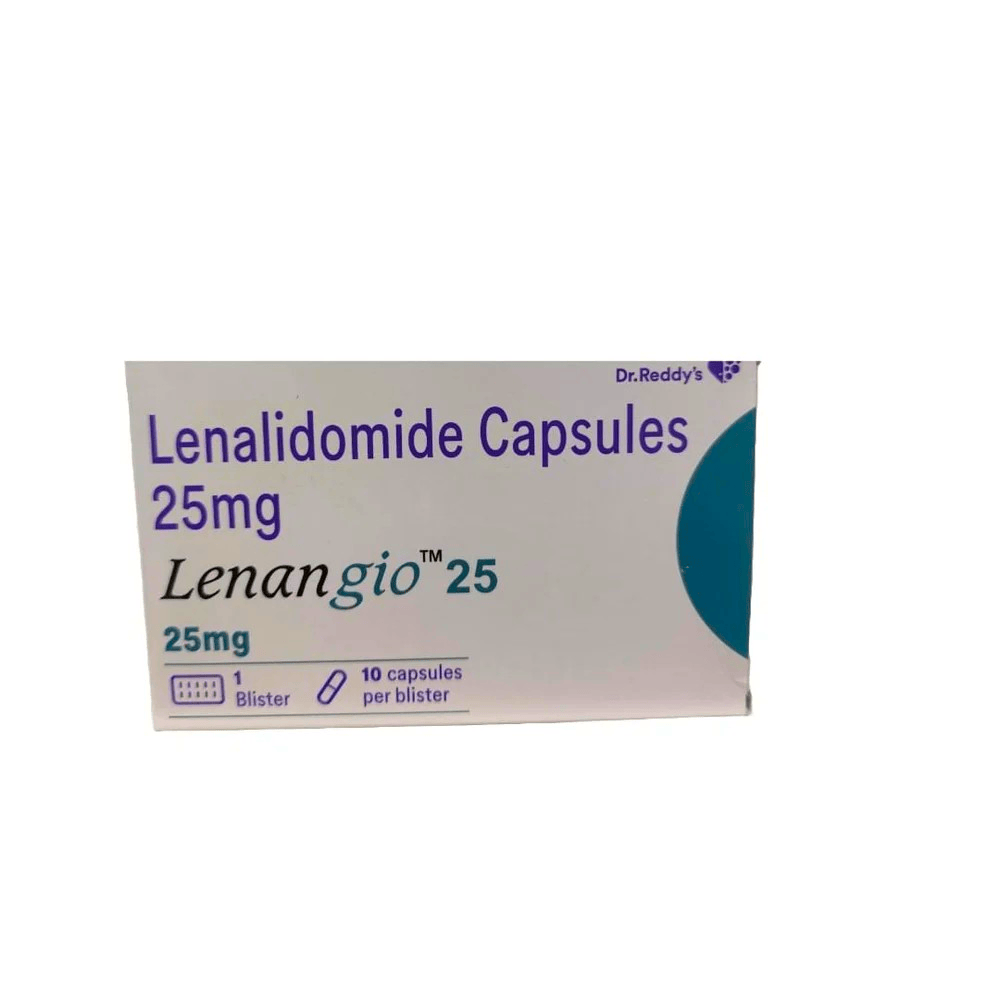
Lenangio 25mg Capsule
-
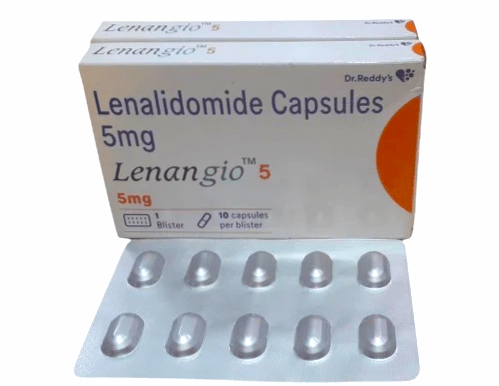
Lenangio 5mg Capsule
-
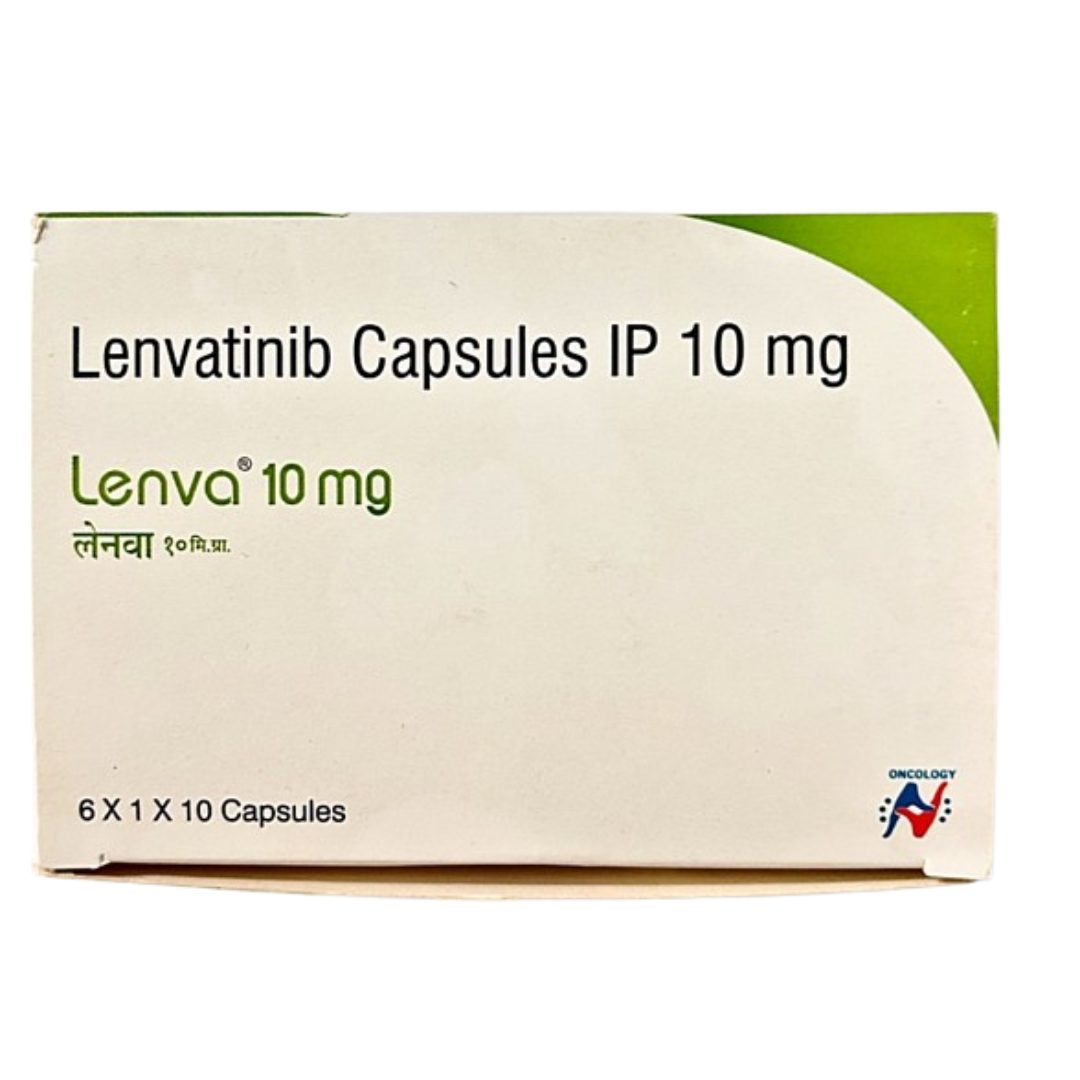
Lenva 10 mg Capsules
-
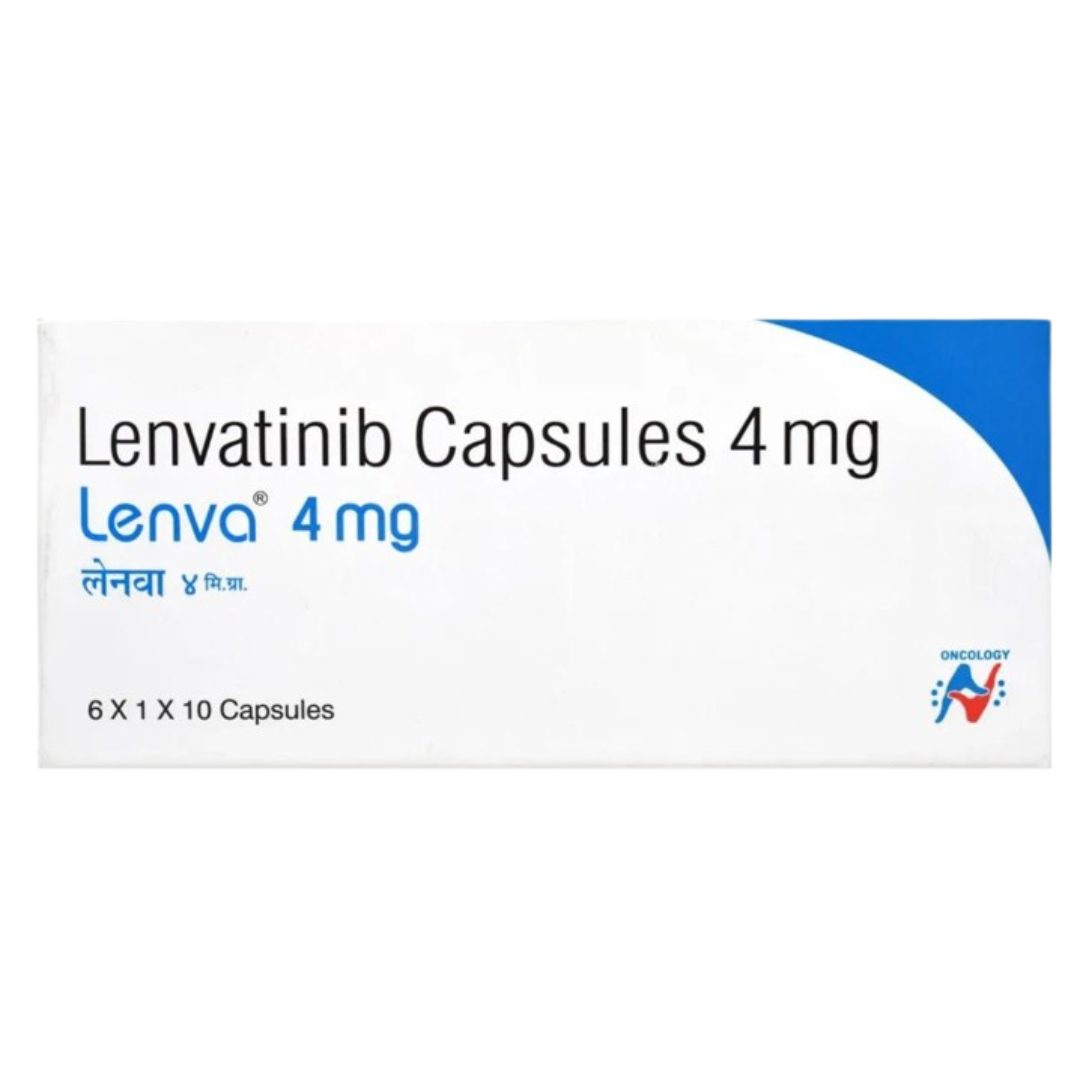
Lenva 4 mg Capsules
-
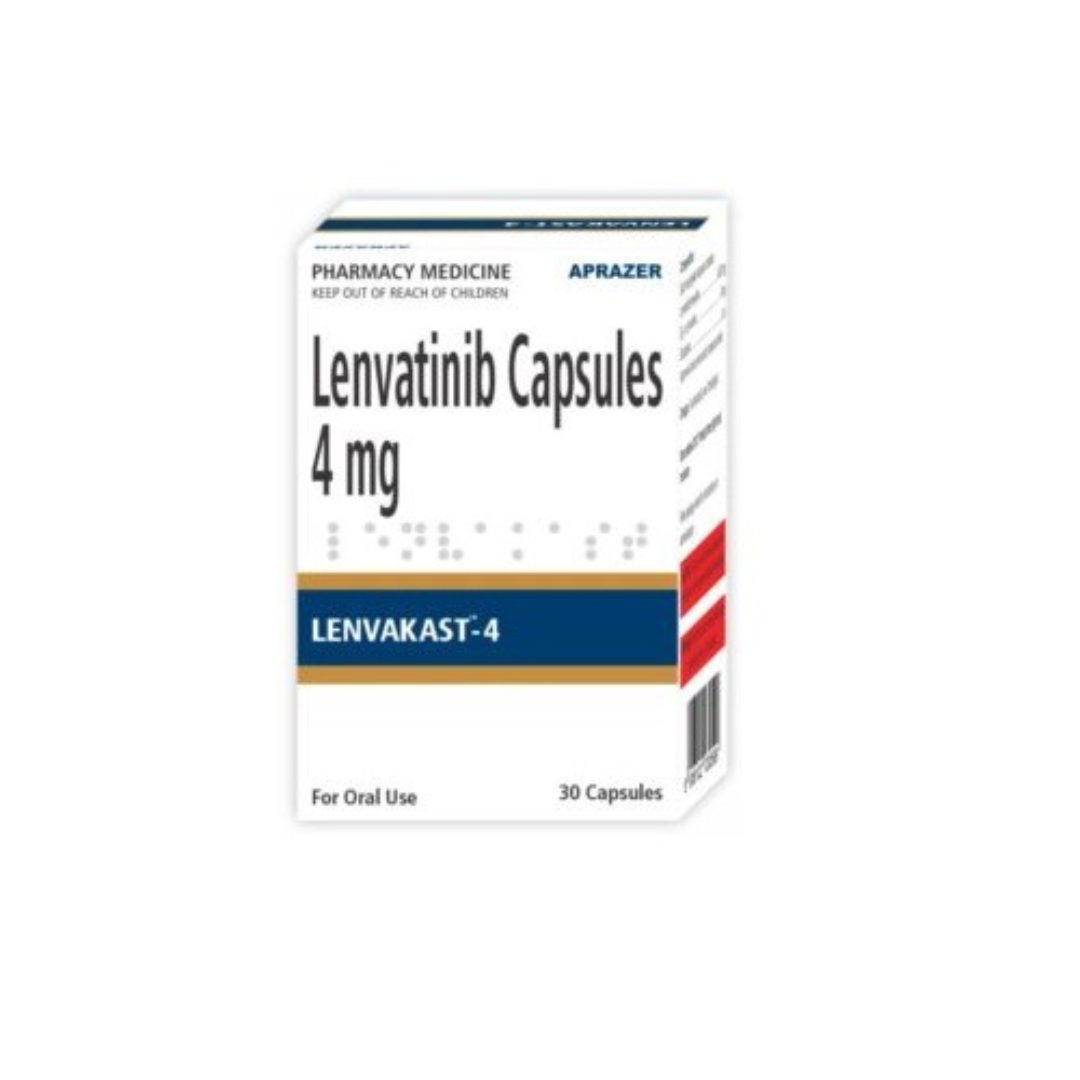
LENVAKAST-4 Capsules
-
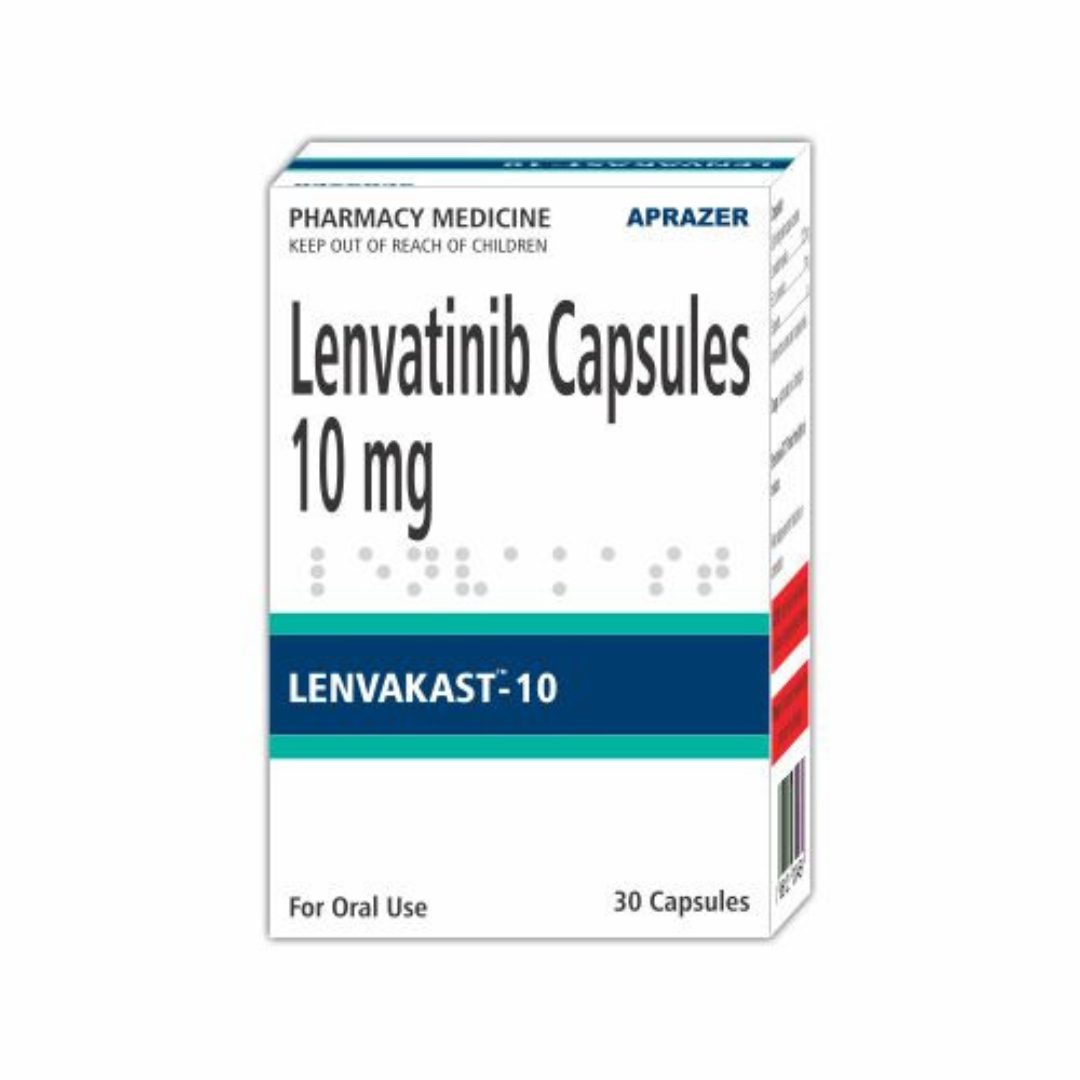
LENVAKAST-10 Capsules
-
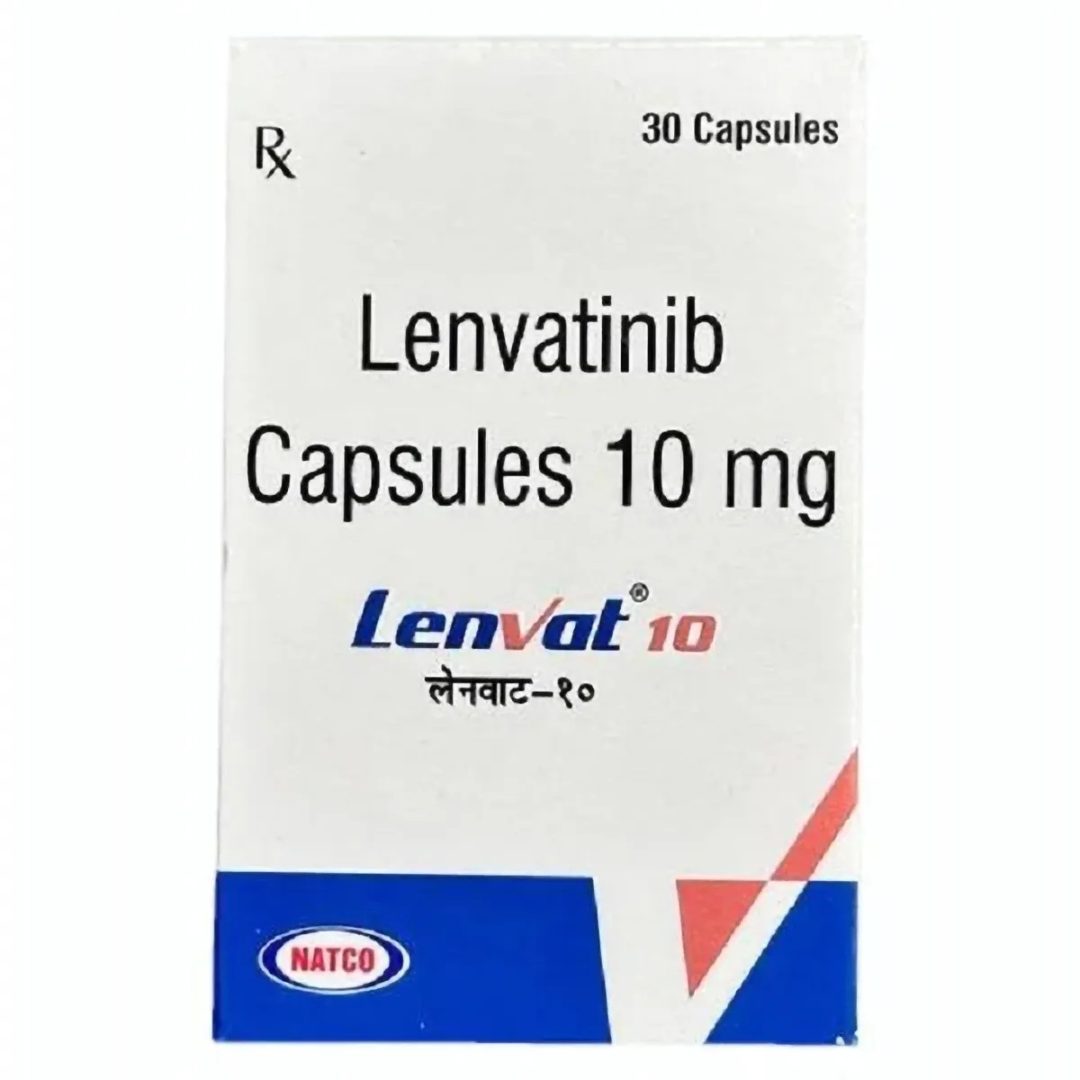
Lenvat 10mg Capsules
-
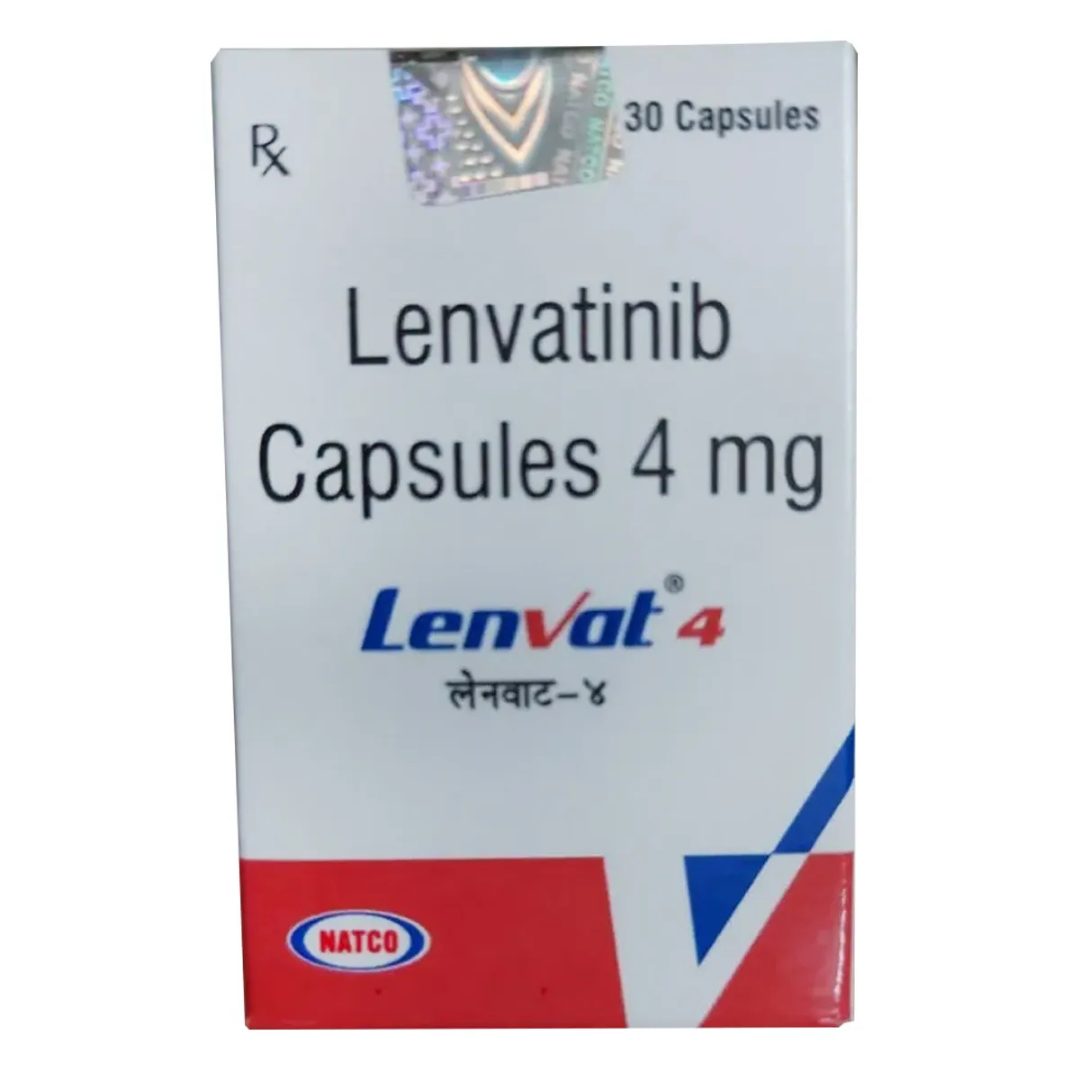
Lenvat 4mg Capsules
-
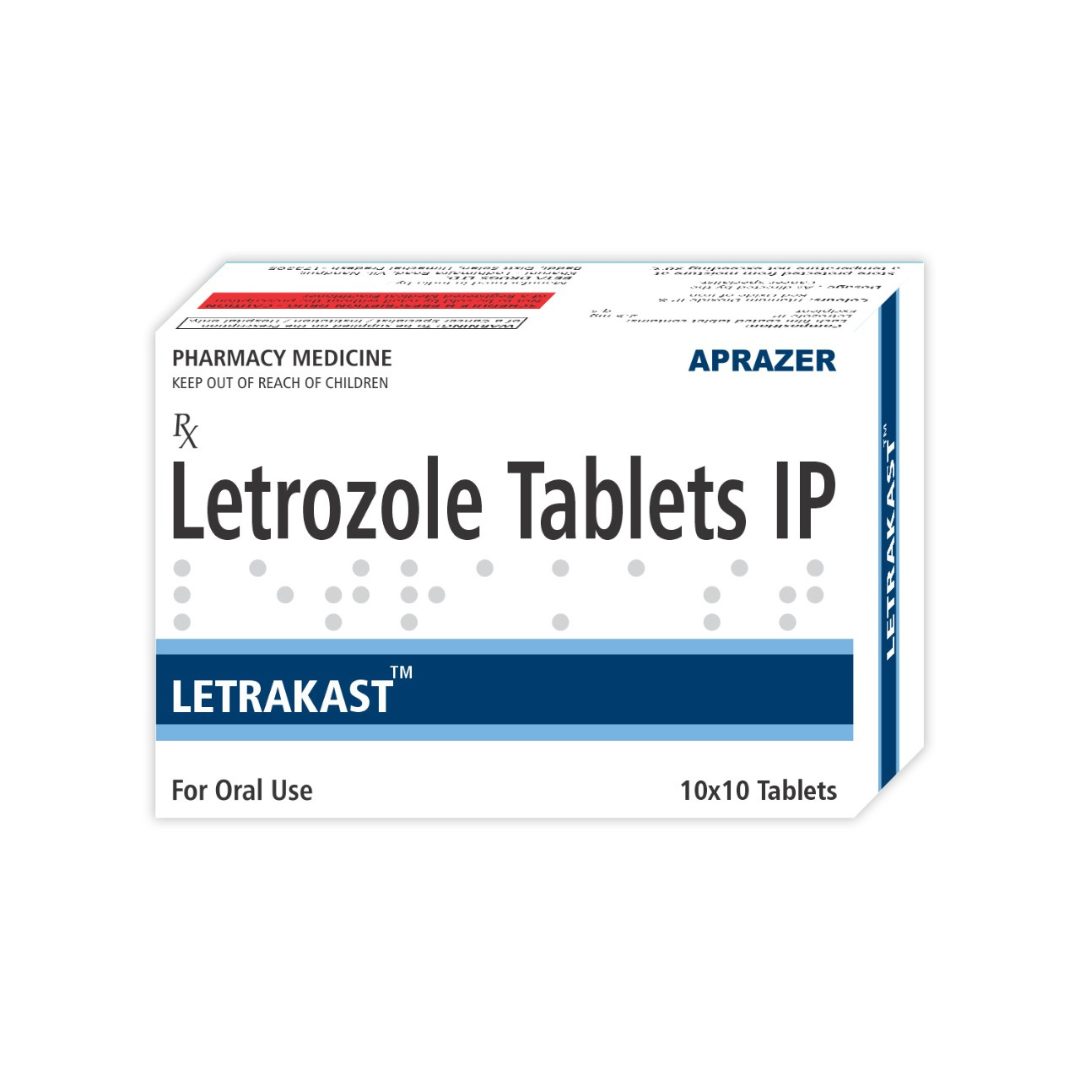
LETRAKAST Tablets
-
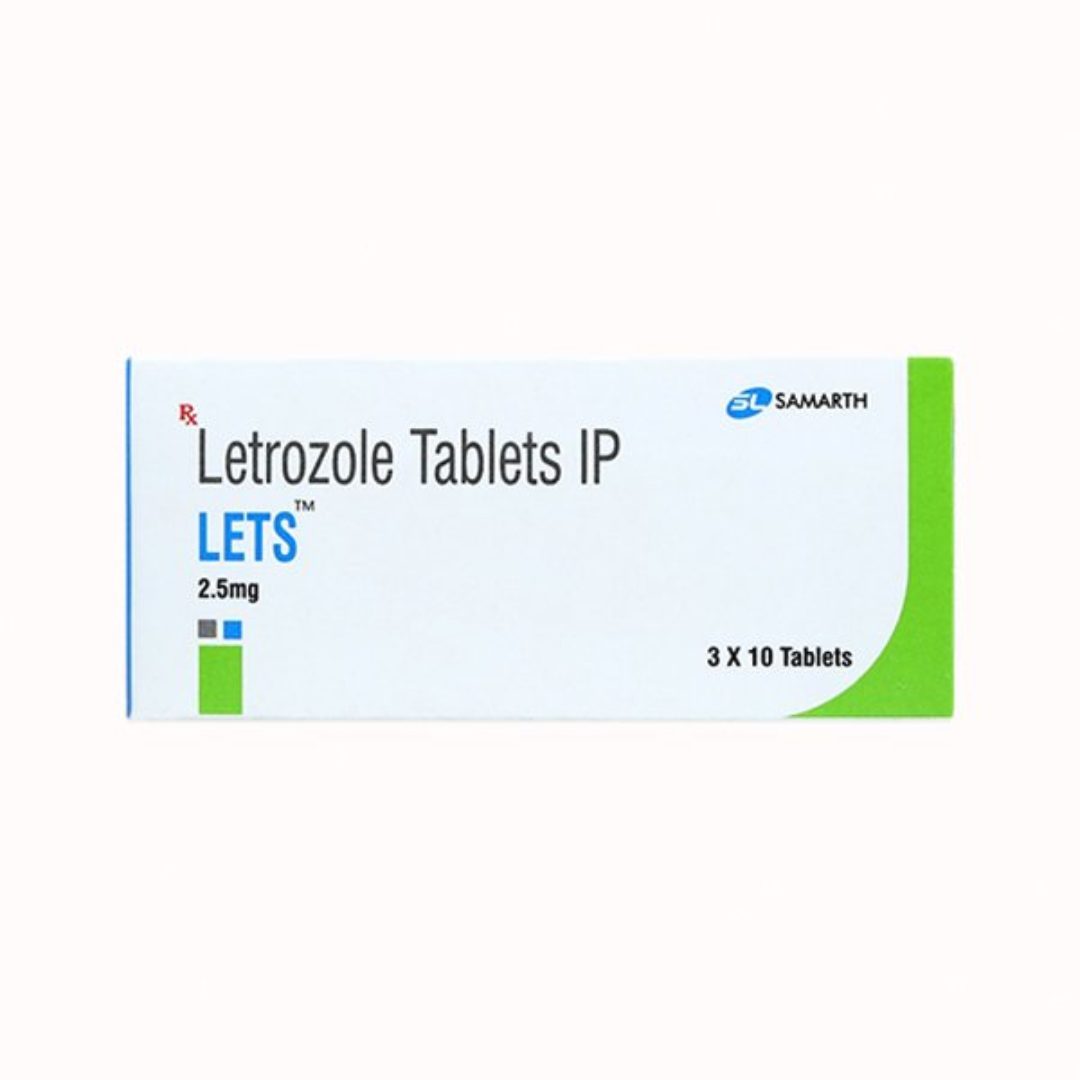
LETS 2.5 mg
-
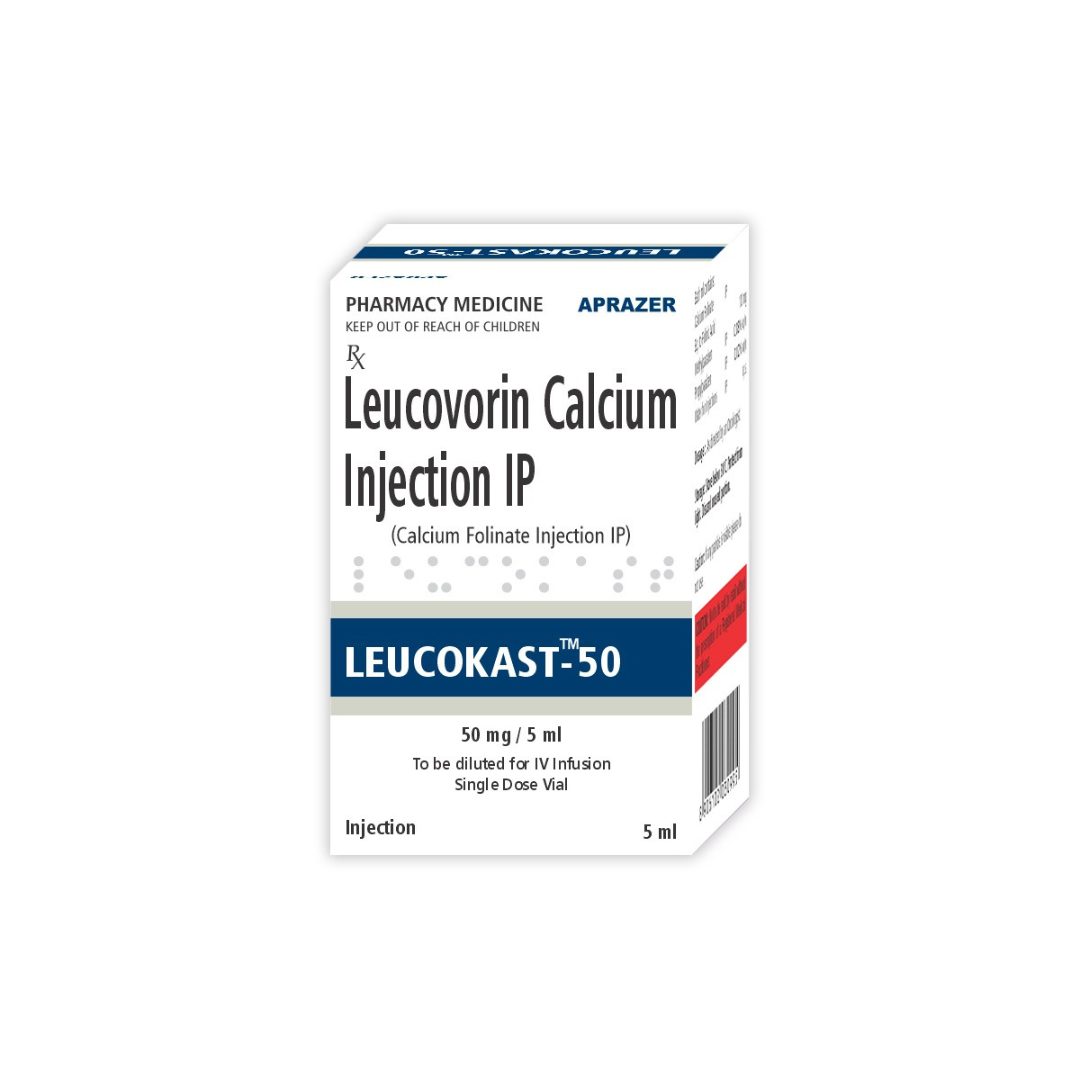
LEUCOKAST-50 Injection
-
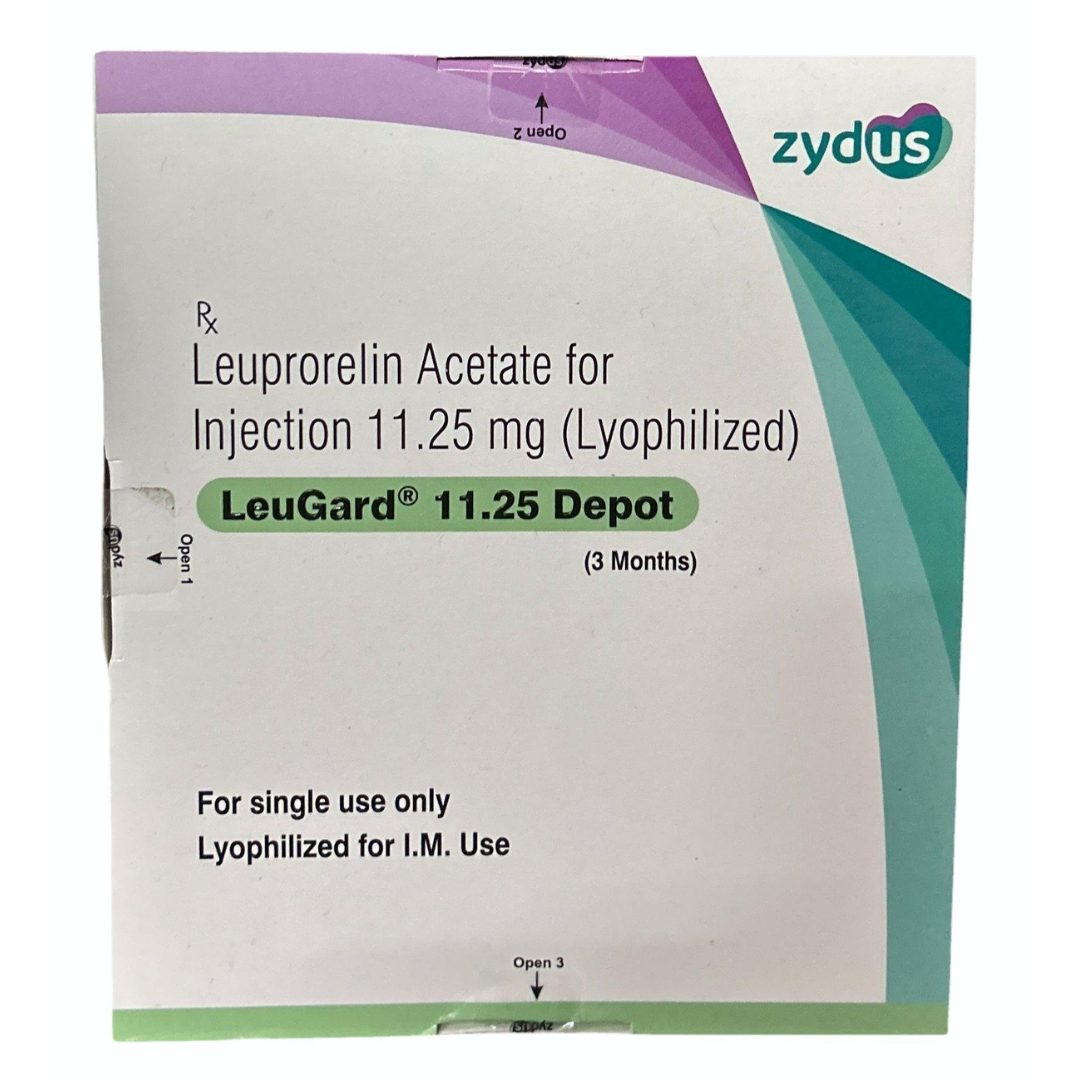
LeuGard 11.25 Depot Injection
-
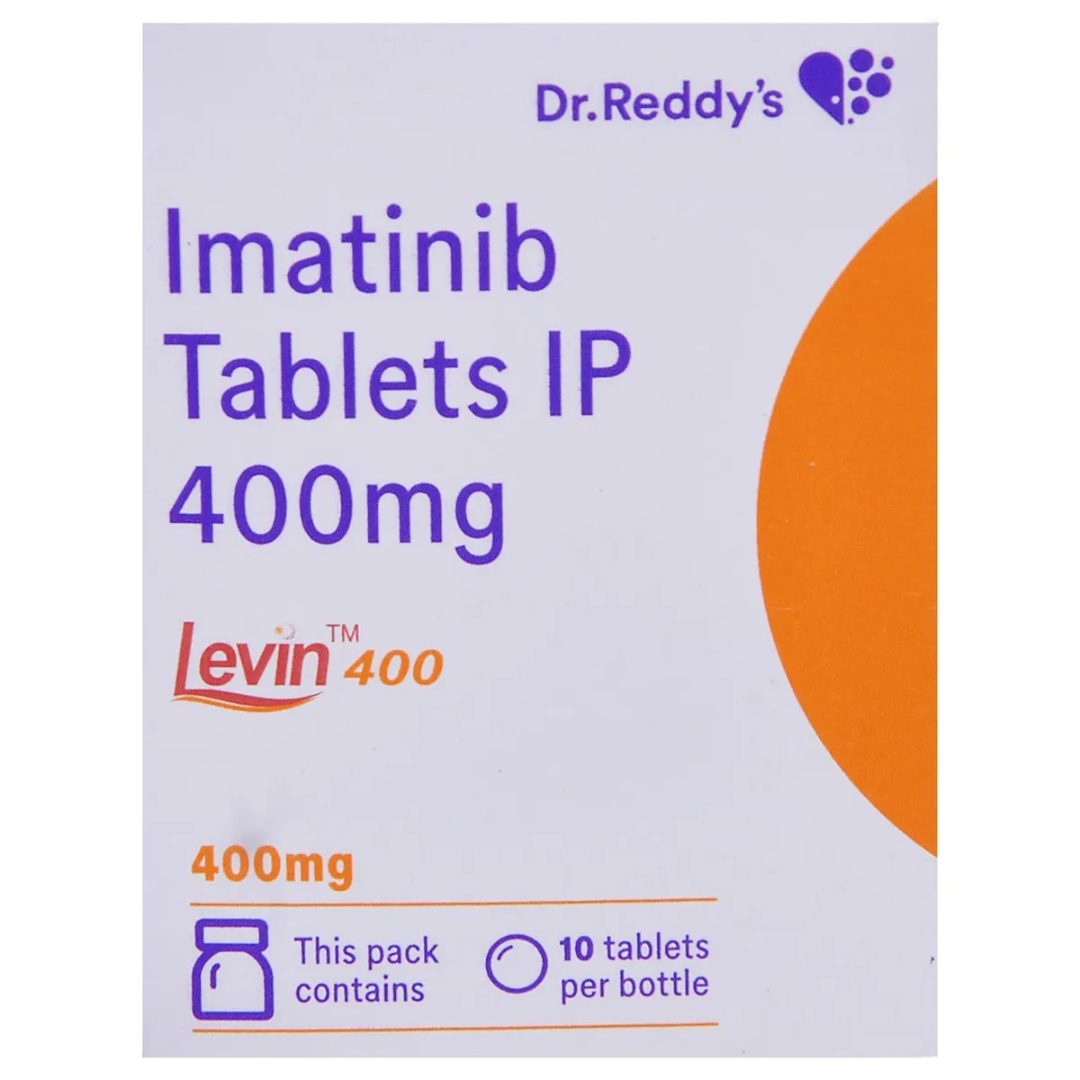
Levin 400mg Tablets
-
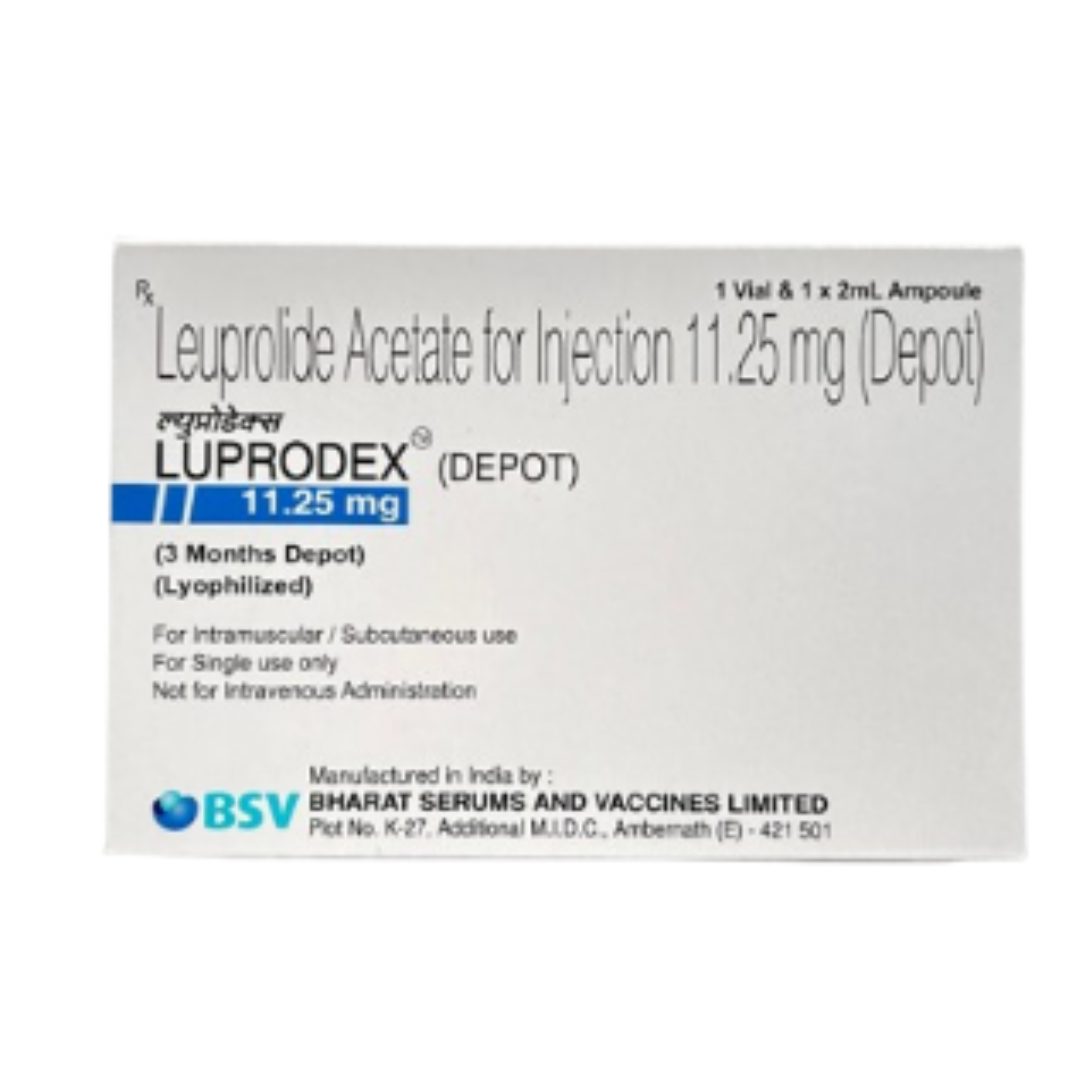
Luprodex Depot 11.25mg Injection
-
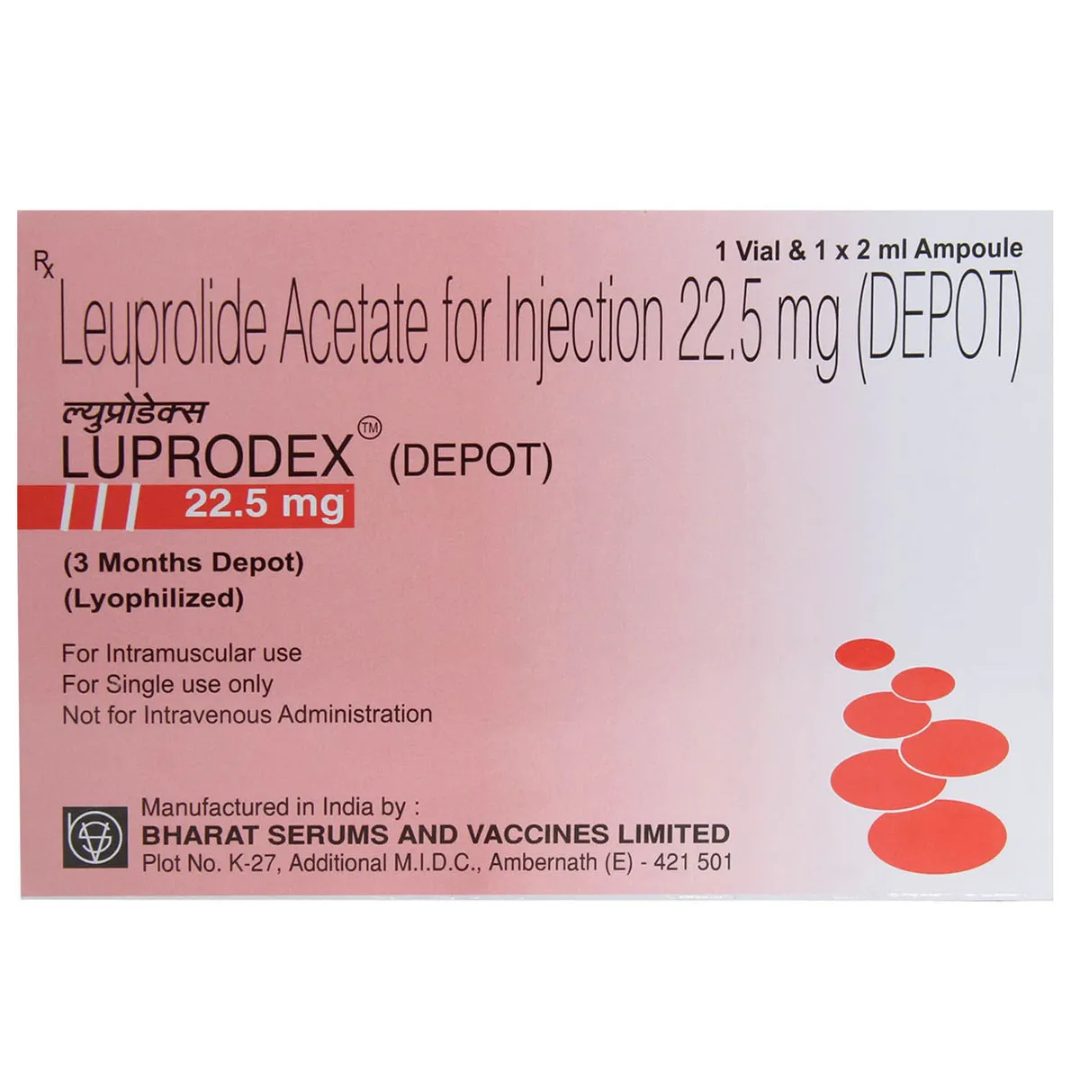
Luprodex Depot 22.5mg Injection
-
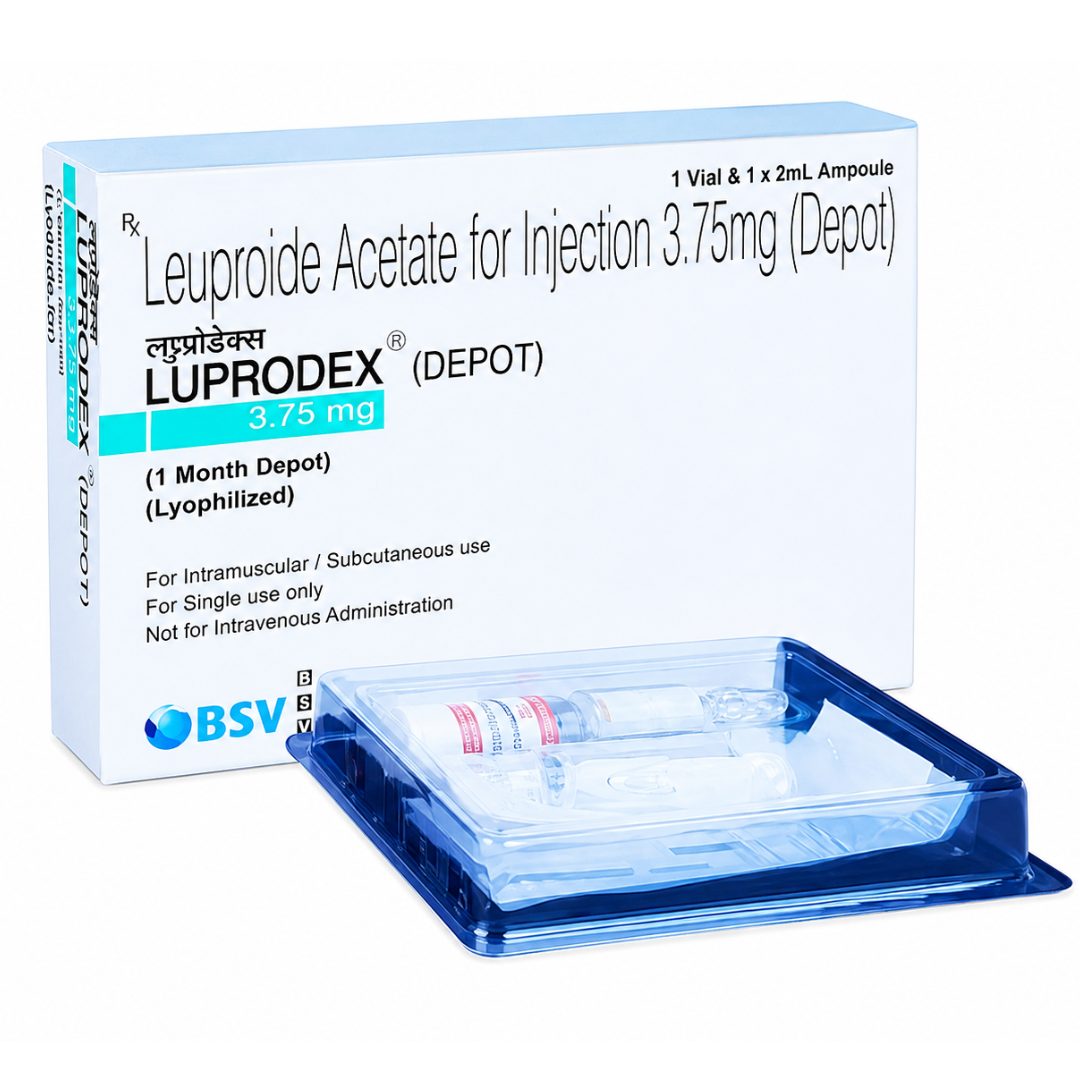
Luprodex Depot 3.75mg Injection
-
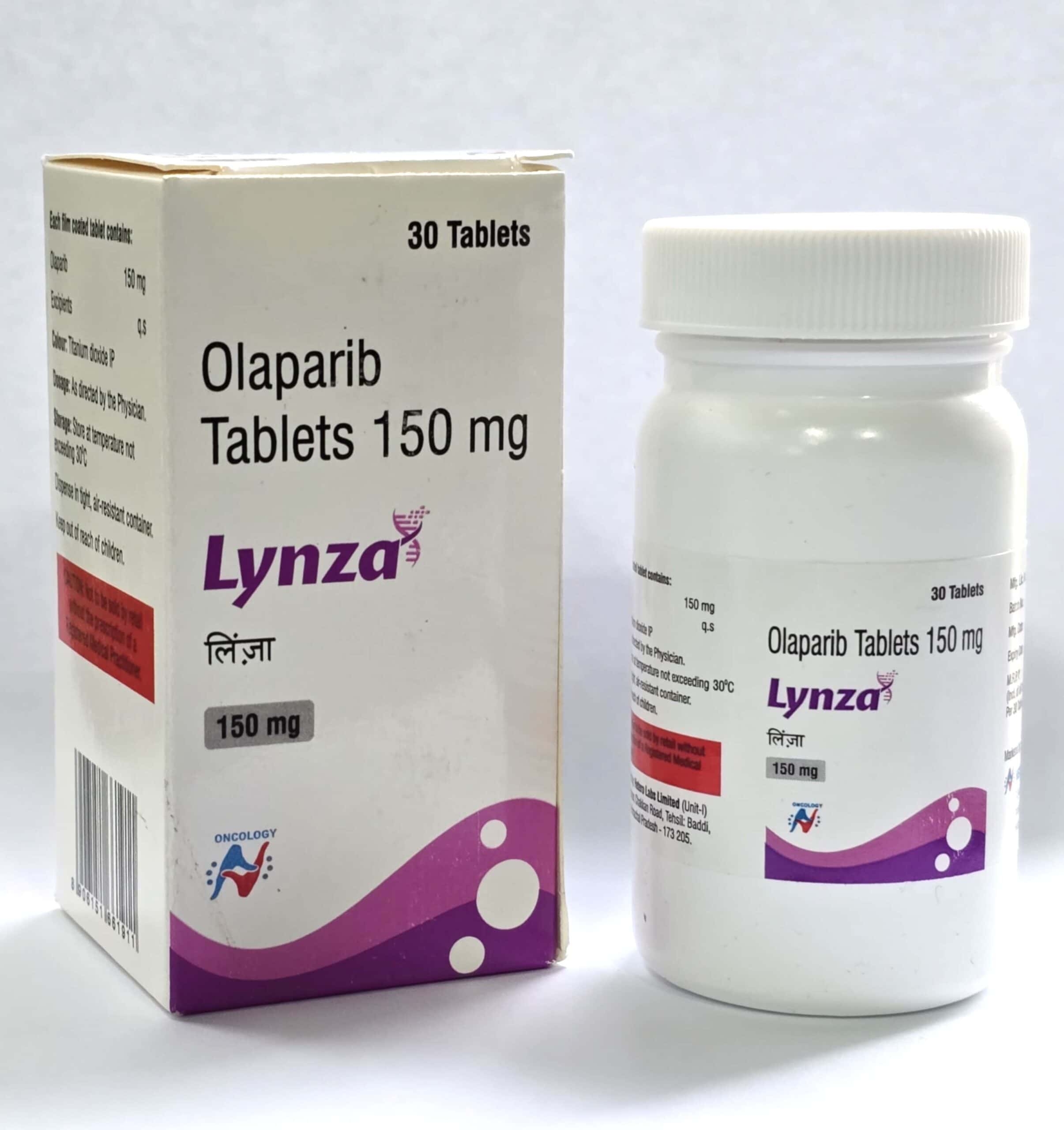
Lynza 150mg Tablet
-
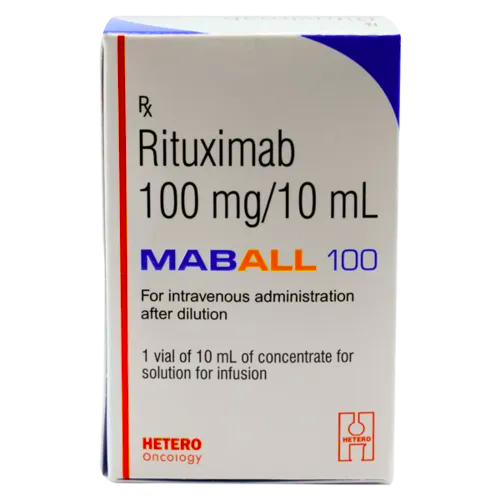
Maball 100mg Injection
-
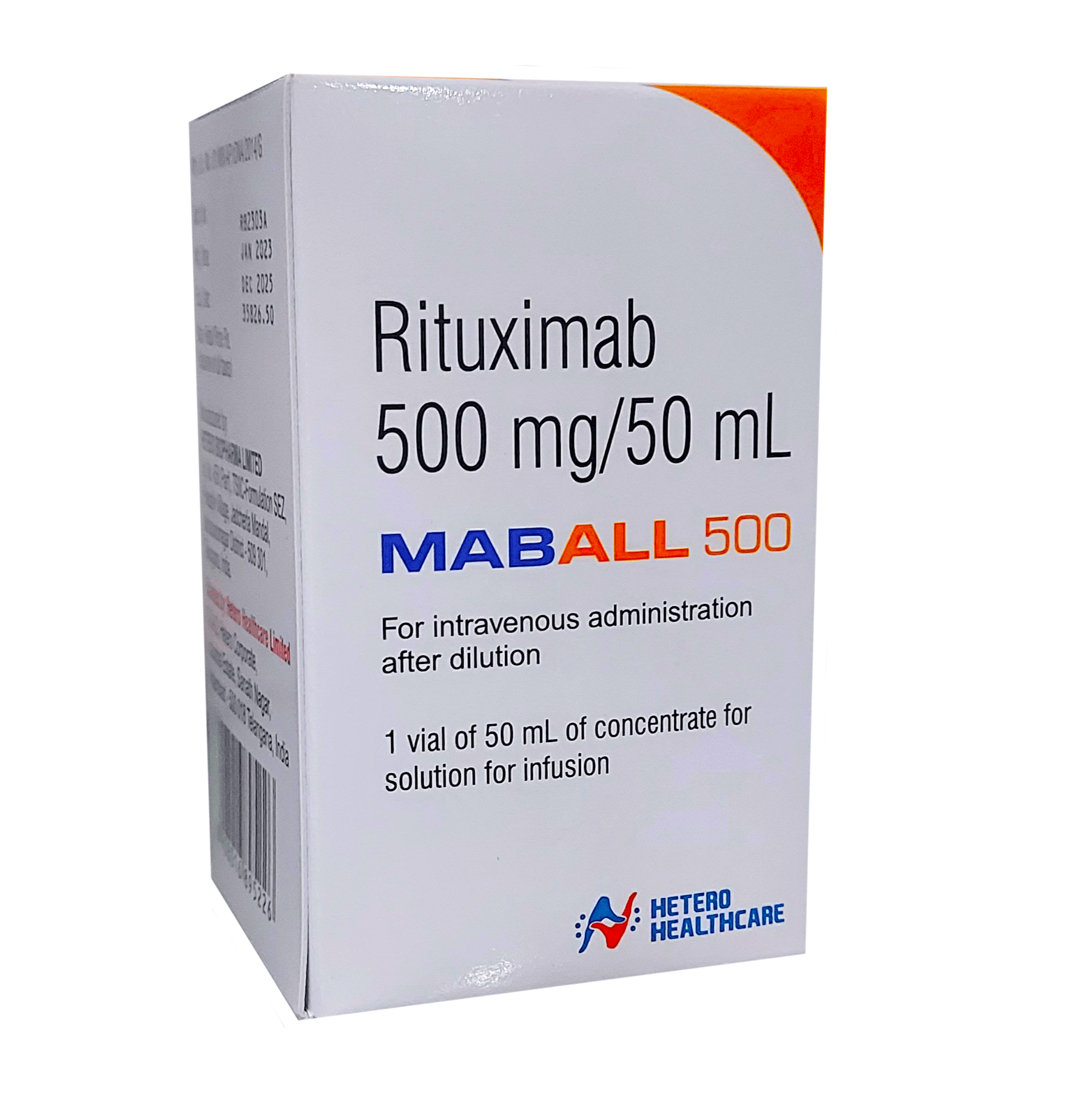
Maball 500mg Injection
-
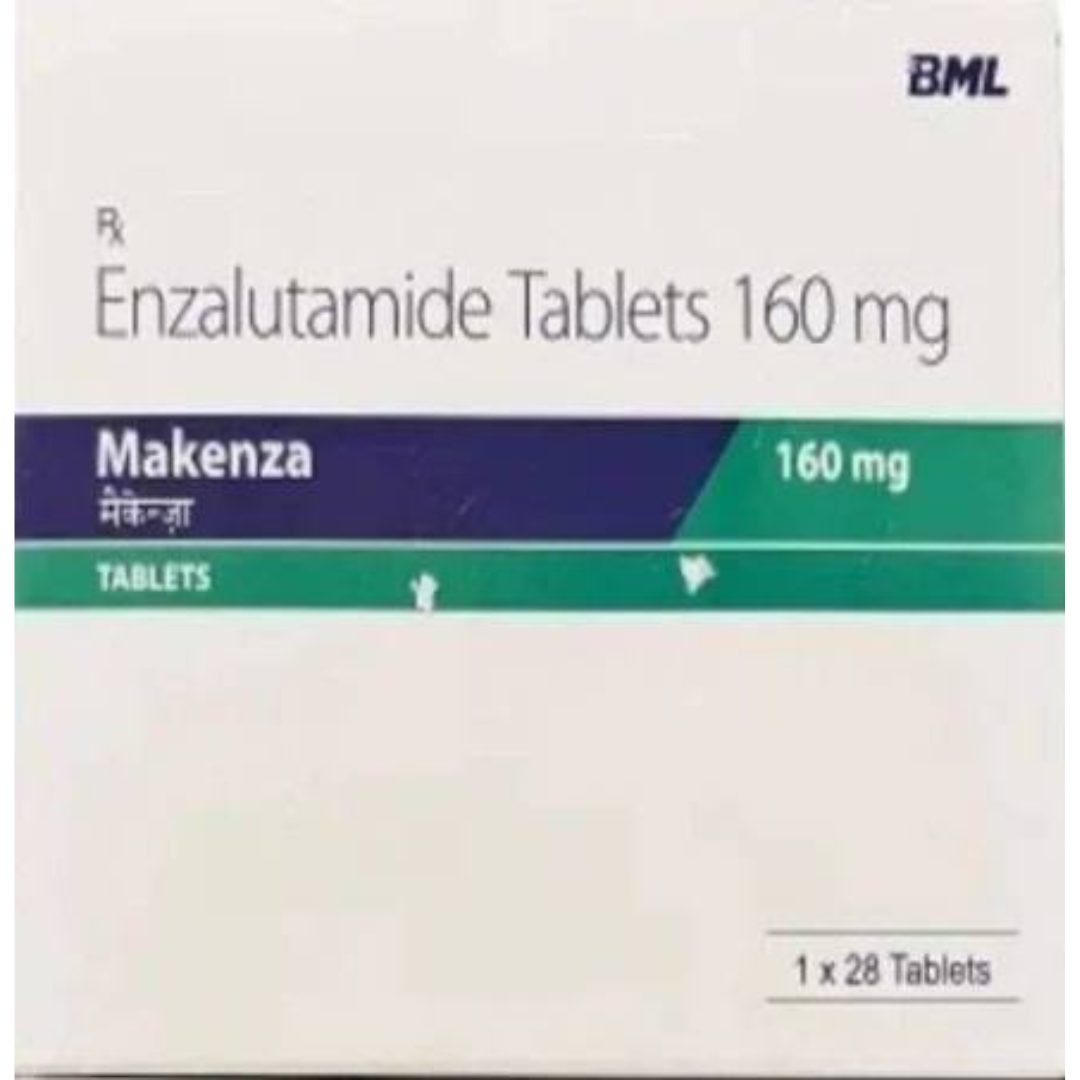
Makenza 160 mg Tablets
-
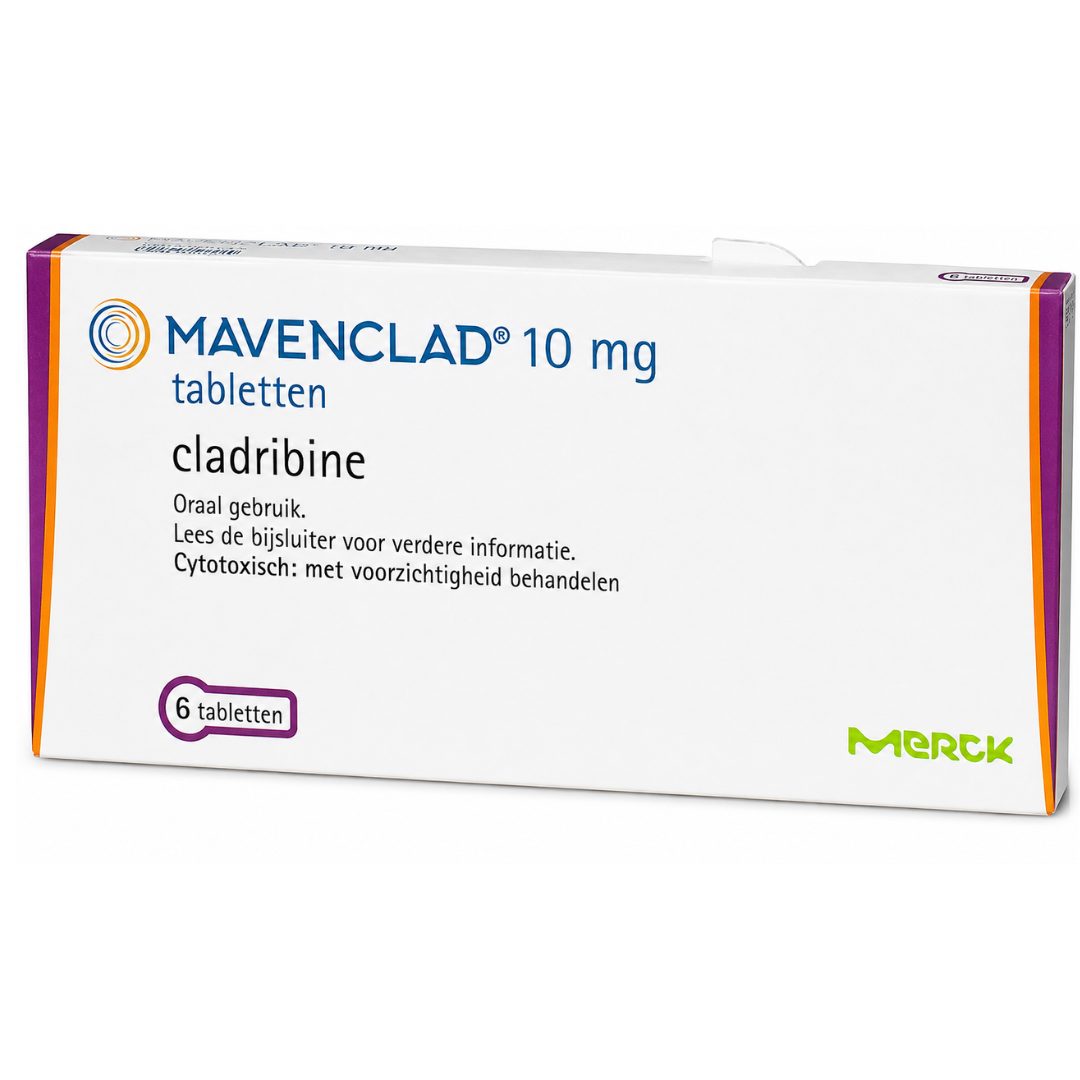
Mavenclad 10MG
-
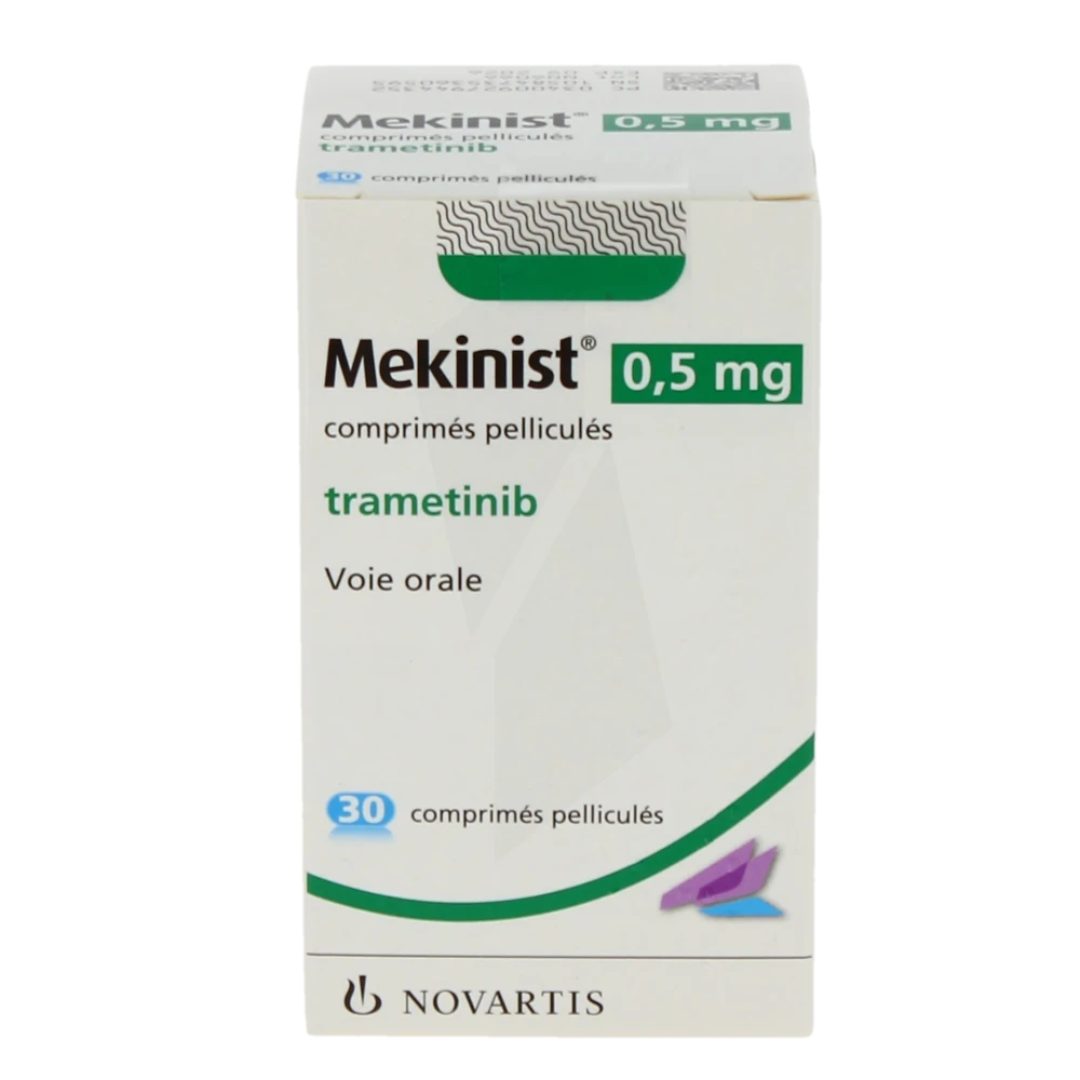
Mekinist 0.5 mg Tablets
-
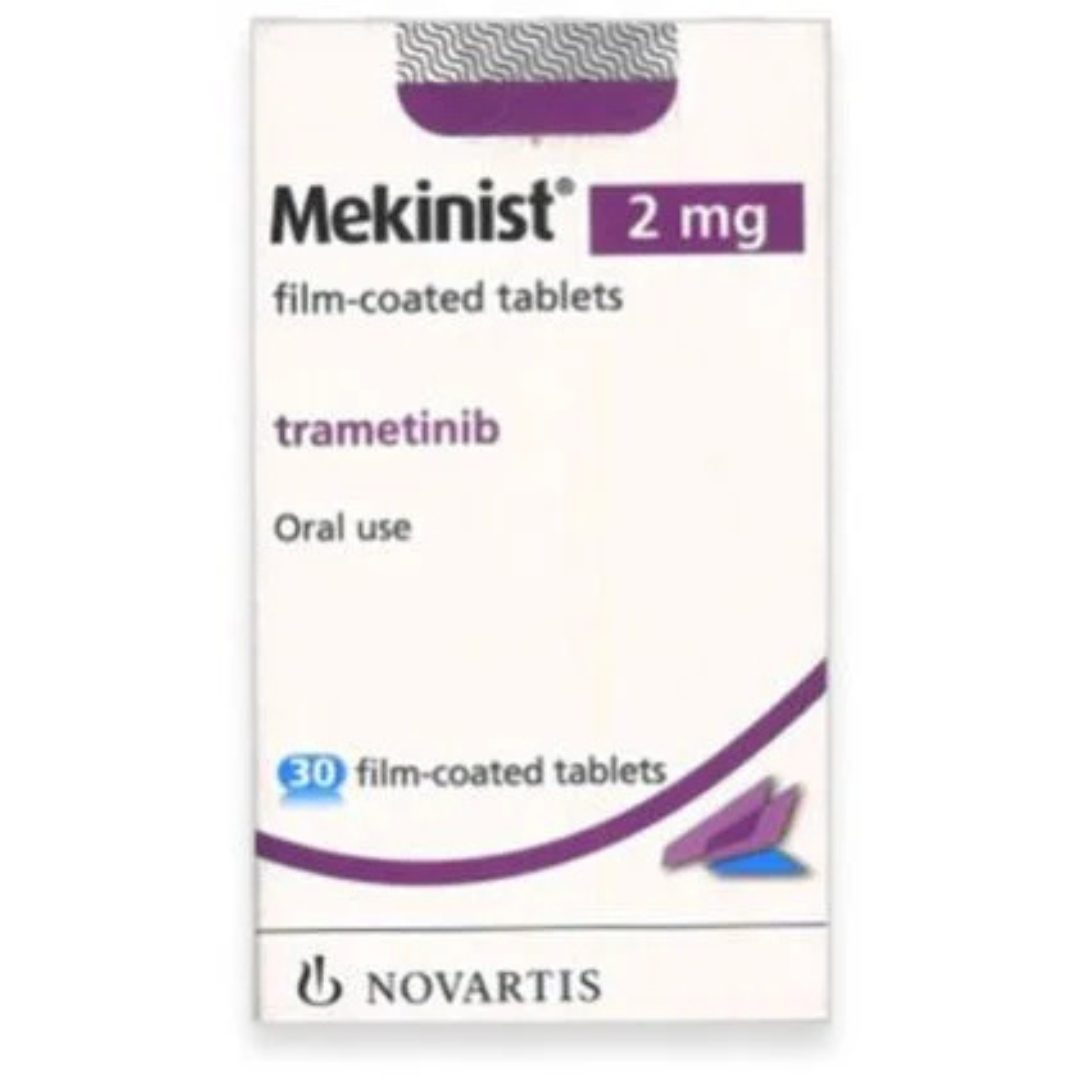
Mekinist 2 mg Tablets
-
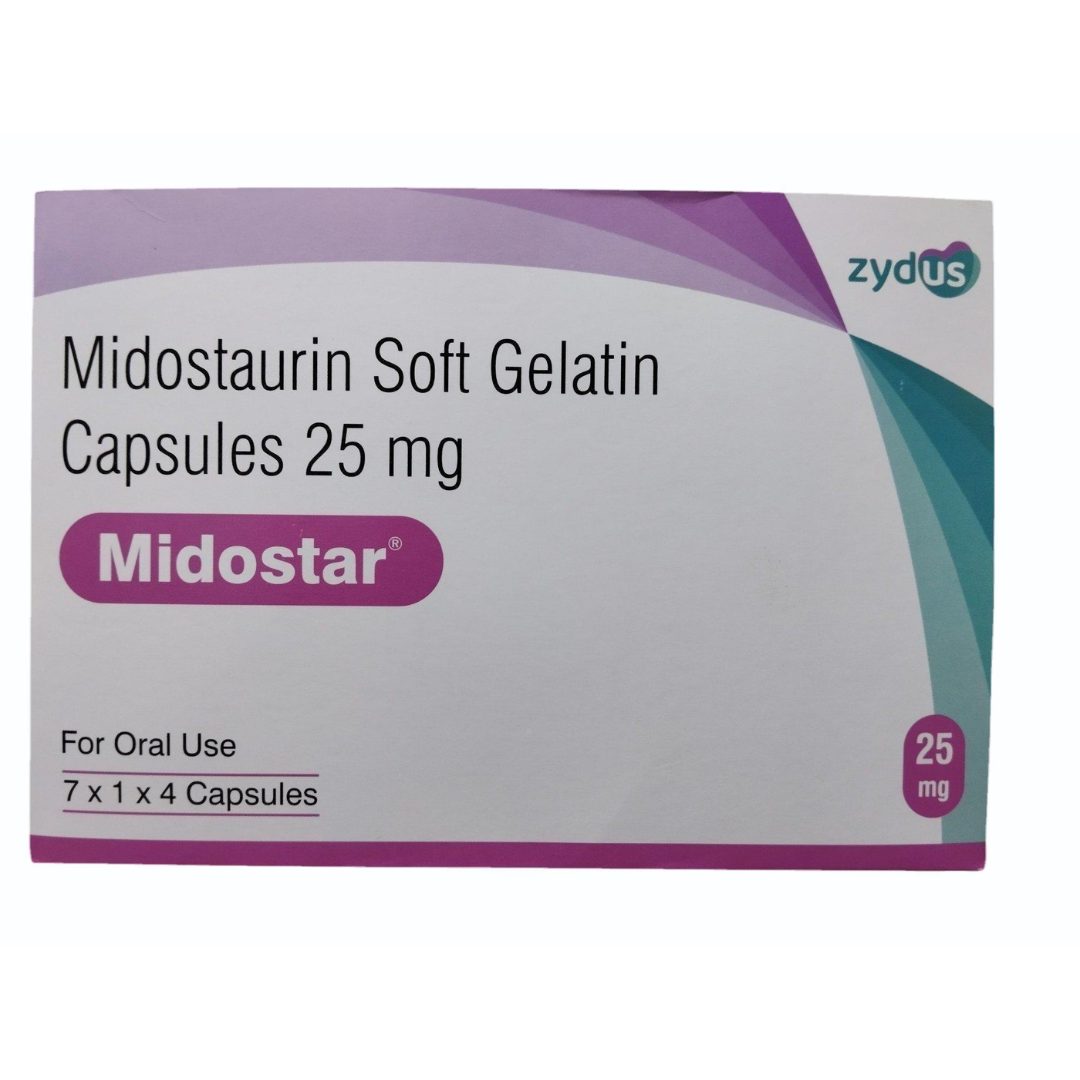
Midostar 25mg
-
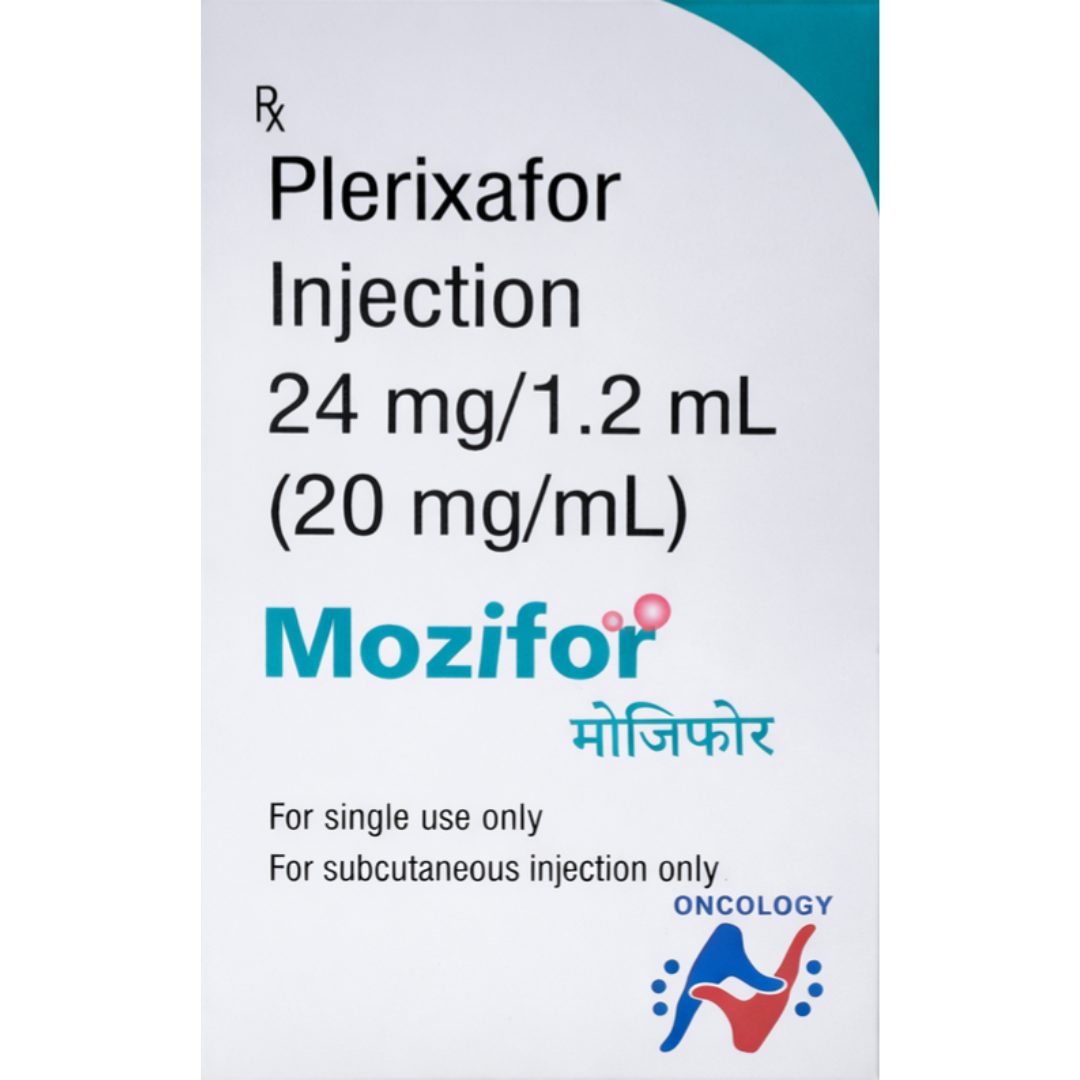
Mozifor 24 mg Injection
-
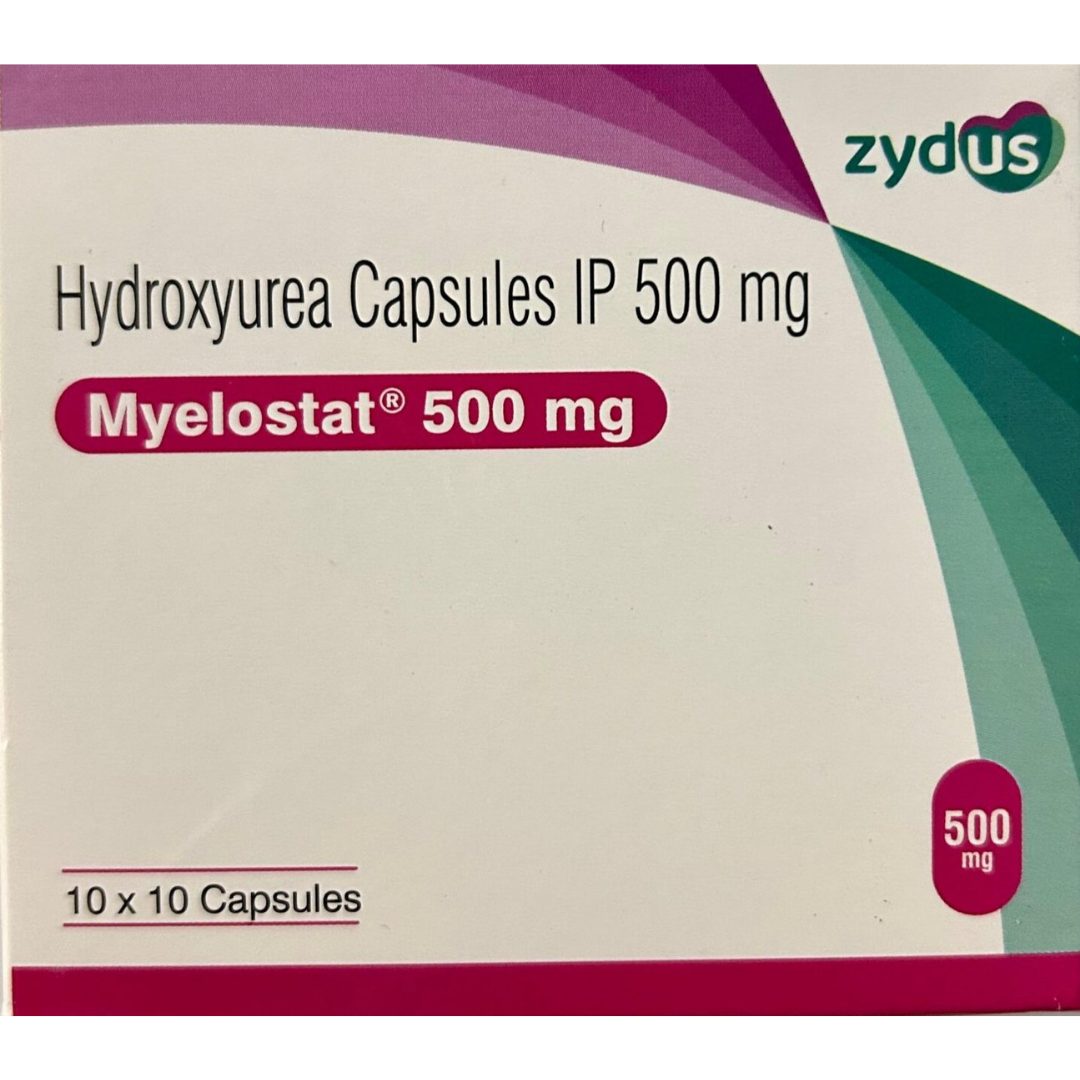
Myelostat 500 mg Capsules
-
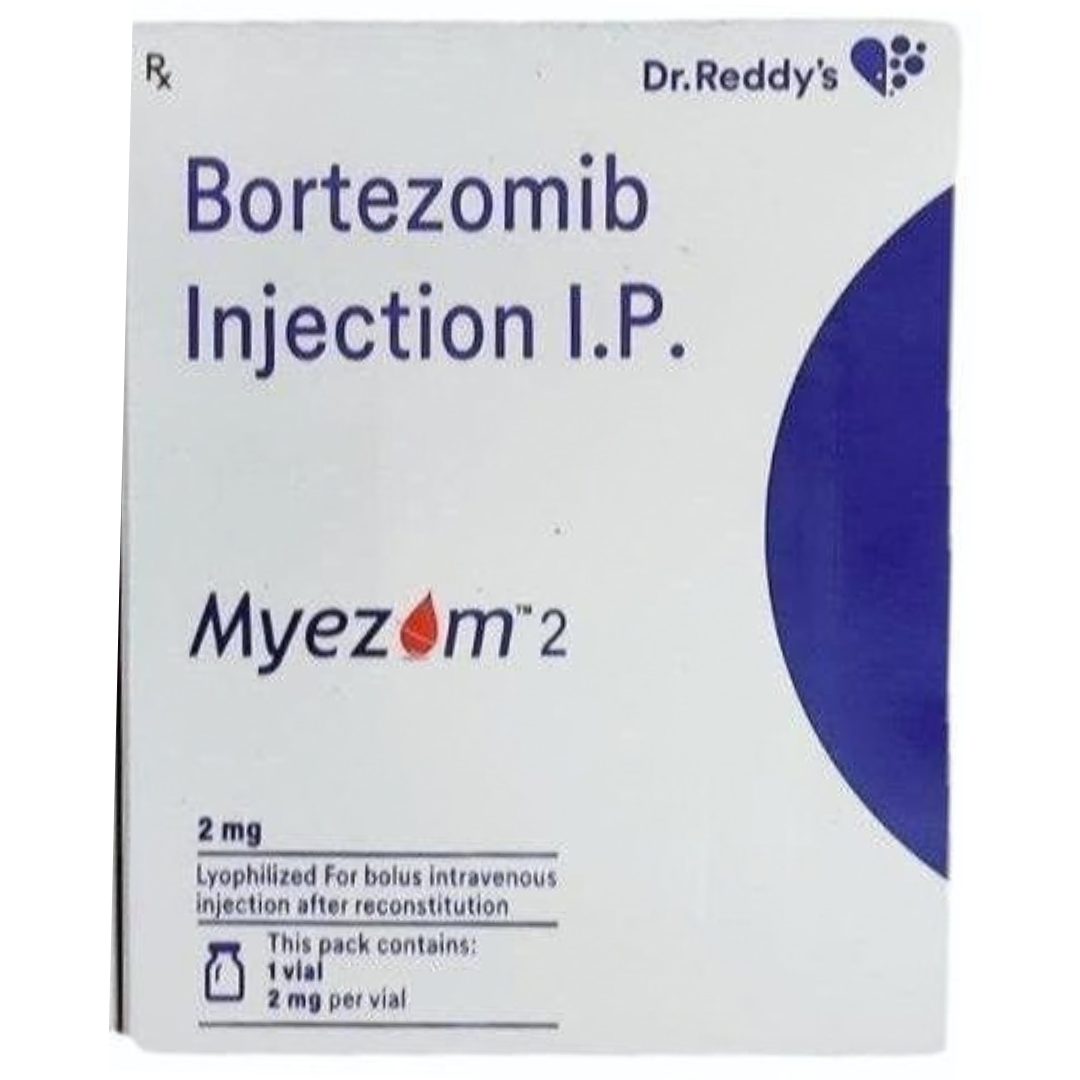
Myezom 2mg Injection
-
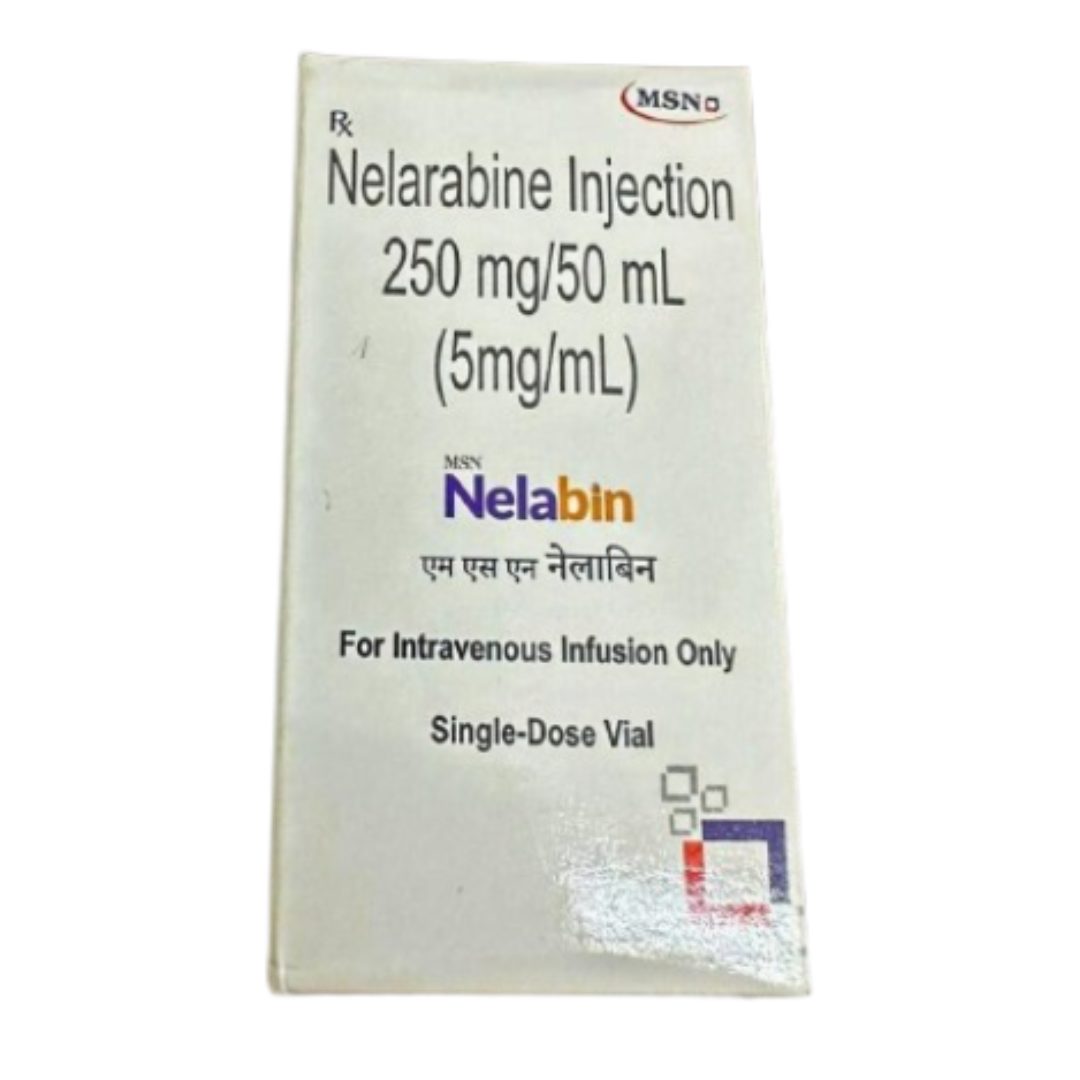
Nelabin 250 mg Injection
-
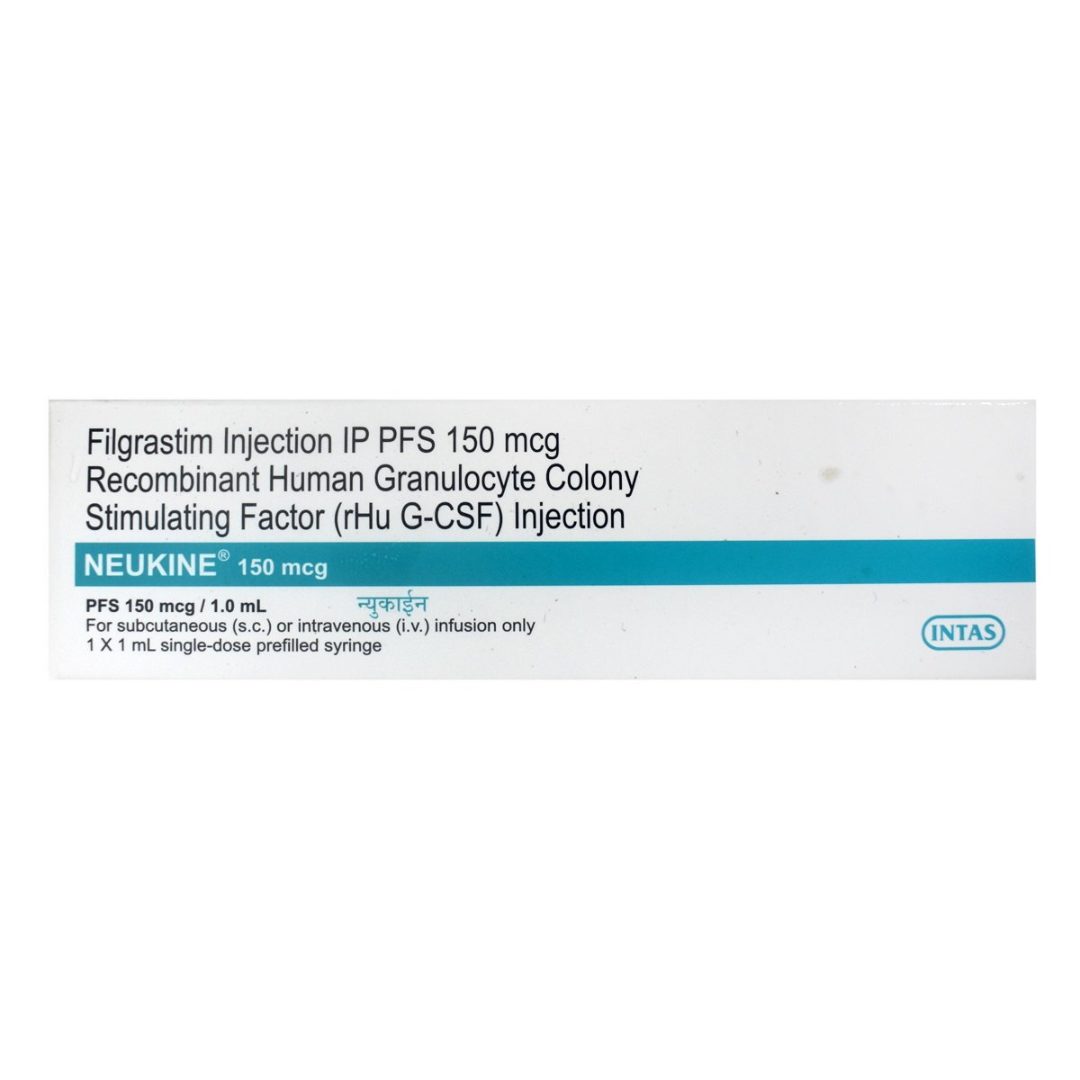
NEUKINE 150 mcg Injection
-
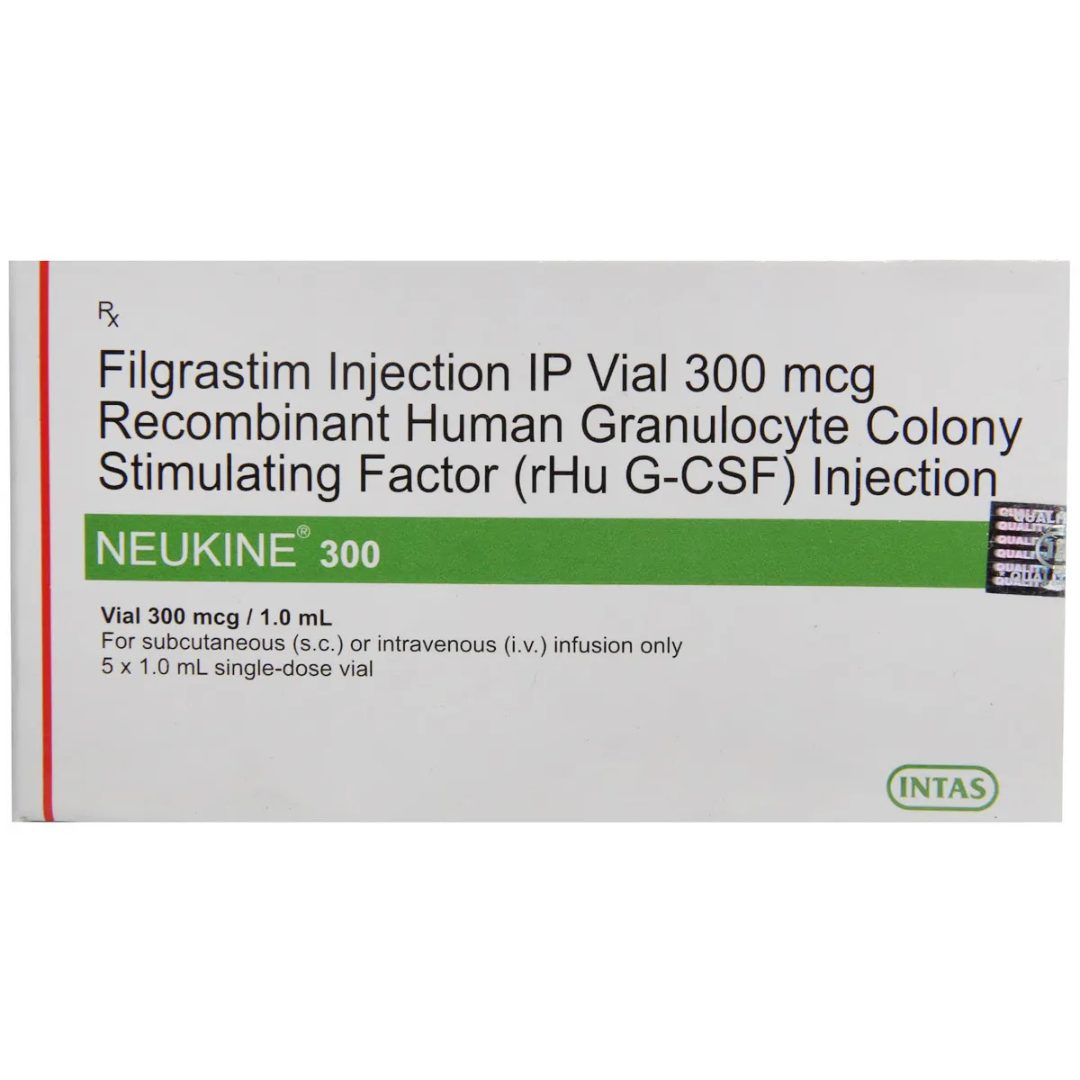
NEUKINE 300 Injection
-
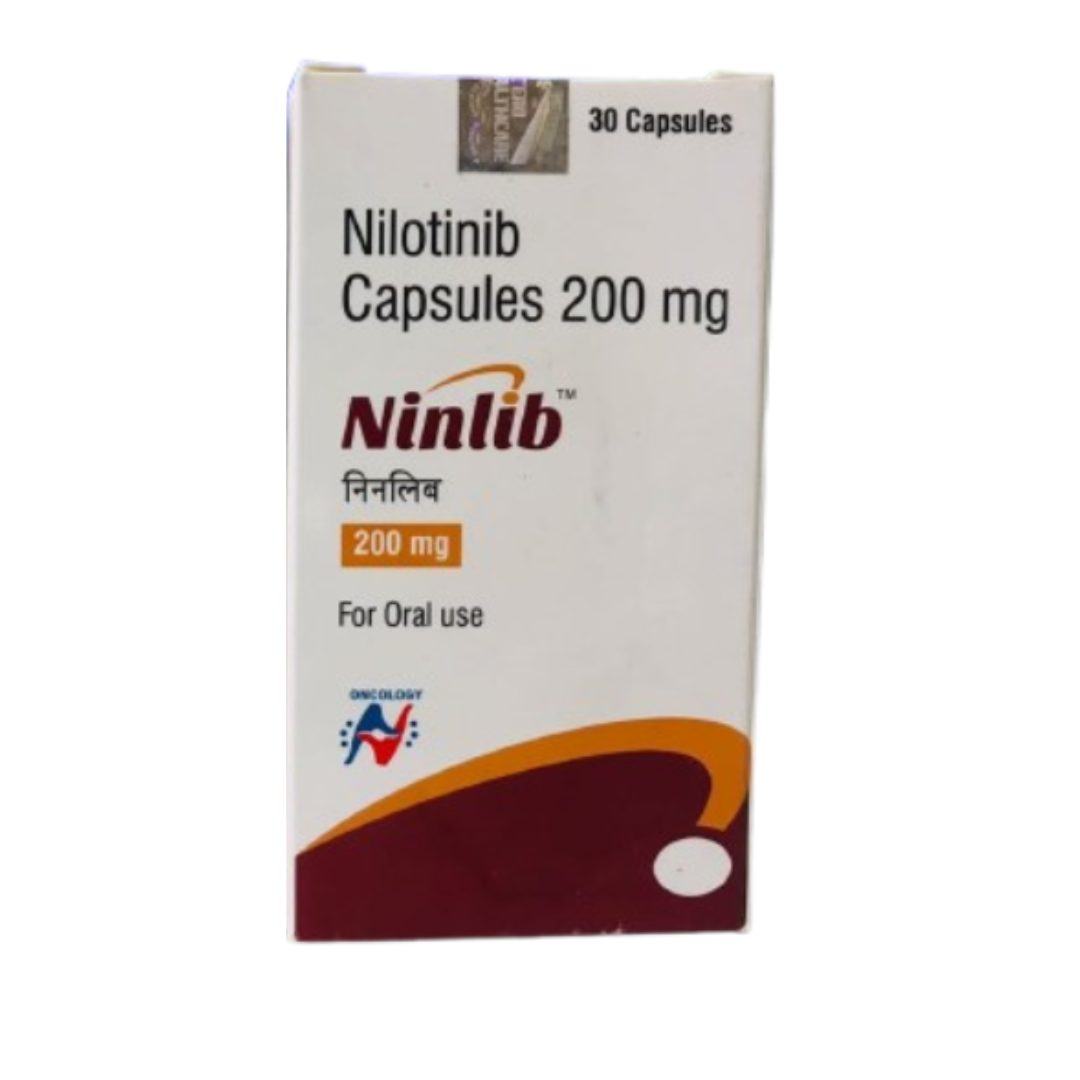
Ninlib 200 mg
-
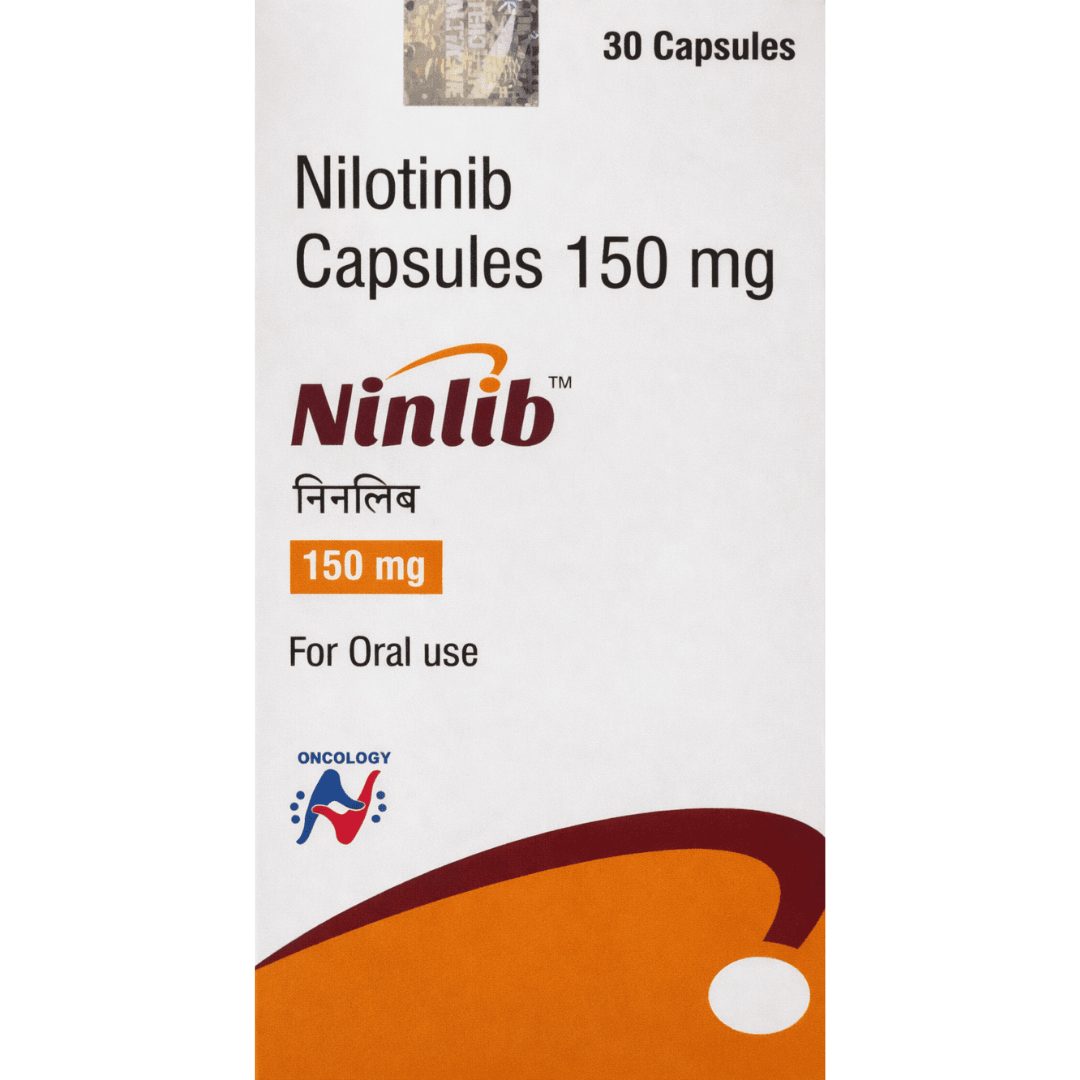
Ninlib 150 mg
-
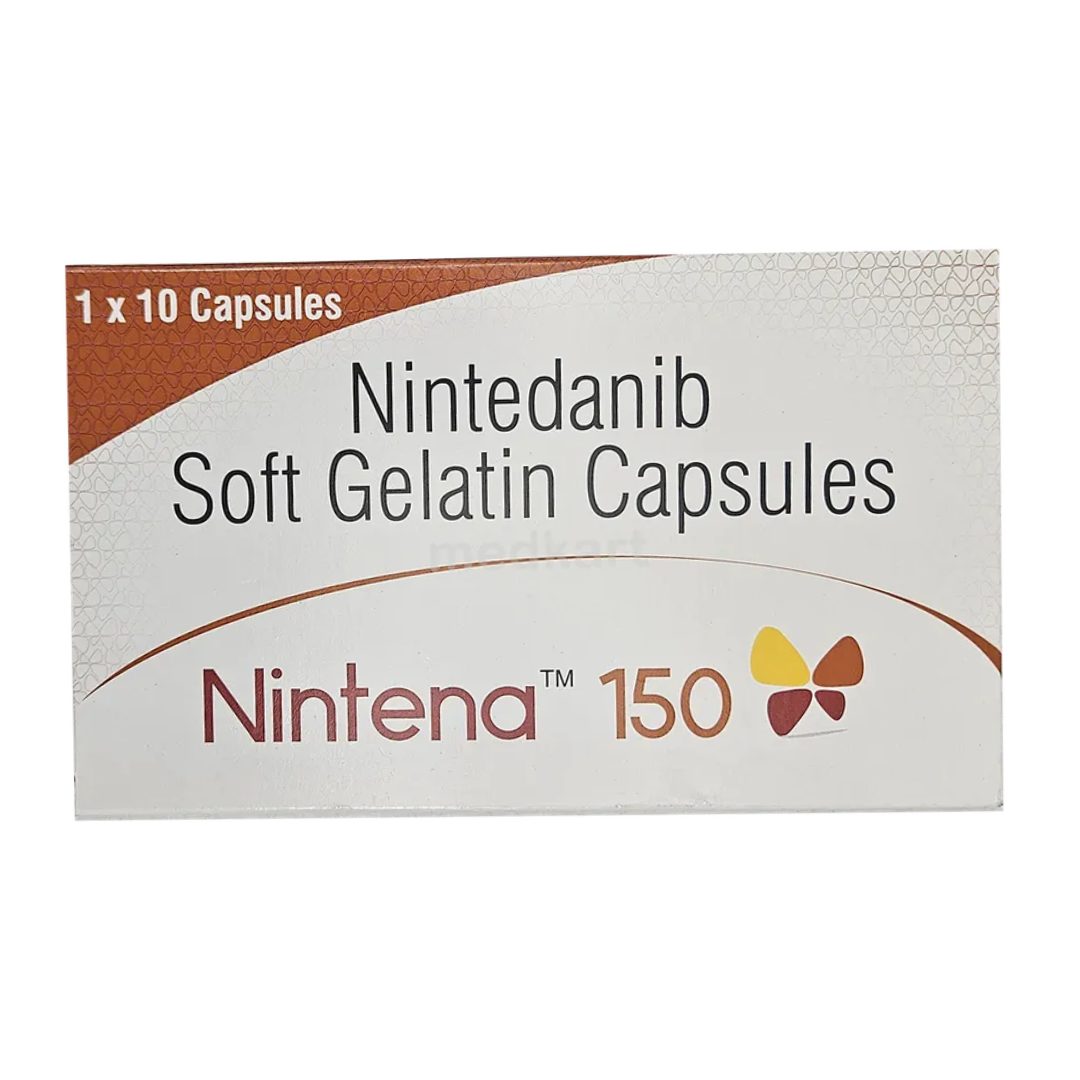
Nintena 150 mg Capsule
-
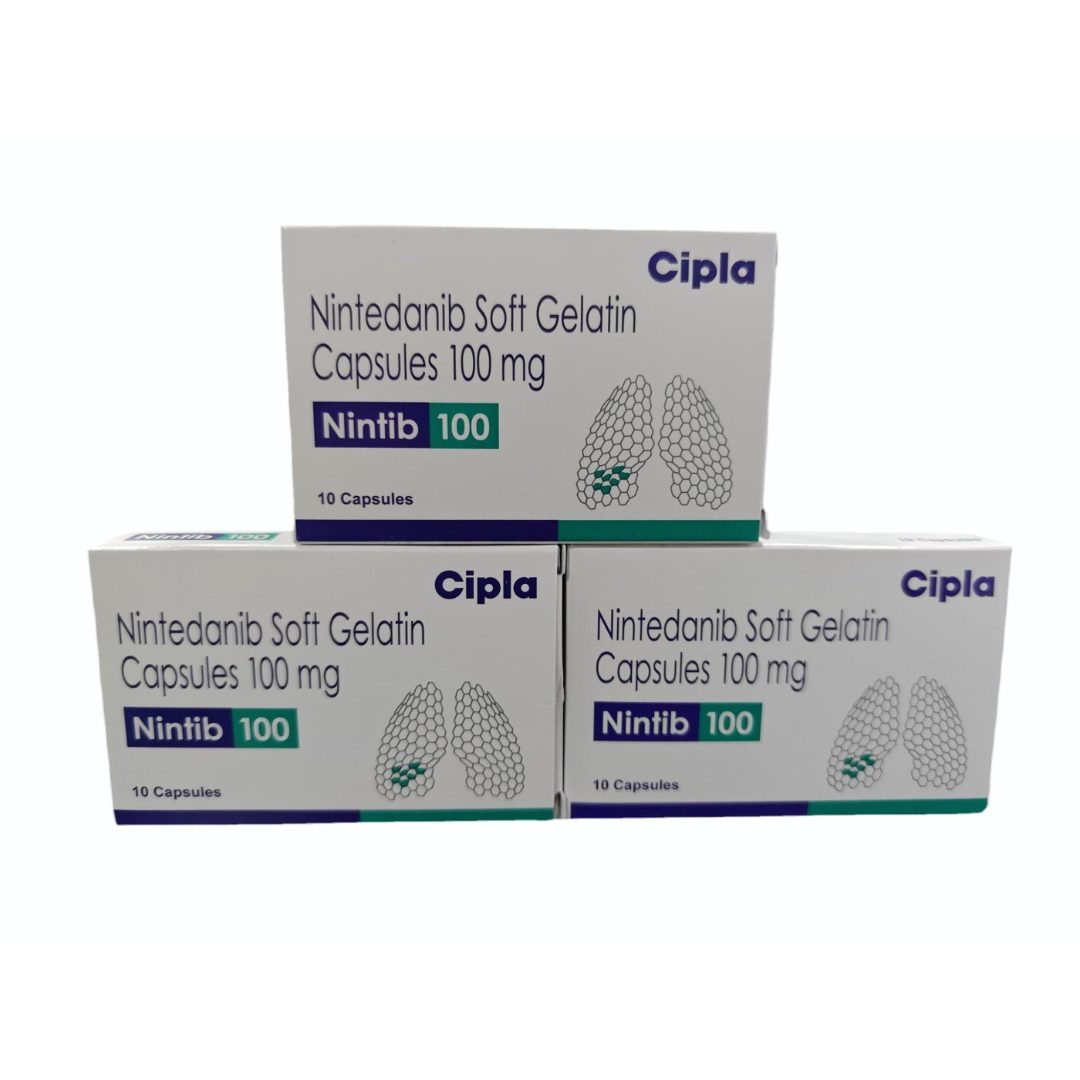
Nintib 100 MG Capsule
-
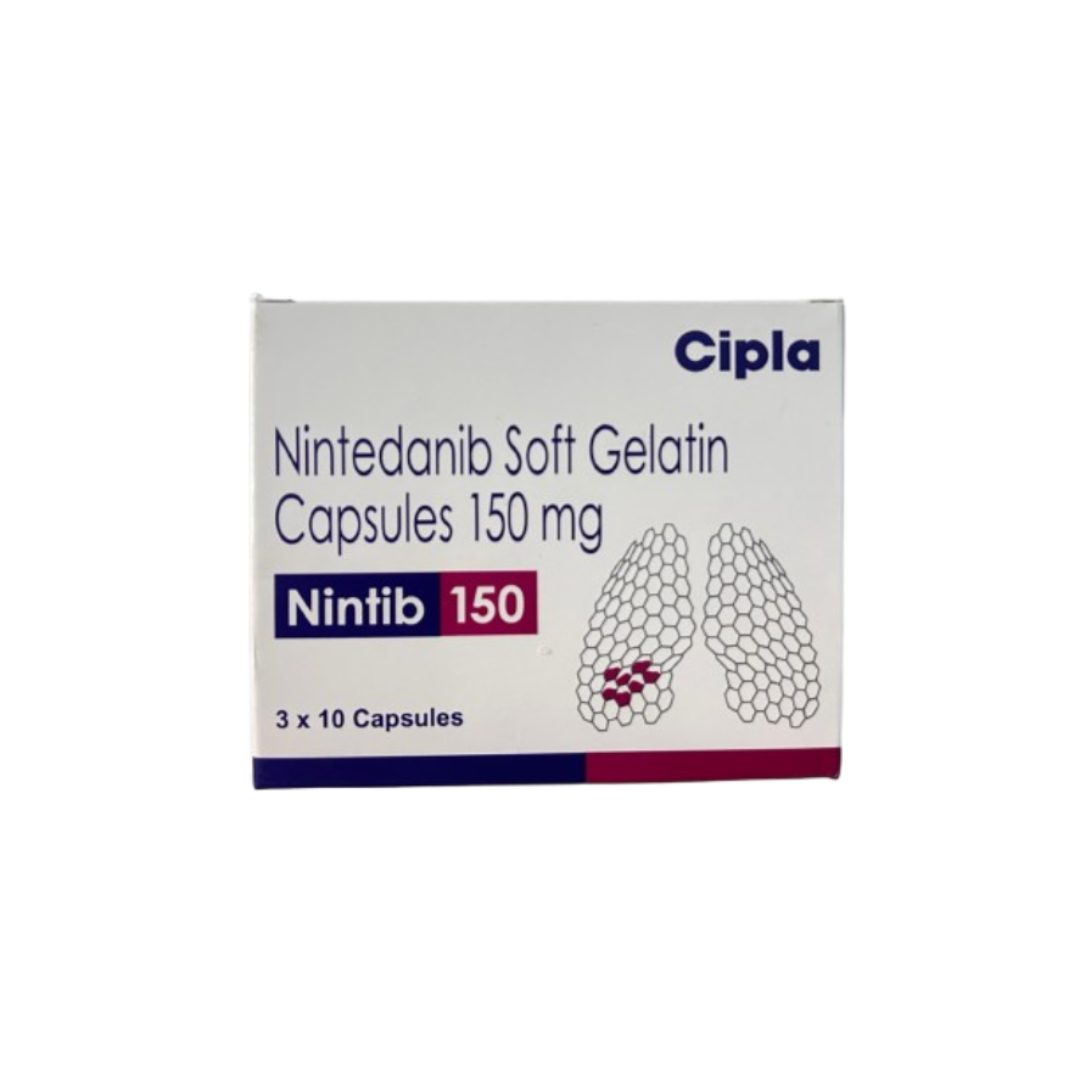
Nintib 150 MG Capsule
-
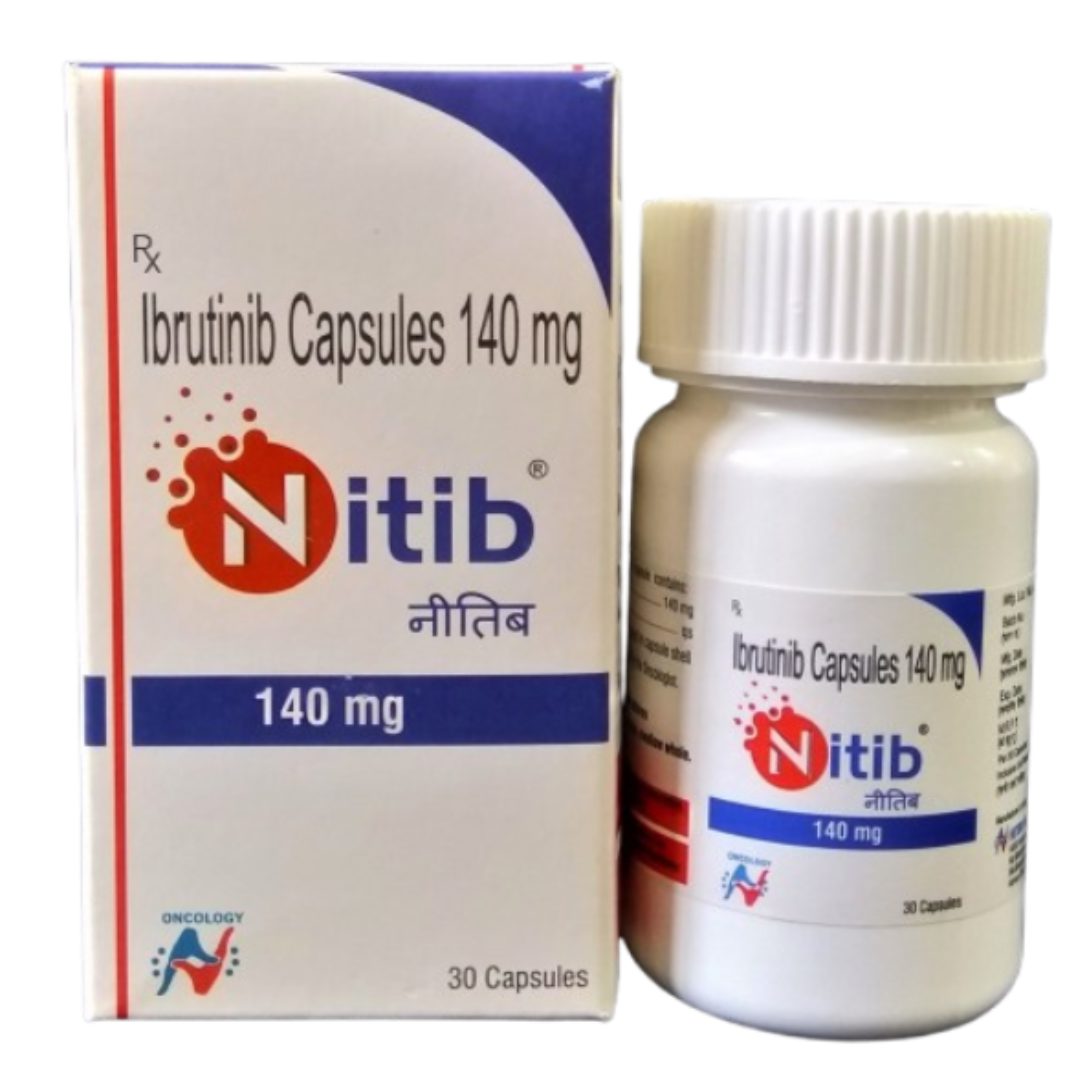
Nitib 140 Capsules
-
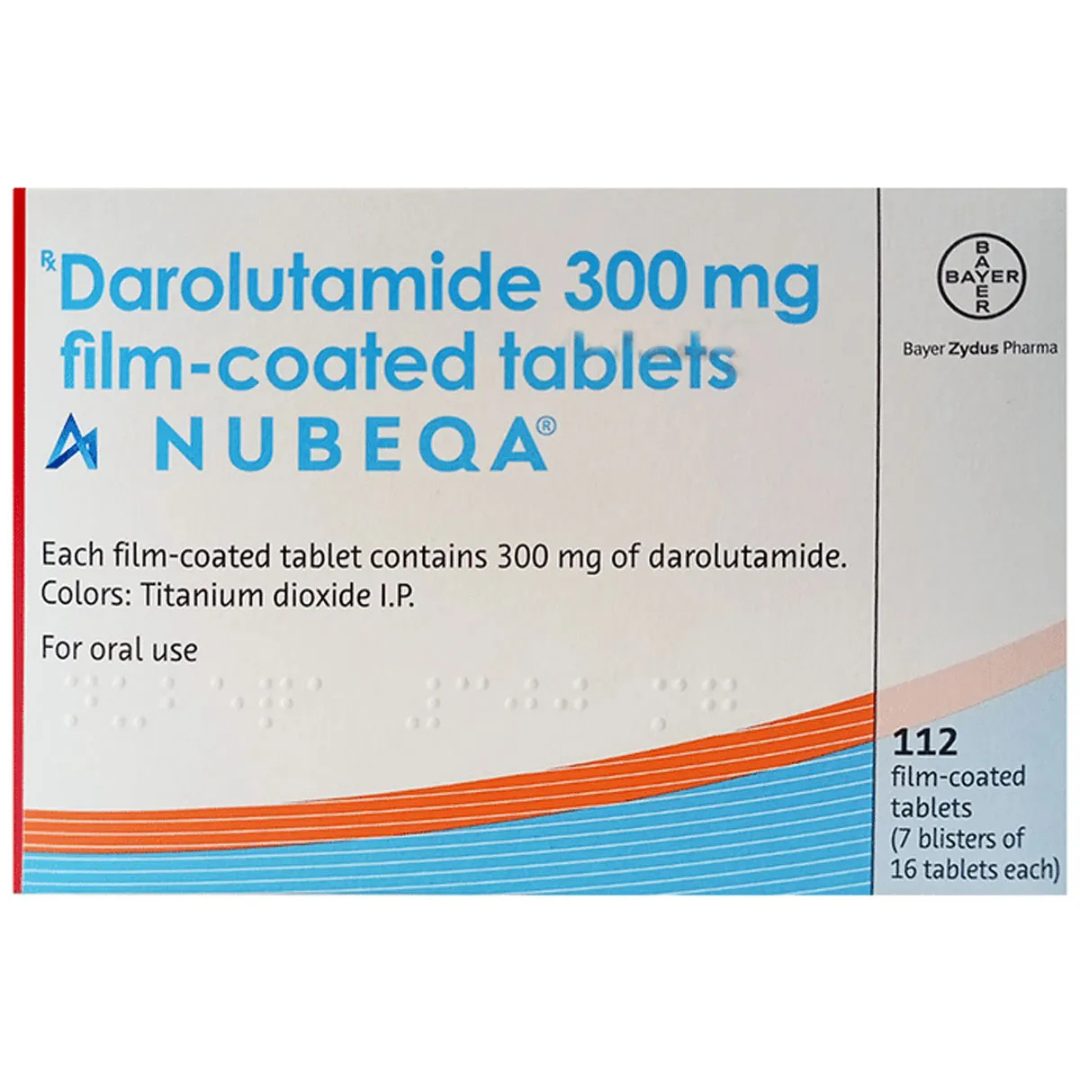
NUBEQA 300 mg Tablets
-
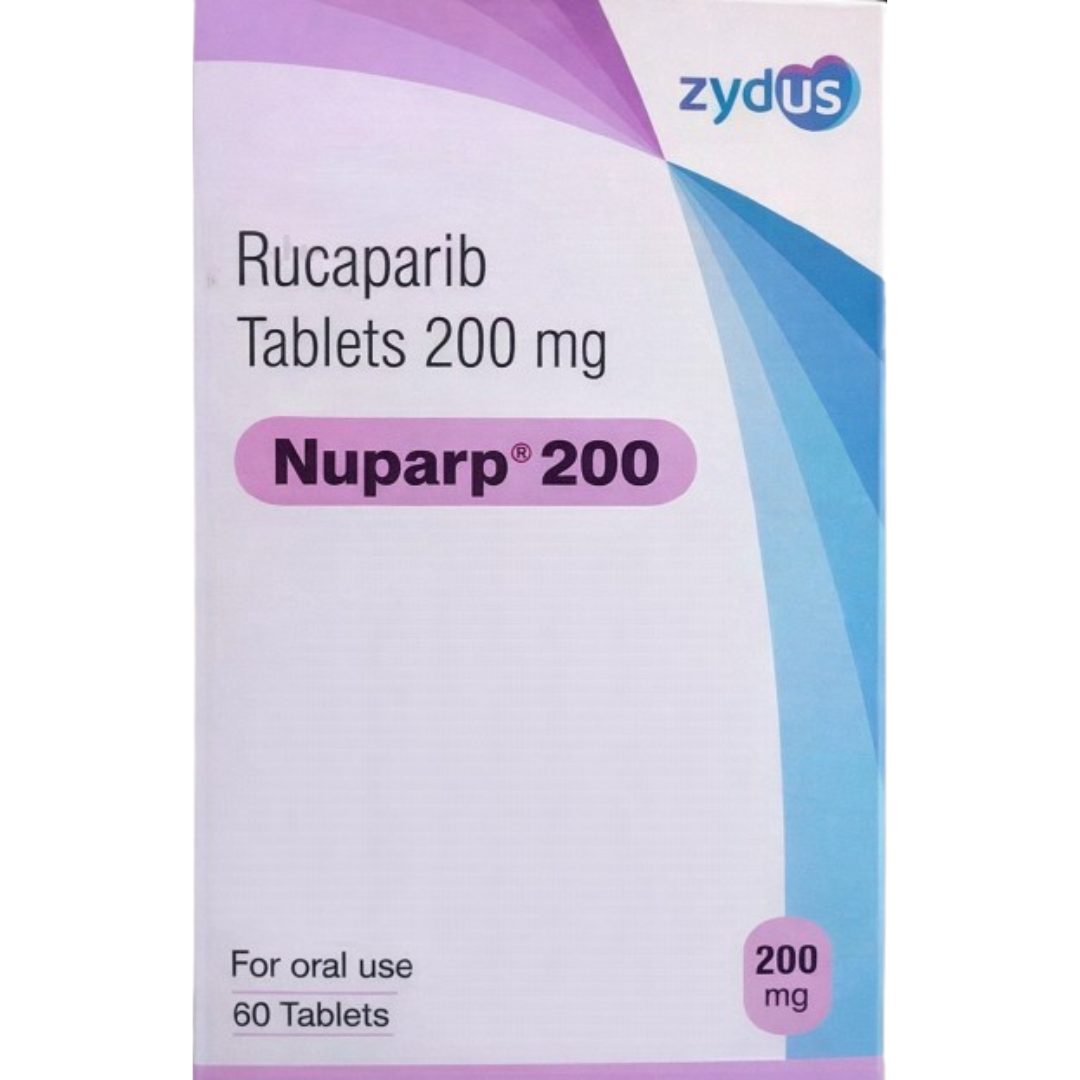
Nuparp 200 mg
-
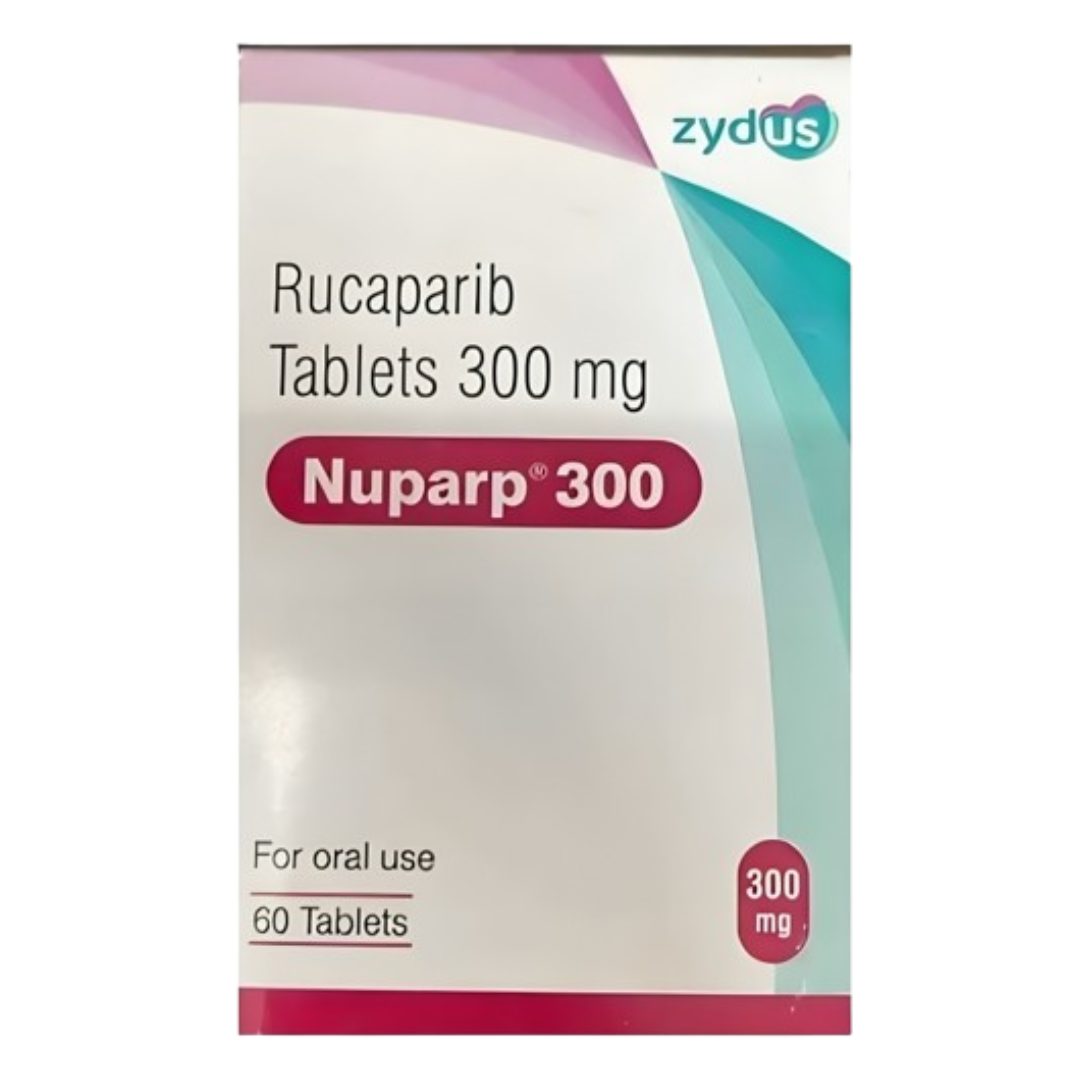
Nuparp 300 mg
-
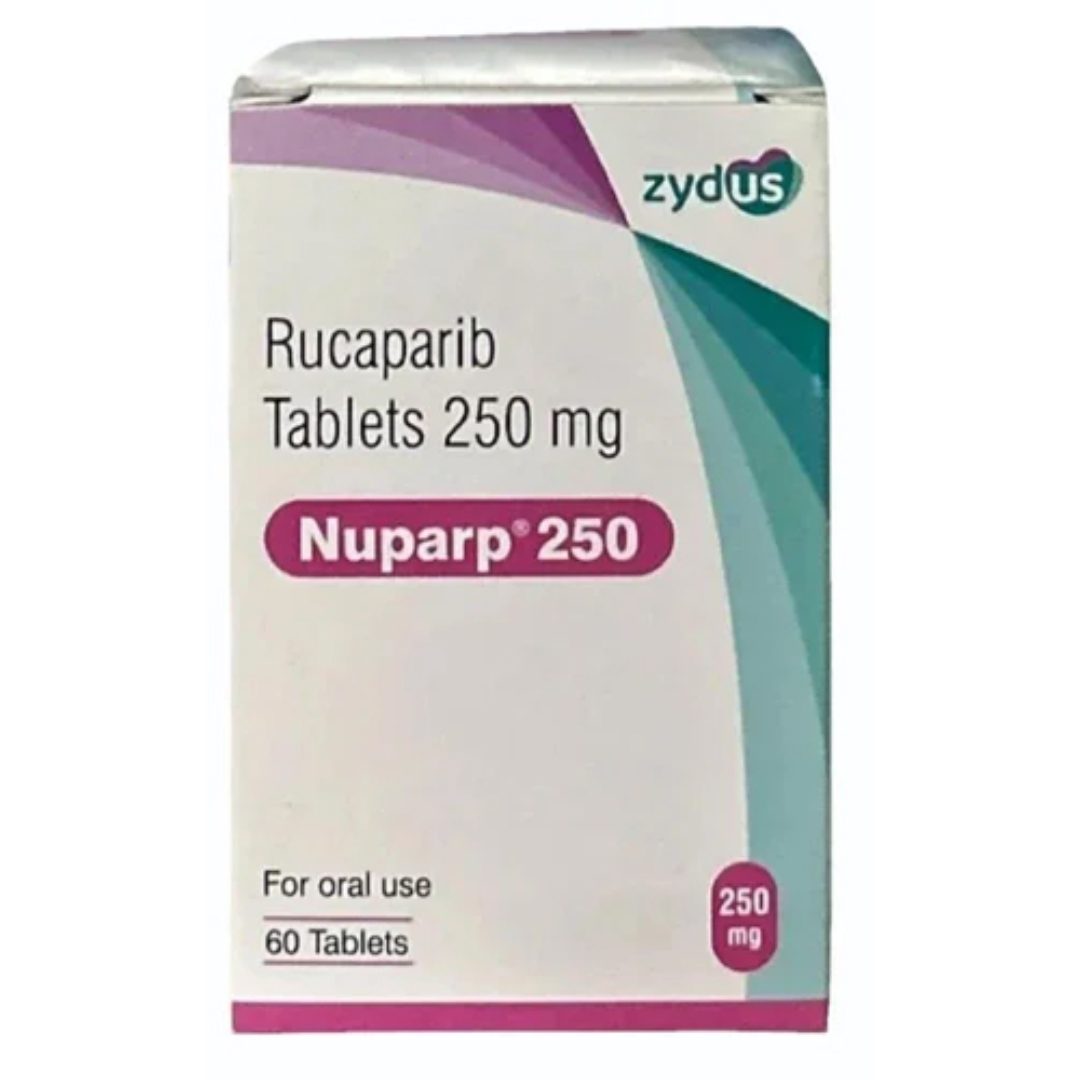
Nuparp 250 mg
-
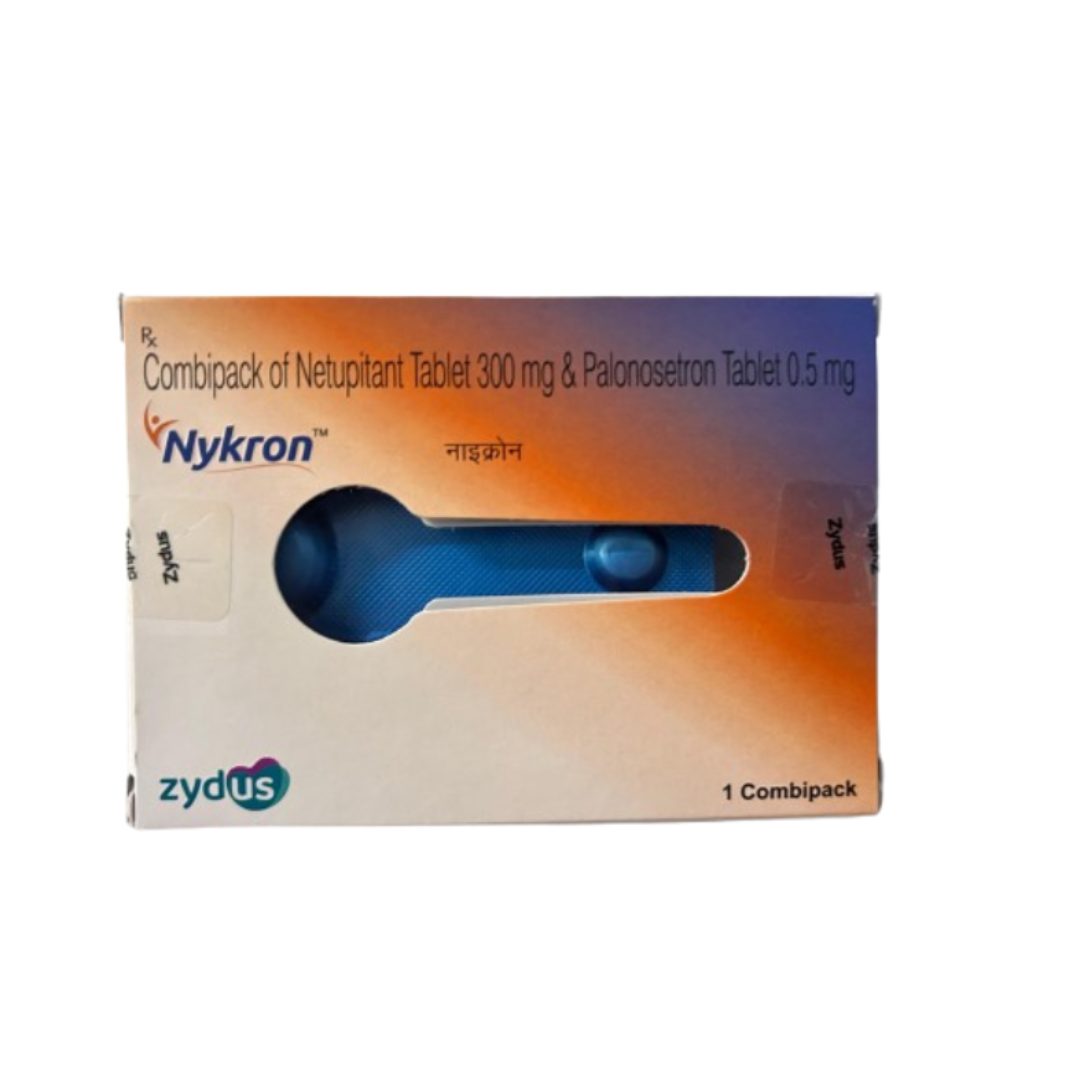
Nykron Tablet Combi Pack
-
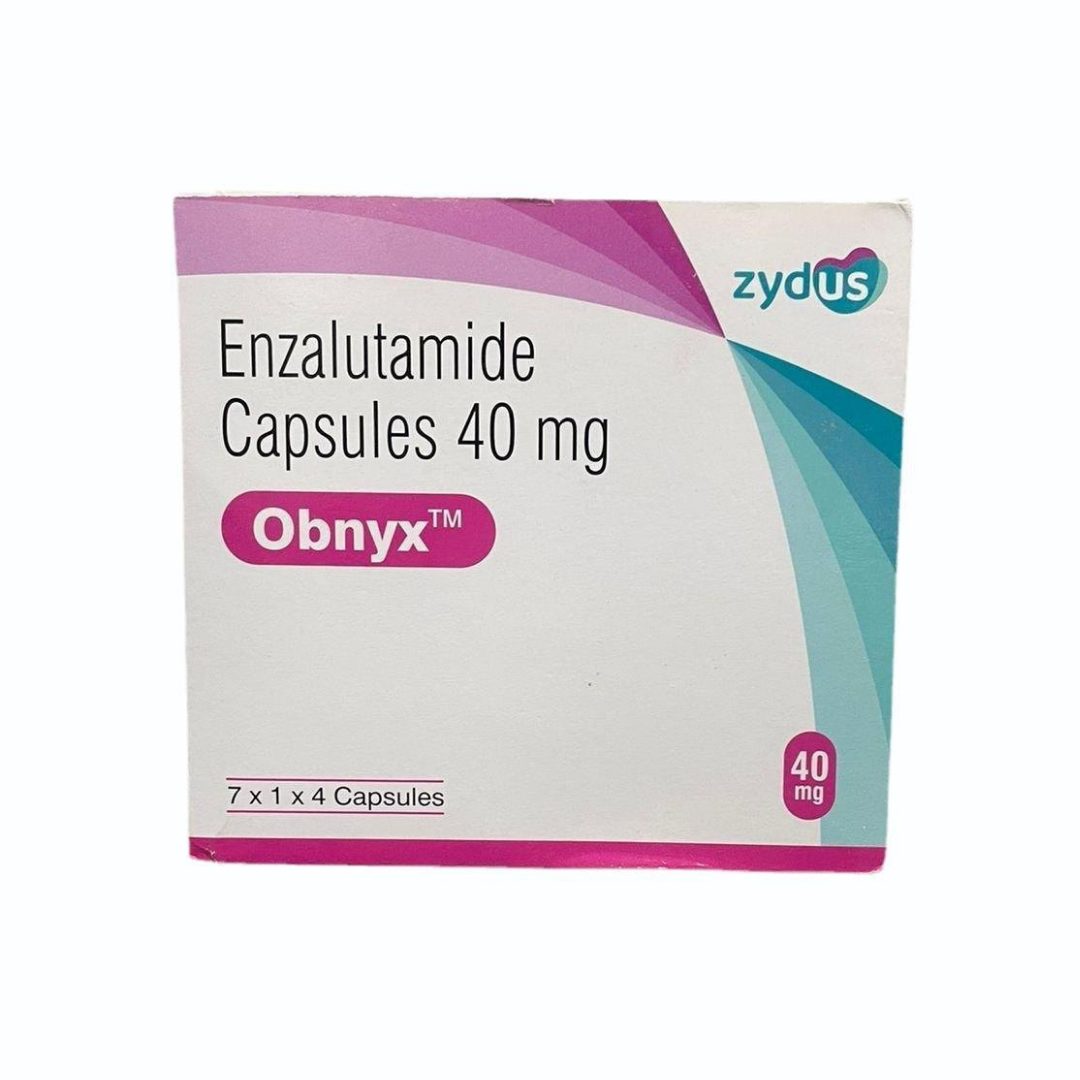
Obnyx 40 mg Capsules
-
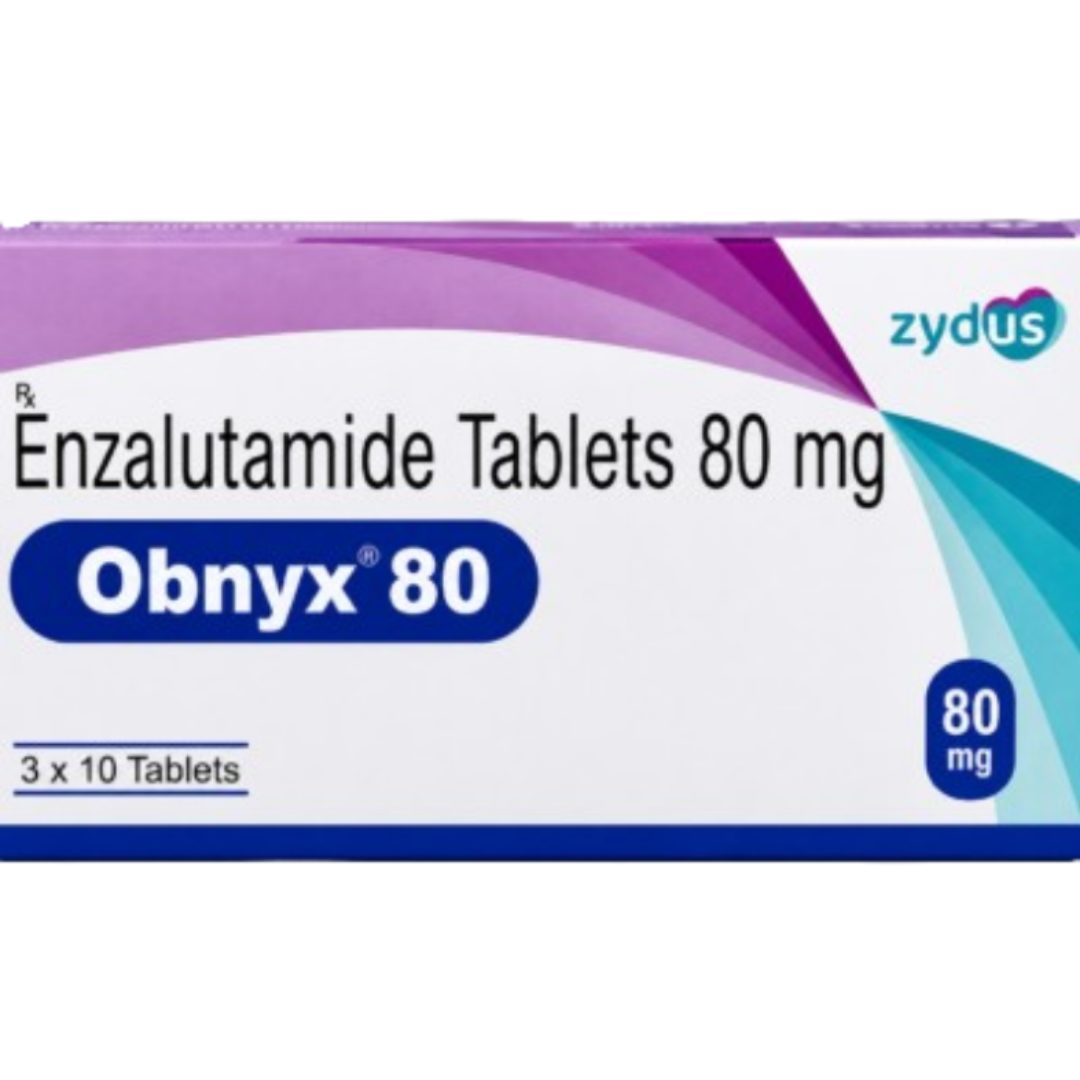
Obnyx 80 Tablets
-
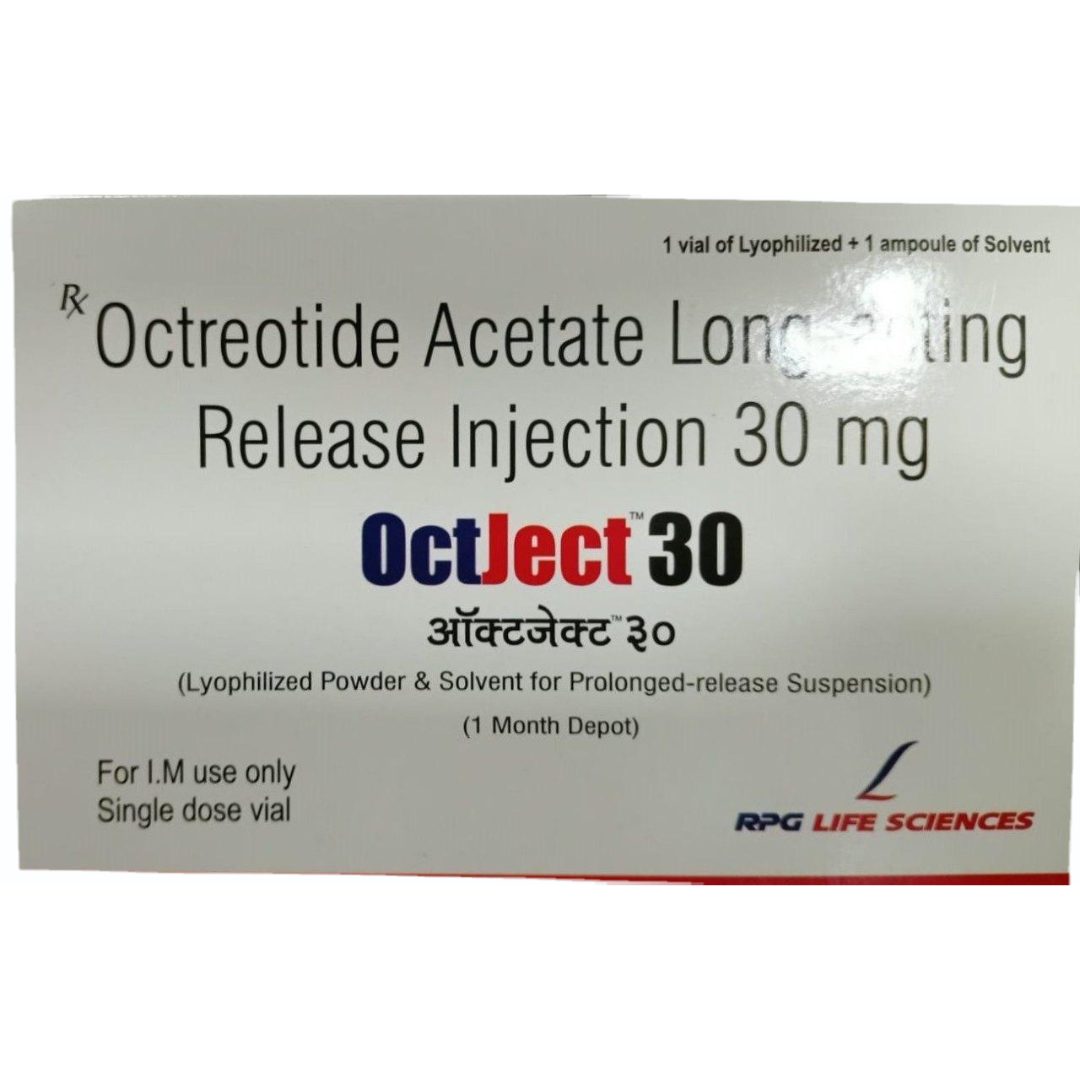
OctJect 30 mg Injection
-
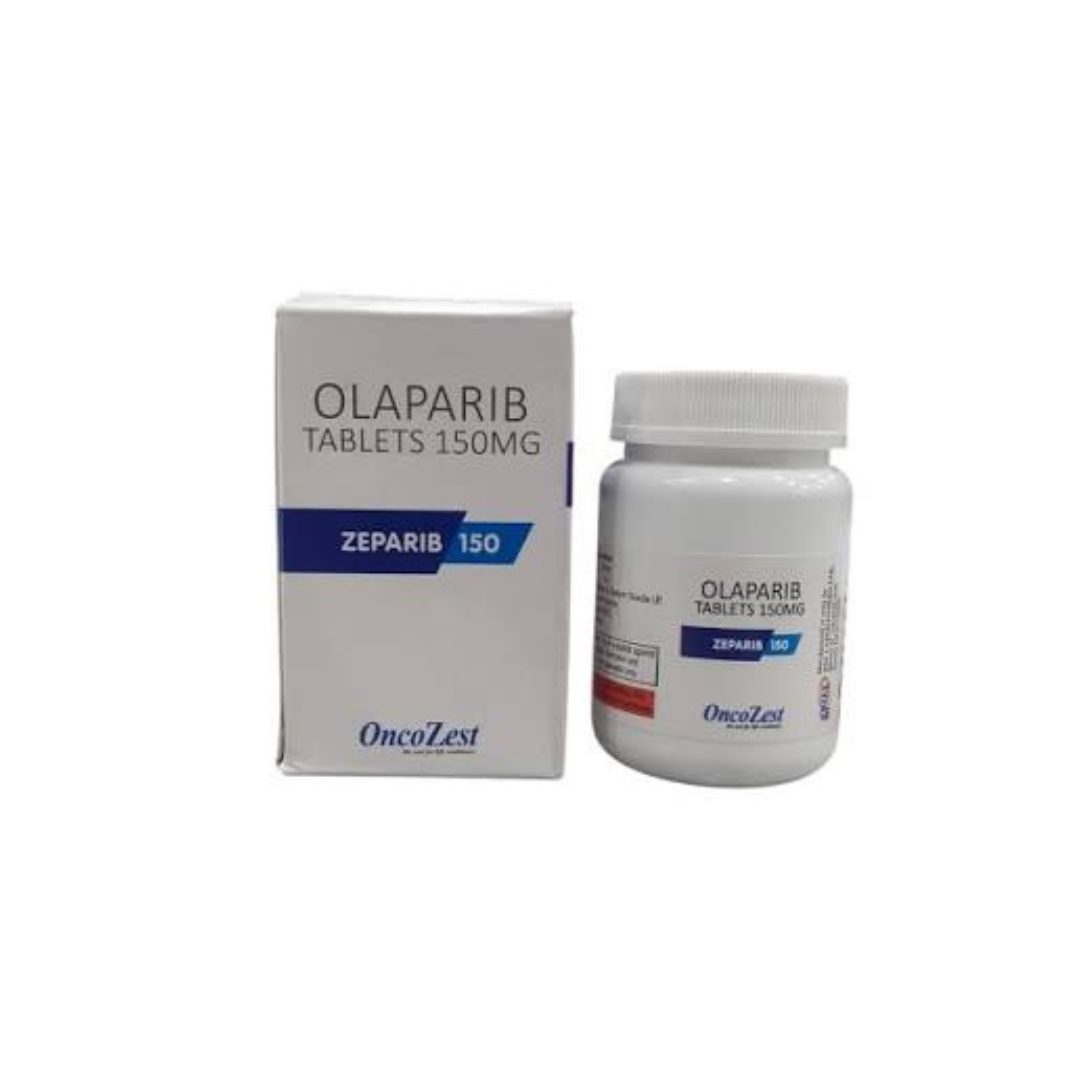
Zeparib 150 mg Tablet
-
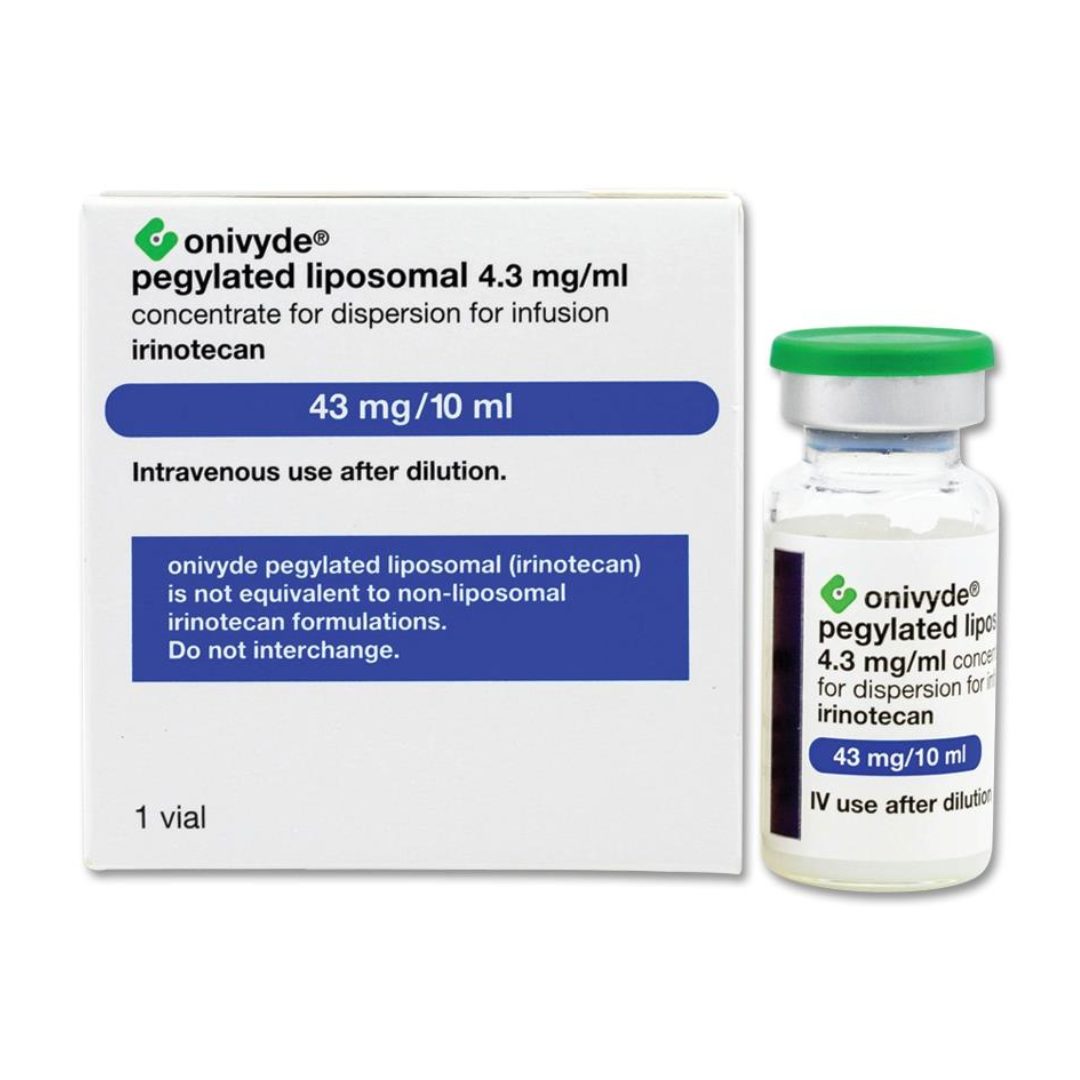
Onivyde
-
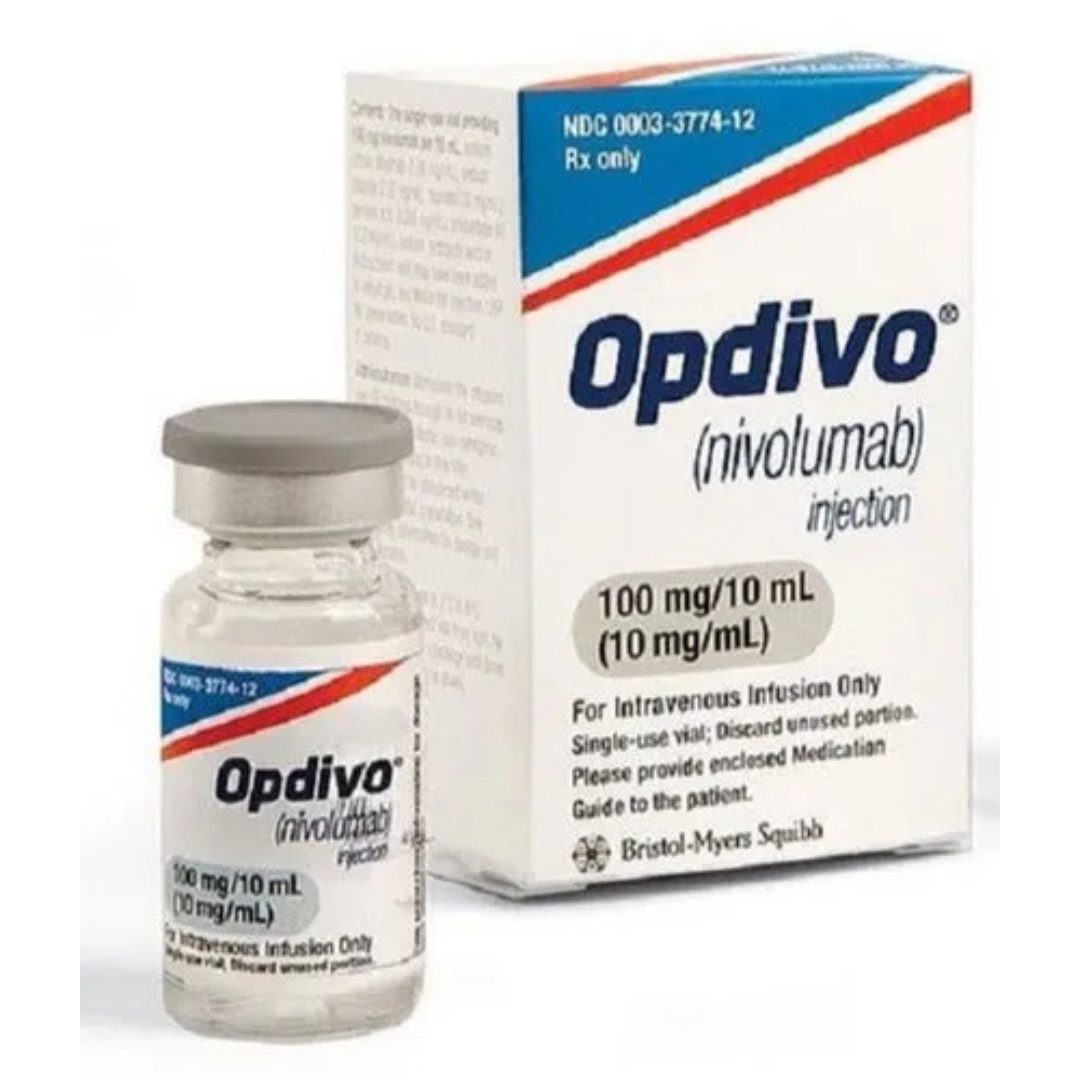
Opdivo 100 mg injection
-

Opdivo 240MG
-
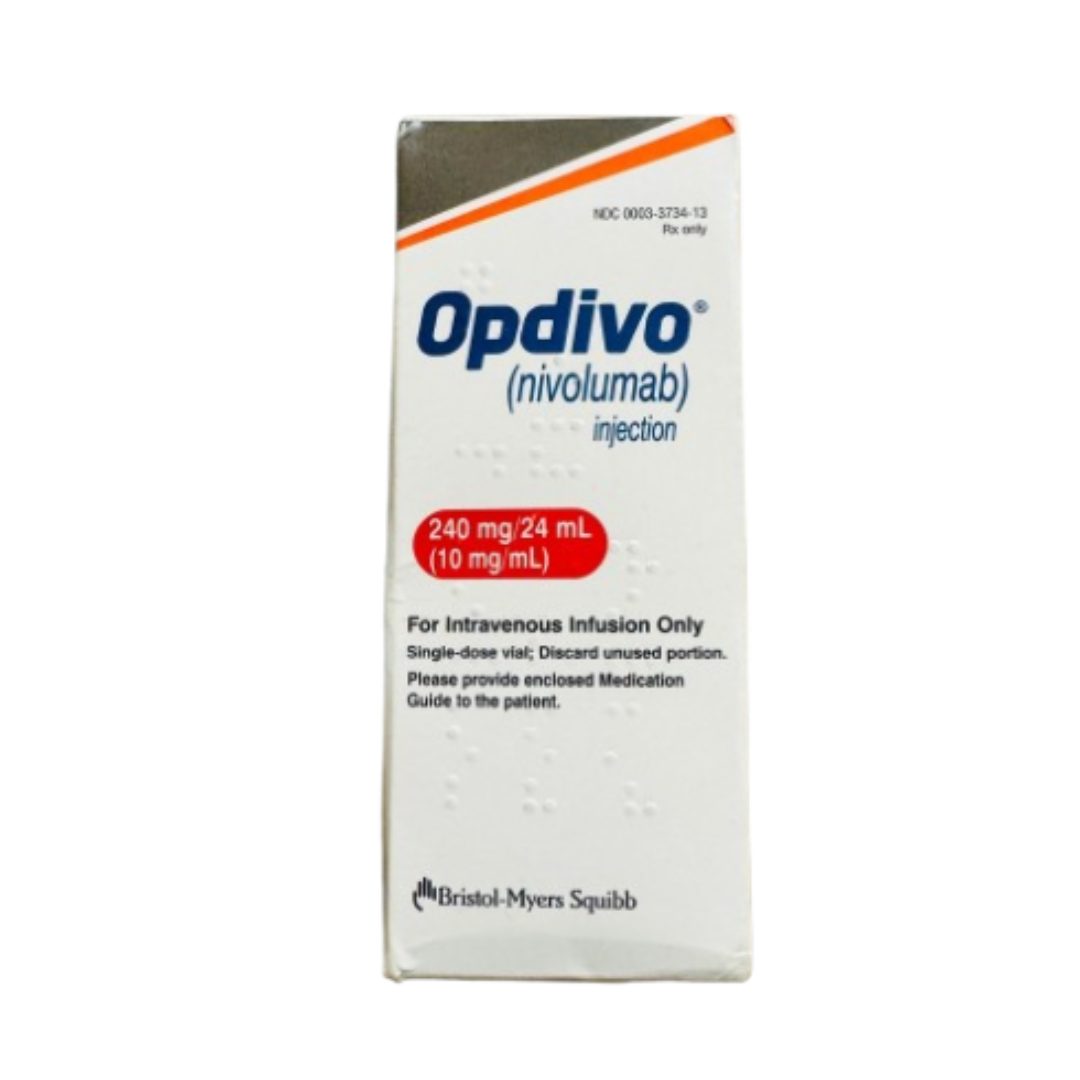
Opdivo 240 mg injection
-
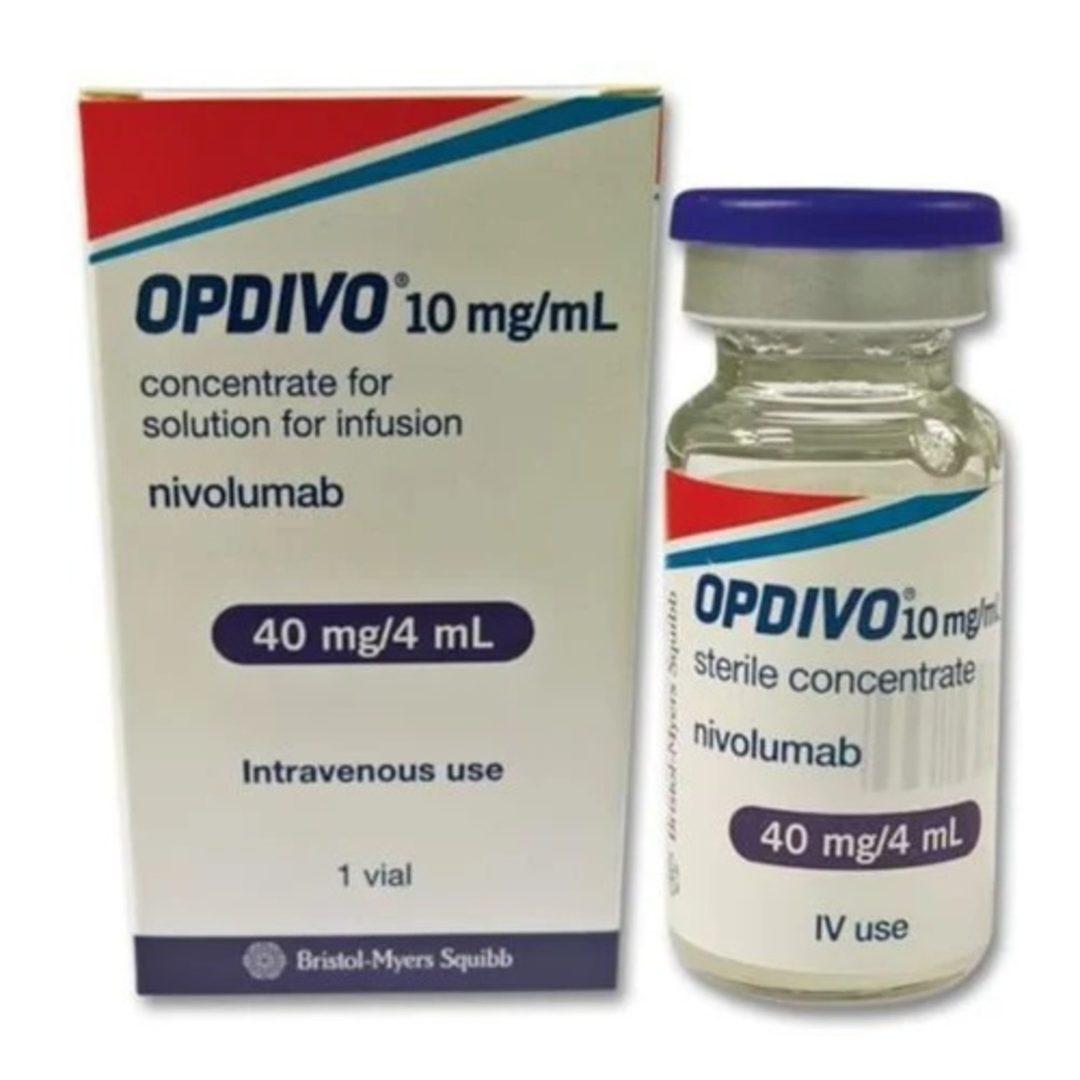
OPDIVO 40 mg injection
-
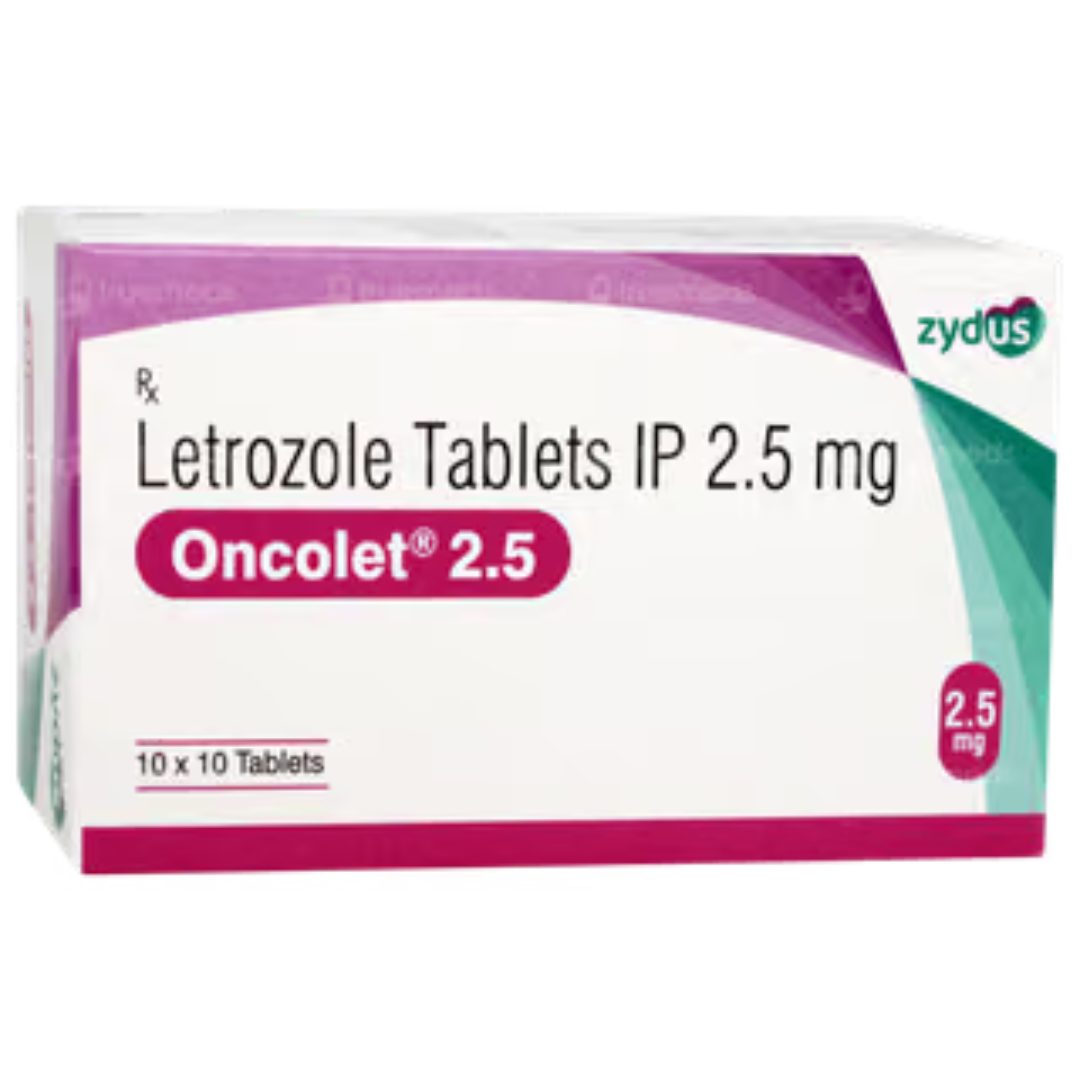
Oncolet 2.5 mg
-
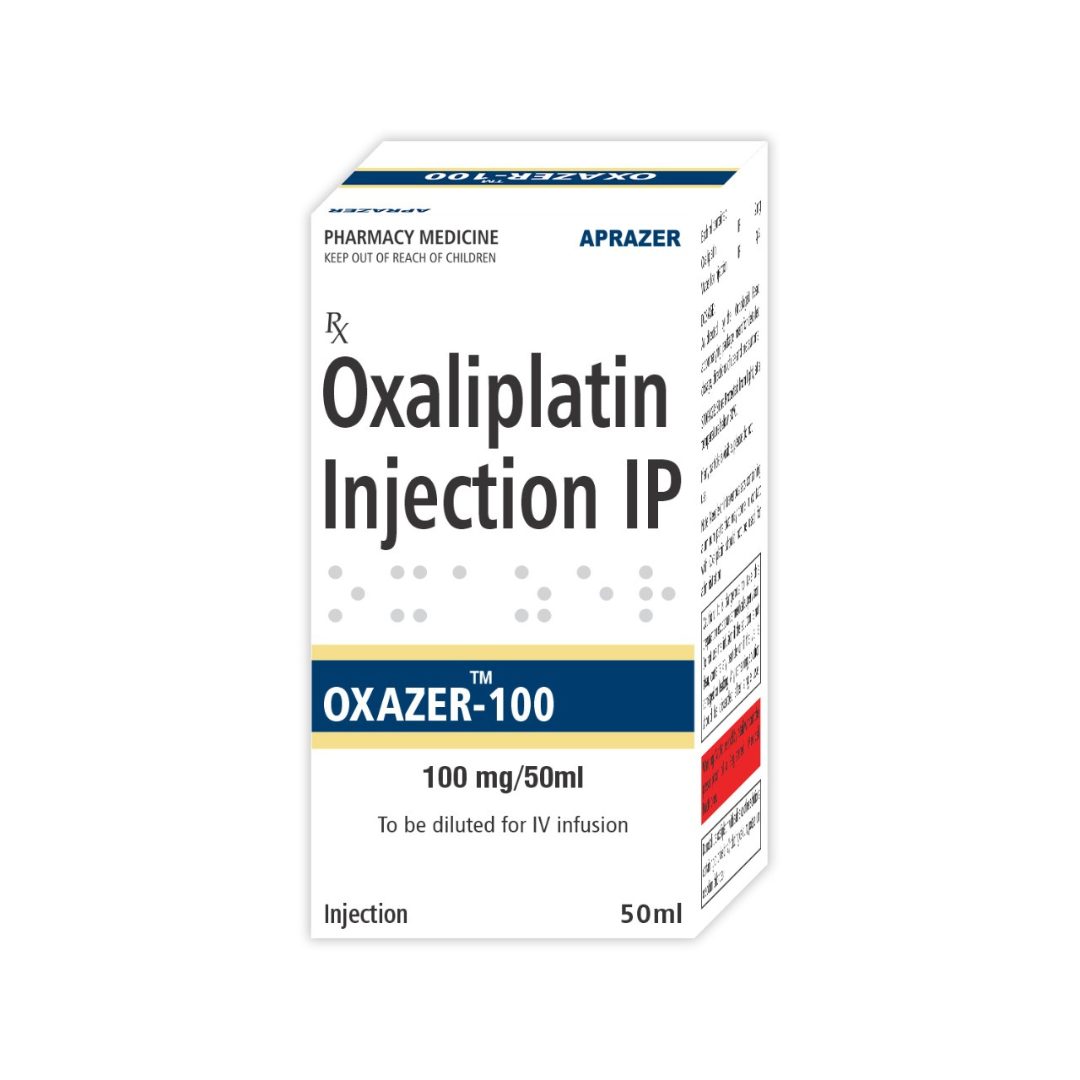
OXAZER-100 Injection
-
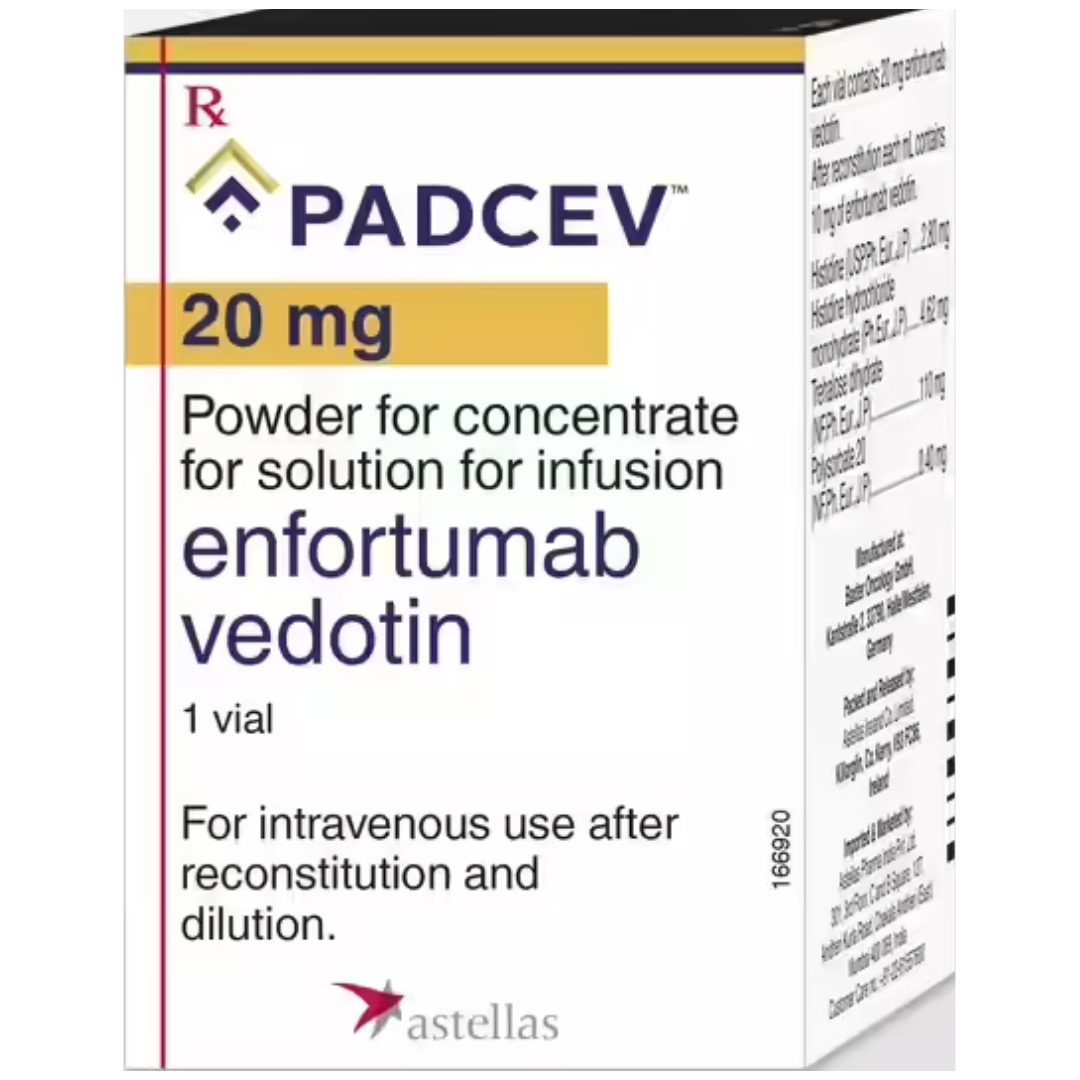
PADCEV 20 mg
-
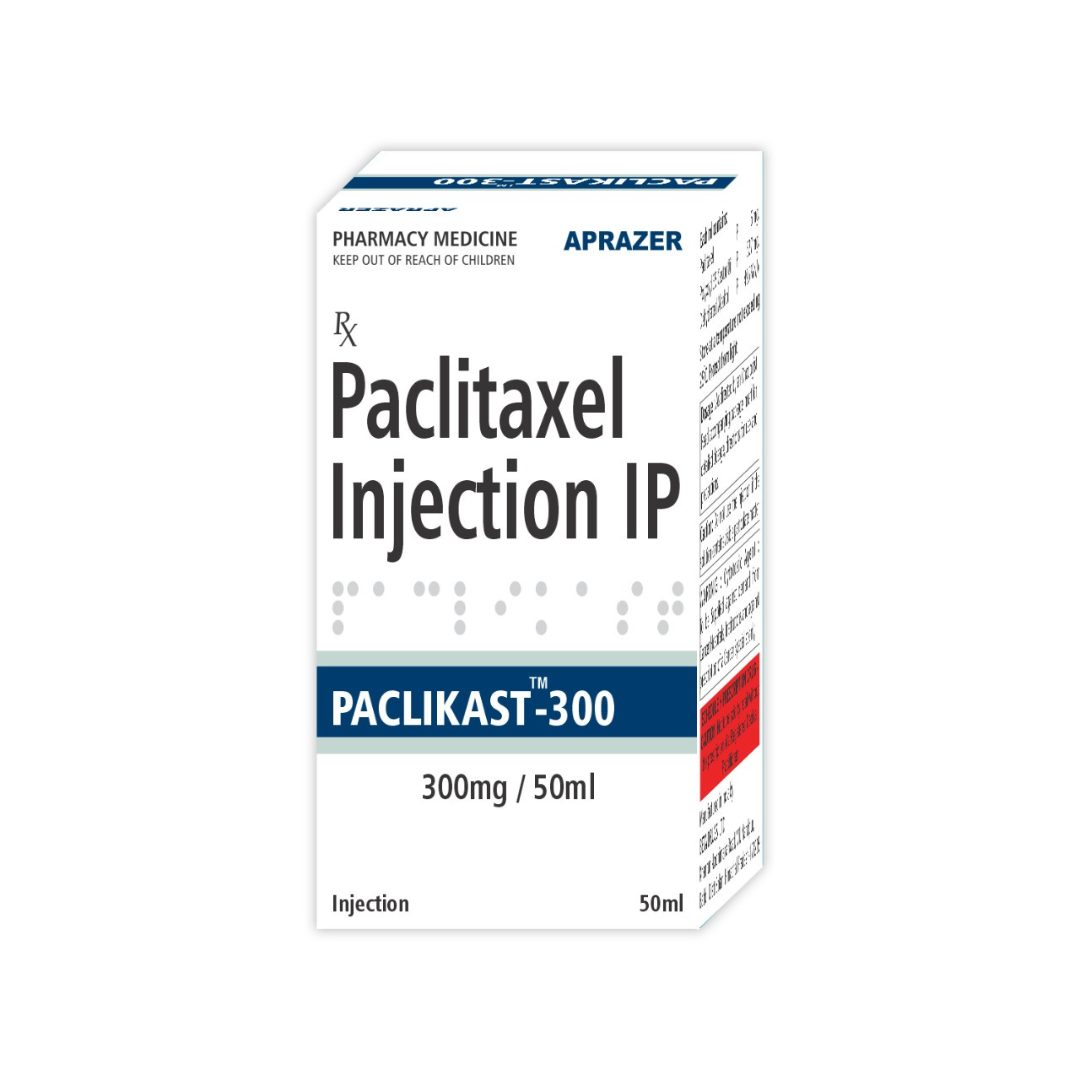
PACLIKAST-300 Injection
-
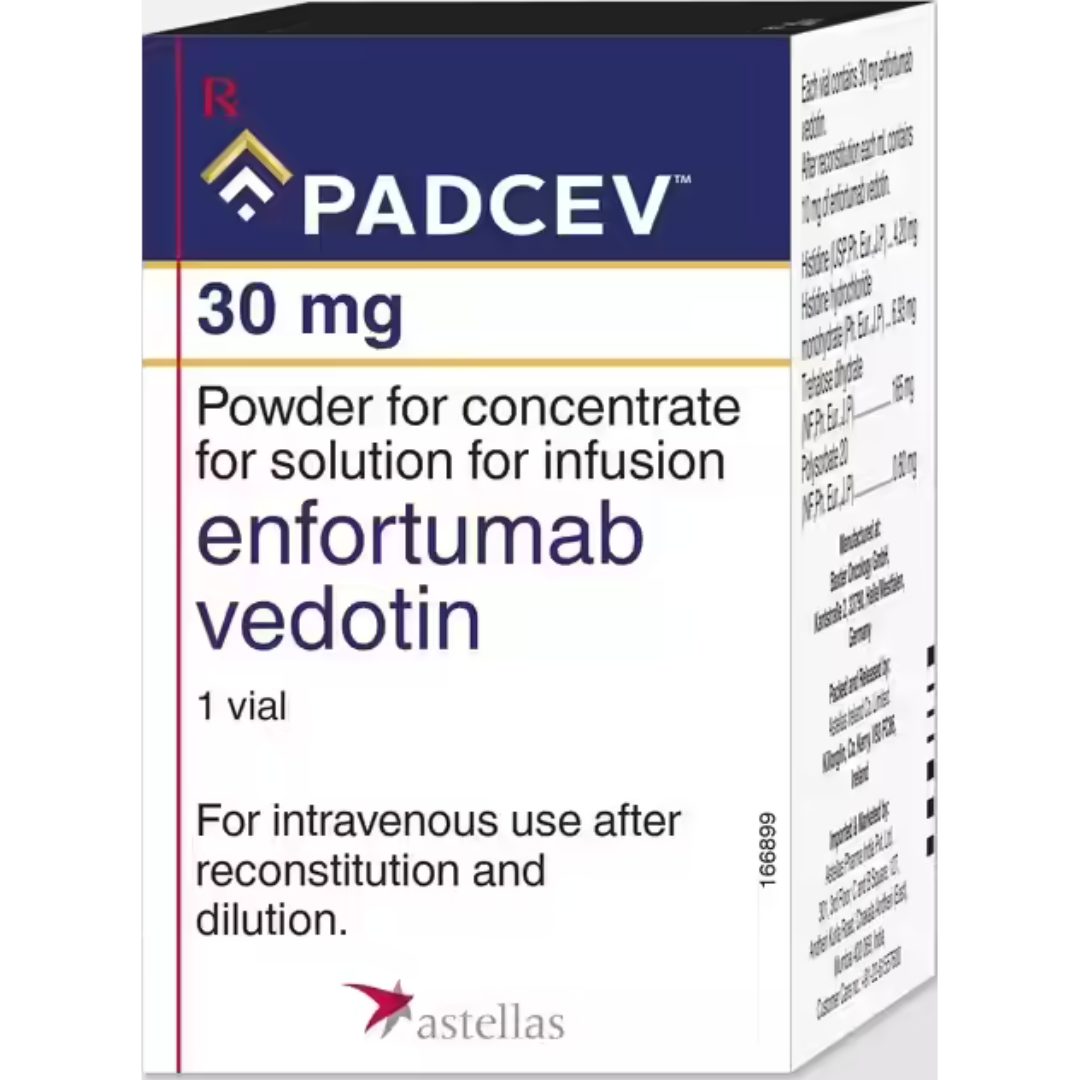
PADCEV 30 mg
-
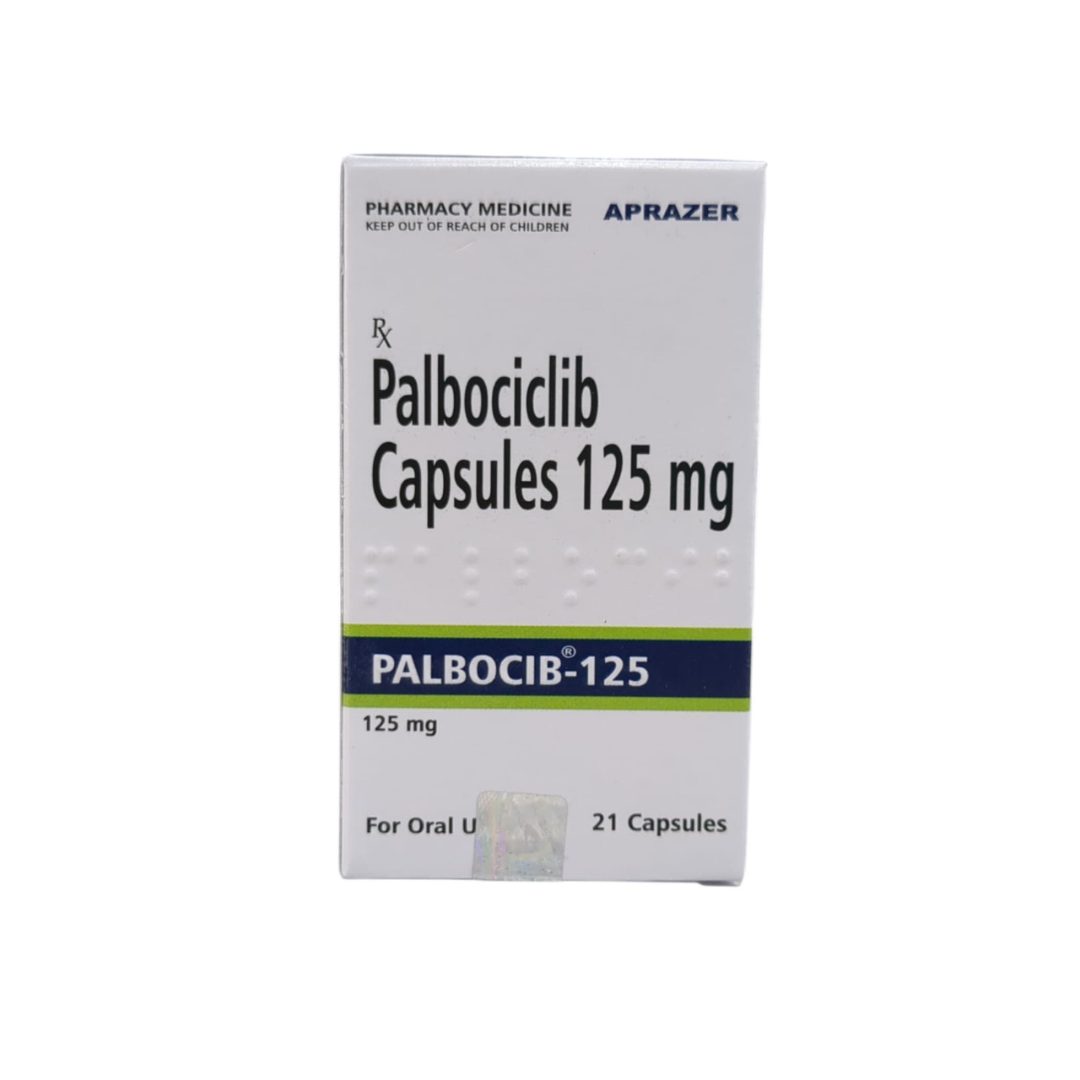
PALBOCIB-125 Capsules
-
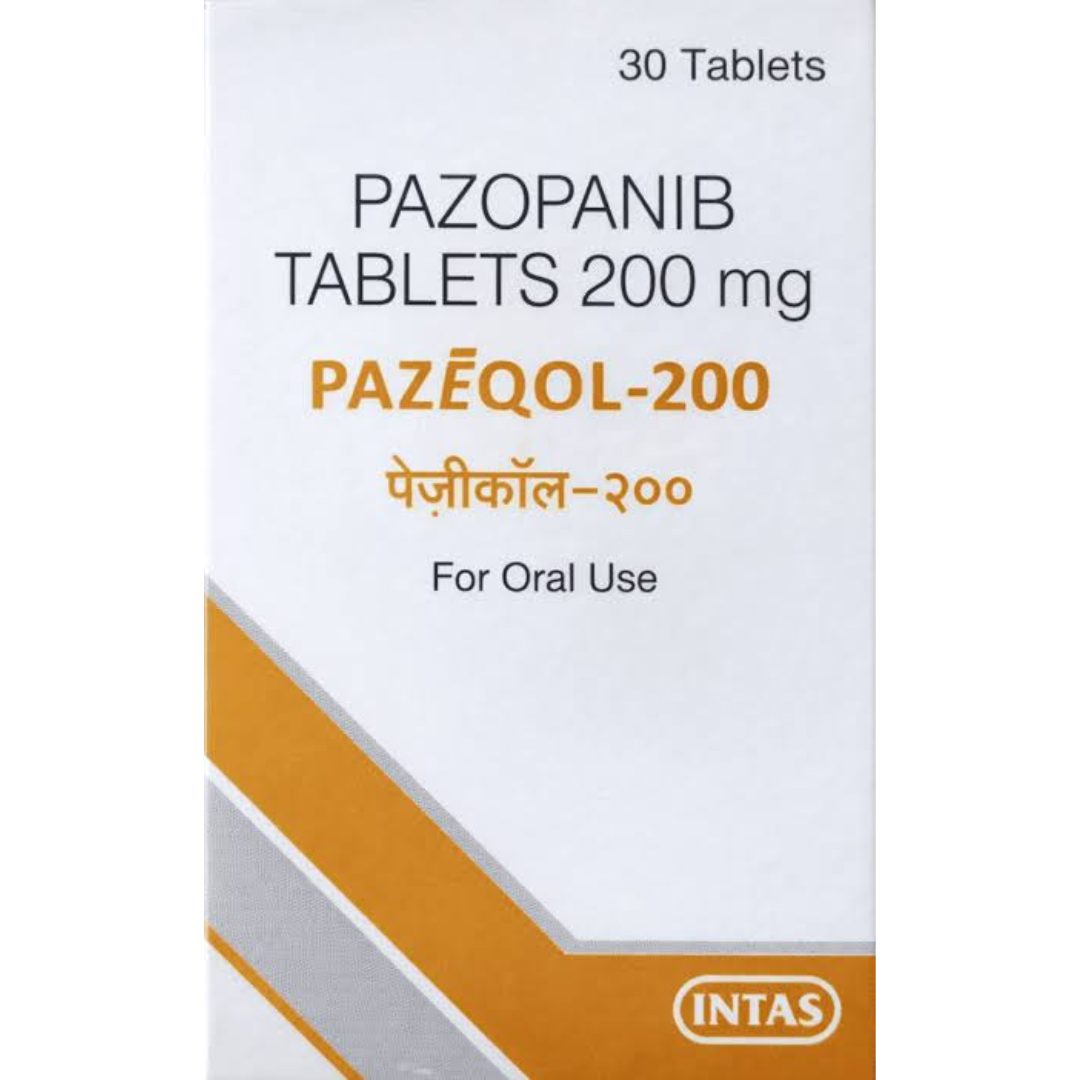
PAZEQOL-200 Tablets
-
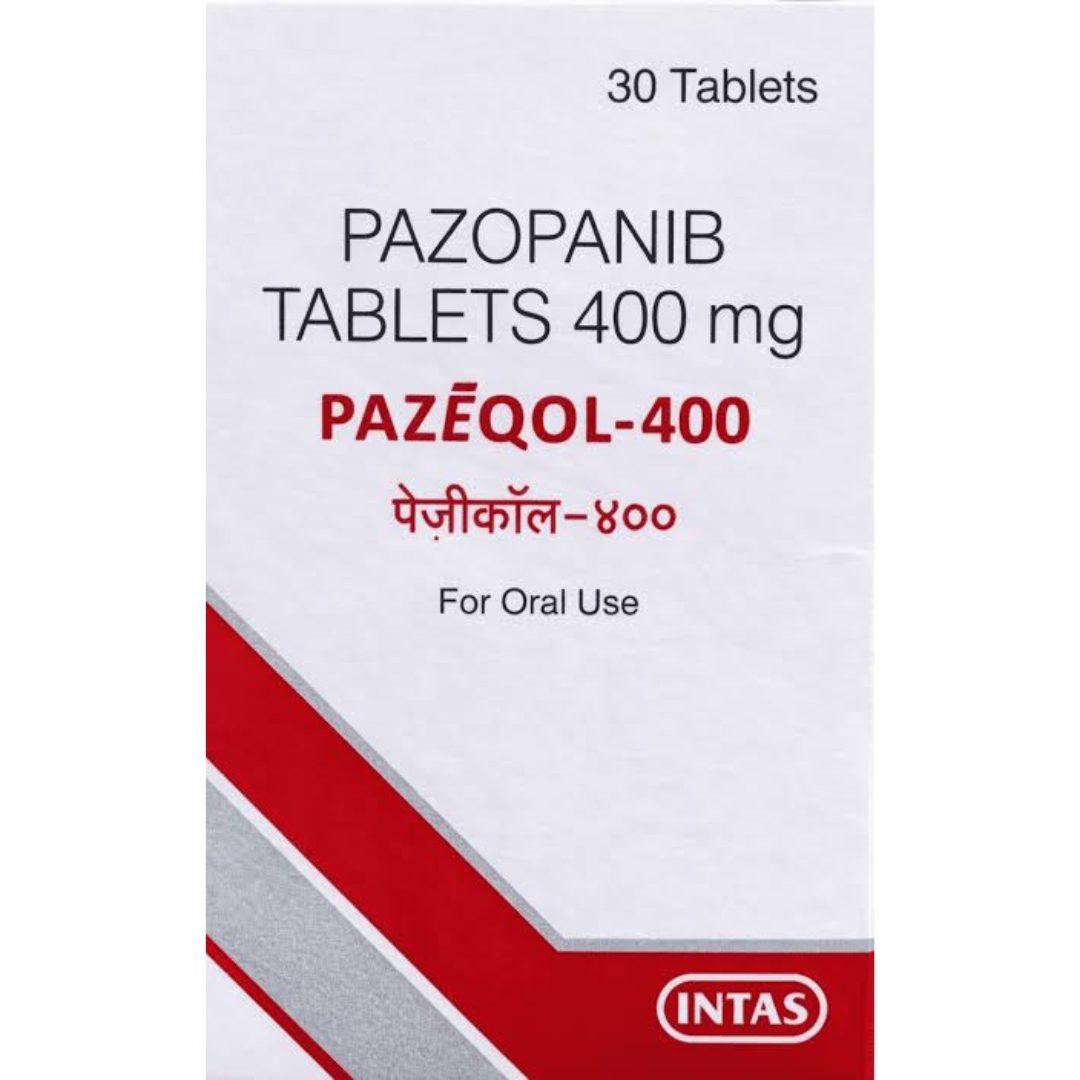
PAZEQOL-400 Tablets
-
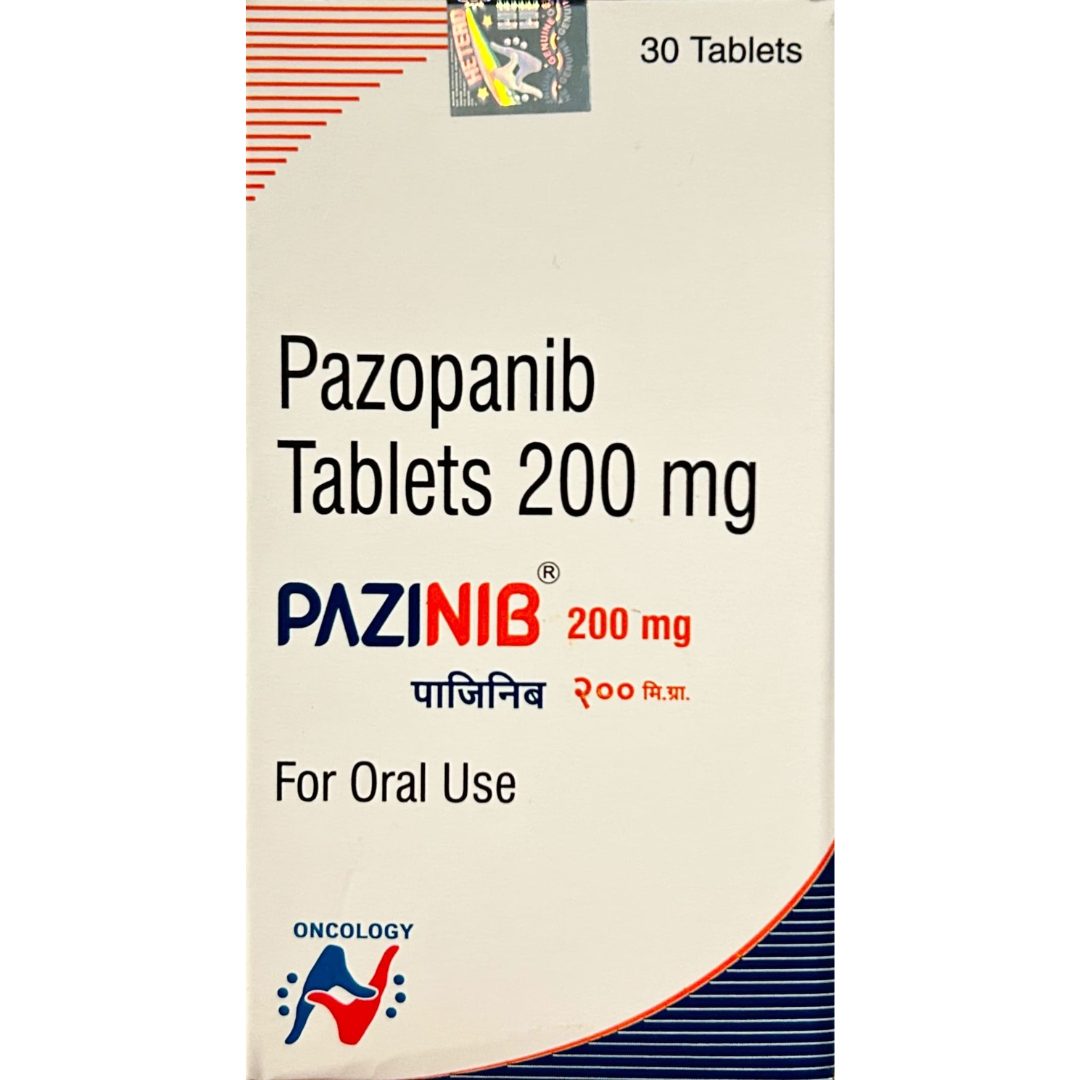
PAZINIB 200 mg Tablets
-
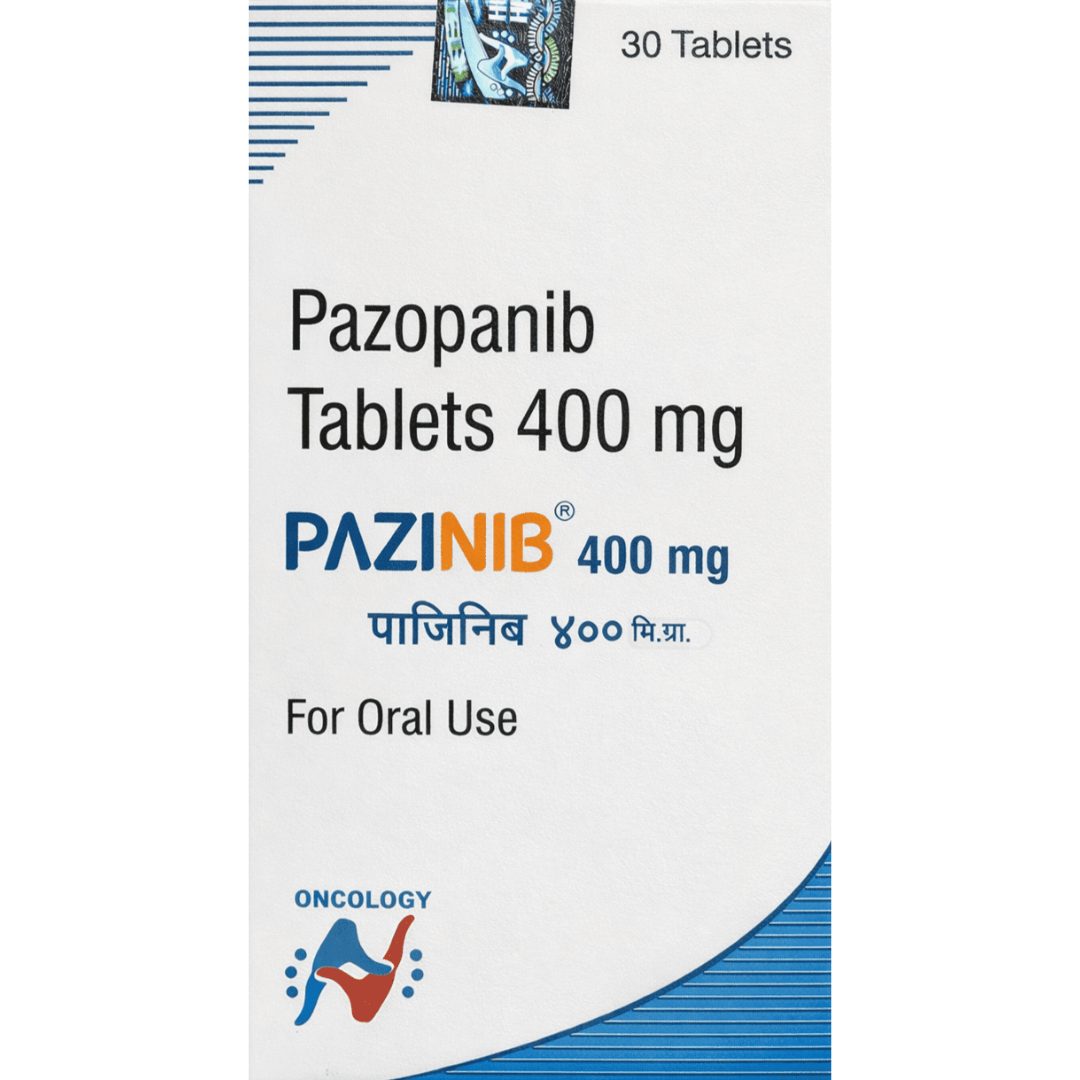
PAZINIB 400 mg Tablets
-
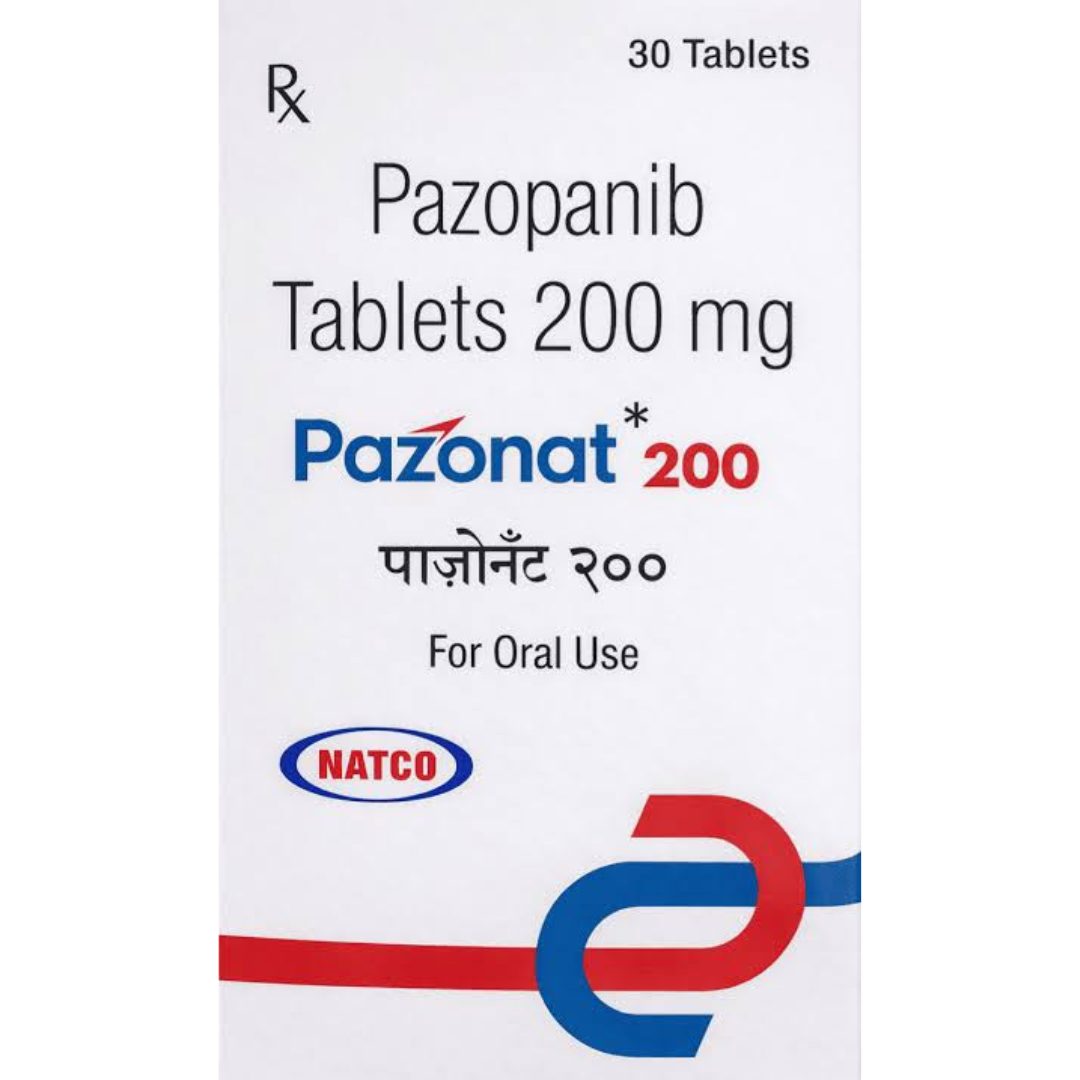
Pazonat 200mg Tablets
-
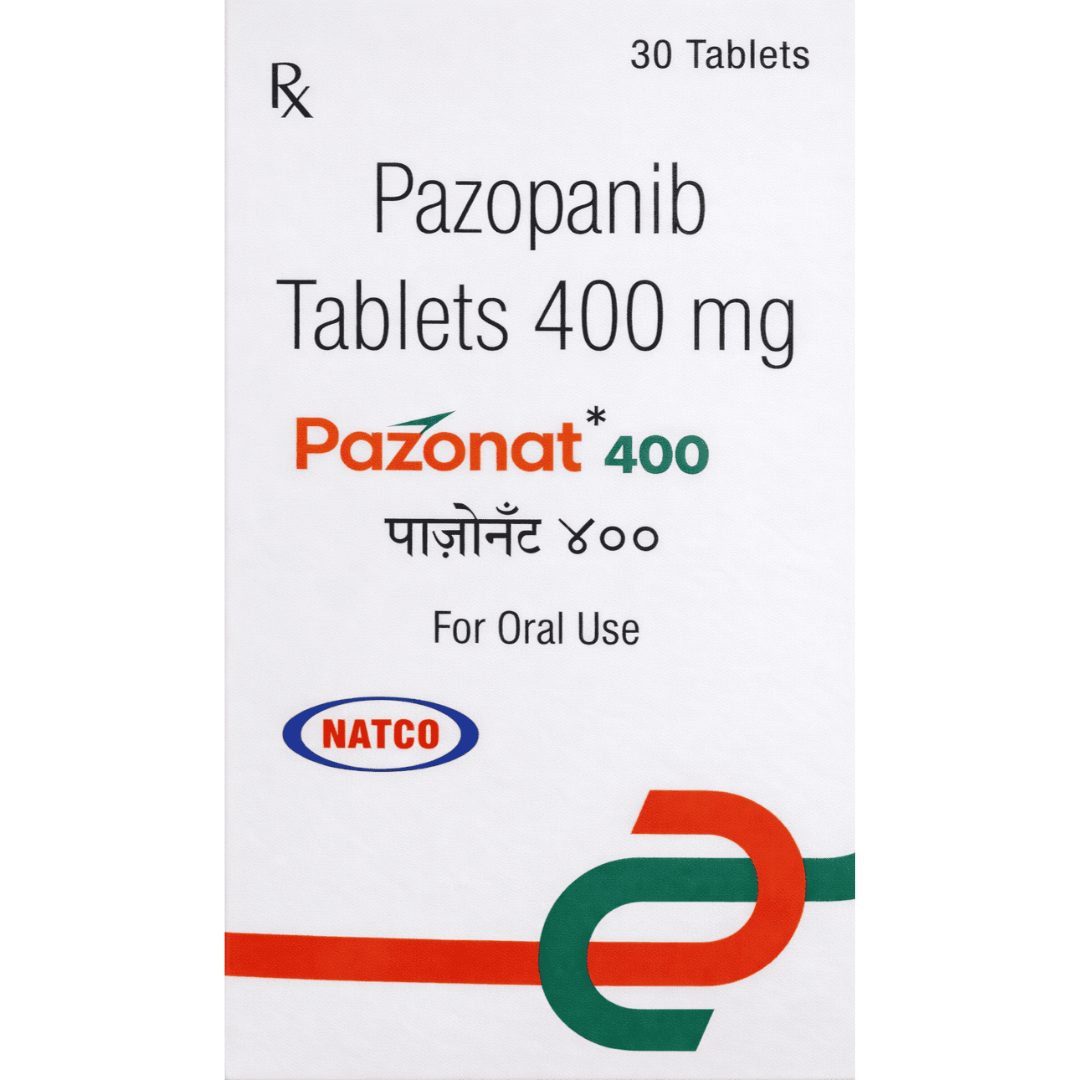
Pazonat 400mg Tablets
-
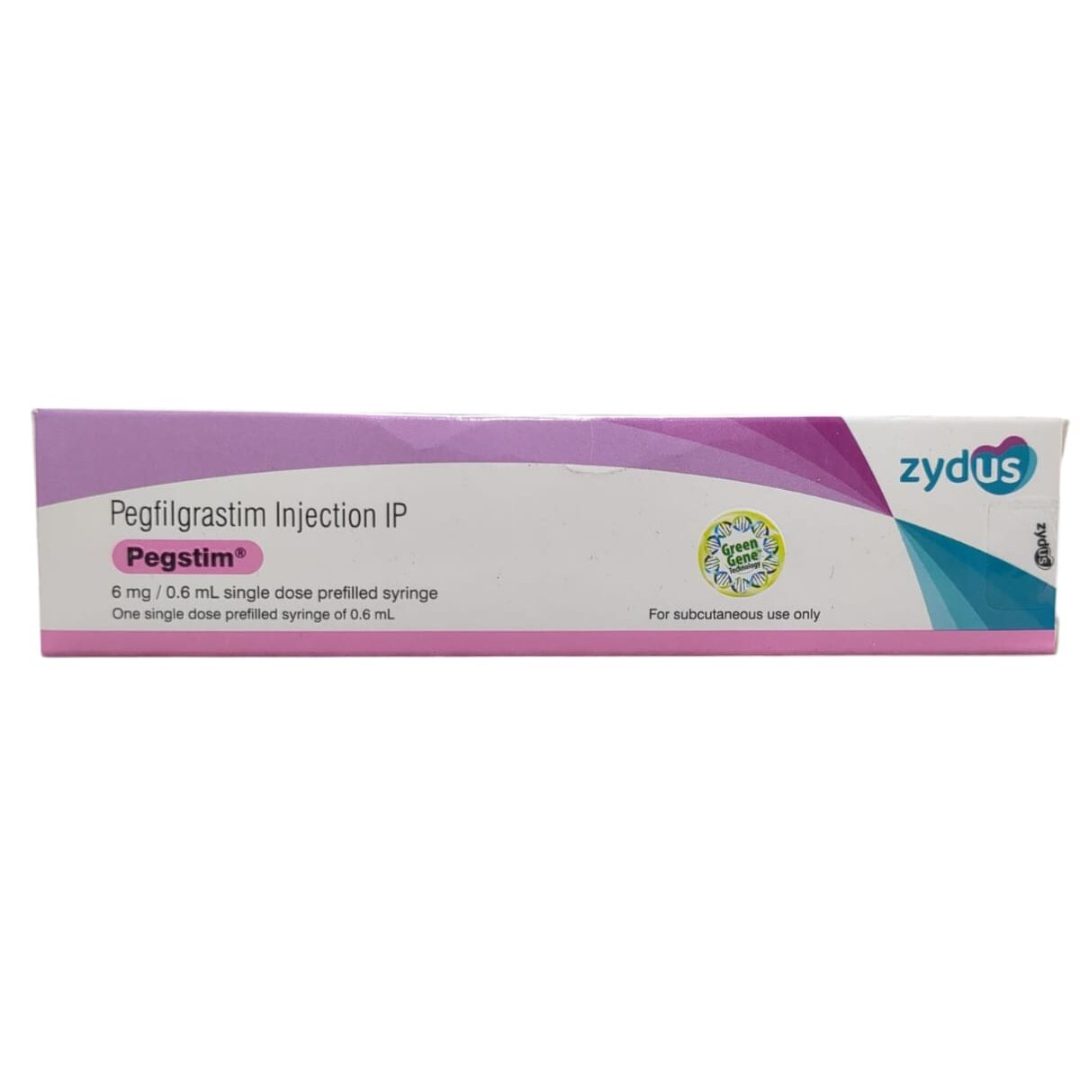
Pegstim 6 mg Injection
-
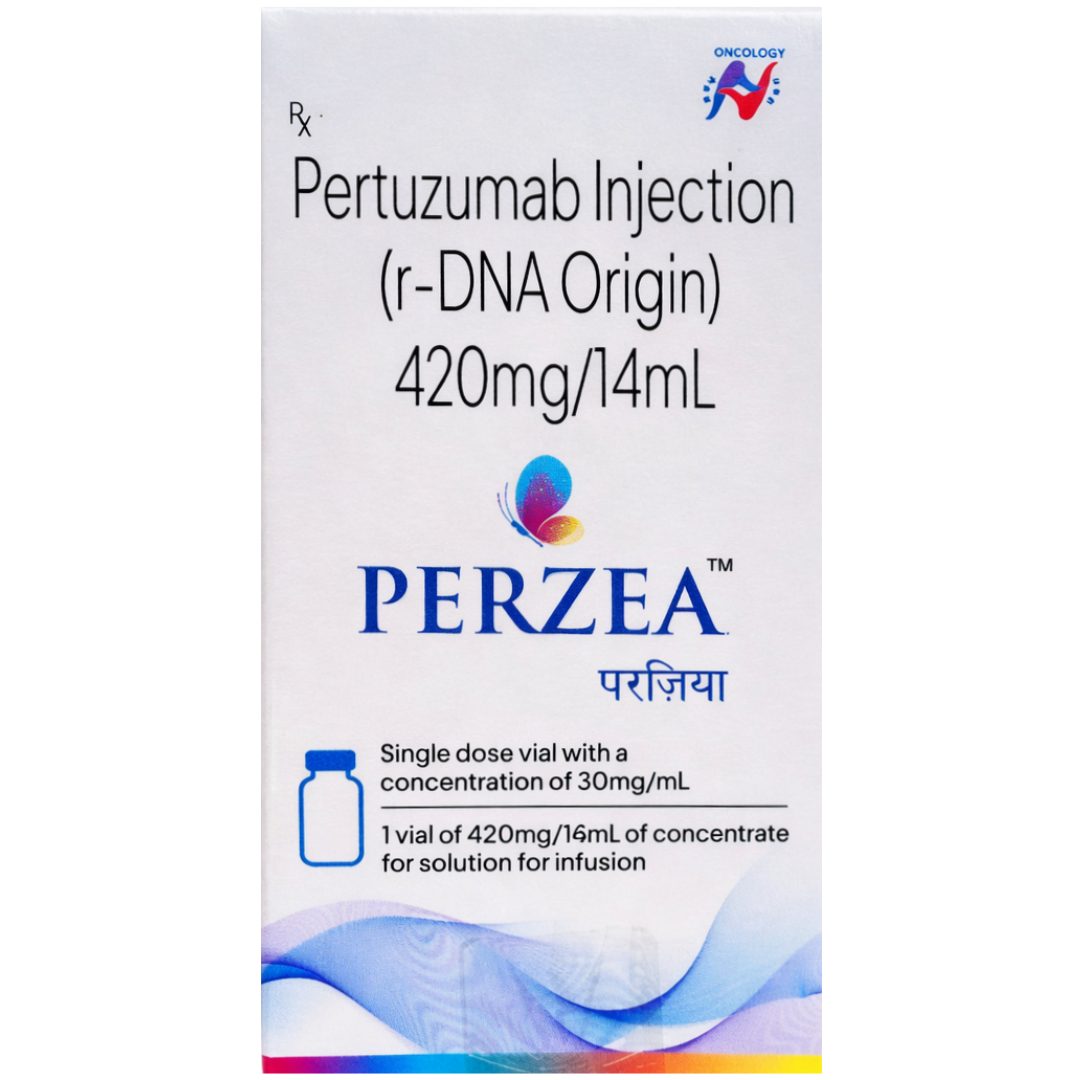
Perzea 420 mg Injection,
-
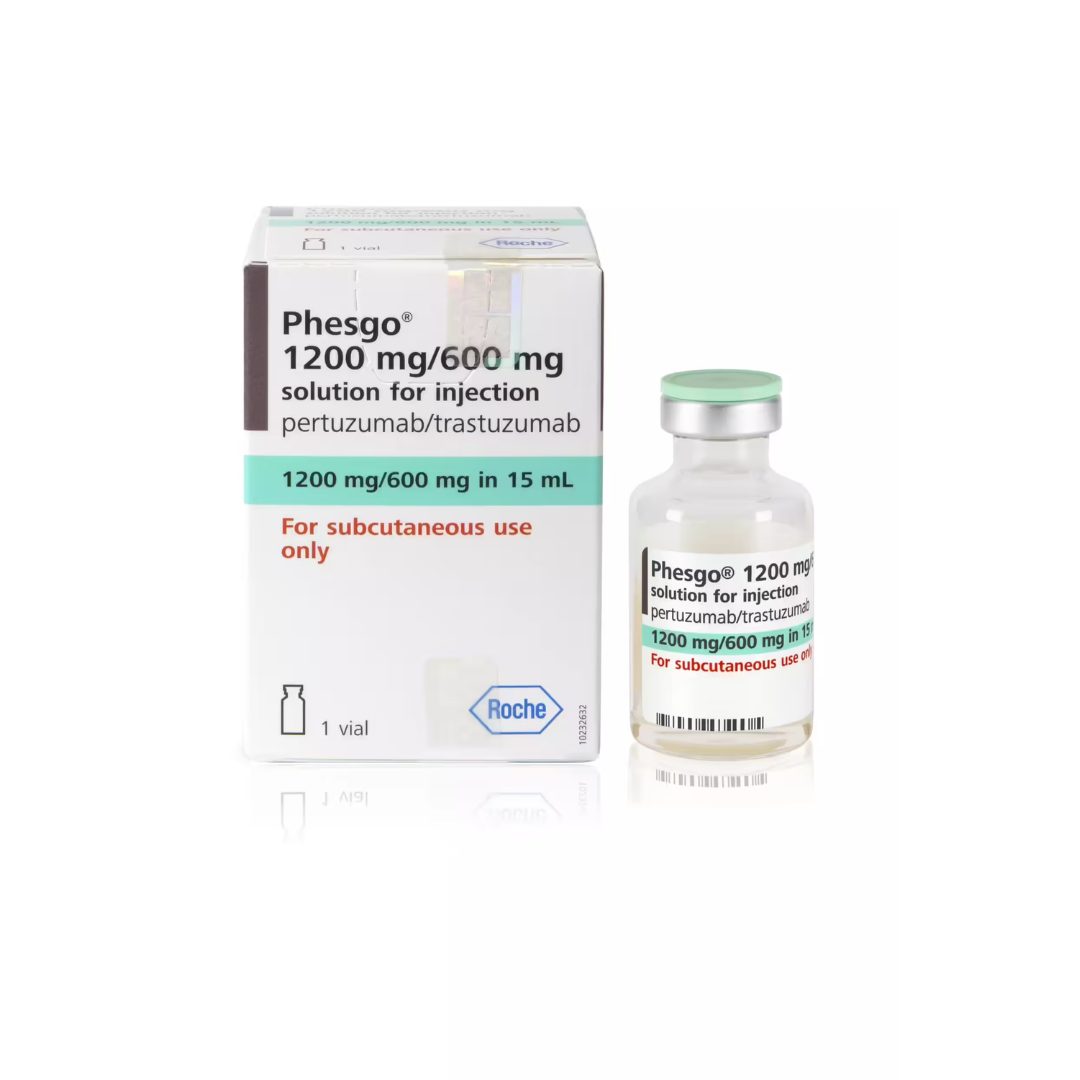
Phesgo 1200 mg / 600 mg
-
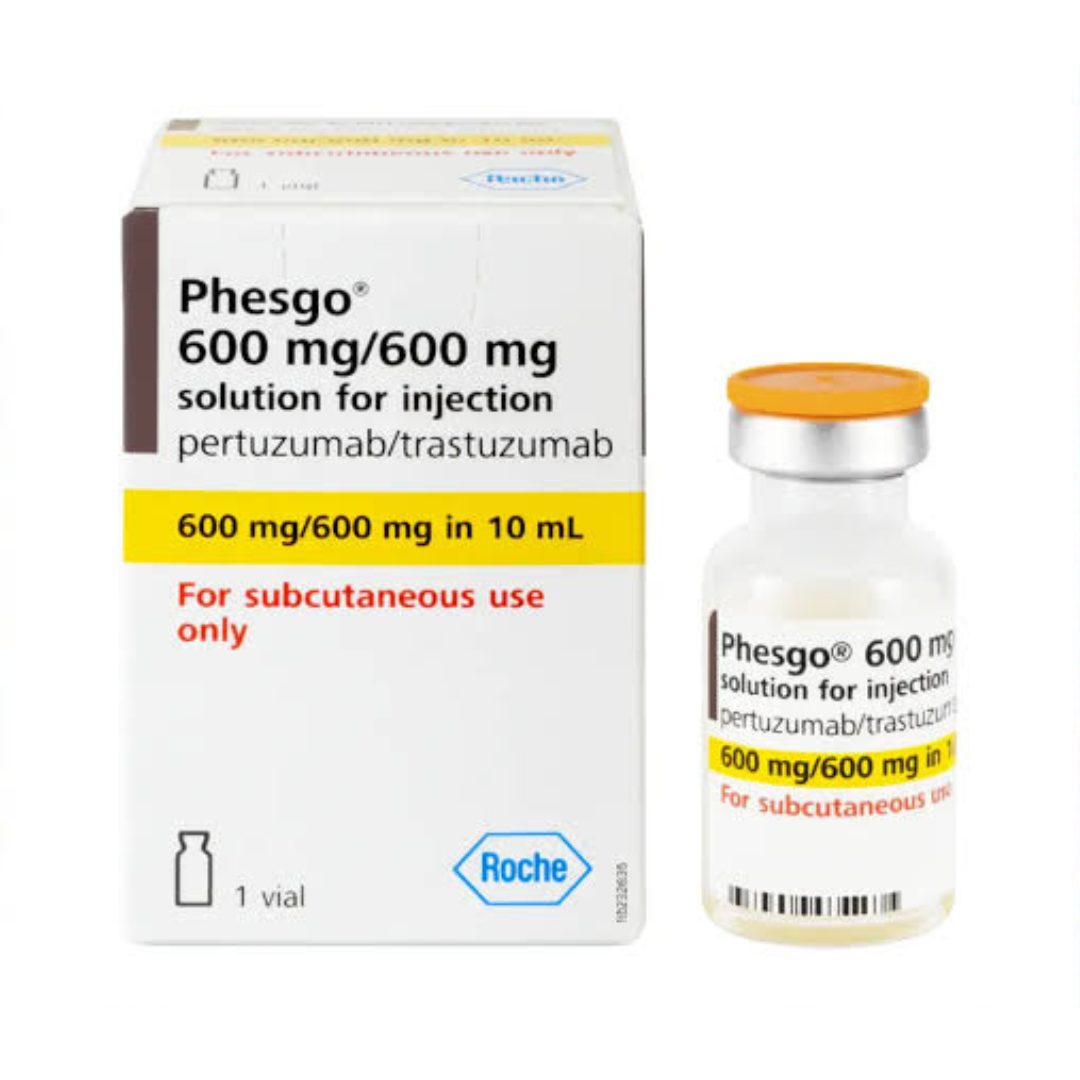
Phesgo 600 mg + 600 mg
-
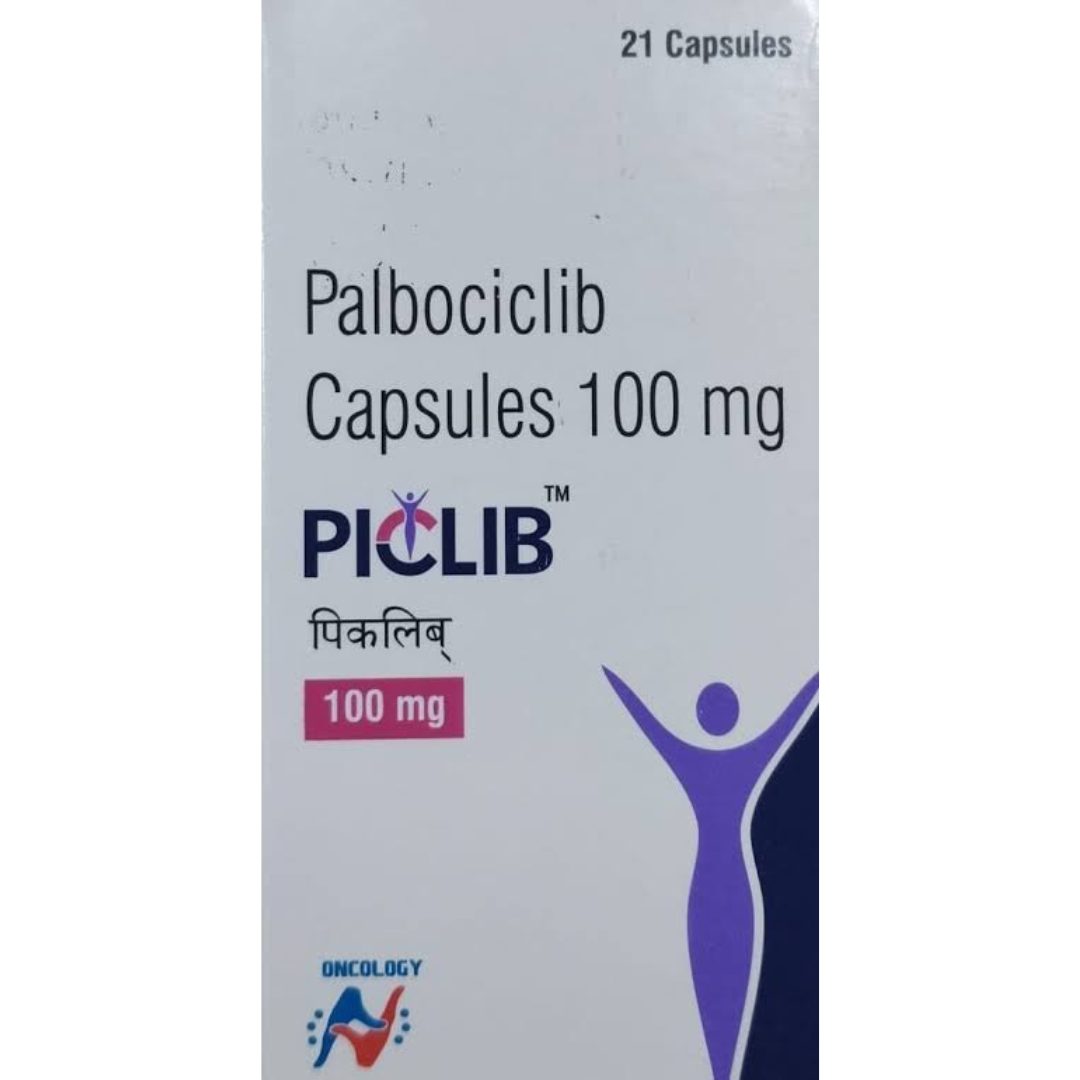
PICLIB 100 mg Capsules
-
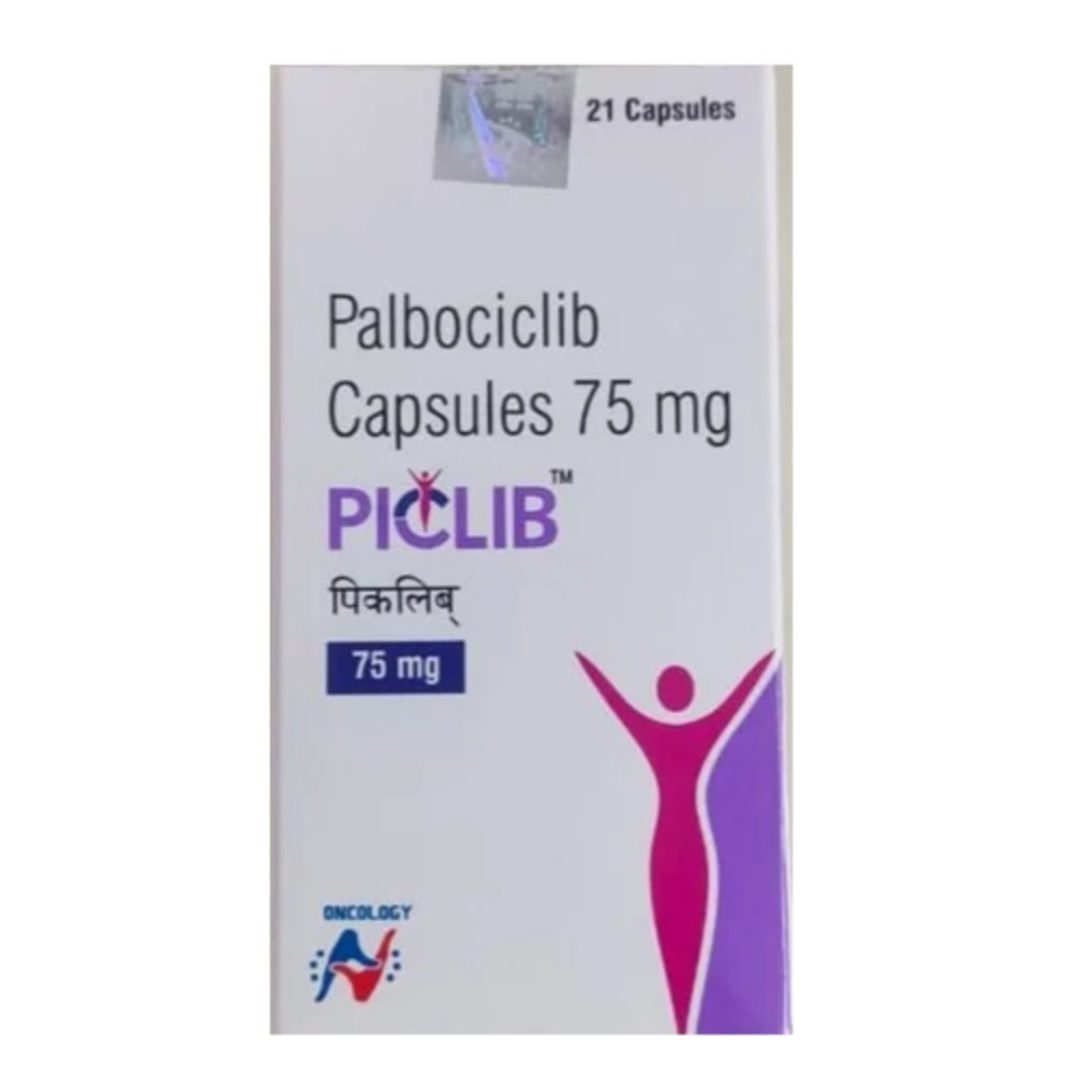
PICLIB 75 mg Capsules
-
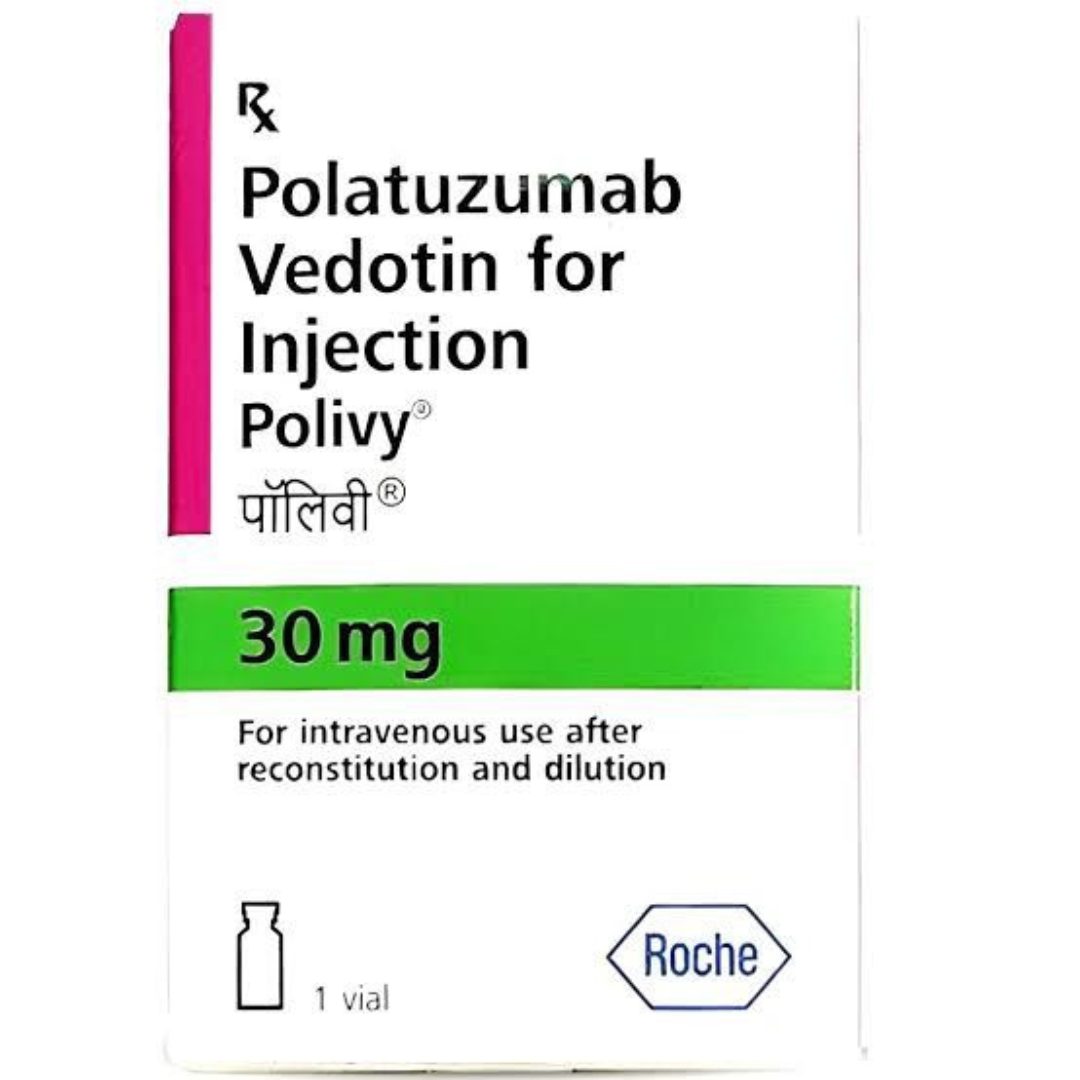
Polivy 30 mg Injection
-
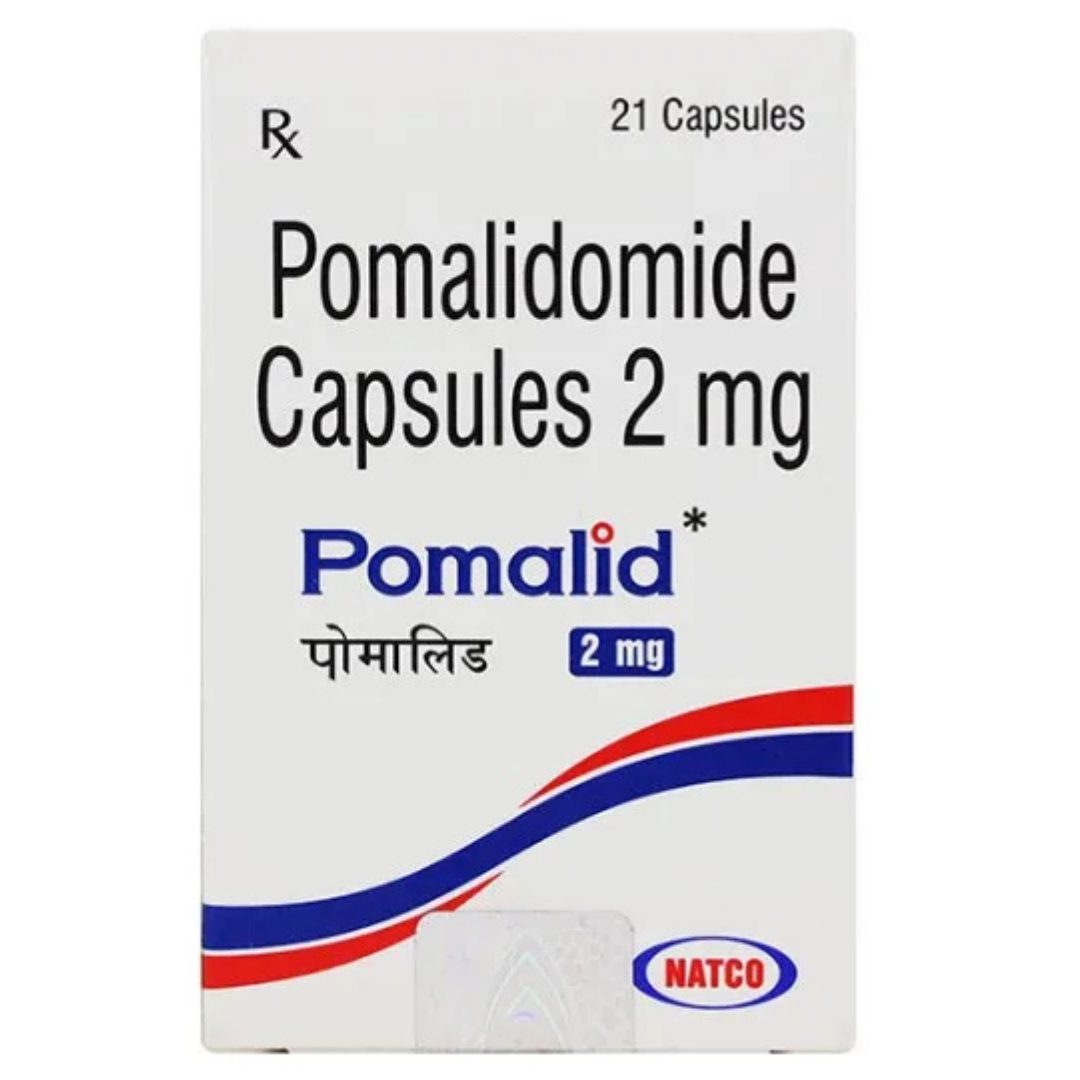
Pomalid 2 mg Capsules
-
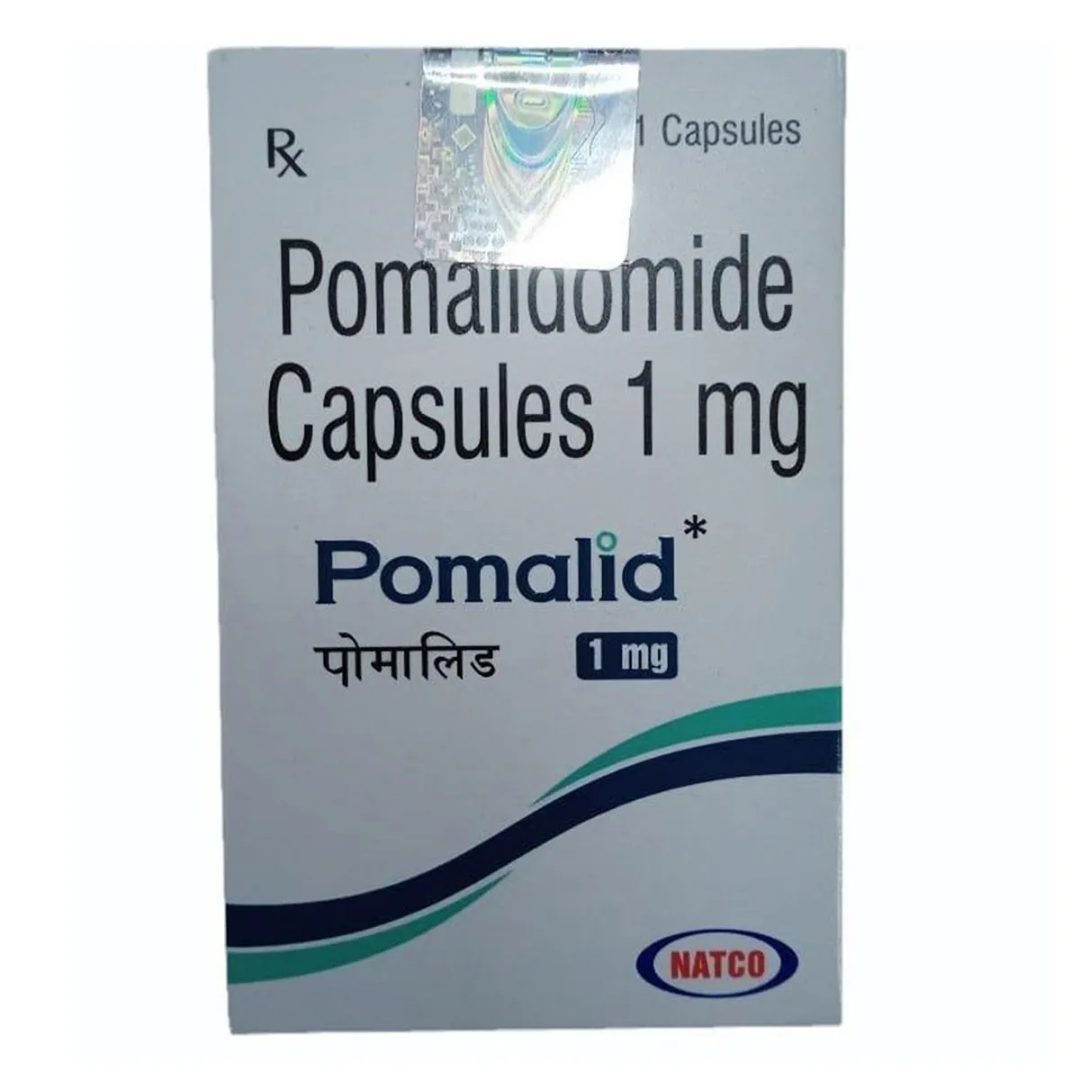
Pomalid 1 mg Capsules
-
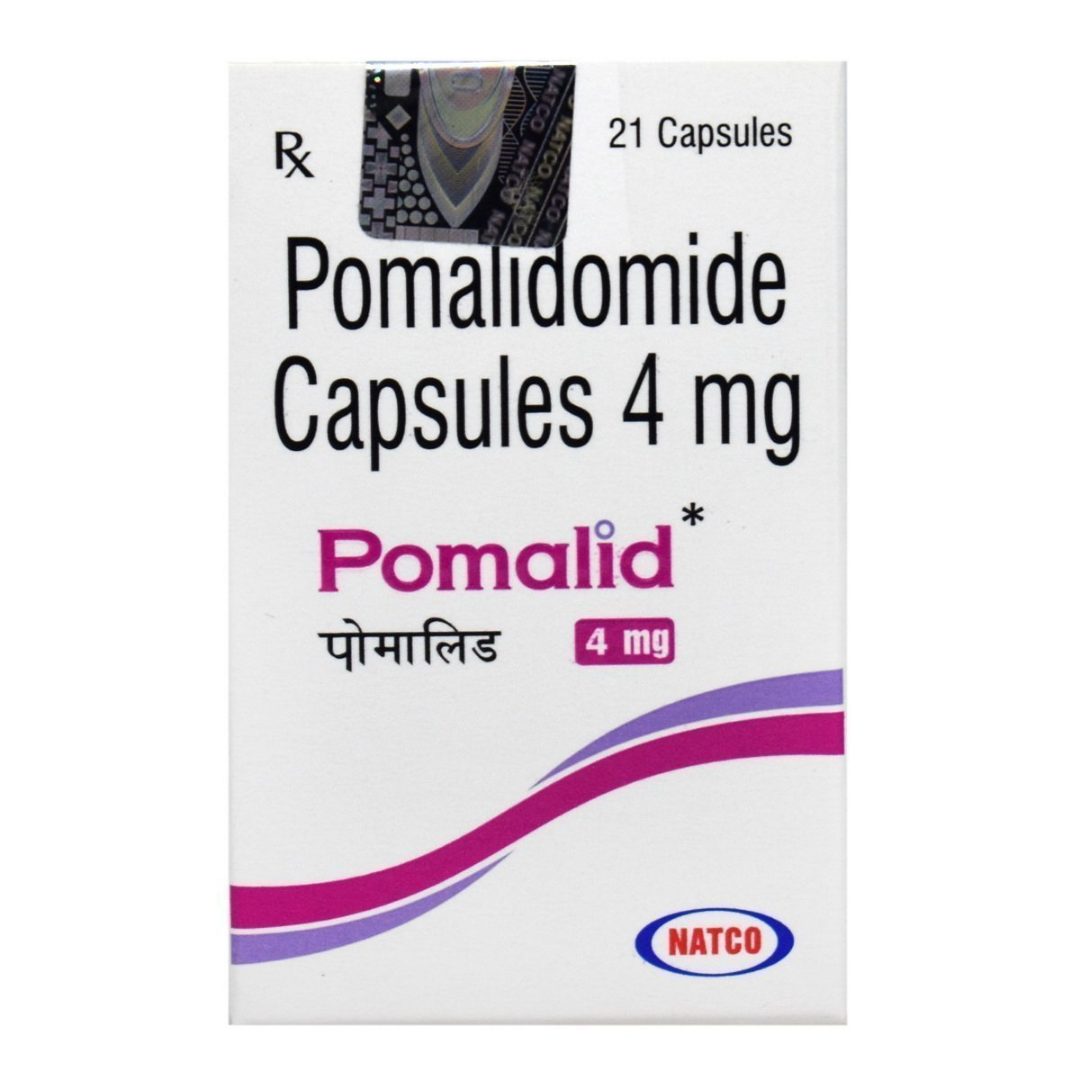
Pomalid 4 mg Capsules
-
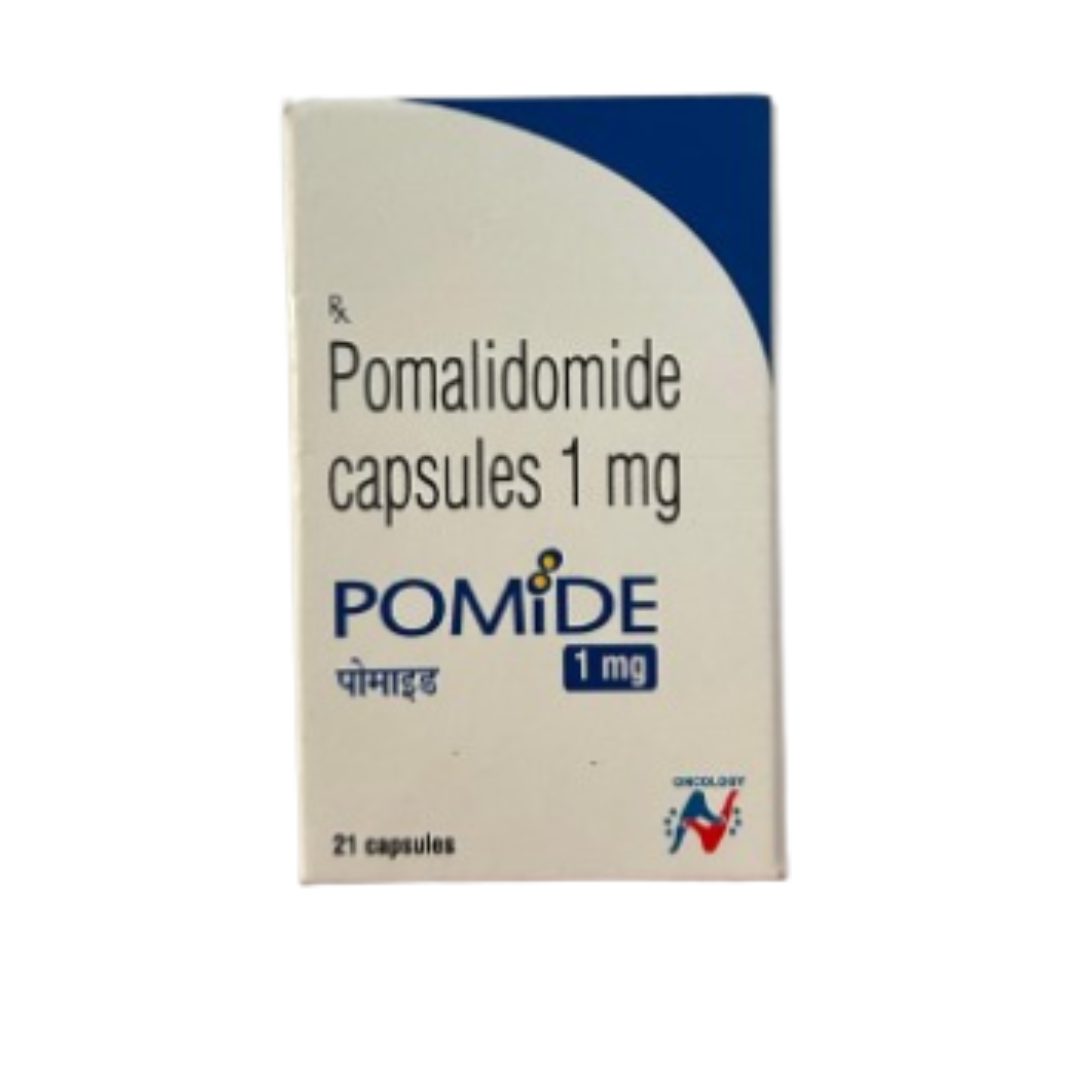
Pomide 1 mg Capsules
-
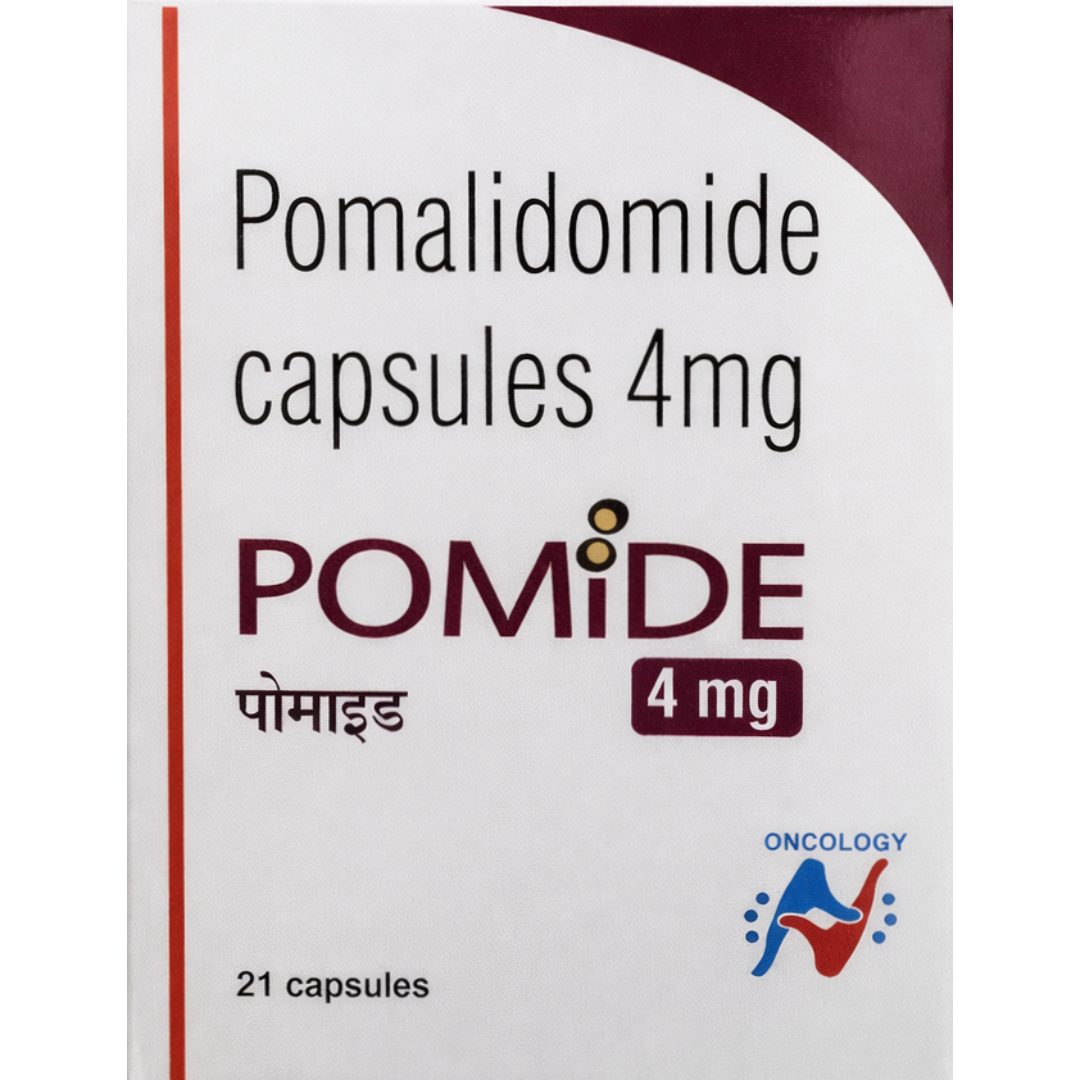
Pomide 4 mg Capsules
-
Pomide 2 mg Capsules
-
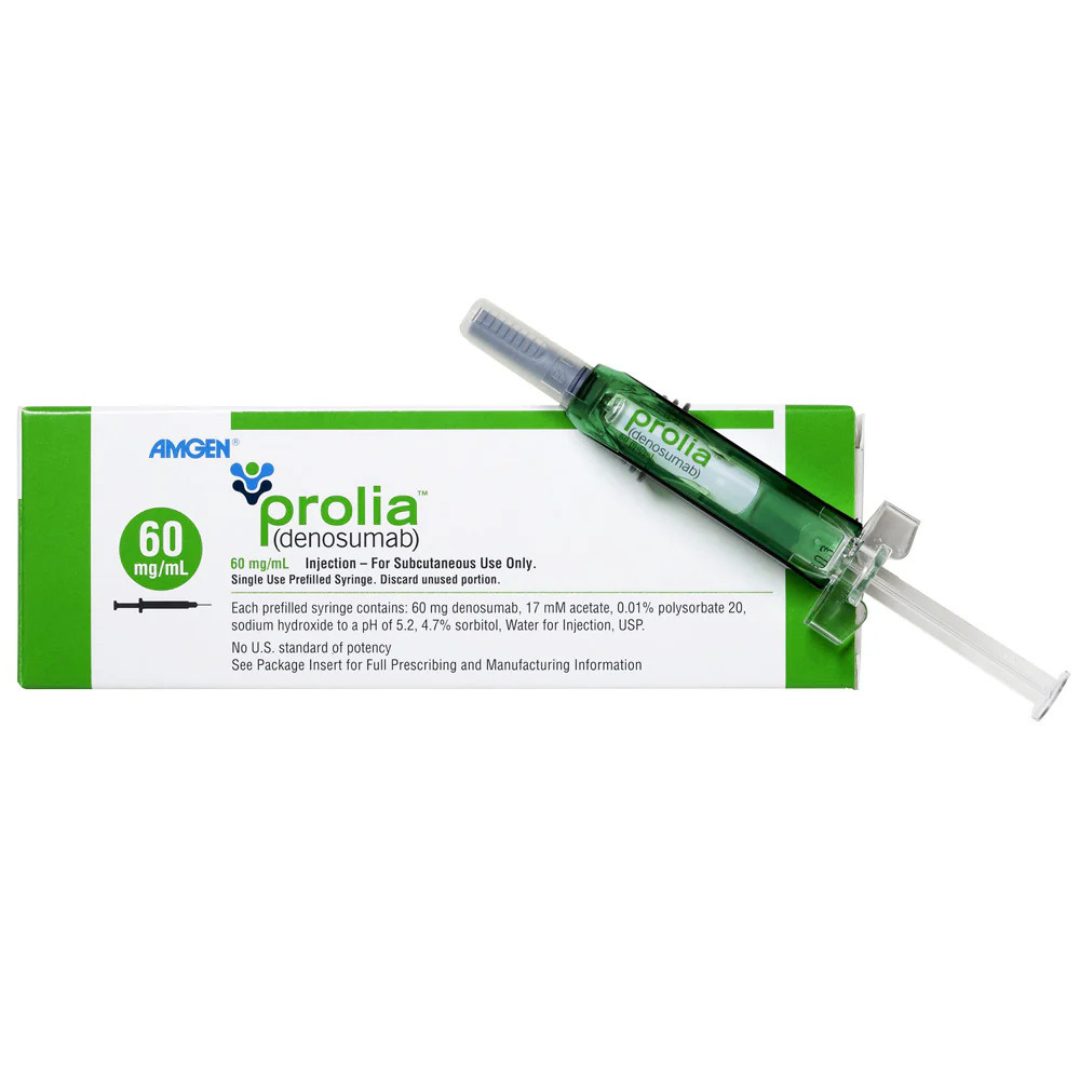
Prolia 60 mg/mL
-
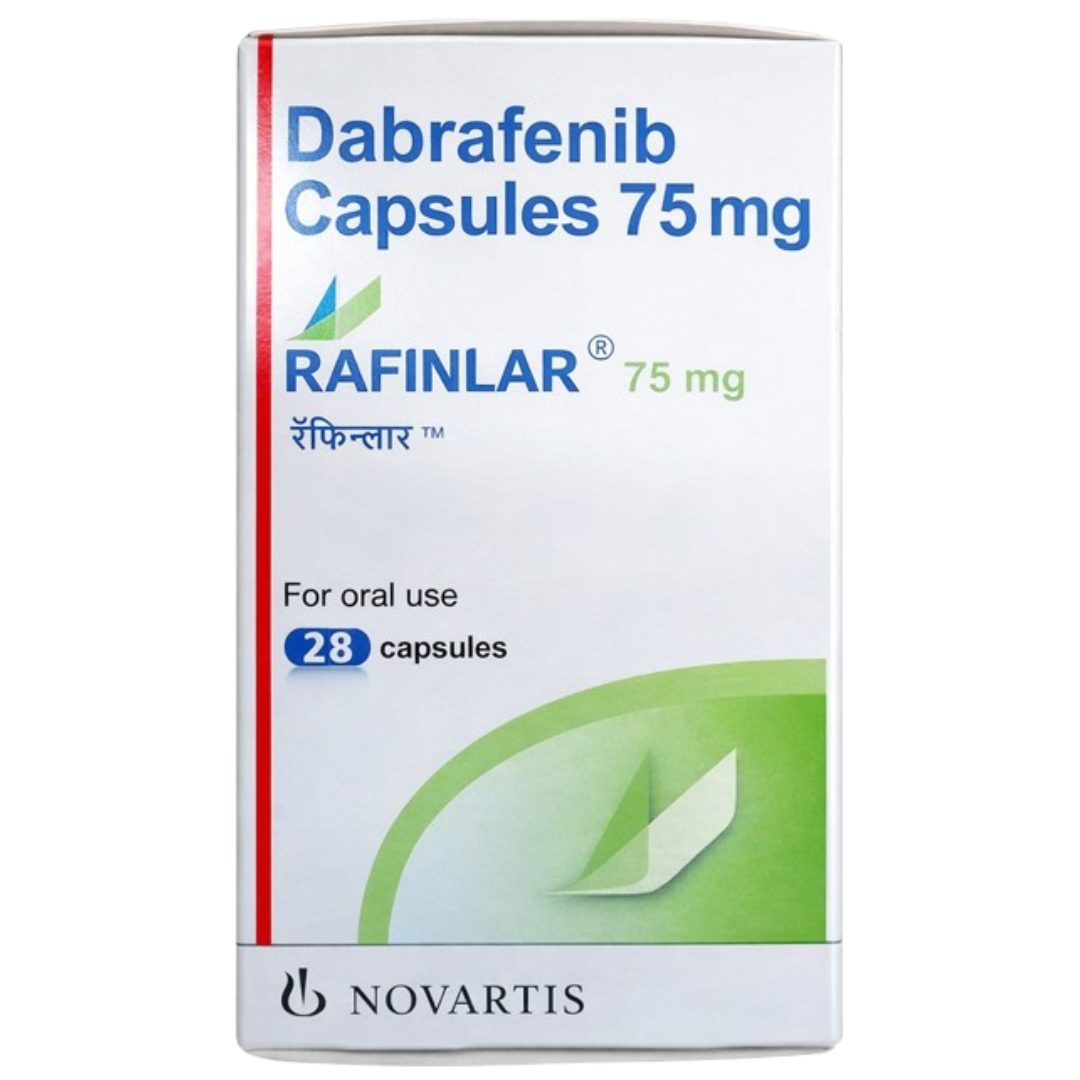
RAFINLAR 75 mg Capsules
-
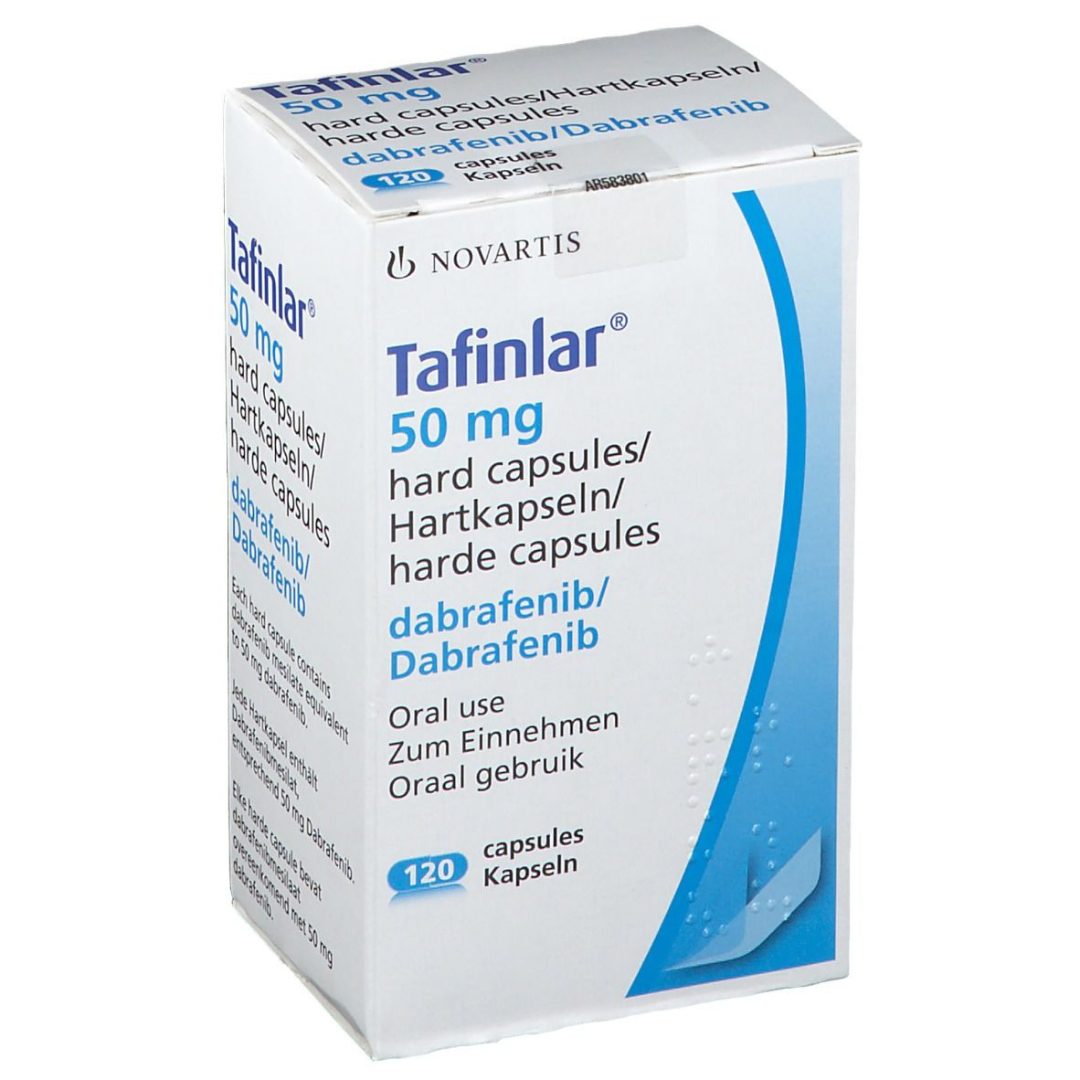
Tafinlar 50 mg Capsules
-
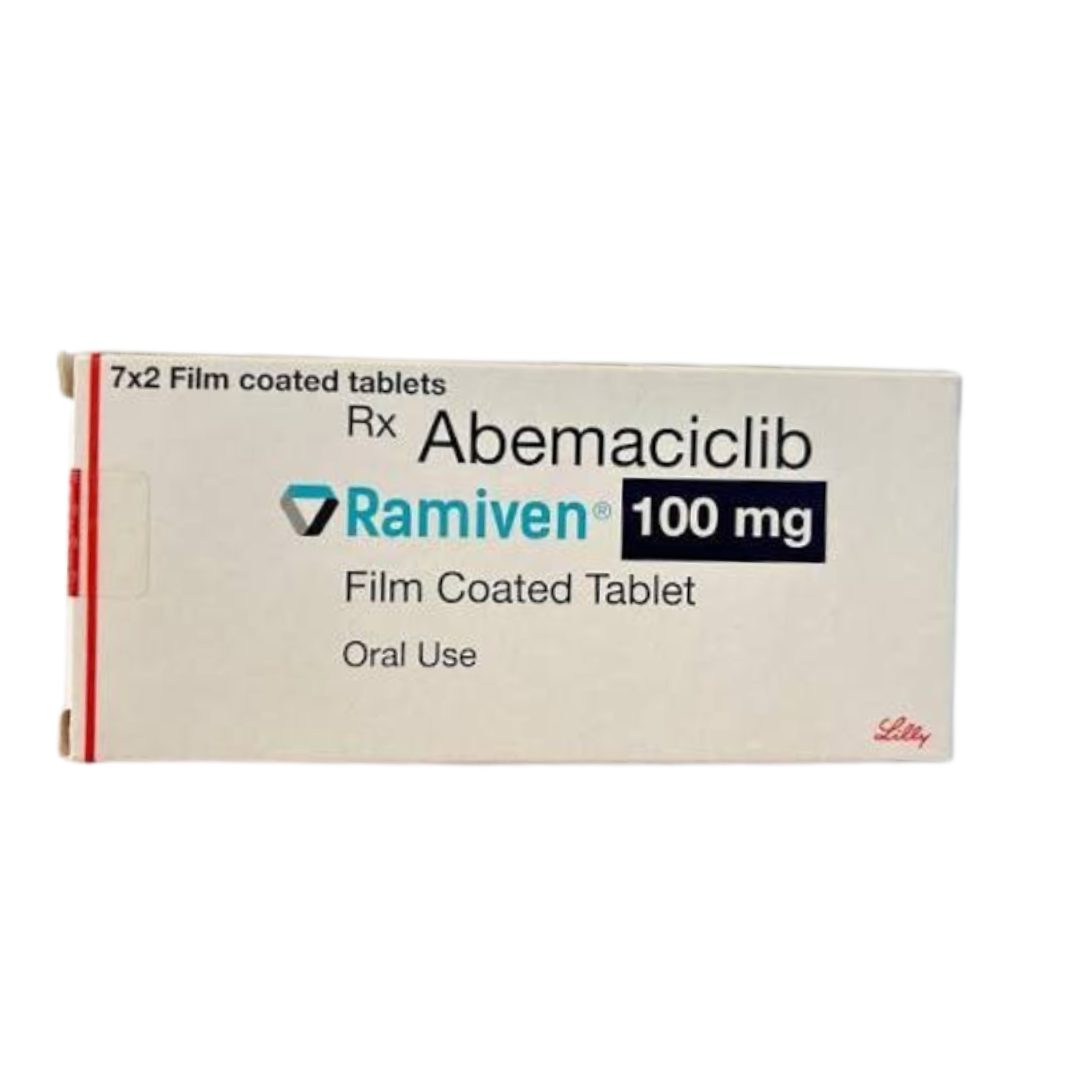
RAMIVEN 100 MG
-
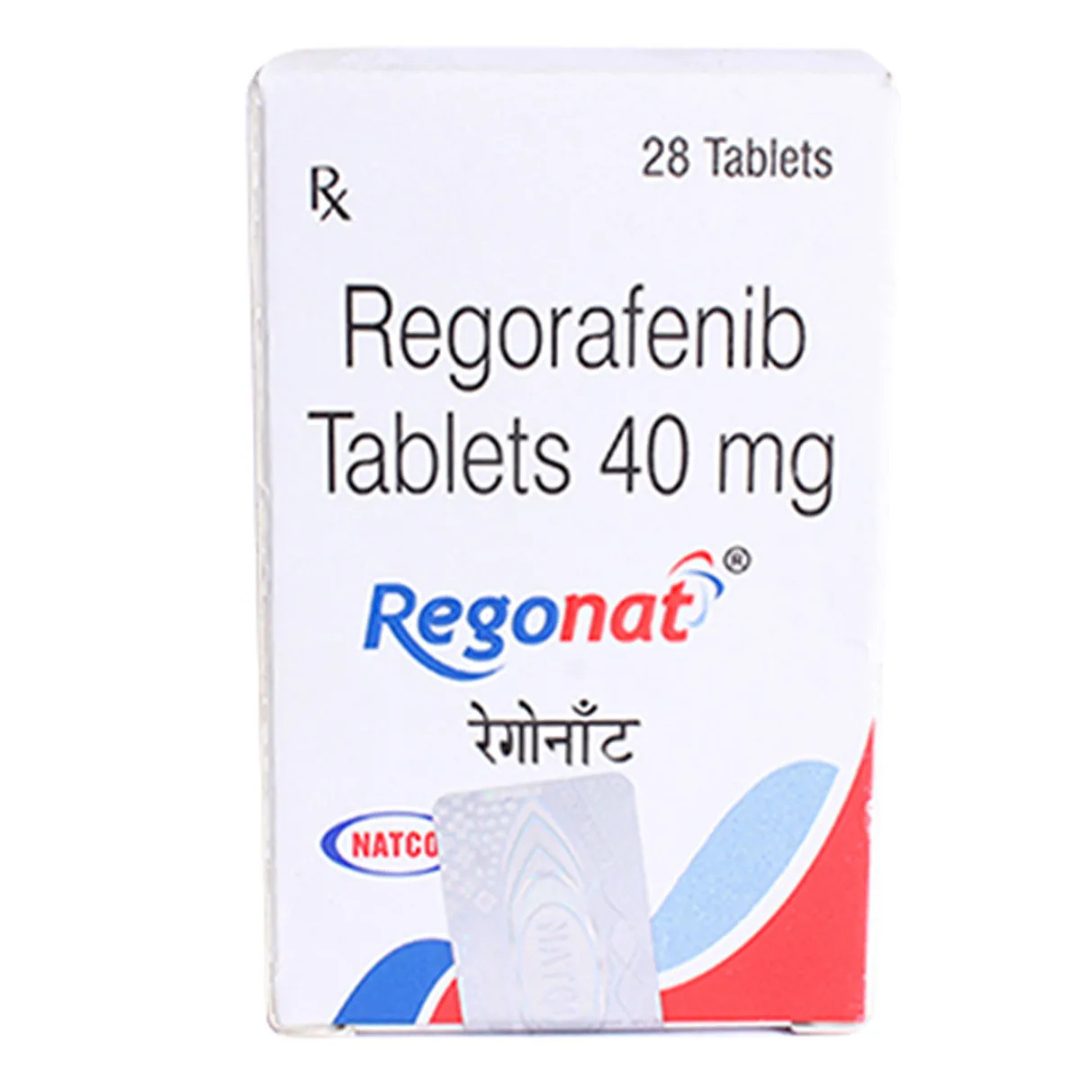
Regonat 40mg Tablets
-
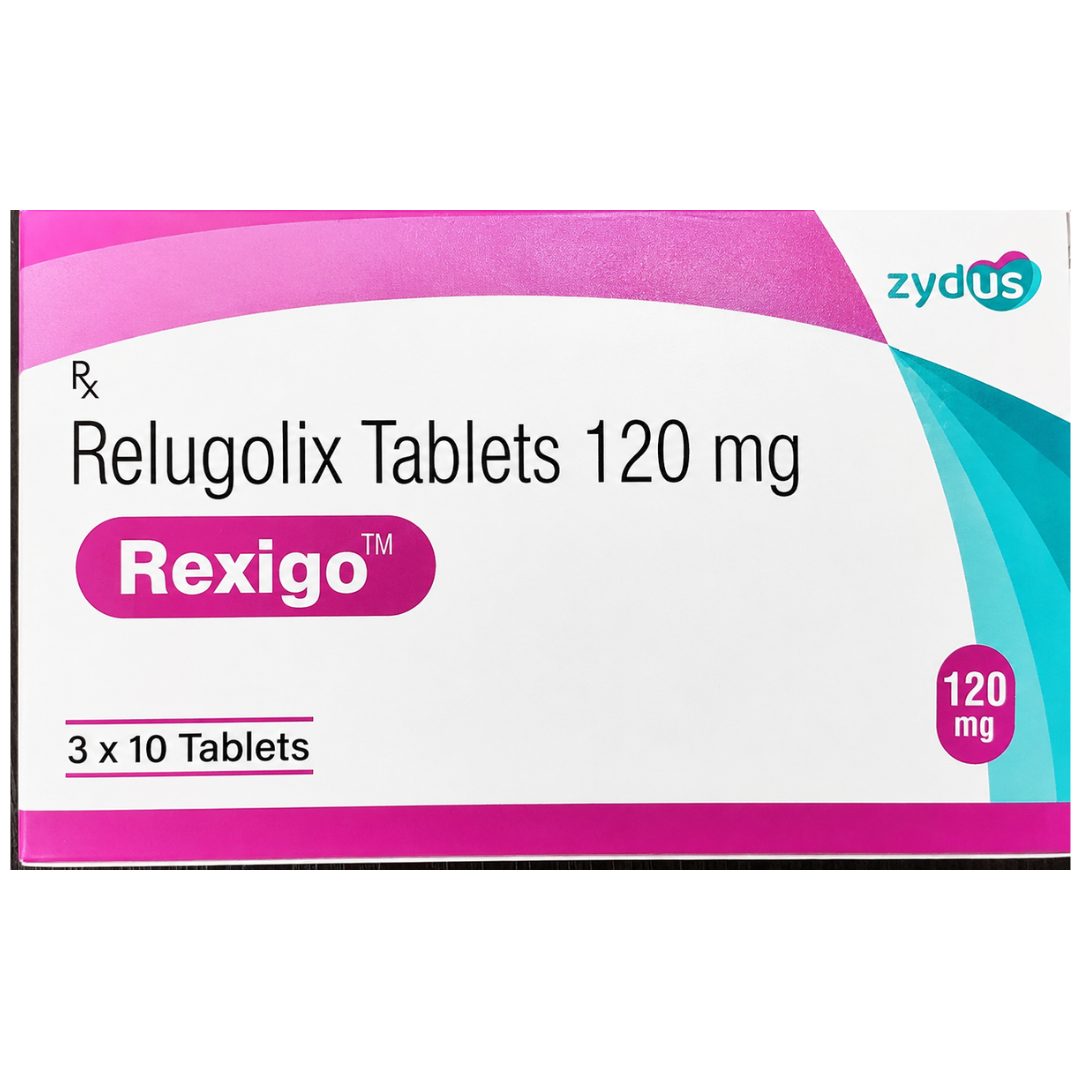
Rexigo 120mg Tablet
-
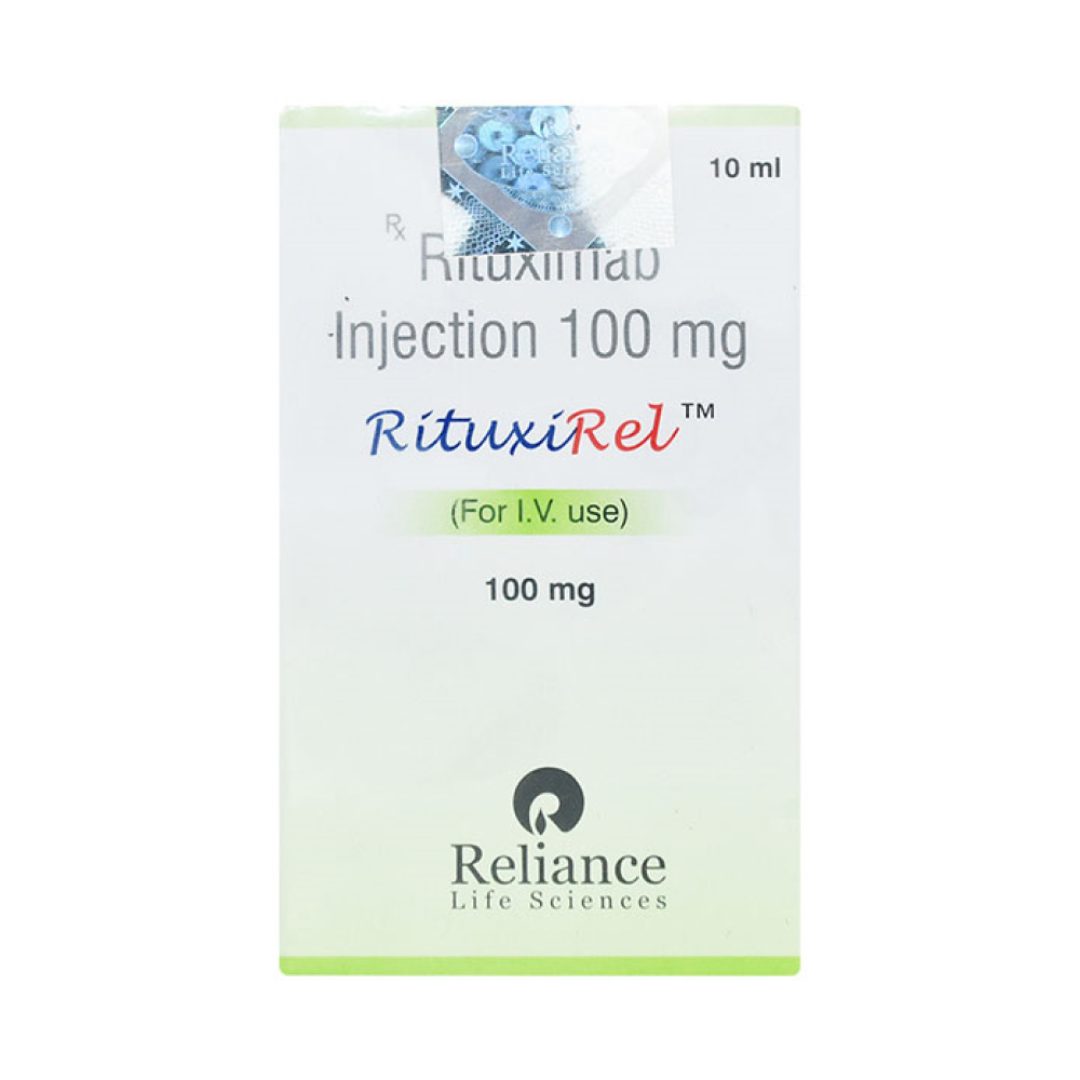
Rituxirel 100 mg Injection
-
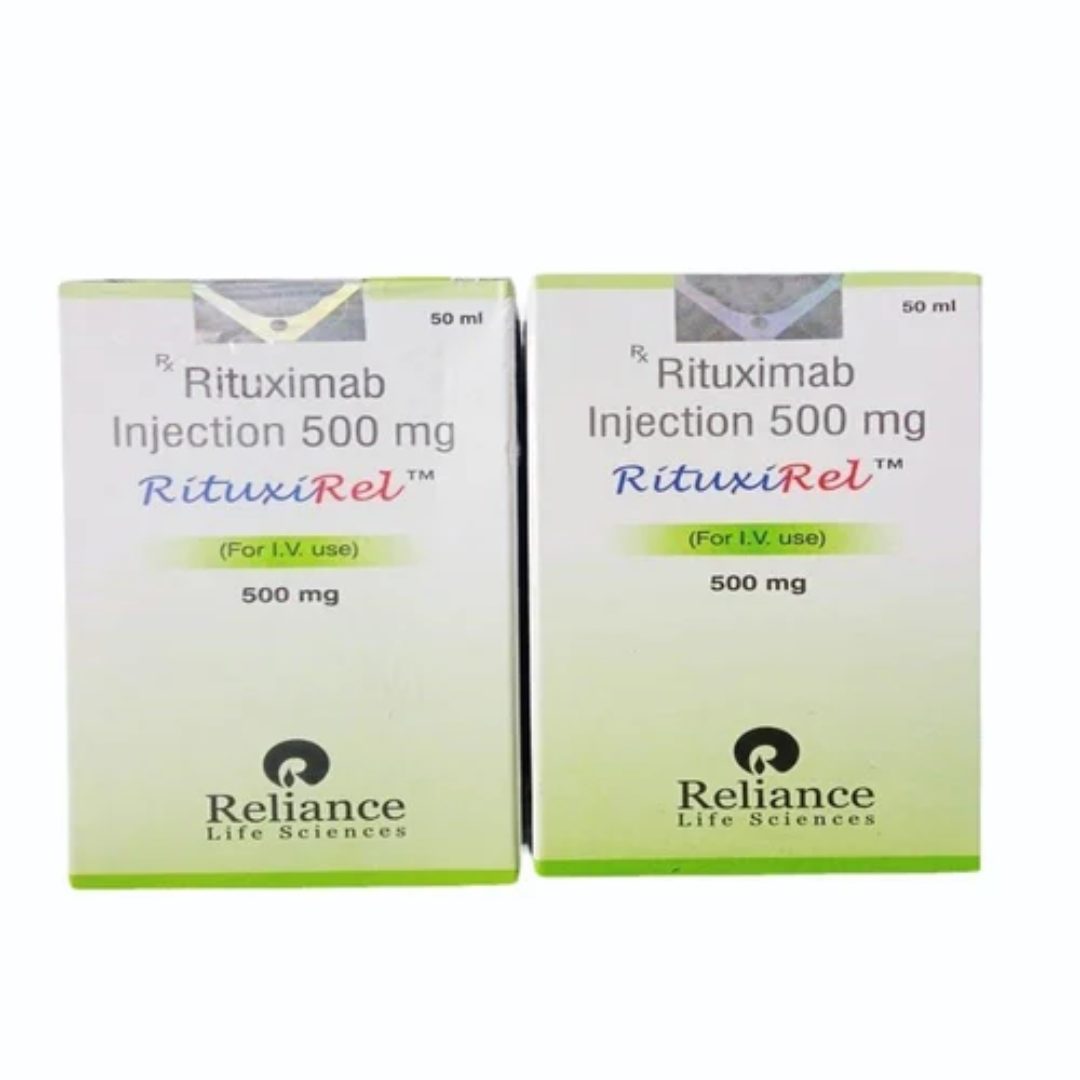
Rituxirel 500 mg Injection
-
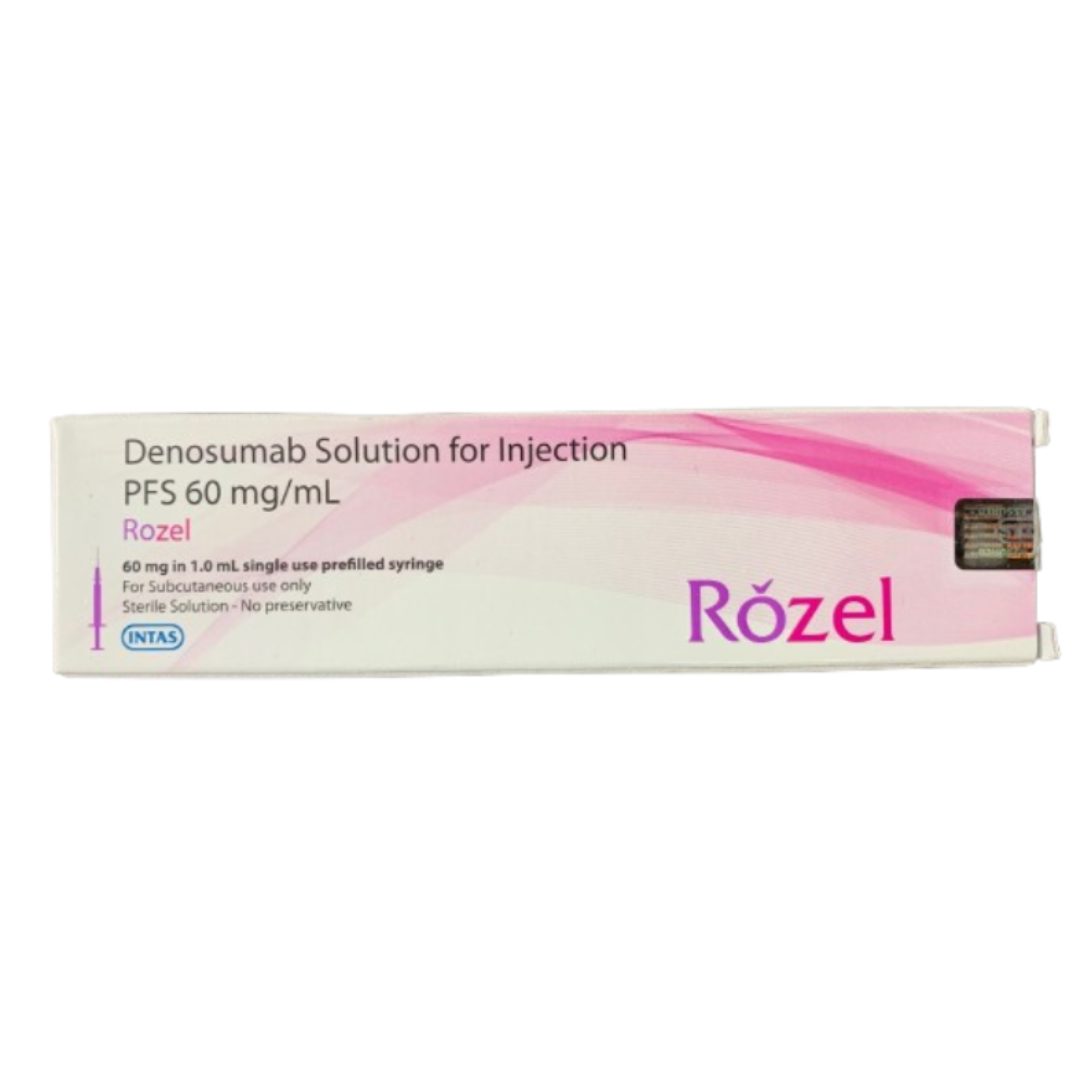
Rozel Injection
-
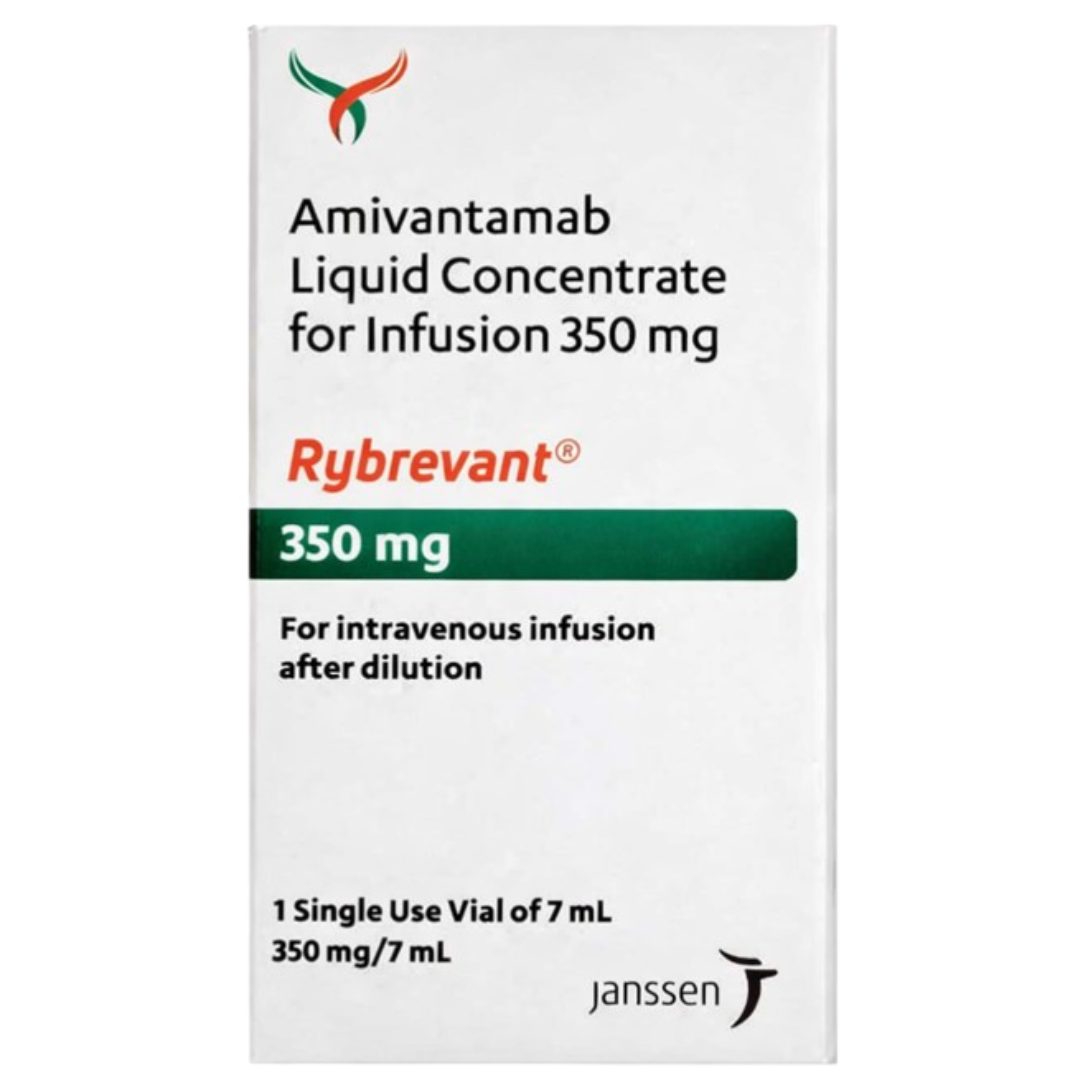
Rybrevant 350 mg
-
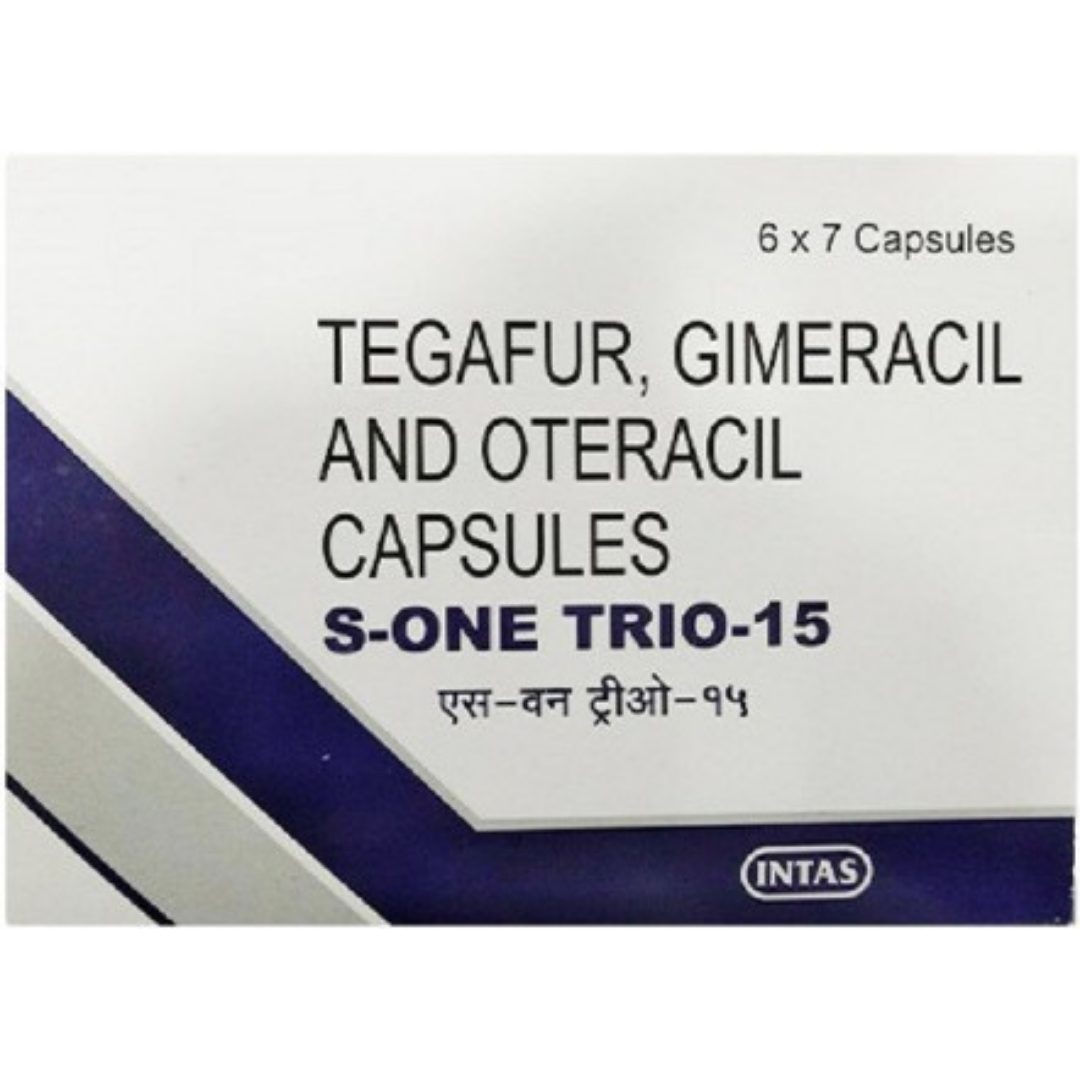
S-ONE TRIO-15 Tablets
-
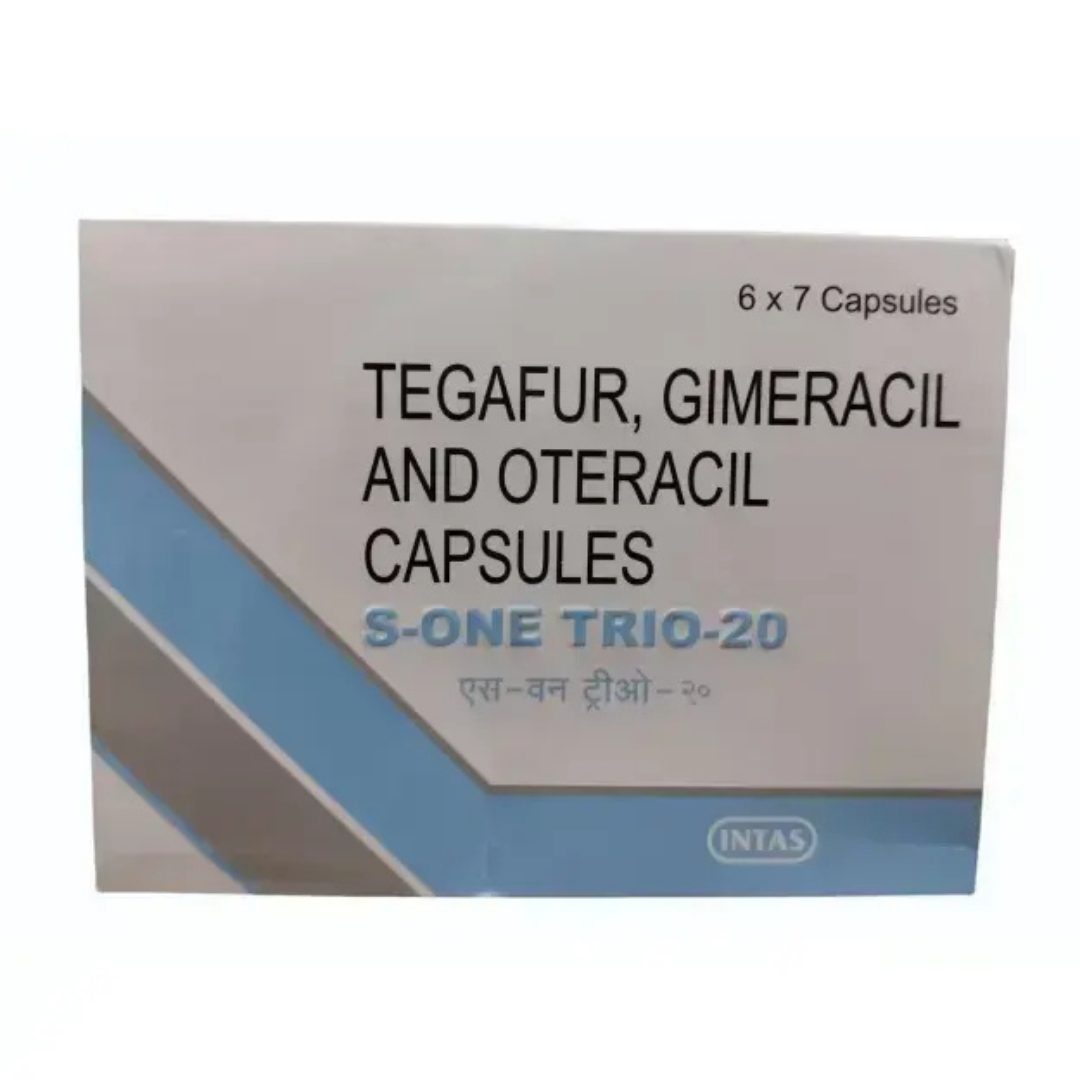
S-ONE TRIO-20 Tablets
-
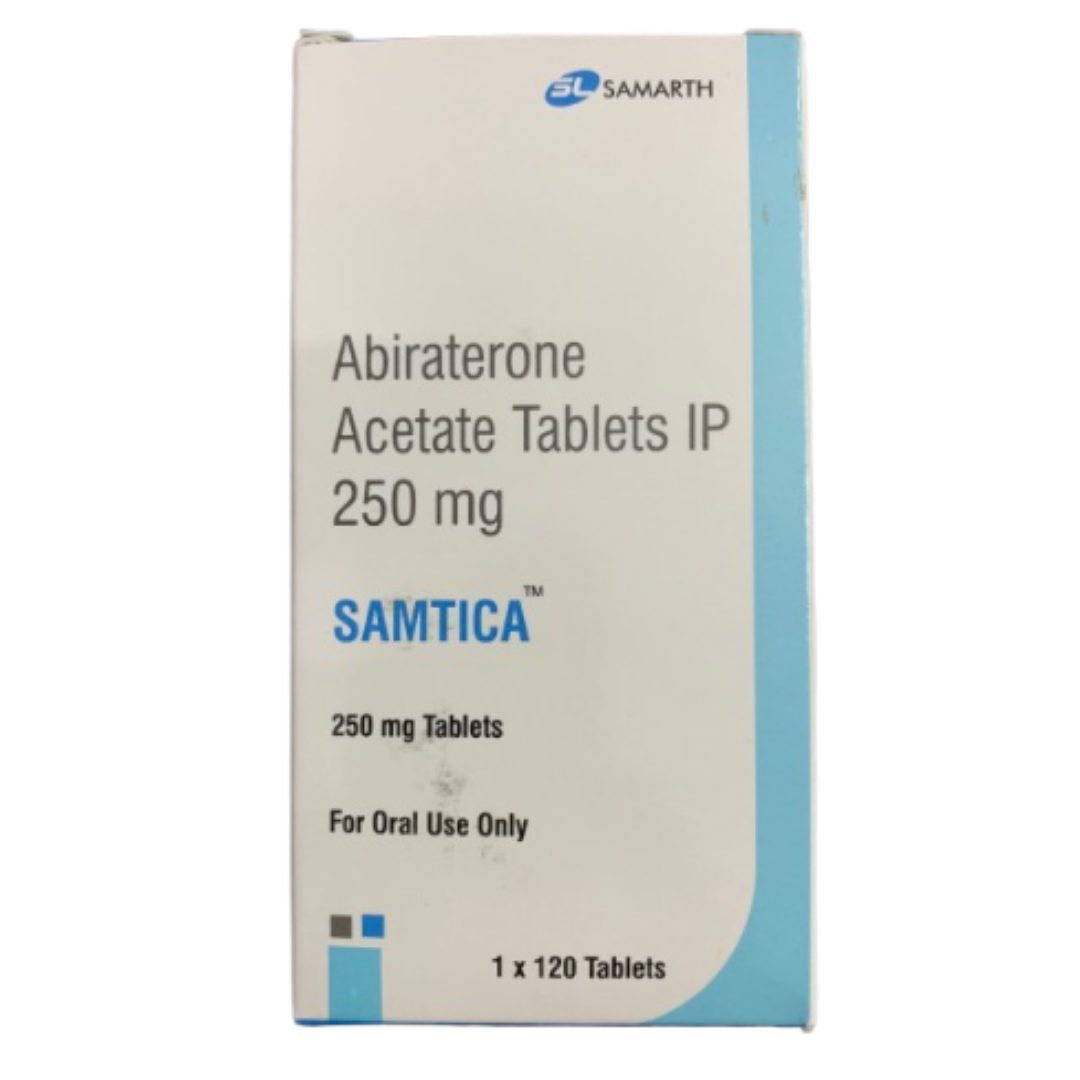
SAMTICA 250 mg Tablets
-
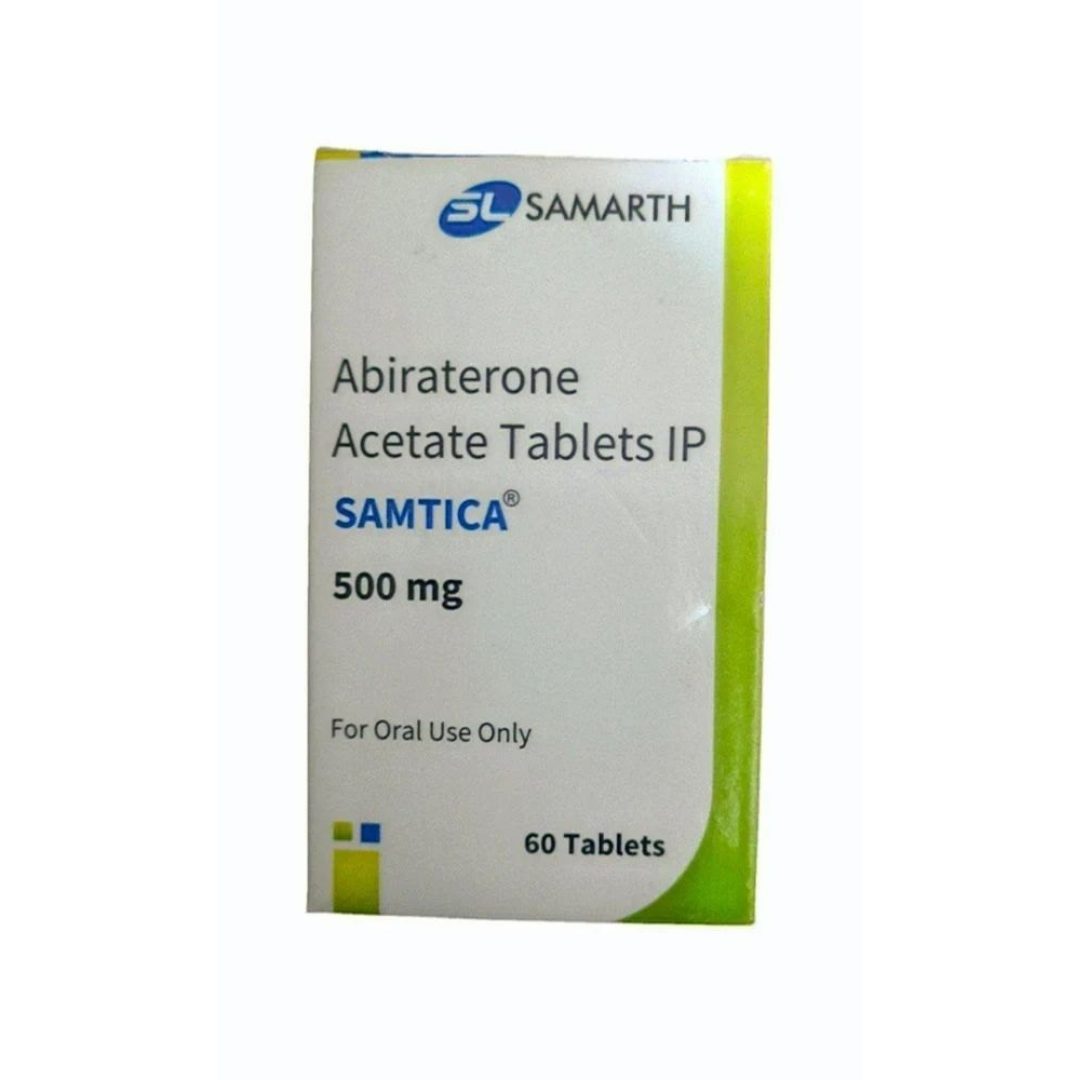
SAMTICA 500 mg Tablets
-
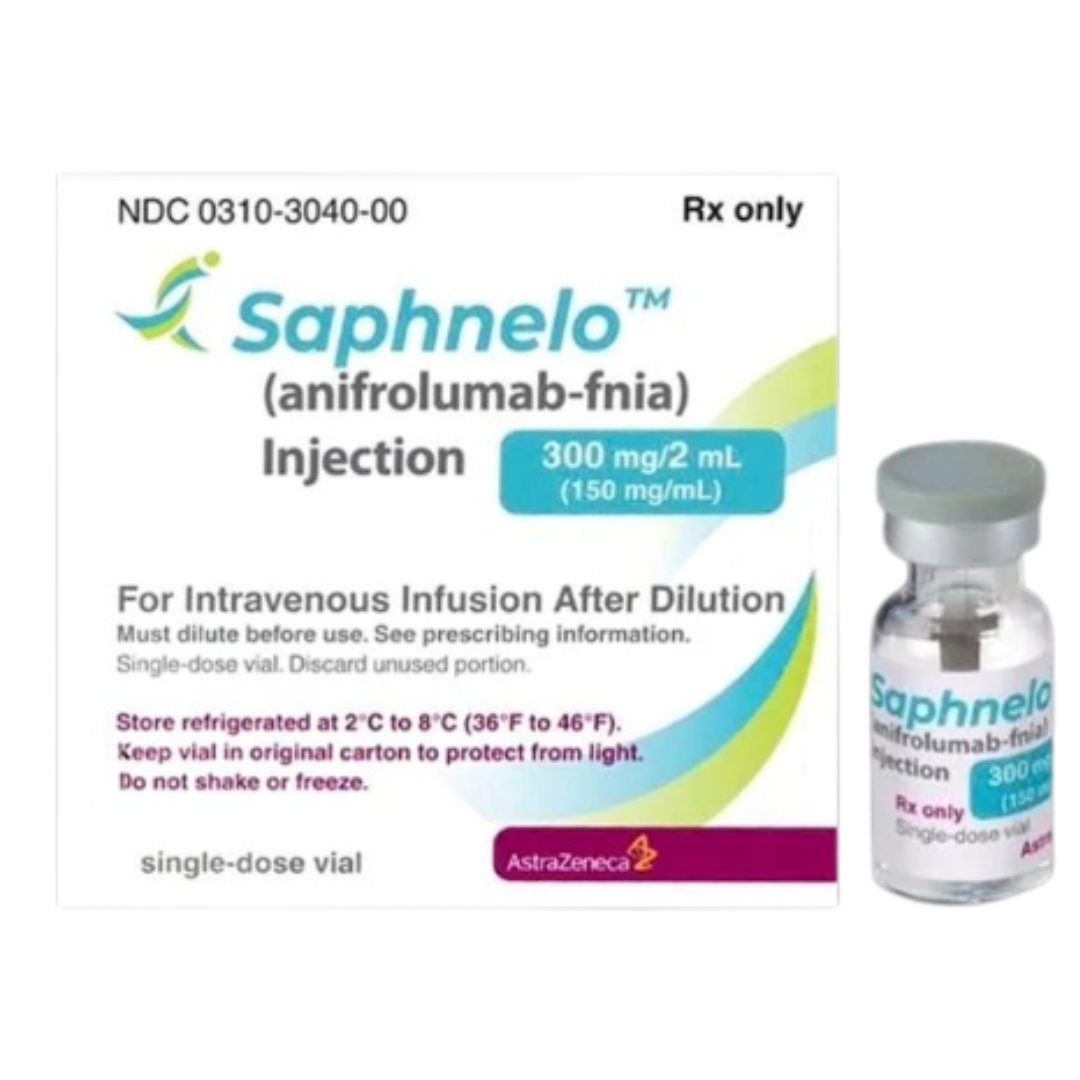
Saphnelo 300mg Injecton
-
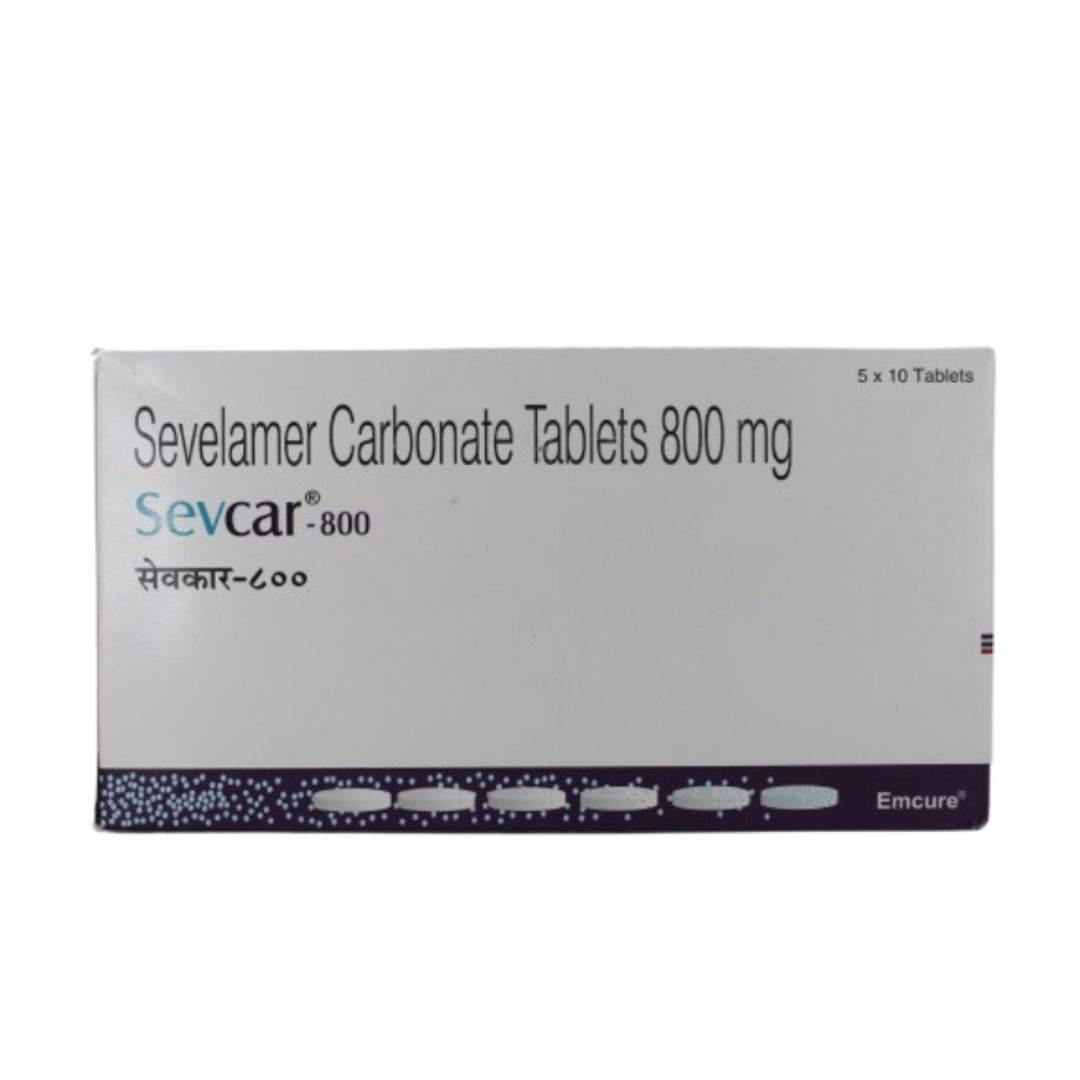
Sevcar 800 Tablet
-
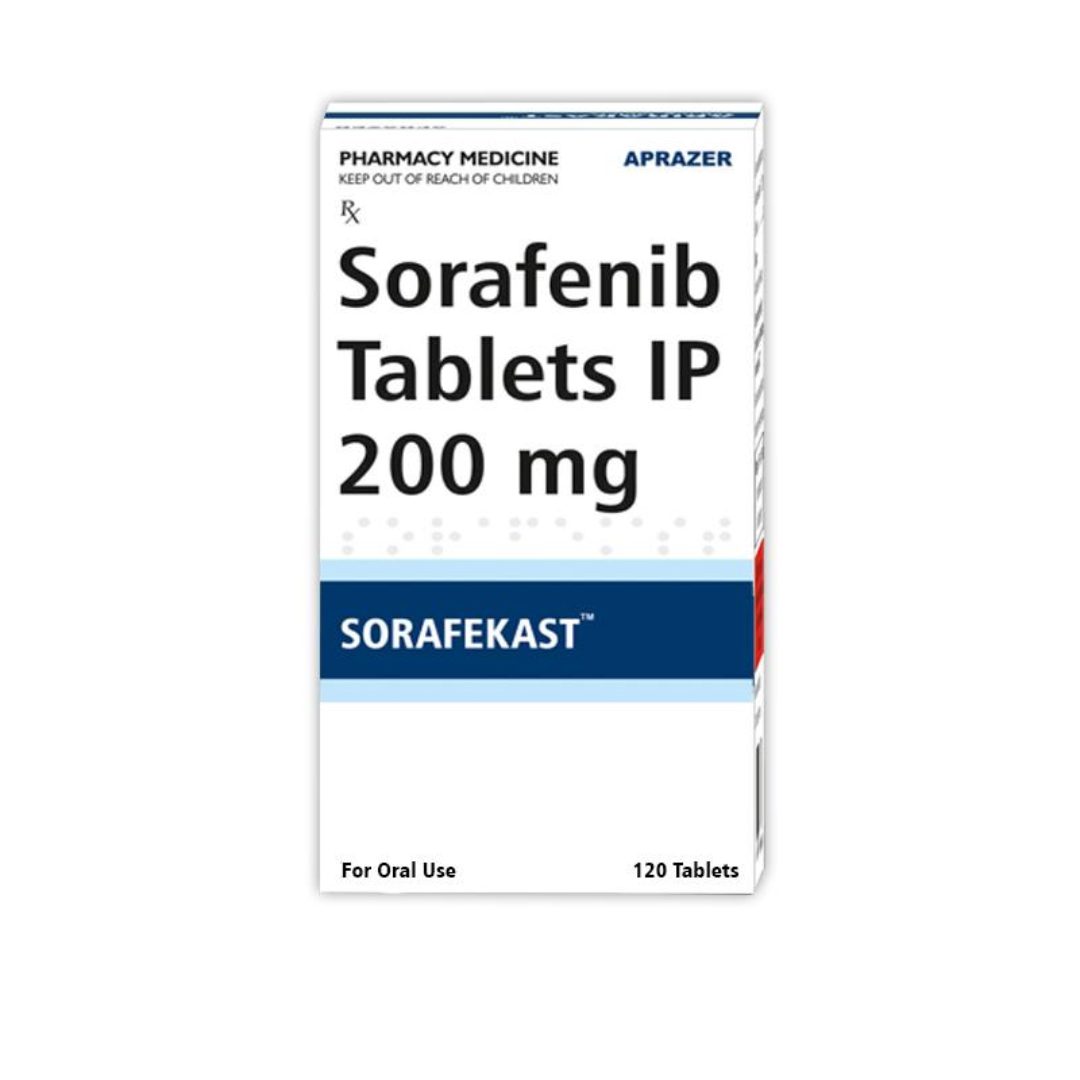
Sorafekast 200 mg
-
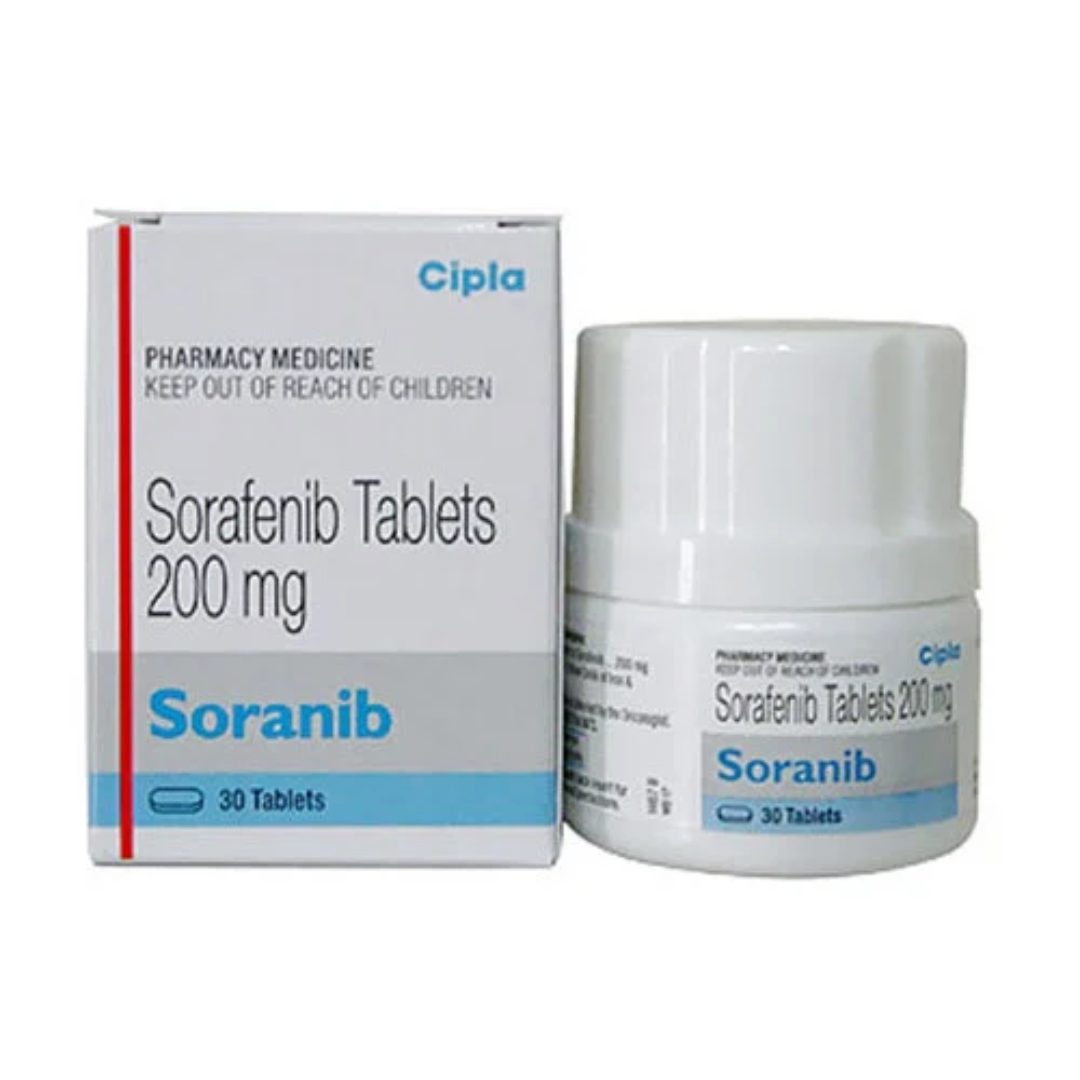
Soranib 200
-
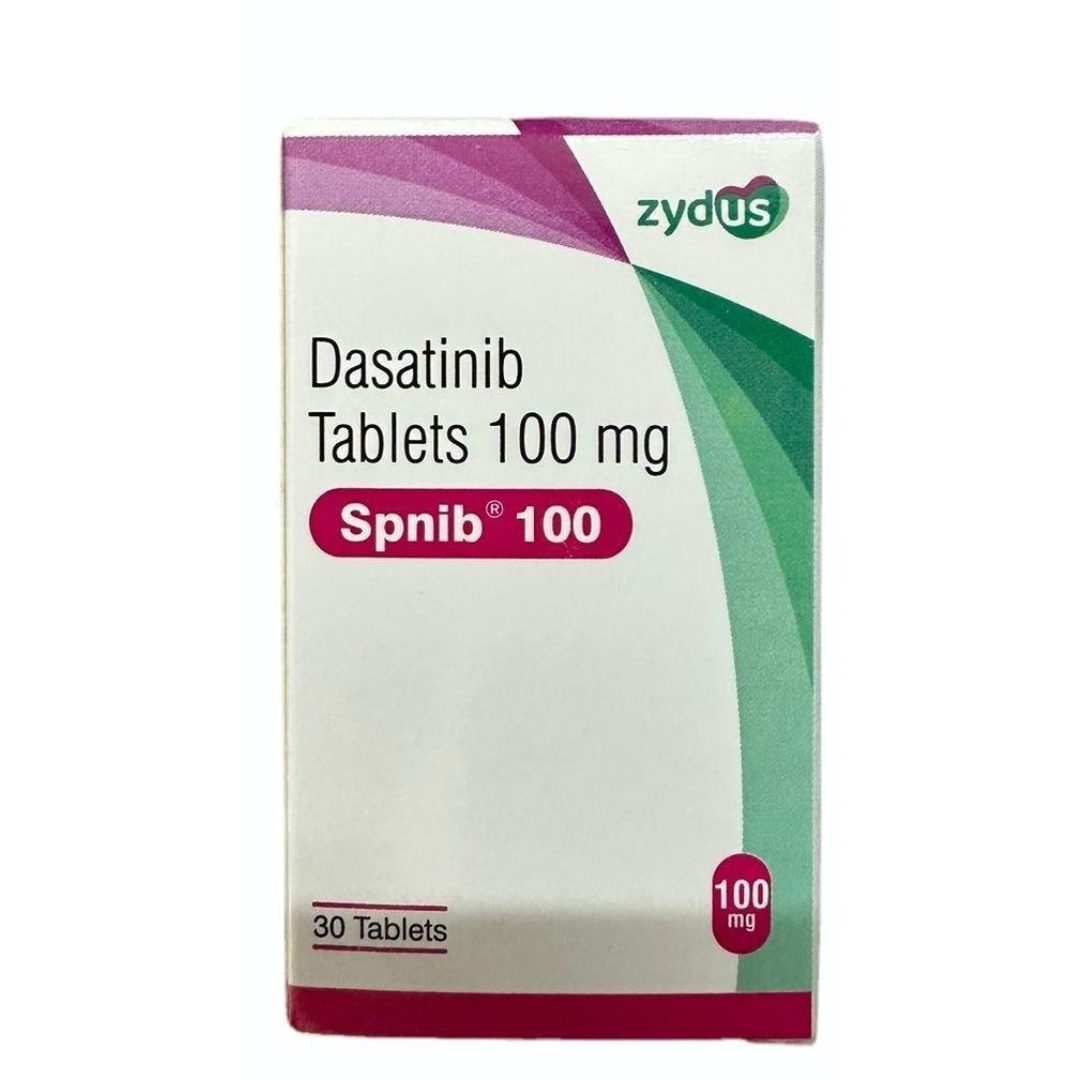
Spnib 100 Tablets
-
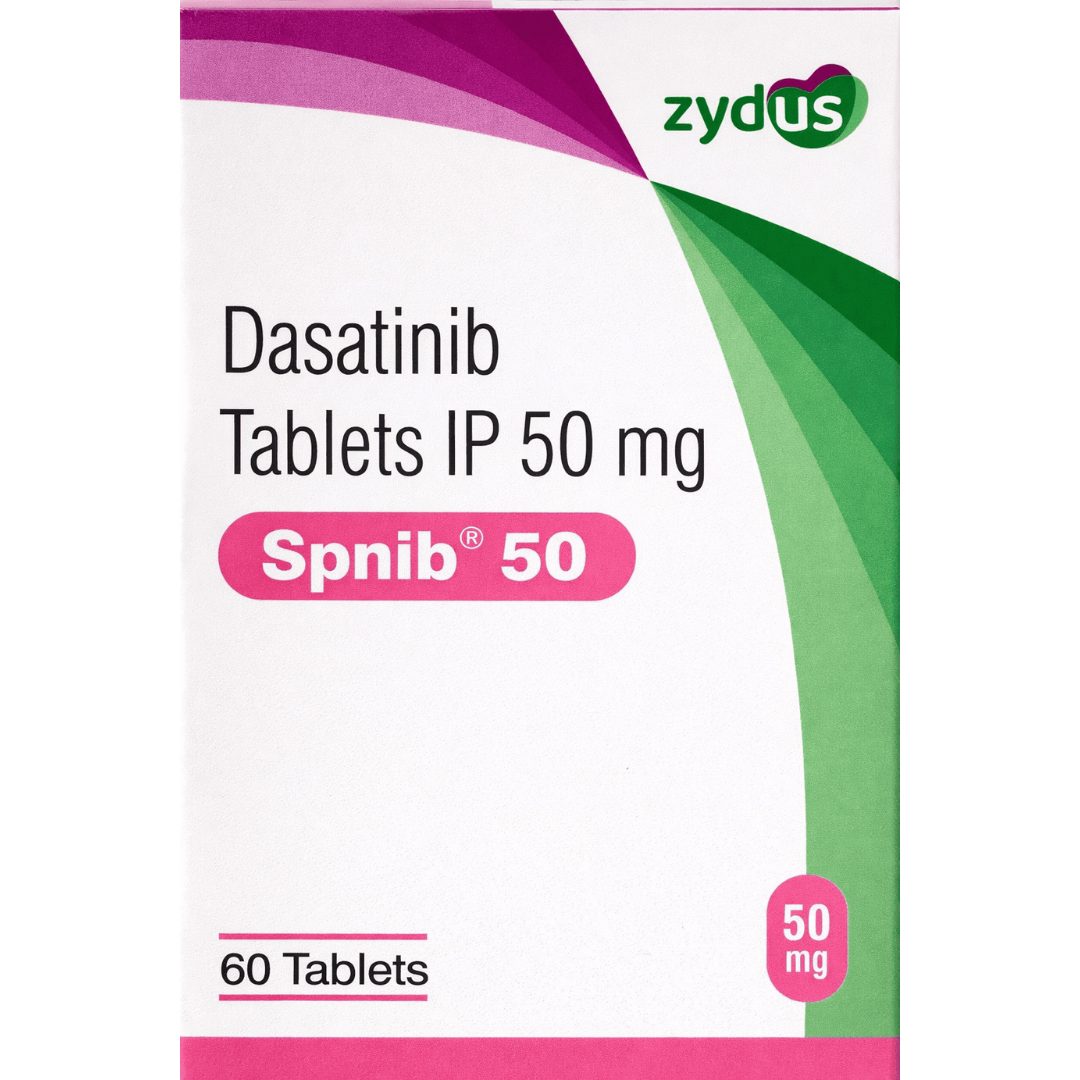
Spnib 50 Tablets
-
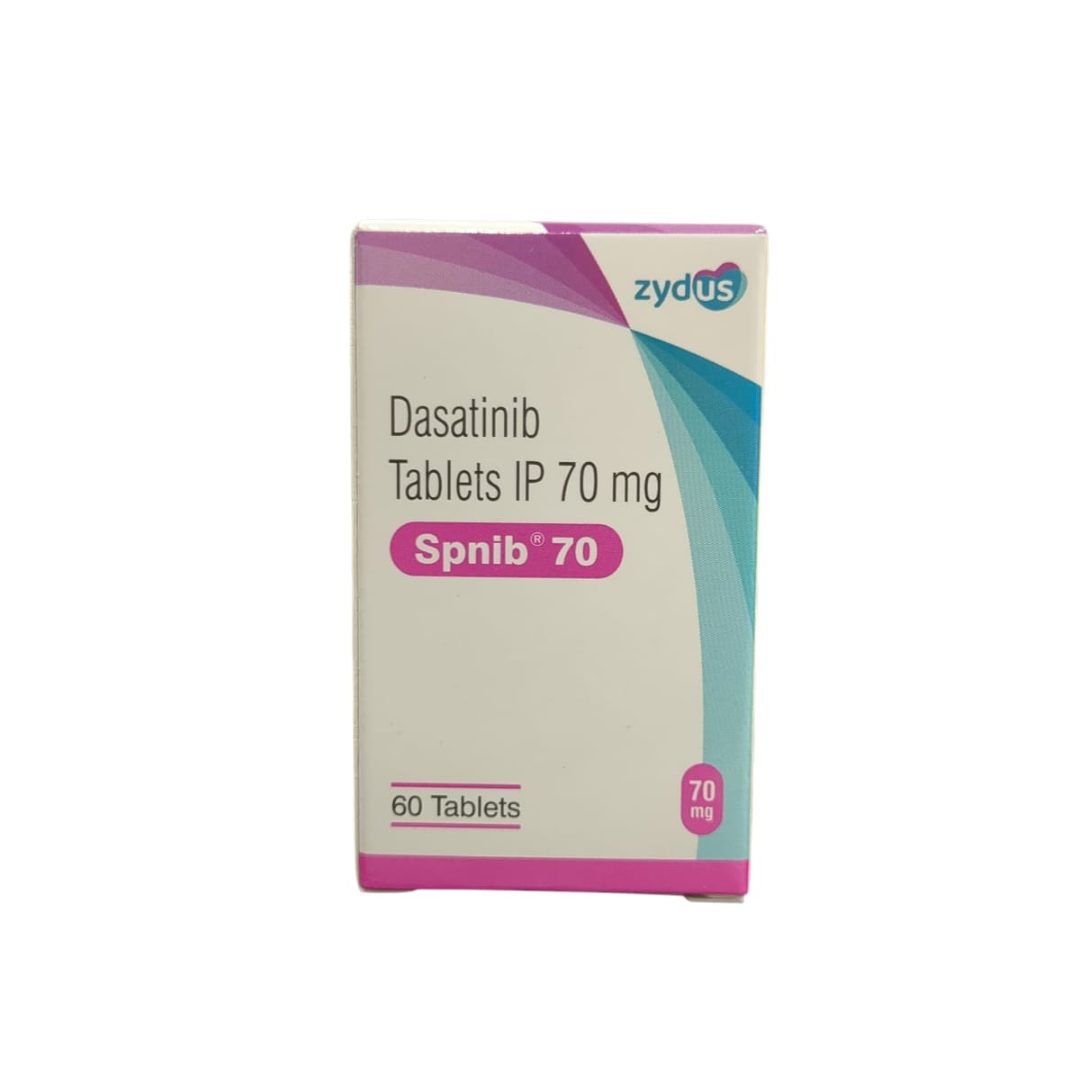
Spnib 70 Tablets
-
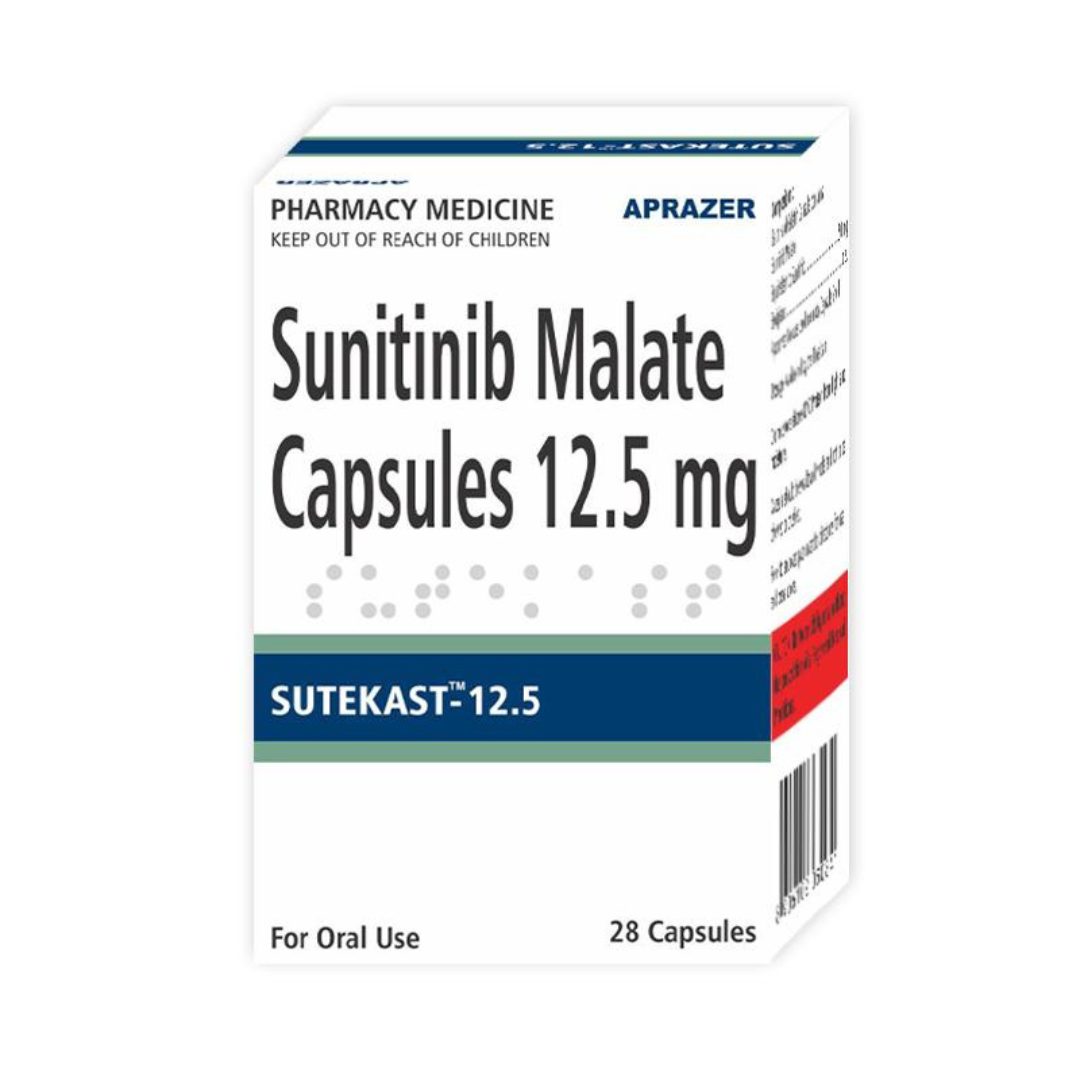
SUTEKAST-12.5 Capsules
-
SUTEKAST-25 Capsules
-
Sutinat 50
-
SUTEKAST-50 Capsules
-
Tagrisso 40 mg tablets
-
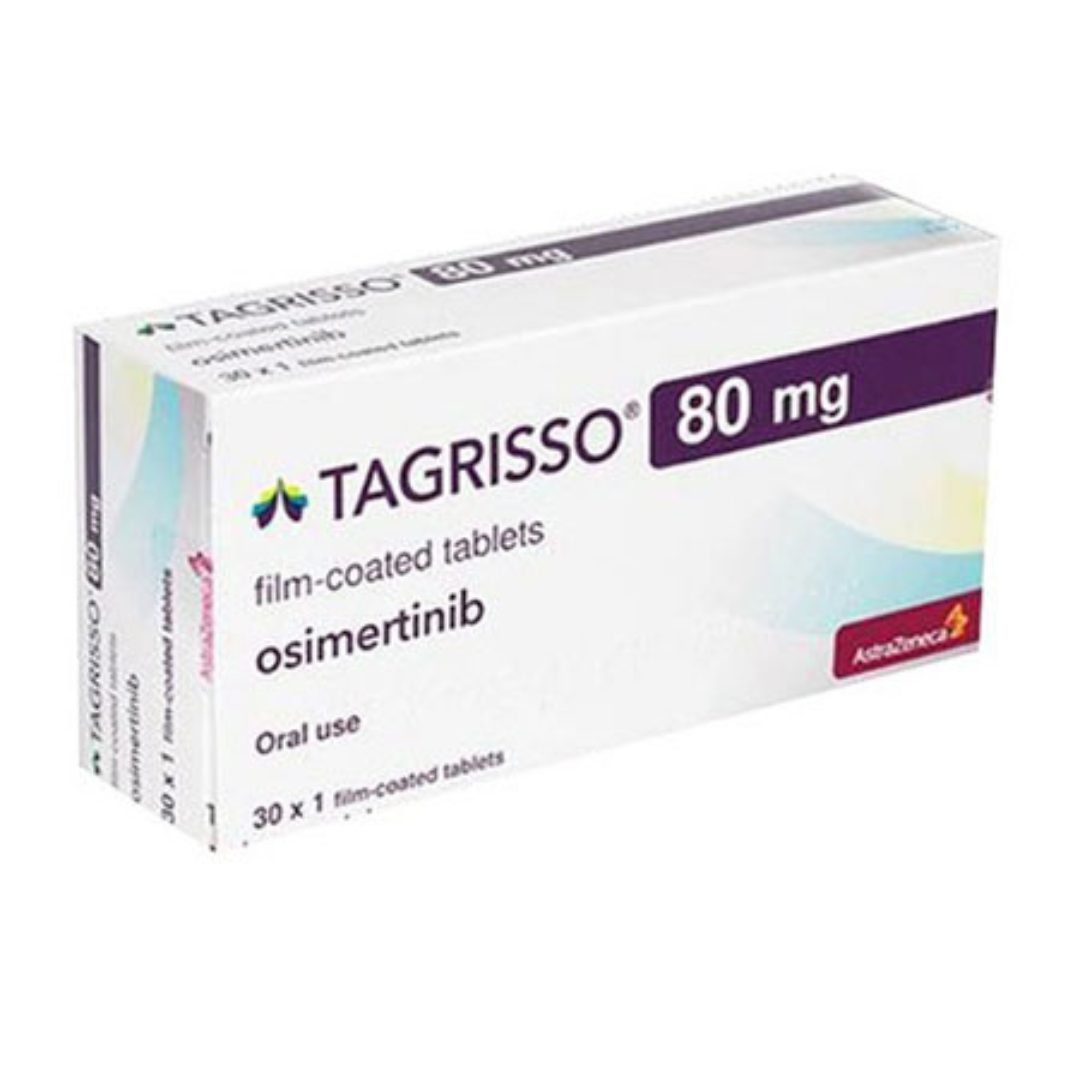
Tagrisso 80 mg Tablets
-
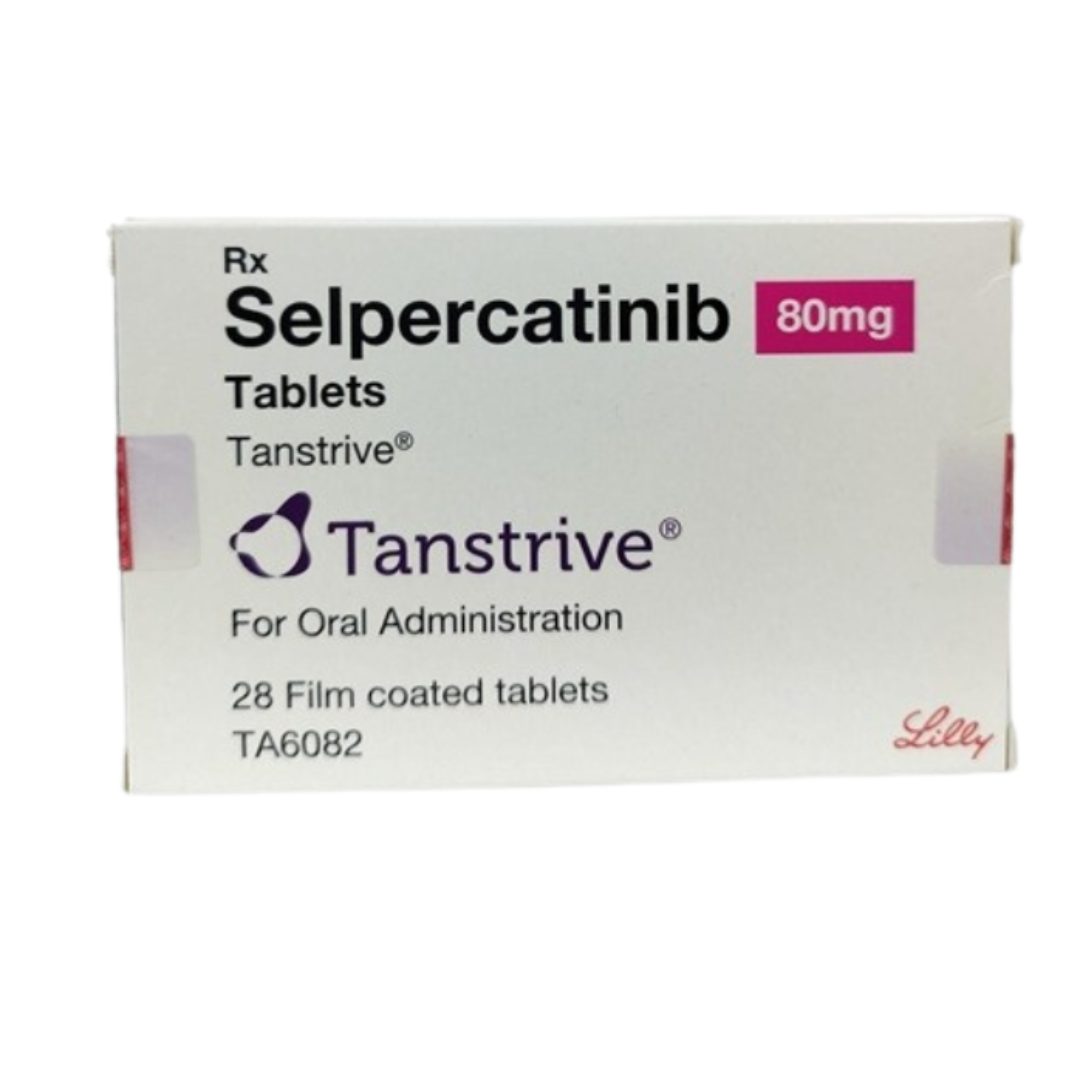
Tanstrive 80mg Tablets
-
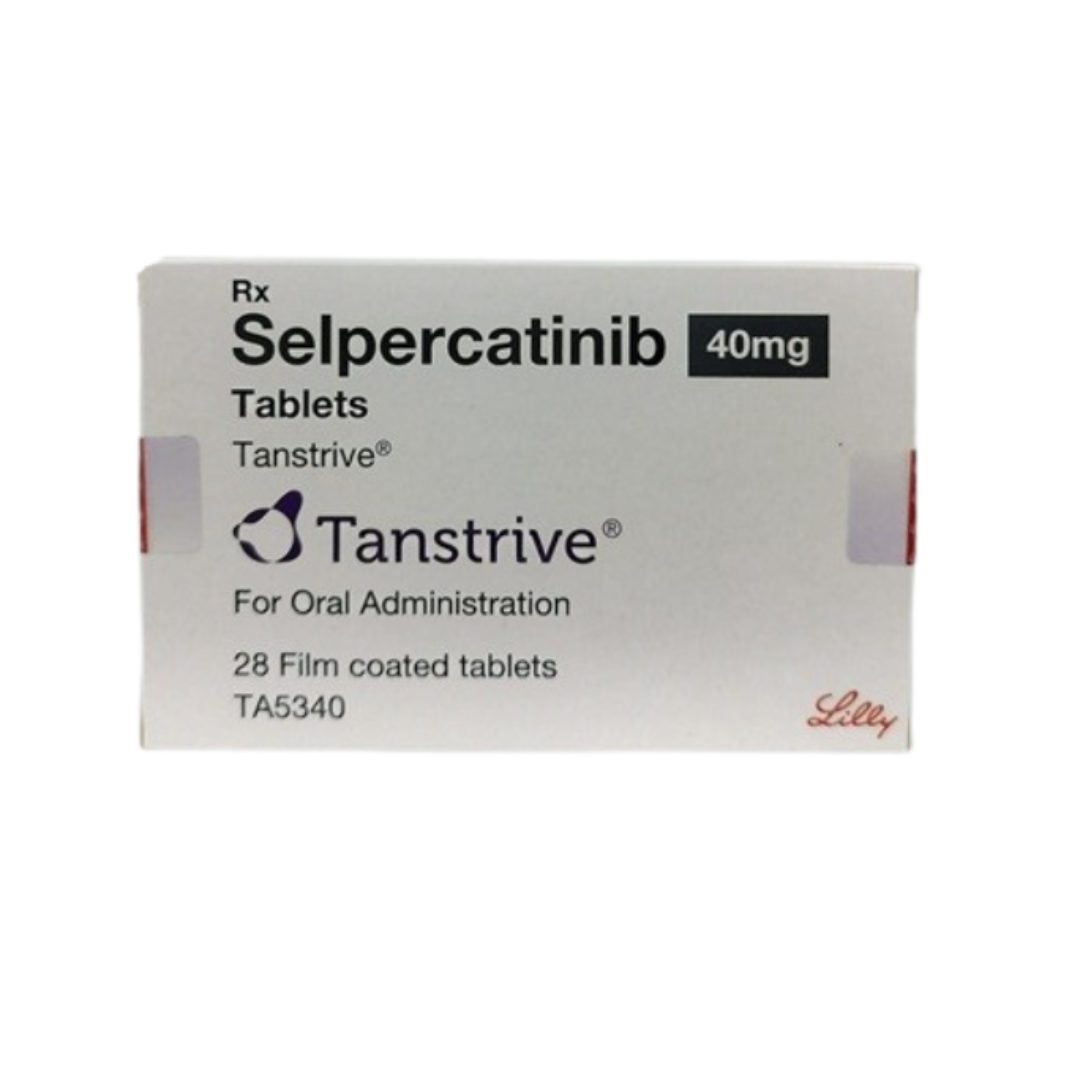
Tanstrive 40mg Tablets
-
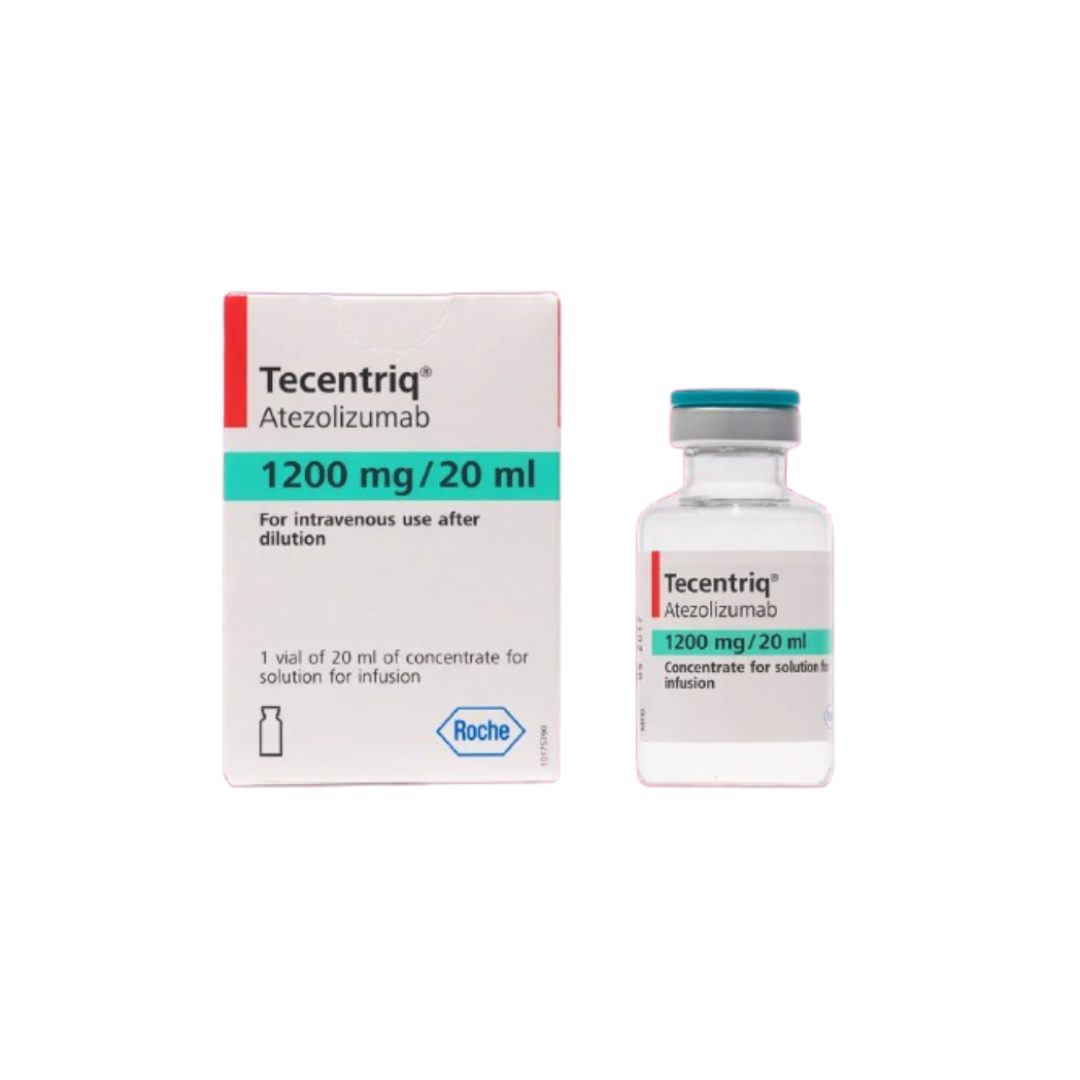
Tecentriq 1200mg injection
-
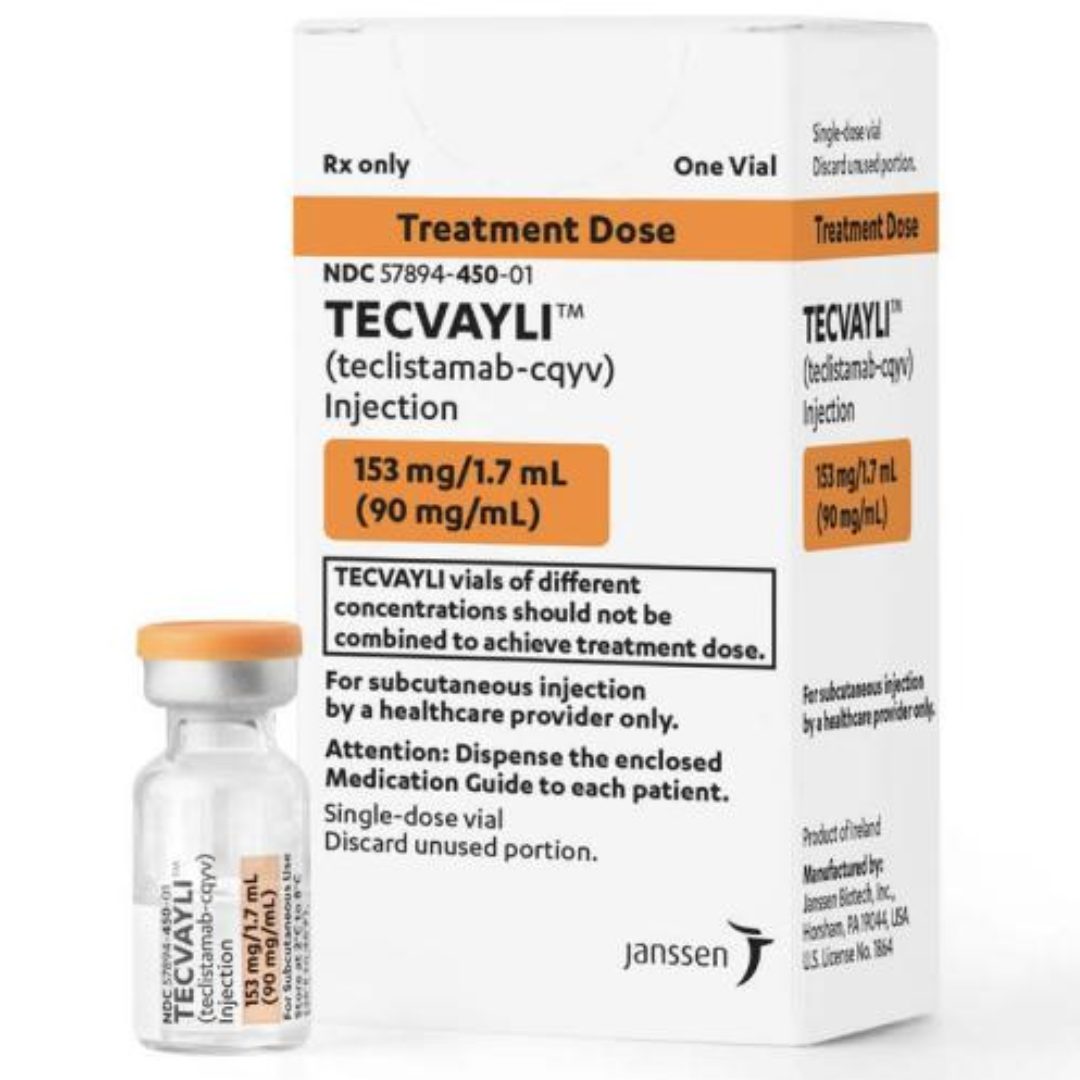
TECVAYLI 153 mg Injection
-
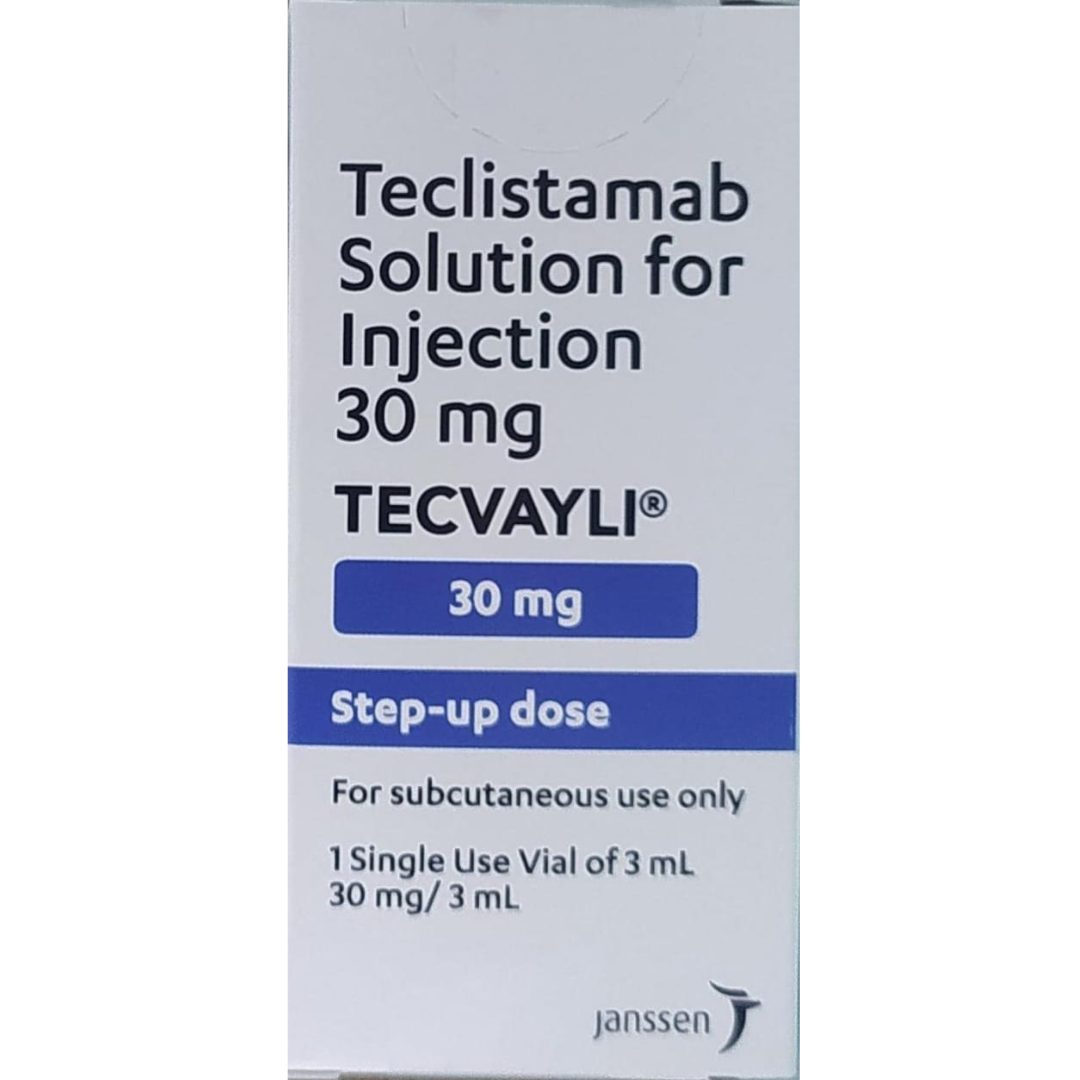
TECVAYLI 30 mg Injection
-
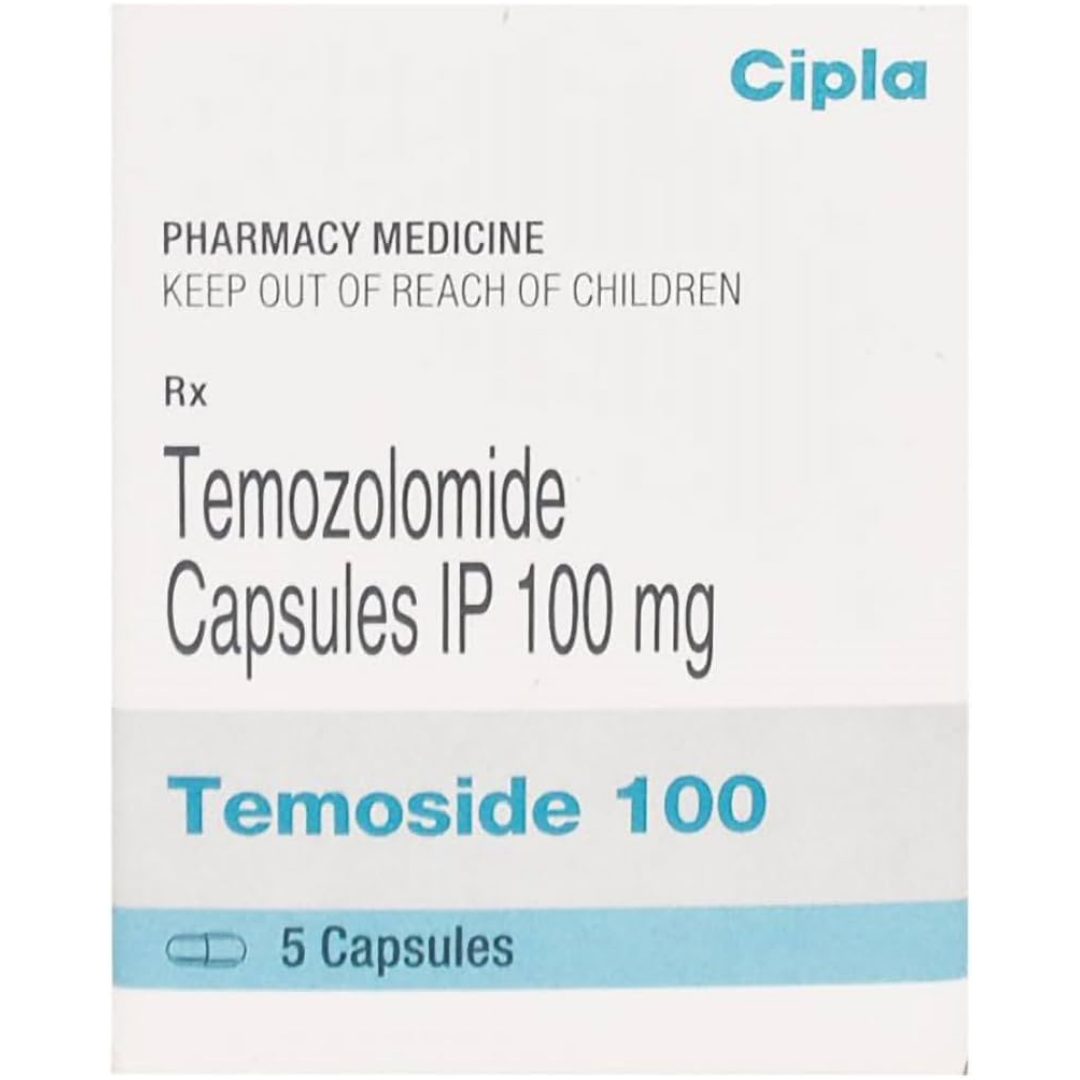
Temoside 100 Capsules
-
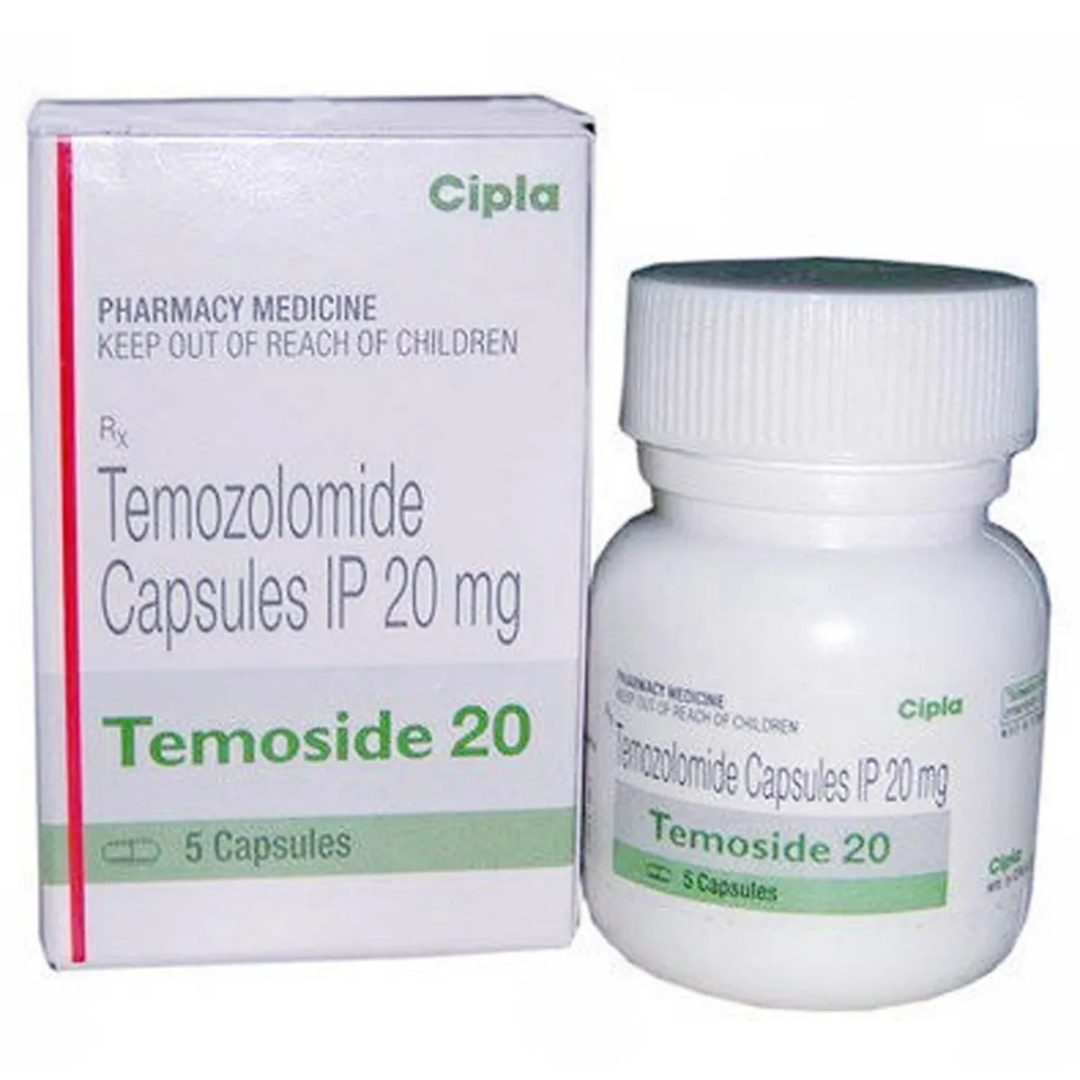
Temoside 20 Capsules
-
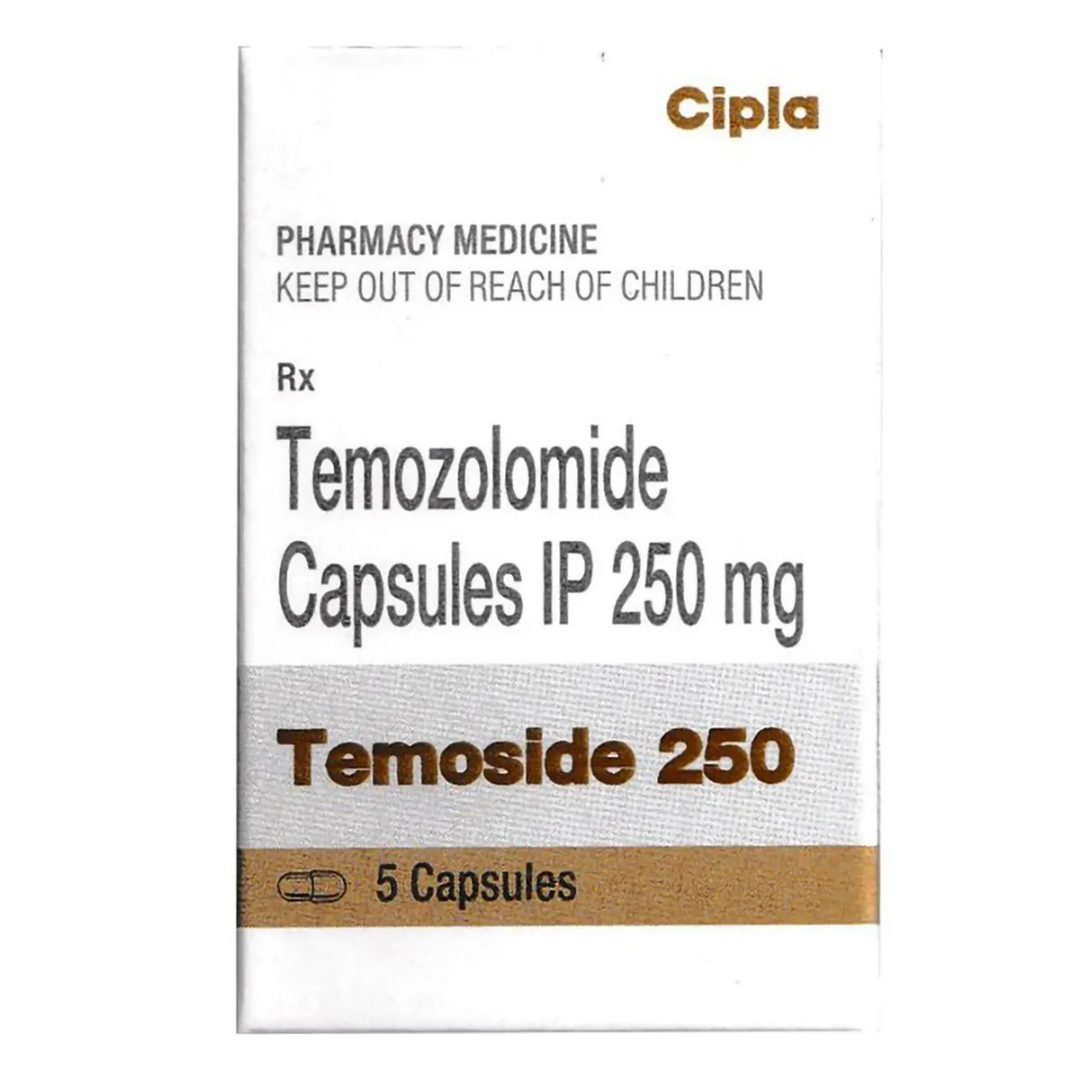
Temoside 250 Capsules
-
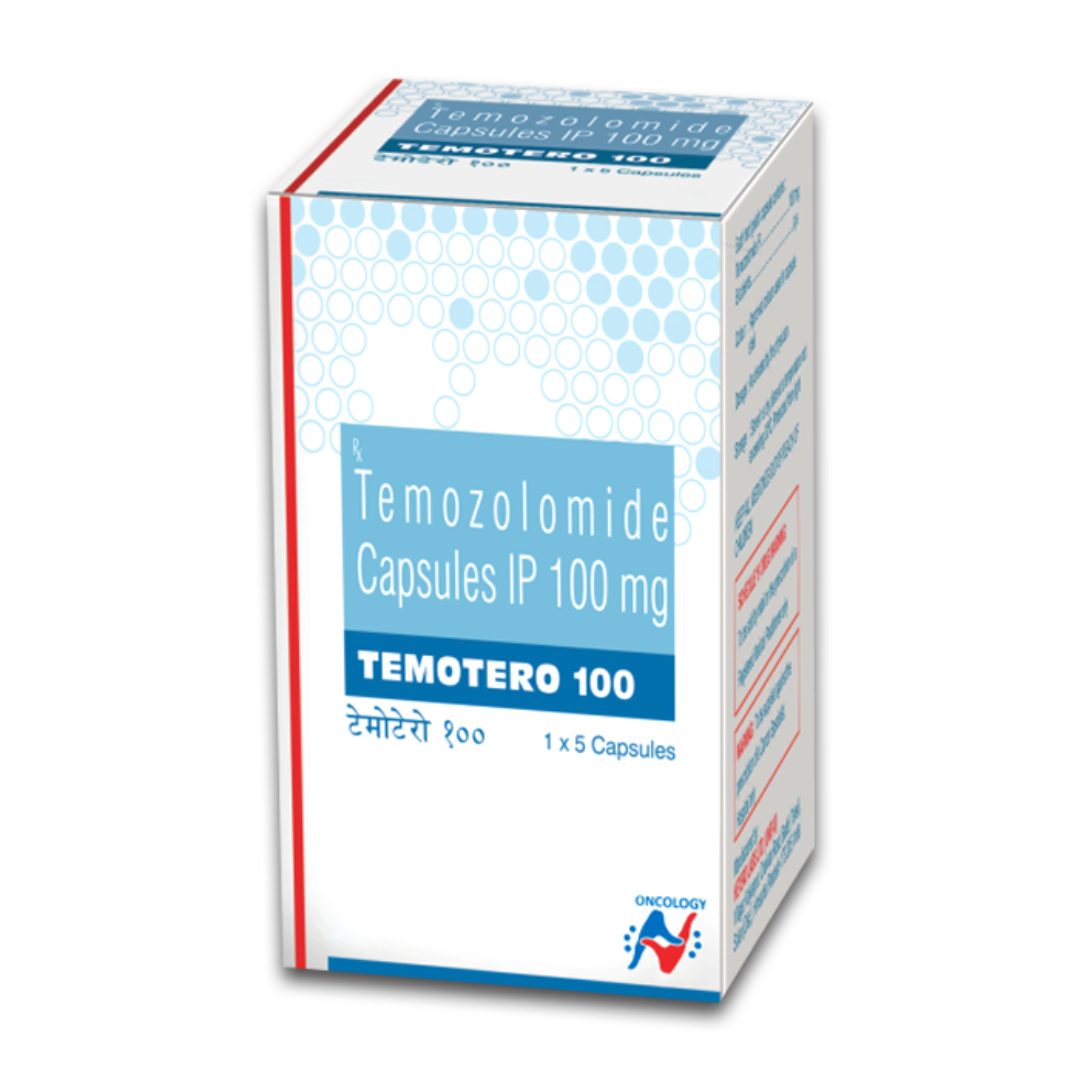
Temotero 100 mg
-
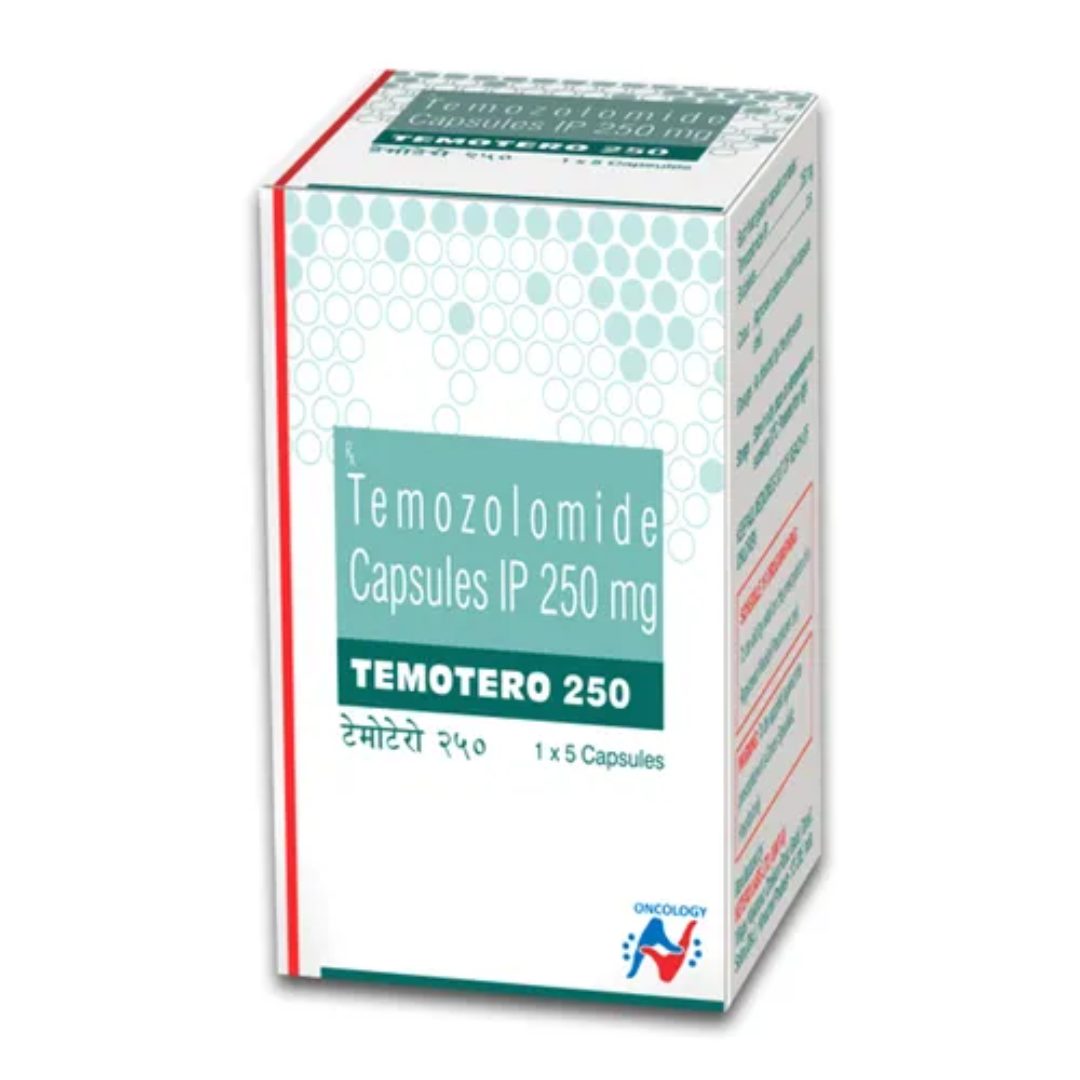
Temotero 250 mg
-
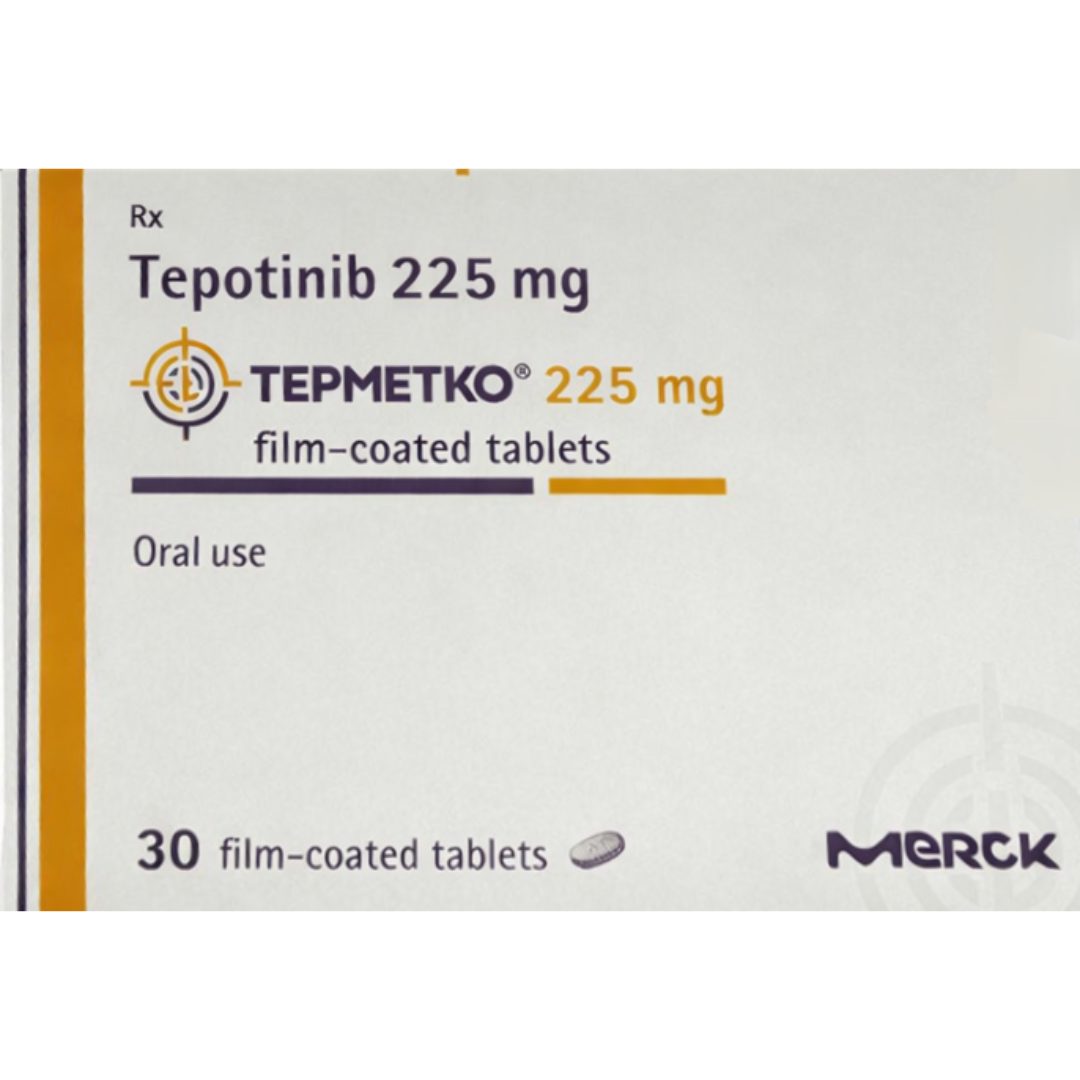
TEPMETKO 225 mg Tablets
-
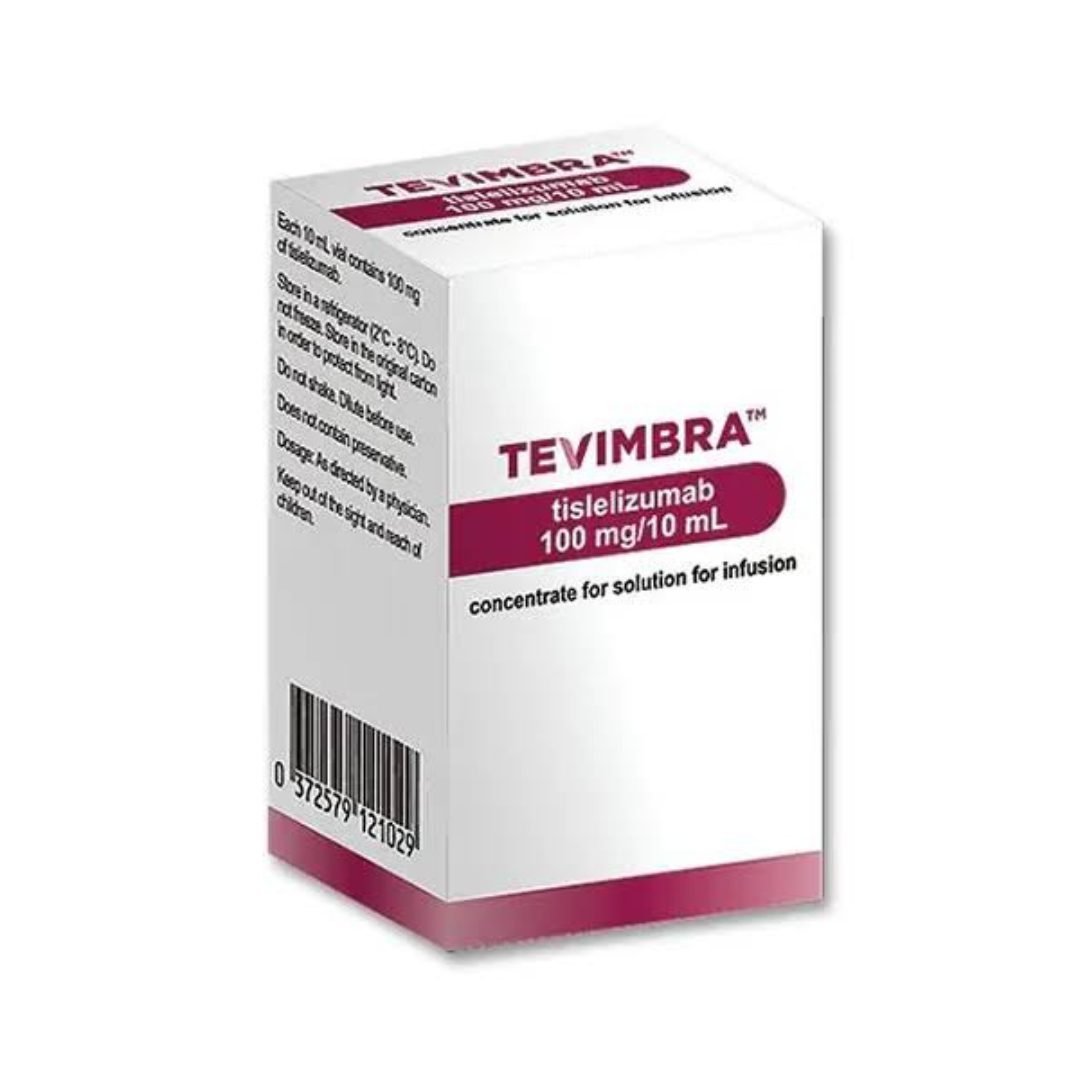
TEVIMBRA 100 mg
-
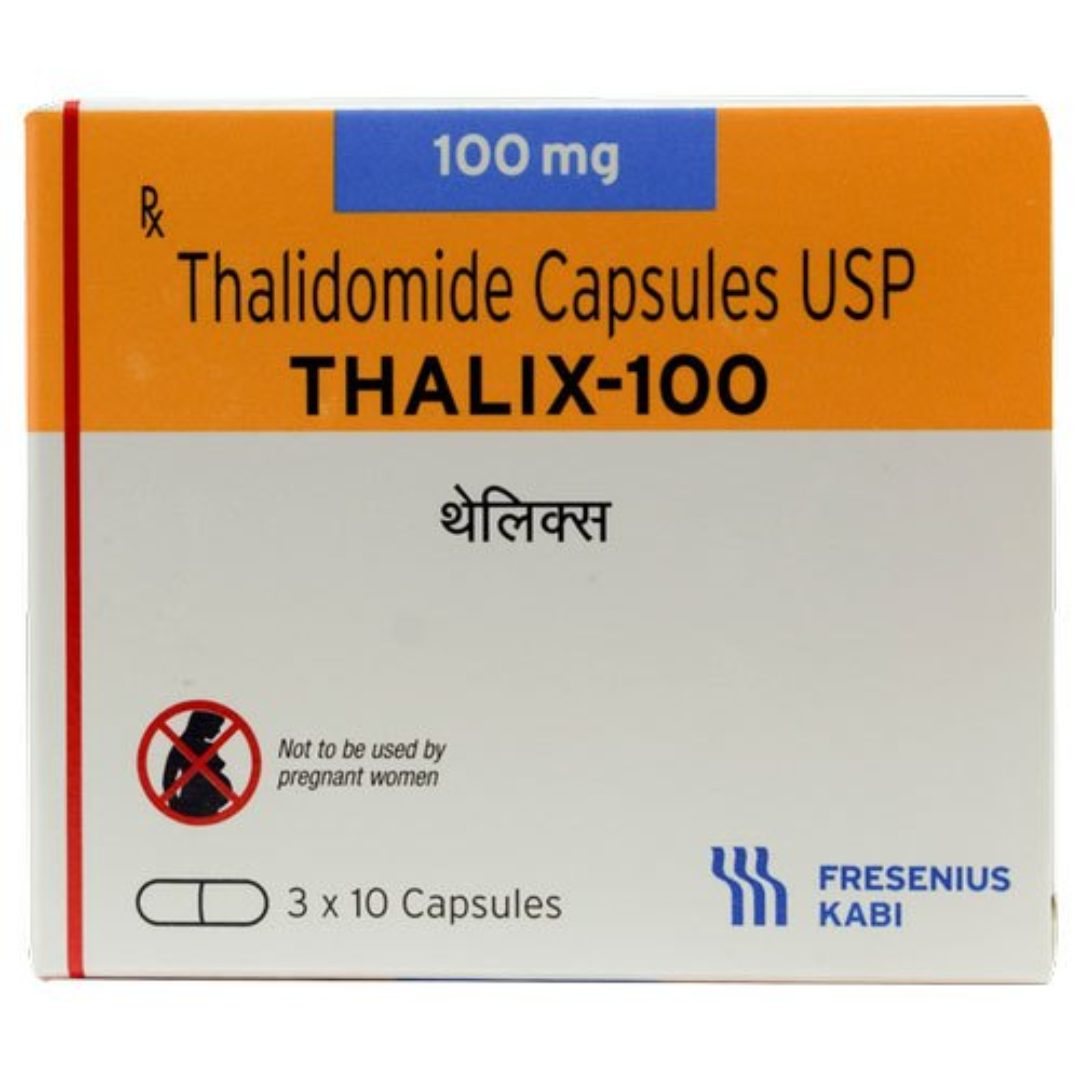
Thalix 100 mg Capsules
-
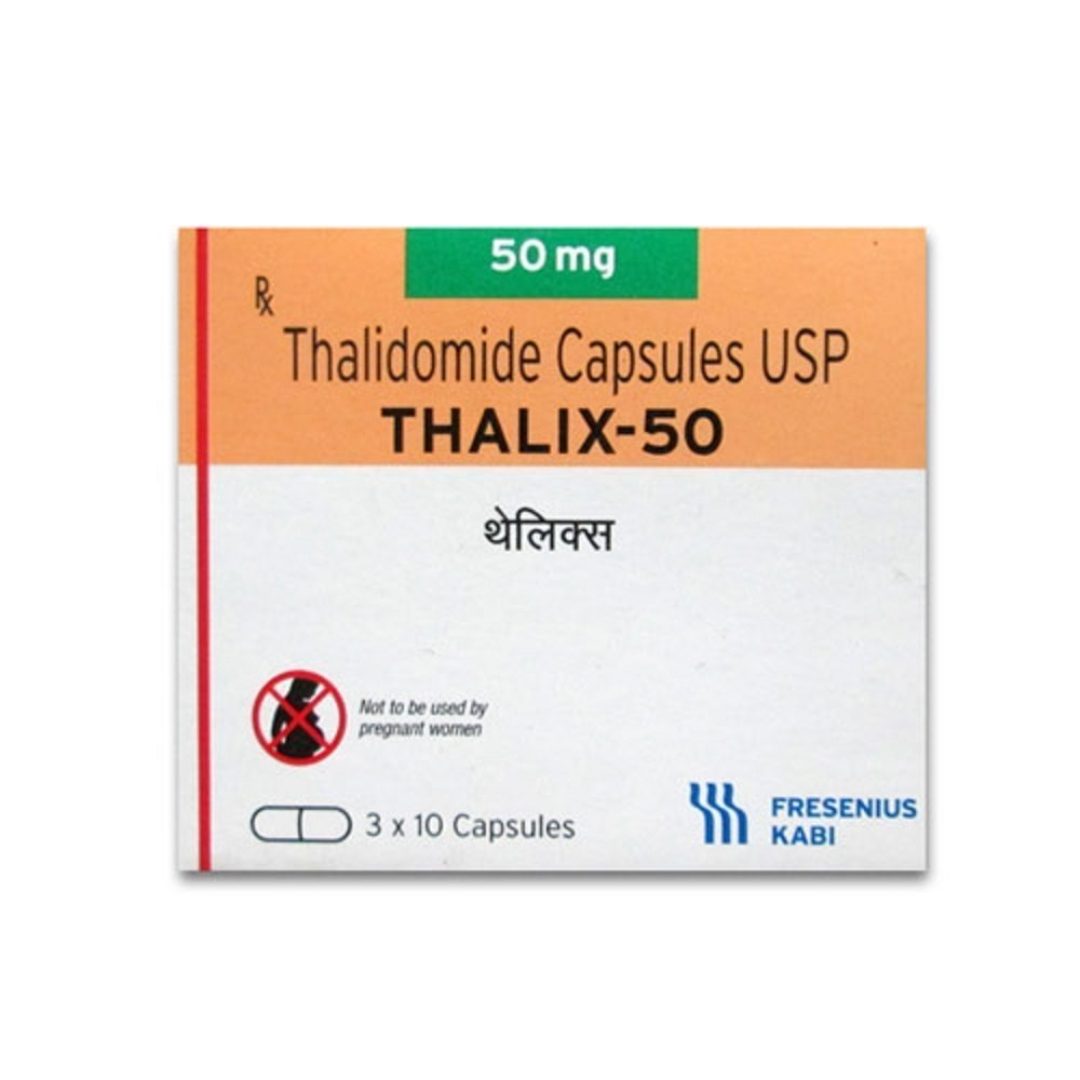
Thalix 50 mg Capsules
-
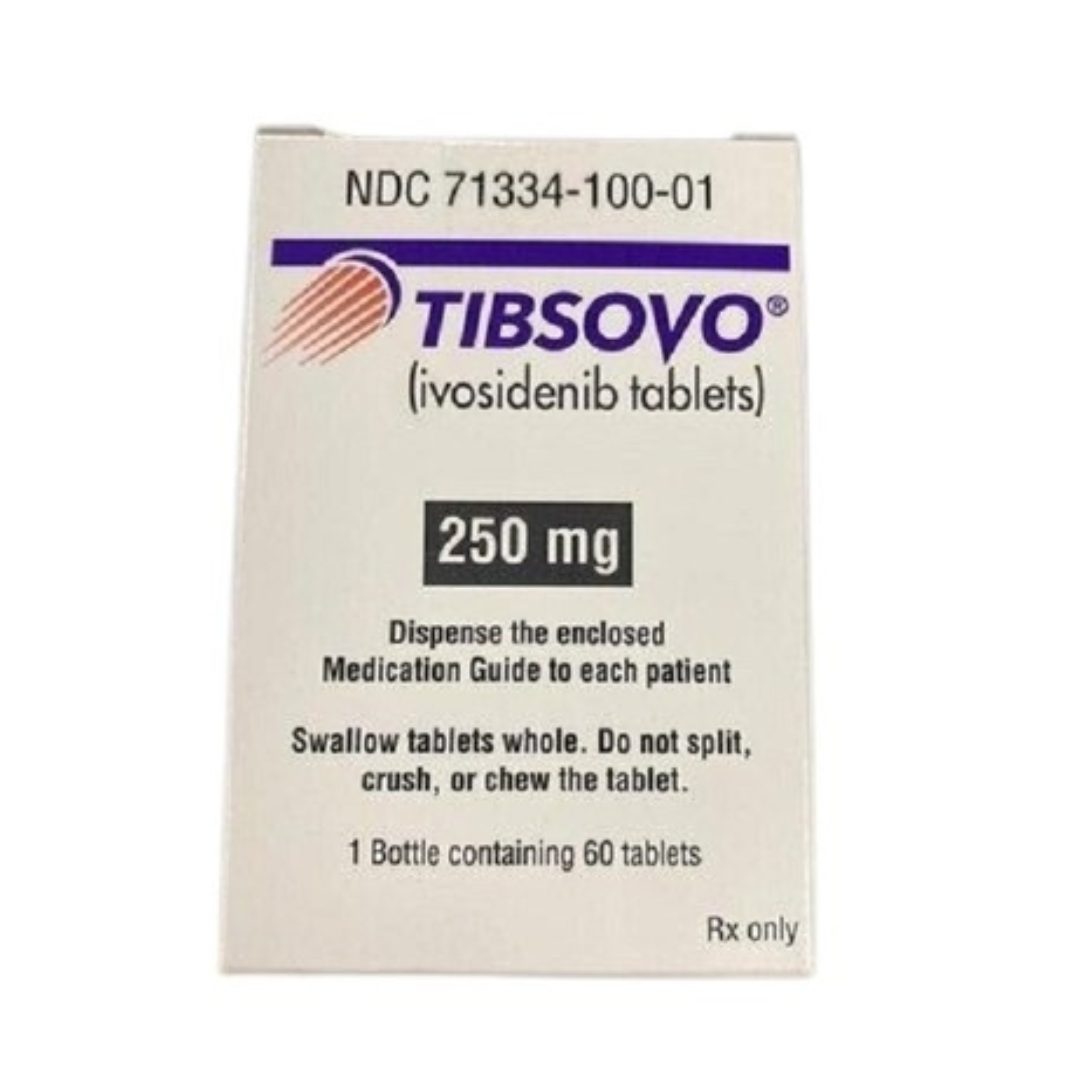
TIBSOVO 250 Tablets
-
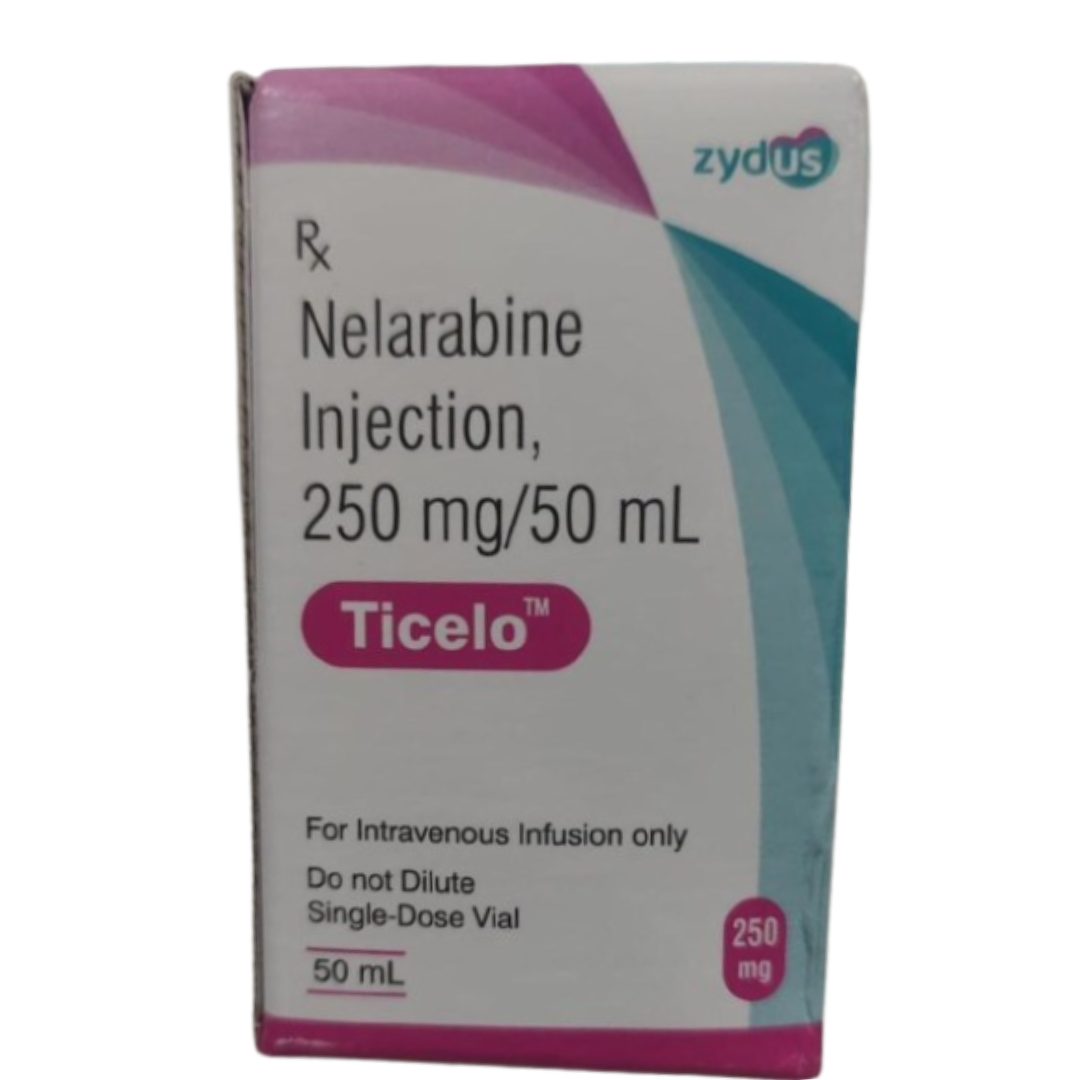
Ticelo 250 mg/50 mL Injection
-
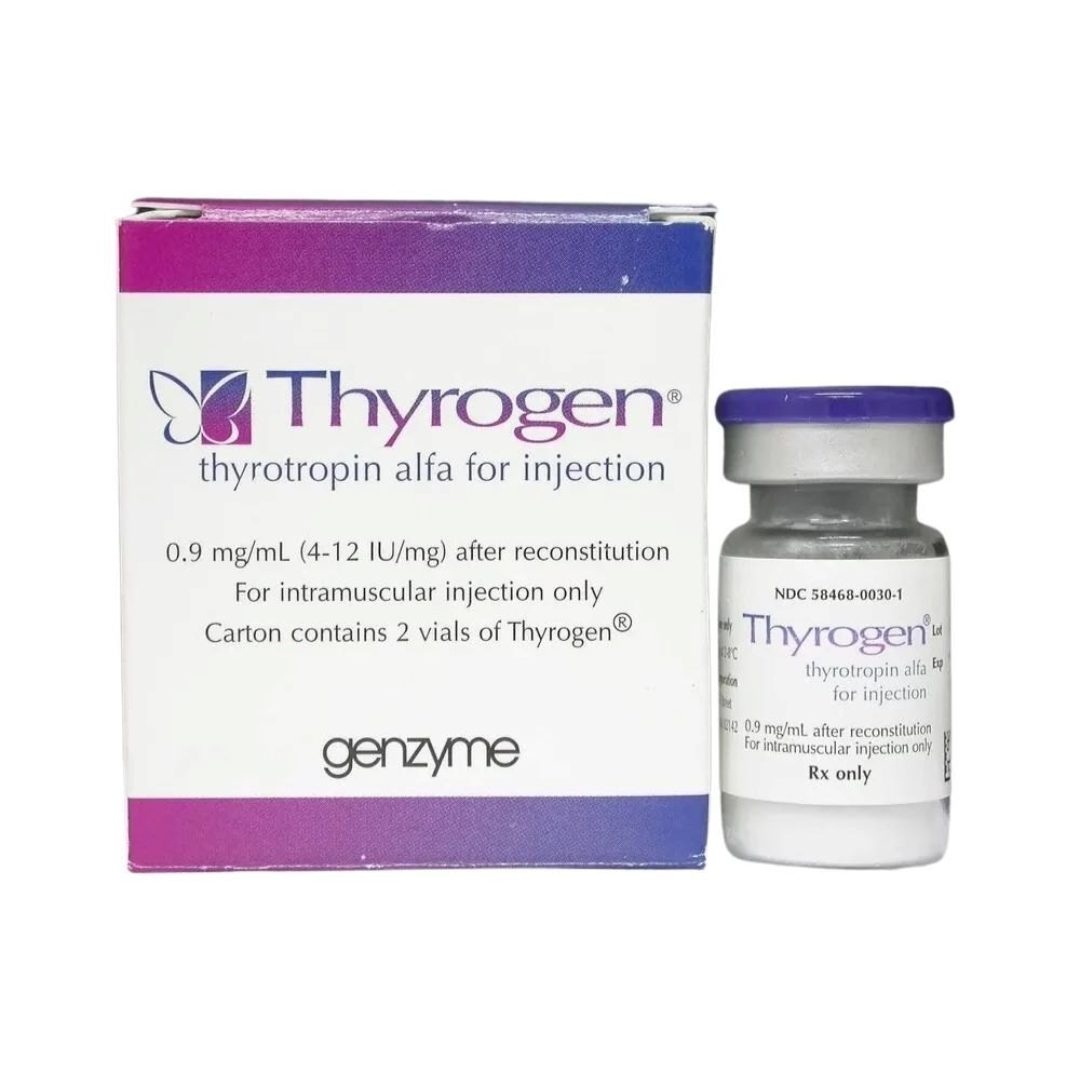
Thyrogen injection
-
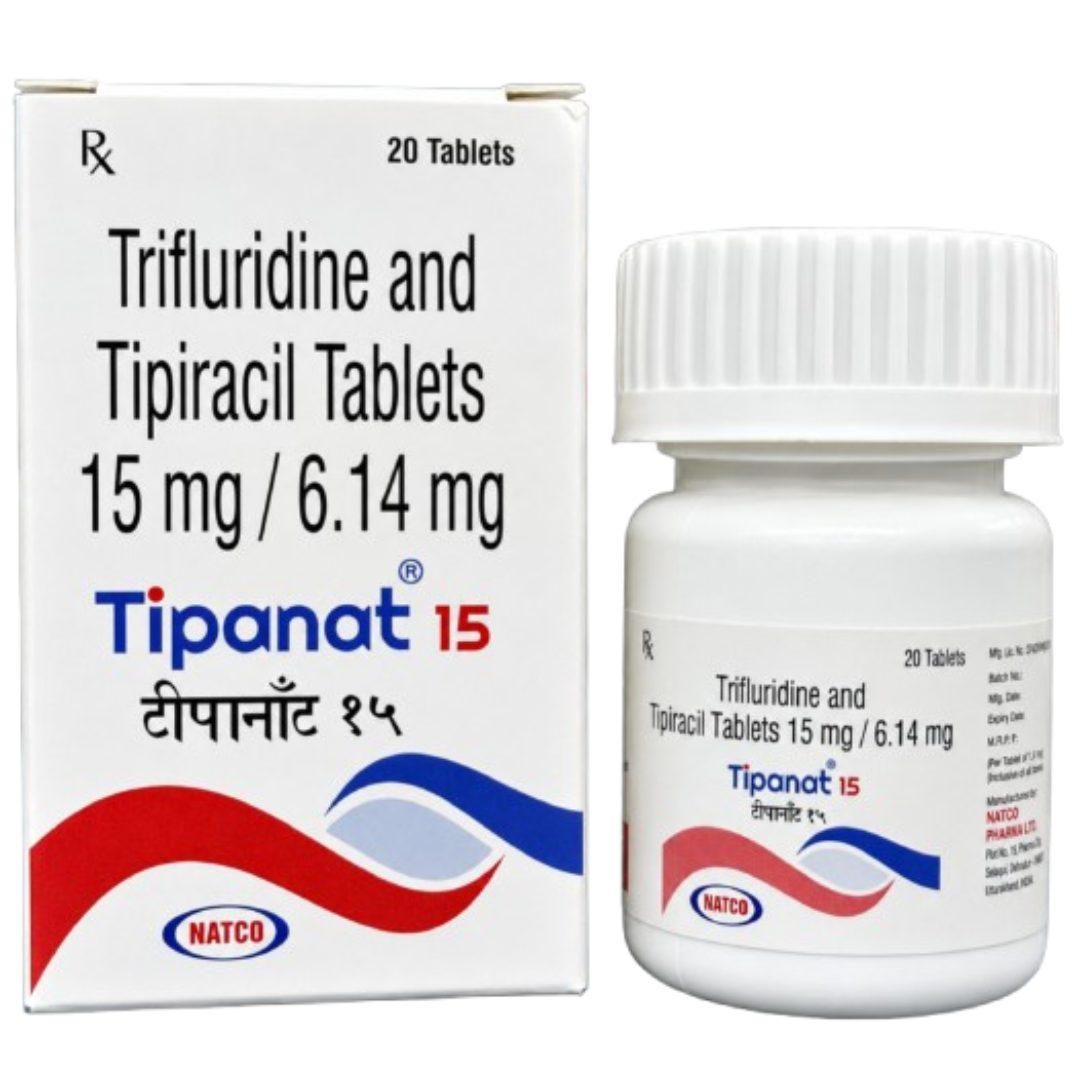
Tipanat 15mg Tablets
-
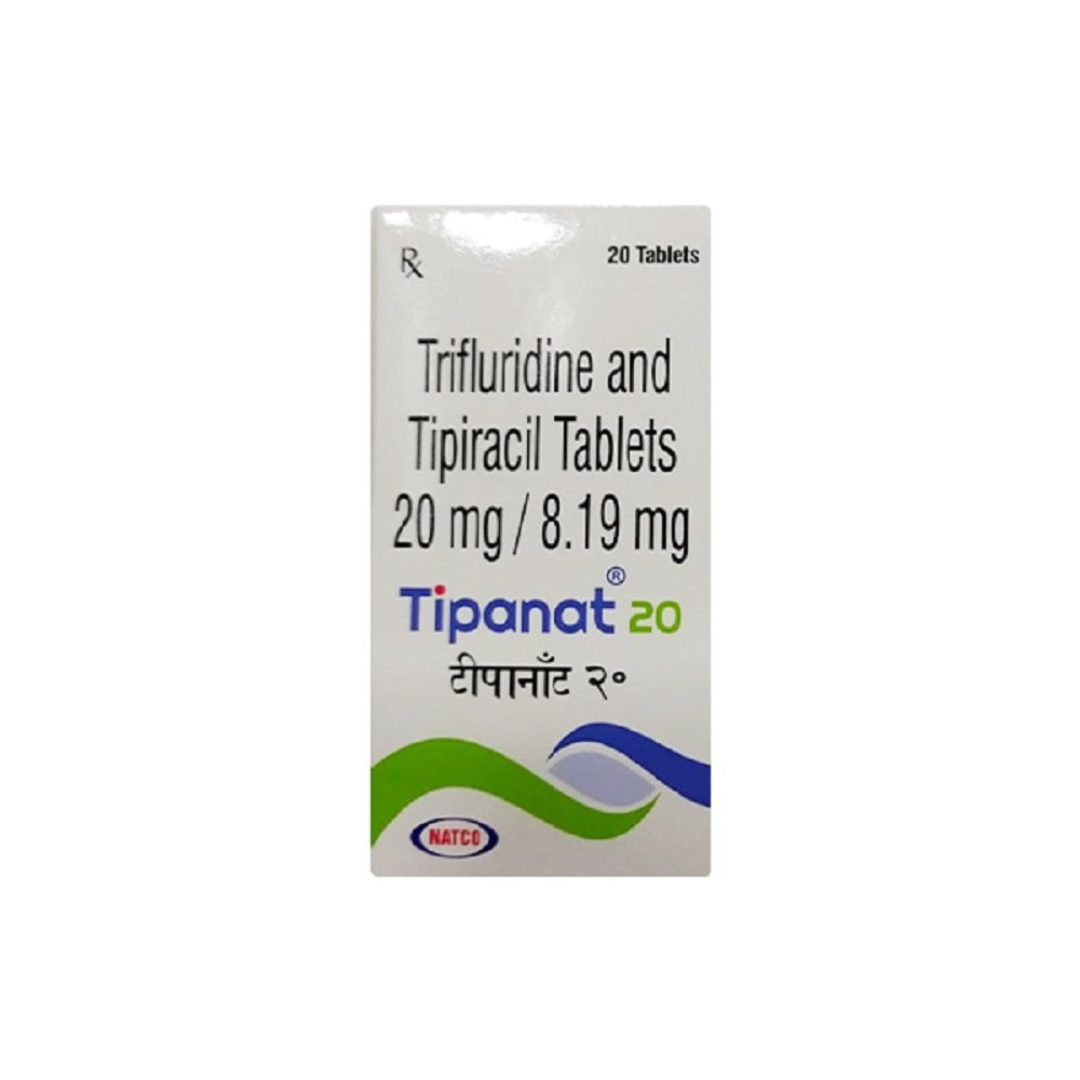
Tipanat 20mg Tablets
-
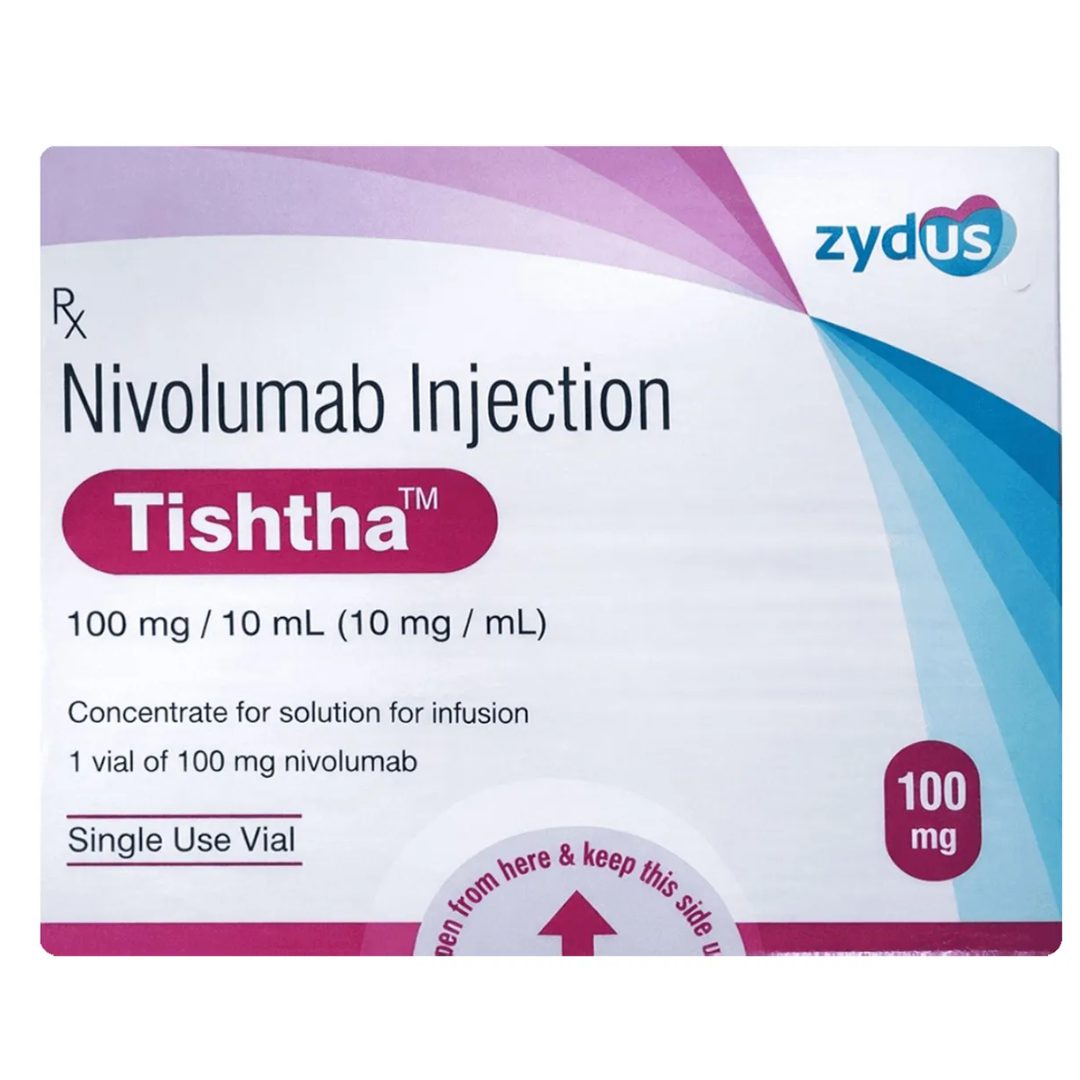
Tishtha 100mg injection
-
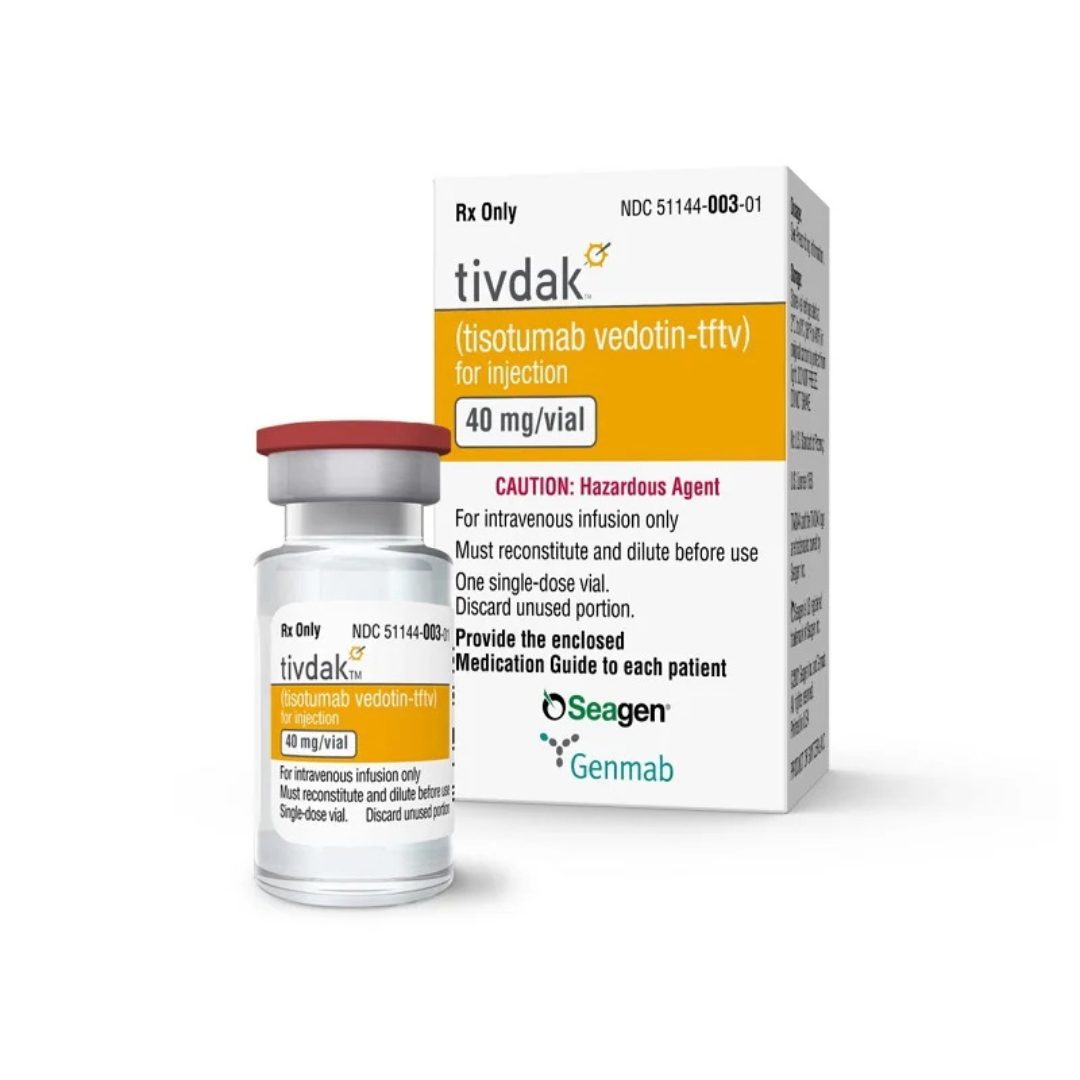
Tivdak 40 mg injection
-
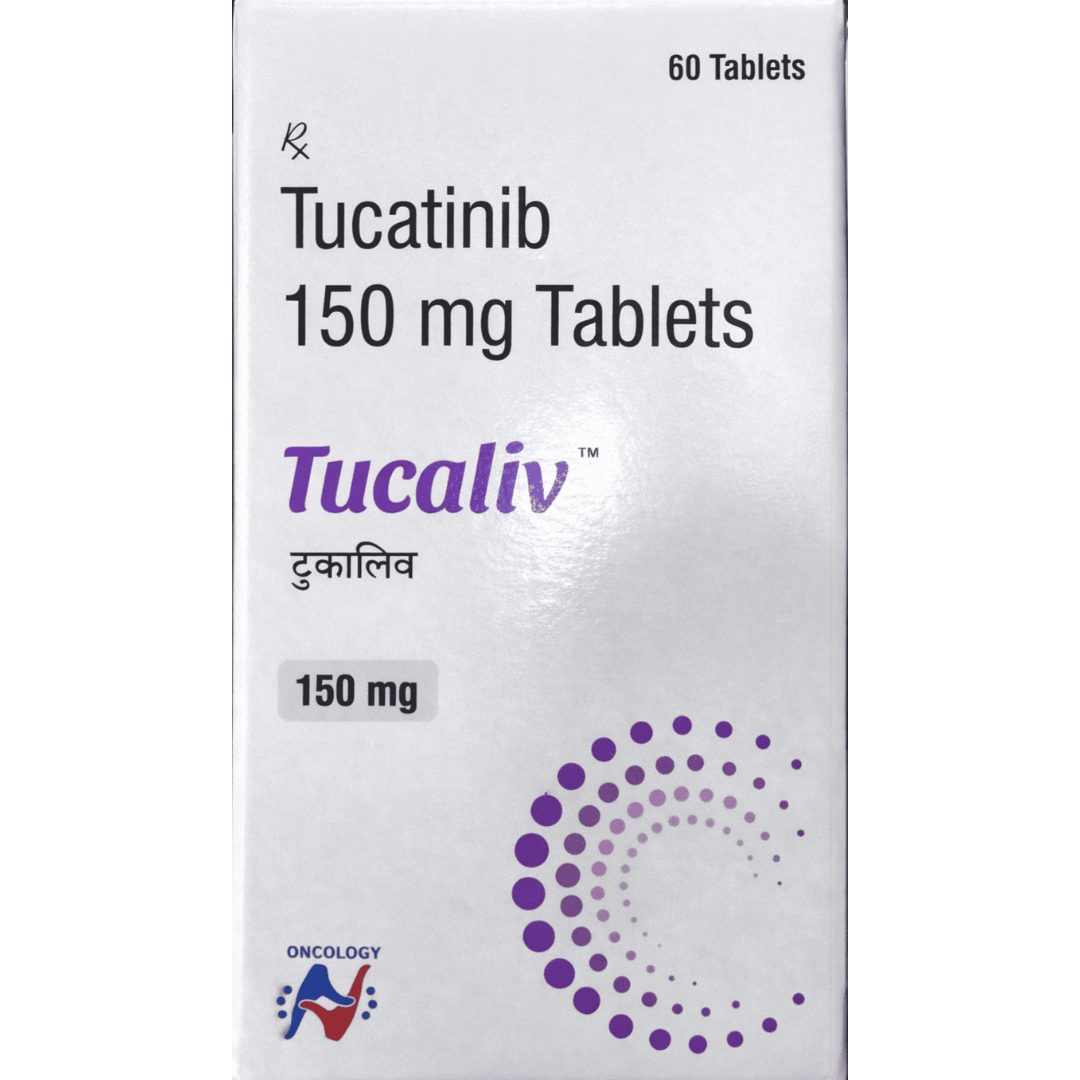
Tucaliv 150 Tablets
-
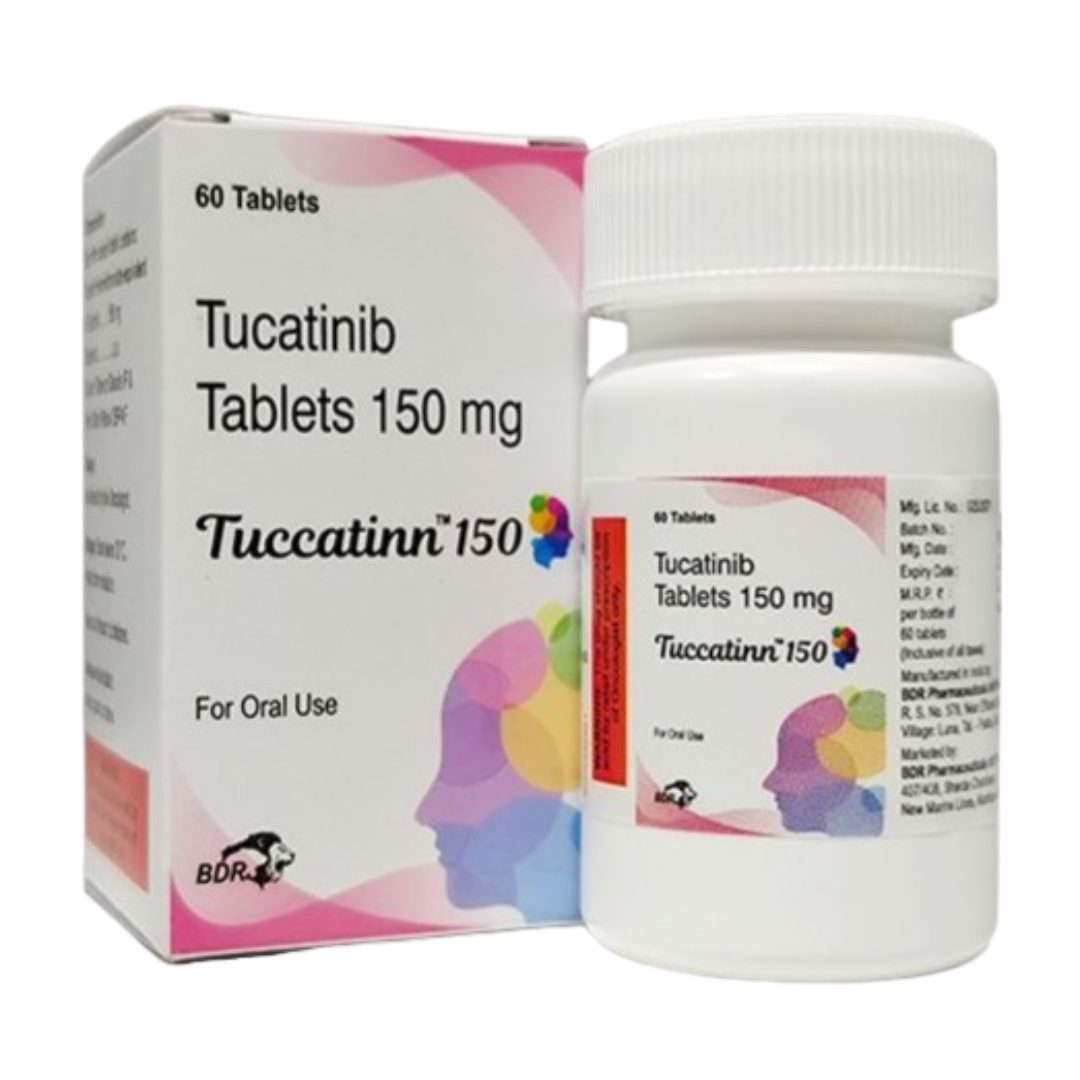
Tuccatin 150 Tablets
-
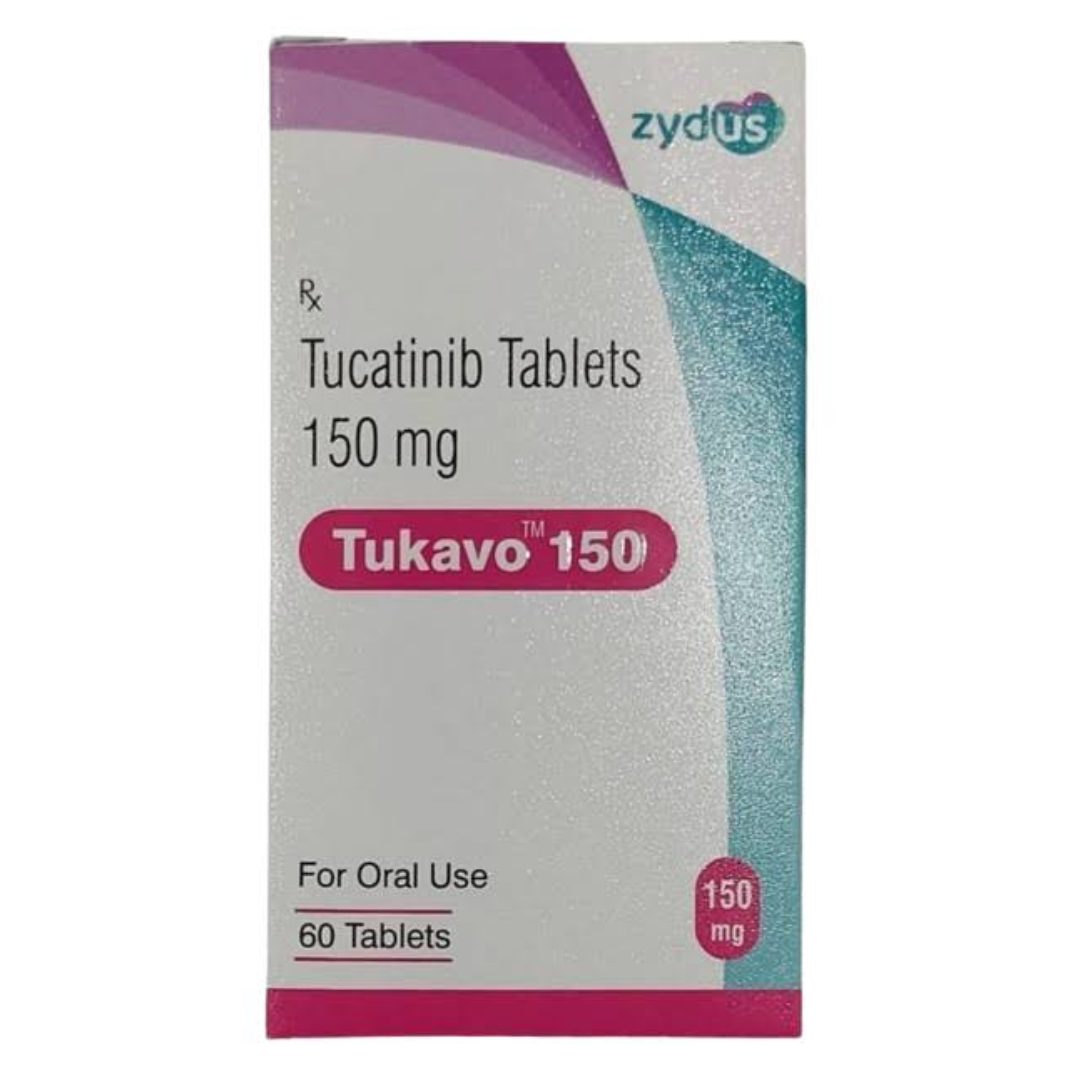
Tukavo 150 Tablets
-
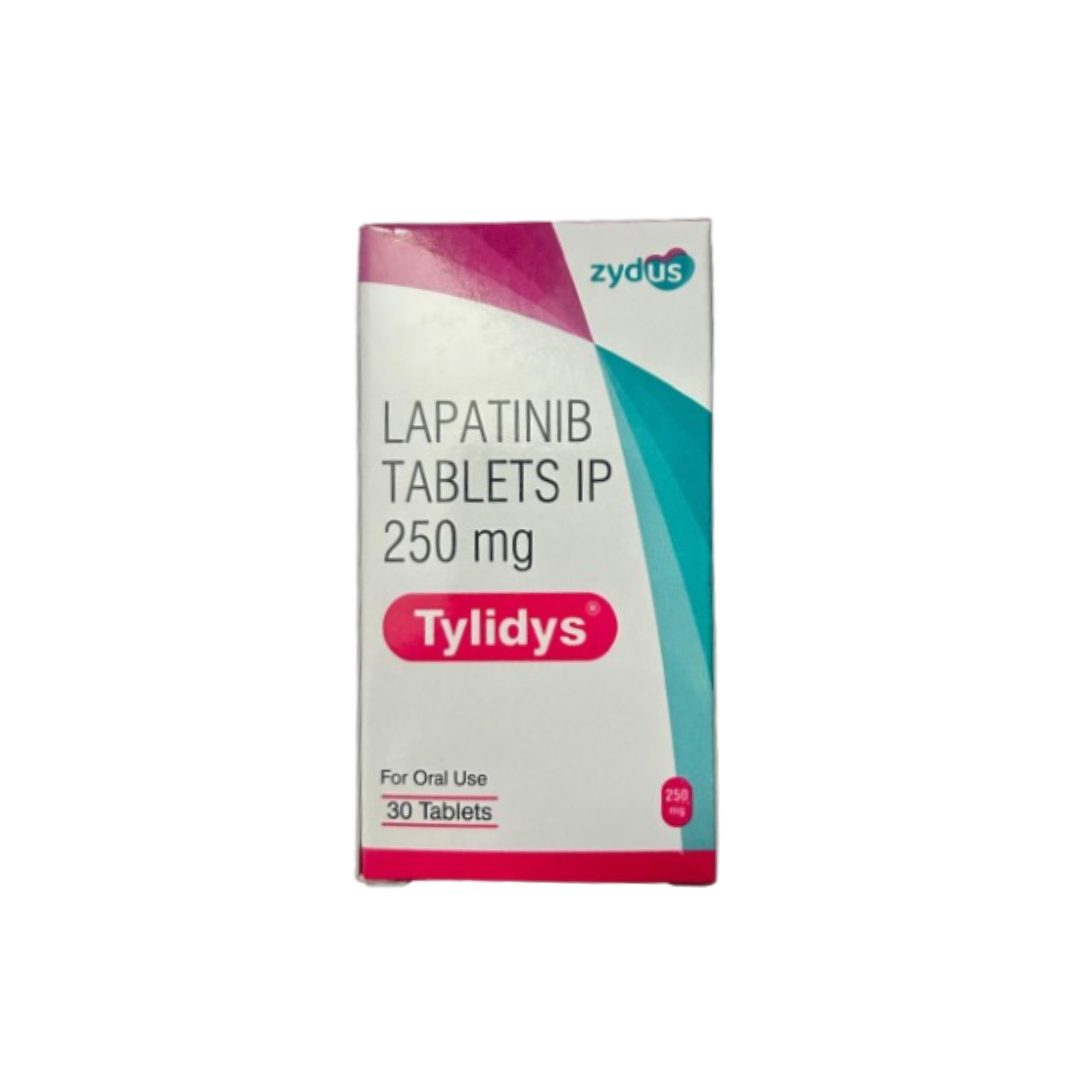
Tylidys 250 Tablets
-
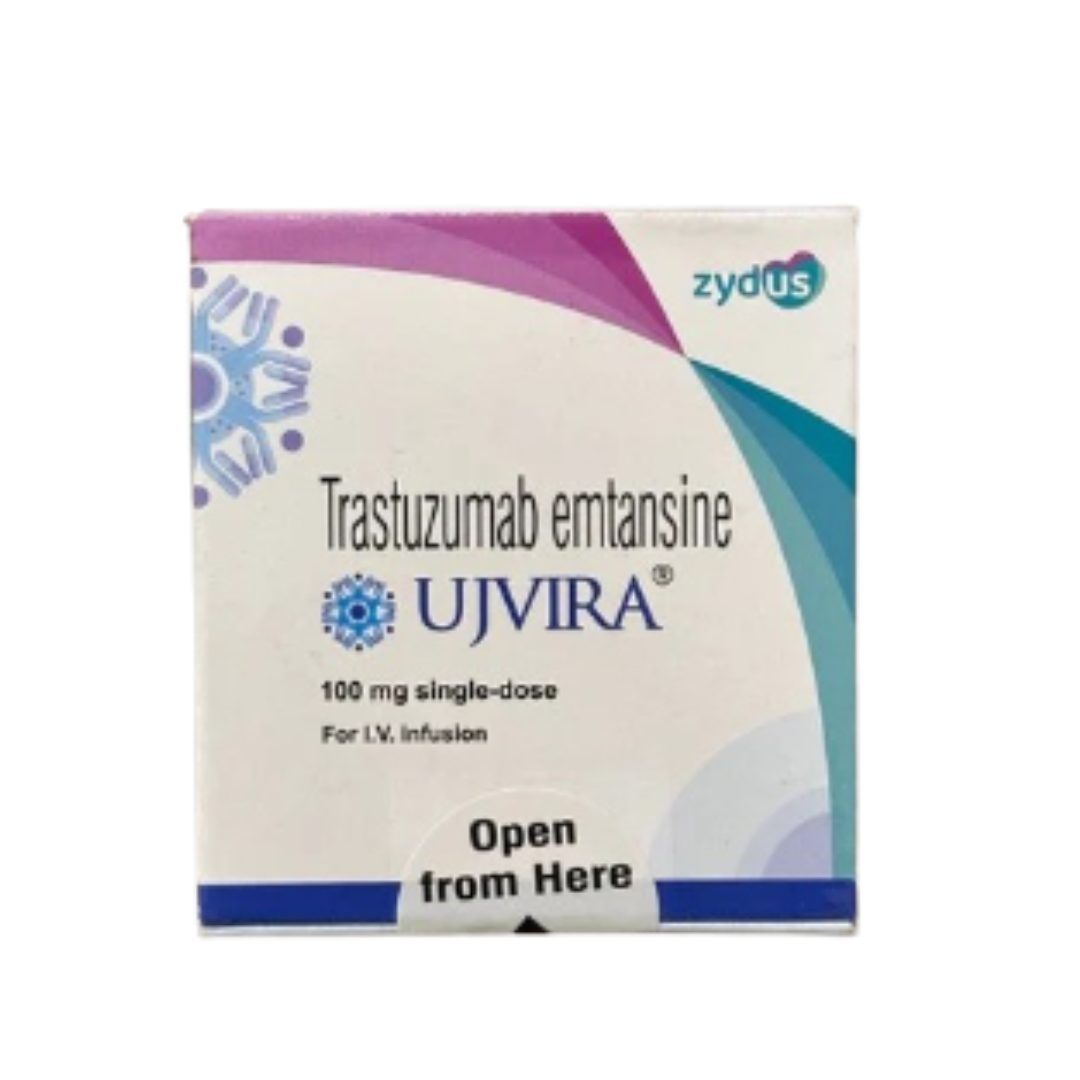
Ujvira 100 Mg Injection
-
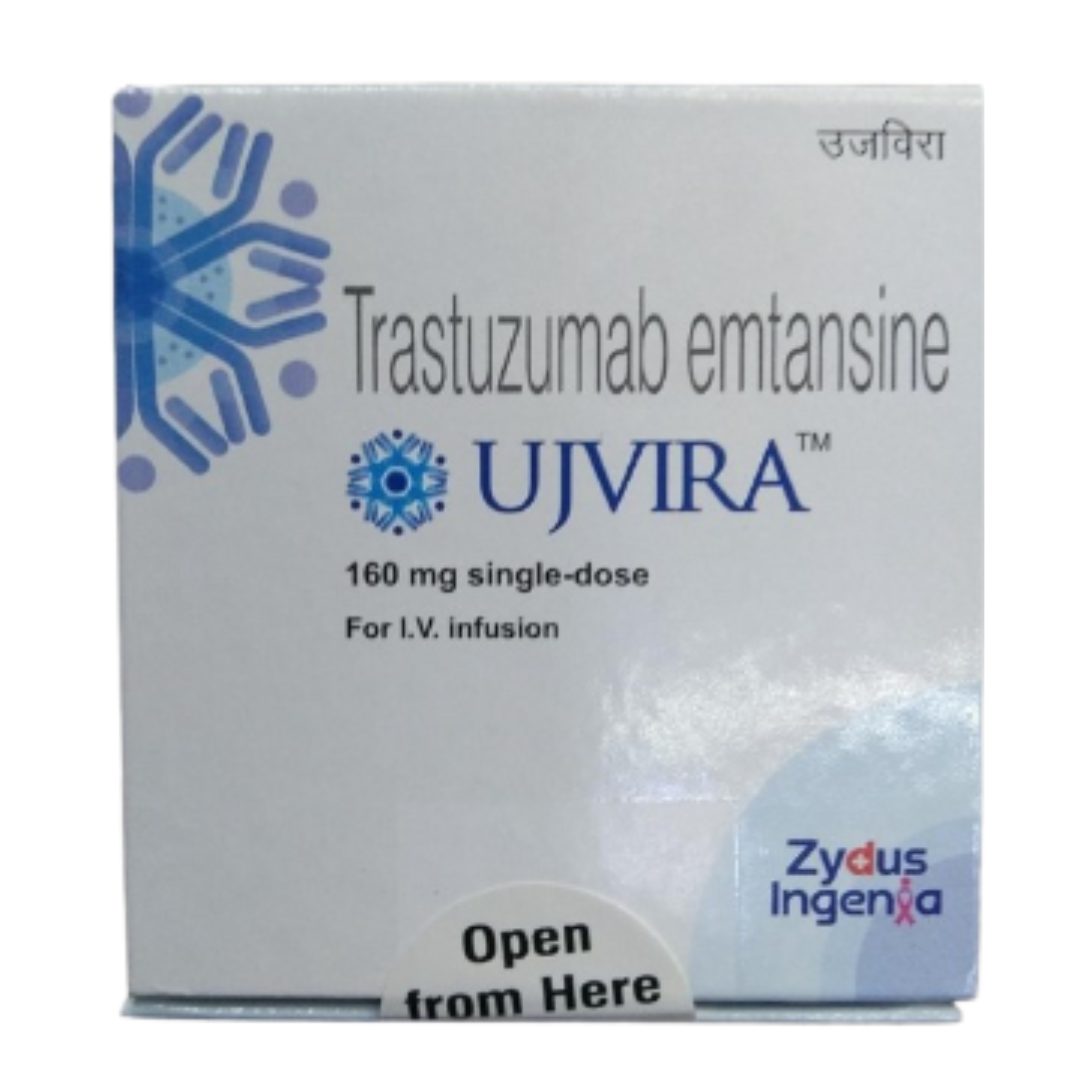
Ujvira 160 mg Injection
-
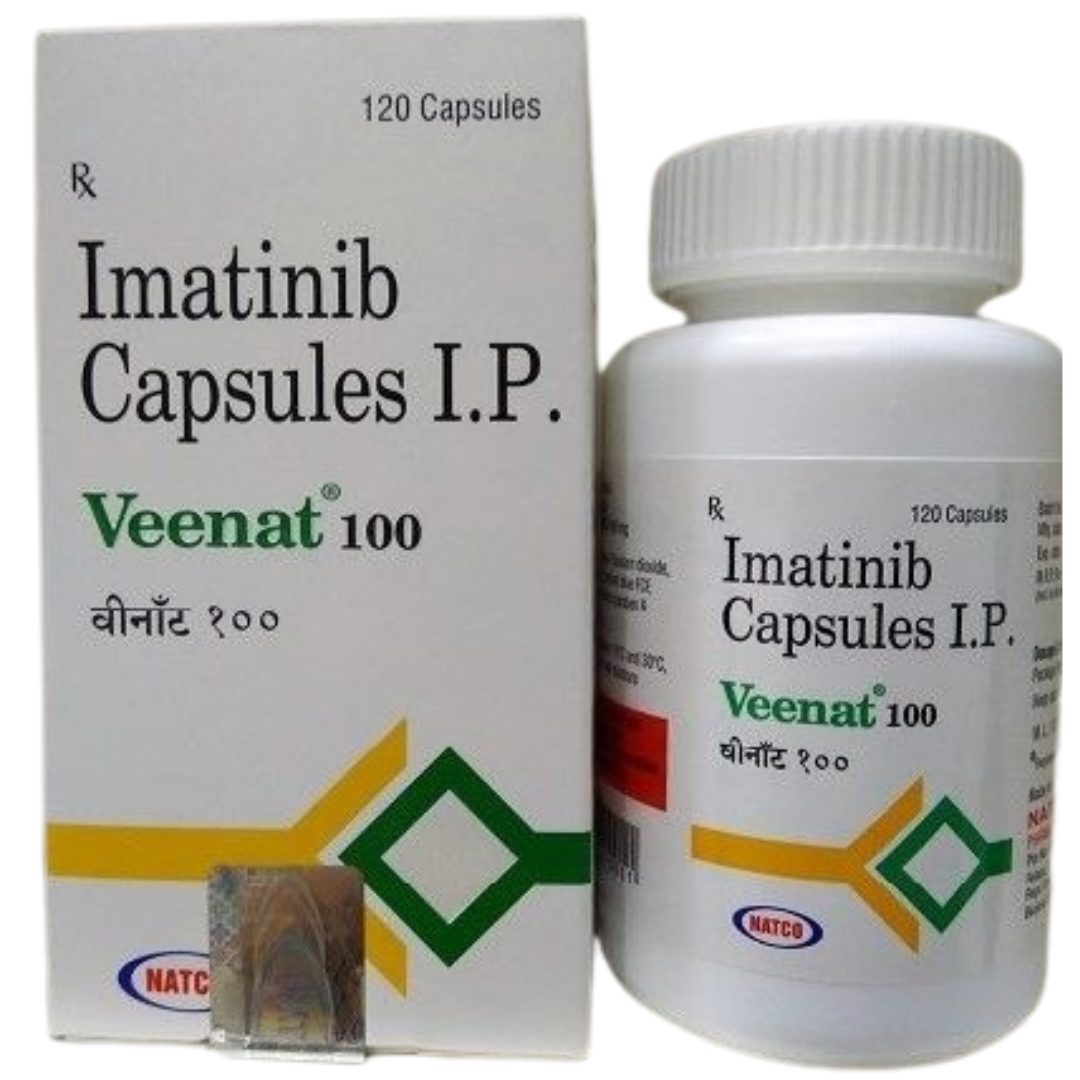
Veenat 100mg Capsules
-
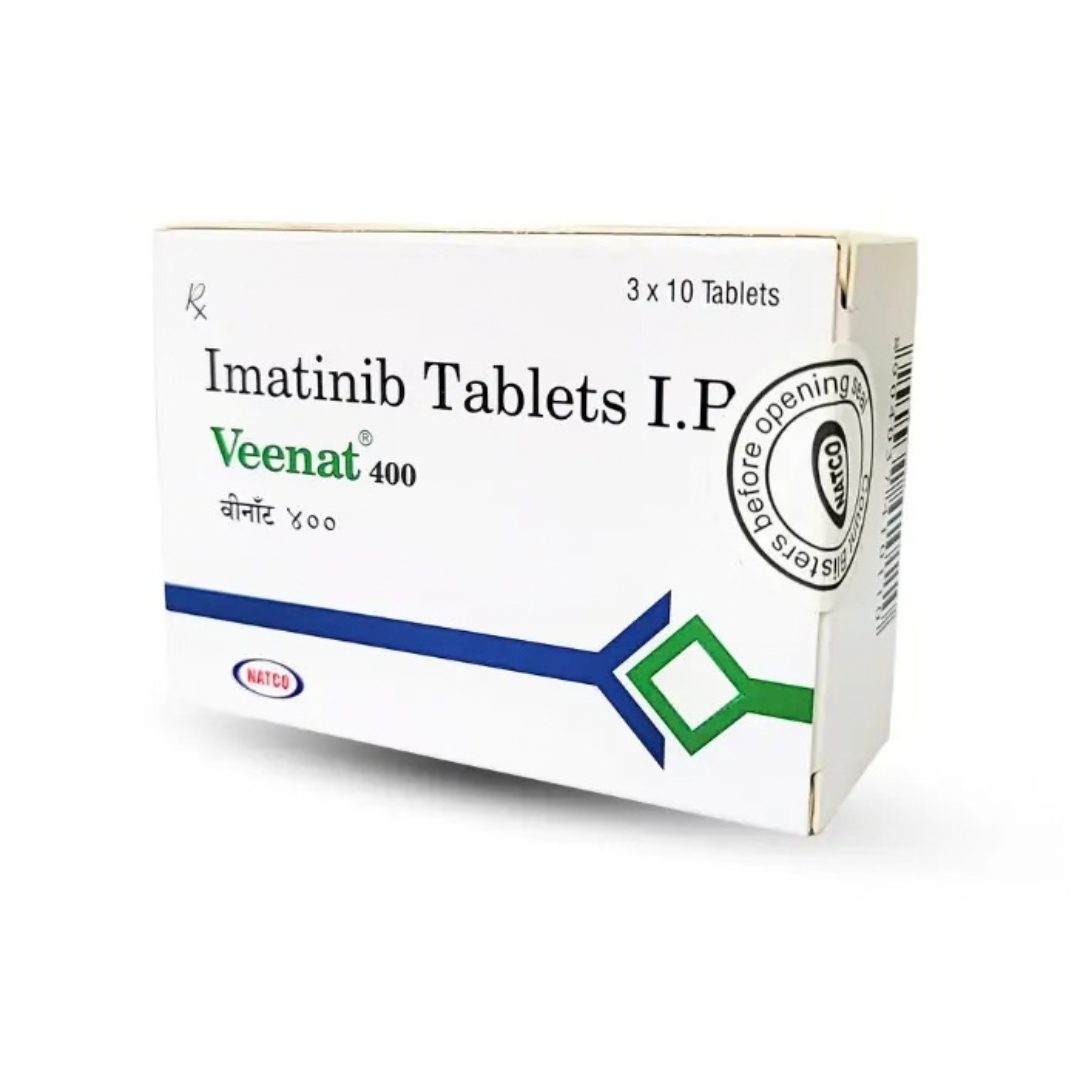
Veenat 400mg Tablets
-
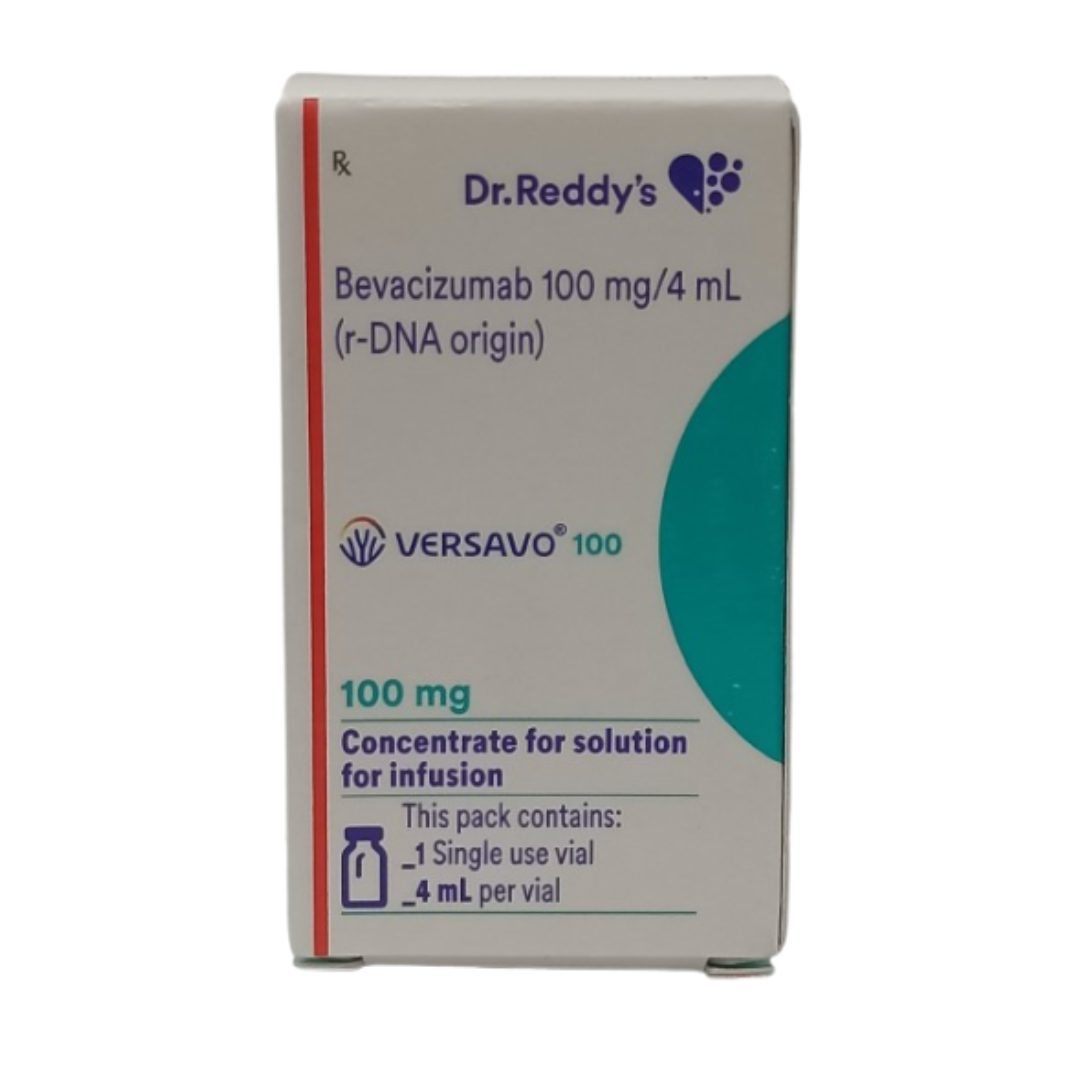
Versavo 100 mg Injection
-
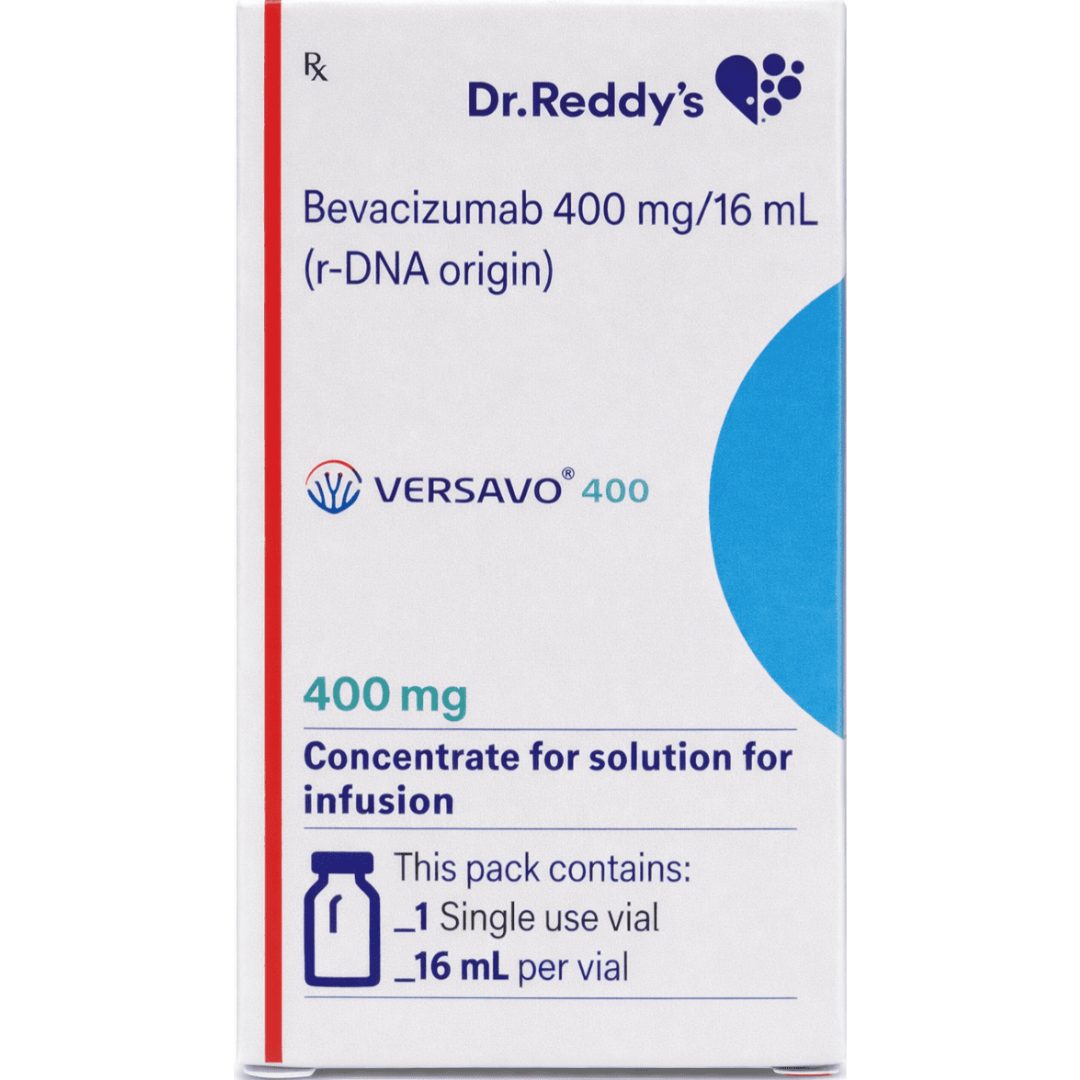
Versavo 400 mg Injection
-
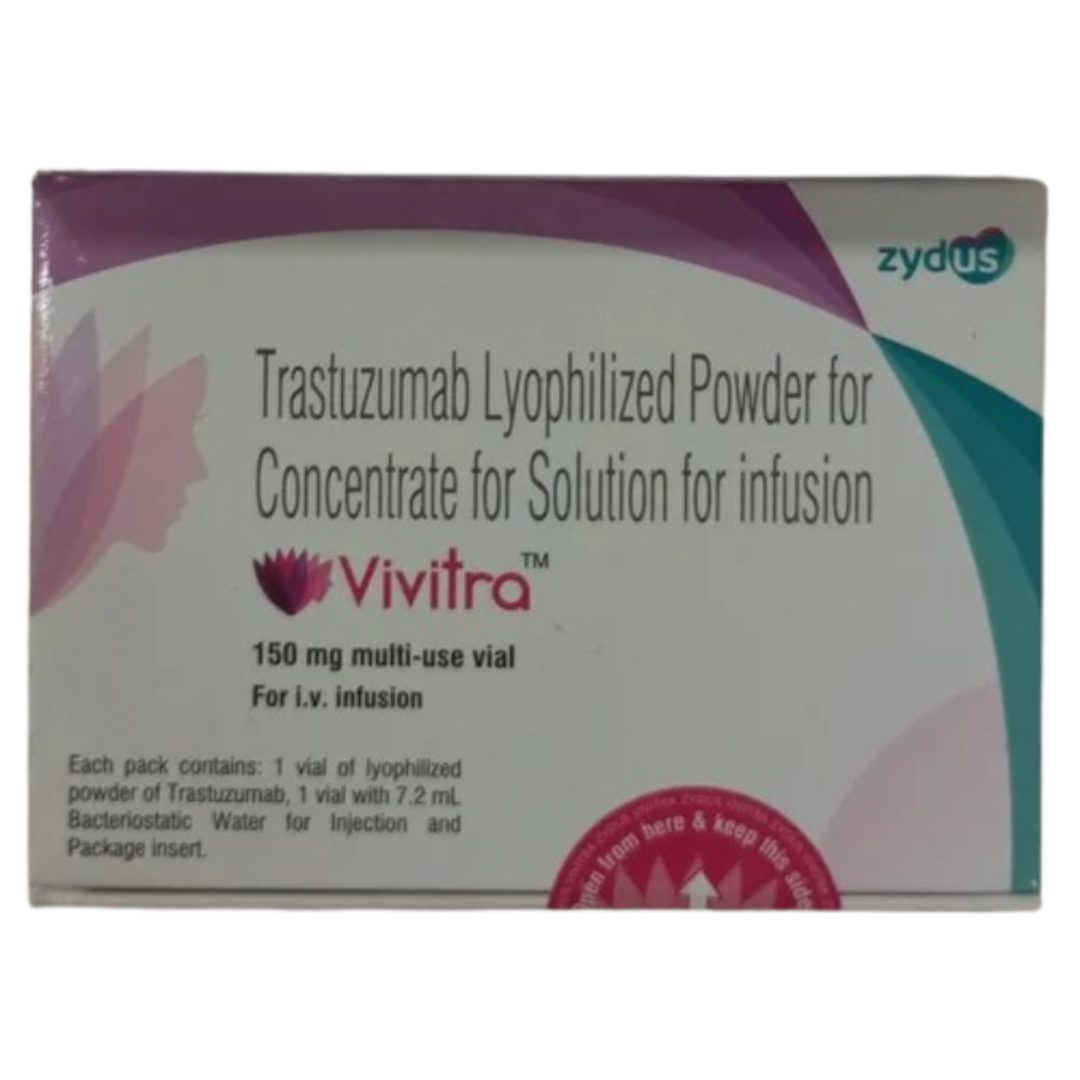
Vivitra 150 mg Injection
-
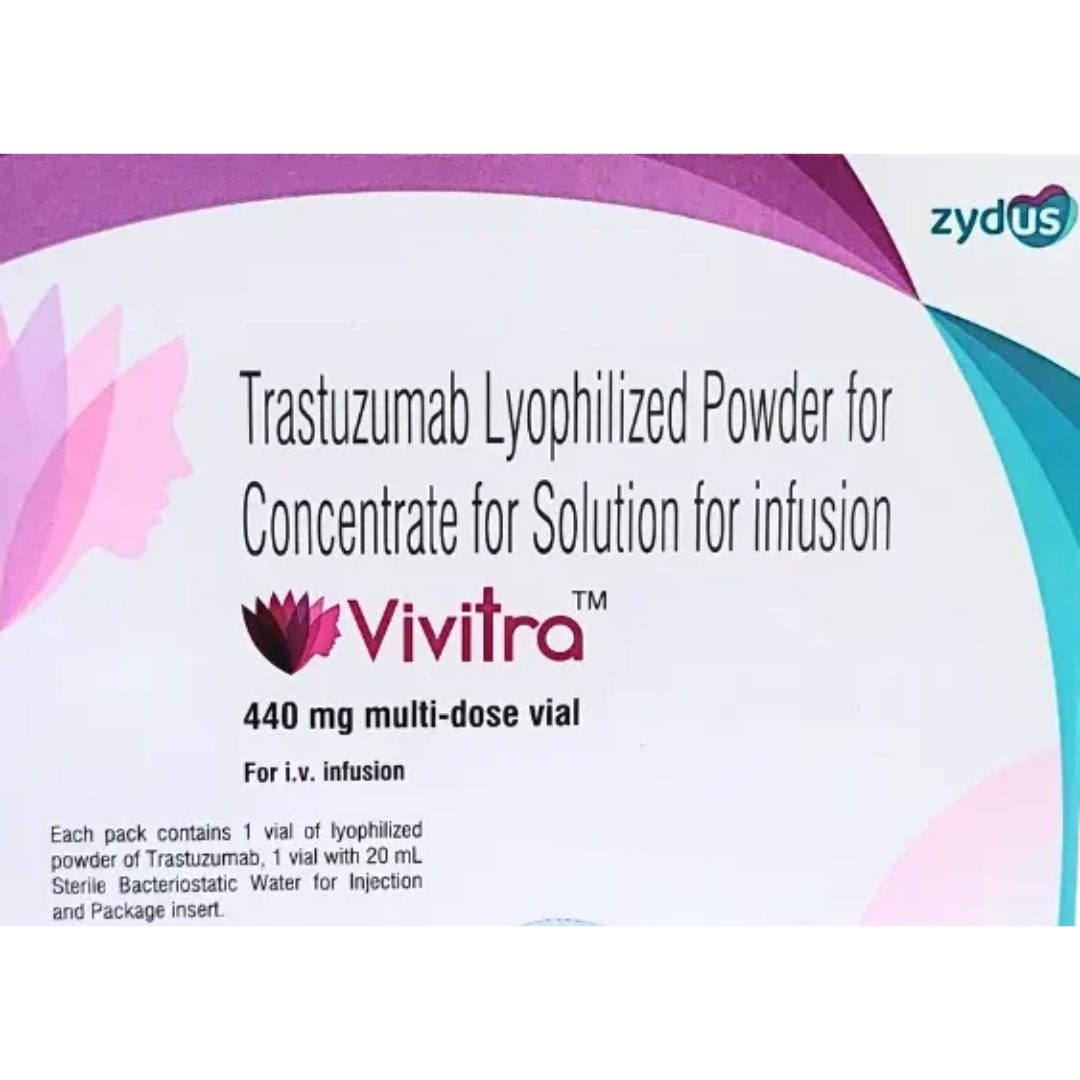
Vivitra 440 Injection
-
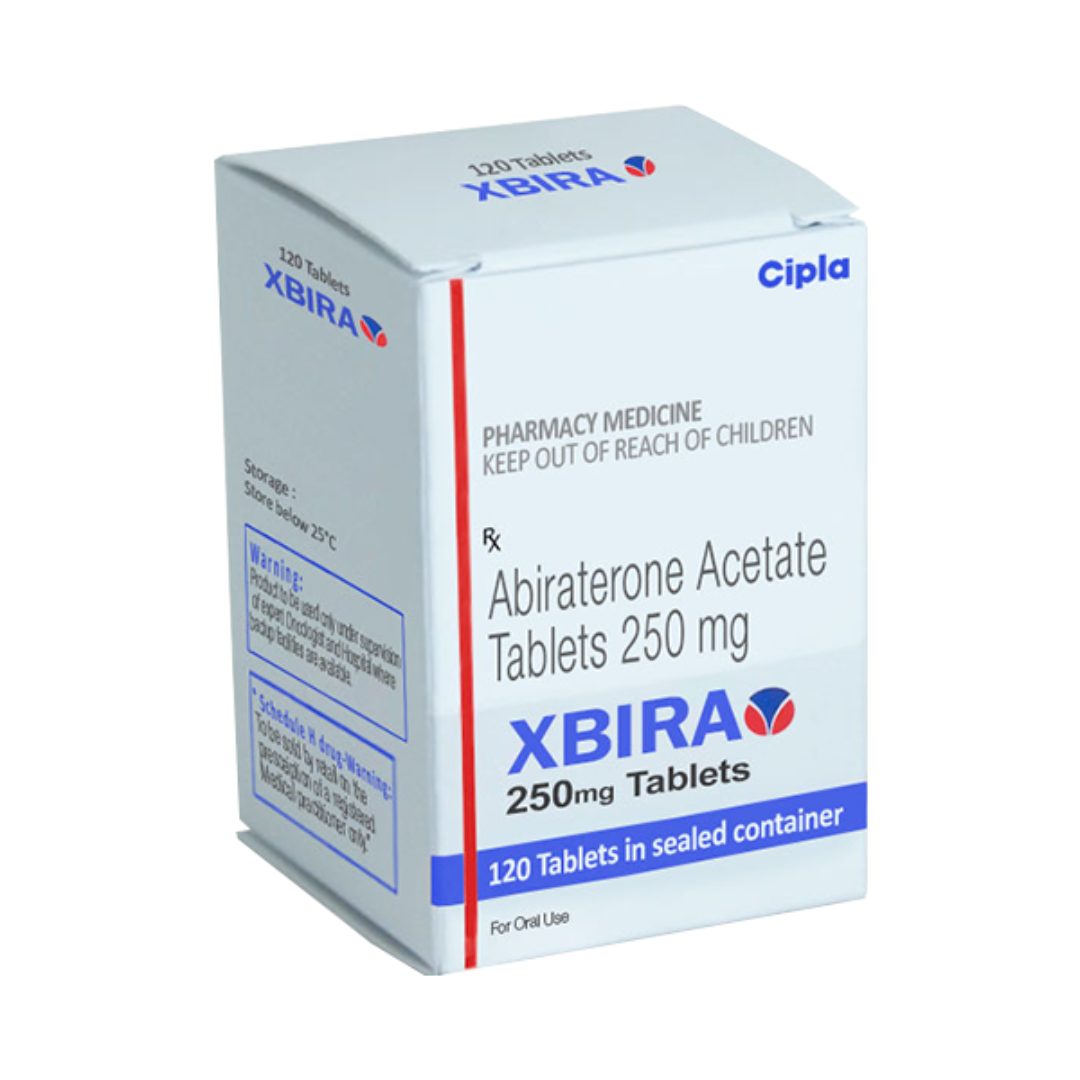
Xbira 250 mg Tablets
-
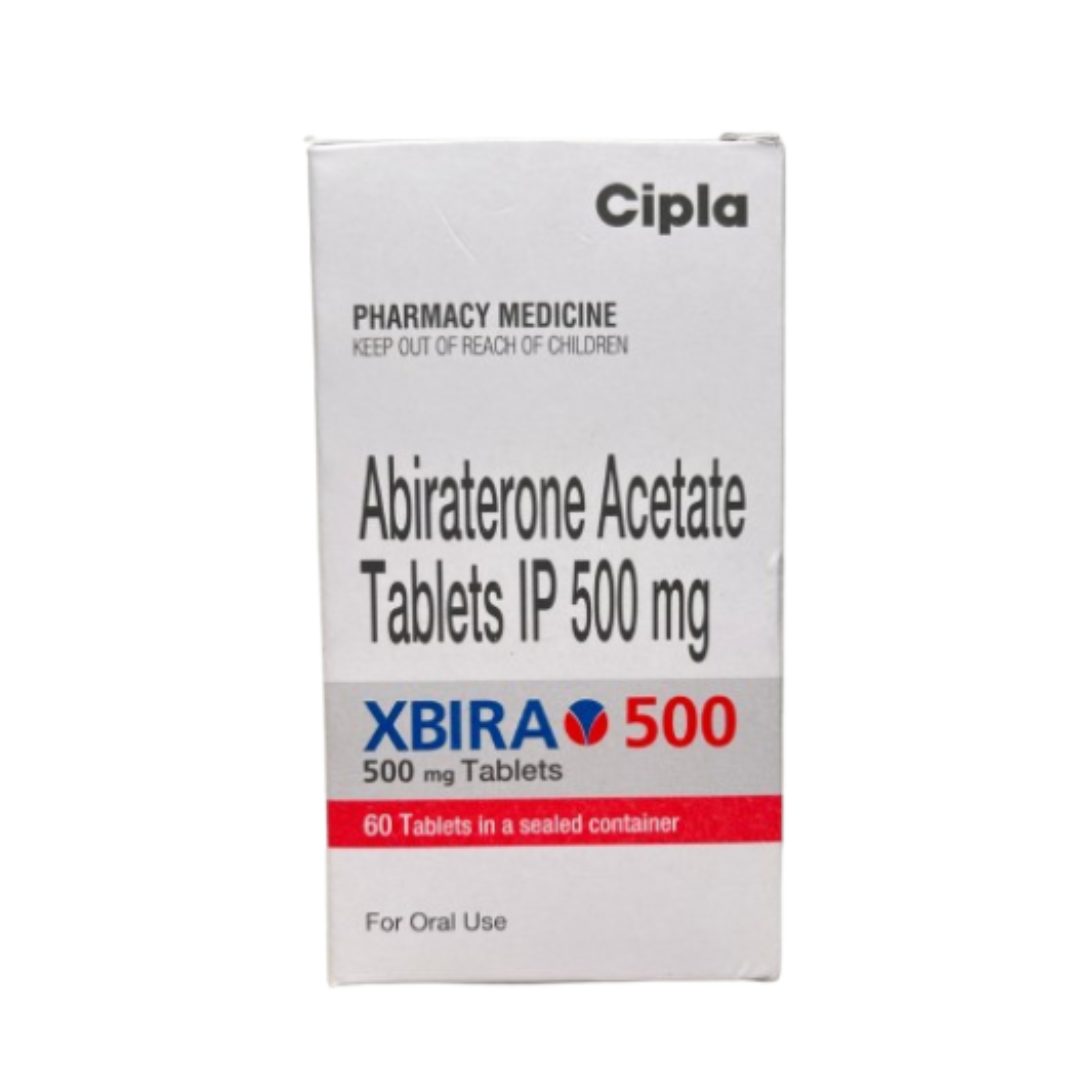
Xbira 500 mg Tablets
-
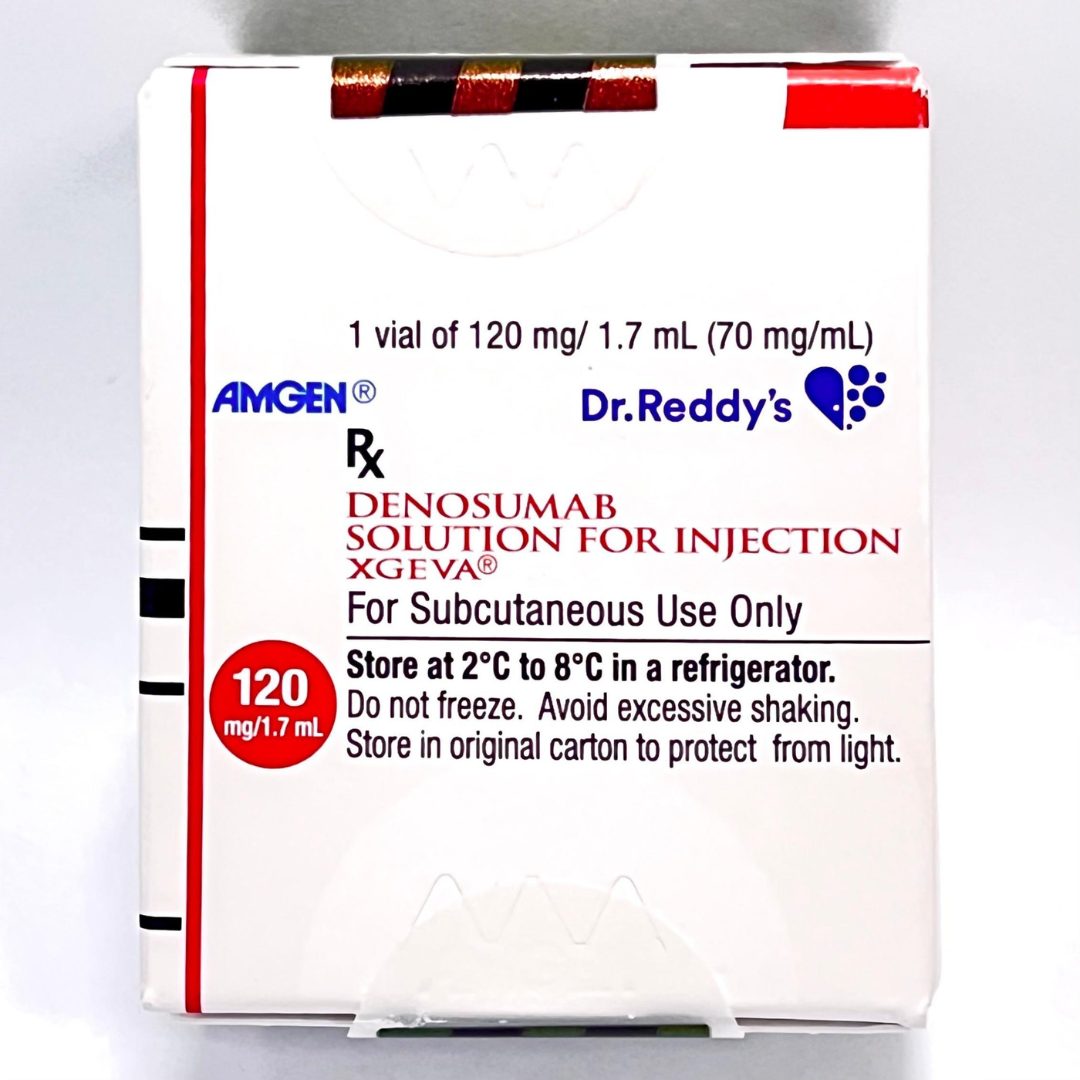
Xgeva 120
-
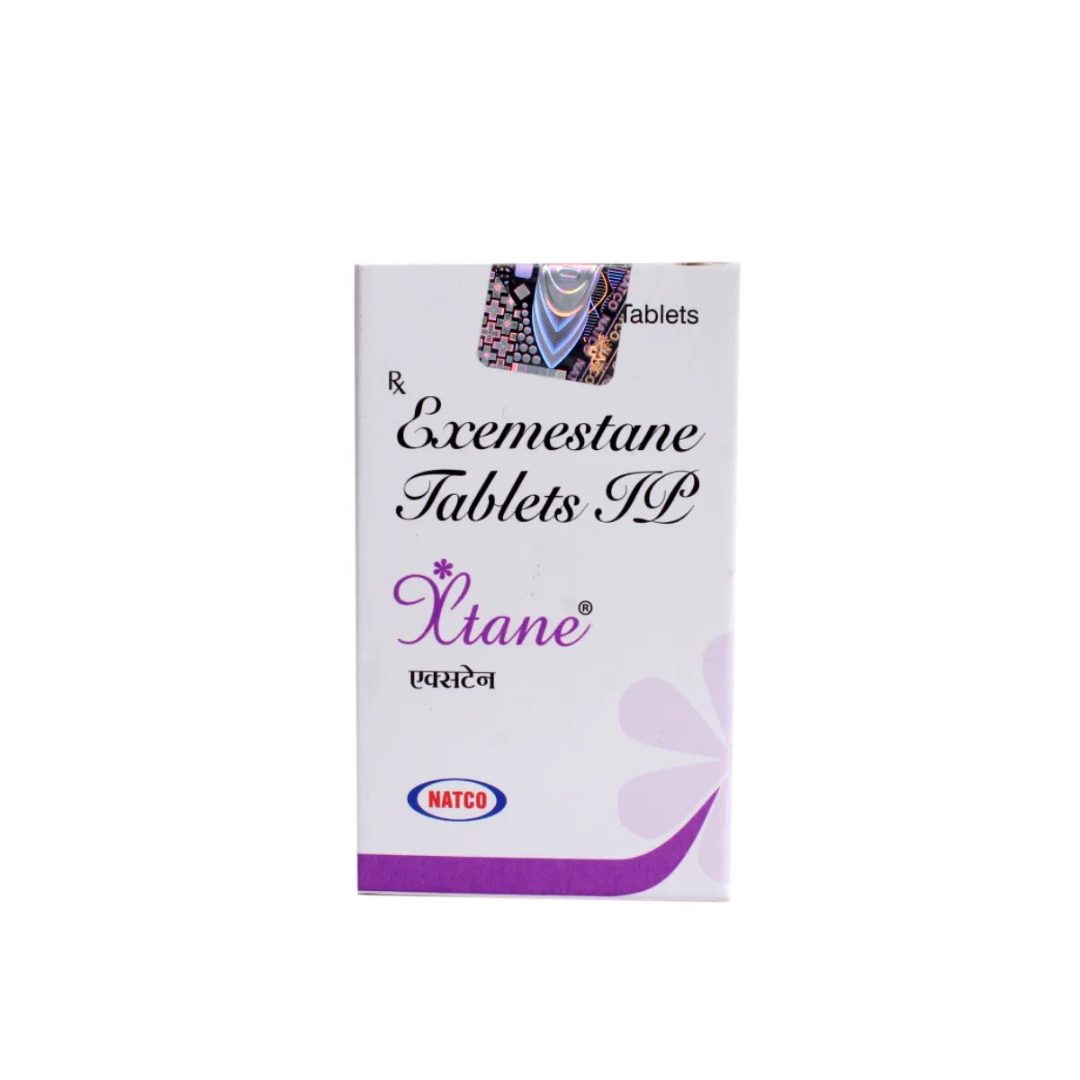
Xtane 25mg Tablets
-
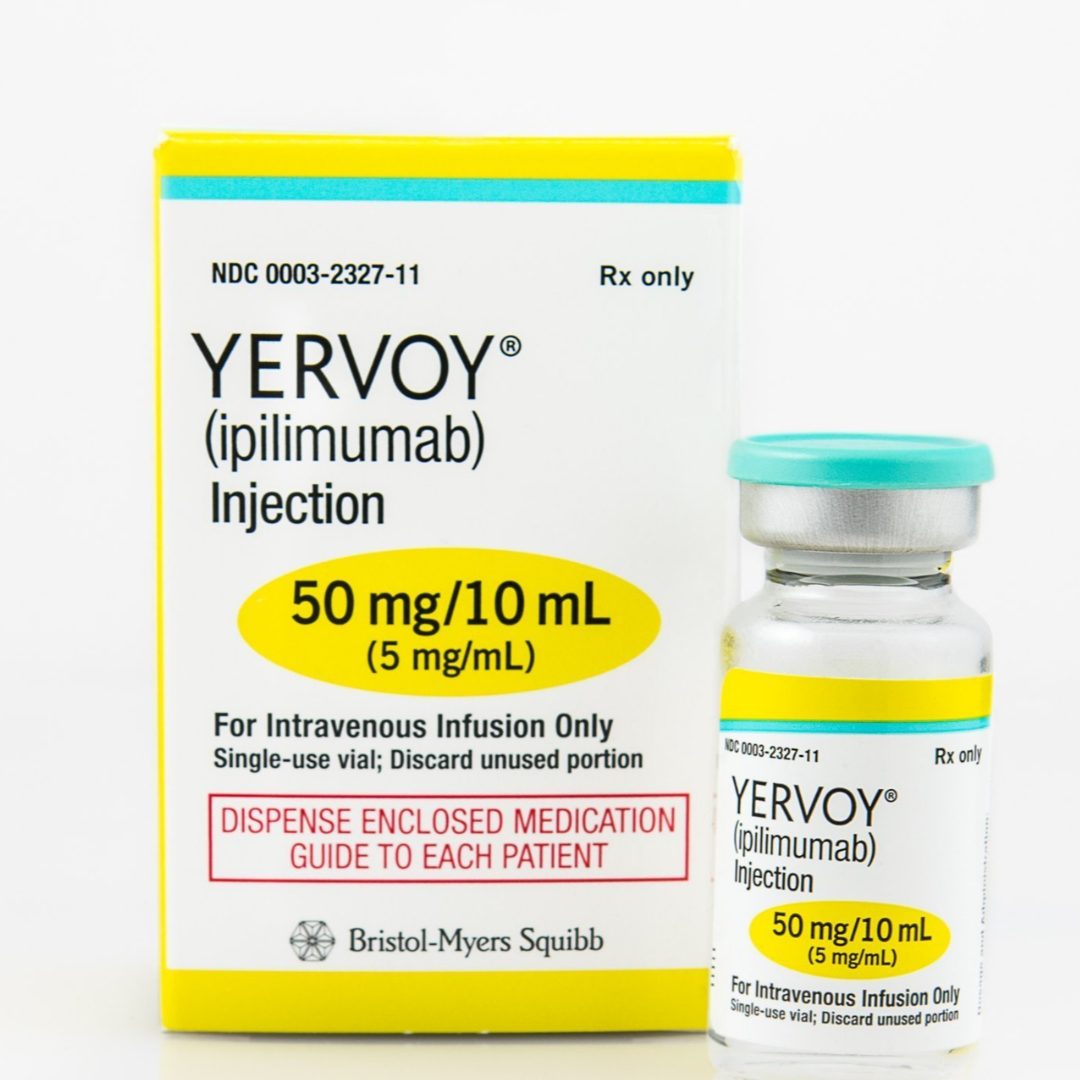
Yervoy 50 mg Injection
-
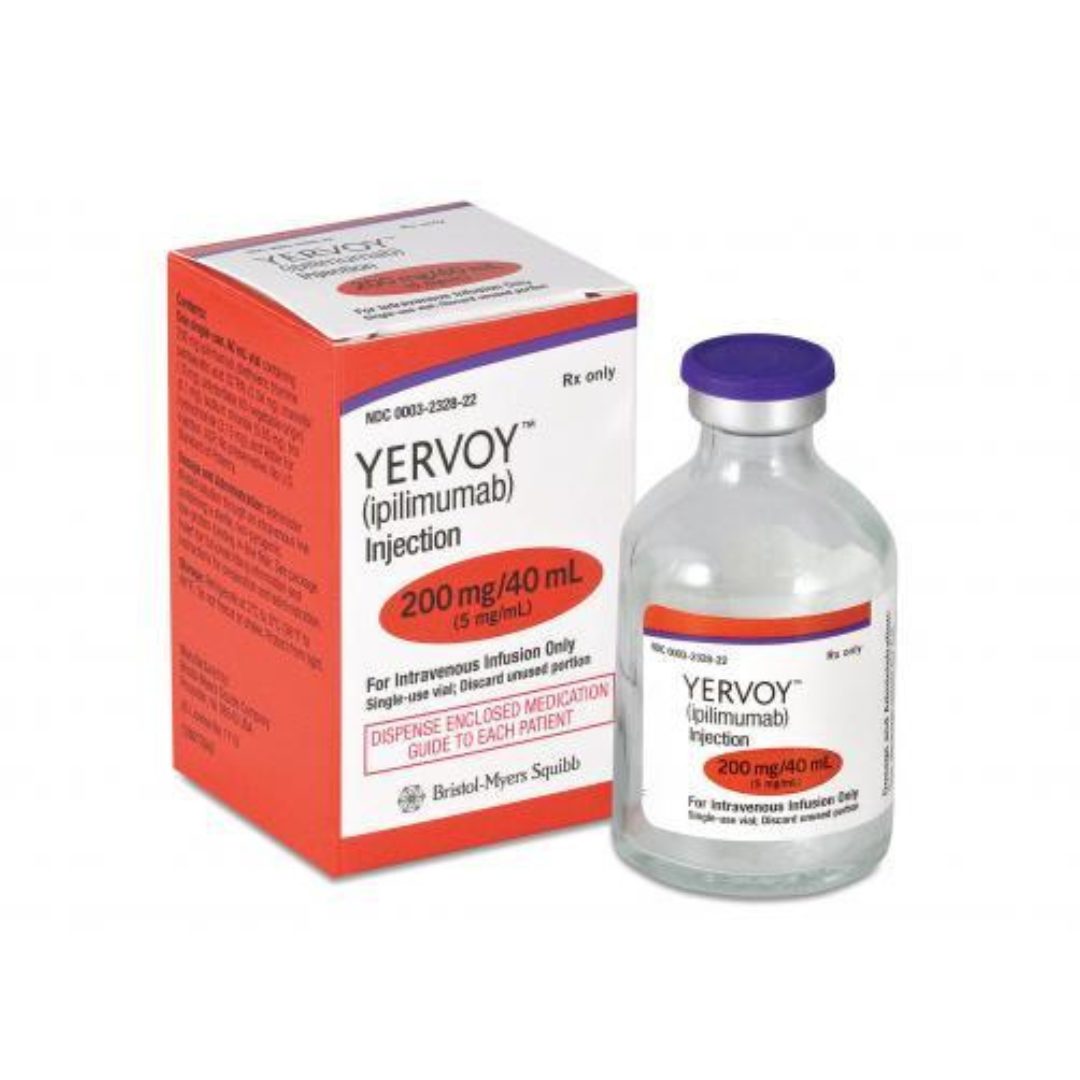
Yervoy 200mg Injection
-
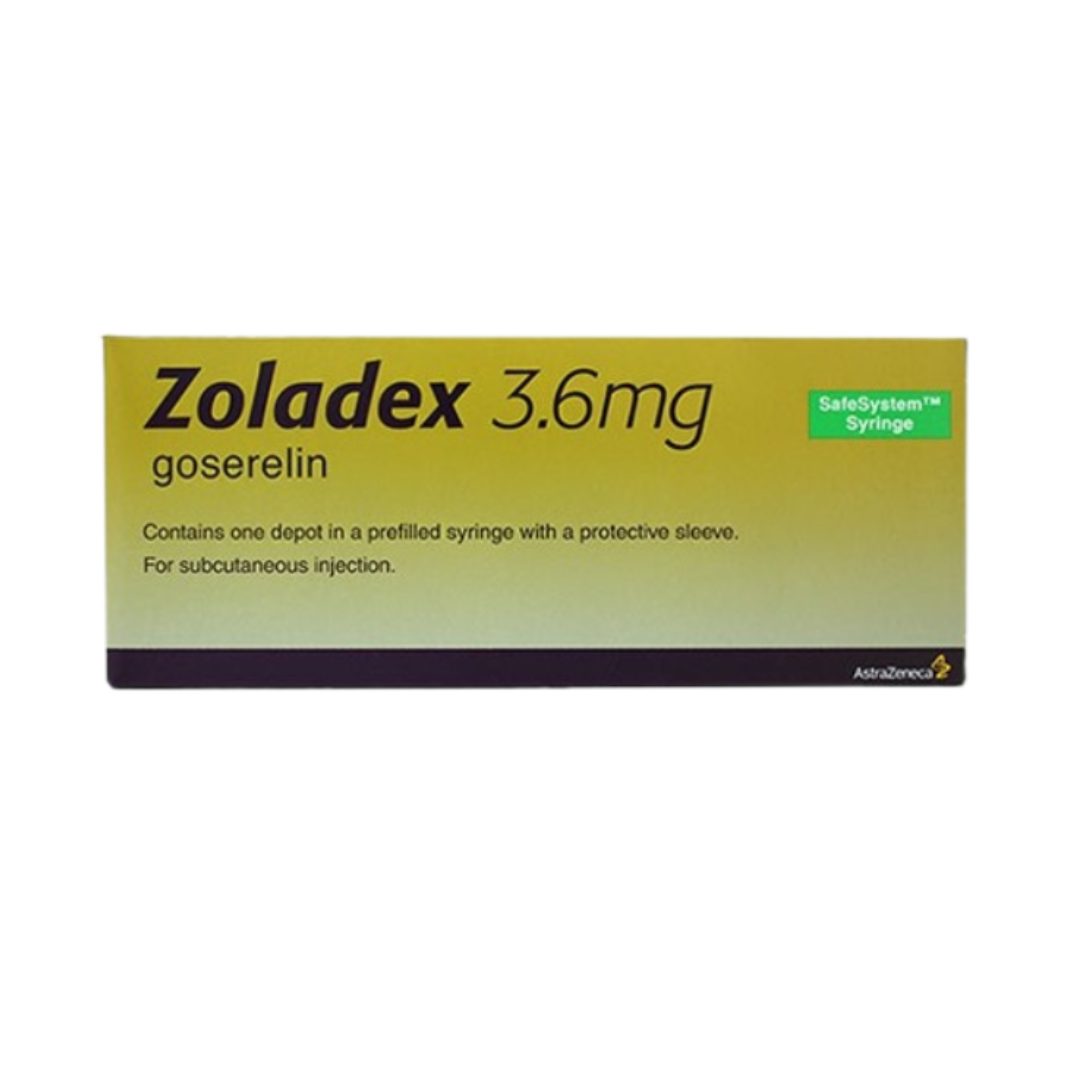
zoladax 3.6 mg
-
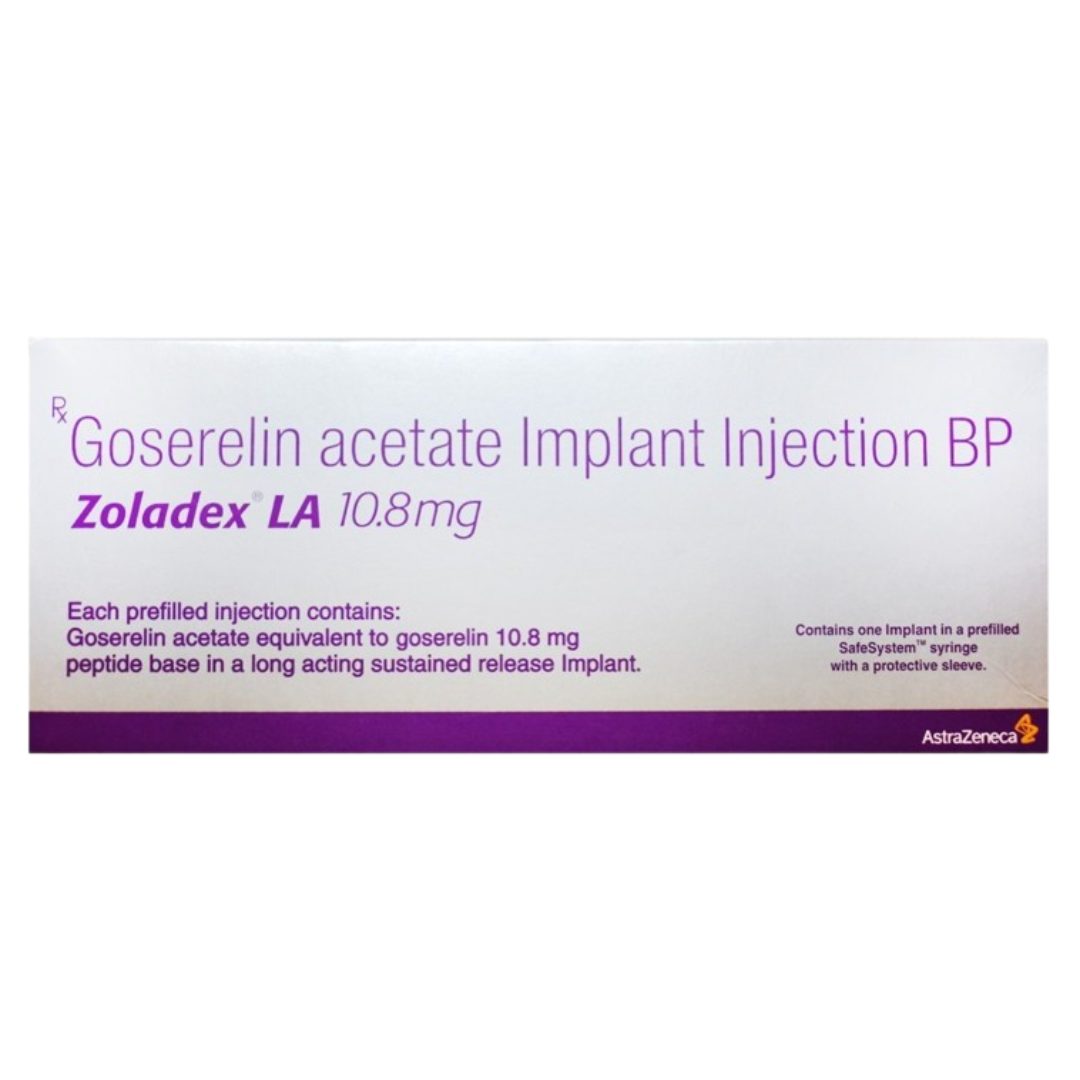
Zoladex LA 10.8 mg
-
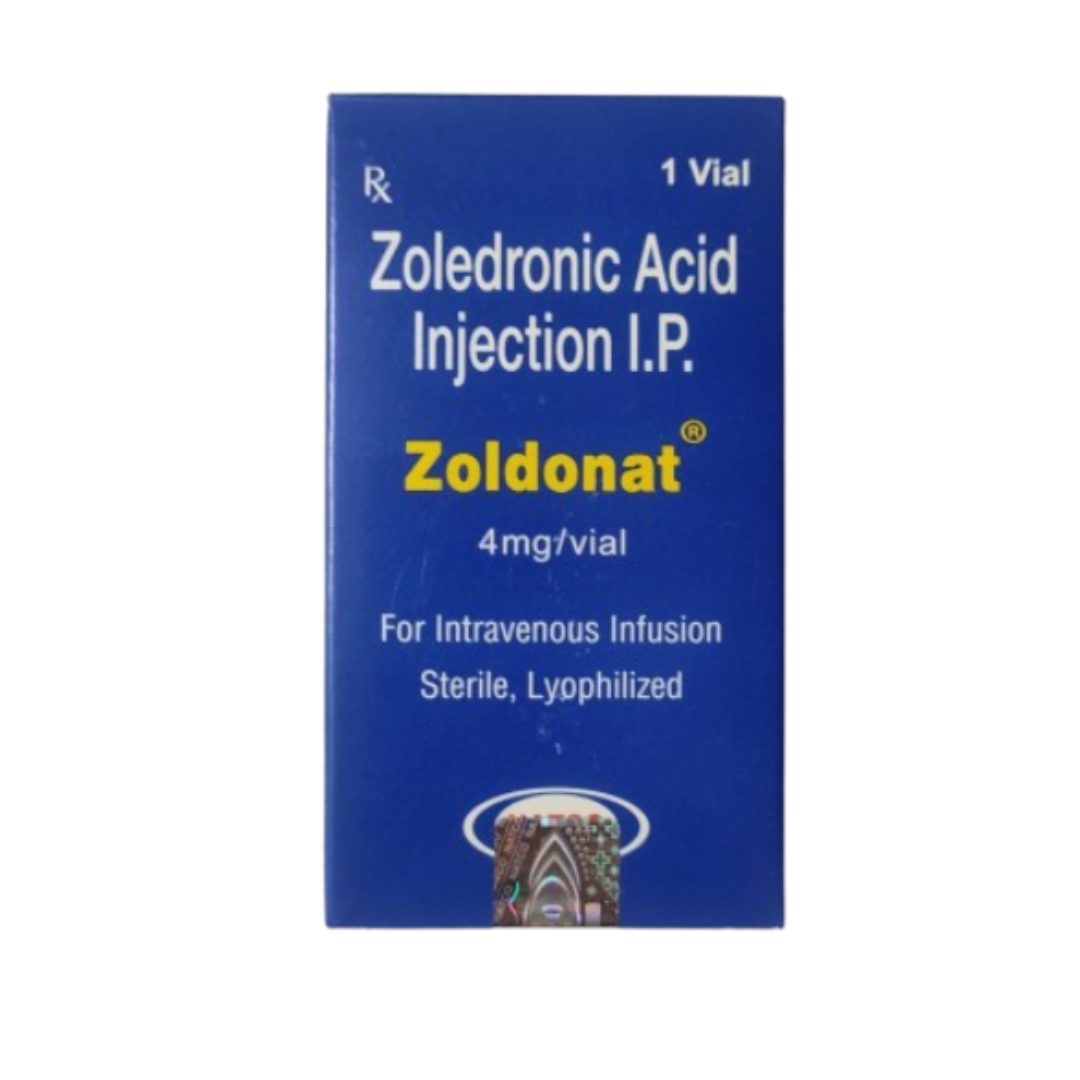
Zoldonat 4 mg Injection
-
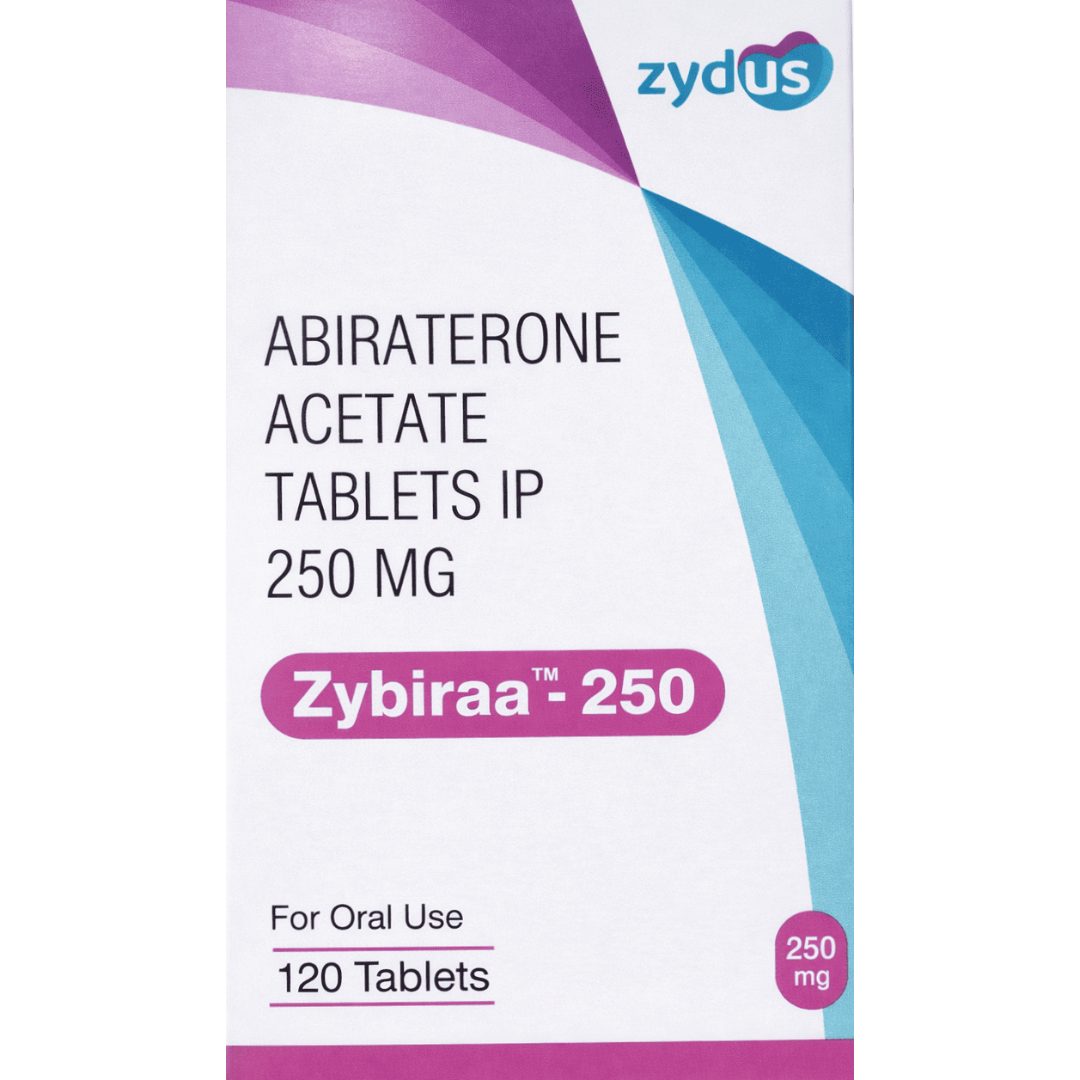
Zybira 250 mg Tablets
-
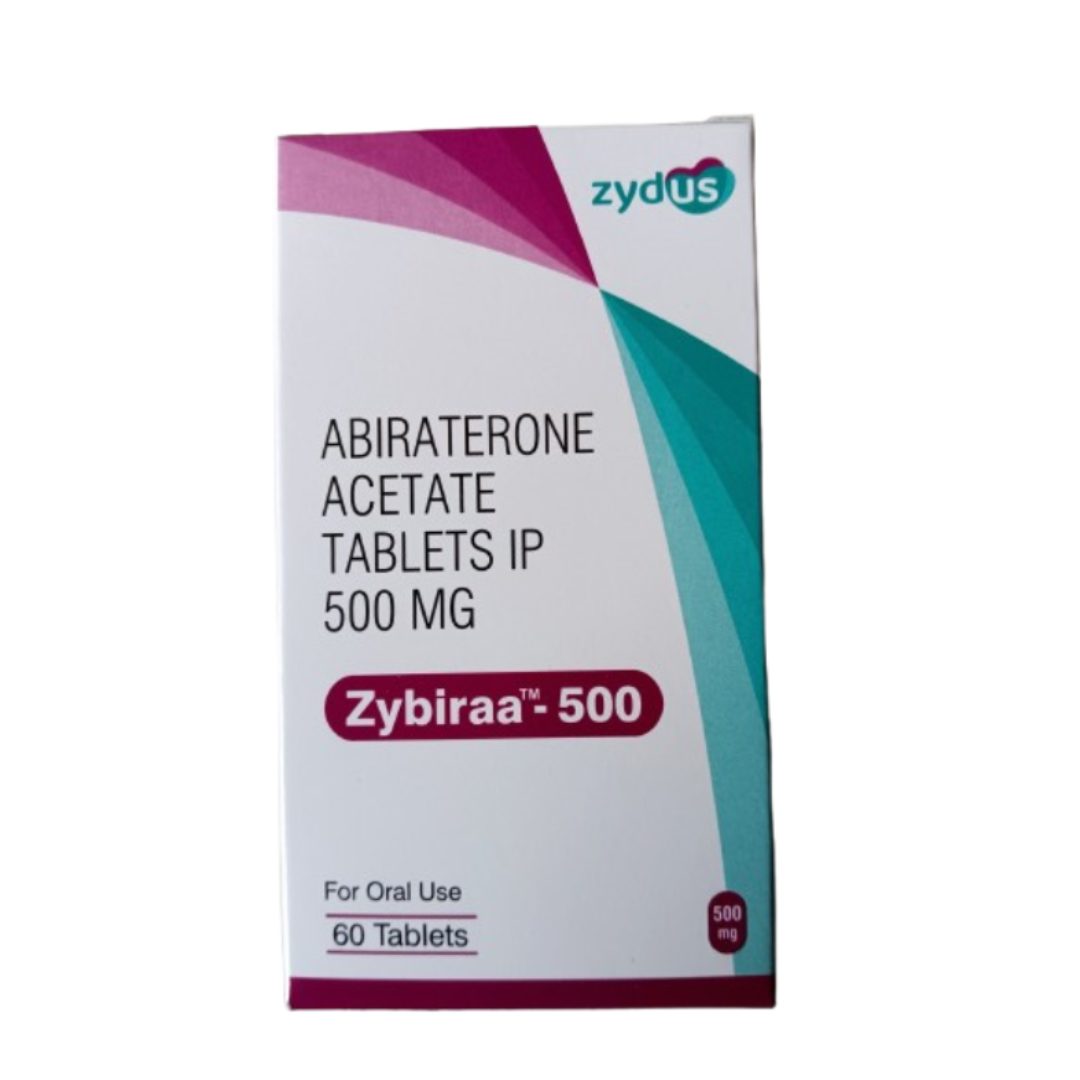
Zybira 500 mg Tablets
-
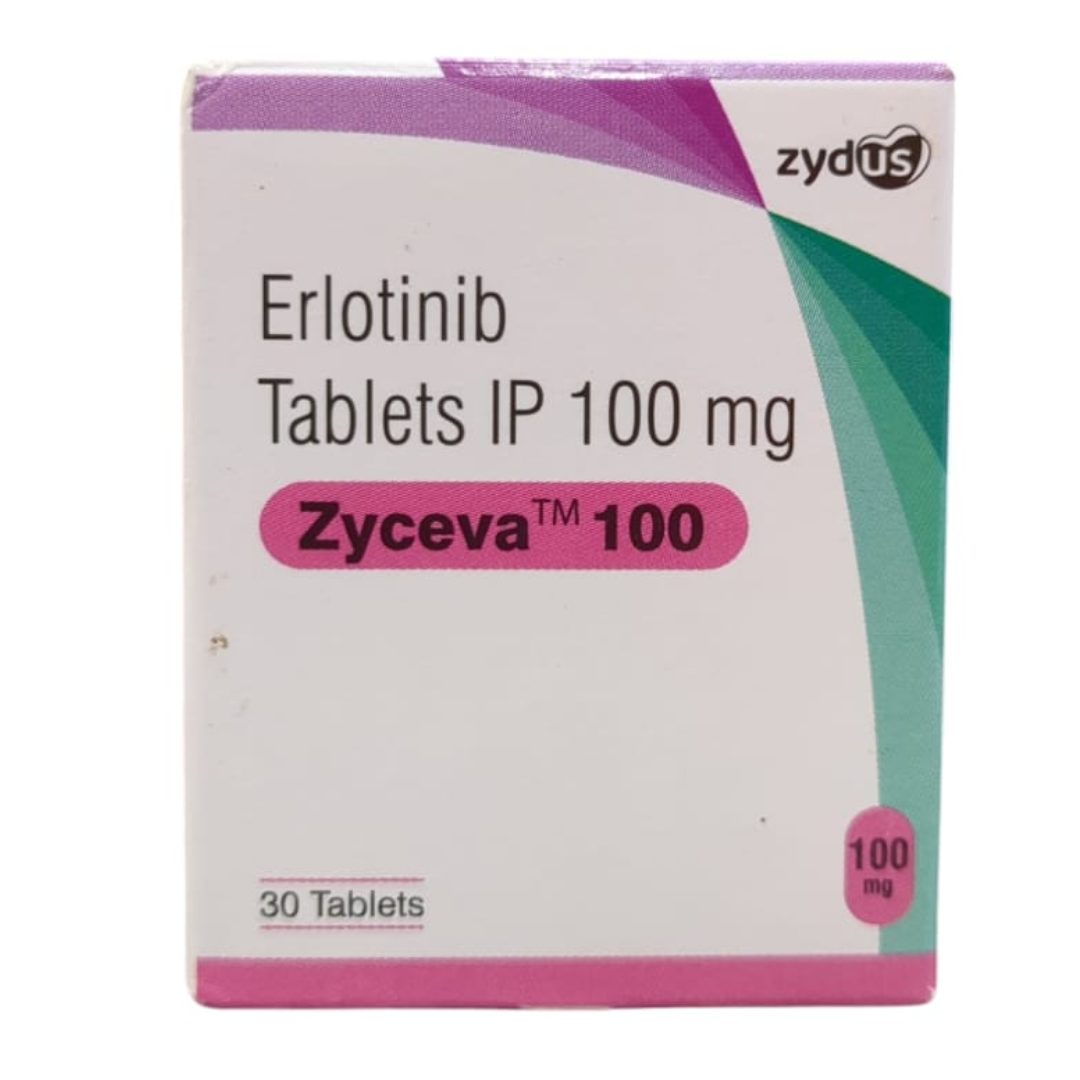
Zyceva 100
-
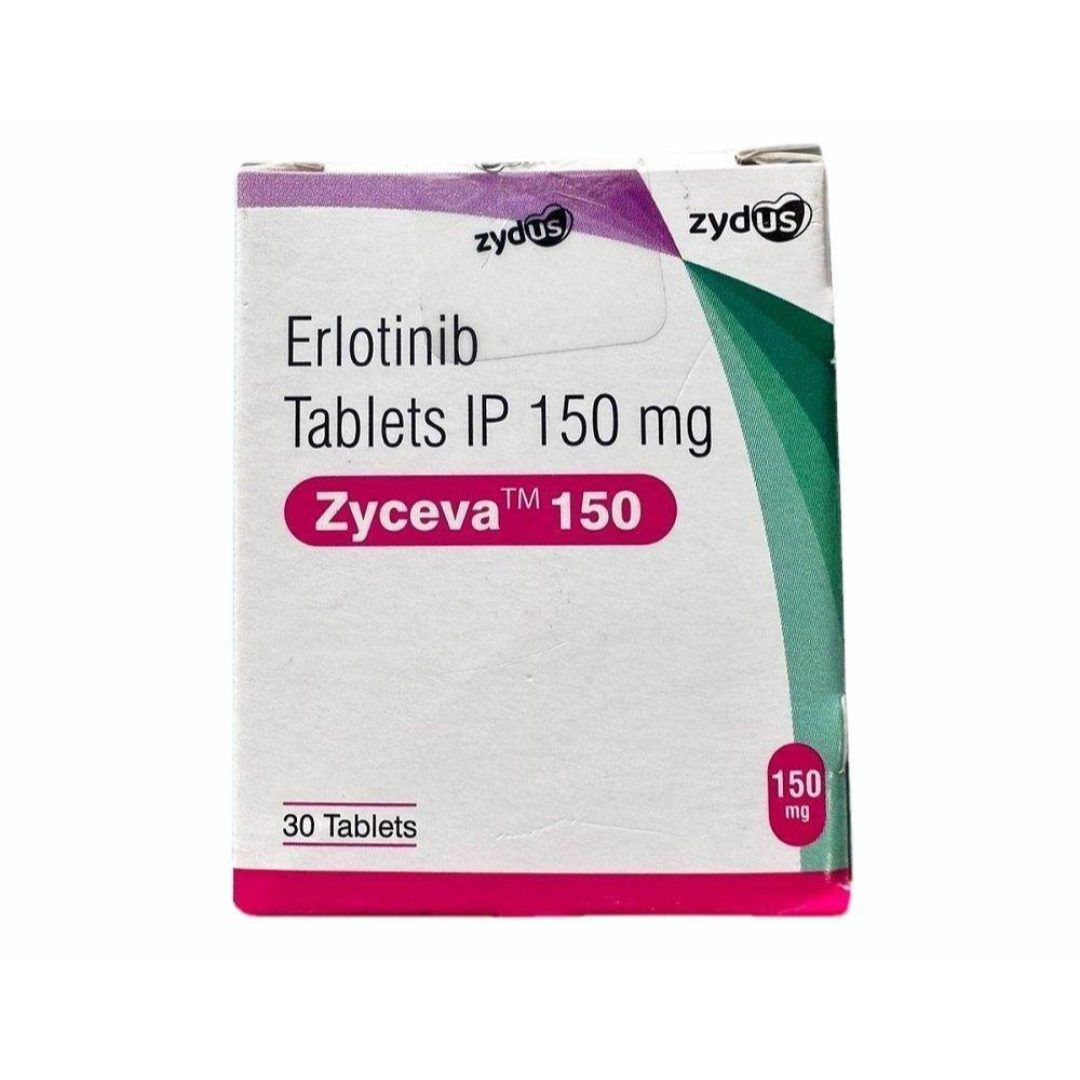
Zyceva 150
-
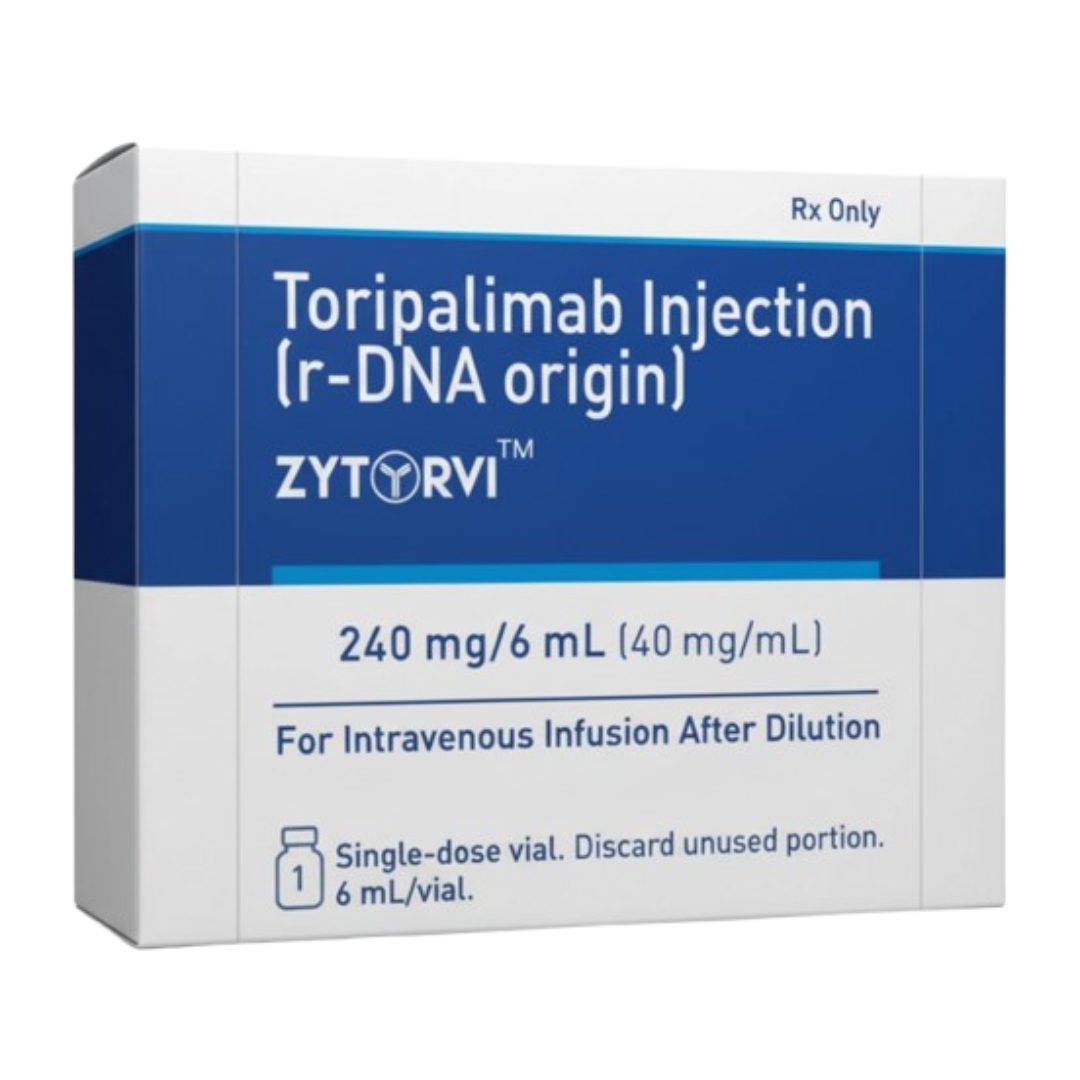
ZYTORVI 240 mg Injection